

Image of 1930 Packard Deluxe Eight, Note: These illustrations use artistic license and may differ from actual historical models.
Performance Metrics
Fundamental Metrics
Emotional Appeal
MMP Rating
| Engine Specifications | |
|---|---|
| Engine: | Straight-8 |
| Displacement: | 384.8 cubic inches |
| Horsepower: | Estimated 106-120 HP |
| Torque: | Not available |
| Compression Ratio: | Not available |
| Ignition System: | Battery and coil |
| Cooling System: | Water-cooled |
| Performance Specifications | |
| 0-60 Time: | Not available |
| 1/4 Mile Time: | Not available |
| Top Speed: | 70-80 mph |
| Transmission and Drive | |
| Drive Type: | Rear-wheel drive |
| Transmission Type: | 3-speed manual |
| Fuel and Efficiency | |
| Fuel System Type: | Carburetor |
| MPG: | Not available |
| Dimensions and Brakes | |
| Brakes: | Mechanical drum brakes |
| Wheelbase: | 140.5 inches |
| Weight: | 4,700 lbs |
Note: Specifications for classic cars are given to the best of our ability, considering the limited and variant data available.
1930 Packard Deluxe Eight: American Luxury at Its Peak
The 1930 Packard Deluxe Eight was built for a world in which arriving quietly, comfortably, and in considerable style mattered more than getting there first. Long, imposing, and powered by a smooth inline-eight engine, it represented Packard’s ambition to make one of America’s finest luxury cars. The name “Deluxe Eight” is often used for Packard’s top-tier Eight models of the period, particularly the long-wheelbase 745 series, though surviving cars and references may identify a specific example by its series, chassis, or coachwork.
Packard began in Warren, Ohio, and by 1930 its headquarters and principal factory were in Detroit, Michigan. The company had made its name with carefully engineered, high-quality automobiles and a strong reputation for reliability. The Deluxe Eight arrived just after the 1929 stock-market crash, at the beginning of the Great Depression. That timing gives the car a striking place in history: Packard was still building grand automobiles for customers who wanted the best, even as the market for expensive cars was rapidly shrinking.
One detail that helps explain the Eight’s character is its nine-main-bearing crankshaft. That substantial design helped the long engine run smoothly, a quality owners could feel as well as hear. Packard did not build the Deluxe Eight as a speed-record special. Its purpose was to combine power, composure, and prestige in a car that could cover long distances without making its passengers work for the journey.
Long Lines, Fine Coachwork, and a Spacious Cabin
The Deluxe Eight’s exterior was classic late-1920s and early-1930s luxury: a tall, upright radiator, a proud hood, sweeping fenders, and a long chassis that gave the car an unmistakably formal stance. Packard’s distinctive radiator shell and hood ornament made the marque recognizable from a distance. Depending on the body style, the profile could look sporting and open or almost architectural, with a tall passenger compartment and an extended rear section.
Much of the car’s visual appeal came from its proportions and its coachwork rather than from decorative excess. Brightwork, wire or disc-style wheels depending on specification, running boards, and carefully shaped lamps added detail without distracting from the car’s long, balanced shape. Individual bodies could differ substantially, so two Deluxe Eights might share the same mechanical foundation yet look quite different.
Inside, Packard aimed for the finish expected of a premium automobile. Upholstery could be ordered in high-quality cloth or leather, with wood trim, polished metal fittings, carpeting, and carefully finished door panels. Closed cars offered a quiet, sheltered passenger compartment, while open bodies provided a more direct connection to the road and weather. On some formal body styles, the rear passenger area was the main event, with generous legroom and appointments intended to make chauffeur-driven travel especially comfortable.
Paint choices varied with body style, coachbuilder, and customer order. Dark blues, greens, maroons, and black suited the car’s formal character, while two-tone combinations could emphasize the body’s long lines. There was no single “correct” color for every Deluxe Eight. Packard buyers could specify finishes to suit their taste, and custom coachwork made personalization part of the appeal.
Body Styles and Deluxe Eight Variations
Packard offered its large Eights in a broad range of body styles, with availability depending on the exact series and chassis. Open touring cars, phaetons, roadsters, coupes, sedans, convertible sedans, and formal limousine-style bodies all appeared across the period’s Packard range. Some bodies were supplied by Packard, while others were created by prestigious coachbuilders, including firms such as Dietrich.
The long-wheelbase 745 is particularly associated with the most imposing versions of the 1930 Eight. Its extended chassis suited formal sedans and chauffeur-driven cars, though elegant open bodies could be fitted as well. The most iconic choice depends on what a buyer values: a formal limousine makes the strongest statement of prewar luxury, while a roadster or phaeton shows off the chassis and its sweeping fenders. The rarer, more elaborate coachbuilt examples tend to attract especially strong interest from collectors.
Engineering That Put Comfort First
At the heart of the large Packard Eight was a straight-eight engine of approximately 384.8 cubic inches, or 6.3 liters, in the top-level long-wheelbase series commonly associated with the Deluxe Eight. It used a side-valve, or L-head, layout. Output is generally listed at about 106 horsepower for the standard large Eight specification, though figures can vary by model and source. Packard’s reputation rested not only on the headline number but on the engine’s smooth delivery and substantial low-speed torque.
The car’s engineering reflected the priorities of a luxury automobile in 1930. A three-speed manual transmission, substantial chassis, mechanical four-wheel brakes, and carefully developed suspension helped make a heavy car manageable. Packard also offered equipment and refinements intended to improve ride comfort and ease of use, though details varied with model and body. Compared with a modern car, the Deluxe Eight was mechanically straightforward, but its size, weight, and period systems demanded attentive maintenance.
Packard’s nine-main-bearing design was a notable engineering feature for an inline-eight. Supporting the crankshaft at multiple points helped control vibration and contributed to the smoothness that became a hallmark of the marque. The result was an engine designed for relaxed, sustained driving rather than high-revving performance.
Performance and the Period Driving Experience
Exact performance depended on body style, gearing, condition, and equipment. A reasonable period-based estimate for a well-maintained large Packard Eight is a top speed in the neighborhood of 80 to 85 mph. Acceleration from 0 to 60 mph was slow by modern standards, likely taking roughly 25 to 30 seconds in a heavy touring or sedan body. These figures should be treated as estimates, not as results from standardized modern testing.
Behind the wheel, the Packard feels substantial. The long hood stretches ahead of the driver, the steering takes deliberate effort at low speeds, and the manual transmission asks for a measured hand. Once moving, the straight-eight’s character comes through: a deep, even exhaust note and smooth power delivery rather than a sharp, urgent burst of acceleration. Its size rewards anticipation. Drivers need to plan braking distances, allow room through tight turns, and use the gearbox thoughtfully on hills.
On ordinary roads, the long wheelbase and weight help the car settle into a steady ride. It can absorb many road imperfections with more composure than a short, light car of its era, but it is not immune to rough surfaces. Large bumps, rutted roads, and worn suspension components can make themselves known, especially in a heavy body. On winding roads, the Deluxe Eight is best driven smoothly. It is not a sports car, and quick direction changes are not its natural territory. Its strengths are dignity, comfort, and steady progress.
Packard’s Place in American Automotive History
The Deluxe Eight mattered because it showed how far American luxury-car engineering and styling had developed by 1930. Packard competed with other elite makers by combining custom-level appearance, powerful multi-cylinder engines, and a serious commitment to build quality. The Eight’s smoothness and presence helped establish the expectations buyers had for a first-class American automobile.
Its influence was less about introducing a single feature that every later car copied and more about setting a standard for the complete luxury experience. A top Packard was expected to be handsome, quiet for its time, comfortable over distance, and mechanically robust. The car also illustrates the growing importance of choice: buyers could select different wheelbases, body types, and finishes rather than accept one uniform luxury-car shape.
The Great Depression changed the market dramatically. Expensive cars became harder to sell, and even respected makers had to adapt. Packard survived the decade and later broadened its range, but the large 1930 Eight remains a reminder of the company’s prewar confidence and its ability to build cars for the wealthiest buyers.
Owning a 1930 Packard Eight
Today, a Deluxe Eight is most often a show car, touring car, museum piece, or carefully maintained collector vehicle. Some owners take their cars to vintage rallies and regional tours, where the Packard’s comfort and road presence are more appreciated than outright speed. Regular daily use is possible in a limited sense, but modern traffic, road speeds, and the attention required by an almost century-old car make it an impractical everyday choice for most people.
Maintenance is manageable for an experienced vintage-car owner, but it is not a casual do-it-yourself project in every respect. Routine service includes careful attention to ignition, carburetion, lubrication, cooling, brakes, tires, and the electrical system. Mechanical brakes require correct adjustment, and a large straight-eight needs a sound cooling system and proper lubrication. Some repairs are straightforward for a competent mechanic familiar with prewar cars; others can be time-consuming because parts may be scarce, worn components may need specialist rebuilding, and body or coachwork repairs demand experienced craftsmanship.
Reliability depends heavily on condition and restoration quality. A properly sorted Packard can tour reliably, but age alone makes any example vulnerable to old wiring, deteriorated hoses, fuel-system problems, and decades of improvised repairs. Buyers should look beyond glossy paint and inspect the chassis, engine, transmission, brakes, wood structure where applicable, and the quality of any restoration.
Packard Trivia and Common Criticisms
The Deluxe Eight’s most distinctive claim to fame is its combination of a large straight-eight engine and nine-main-bearing crankshaft, an arrangement associated with the smooth, refined character Packard sought. It was not primarily a racing car, and it should not be confused with Packard’s more performance-oriented Speedster offerings. The 734 Speedster, for example, was a separate, rarer model intended to deliver a sportier experience.
Packard’s high-end cars also became natural symbols of wealth and authority, appearing in formal settings and in the hands of prominent owners. However, specific celebrity ownership claims should be checked against documentation for each individual car. A car’s body style or marque alone does not prove that it belonged to a particular public figure.
There is no widely recognized production or speed record that defines the 1930 Deluxe Eight. Its significance is better understood through its engineering, craftsmanship, and place in the luxury market. Common criticisms are practical ones: the car is large, heavy, slow to accelerate by modern standards, and equipped with period brakes and steering that require more driver attention than a contemporary vehicle. Restoration costs can also be substantial, particularly for rare coachbuilt bodies.
Collector Values, Rarity, and Market Outlook
Production figures for a specific “Deluxe Eight” configuration can be difficult to pin down because Packard records and later references may divide cars by series, chassis, body style, or coachbuilder. As a broad estimate, the long-wheelbase 745 family was likely produced in the low thousands rather than in the vast numbers associated with mass-market cars. Individual body styles and custom coachbuilt versions are considerably scarcer than the overall model family suggests.
Values vary enormously with originality, condition, provenance, restoration quality, and body style. As a broad current-market estimate, a project or incomplete example might fall around $40,000 to $80,000. A sound, presentable car could bring roughly $80,000 to $180,000, while an exceptional restoration or particularly desirable coachbuilt example may reach $200,000 to $400,000 or more. These are general guide ranges, not a valuation of any specific car; rare bodies and documented history can move the price well outside them.
Prices for prewar classics have not risen uniformly. In recent years, top-quality, historically significant cars have continued to attract serious buyers, while average examples can be more sensitive to restoration costs and changing collector tastes. A Deluxe Eight’s long-term appeal is supported by its Packard heritage and imposing design, but ownership costs mean that buying well is more important than assuming every example will appreciate. Condition, documentation, and the quality of the work already completed usually matter more than optimistic asking prices.
Why the 1930 Packard Deluxe Eight Still Matters
The 1930 Packard Deluxe Eight brings together the qualities that made Packard a leading American luxury marque: a smooth, substantial straight-eight, elegant coachwork, a refined cabin, and a chassis built for long-distance travel. It arrived at a difficult moment in economic history, yet it remains a vivid example of the confidence and craftsmanship of the period.
It is not the quickest or easiest classic to live with, and it asks its driver to respect the limits of 1930s technology. In return, it offers a rare kind of presence: a long, dignified Packard that turns every journey into an occasion. That is why the Deluxe Eight remains more than a beautiful old car. It is a rolling expression of American luxury at its most ambitious.
1930 Packard Deluxe Eight Catalog of Parts
 1930 Packard Deluxe Eight Accessory Floor Mat - 12"X17"-AC 32Accessory Floor Mat - made of high quality black rubber with molded original emblem. Also designed to be sewn into new carpets. 12"X17", Each
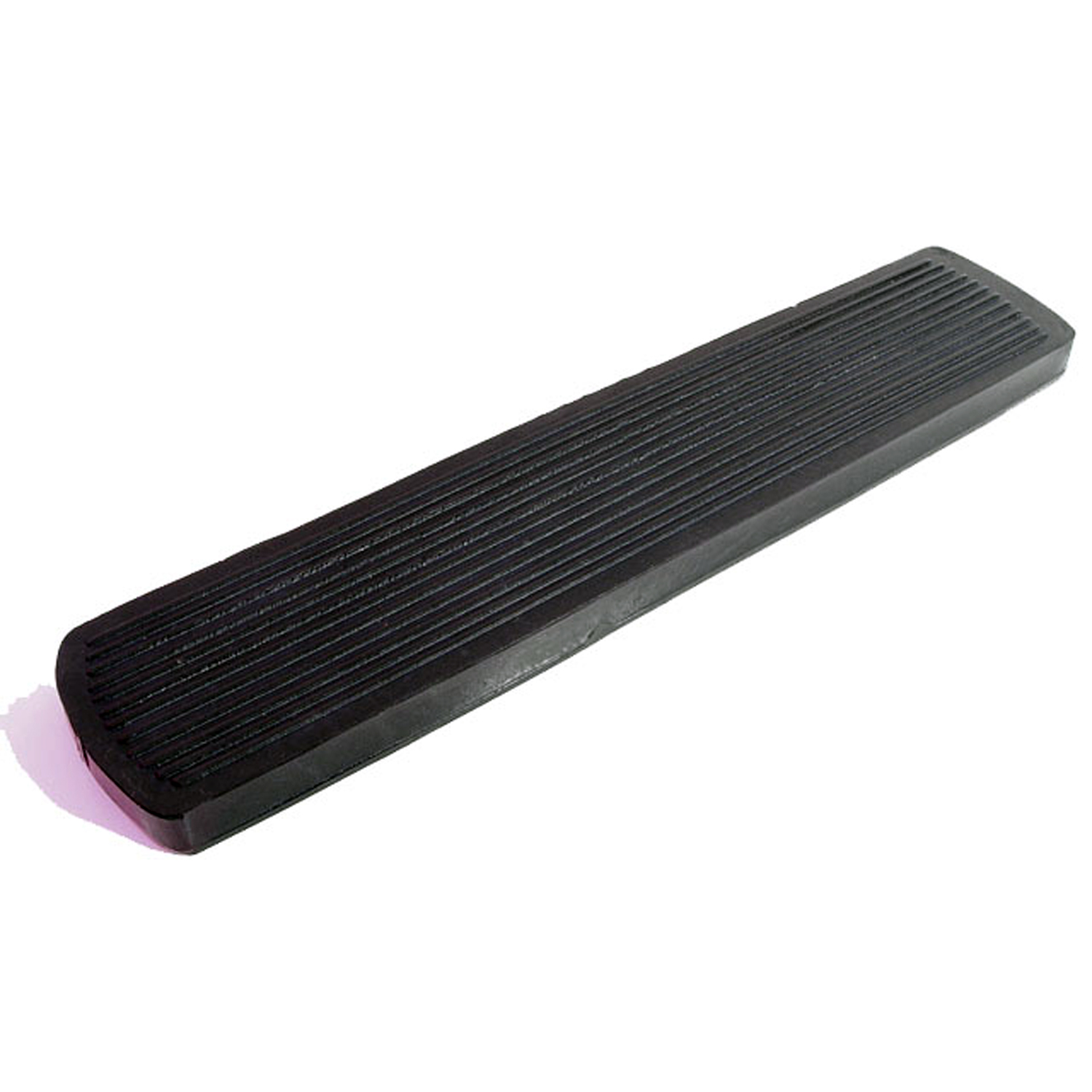 1930 Packard Deluxe Eight Accelerator Pedal Pad. 1-7/8" X 9-3/8", Each-AP 16Accelerator Pedal Pad. 1-7/8" X 9-3/8", Each
 1930 Packard Deluxe Eight Clutch and Brake Pedal Pads. 2-3/4" wide X 3-15/16" long-CB 14Clutch and Brake Pedal Pads. 2-3/4" wide X 3-15/16" long. Pair
 1930 Packard Deluxe Eight Power Brake Pad. 2-3/4" Wide. Each-CB 14-APower Brake Pad. 2-3/4" Wide. Each
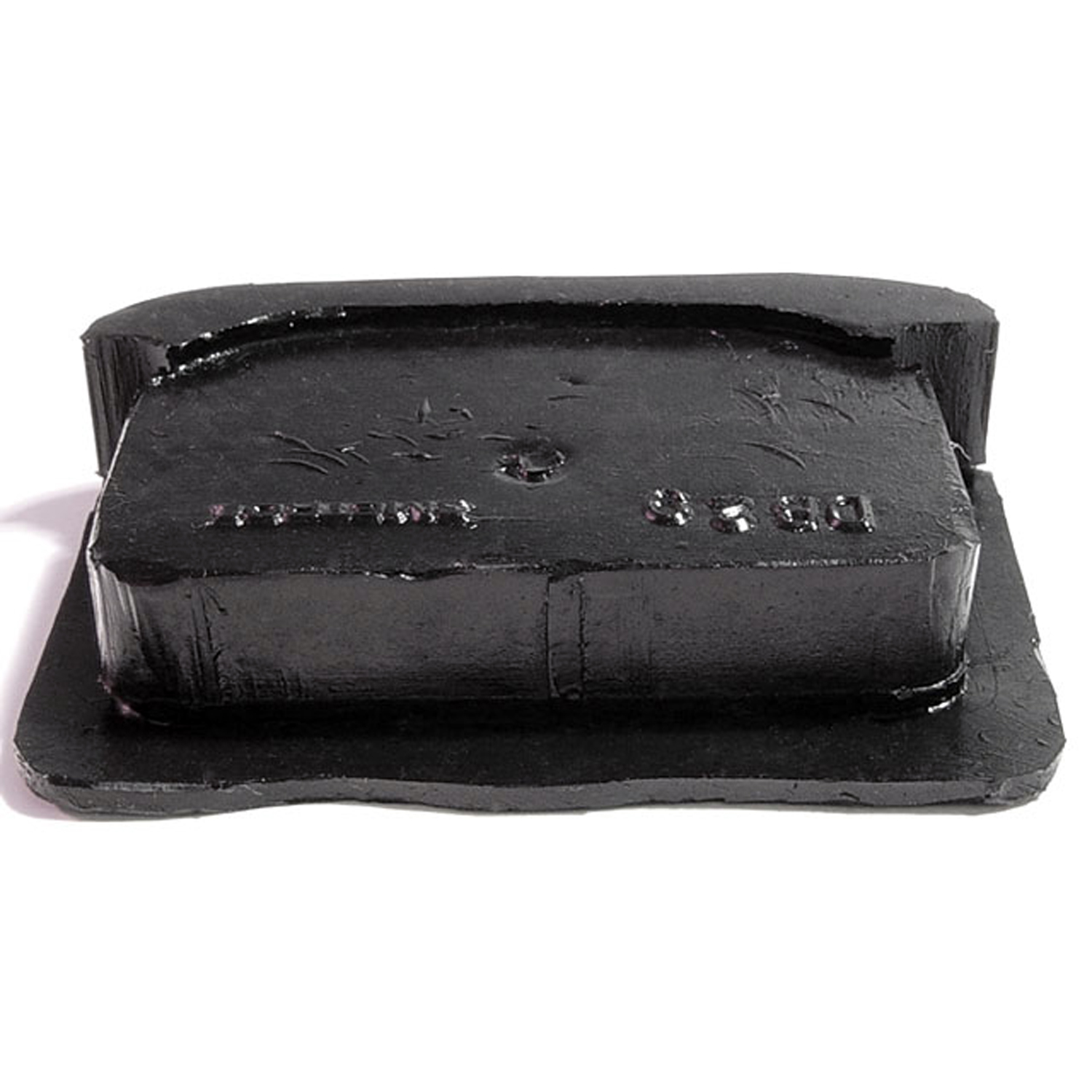 1930 Packard Deluxe Eight Door Bumper. 1-3/8" high X 2" wide X 1/2" thick. Each-DB 29Door Bumper. 1-3/8" high X 2" wide X 1/2" thick. Each
 1930 Packard Deluxe Eight Gas Filler Grommet. 2-1/2" I.D., 4-1/8" O.D. Each-GF 12Gas Filler Grommet. 2-1/2" I.D., 4-1/8" O.D. Each
 1930 Packard Deluxe Eight Hood Corners. 1-3/4" to 2" corner radius-HC 14Hood Corners. 1-3/4" to 2" corner radius. Pad is 3-3/8" long. Pair
 1930 Packard Deluxe Eight Luggage Rack Pads. 3-1/8" wide X 5-1/2" long. Pair-MP 901Luggage Rack Pads. 3-1/8" wide X 5-1/2" long. Pair
 1930 Packard Deluxe Eight Door Handle Pads. 1-1/8" wide X 2-1/8" long. Set-MP 901-ADoor Handle Pads. 1-1/8" wide X 2-1/8" long. Set
 1930 Packard Deluxe Eight Headlight Pads. 5" wide X 5-3/8" long-MP 902Headlight Pads. 5" wide X 5-3/8" long. Pair NOTE: '32 pads may differ slightly. See MP 902-A. Send tracing of metal base if in doubt.
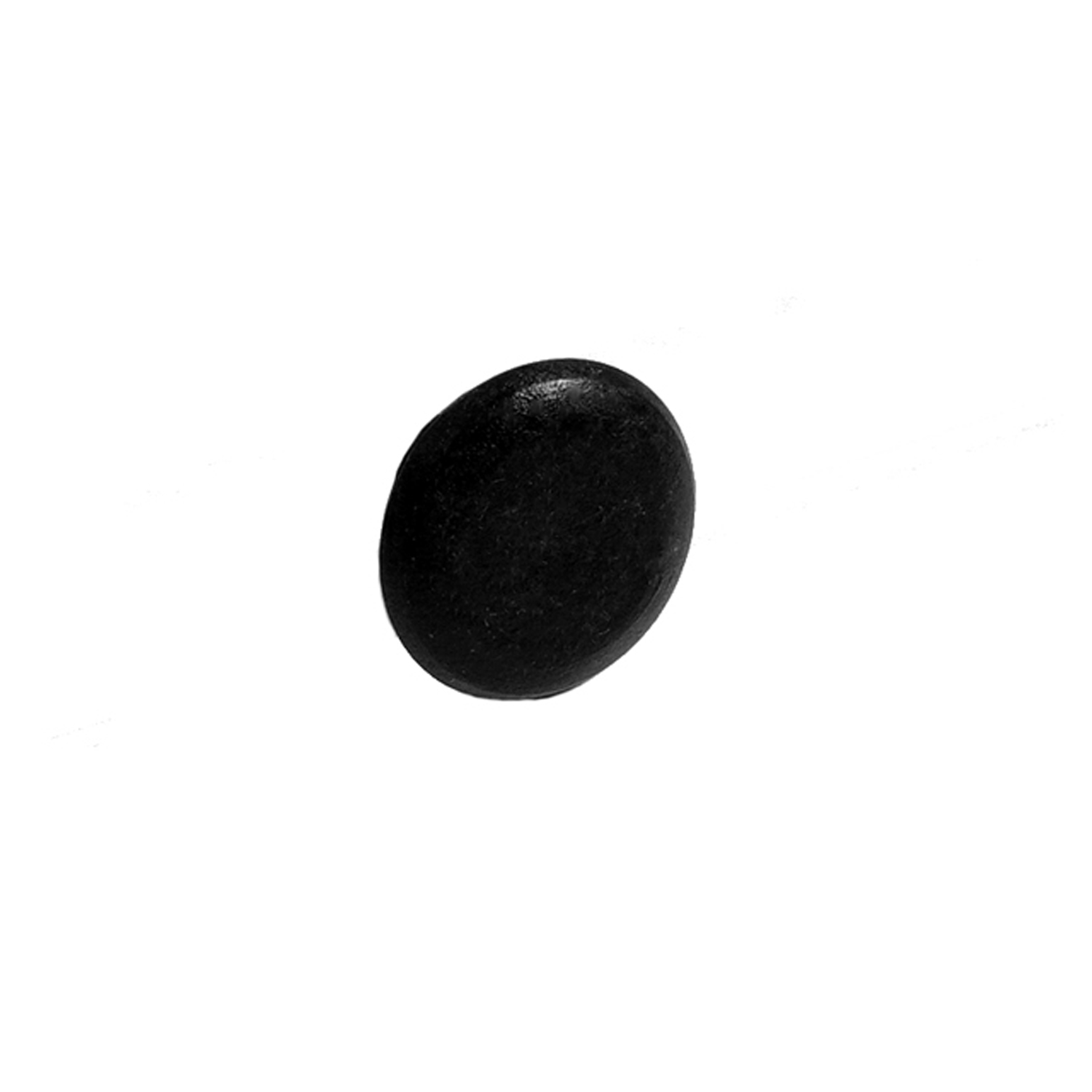 1930 Packard Deluxe Eight Trunk Bumper. 3/4" O.D., 5/8" I.D. Each-SB 74Trunk Bumper. 3/4" O.D., 5/8" I.D. Each
Why Choose Metro?
For over 100 years, Metro Moulded Parts has been the pinnacle of quality in classic car restoration parts. Our commitment to precision and authenticity in every component ensures a perfect fit and an OEM-level appearance.
- Expert Craftsmanship & Quality: Each part is a testament to our dedication to reliability and perfection, crafted from original designs and thoroughly tested.
- Advanced Technology: We use cutting-edge techniques to create flawless, long-lasting parts that surpass others in performance.
- SuperSoft Sponge – The Ultimate Door Seal: Not only are our door seals 30% softer than competitors', but they're also guaranteed to never leak. They effectively reduce wind and road noise, enhancing your classic car's comfort and driving experience.
- Proudly American: Our parts are a product of American craftsmanship, made in the USA with a spirit of excellence and heritage.
- Unrivaled Warranty: We back our products with a 30-year industry-leading warranty, a testament to our confidence in their quality.
Join us in preserving the legacy of classic cars with parts that are crafted for perfection, not just made.