

Image of 1930 Packard Standard Eight, Note: These illustrations use artistic license and may differ from actual historical models.
Performance Metrics
Fundamental Metrics
Emotional Appeal
MMP Rating
| Engine Specifications | |
|---|---|
| Engine: | Straight-8 |
| Displacement: | 319 cu in (5.2 L) |
| Horsepower: | Estimated 90 HP |
| Torque: | Not available |
| Compression Ratio: | Not available |
| Ignition System: | Battery and coil |
| Cooling System: | Water |
| Performance Specifications | |
| 0-60 Time: | Not available |
| 1/4 Mile Time: | Not available |
| Top Speed: | 70 mph |
| Transmission and Drive | |
| Drive Type: | Rear-wheel drive |
| Transmission Type: | 3-speed manual |
| Fuel and Efficiency | |
| Fuel System Type: | Carburetor |
| MPG: | Not available |
| Dimensions and Brakes | |
| Brakes: | Mechanical drum brakes |
| Wheelbase: | 140.5 in (3,569 mm) |
| Weight: | 4,600 lbs |
Note: Specifications for classic cars are given to the best of our ability, considering the limited and variant data available.
1930 Packard Standard Eight: A Luxury Car Built for the Real World
The 1930 Packard Standard Eight brought the polish of a prestige automobile to a broader range of buyers, pairing a smooth straight-eight engine with the craftsmanship that made Packard one of America’s most respected marques. It arrived at a pivotal moment: the prosperous 1920s were giving way to the Great Depression, yet Packard continued to build cars with the finish, engineering, and presence expected of a luxury nameplate.
Packard’s story began in Warren, Ohio, where James Ward Packard built the company’s first car in 1899. The firm moved to Detroit in 1903 and grew into a leading American luxury manufacturer. By 1930, its familiar promise, “Ask the Man Who Owns One,” reflected a reputation earned through careful construction and dependable performance.
The Standard Eight was not a stripped-down economy car. It was Packard’s more accessible eight-cylinder line, positioned below the more expensive Custom and Deluxe Eights. Its 320-cubic-inch engine gave it the quiet, flexible power buyers wanted, while its range of body styles let customers choose anything from a practical sedan to an open touring car.
A telling detail of its history is the timing: the 1930 Standard Eight appeared just months after the 1929 stock-market crash. Packard was entering a far more difficult market, but it did not abandon the quality that defined the brand. The model represents the company’s effort to make genuine Packard engineering available to more buyers without giving up its luxury credentials.
Packard Styling and Coachwork
The Standard Eight had the formal, upright look associated with late-1920s and early-1930s luxury cars. Its tall radiator grille, long hood, separate fenders, and sweeping running boards gave it a substantial road presence. Headlamps mounted beside the radiator framed the front end, while a hood ornament and brightwork added a restrained touch of glamour. Depending on body style and equipment, details such as wire wheels, luggage racks, and rear-mounted spare tires completed the period look.
Packard offered the Standard Eight on more than one chassis length. The Series 726 used a wheelbase of about 126 inches, while the longer Series 733 stretched to roughly 133 inches. The longer chassis gave designers and buyers room for larger, more formal bodies. Factory offerings varied by series and catalog, but representative styles included coupes, sedans, phaetons, roadsters, convertible coupes, and larger enclosed cars. The five-passenger sedan was among the most practical and commonly encountered configurations today.
Inside, the car was designed to feel substantial rather than flashy. Depending on body style and specification, passengers could find carefully finished wood trim, quality upholstery, broad seating, and polished metal fittings. Closed models offered a quieter, more sheltered cabin, while open cars emphasized fresh air and a closer connection to the road. Materials and trim could vary, so surviving cars do not all share the same interior details.
Color choices also depended on the body and buyer’s specification. Dark shades such as black, deep blue, green, and maroon suited the car’s formal character, while lighter colors and two-tone combinations brought more contrast to open and sporting bodies. A surviving car’s present paint may not match its original finish, so factory records and careful restoration research matter to collectors.
Engineering for Smooth, Confident Travel
At the heart of the 1930 Standard Eight was a Packard L-head inline-eight displacing about 320 cubic inches. Period specifications commonly list output at approximately 90 horsepower. The engine’s long, even firing sequence was a key part of the car’s appeal: instead of demanding high revs, it delivered smooth, usable power that suited a heavy luxury automobile.
Power went to the rear wheels through a three-speed manual transmission. The car also used four-wheel brakes, an important safety feature for a vehicle capable of sustained highway travel. Packard’s engineering emphasized refinement and durability, while the chassis and suspension were built to carry the car’s considerable weight with composure. Exact equipment could vary by model and individual car, particularly after decades of repairs and modifications.
These were advanced qualities for the period, but the Standard Eight was not a modern car in disguise. Its controls require more physical effort than a contemporary vehicle, and its braking distances, lighting, and crash protection reflect 1930 standards. Its strengths were a smooth engine, sturdy construction, and a ride designed for long-distance comfort.
Why the Standard Eight Mattered
Packard helped establish the straight-eight as a desirable configuration in the American luxury market. The Standard Eight demonstrated how an eight-cylinder engine could deliver quiet, relaxed performance without requiring the expense of a more exclusive flagship model. It also showed that a prestige manufacturer could offer a broader lineup while maintaining a consistent reputation for quality.
The model stood apart from many contemporaries through its combination of engine smoothness, substantial construction, and an unusually broad choice of body styles. Buyers could select an enclosed family car or a more sporting open body without leaving the Packard brand. That flexibility helped the company appeal to customers with different needs during a period when the luxury market was under growing pressure.
Its influence is less about one revolutionary gadget than about the complete package. Packard’s reputation rested on making cars that felt composed, carefully finished, and appropriately engineered for their price class. The Standard Eight carried that approach into a more attainable part of the company’s range.
Road Manners, Speed, and Driving Feel
Performance figures for surviving cars vary with body weight, gearing, mechanical condition, and the accuracy of period testing. A well-running Standard Eight is generally associated with a top speed in the neighborhood of 75 to 80 mph. A modern estimate for 0-to-60-mph acceleration is roughly 20 to 30 seconds, but that figure should be treated as an approximation, not a guaranteed factory test result. Heavy sedans would be slower than lighter open cars.
On a smooth road, the straight-eight is the star. It produces a low, even mechanical hum rather than the sharp, busy note of a smaller engine. The car gathers speed progressively, and its relaxed power delivery makes steady touring feel natural. At low speeds, the driver works a manual gearbox and unassisted controls, so the experience is engaging and physical rather than effortless.
The long wheelbase helps the car settle into a steady rhythm on open roads, and its suspension takes the edge off many bumps. It will still pitch and sway more than a modern car over rough surfaces, and the tall body and period tires call for a measured pace on tight or winding roads. In crosswinds, the driver may need to make regular corrections. It rewards smooth steering and anticipation, not abrupt inputs.
Living with a 1930 Packard
Today, most Standard Eights are used as show cars, touring cars, or carefully maintained weekend drivers. A well-sorted example can cover meaningful distances, but regular commuting is uncommon. Traffic speed, limited visibility by modern standards, and the need for hands-on maintenance make the car better suited to leisurely routes than daily urban use.
Routine service includes attention to ignition, carburetion, cooling, lubrication, brakes, tires, and the condition of the fuel system. Original parts and specialist knowledge can be important, especially for engine work, upholstery, and body restoration. The mechanical layout is understandable to a skilled vintage-car mechanic, but that does not make every repair simple for an average owner. Heavy components, aging wiring, scarce trim pieces, and the need for careful adjustment can turn an apparently small job into a substantial project.
Reliability depends heavily on restoration quality and ongoing care. A properly rebuilt engine and correctly serviced chassis can provide enjoyable touring, while a neglected car may need extensive work before it is safe to drive. For prospective owners, a thorough inspection by a Packard-experienced mechanic is money well spent.
Packard Trivia and Common Criticisms
The Standard Eight’s name can be misleading to modern ears. “Standard” described its position within Packard’s lineup, not a lack of luxury or engineering. It remained a large, expensive automobile by ordinary household standards, even if it was less exclusive than the company’s costlier models.
The 1930 Standard Eight is not especially famous for a single speed record or a widely documented celebrity connection. Its significance is more representative: it shows how a leading luxury manufacturer responded to a rapidly changing economy while continuing to build high-quality cars. The exact production total for the 726 and 733 series is not consistently presented across reference sources. A reasonable working estimate for combined production is in the region of 15,000 to 20,000 cars, though that should be treated as an estimate rather than a definitive factory tally.
Common criticisms are largely tied to age and expectations. The car is heavy, fuel consumption is high by modern standards, and steering and braking demand more effort than a contemporary driver may expect. Some owners also find restoration costs challenging, especially when a car needs correct interior trim, bodywork, or hard-to-source mechanical parts. Those drawbacks are part of the ownership equation, not a surprise once the car’s age and design are understood.
Collector Values and Availability
Values depend strongly on body style, condition, originality, restoration quality, and documentation. As a broad current-market guide, a project or incomplete car may fall around $15,000 to $30,000. A usable driver-quality sedan might bring roughly $30,000 to $60,000, while a high-quality restored sedan can reach approximately $60,000 to $100,000 or more. Desirable open cars, including well-restored roadsters and phaetons, can command substantially higher prices, sometimes reaching six figures and, in exceptional cases, well beyond that.
These are broad estimates, not appraisals. A rare body style in outstanding condition may be worth far more than an ordinary sedan, while a car with major mechanical or structural needs can sell for much less. Buyers should compare recent sales of the same body style and inspect the car carefully rather than relying on a single advertised price.
The Standard Eight is uncommon in today’s market, but it is not impossible to find. Sedans tend to appear more often than desirable open models. Values have generally been selective rather than rising uniformly: strong, correctly restored examples remain attractive, while cars needing major work face high restoration costs. Long-term appreciation is possible, but ownership is best approached as a passion for Packard history, not a guaranteed investment.
The Lasting Appeal of the 1930 Packard
The 1930 Packard Standard Eight combined a smooth 320-cubic-inch straight-eight, a choice of elegant body styles, and the careful construction that made Packard a leading luxury marque. It offered impressive comfort and presence for its era, while arriving at the start of one of the most challenging periods in American automotive history.
More than a handsome prewar car, the Standard Eight is a snapshot of Packard’s idea of luxury: measured power, thoughtful engineering, and craftsmanship that made even the “standard” model feel special. Its greatest achievement is still easy to appreciate from behind the wheel: it turns a simple drive into an occasion.
1930 Packard Standard Eight Catalog of Parts
 1930 Packard Standard Eight Accessory Floor Mat - 12"X17"-AC 32Accessory Floor Mat - made of high quality black rubber with molded original emblem. Also designed to be sewn into new carpets. 12"X17", Each
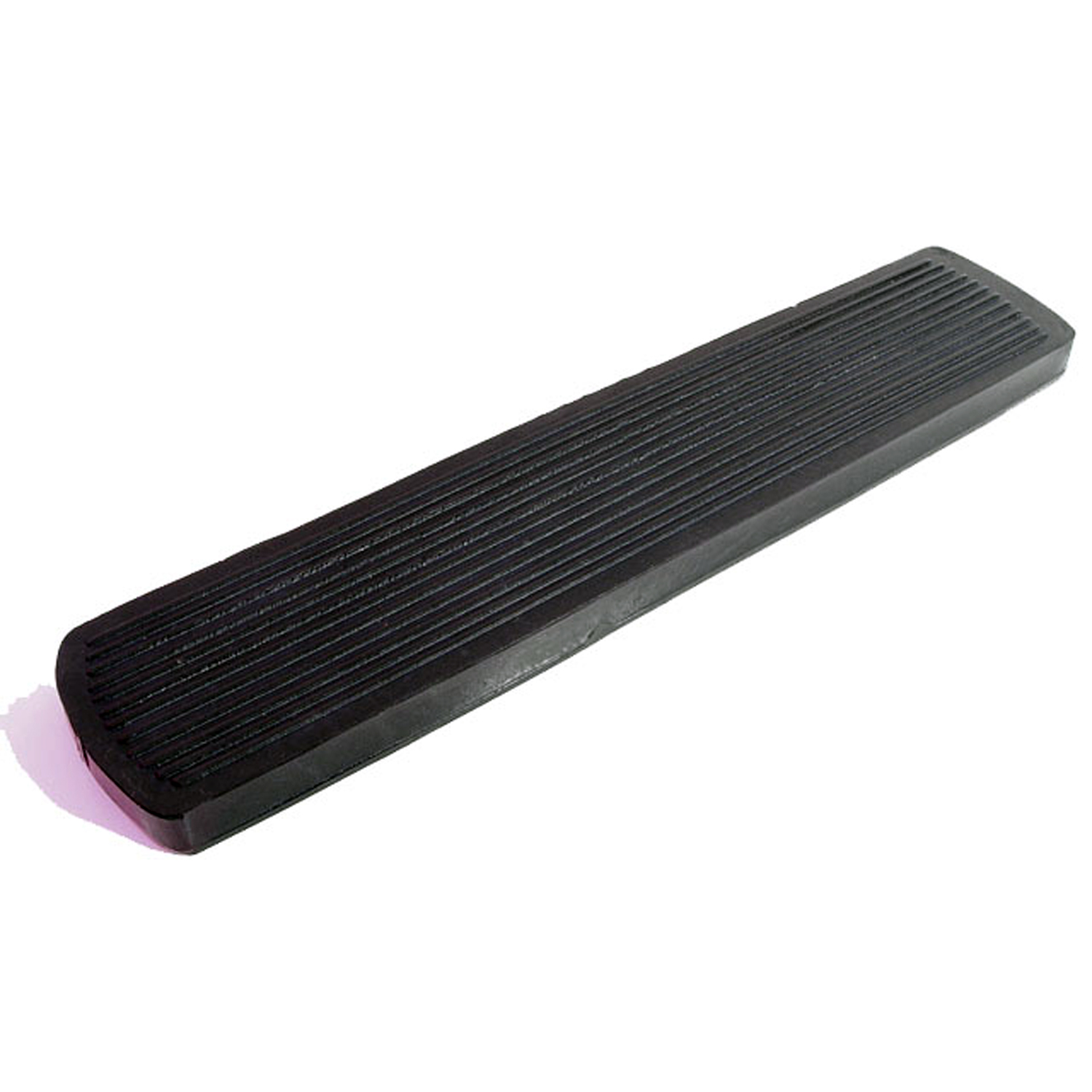 1930 Packard Standard Eight Accelerator Pedal Pad. 1-7/8" X 9-3/8", Each-AP 16Accelerator Pedal Pad. 1-7/8" X 9-3/8", Each
 1930 Packard Standard Eight Clutch and Brake Pedal Pads. 2-3/4" wide X 3-15/16" long-CB 14Clutch and Brake Pedal Pads. 2-3/4" wide X 3-15/16" long. Pair
 1930 Packard Standard Eight Power Brake Pad. 2-3/4" Wide. Each-CB 14-APower Brake Pad. 2-3/4" Wide. Each
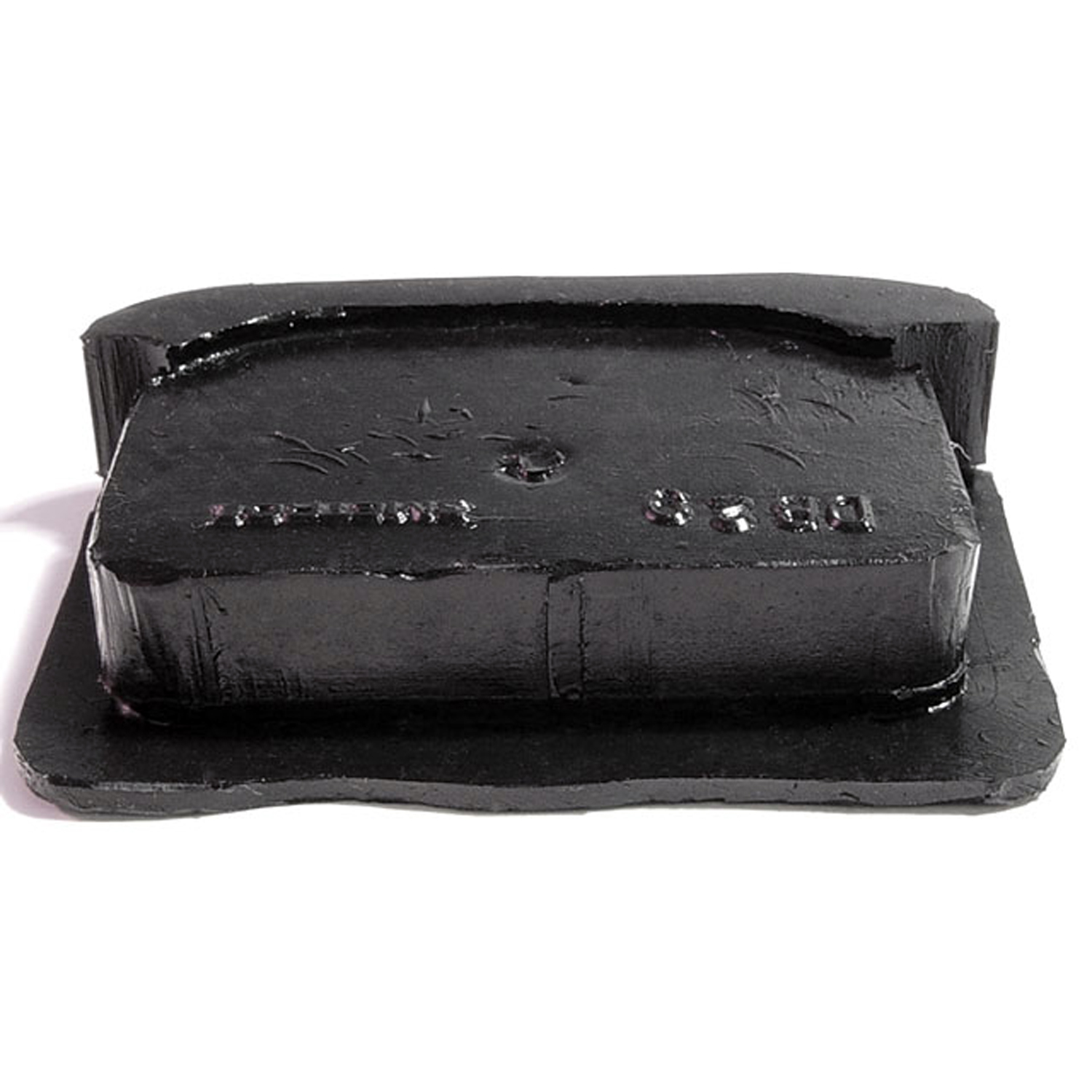 1930 Packard Standard Eight Door Bumper. 1-3/8" high X 2" wide X 1/2" thick. Each-DB 29Door Bumper. 1-3/8" high X 2" wide X 1/2" thick. Each
 1930 Packard Standard Eight Gas Filler Grommet. 2-1/2" I.D., 4-1/8" O.D. Each-GF 12Gas Filler Grommet. 2-1/2" I.D., 4-1/8" O.D. Each
 1930 Packard Standard Eight Hood Corners. 1-3/4" to 2" corner radius-HC 14Hood Corners. 1-3/4" to 2" corner radius. Pad is 3-3/8" long. Pair
 1930 Packard Standard Eight Luggage Rack Pads. 3-1/8" wide X 5-1/2" long. Pair-MP 901Luggage Rack Pads. 3-1/8" wide X 5-1/2" long. Pair
 1930 Packard Standard Eight Door Handle Pads. 1-1/8" wide X 2-1/8" long. Set-MP 901-ADoor Handle Pads. 1-1/8" wide X 2-1/8" long. Set
 1930 Packard Standard Eight Headlight Pads. 5" wide X 5-3/8" long-MP 902Headlight Pads. 5" wide X 5-3/8" long. Pair NOTE: '32 pads may differ slightly. See MP 902-A. Send tracing of metal base if in doubt.
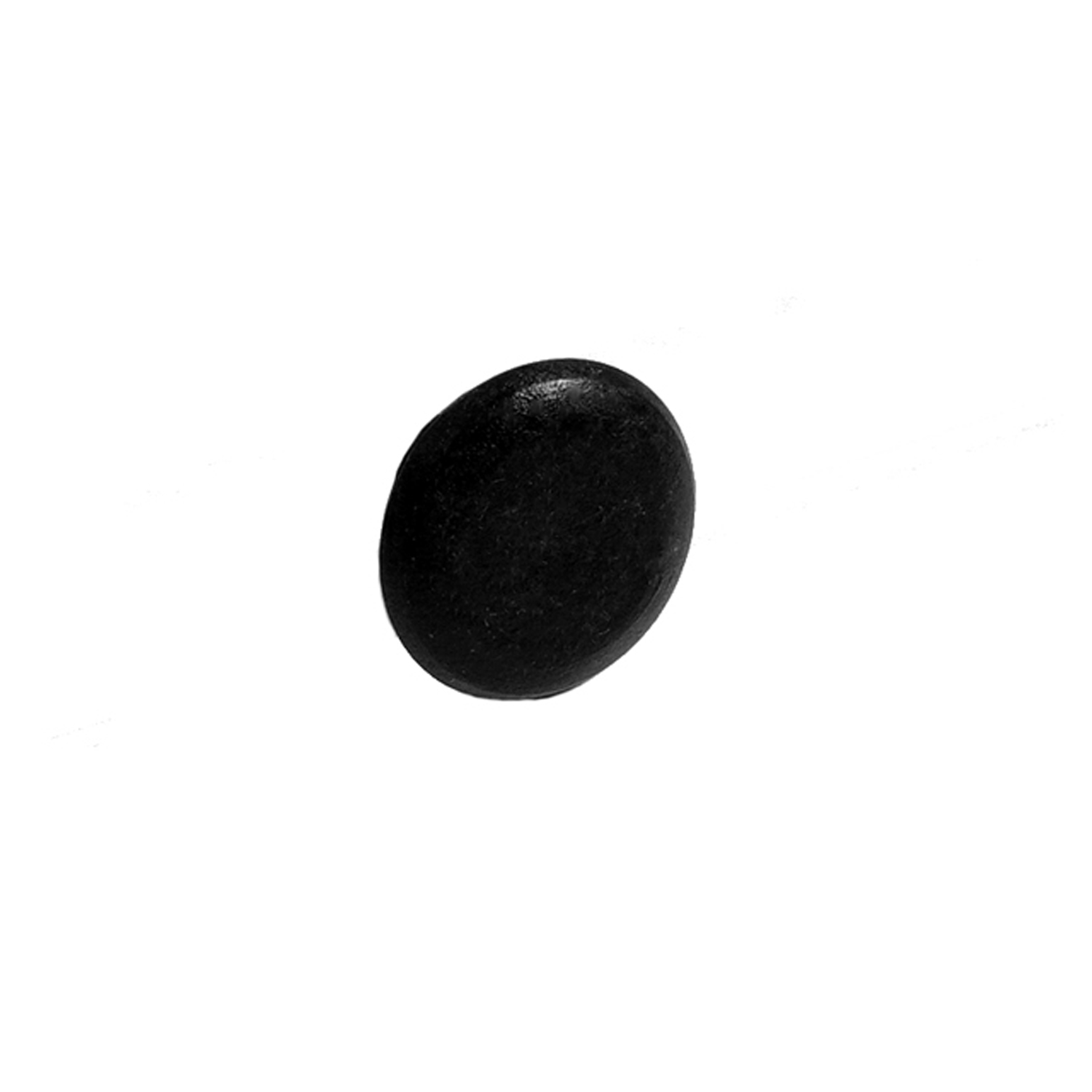 1930 Packard Standard Eight Trunk Bumper. 3/4" O.D., 5/8" I.D. Each-SB 74Trunk Bumper. 3/4" O.D., 5/8" I.D. Each
Why Choose Metro?
For over 100 years, Metro Moulded Parts has been the pinnacle of quality in classic car restoration parts. Our commitment to precision and authenticity in every component ensures a perfect fit and an OEM-level appearance.
- Expert Craftsmanship & Quality: Each part is a testament to our dedication to reliability and perfection, crafted from original designs and thoroughly tested.
- Advanced Technology: We use cutting-edge techniques to create flawless, long-lasting parts that surpass others in performance.
- SuperSoft Sponge – The Ultimate Door Seal: Not only are our door seals 30% softer than competitors', but they're also guaranteed to never leak. They effectively reduce wind and road noise, enhancing your classic car's comfort and driving experience.
- Proudly American: Our parts are a product of American craftsmanship, made in the USA with a spirit of excellence and heritage.
- Unrivaled Warranty: We back our products with a 30-year industry-leading warranty, a testament to our confidence in their quality.
Join us in preserving the legacy of classic cars with parts that are crafted for perfection, not just made.