

Image of 1932 Packard Light Eight, Note: These illustrations use artistic license and may differ from actual historical models.
Performance Metrics
Fundamental Metrics
Emotional Appeal
MMP Rating
| Engine Specifications | |
|---|---|
| Engine Options: | Straight-8 |
| Displacement Range: | 319 cubic inches |
| Horsepower Range: | Estimated 110-120 HP |
| Torque: | Not available |
| Compression Ratio: | Not available |
| Ignition System: | Battery and coil |
| Cooling System: | Water-cooled |
| Performance Specifications | |
| 0-60 Time: | Not available |
| 1/4 Mile Time: | Not available |
| Top Speed: | 85 mph |
| Transmission and Drive | |
| Drive Type: | Rear-wheel drive |
| Transmission Type: | 3-speed manual |
| Fuel and Efficiency | |
| Fuel System Type: | Carburetor |
| MPG: | Not available |
| Dimensions and Brakes | |
| Brakes: | Mechanical drum brakes |
| Wheelbase: | 127.75 inches |
| Weight: | 3,570 lbs |
Note: Specifications for classic cars are given to the best of our ability, considering the limited and variant data available.
1932 Packard Light Eight: A Luxury Car for Lean Times
The 1932 Packard Light Eight brought the refinement of a full-size Packard to a slightly smaller, more accessible package. Built by the Packard Motor Car Company in Detroit, Michigan, it paired a smooth straight-eight engine with handsome coachwork and the careful finish for which the marque was famous. Its timing was striking: Packard introduced the car during the Great Depression, when even well-off buyers were thinking harder about the cost of a new automobile.
The Light Eight was a one-year model, identified as the Model 900. Packard hoped its lower price and lighter construction would attract new customers without surrendering the prestige of the badge. The gamble produced a memorable car, but not a lasting nameplate. One notable twist is that the Light Eight’s success was complicated by its own appeal: it offered enough Packard character to draw buyers away from the company’s more expensive models.
Distinctive Styling and Packard Craftsmanship
The Light Eight wore Packard’s unmistakable formal face: a tall, narrow radiator shell, a prominent grille, long hood, and sculpted fenders that flowed into the running boards. Its proportions were stately rather than sporty, but the lower, more compact body gave it a slightly lighter look than larger Packards of the period. Depending on body style and equipment, details such as brightwork, wheel covers, and a Packard hood ornament added extra visual polish.
Inside, the car was designed to feel like a proper luxury automobile, not a stripped-down economy model. Upholstery varied by body style and specification, with materials such as broadcloth, mohair, and leather used across the range. The dashboard and controls were laid out in a traditional, upright fashion, while wood-grain finishes and careful trim helped create a warm, tailored cabin. Open and convertible models could offer leather upholstery, while closed cars emphasized a quieter, more enclosed passenger space.
Packard offered the Light Eight in several body styles, including sedans, a club sedan, a coupe, and a convertible coupe. The four-door sedan suited buyers who wanted formal family transport, while the club sedan and coupe gave the car a more personal character. The convertible coupe is among the most visually striking versions today, though it is also much harder to find than a standard closed sedan.
Factory paint choices varied with body style and order, and surviving cars may reflect later repainting or restoration choices. Period Packards could be ordered in a range of solid colors and contrasting combinations. Dark blue, maroon, green, and black are popular choices on restored examples because they suit the car’s formal lines, but no single color defines the Light Eight.
Engineering for 1932
Power came from a Packard L-head straight-eight displacing about 320 cubic inches, with output commonly listed at approximately 110 horsepower. That engine was the heart of the car’s character: long, smooth, and designed to deliver quiet, steady power rather than a sharp, high-revving rush. A three-speed manual transmission sent power to the rear wheels.
The Light Eight also benefited from the engineering expected of a premium car. It had four-wheel mechanical brakes, a system that required proper adjustment and maintenance, and period equipment such as hydraulic shock absorbers helped control the ride. Packard’s engineering focus was not on headline-grabbing gadgets. It was on making a substantial car feel composed, durable, and refined over long distances.
A Depression-Era Packard with a Lasting Impact
The Light Eight’s significance lies in the way it addressed a difficult market. Packard had built its reputation on expensive, prestigious automobiles, but the economic crisis sharply reduced demand for high-priced cars. The Model 900 gave customers a less costly route into Packard ownership while retaining the marque’s straight-eight power and upscale presentation.
It was not a mass-market breakthrough, and it did not transform automotive technology. Its importance is more revealing than revolutionary: the car shows how a premium manufacturer tried to adapt without abandoning its identity. The Light Eight was lighter and less expensive than larger Packards, yet it still looked and felt like a Packard. That balance helped make it distinctive among lower-priced offerings of the time.
The line lasted only for the 1932 model year. Packard’s attempt to widen its market also risked drawing buyers away from its own higher-priced cars, while the Depression continued to suppress demand. The Light Eight is therefore remembered both as a thoughtful response to hard times and as a short-lived experiment in brand strategy.
Road Manners, Speed, and Driving Feel
Period specifications and modern reference estimates put a healthy Light Eight’s top speed at roughly 80 miles per hour, depending on body style, gearing, condition, and road surface. A 0-to-60-mph time is less firmly documented than modern performance figures, but around 20 to 25 seconds is a reasonable estimate for a heavy early-1930s car. Treat those numbers as approximations, not standardized factory test results.
On the road, the straight-eight’s smoothness is more impressive than its acceleration. The engine produces a subdued, even mechanical note, and the car gathers speed in a relaxed fashion. The steering is manual and takes more effort at low speeds than a modern driver may expect. The three-speed gearbox also asks for deliberate shifts, especially when the driver is learning the car’s clutch and transmission.
The suspension gives the Light Eight a substantial, cushioned feel over ordinary road imperfections, though its age and mechanical condition matter enormously. On a winding road, the car rewards measured inputs rather than quick corrections. Its size, tall body, and period tires make it less nimble than a modern vehicle, while crosswinds can be noticeable. The best experience comes from settling into its rhythm: smooth throttle, unhurried gear changes, and a comfortable cruising pace.
Owning and Maintaining a Light Eight
Today, most Light Eights are collector cars, restored show vehicles, or carefully maintained touring cars rather than everyday transportation. A sound example can take part in vintage-car tours and local events, but regular use calls for realistic expectations about speed, braking distances, traffic, and weather protection.
Maintenance is manageable for an experienced hobbyist, but the car is not as simple to keep on the road as a common postwar classic. Mechanical brakes need careful inspection and adjustment, and the straight-eight benefits from correct ignition, cooling, lubrication, and carburetor tuning. Parts are available through specialist suppliers and Packard clubs, though some trim, body, and model-specific components can be expensive or difficult to source. A pre-purchase inspection by a mechanic familiar with prewar Packards is a wise investment.
Reliability depends heavily on restoration quality. A well-sorted car can tour reliably at period speeds, but neglected examples may have problems with brakes, fuel delivery, wiring, cooling, or worn drivetrain components. As with many prewar automobiles, condition and maintenance history matter more than a simple claim that the car “runs.”
Light Eight Trivia and Common Criticisms
The most important fact for collectors is also the simplest: the Light Eight was a one-year-only Packard line. Its brief run gives it a special place in the company’s history, although it does not automatically make every surviving example exceptionally rare. The convertible and other less common body styles are considerably scarcer than sedans.
Packard produced an estimated 6,785 Light Eights in 1932. Production figures can vary slightly among historical references, so that number is best treated as a commonly cited estimate. The model is not generally known for setting major speed or endurance records, nor is it strongly associated with a particular celebrity owner or single historic event. Its story is instead tied to Packard’s attempt to meet the realities of the Depression.
Common criticisms reflect the compromises of its age and purpose. The Light Eight is heavy, its braking system needs regular attention, and its performance is modest by modern standards. Some Packard enthusiasts also see the model as less exclusive than the company’s larger and costlier cars. Yet that accessible positioning is exactly what makes it historically interesting.
Collector Values and Availability
Values vary widely with body style, originality, restoration quality, and documentation. As a broad current-market estimate, a project or driver-quality sedan might fall around $15,000 to $30,000, while a good restored sedan could bring roughly $30,000 to $60,000. Exceptional examples, rare body styles, and high-quality convertible coupes can reach approximately $60,000 to $100,000 or more. These are estimates, not guaranteed sale prices; auction results and regional demand can move the figures substantially.
Light Eights appear on the market less often than common postwar classics, but patient buyers will encounter them through specialist dealers, auctions, and Packard club networks. The sedan is generally the more attainable choice. Finding a complete, correctly restored example is more important than chasing a low asking price, since body and trim restoration can quickly become costly.
Like many prewar luxury cars, the Light Eight’s market is selective. Its appeal to Packard enthusiasts and prewar-car collectors supports long-term interest, but values do not rise in a straight line. The best cars tend to hold attention, while cars needing extensive work can be difficult to sell at ambitious prices. Over time, well-preserved examples may appreciate modestly, but ownership is usually driven more by enjoyment and historical interest than by investment potential.
Why the 1932 Packard Light Eight Matters
The 1932 Packard Light Eight combined a smooth 320-cubic-inch straight-eight, elegant Packard styling, and a more accessible price at a moment when the luxury-car business was under severe pressure. Its short production run, varied body styles, and Depression-era mission give it a story beyond its handsome grille and comfortable ride.
It was not the fastest car of its day or a mass-market revolution. It was something more characteristically Packard: a carefully built automobile that tried to make prestige attainable without making it ordinary. More than ninety years later, that balance is what keeps the Light Eight worth a closer look.
1932 Packard Light Eight Catalog of Parts
 1932 Packard LIGHT EIGHT Accessory Floor Mat - 12"X17"-AC 32Accessory Floor Mat - made of high quality black rubber with molded original emblem. Also designed to be sewn into new carpets. 12"X17", Each
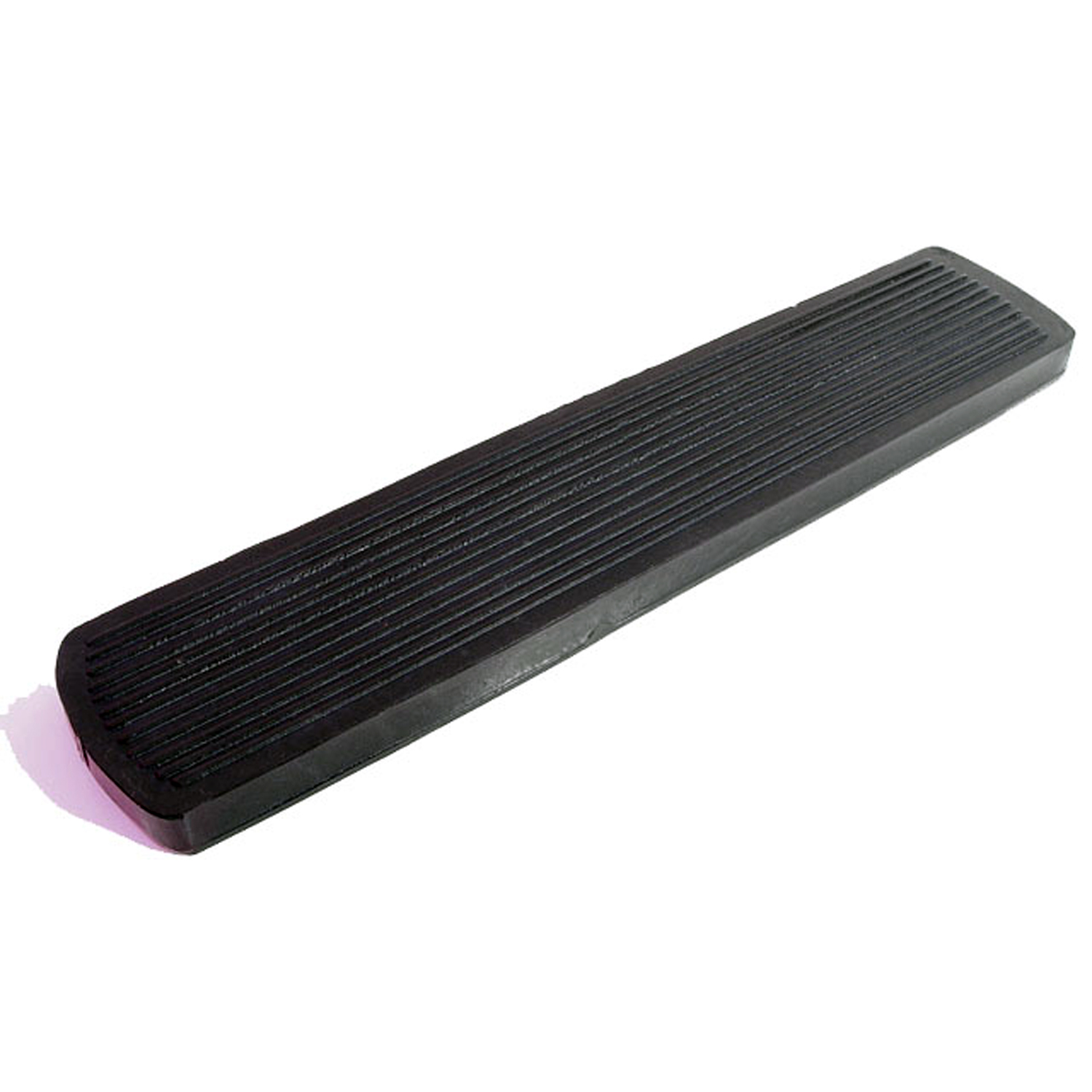 1932 Packard LIGHT EIGHT Accelerator Pedal Pad. 1-7/8" X 9-3/8", Each-AP 16Accelerator Pedal Pad. 1-7/8" X 9-3/8", Each
 1932 Packard LIGHT EIGHT Clutch and Brake Pedal Pads. 2-3/4" wide X 3-15/16" long-CB 14Clutch and Brake Pedal Pads. 2-3/4" wide X 3-15/16" long. Pair
 1932 Packard LIGHT EIGHT Power Brake Pad. 2-3/4" Wide. Each-CB 14-APower Brake Pad. 2-3/4" Wide. Each
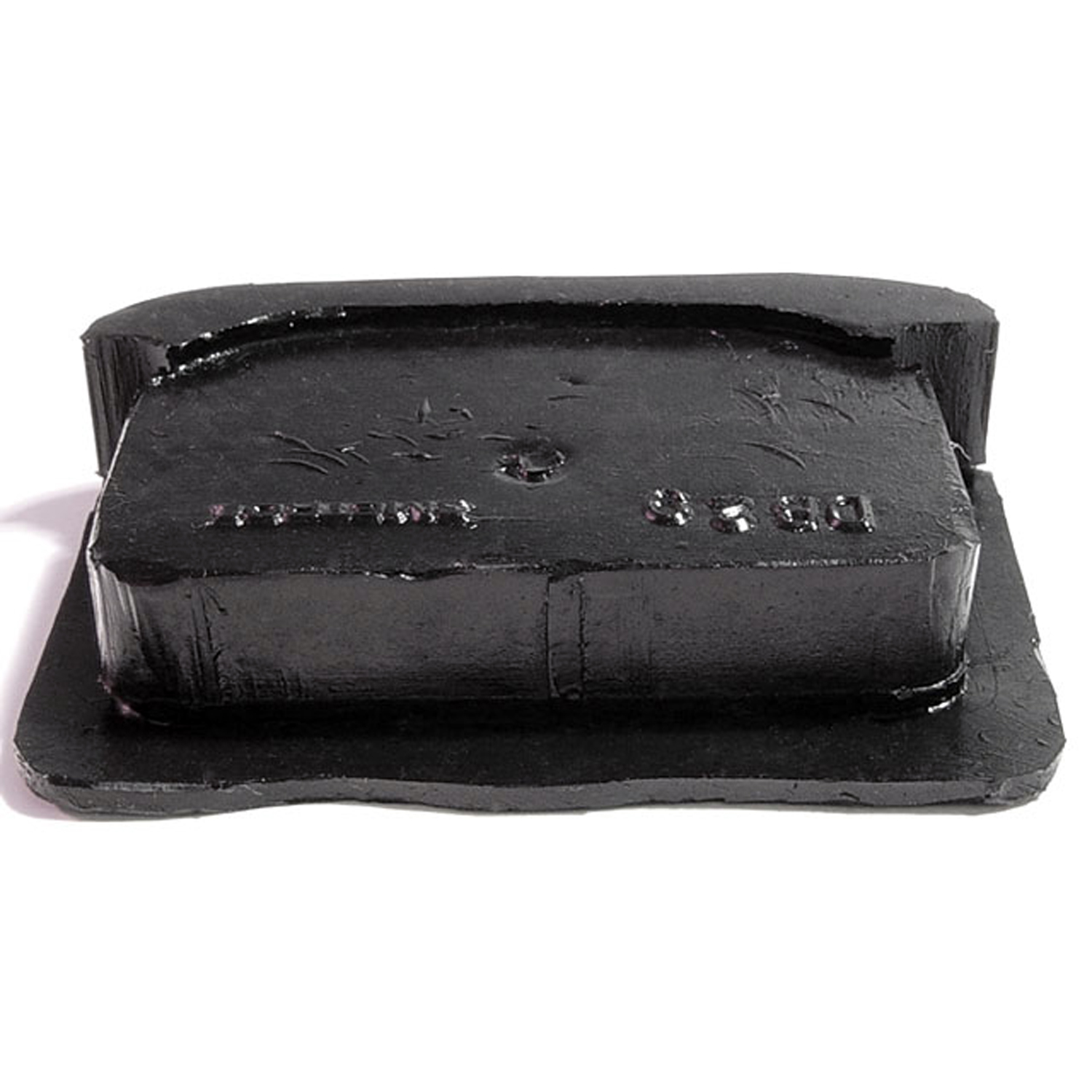 1932 Packard LIGHT EIGHT Door Bumper. 1-3/8" high X 2" wide X 1/2" thick. Each-DB 29Door Bumper. 1-3/8" high X 2" wide X 1/2" thick. Each
 1932 Packard LIGHT EIGHT Gas Filler Grommet. 2-1/2" I.D., 4-1/8" O.D. Each-GF 12Gas Filler Grommet. 2-1/2" I.D., 4-1/8" O.D. Each
 1932 Packard LIGHT EIGHT Hood Corners. 1-3/4" to 2" corner radius-HC 14Hood Corners. 1-3/4" to 2" corner radius. Pad is 3-3/8" long. Pair
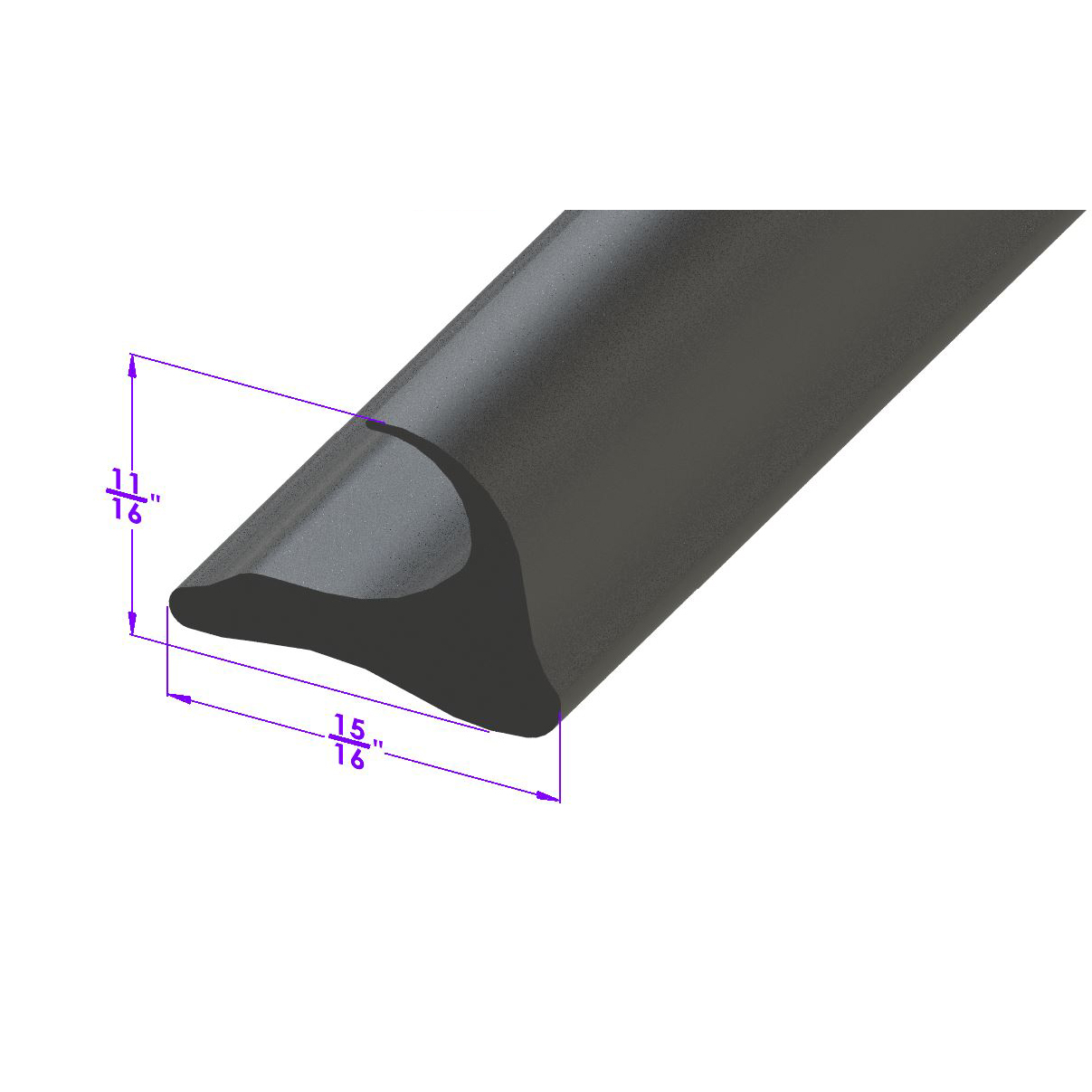 1932 Packard LIGHT EIGHT Side Roof Rail Seal. Fits in metal retainer-LP 12-ASide Roof Rail Seal. Fits in metal retainer. Sold by the foot
 1932 Packard LIGHT EIGHT Swing-Out Windshield Seal. 3/4" High. Sold by the foot-LP 97-ASwing-Out Windshield Seal. 3/4" High. Sold by the foot
 1932 Packard LIGHT EIGHT Rumble Seat Step-Plate Bracket Pad -MP 840-BRumble Seat Step-Plate Bracket Pad. 3-7/8" wide X 3-1/4" long. Each
 1932 Packard LIGHT EIGHT Tail-light Pads. 3-1/4" O.D. Pair -MP 845Tail-light Pads. 3-1/4" O.D. Pair
 1932 Packard LIGHT EIGHT Tail-light Pads. 2" wide X 4-1/2" long. Pair-MP 845-BTail-light Pads. 2" wide X 4-1/2" long. Pair
 1932 Packard LIGHT EIGHT Headlight Bar Pads. 4" wide X 3-3/8" long. Pair-MP 845-CHeadlight Bar Pads. 4" wide X 3-3/8" long. Pair
 1932 Packard LIGHT EIGHT Tail-light Pads. 2-1/4" O.D. Pair-MP 845-DTail-light Pads. 2-1/4" O.D. Pair
 1932 Packard LIGHT EIGHT Headlight Bar Pads. 3-5/8" wide X 4-1/2" long. Pair-MP 845-EHeadlight Bar Pads. 3-5/8" wide X 4-1/2" long. Pair
 1932 Packard LIGHT EIGHT Rumble Seat Step-Plate Pad. 4" wide X 4-1/4" long. Each-MP 846Rumble Seat Step-Plate Pad. 4" wide X 4-1/4" long. Each
 1932 Packard LIGHT EIGHT Park Light Pads. 1-5/8" wide X 2-5/8" long. Pair-MP 847Park Light Pads. 1-5/8" wide X 2-5/8" long. Pair
 1932 Packard LIGHT EIGHT Door Handle Pads. 1-1/2" wide X 2-3/8" long. Pair-MP 848Door Handle Pads. 1-1/2" wide X 2-3/8" long. Pair
 1932 Packard LIGHT EIGHT Luggage Rack Pads. 3-1/8" wide X 5-1/2" long. Pair-MP 901Luggage Rack Pads. 3-1/8" wide X 5-1/2" long. Pair
 1932 Packard LIGHT EIGHT Headlight Pads. 5" wide X 5-3/8" long-MP 902Headlight Pads. 5" wide X 5-3/8" long. Pair NOTE: '32 pads may differ slightly. See MP 902-A. Send tracing of metal base if in doubt.
 1932 Packard LIGHT EIGHT Headlight Pads. 4-3/4" wide X 5" long-MP 902-AHeadlight Pads. 4-3/4" wide X 5" long. Pair NOTE: '32 pads may differ slightly. See MP 902. Send tracing of metal base if in doubt.
 1932 Packard LIGHT EIGHT Park Light Pads. 1-3/4" wide X 2-3/4" long. Pair-MP 906Park Light Pads. 1-3/4" wide X 2-3/4" long. Pair
 1932 Packard LIGHT EIGHT Cowl Vent Seal-RP 100-CCowl Vent Seal. 47" long piece of black, skin-covered sponge. End is 3/8" wide X 5/16" high. Each
 1932 Packard LIGHT EIGHT Cowl Vent Seal -RP 100-DCowl Vent Seal. 45" long piece of black, skin-covered sponge. End is 3/4" wide X 3/8" high. Each
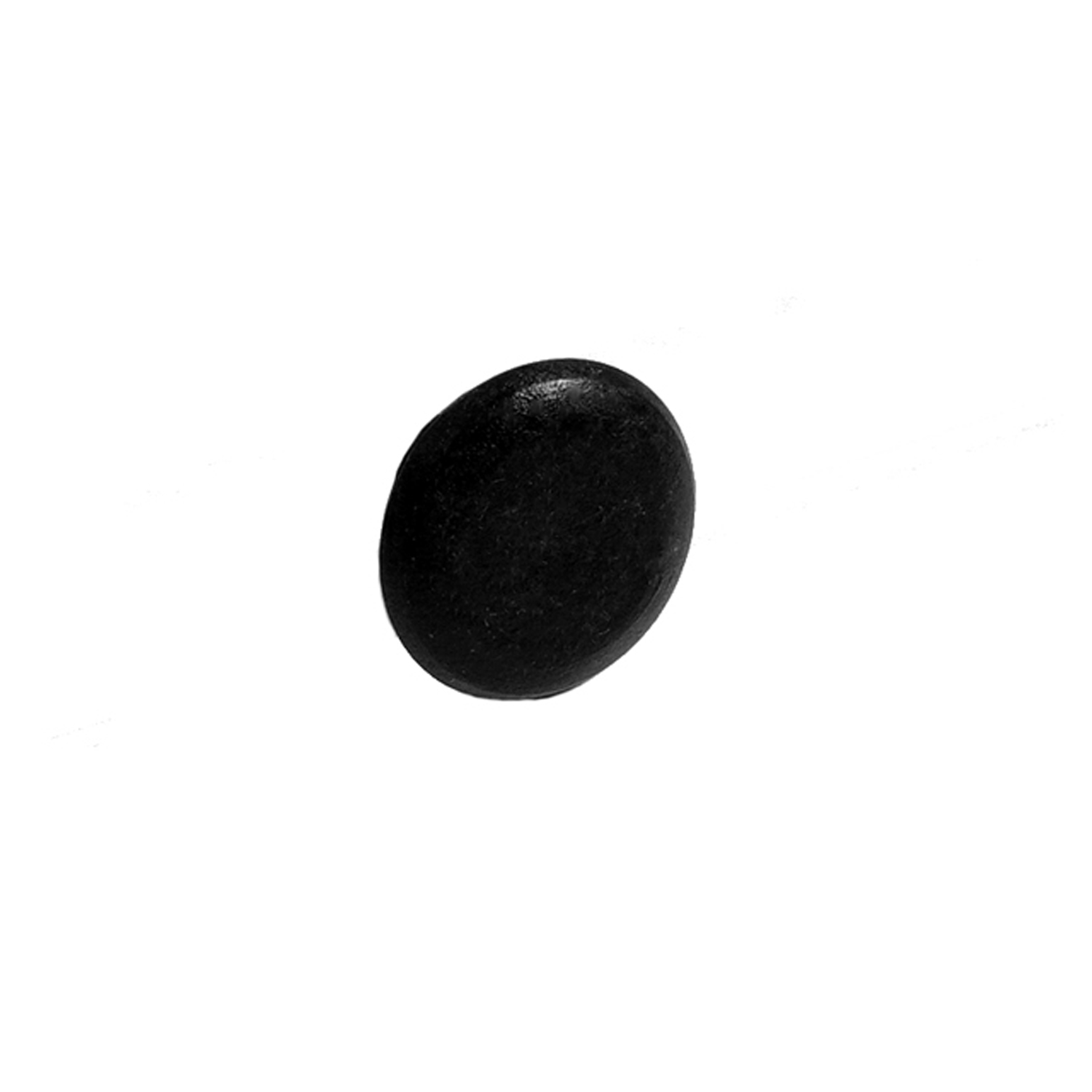 1932 Packard LIGHT EIGHT Trunk Bumper. 3/4" O.D., 5/8" I.D. Each-SB 74Trunk Bumper. 3/4" O.D., 5/8" I.D. Each
Why Choose Metro?
For over 100 years, Metro Moulded Parts has been the pinnacle of quality in classic car restoration parts. Our commitment to precision and authenticity in every component ensures a perfect fit and an OEM-level appearance.
- Expert Craftsmanship & Quality: Each part is a testament to our dedication to reliability and perfection, crafted from original designs and thoroughly tested.
- Advanced Technology: We use cutting-edge techniques to create flawless, long-lasting parts that surpass others in performance.
- SuperSoft Sponge – The Ultimate Door Seal: Not only are our door seals 30% softer than competitors', but they're also guaranteed to never leak. They effectively reduce wind and road noise, enhancing your classic car's comfort and driving experience.
- Proudly American: Our parts are a product of American craftsmanship, made in the USA with a spirit of excellence and heritage.
- Unrivaled Warranty: We back our products with a 30-year industry-leading warranty, a testament to our confidence in their quality.
Join us in preserving the legacy of classic cars with parts that are crafted for perfection, not just made.