

Image of 1932 Packard Twin Six Custom, Note: These illustrations use artistic license and may differ from actual historical models.
Performance Metrics
Fundamental Metrics
Emotional Appeal
MMP Rating
| Engine Specifications | |
|---|---|
| Engine: | Twin Six 445.5 CID V12 |
| Displacement: | 445.5 cubic inches |
| Horsepower: | Estimated 160 HP |
| Torque: | Not available |
| Compression Ratio: | Not available |
| Ignition System: | Battery and coil |
| Cooling System: | Water-cooled |
| Performance Specifications | |
| 0-60 Time: | Not available |
| 1/4 Mile Time: | Not available |
| Top Speed: | Estimated 85-90 mph |
| Transmission and Drive | |
| Drive Type: | Rear-wheel drive |
| Transmission Type: | 3-speed manual |
| Fuel and Efficiency | |
| Fuel System Type: | Carburetor |
| MPG: | Not available |
| Dimensions and Brakes | |
| Brakes: | 4-wheel mechanical drum brakes |
| Wheelbase: | 142.5 inches |
| Weight: | Estimated 5,000 lbs |
Note: Specifications for classic cars are given to the best of our ability, considering the limited and variant data available.
1932 Packard Twin Six: A V12 Flagship Built for the Grand Road
The 1932 Packard Twin Six was a luxury car with the sort of presence that made even a quiet arrival feel like an event. Built by Packard Motor Car Company in Detroit, it paired imposing coachwork with a smooth, large-displacement V12 at a time when the Great Depression was putting severe pressure on the American luxury-car market. Its name also carried a bit of engineering poetry: “Twin Six” referred to two banks of six cylinders, not two engines.
The model is especially interesting because 1932 was the final year Packard used the Twin Six name for its V12 line. From 1933, the company marketed its twelve-cylinder cars as the Packard Twelve. A rare, costly flagship introduced in a difficult economic moment, the 1932 Twin Six is now remembered as one of the most impressive American luxury cars of its era.
Formal Lines and Custom Coachwork
Packard’s styling balanced dignified formality with unmistakable road presence. A tall, upright grille anchored the front, while long hood panels emphasized the engine beneath. Sweeping front fenders, running boards, and a low-slung body gave the car a graceful profile despite its considerable size. Many examples wore dual sidemount spare tires, adding to the long, formal look. The Packard radiator mascot, often called the Goddess of Speed, provided a distinctive finishing touch.
“Custom” can mean different things in discussions of these cars. Packard offered a range of carefully finished body styles, and buyers could also commission special coachwork. Depending on the chassis and body catalog, Twin Six configurations included formal sedans and limousines, open touring bodies, and convertible or town-car styles. The most dramatic examples were often the long-wheelbase enclosed cars, while open bodies showed off the chassis and fenders to full effect. Coachbuilder and body details matter when identifying an individual car, since not every surviving Twin Six has the same specification.
Inside, the emphasis was on comfort and workmanship rather than sporty minimalism. Upholstery could be trimmed in fine leather or high-quality cloth, with polished wood accents and substantial, clearly arranged instruments. Rear-seat accommodations in formal bodies were designed for passengers to travel in comfort, sometimes with features such as folding auxiliary seats or division arrangements, depending on the body. Materials and fittings varied with the body style and buyer’s choices.
Factory color choices and combinations depended on the body and order, and surviving cars may have been repainted over the decades. Dark, conservative hues such as black, deep blue, maroon, and green suited the car’s formal character, while two-tone treatments could bring out the long fender lines. A careful restoration should rely on body-specific documentation rather than assuming every Twin Six left the factory in the same small set of colors.
The V12 and Its Period Technology
At the heart of the 1932 Twin Six was a 445.5-cubic-inch (about 7.3-liter) L-head V12, rated at roughly 160 horsepower. Its twelve cylinders were arranged in two banks, delivering power with the smooth, unhurried character expected of a top-tier Packard. A three-speed manual transmission sent power to the rear wheels. The car also used mechanical braking, a reminder that even a prestigious luxury model did not yet have the hydraulic braking systems that would become commonplace later.
Packard’s achievement was not simply fitting a large engine into a big chassis. The company worked to make the whole car feel composed, from the engine’s smooth delivery to the suspension and carefully finished cabin. The Twin Six represented high-end American engineering before electronic aids, modern safety systems, or automatic transmissions. Its technology was mechanical, substantial, and built around refinement.
Why the 1932 Twin Six Matters
The Twin Six arrived when the luxury market was shrinking and buyers were becoming cautious. Packard nonetheless continued to offer a V12 flagship, demonstrating the company’s confidence in its engineering and its reputation among affluent customers. The car also reflected a defining feature of prewar American luxury design: large engines, long wheelbases, individual body choices, and an emphasis on effortless travel.
Against contemporaries such as Cadillac’s V12 and V16 models and the finest offerings from marques like Lincoln, the Packard stood out for its combination of mechanical polish, prestige, and extensive body variety. It was not a mass-market car, nor was it primarily a sporting machine. Its influence lies in how convincingly it represented the ideal of the American luxury automobile: powerful enough for fast highway travel, carefully finished, and tailored to its owner.
The name change the following year gives the 1932 car an additional place in Packard history. It marks the last Twin Six before the V12 continued under the simpler Twelve designation, making the model both a flagship and a transitional chapter in the company’s story.
Road Manners and Performance
Period performance figures are not as uniform as modern instrumented test results, and a car’s body, gearing, condition, and tire choice all affect its speed. With around 160 horsepower, a healthy 1932 Twin Six could likely reach approximately 85 to 90 mph. A 0-to-60-mph run would be leisurely by modern standards, with estimates generally in the neighborhood of 20 to 25 seconds. These should be treated as period-car estimates, not guaranteed figures for every example.
On the road, the V12’s appeal is its smoothness rather than a dramatic burst of acceleration. The engine settles into a deep, even note, and the car gathers speed without the strained feel associated with smaller engines working hard. The long wheelbase and substantial chassis help it glide over ordinary road imperfections, though worn suspension or poor tires can make any old car feel unsettled. On winding roads, the Twin Six rewards a measured pace: its size, weight, steering effort, and period tires call for anticipation rather than quick, modern-style inputs.
The driver remains closely involved. Shifting is manual, braking requires more planning than in a modern car, and the steering has a distinctly mechanical feel. That interaction is part of the experience. A well-maintained Twin Six feels less like a vintage car being hurried and more like a grand touring machine being allowed to do what it was designed to do.
Owning and Maintaining a Twin Six
Today, a 1932 Packard Twin Six is best suited to careful touring, club events, concours displays, and private collections. It is not a sensible daily driver for most owners. Its size, age, mechanical brakes, limited protection in a collision, and need for specialist attention make regular modern traffic a demanding environment.
Routine maintenance is manageable for an experienced vintage-car owner, but major work is not a casual weekend project. V12-specific engine components, correct carburetion and ignition setup, brake adjustment, cooling-system condition, and the integrity of the chassis all deserve close attention. Parts support exists through marque specialists and enthusiast networks, but some components are scarce or costly. A prospective buyer should budget for expert inspections and should not assume that a beautifully polished body means the engine, brakes, or electrical system are equally sound.
Reliability depends heavily on restoration quality and ongoing care. A correctly rebuilt Twin Six can tour reliably at sensible speeds, while a neglected example may require extensive work before it is safe to drive. For the average owner without mechanical experience, professional servicing is the practical choice.
Rare Details and Common Misconceptions
The Twin Six name is sometimes mistaken for a twin-engine arrangement. In fact, it describes the V12’s two banks of six cylinders. Another point worth knowing is that “custom” does not automatically mean a one-off body. Some cars have production-style bodies, while others were built or modified to individual specifications; documentation and coachbuilder details help establish what a particular car is.
The 1932 Twin Six was a luxury grand tourer, not a purpose-built speed-record or endurance-racing car. Its significance is in its engineering, finish, and place in Packard’s history rather than in a famous competition record. The company’s V12 program also continued after the Twin Six name disappeared, as Packard renamed the line the Twelve for 1933.
One common criticism is practical rather than historical: the car is large, expensive to maintain, and less nimble than a smaller automobile. Its mechanical brakes and period handling also require a different driving style. Those traits are part of its character, but they are important considerations for anyone thinking about ownership.
Collector Values and Availability
A reasonable production estimate for the 1932 Twin Six is about 550 cars, commonly cited at roughly 549. Exact totals can vary by source and by how body and chassis configurations are counted. In any case, it was a low-volume model, and surviving examples are far less common than ordinary Packards of the period.
Collector value depends strongly on body style, provenance, originality, restoration quality, and mechanical condition. As a broad present-day guide, a sound but less exceptional example might fall around $150,000 to $300,000, while a beautifully restored, desirable, or especially well-documented car could bring roughly $300,000 to $600,000 or more. Exceptional coachbuilt examples may exceed that range. These are estimates rather than a price guarantee; individual auction results can vary substantially.
Values have been uneven rather than steadily rising. The best cars continue to attract serious interest, but restoration costs are high and the buyer pool is specialized. That means condition and historical significance often matter more than general market movement. For collectors, the Twin Six is a long-term preservation purchase as much as an investment.
A Packard Worth Remembering
The 1932 Packard Twin Six brought together a refined V12, stately styling, fine materials, and a range of formal and custom body choices. It was built for a small audience at a time when the economy made such cars harder to sell, yet it captured Packard’s ambition at the very top of the market. Its rarity, engineering, and graceful road presence make it far more than a large prewar automobile: it is a surviving statement of how confidently Packard believed luxury motoring could be done.
1932 Packard Twin Six Custom Catalog of Parts
 1932 Packard TWIN SIX CUSTOM Accessory Floor Mat - 12"X17"-AC 32Accessory Floor Mat - made of high quality black rubber with molded original emblem. Also designed to be sewn into new carpets. 12"X17", Each
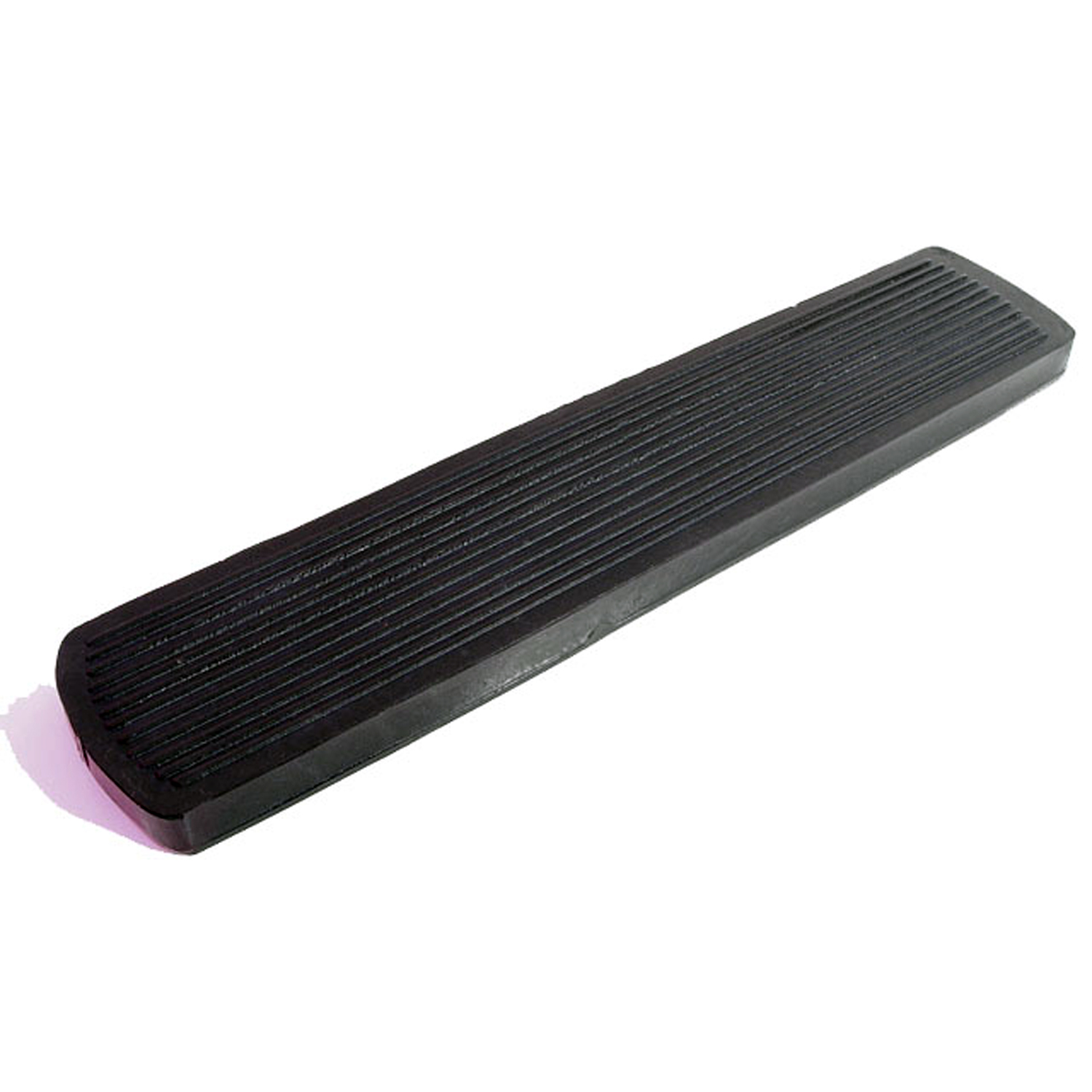 1932 Packard TWIN SIX CUSTOM Accelerator Pedal Pad. 1-7/8" X 9-3/8", Each-AP 16Accelerator Pedal Pad. 1-7/8" X 9-3/8", Each
 1932 Packard TWIN SIX CUSTOM Clutch and Brake Pedal Pads. 2-3/4" wide X 3-15/16" long-CB 14Clutch and Brake Pedal Pads. 2-3/4" wide X 3-15/16" long. Pair
 1932 Packard TWIN SIX CUSTOM Power Brake Pad. 2-3/4" Wide. Each-CB 14-APower Brake Pad. 2-3/4" Wide. Each
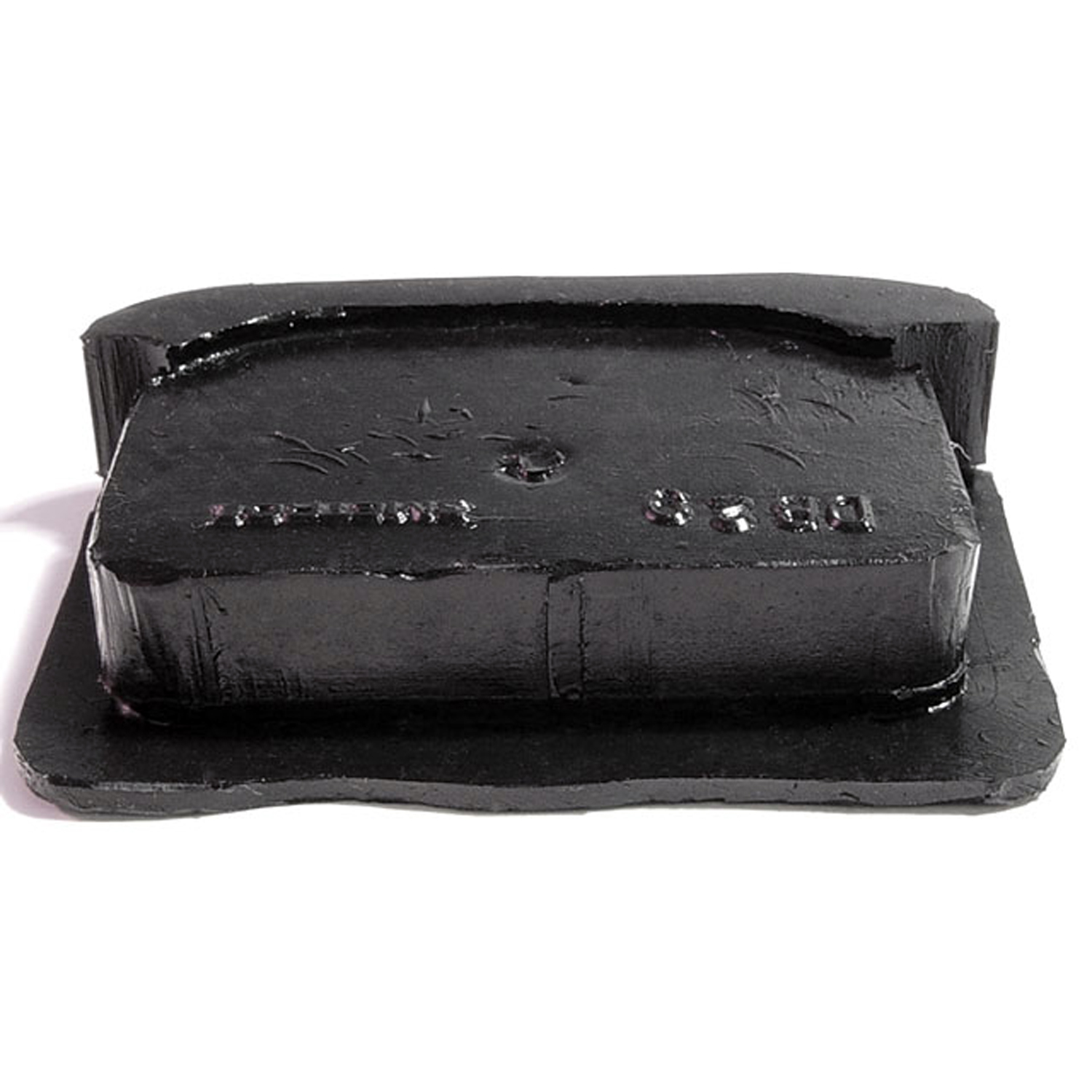 1932 Packard TWIN SIX CUSTOM Door Bumper. 1-3/8" high X 2" wide X 1/2" thick. Each-DB 29Door Bumper. 1-3/8" high X 2" wide X 1/2" thick. Each
 1932 Packard TWIN SIX CUSTOM Gas Filler Grommet. 2-1/2" I.D., 4-1/8" O.D. Each-GF 12Gas Filler Grommet. 2-1/2" I.D., 4-1/8" O.D. Each
 1932 Packard TWIN SIX CUSTOM Hood Corners. 1-3/4" to 2" corner radius-HC 14Hood Corners. 1-3/4" to 2" corner radius. Pad is 3-3/8" long. Pair
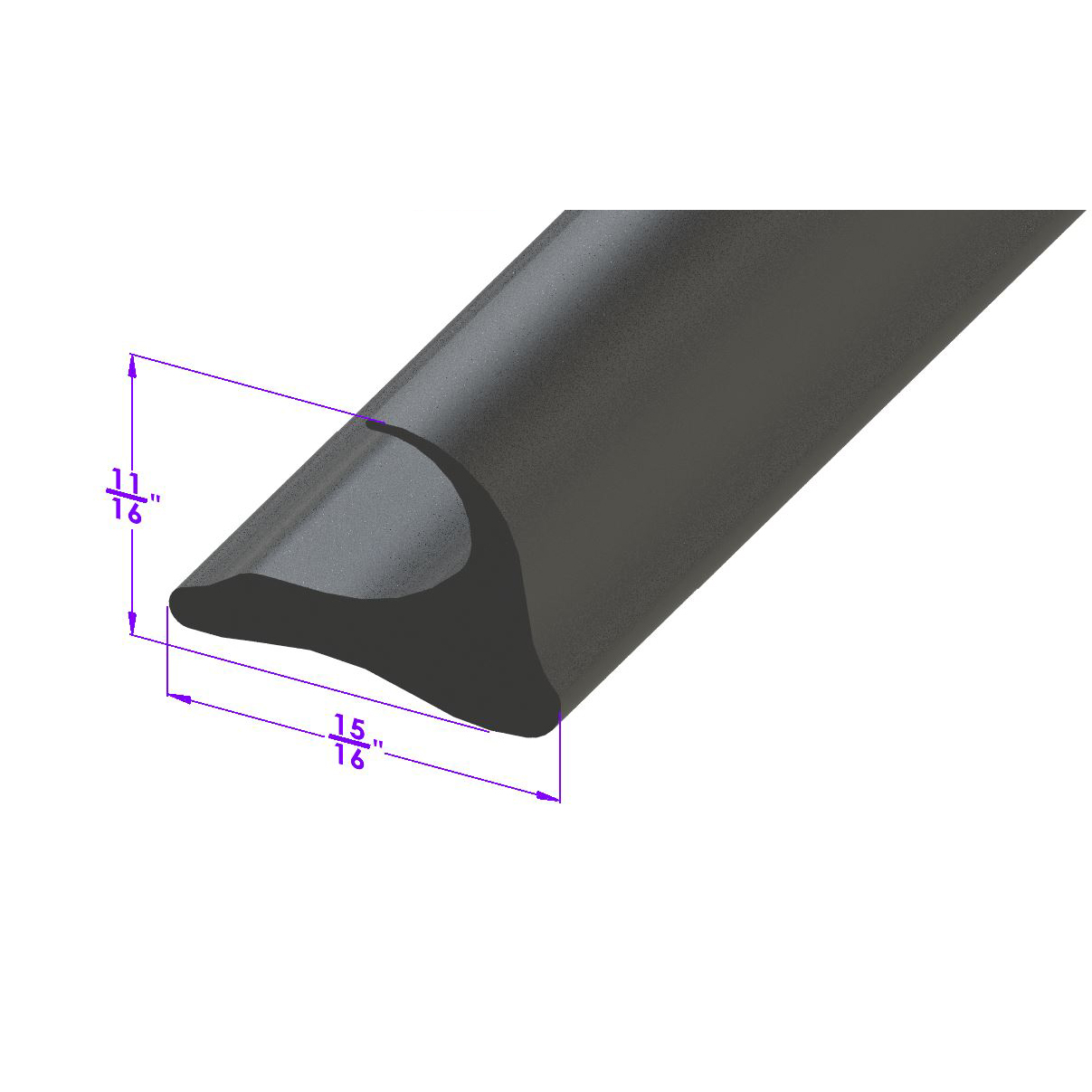 1932 Packard TWIN SIX CUSTOM Side Roof Rail Seal. Fits in metal retainer-LP 12-ASide Roof Rail Seal. Fits in metal retainer. Sold by the foot
 1932 Packard TWIN SIX CUSTOM Swing-Out Windshield Seal. 3/4" High. Sold by the foot-LP 97-ASwing-Out Windshield Seal. 3/4" High. Sold by the foot
 1932 Packard TWIN SIX CUSTOM Rumble Seat Step-Plate Bracket Pad -MP 840-BRumble Seat Step-Plate Bracket Pad. 3-7/8" wide X 3-1/4" long. Each
 1932 Packard TWIN SIX CUSTOM Tail-light Pads. 3-1/4" O.D. Pair -MP 845Tail-light Pads. 3-1/4" O.D. Pair
 1932 Packard TWIN SIX CUSTOM Tail-light Pads. 2" wide X 4-1/2" long. Pair-MP 845-BTail-light Pads. 2" wide X 4-1/2" long. Pair
 1932 Packard TWIN SIX CUSTOM Headlight Bar Pads. 4" wide X 3-3/8" long. Pair-MP 845-CHeadlight Bar Pads. 4" wide X 3-3/8" long. Pair
 1932 Packard TWIN SIX CUSTOM Tail-light Pads. 2-1/4" O.D. Pair-MP 845-DTail-light Pads. 2-1/4" O.D. Pair
 1932 Packard TWIN SIX CUSTOM Headlight Bar Pads. 3-5/8" wide X 4-1/2" long. Pair-MP 845-EHeadlight Bar Pads. 3-5/8" wide X 4-1/2" long. Pair
 1932 Packard TWIN SIX CUSTOM Rumble Seat Step-Plate Pad. 4" wide X 4-1/4" long. Each-MP 846Rumble Seat Step-Plate Pad. 4" wide X 4-1/4" long. Each
 1932 Packard TWIN SIX CUSTOM Park Light Pads. 1-5/8" wide X 2-5/8" long. Pair-MP 847Park Light Pads. 1-5/8" wide X 2-5/8" long. Pair
 1932 Packard TWIN SIX CUSTOM Door Handle Pads. 1-1/2" wide X 2-3/8" long. Pair-MP 848Door Handle Pads. 1-1/2" wide X 2-3/8" long. Pair
 1932 Packard TWIN SIX CUSTOM Luggage Rack Pads. 3-1/8" wide X 5-1/2" long. Pair-MP 901Luggage Rack Pads. 3-1/8" wide X 5-1/2" long. Pair
 1932 Packard TWIN SIX CUSTOM Headlight Pads. 5" wide X 5-3/8" long-MP 902Headlight Pads. 5" wide X 5-3/8" long. Pair NOTE: '32 pads may differ slightly. See MP 902-A. Send tracing of metal base if in doubt.
 1932 Packard TWIN SIX CUSTOM Headlight Pads. 4-3/4" wide X 5" long-MP 902-AHeadlight Pads. 4-3/4" wide X 5" long. Pair NOTE: '32 pads may differ slightly. See MP 902. Send tracing of metal base if in doubt.
 1932 Packard TWIN SIX CUSTOM Park Light Pads. 1-3/4" wide X 2-3/4" long. Pair-MP 906Park Light Pads. 1-3/4" wide X 2-3/4" long. Pair
 1932 Packard TWIN SIX CUSTOM Cowl Vent Seal-RP 100-CCowl Vent Seal. 47" long piece of black, skin-covered sponge. End is 3/8" wide X 5/16" high. Each
 1932 Packard TWIN SIX CUSTOM Cowl Vent Seal -RP 100-DCowl Vent Seal. 45" long piece of black, skin-covered sponge. End is 3/4" wide X 3/8" high. Each
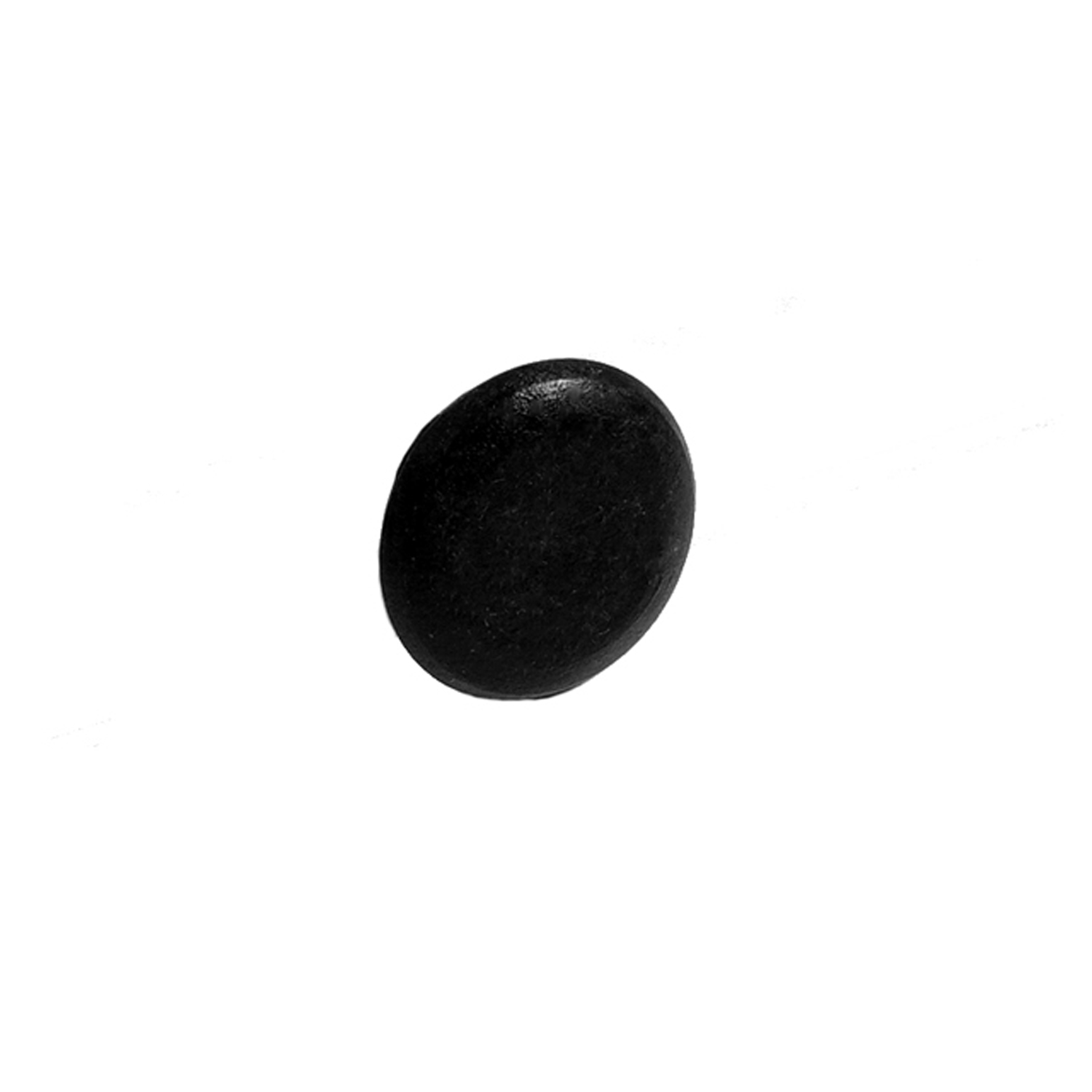 1932 Packard TWIN SIX CUSTOM Trunk Bumper. 3/4" O.D., 5/8" I.D. Each-SB 74Trunk Bumper. 3/4" O.D., 5/8" I.D. Each
Why Choose Metro?
For over 100 years, Metro Moulded Parts has been the pinnacle of quality in classic car restoration parts. Our commitment to precision and authenticity in every component ensures a perfect fit and an OEM-level appearance.
- Expert Craftsmanship & Quality: Each part is a testament to our dedication to reliability and perfection, crafted from original designs and thoroughly tested.
- Advanced Technology: We use cutting-edge techniques to create flawless, long-lasting parts that surpass others in performance.
- SuperSoft Sponge – The Ultimate Door Seal: Not only are our door seals 30% softer than competitors', but they're also guaranteed to never leak. They effectively reduce wind and road noise, enhancing your classic car's comfort and driving experience.
- Proudly American: Our parts are a product of American craftsmanship, made in the USA with a spirit of excellence and heritage.
- Unrivaled Warranty: We back our products with a 30-year industry-leading warranty, a testament to our confidence in their quality.
Join us in preserving the legacy of classic cars with parts that are crafted for perfection, not just made.