

Image of 1933 Packard Twelve, Note: These illustrations use artistic license and may differ from actual historical models.
Performance Metrics
Fundamental Metrics
Emotional Appeal
MMP Rating
| Engine Specifications | |
|---|---|
| Engine: | V-12 |
| Displacement: | 445.5 cu in (7.3 L) |
| Horsepower: | Estimated 160 HP |
| Torque: | Not available |
| Compression Ratio: | Not available |
| Ignition System: | Battery and coil |
| Cooling System: | Liquid-cooled |
| Performance Specifications | |
| 0-60 Time: | Not available |
| 1/4 Mile Time: | Not available |
| Top Speed: | Estimated 85-100 mph |
| Transmission and Drive | |
| Drive Type: | Rear-wheel drive |
| Transmission Type: | 3-speed manual |
| Fuel and Efficiency | |
| Fuel System Type: | Carburetor |
| MPG: | Not available |
| Dimensions and Brakes | |
| Brakes: | Mechanical drum brakes |
| Wheelbase: | 142 in (3607 mm) |
| Weight: | Estimated 5,300 lbs |
Note: Specifications for classic cars are given to the best of our ability, considering the limited and variant data available.
1933 Packard Twelve: A Flagship Built for the Open Road
The 1933 Packard Twelve made a grand entrance without needing to raise its voice. Its long bonnet, sweeping fenders and nearly silent V12 announced that this was one of America’s finest luxury cars, built for owners who valued refinement as much as power.
Packard Motor Car Company, based in Detroit, had earned a reputation for engineering quality and high-end automobiles. The Twelve was the marque’s flagship, and its 1933 model belonged to the early years of Packard’s revived V12 era. The company had first used the Twin Six name for its V12 cars in the 1910s; in the early 1930s, it returned to twelve-cylinder power under the simpler name Packard Twelve.
The timing made the car especially notable. The Great Depression had sharply reduced demand for luxury automobiles, yet Packard continued to invest in a sophisticated twelve-cylinder model. That decision gave wealthy buyers a powerful, polished alternative to the prestige cars offered by Cadillac, Lincoln and other premium manufacturers.
One striking detail is the Twelve’s engine size: at about 445.5 cubic inches, or 7.3 liters, its V12 was enormous by modern standards. It was designed not just to move a heavy luxury car, but to do so with an unusually smooth, unhurried character.
Packard Styling and Coachbuilt Elegance
The 1933 Twelve wore the classic proportions of a prestige car from the period. A tall, upright radiator grille stood at the front, framed by large headlamps and a long hood that emphasized the engine beneath it. Separate fenders flowed over the wheels, while running boards connected the front and rear sections of the body. Depending on the coachwork, the rear could be formal and upright or low and flowing.
Packard offered the Twelve in different wheelbase and body configurations, and its catalog included several factory body styles. Buyers could choose from closed sedans and limousines as well as more open touring-oriented designs such as phaetons, roadsters and convertible bodies. The range varied by series and body catalog, so not every style was available on every chassis.
Among the most memorable versions were the long-wheelbase formal sedans and limousines. Their generous rear compartments, extended running boards and chauffeur-friendly proportions made them ideal for owners who expected to be driven. Open phaetons and roadsters offered a more sporting look, while custom coachwork gave wealthy customers room to specify a highly individual car.
Inside, the Twelve was finished as a luxury automobile rather than a merely well-equipped one. Buyers could expect carefully fitted upholstery, quality carpeting, polished wood or wood-grain trim, substantial door panels and a broad instrument panel. Exact materials and details depended on the body style and the original order. In a chauffeur-driven limousine, rear-seat comfort and privacy mattered as much as the driving position up front.
Paint choices varied with the year, body style and customer specification. Black and deep, formal colors suited sedans and limousines, while two-tone combinations could emphasize the separate fenders and body lines. Because Packard allowed a degree of customization, surviving cars may wear colors that differ from the combinations most commonly associated with the model.
V12 Engineering and Period Technology
At the heart of the Twelve was a 445.5-cubic-inch L-head V12, rated at approximately 160 horsepower. Its side-valve layout was not exotic by later standards, but the engine’s size, cylinder count and careful refinement made it a prestigious piece of engineering. The V12’s closely spaced firing impulses helped deliver the smooth, low-effort power that luxury-car buyers wanted.
A three-speed manual transmission sent power to the rear wheels. The car also had four-wheel hydraulic brakes, a significant convenience compared with the mechanical braking systems still found on some older automobiles. Packard’s engineering focused on making a large car feel controlled and composed, not simply powerful.
Many Twelves also featured dual ignition, with two spark plugs per cylinder. That meant 24 spark plugs in total, a memorable example of the engineering attention lavished on the flagship. As with any specific car, equipment should be confirmed against its build details and current specification, especially when a vehicle has been modified or restored.
Chassis and suspension design reflected the era: a substantial frame, conventional axles and leaf springs carried the weight of the car. The result was not modern sports-car agility. It was a stable, comfortable platform designed to cover long distances with dignity and little drama.
Why the 1933 Packard Twelve Mattered
The Twelve’s importance was not that it introduced the V12 to the automobile. Instead, it showed how a major American manufacturer could use twelve-cylinder power to define the top of its range during a difficult economic period. Packard combined a large, smooth engine with custom-style coachwork, high-quality trim and a chassis intended for serious road use.
It also helped reinforce Packard’s identity as a maker of refined, technically accomplished luxury cars. The Twelve sat above the company’s eight-cylinder offerings and gave the brand a direct response to other flagship automobiles. Its restrained appearance was part of the appeal: the car communicated status through its proportions, finish and engineering rather than through flamboyant decoration alone.
The model’s lasting influence is best understood as part of the broader prewar luxury tradition. It represents an era when the finest American cars could be ordered in multiple body styles, tailored to individual owners and powered by engines built for effortless progress. That combination of scale, craftsmanship and customization remains central to the way collectors think about classic Packards.
Road Performance and Driving Feel
Period performance figures are not uniform, and a 1933 Twelve’s weight, gearing, body style and condition all affect how it performs. As a general guide, a properly sorted example may reach roughly 95 to 100 mph. A 0-to-60-mph time in the neighborhood of 18 to 22 seconds is a reasonable estimate, rather than a guaranteed factory figure. These numbers describe a large luxury car of its time, not a modern performance machine.
The Twelve’s strongest impression is its smoothness. At a relaxed pace, the engine can feel almost detached from the effort of moving the car. The V12 produces a muted, deep mechanical note rather than the sharp exhaust sound associated with a sports car. The goal was quiet authority: enough power for confident cruising and passing, delivered without constant gear changes or high engine speeds.
On a well-maintained road, the long wheelbase helps the car settle into a calm rhythm. Broken pavement and broad bumps are handled with the composed, softly sprung character expected of a prewar luxury automobile. On winding roads, however, the Twelve’s size and weight become more obvious. It rewards measured steering and smooth inputs, rather than quick direction changes.
Modern drivers should also remember that steering, braking and visibility differ greatly from those of a current car. The hydraulic brakes were an important period feature, but stopping distances and pedal feel are not comparable to modern systems. A Twelve is most enjoyable when driven thoughtfully, with room to anticipate traffic and road conditions.
Owning and Maintaining a Packard Twelve
Today, most 1933 Packard Twelves are collector cars, show cars or carefully maintained touring vehicles. Their size and mechanical complexity make them impractical as everyday transportation, though a sound example can be used for club events, rallies and occasional drives. Long-distance touring is part of the car’s heritage, but it calls for preparation and realistic expectations.
Maintenance is not a simple weekend job for the average modern owner. The V12 has more components than a typical straight-eight, and ignition service involves twice as many spark plugs as a conventional eight-cylinder engine. Parts sourcing, specialist knowledge and correct setup matter. Routine work is manageable for an experienced enthusiast, but major engine, transmission or coachwork repairs are best left to professionals familiar with prewar Packards.
Reliability depends heavily on upkeep. A well-restored and regularly exercised car can be dependable for appropriate use, while one that has sat for years may need attention to its fuel system, cooling system, brakes, wiring and lubrication before it is driven. Before buying, look beyond shiny paint: inspect the chassis, engine history, body structure, previous restoration work and availability of specialist support.
Rare Details and Common Criticisms
Packard’s Twelve was produced in limited numbers compared with ordinary cars of the period. Published production figures are commonly placed at roughly 500 examples for the 1933 model year, though totals can vary according to how sources define model-year production and body configurations. That small output is one reason complete, well-documented cars are difficult to find.
The Packard Twelve is not chiefly remembered for racing records or a single widely recognized speed achievement. Its purpose was luxury and long-distance power, not competition. It is also better understood as a range of cars than as one standard body: chassis, wheelbase, equipment and coachwork could differ substantially from one example to another.
Common criticisms are practical ones. The car is large, heavy, thirsty and more demanding to maintain than a later classic with simpler, more widely available components. Its handling is dignified rather than nimble, and its prewar controls require familiarity. For collectors, those traits are part of the experience, but they are worth considering before treating a Twelve as a regular-use vehicle.
1933 Packard Twelve Values and Availability
Values depend greatly on body style, originality, condition, restoration quality and provenance. As a broad current-market estimate, a project or incomplete example might fall around $50,000 to $100,000. A sound driver or older restoration may bring approximately $100,000 to $200,000, while a high-quality, well-documented car can reach roughly $200,000 to $350,000 or more. Exceptional custom-bodied examples may exceed that range, particularly when their history and restoration are especially compelling.
These are guide ranges, not appraisals. A rare body style does not automatically guarantee a high price if the car needs extensive work, and a beautifully restored example can still be difficult to value without inspecting its quality and documentation. Market results also vary by auction venue and economic conditions.
Packard Twelves have generally retained strong collector interest because of their rarity, engineering and place at the top of the prewar American luxury market. The broader classic-car market is not a straight upward line, however. The best cars may appreciate in nominal terms over time, while restoration costs, inflation and changing tastes can make the real return less impressive. Buyers should choose a car for its condition and history, not on the assumption that it will automatically rise in value.
The Lasting Appeal of the Packard Twelve
The 1933 Packard Twelve brought together a smooth 7.3-liter V12, elegant coachwork, careful interior finishing and the quiet confidence of a true flagship. It was created in a period when building such a car was a bold commitment, and its limited production has made surviving examples especially desirable.
For collectors, the Twelve is more than a rare prewar automobile. It is a rolling expression of Packard’s ambition: a car designed to make distance feel effortless and craftsmanship feel unmistakable. Its greatest luxury was not simply speed or size, but the way it made a long road seem to pass in an unbroken, measured hush.
1933 Packard Twelve Catalog of Parts
 1933 Packard TWELVE Accessory Floor Mat - 12"X17"-AC 32Accessory Floor Mat - made of high quality black rubber with molded original emblem. Also designed to be sewn into new carpets. 12"X17", Each
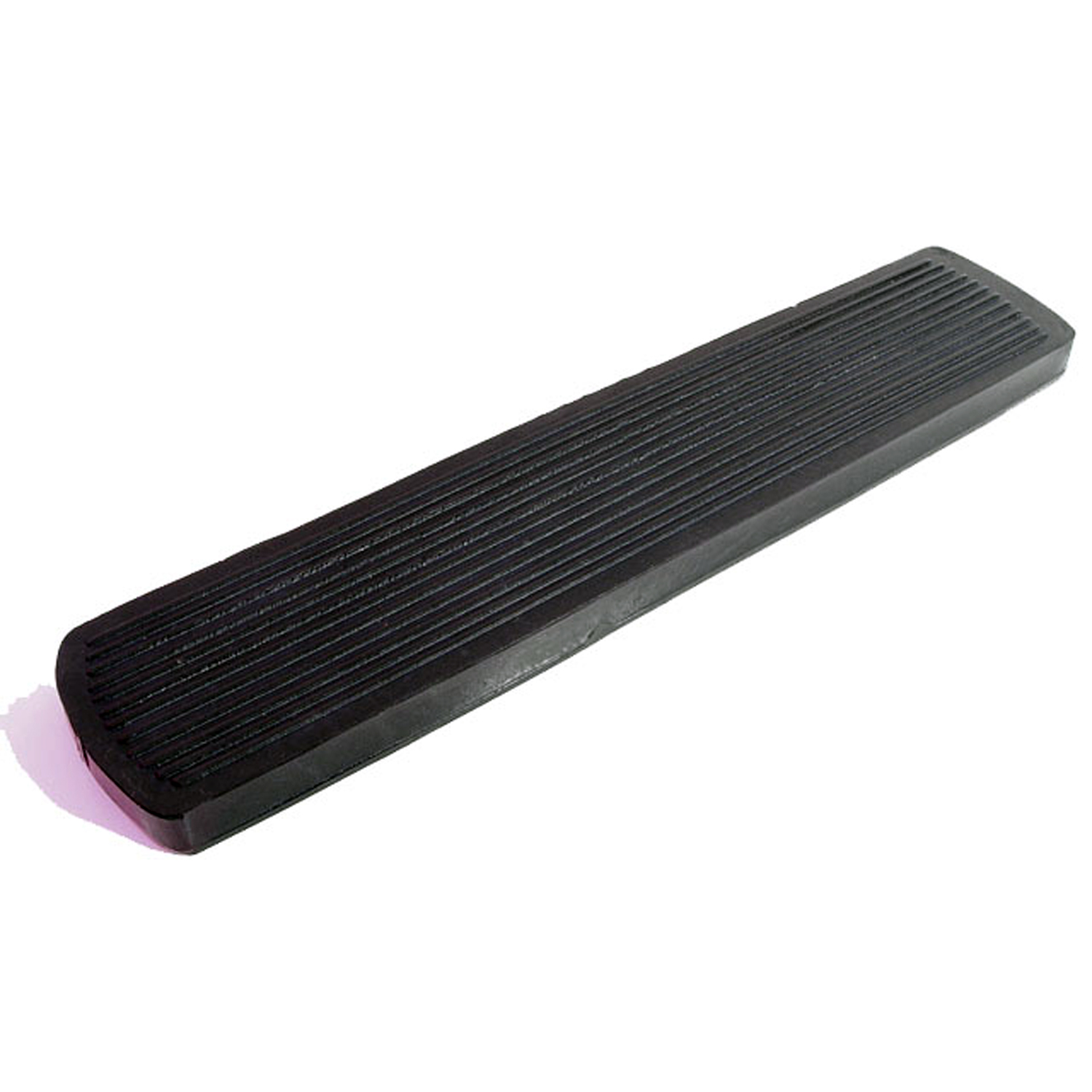 1933 Packard TWELVE Accelerator Pedal Pad. 1-7/8" X 9-3/8", Each-AP 16Accelerator Pedal Pad. 1-7/8" X 9-3/8", Each
 1933 Packard TWELVE Shock Grommet. 1" high, with 1-3/8" O.D. Each-BN 25Shock Grommet. 1" high, with 1-3/8" O.D. Each
 1933 Packard TWELVE Clutch and Brake Pedal Pads. 2-3/4" wide X 3-15/16" long-CB 14Clutch and Brake Pedal Pads. 2-3/4" wide X 3-15/16" long. Pair
 1933 Packard TWELVE Power Brake Pad. 2-3/4" Wide. Each-CB 14-APower Brake Pad. 2-3/4" Wide. Each
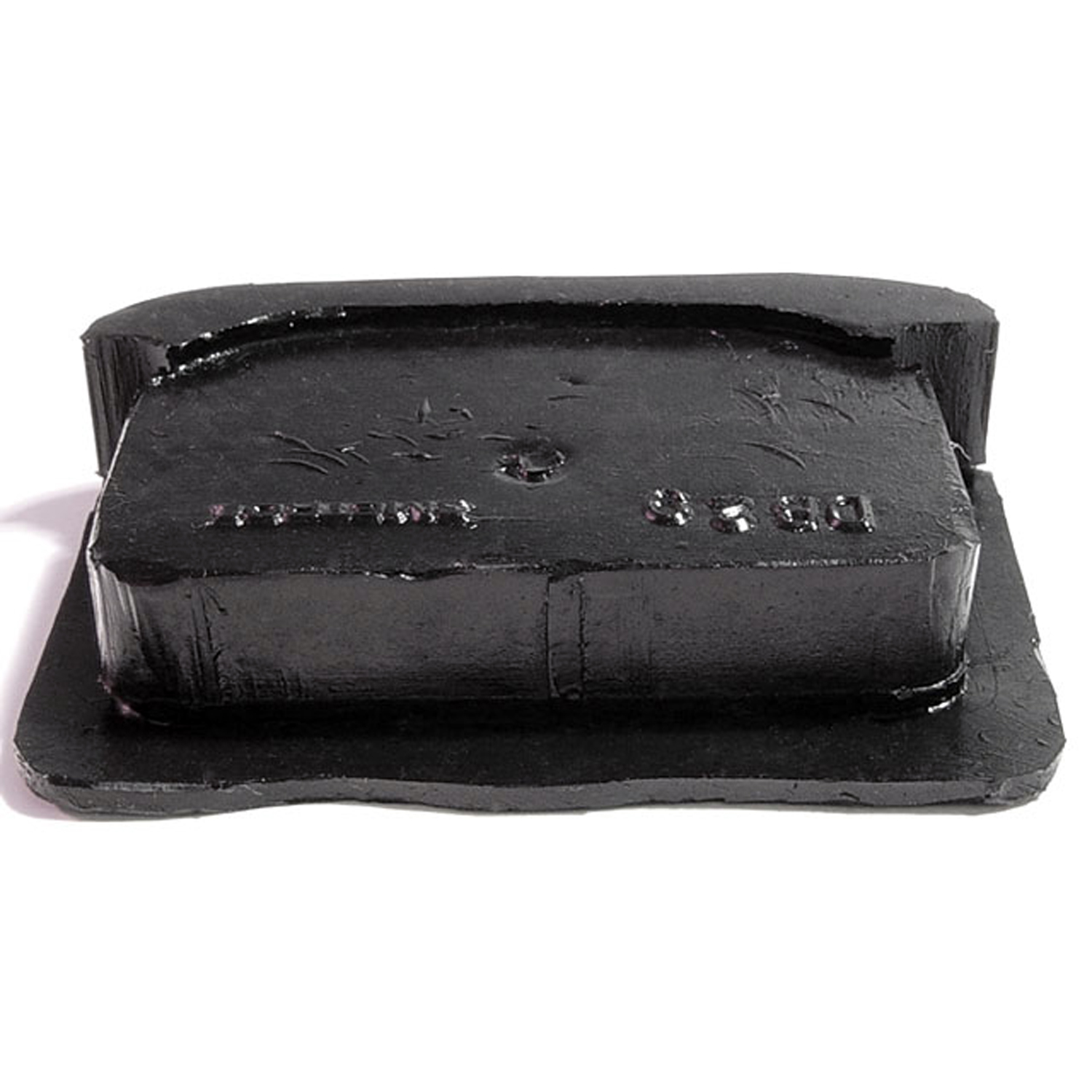 1933 Packard TWELVE Door Bumper. 1-3/8" high X 2" wide X 1/2" thick. Each-DB 29Door Bumper. 1-3/8" high X 2" wide X 1/2" thick. Each
 1933 Packard TWELVE Gas Filler Grommet. 2-1/2" I.D., 4-1/8" O.D. Each-GF 12Gas Filler Grommet. 2-1/2" I.D., 4-1/8" O.D. Each
 1933 Packard TWELVE Hood Corners. 1-3/4" to 2" corner radius-HC 14Hood Corners. 1-3/4" to 2" corner radius. Pad is 3-3/8" long. Pair
 1933 Packard TWELVE Hood Corners. 1-13/16" wide. Pair-HC 21Hood Corners. 1-13/16" wide. Pair
 1933 Packard TWELVE Hood Corners. HC 21: 1-13/16" wide-HC 21-22Hood Corners. HC 21: 1-13/16" wide. HC 22: 1-15/16" overall width. 4-Piece Set
 1933 Packard TWELVE Hood Corners. 1-15/16" overall width. Pair-HC 22Hood Corners. 1-15/16" overall width. Pair
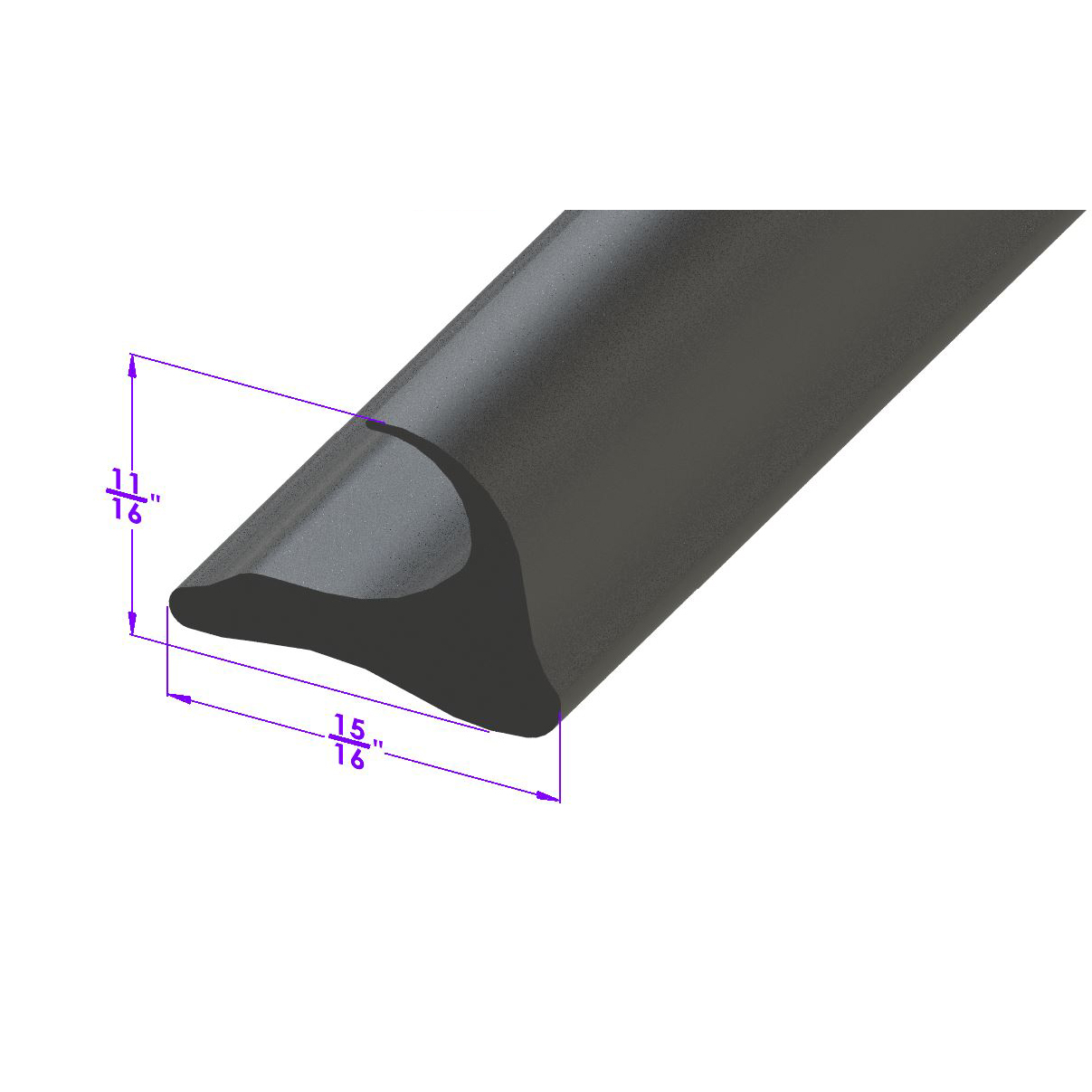 1933 Packard TWELVE Side Roof Rail Seal. Fits in metal retainer-LP 12-ASide Roof Rail Seal. Fits in metal retainer. Sold by the foot
 1933 Packard TWELVE Swing-Out Windshield Seal. 3/4" High. Sold by the foot-LP 97-ASwing-Out Windshield Seal. 3/4" High. Sold by the foot
 1933 Packard TWELVE Headlight Pads. 3-3/4" wide X 4-7/8" long. Pair-MP 830Headlight Pads. 3-3/4" wide X 4-7/8" long. Pair
 1933 Packard TWELVE Tail-light Pads. 4-3/4" long X 1-3/4" wide. Pair-MP 831Tail-light Pads. 4-3/4" long X 1-3/4" wide. Pair
 1933 Packard TWELVE Tail-light Pads. 3-3/4" wide X 8-7/8" long. Pair R&L-MP 840Tail-light Pads. 3-3/4" wide X 8-7/8" long. Pair R&L
 1933 Packard TWELVE Tail-light Pads. 3-1/4" O.D. Pair -MP 845Tail-light Pads. 3-1/4" O.D. Pair
 1933 Packard TWELVE Tail-light Pads. 2" wide X 4-1/2" long. Pair-MP 845-BTail-light Pads. 2" wide X 4-1/2" long. Pair
 1933 Packard TWELVE Headlight Bar Pads. 4" wide X 3-3/8" long. Pair-MP 845-CHeadlight Bar Pads. 4" wide X 3-3/8" long. Pair
 1933 Packard TWELVE Tail-light Pads. 2-1/4" O.D. Pair-MP 845-DTail-light Pads. 2-1/4" O.D. Pair
 1933 Packard TWELVE Headlight Bar Pads. 3-5/8" wide X 4-1/2" long. Pair-MP 845-EHeadlight Bar Pads. 3-5/8" wide X 4-1/2" long. Pair
 1933 Packard TWELVE Rumble Seat Step-Plate Pad. 4" wide X 4-1/4" long. Each-MP 846Rumble Seat Step-Plate Pad. 4" wide X 4-1/4" long. Each
 1933 Packard TWELVE Door Handle Pads. 1-1/2" wide X 2-3/8" long. Pair-MP 848Door Handle Pads. 1-1/2" wide X 2-3/8" long. Pair
 1933 Packard TWELVE Bumper Bracket Pad. 2-7/8" wide X 7-3/8" long. Each-MP 850Bumper Bracket Pad. 2-7/8" wide X 7-3/8" long. Each
 1933 Packard TWELVE Tail-light Pads. 2-3/4" wide X 5-5/8" long. Pair-MP 852Tail-light Pads. 2-3/4" wide X 5-5/8" long. Pair
 1933 Packard TWELVE Headlight Pads. Thick mounting pads-MP 853Headlight Pads. Thick mounting pads. 3-3/8" wide X 6-1/2" long. Pair R&L
 1933 Packard TWELVE Park Light Pads. 1-3/8" wide X 4-1/8" long. Pair -MP 860Park Light Pads. 1-3/8" wide X 4-1/8" long. Pair
 1933 Packard TWELVE Rumble Seat Step-Plate Pad. 3-7/8" wide X 4-1/8" long-MP 870Rumble Seat Step-Plate Pad. 3-7/8" wide X 4-1/8" long. Each
 1933 Packard TWELVE Headlight Bracket Pads. 4" X 4-1/4". Pair-MP 871Headlight Bracket Pads. 4" X 4-1/4". Pair
 1933 Packard TWELVE Cowl Vent Seal-RP 100-CCowl Vent Seal. 47" long piece of black, skin-covered sponge. End is 3/8" wide X 5/16" high. Each
 1933 Packard TWELVE Cowl Vent Seal -RP 100-DCowl Vent Seal. 45" long piece of black, skin-covered sponge. End is 3/4" wide X 3/8" high. Each
 1933 Packard TWELVE Front Lower Rubber Insulating Cushion-RP 72Front Lower Rubber Insulating Cushion. 3" wide X 4-1/2" long. Two used per car. Replaces OEM #209770. Each
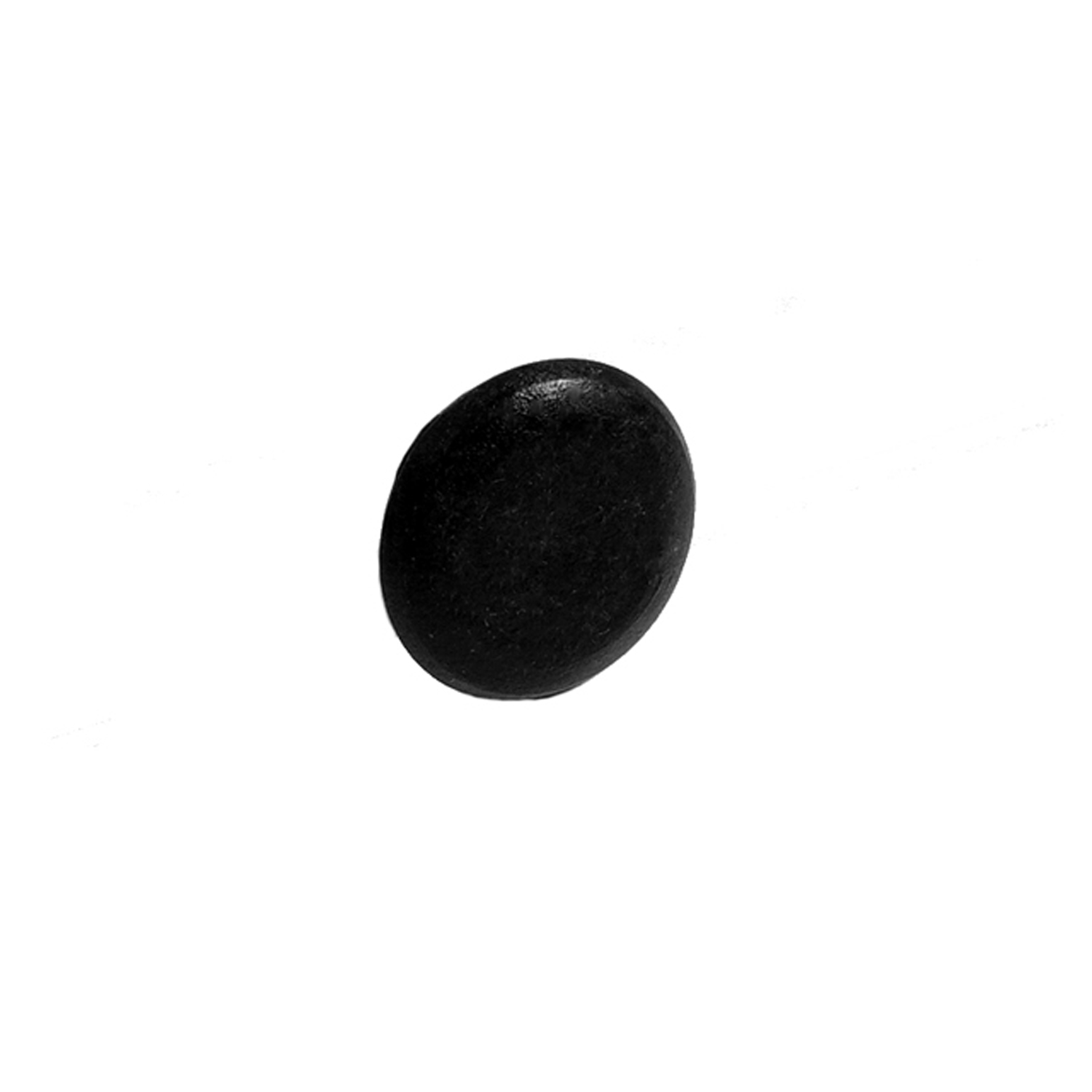 1933 Packard TWELVE Trunk Bumper. 3/4" O.D., 5/8" I.D. Each-SB 74Trunk Bumper. 3/4" O.D., 5/8" I.D. Each
Why Choose Metro?
For over 100 years, Metro Moulded Parts has been the pinnacle of quality in classic car restoration parts. Our commitment to precision and authenticity in every component ensures a perfect fit and an OEM-level appearance.
- Expert Craftsmanship & Quality: Each part is a testament to our dedication to reliability and perfection, crafted from original designs and thoroughly tested.
- Advanced Technology: We use cutting-edge techniques to create flawless, long-lasting parts that surpass others in performance.
- SuperSoft Sponge – The Ultimate Door Seal: Not only are our door seals 30% softer than competitors', but they're also guaranteed to never leak. They effectively reduce wind and road noise, enhancing your classic car's comfort and driving experience.
- Proudly American: Our parts are a product of American craftsmanship, made in the USA with a spirit of excellence and heritage.
- Unrivaled Warranty: We back our products with a 30-year industry-leading warranty, a testament to our confidence in their quality.
Join us in preserving the legacy of classic cars with parts that are crafted for perfection, not just made.