

Image of 1934 Packard Eight, Note: These illustrations use artistic license and may differ from actual historical models.
Performance Metrics
Fundamental Metrics
Emotional Appeal
MMP Rating
| Engine Specifications | |
|---|---|
| Engine: | Straight-8 |
| Displacement: | 320 cu in (5.2 L) |
| Horsepower: | Estimated 120-135 HP |
| Torque: | Not available |
| Compression Ratio: | Not available |
| Ignition System: | Battery and coil |
| Cooling System: | Water |
| Performance Specifications | |
| 0-60 Time: | Not available |
| 1/4 Mile Time: | Not available |
| Top Speed: | Estimated 85-95 mph |
| Transmission and Drive | |
| Drive Type: | Rear-wheel drive |
| Transmission Type: | 3-speed manual |
| Fuel and Efficiency | |
| Fuel System Type: | Carburetor |
| MPG: | Not available |
| Dimensions and Brakes | |
| Brakes: | 4-wheel drum brakes |
| Wheelbase: | 136.5 in (3,470 mm) - 142.5 in (3,620 mm) |
| Weight: | 4,700 lbs |
Note: Specifications for classic cars are given to the best of our ability, considering the limited and variant data available.
1934 Packard Eight: American Luxury in a Lean Year
The 1934 Packard Eight turned a difficult year into a showcase for American craftsmanship: stately, beautifully finished, and powered by a smooth straight-eight engine. Built by the Packard Motor Car Company in Detroit, it belonged to the company’s 11th Series and sat below the larger, more costly Super Eight and Twelve. For buyers who wanted Packard quality without the price of the flagship models, the Eight offered a compelling blend of prestige and practicality.
Packard had earned its reputation by building carefully engineered luxury cars, and the Eight carried that reputation into the Great Depression. The company’s famous slogan, “Ask the man who owns one,” captured its emphasis on durability and owner satisfaction. A useful distinction for today’s shoppers: “1934 Packard Eight” usually refers to the standard Eight models, not the more powerful Super Eight or V-12 cars. Specifications and equipment can vary by body style and individual build.
One intriguing detail is the car’s place in Packard’s broad 1934 range. A buyer could choose a relatively restrained closed sedan or a striking open-bodied car, while still receiving the same essential Eight-series character: a long hood, formal Packard grille, and refined straight-eight power.
Long Hood, Fine Craftsmanship
The 1934 Eight has the unmistakable proportions of a classic luxury car. Its tall, upright radiator grille, sweeping front fenders, long hood, and separate running boards give it a poised, formal stance. The headlights sit prominently beside the grille, while carefully shaped hood louvers and restrained brightwork add detail without overwhelming the design. Depending on the body, the rear profile ranges from the practical formality of a sedan to the more dramatic sweep of a coupe or convertible.
Inside, Packard emphasized comfort and finish rather than flashy decoration. Upholstery could include quality cloth or leather, with carpeting, substantial door trim, and carefully finished wood or wood-grain details depending on the body and specification. The dashboard was arranged for clear access to the instruments and controls. As with many luxury cars of the period, upholstery and trim could vary, and surviving cars may have been retrimmed or restored in materials that differ from their original specification.
Packard offered the Eight in a range of closed and open body styles, including sedans, coupes, club sedans, and convertible forms. Some bodies were supplied by Packard, while coachbuilt or special-order examples could have distinctive details. The sedan was a practical and popular choice, while open cars and unusually elegant custom bodies are especially eye-catching today. Factory paint choices varied by body and year; dark blues, greens, maroons, and black suit the car’s formal character, but period colors were not limited to those shades.
For its time, the Eight combined traditional engineering with useful modern equipment. It had a three-speed manual transmission, four-wheel hydraulic brakes, and a straight-eight engine designed for smooth, quiet power. Packard also offered ride-control equipment on some cars and specifications. Features can differ by model and build, so a particular car’s original equipment should be confirmed through its records and components.
Why the Packard Eight Mattered
Packard’s achievement was not simply making a large car feel luxurious. The company built a wide ladder of models, letting customers move from the Eight to the higher-priced Super Eight and Twelve while retaining a recognizable family identity. That strategy helped Packard compete with Cadillac, Lincoln, and other prestige marques during a period when the market for expensive cars had been sharply reduced.
The Eight also reflects an important moment in automotive design. Its separate fenders, upright grille, and running boards belong to the formal prewar tradition, yet its body lines were smoother and more integrated than those of many earlier cars. Packard’s restrained styling became a lasting part of its image: elegant rather than ostentatious, and distinctive without relying on short-lived decoration. The result helped establish the visual language associated with American luxury cars of the 1930s.
What separated the Eight from many contemporaries was the combination of prestige and usability. It was not the most powerful Packard, but its straight-eight smoothness, solid construction, and carefully finished cabin gave owners a genuinely refined car without requiring the expense of a Twelve.
Straight-Eight Performance and Road Manners
The standard 1934 Packard Eight used a 320-cubic-inch L-head straight-eight, rated at about 120 horsepower. Exact performance depends on body style, gearing, condition, and equipment. As a broad period-car estimate, a sound example may reach roughly 80 to 90 mph, with 0 to 60 mph taking around 20 to 25 seconds. Those figures are estimates rather than guaranteed factory test results, and a heavy limousine or touring body will feel slower than a lighter coupe.
The engine’s best quality is its smooth delivery. Instead of a sharp burst of modern acceleration, the Packard gathers speed steadily, accompanied by the subdued mechanical hum of a large inline engine. The three-speed manual gearbox suits relaxed driving, though it asks the driver to plan shifts and use the clutch thoughtfully. The car rewards smooth inputs rather than hurried gear changes.
On a rough road, the Eight’s weight and long wheelbase help it settle over bumps, giving it the composed ride expected of a luxury car of its era. It is not a modern independent-suspension sedan, however: large potholes and broken pavement still make themselves felt. On winding roads, the high seating position, substantial body, and period steering require measured cornering. The experience is more stately than sporty, with the driver guiding a substantial machine rather than tossing it through turns.
Living With a 1934 Packard
Today, the Packard Eight is most often used for touring, club events, historic motoring, and display. A properly maintained car can make enjoyable weekend drives, but its age and original design make it a poor choice for routine modern commuting. It lacks contemporary crash protection, climate control, and the effortless speed of a current car.
Mechanical work is approachable for an experienced vintage-car owner, but this is not a simple project for someone expecting modern parts-store support. The straight-eight is robust when maintained, yet engine, brake, electrical, and cooling-system work requires period knowledge and specialist parts. Hydraulic brakes deserve particular attention: hoses, wheel cylinders, and the master cylinder should be inspected and serviced before regular road use. Tires, steering components, fuel lines, and the condition of the cooling system are equally important.
Parts support remains available through Packard specialists and marque clubs, although rare trim, body panels, and model-specific fittings may take time to locate. A complete, well-documented car is generally a better purchase than a cheaper project with missing parts. Restoration costs can climb quickly, especially when bodywork, upholstery, plating, or engine rebuilding are needed.
Packard Eight Facts and Myths
The Packard Eight was part of a larger family that included the more powerful Super Eight and Twelve. That distinction matters in advertisements: a seller may use “Packard Eight” loosely, so buyers should verify the model series, engine, chassis number, and body style before comparing specifications or prices.
There is no widely recognized 1934 Packard Eight speed or endurance record that defines the model’s legacy. Its significance rests more on luxury-car engineering, workmanship, and Packard’s standing among American manufacturers than on competition success. Packards of this era are also associated with prominent owners and formal public appearances, but individual ownership claims should be checked against reliable documentation rather than repeated as fact.
Common criticisms are familiar to anyone considering a prewar luxury car: the Packard is large, thirsty by modern standards, slow to accelerate, and demanding to maneuver in tight spaces. Its brakes and handling also require more planning than those of a modern vehicle. For enthusiasts, those traits are part of the experience, but they are important realities for an owner to understand.
Collector Values and Availability
Production figures vary by model and body style, and published totals are not always presented consistently. A reasonable working estimate is that roughly 5,000 standard Eights were built across the 1934 model-year Eight series. That makes the car uncommon today, though not every body style is equally rare. Closed sedans are generally easier to find than desirable open cars or special-body examples.
As a broad 2026 market estimate, a driver-quality sedan might sell for about $25,000 to $55,000. A very good or professionally restored closed car could fall around $55,000 to $100,000, while rare open bodies, exceptional restorations, and documented special-order cars can exceed that range, sometimes substantially. These are approximate figures: condition, provenance, originality, restoration quality, and the specific body style can move a price sharply in either direction. A Packard Eight should also not be valued as if it were a Super Eight or Twelve, which occupy different performance and price categories.
Values for sound, correctly presented examples have generally proved more resilient than those for incomplete projects, but the market is selective. High restoration costs can outstrip the final value of an ordinary sedan, while rare body styles and unusually authentic cars attract stronger interest. Buyers should compare completed sales for the same series and body, not just asking prices.
A Classic Built for the Long Road
The 1934 Packard Eight brings together the qualities that made Packard a leading American luxury marque: a smooth straight-eight, elegant proportions, carefully finished interiors, and a calm, substantial road presence. It is not a sports car or an easy modern daily driver. It is a beautifully engineered prewar automobile best enjoyed at an unhurried pace. More than nine decades after it left Detroit, the Eight still makes a persuasive case for the kind of luxury built to be experienced, not merely displayed.
1934 Packard Eight Catalog of Parts
 1934 Packard EIGHT Accessory Floor Mat - 12"X17"-AC 32Accessory Floor Mat - made of high quality black rubber with molded original emblem. Also designed to be sewn into new carpets. 12"X17", Each
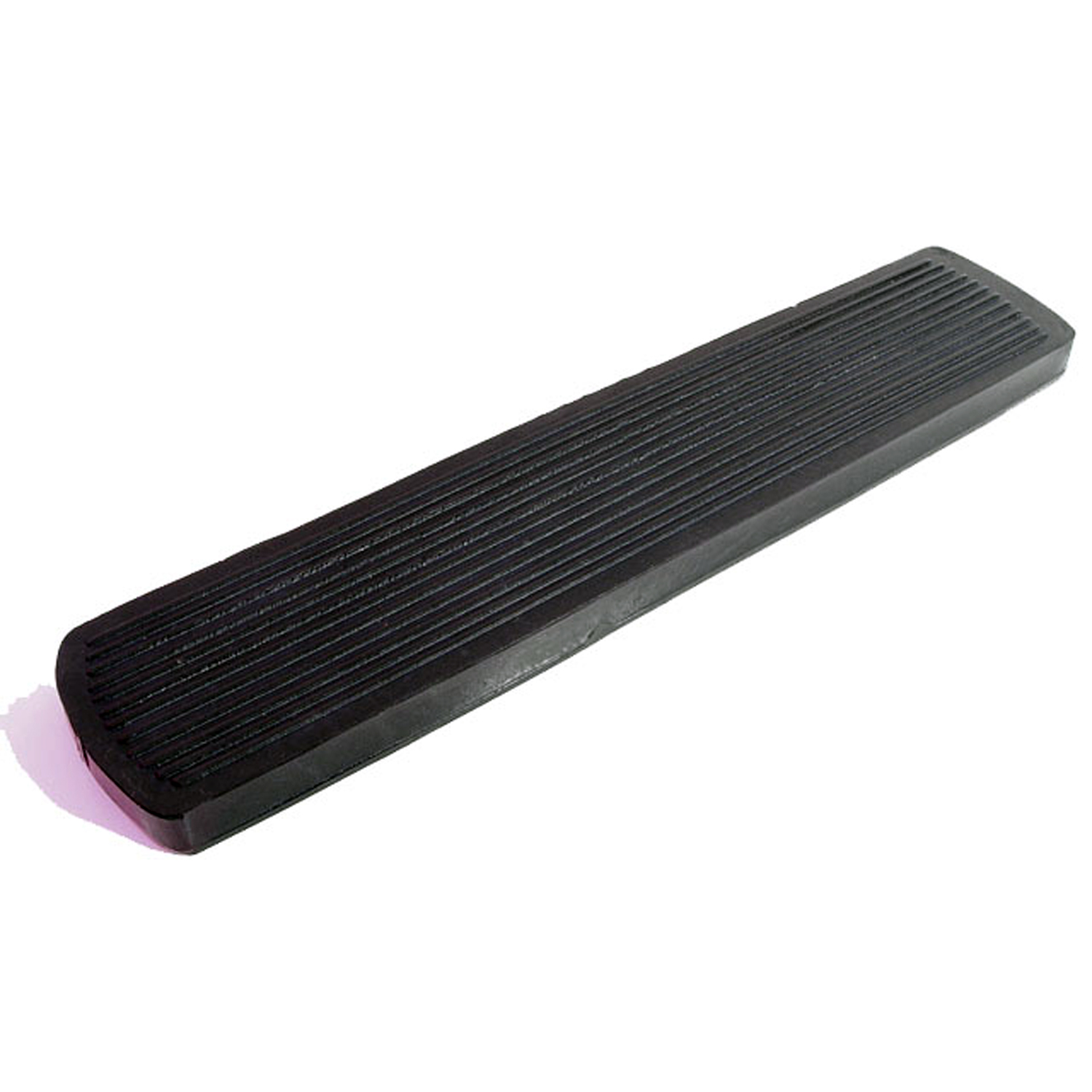 1934 Packard EIGHT Accelerator Pedal Pad. 1-7/8" X 9-3/8", Each-AP 16Accelerator Pedal Pad. 1-7/8" X 9-3/8", Each
 1934 Packard EIGHT Clutch and Brake Pedal Pads. 2-3/4" wide X 3-15/16" long-CB 14Clutch and Brake Pedal Pads. 2-3/4" wide X 3-15/16" long. Pair
 1934 Packard EIGHT Power Brake Pad. 2-3/4" Wide. Each-CB 14-APower Brake Pad. 2-3/4" Wide. Each
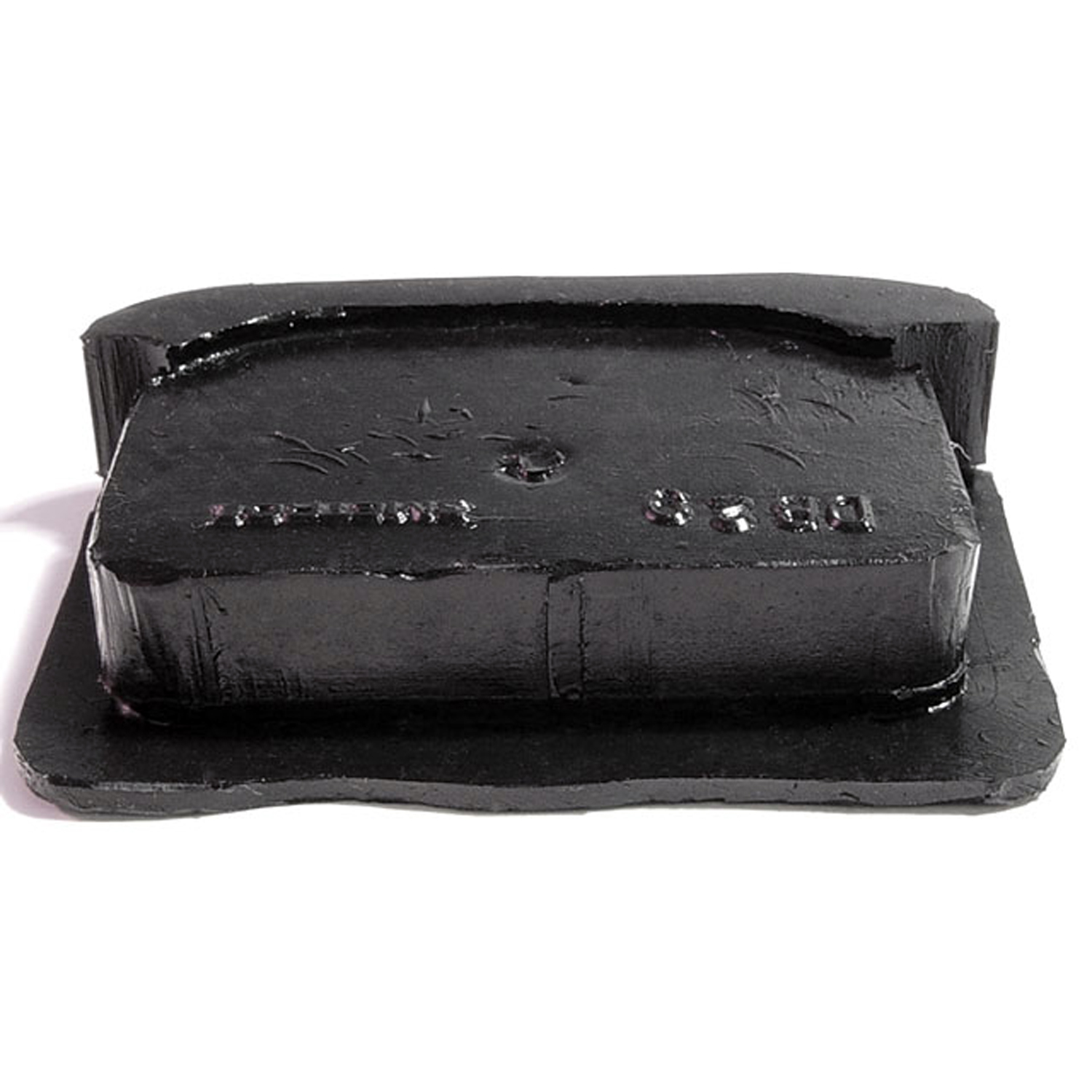 1934 Packard EIGHT Door Bumper. 1-3/8" high X 2" wide X 1/2" thick. Each-DB 29Door Bumper. 1-3/8" high X 2" wide X 1/2" thick. Each
 1934 Packard EIGHT Gas Filler Grommet. 2-1/2" I.D., 4-1/8" O.D. Each-GF 12Gas Filler Grommet. 2-1/2" I.D., 4-1/8" O.D. Each
 1934 Packard EIGHT Hood Corners. 1-3/4" to 2" corner radius-HC 14Hood Corners. 1-3/4" to 2" corner radius. Pad is 3-3/8" long. Pair
 1934 Packard EIGHT Hood Corners. 1-13/16" wide. Pair-HC 21Hood Corners. 1-13/16" wide. Pair
 1934 Packard EIGHT Hood Corners. HC 21: 1-13/16" wide-HC 21-22Hood Corners. HC 21: 1-13/16" wide. HC 22: 1-15/16" overall width. 4-Piece Set
 1934 Packard EIGHT Hood Corners. 1-15/16" overall width. Pair-HC 22Hood Corners. 1-15/16" overall width. Pair
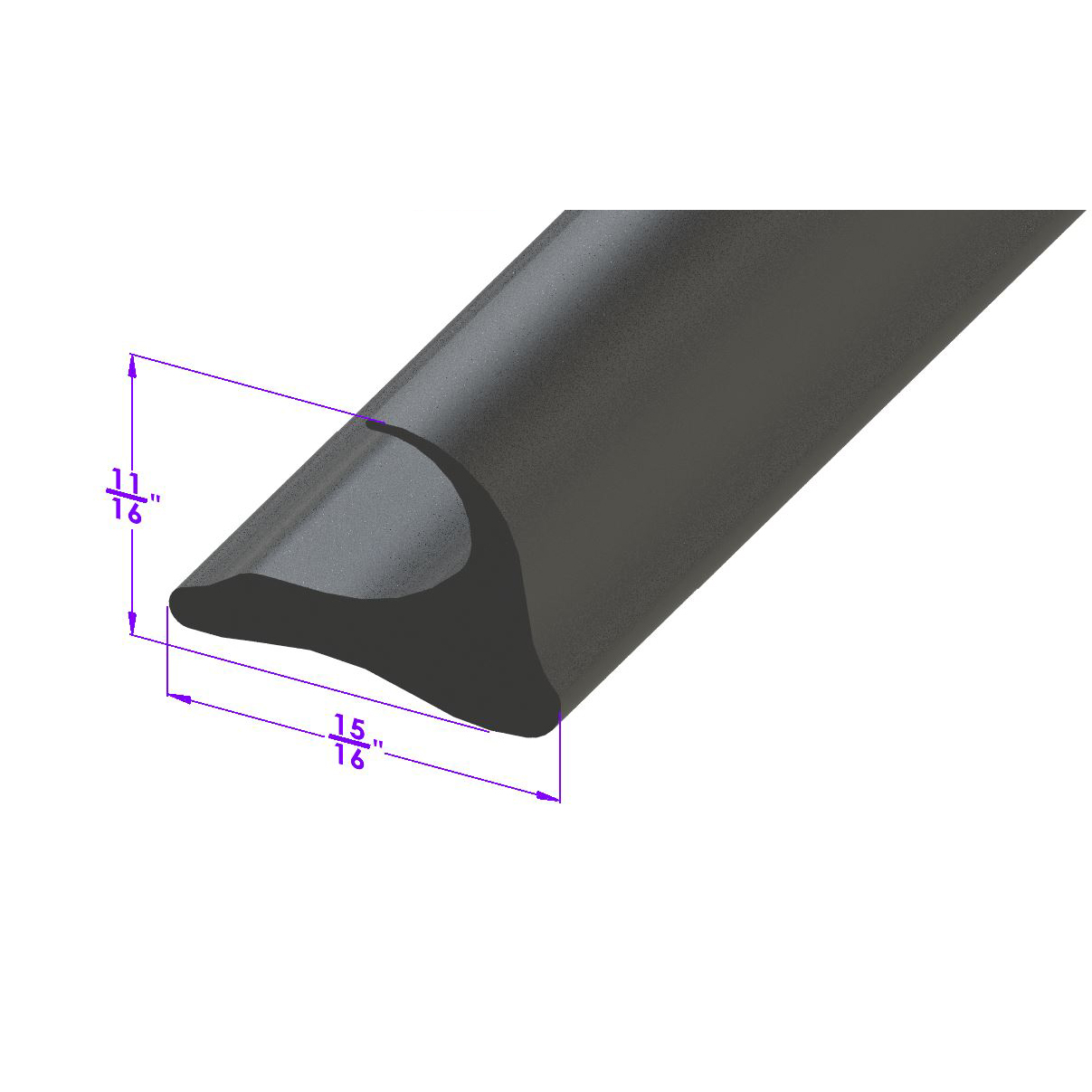 1934 Packard EIGHT Side Roof Rail Seal. Fits in metal retainer-LP 12-ASide Roof Rail Seal. Fits in metal retainer. Sold by the foot
 1934 Packard EIGHT Swing-Out Windshield Seal. 3/4" High. Sold by the foot-LP 97-ASwing-Out Windshield Seal. 3/4" High. Sold by the foot
 1934 Packard EIGHT Headlight Pads. 3-3/4" wide X 4-7/8" long. Pair-MP 830Headlight Pads. 3-3/4" wide X 4-7/8" long. Pair
 1934 Packard EIGHT Tail-light Pads. 4-3/4" long X 1-3/4" wide. Pair-MP 831Tail-light Pads. 4-3/4" long X 1-3/4" wide. Pair
 1934 Packard EIGHT Tail-light Pads. 3-3/4" wide X 8-7/8" long. Pair R&L-MP 840Tail-light Pads. 3-3/4" wide X 8-7/8" long. Pair R&L
 1934 Packard EIGHT Bumper Bracket Pad. 2-7/8" wide X 7-3/8" long. Each-MP 850Bumper Bracket Pad. 2-7/8" wide X 7-3/8" long. Each
 1934 Packard EIGHT Tail-light Pads. 2-3/4" wide X 5-5/8" long. Pair-MP 852Tail-light Pads. 2-3/4" wide X 5-5/8" long. Pair
 1934 Packard EIGHT Headlight Pads. Thick mounting pads-MP 853Headlight Pads. Thick mounting pads. 3-3/8" wide X 6-1/2" long. Pair R&L
 1934 Packard EIGHT Park Light Pads. 1-3/8" wide X 4-1/8" long. Pair -MP 860Park Light Pads. 1-3/8" wide X 4-1/8" long. Pair
 1934 Packard EIGHT Rumble Seat Step-Plate Pad. 3-7/8" wide X 4-1/8" long-MP 870Rumble Seat Step-Plate Pad. 3-7/8" wide X 4-1/8" long. Each
 1934 Packard EIGHT Headlight Bracket Pads. 4" X 4-1/4". Pair-MP 871Headlight Bracket Pads. 4" X 4-1/4". Pair
 1934 Packard EIGHT Cowl Vent Seal-RP 100-CCowl Vent Seal. 47" long piece of black, skin-covered sponge. End is 3/8" wide X 5/16" high. Each
 1934 Packard EIGHT Cowl Vent Seal -RP 100-DCowl Vent Seal. 45" long piece of black, skin-covered sponge. End is 3/4" wide X 3/8" high. Each
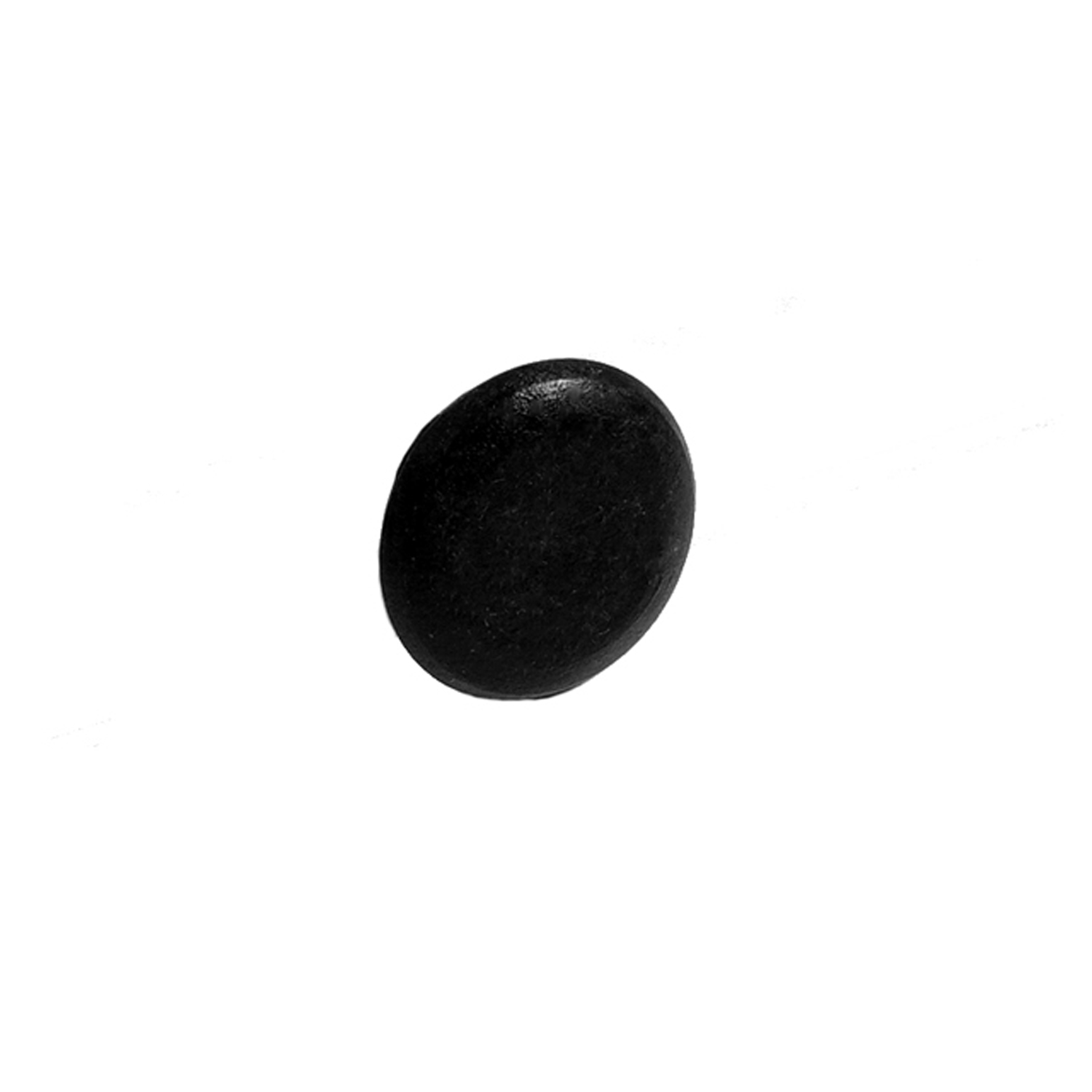 1934 Packard EIGHT Trunk Bumper. 3/4" O.D., 5/8" I.D. Each-SB 74Trunk Bumper. 3/4" O.D., 5/8" I.D. Each
Why Choose Metro?
For over 100 years, Metro Moulded Parts has been the pinnacle of quality in classic car restoration parts. Our commitment to precision and authenticity in every component ensures a perfect fit and an OEM-level appearance.
- Expert Craftsmanship & Quality: Each part is a testament to our dedication to reliability and perfection, crafted from original designs and thoroughly tested.
- Advanced Technology: We use cutting-edge techniques to create flawless, long-lasting parts that surpass others in performance.
- SuperSoft Sponge – The Ultimate Door Seal: Not only are our door seals 30% softer than competitors', but they're also guaranteed to never leak. They effectively reduce wind and road noise, enhancing your classic car's comfort and driving experience.
- Proudly American: Our parts are a product of American craftsmanship, made in the USA with a spirit of excellence and heritage.
- Unrivaled Warranty: We back our products with a 30-year industry-leading warranty, a testament to our confidence in their quality.
Join us in preserving the legacy of classic cars with parts that are crafted for perfection, not just made.