

Image of 1934 Packard Super Eight, Note: These illustrations use artistic license and may differ from actual historical models.
Performance Metrics
Fundamental Metrics
Emotional Appeal
MMP Rating
| Engine Specifications | |
|---|---|
| Engine: | Straight 8 |
| Displacement: | 320-385 cubic inches |
| Horsepower: | 120-145 hp |
| Torque: | Estimated at 225-250 lb-ft |
| Compression Ratio: | 6.5:1 |
| Ignition System: | Battery and coil |
| Cooling System: | Water-cooled |
| Performance Specifications | |
| 0-60 Time: | Estimated at 20-25 seconds |
| 1/4 Mile Time: | Not available |
| Top Speed: | 85-90 mph |
| Transmission and Drive | |
| Drive Type: | Rear-wheel drive |
| Transmission Type: | 3-speed manual |
| Fuel and Efficiency | |
| Fuel System Type: | Carburetor |
| MPG: | Estimated at 10-12 mpg |
| Dimensions and Brakes | |
| Brakes: | Mechanical drum brakes |
| Wheelbase: | 142 inches |
| Weight: | 4,700 lbs |
Note: Specifications for classic cars are given to the best of our ability, considering the limited and variant data available.
1934 Packard Super Eight: The American Luxury Standard
The 1934 Packard Super Eight turned a long, polished hood and a remarkably smooth straight-eight engine into a statement of American prestige. Built by the Packard Motor Car Company of Detroit, it sat just below the flagship Packard Twelve and offered much of the same presence with a more practical, less costly powertrain.
Packard had earned its reputation by building expensive, carefully engineered cars for buyers who valued quality as much as status. The Super Eight arrived during the Great Depression, when the market for luxury automobiles had contracted sharply. Its continued production was a bold expression of confidence in the company’s identity and in customers who still wanted a substantial, beautifully finished motorcar.
One intriguing detail is that “Super Eight” described more than a trim level. Its large-displacement engine, chassis choices, and wide range of bodies let buyers order anything from a formal chauffeur-driven sedan to an imposing open touring car. No two examples need be quite alike in appearance or equipment.
Long Hoods, Fine Coachwork, and a Handsome Cabin
The Super Eight wore the unmistakable proportions of a classic Packard: a tall, upright radiator grille, a long hood with rows of louvers, sweeping front fenders, running boards, and a cabin set well back on the chassis. Its silhouette was formal without being stiff. Depending on the body, side-mounted spare tires, wire wheels, a rear luggage trunk, or a gracefully folding convertible top added to its road presence.
Inside, the experience was tailored to the body style and buyer. Owners could expect quality upholstery, polished wood or carefully finished trim, substantial door hardware, and clear, well-made instruments. Sedans emphasized comfort and privacy, while open cars made the dashboard and passenger compartment part of the spectacle. The materials and workmanship were a major part of the Packard appeal, not an afterthought.
Factory paint and trim choices varied by body and order, and many cars were finished in rich, conservative colors such as dark blue, green, maroon, or black. Two-tone schemes could highlight the fenders or body contours. Coachbuilt and specially ordered cars might have more individual combinations, so an original paint record or build information can be especially useful when judging a car today.
Packard offered the Super Eight in several body styles across its chassis range. Depending on the wheelbase and coachwork, buyers could choose sedans, coupes, phaetons, convertible coupes, limousines, and other formal or sporting designs. The closed sedan was a practical favorite, while long-wheelbase formal sedans and open phaetons are among the most visually memorable survivors. Bodies from renowned coachbuilders, including Dietrich, add another layer of distinction, though availability depended on the specific chassis and order.
Engineering for the Open Road
At the heart of the 1934 Super Eight was a 384.8-cubic-inch L-head inline-eight, generally rated at about 145 horsepower. The engine’s long, smooth power delivery suited the car’s character: it was designed to move a heavy luxury automobile with composure, rather than deliver sports-car acceleration. A three-speed manual transmission, substantial mechanical components, and hydraulic four-wheel brakes made up the core driving hardware.
Packard also offered features intended to make a large car easier to live with. Depending on equipment and specification, buyers could get adjustable shock absorbers controlled from the driver’s position, allowing the ride to be altered for different road conditions. Packard’s attention to chassis refinement and its reputation for careful assembly helped distinguish the Super Eight from less costly cars of the period.
Its construction remained traditional by modern standards. The car used a separate frame, solid axles, and leaf springs rather than independent suspension. That approach was robust and well suited to the roads of its day, but it also means that a Super Eight’s ride and handling depend heavily on the condition of its springs, shocks, tires, steering, and bushings.
Packard’s Place in 1930s Automotive History
The Super Eight represents Packard’s approach to luxury: engineering substance, elegant proportions, and a sense of restraint rather than decoration for its own sake. In the early 1930s, Cadillac, Lincoln, Pierce-Arrow, and other manufacturers all competed for wealthy buyers. Packard stood out through its established prestige, impressive straight-eight power, broad selection of bodies, and reputation for dependable construction.
The model also illustrates how luxury cars were changing. Buyers could still order highly individual coachwork, but manufacturers increasingly offered a wider range of factory-built bodies and chassis combinations. Packard balanced those options with a consistent design identity, so even a bespoke-bodied Super Eight remained recognizably a Packard.
Its influence is less about one single feature that every later car copied and more about the standard it helped maintain: a luxury automobile should feel composed, be beautifully finished, and have enough power to travel long distances without strain. That ideal remains central to the appeal of great prewar touring cars.
Performance, Ride, and the Driving Experience
Exact performance depends on body style, gearing, mechanical condition, and how the car has been restored. A sound Super Eight could reach roughly 90 to 100 mph, with a 0-to-60-mph time often estimated in the neighborhood of 18 to 25 seconds. These are period-luxury-car figures, not modern test results, and should be treated as approximate. A heavy limousine will feel different from a lighter open body.
On a smooth road, the engine’s best quality is its calmness. The straight eight gathers speed with a deep, even hum, and the engine does not need to be hurried to make progress. The long wheelbase helps the car settle into a steady touring rhythm. On rough surfaces, the leaf-sprung chassis absorbs much of the impact, though sharp bumps can still send a noticeable jolt through the body, especially if the suspension has worn parts or incorrectly adjusted shocks.
On winding roads, the Super Eight rewards a measured driver. Its size and weight are apparent, and the steering, brakes, and gearbox require more physical involvement than those of a modern car. The driver needs to plan braking early, select gears thoughtfully, and avoid treating the car like a nimble sports tourer. In return, the experience feels deliberate and connected: engine vibration through the controls, the reassuring sweep of the hood ahead, and the sound of a big eight working steadily beneath it.
Living With a Super Eight
Today, most 1934 Super Eights serve as show cars, touring cars, or carefully maintained weekend drivers. They are well suited to organized vintage rallies and leisurely highway outings, provided the car has been properly sorted. They are not ideal daily transportation for most owners, given their age, fuel use, size, and the need to preserve valuable original components.
Maintenance is manageable for an experienced classic-car owner, but this is not a simple, inexpensive project car. The engine and chassis are serviceable by a mechanic familiar with prewar Packards, and specialist suppliers and clubs can help with parts and technical knowledge. However, rebuilding a large straight eight, repairing original instruments, sourcing trim, or restoring specialized coachwork can be costly. Routine checks of the cooling system, ignition, brakes, lubrication, tires, and charging system are essential.
Reliability depends more on the quality of the restoration and ongoing care than on the model’s reputation alone. A car that has been driven regularly and maintained correctly is generally a better touring prospect than one that has spent years standing in a collection. Before buying, inspect the engine for wear, the frame for corrosion or damage, the brakes and steering for safe operation, and the body for previous repairs.
Packard Super Eight Facts and Misconceptions
The Packard slogan “Ask the Man Who Owns One” dates to the company’s early history and neatly captures the confidence behind the Super Eight’s reputation. The 1934 model is not best known for a specific speed record or a single celebrity owner. Its distinction is quieter: it belonged to one of America’s most respected luxury-car lines during a difficult economic period and offered buyers a remarkable variety of body styles.
A common criticism is that the Super Eight is large, thirsty, and slow by modern standards. All are fair observations. It also requires the driver to manage an unsynchronized or period-style gearbox according to the exact specification, and its braking performance cannot match a modern car’s. Those limitations are part of the ownership calculation, not flaws that disappear with a fresh coat of paint.
Its strongest appeal is the combination of presence and usability. Compared with an even more elaborate flagship, a Super Eight can offer a similarly grand prewar experience with a somewhat simpler mechanical package. For collectors, that balance makes it an appealing choice for touring as well as display.
Collector Values and Rarity
Exact production totals can be difficult to pin down by body style, and figures vary across references. A reasonable working estimate is that roughly 2,000 to 3,000 1934 Super Eights were built across the available chassis and body configurations. That makes the model uncommon today, though not every version is equally rare. Standard sedans are generally easier to find than distinctive long-wheelbase, open, or coachbuilt examples.
Condition, originality, provenance, and body style have a major effect on value. As a broad current-market guide, a project or incomplete car might fall around $20,000 to $50,000. A sound, usable example could bring roughly $50,000 to $120,000, while a high-quality restoration or especially desirable body may reach $120,000 to $250,000 or more. Exceptional, documented coachbuilt cars can exceed that range, but they belong to a different segment of the market. These are estimates, not appraisals; auction results can vary considerably.
Values for prewar classics have not risen uniformly. The best-preserved and most significant examples remain desirable, while cars needing expensive mechanical or cosmetic work can be harder to sell because restoration costs are high. In recent years, buyers have often placed a premium on cars that are ready to tour, have credible restoration records, and retain their original character. A Super Eight is most likely to hold its appeal when its condition and history are as impressive as its appearance.
A Lasting Expression of Packard Luxury
The 1934 Packard Super Eight brought together a powerful, smooth-running engine, elegant coachwork, and the sort of careful craftsmanship that made Packard a benchmark in American luxury. It was substantial without being crude, and formal without losing its sense of motion.
More than nine decades later, the Super Eight still makes its case the old-fashioned way: with a long road-ready chassis, a remarkably composed straight eight, and the unmistakable presence of a Packard. It is not simply a beautiful survivor. It is a reminder of when a great American automobile was built to make every mile feel important.
1934 Packard Super Eight Catalog of Parts
 1934 Packard Super Eight Accessory Floor Mat - 12"X17"-AC 32Accessory Floor Mat - made of high quality black rubber with molded original emblem. Also designed to be sewn into new carpets. 12"X17", Each
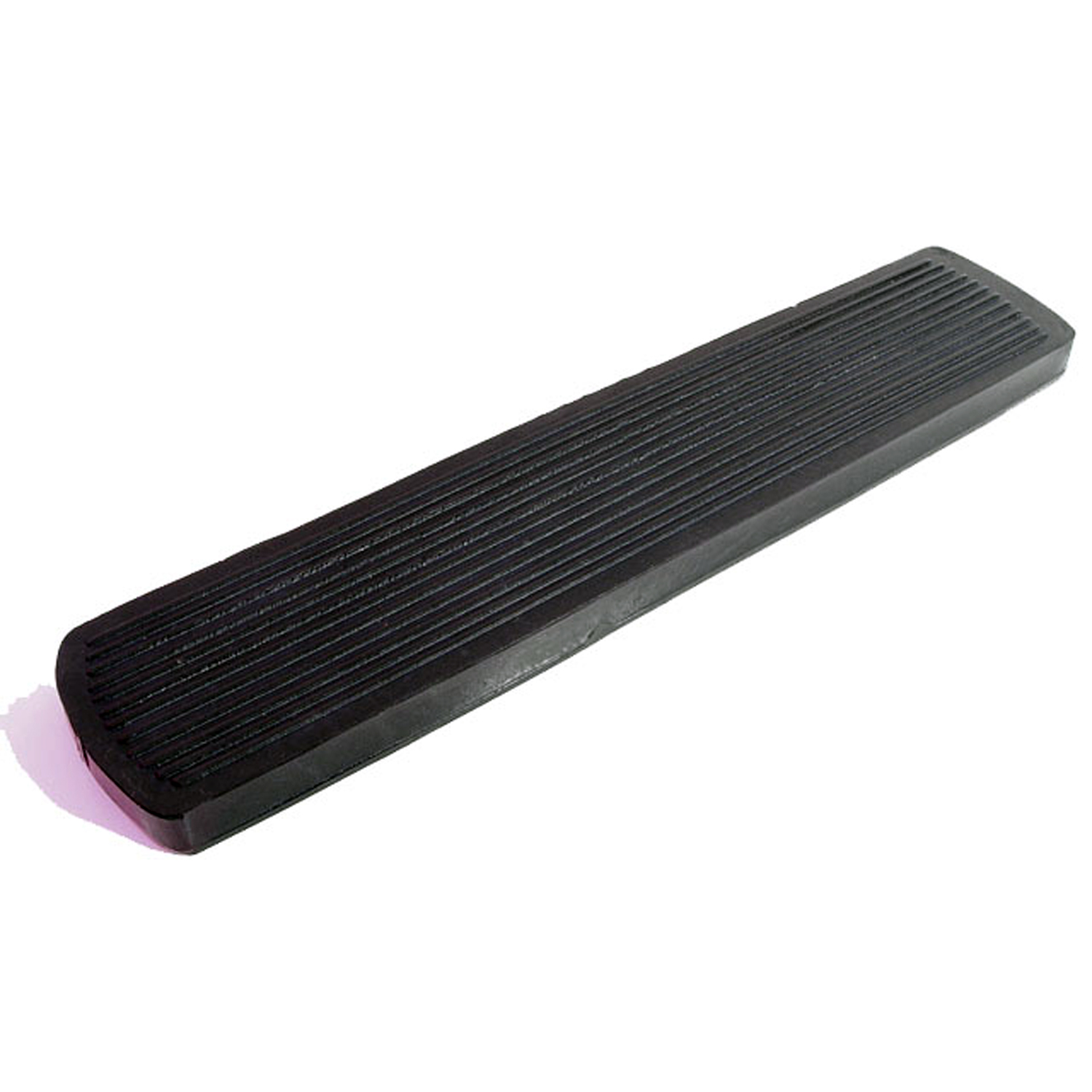 1934 Packard Super Eight Accelerator Pedal Pad. 1-7/8" X 9-3/8", Each-AP 16Accelerator Pedal Pad. 1-7/8" X 9-3/8", Each
 1934 Packard Super Eight Clutch and Brake Pedal Pads. 2-3/4" wide X 3-15/16" long-CB 14Clutch and Brake Pedal Pads. 2-3/4" wide X 3-15/16" long. Pair
 1934 Packard Super Eight Power Brake Pad. 2-3/4" Wide. Each-CB 14-APower Brake Pad. 2-3/4" Wide. Each
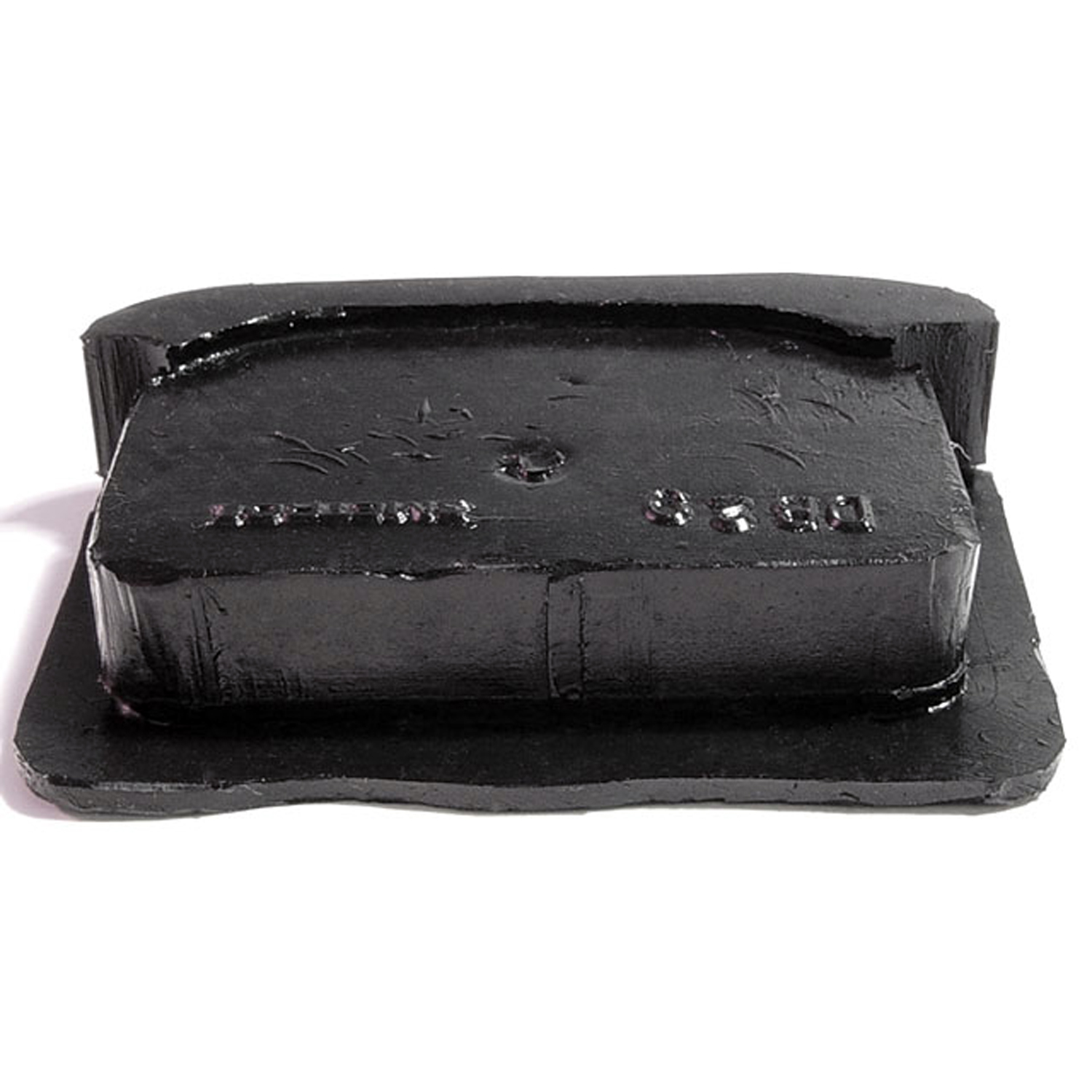 1934 Packard Super Eight Door Bumper. 1-3/8" high X 2" wide X 1/2" thick. Each-DB 29Door Bumper. 1-3/8" high X 2" wide X 1/2" thick. Each
 1934 Packard Super Eight Gas Filler Grommet. 2-1/2" I.D., 4-1/8" O.D. Each-GF 12Gas Filler Grommet. 2-1/2" I.D., 4-1/8" O.D. Each
 1934 Packard Super Eight Hood Corners. 1-3/4" to 2" corner radius-HC 14Hood Corners. 1-3/4" to 2" corner radius. Pad is 3-3/8" long. Pair
 1934 Packard Super Eight Hood Corners. 1-13/16" wide. Pair-HC 21Hood Corners. 1-13/16" wide. Pair
 1934 Packard Super Eight Hood Corners. HC 21: 1-13/16" wide-HC 21-22Hood Corners. HC 21: 1-13/16" wide. HC 22: 1-15/16" overall width. 4-Piece Set
 1934 Packard Super Eight Hood Corners. 1-15/16" overall width. Pair-HC 22Hood Corners. 1-15/16" overall width. Pair
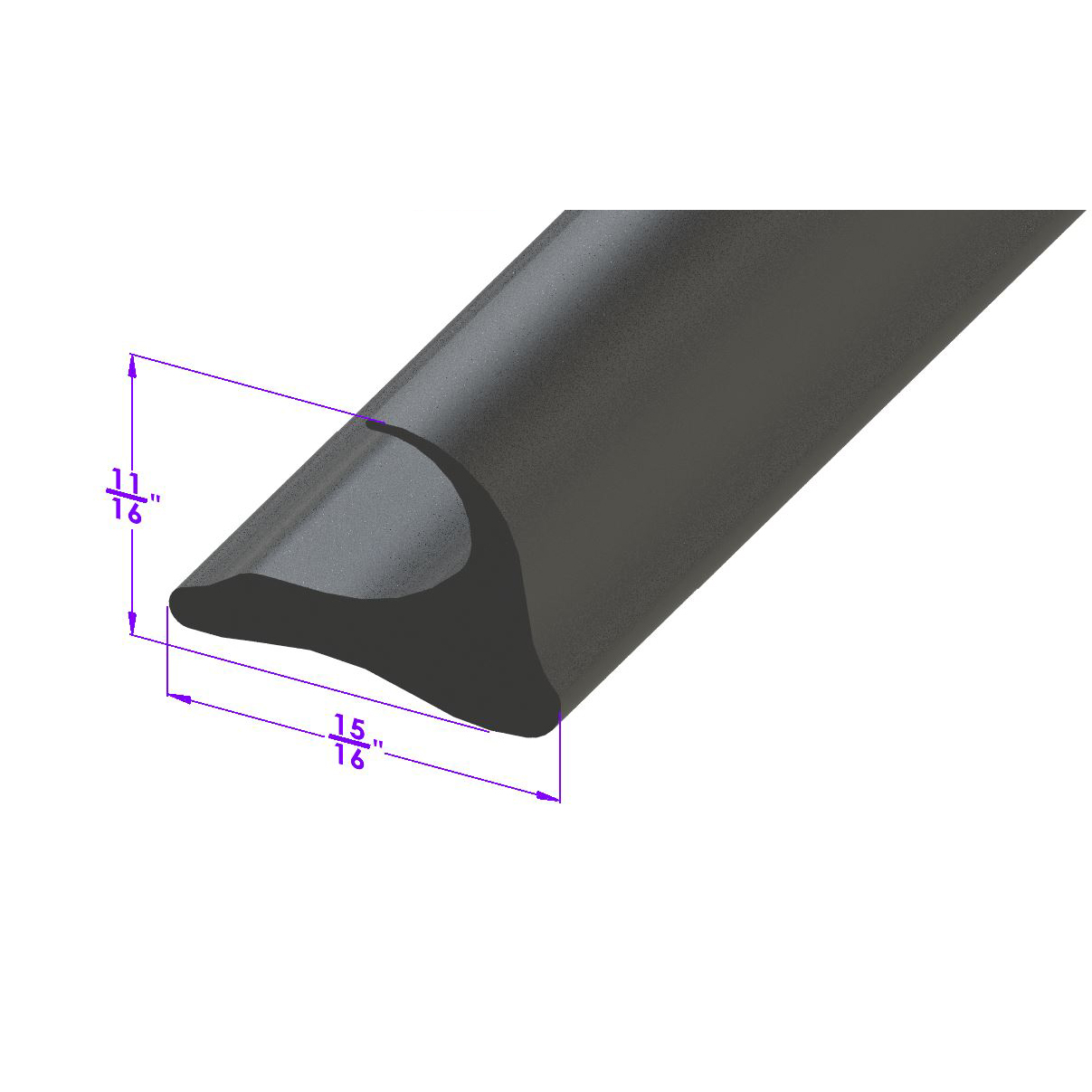 1934 Packard Super Eight Side Roof Rail Seal. Fits in metal retainer-LP 12-ASide Roof Rail Seal. Fits in metal retainer. Sold by the foot
 1934 Packard Super Eight Swing-Out Windshield Seal. 3/4" High. Sold by the foot-LP 97-ASwing-Out Windshield Seal. 3/4" High. Sold by the foot
 1934 Packard Super Eight Headlight Pads. 3-3/4" wide X 4-7/8" long. Pair-MP 830Headlight Pads. 3-3/4" wide X 4-7/8" long. Pair
 1934 Packard Super Eight Tail-light Pads. 4-3/4" long X 1-3/4" wide. Pair-MP 831Tail-light Pads. 4-3/4" long X 1-3/4" wide. Pair
 1934 Packard Super Eight Rear Bumper Pad for LeBaron Boatail-MP 831-ARear Bumper Pad for LeBaron Boatail. 1-3/4" wide X 3-7/8" long. Each
 1934 Packard Super Eight Tail-light Pads, for LeBaron Boatail-MP 831-BTail-light Pads, for LeBaron Boatail. 2-5/8" wide X 7-3/4" long. Pair
 1934 Packard Super Eight Rear Body Casting Pad, for LeBaron Boatail. 4-7/8" O.D-MP 831-CRear Body Casting Pad, for LeBaron Boatail. 4-7/8" O.D. Each
 1934 Packard Super Eight Tail-light Pads. 3-3/4" wide X 8-7/8" long. Pair R&L-MP 840Tail-light Pads. 3-3/4" wide X 8-7/8" long. Pair R&L
 1934 Packard Super Eight Bumper Bracket Pad. 2-7/8" wide X 7-3/8" long. Each-MP 850Bumper Bracket Pad. 2-7/8" wide X 7-3/8" long. Each
 1934 Packard Super Eight Tail-light Pads. 2-3/4" wide X 5-5/8" long. Pair-MP 852Tail-light Pads. 2-3/4" wide X 5-5/8" long. Pair
 1934 Packard Super Eight Headlight Pads. Thick mounting pads-MP 853Headlight Pads. Thick mounting pads. 3-3/8" wide X 6-1/2" long. Pair R&L
 1934 Packard Super Eight Park Light Pads. 1-3/8" wide X 4-1/8" long. Pair -MP 860Park Light Pads. 1-3/8" wide X 4-1/8" long. Pair
 1934 Packard Super Eight Rumble Seat Step-Plate Pad. 3-7/8" wide X 4-1/8" long-MP 870Rumble Seat Step-Plate Pad. 3-7/8" wide X 4-1/8" long. Each
 1934 Packard Super Eight Headlight Bracket Pads. 4" X 4-1/4". Pair-MP 871Headlight Bracket Pads. 4" X 4-1/4". Pair
 1934 Packard Super Eight Cowl Vent Seal-RP 100-CCowl Vent Seal. 47" long piece of black, skin-covered sponge. End is 3/8" wide X 5/16" high. Each
 1934 Packard Super Eight Cowl Vent Seal -RP 100-DCowl Vent Seal. 45" long piece of black, skin-covered sponge. End is 3/4" wide X 3/8" high. Each
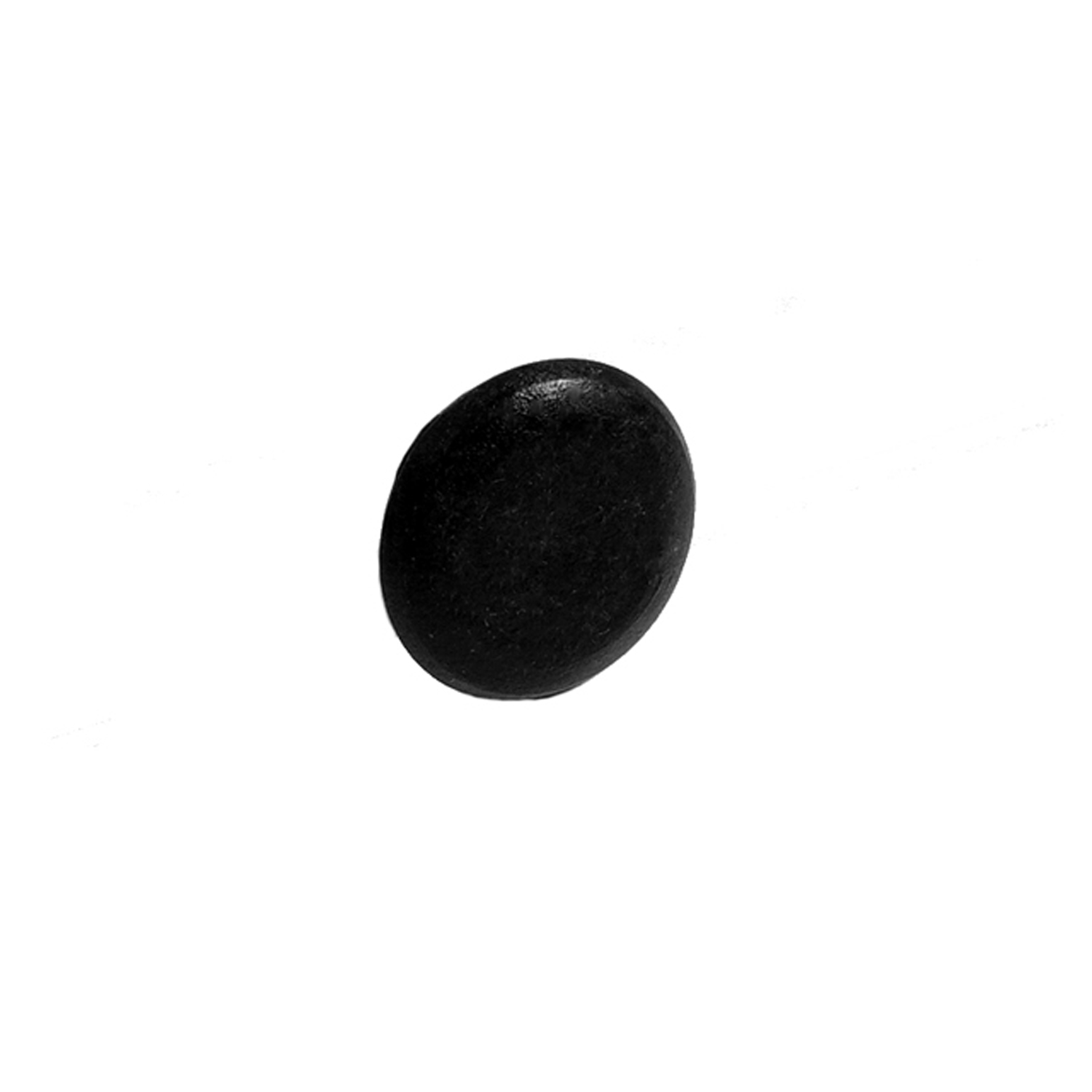 1934 Packard Super Eight Trunk Bumper. 3/4" O.D., 5/8" I.D. Each-SB 74Trunk Bumper. 3/4" O.D., 5/8" I.D. Each
Why Choose Metro?
For over 100 years, Metro Moulded Parts has been the pinnacle of quality in classic car restoration parts. Our commitment to precision and authenticity in every component ensures a perfect fit and an OEM-level appearance.
- Expert Craftsmanship & Quality: Each part is a testament to our dedication to reliability and perfection, crafted from original designs and thoroughly tested.
- Advanced Technology: We use cutting-edge techniques to create flawless, long-lasting parts that surpass others in performance.
- SuperSoft Sponge – The Ultimate Door Seal: Not only are our door seals 30% softer than competitors', but they're also guaranteed to never leak. They effectively reduce wind and road noise, enhancing your classic car's comfort and driving experience.
- Proudly American: Our parts are a product of American craftsmanship, made in the USA with a spirit of excellence and heritage.
- Unrivaled Warranty: We back our products with a 30-year industry-leading warranty, a testament to our confidence in their quality.
Join us in preserving the legacy of classic cars with parts that are crafted for perfection, not just made.