

Image of 1935 Packard Super Eight, Note: These illustrations use artistic license and may differ from actual historical models.
Performance Metrics
Fundamental Metrics
Emotional Appeal
MMP Rating
| Engine Specifications | |
|---|---|
| Engine: | Straight 8 |
| Displacement: | 320 cu in (5.2 L) |
| Horsepower: | Estimated 120-135 HP |
| Torque: | Not available |
| Compression Ratio: | Not available |
| Ignition System: | Battery and coil |
| Cooling System: | Water |
| Performance Specifications | |
| 0-60 Time: | Not available |
| 1/4 Mile Time: | Not available |
| Top Speed: | 85-90 mph |
| Transmission and Drive | |
| Drive Type: | Rear wheel drive |
| Transmission Type: | 3-speed manual |
| Fuel and Efficiency | |
| Fuel System Type: | Carburetor |
| MPG: | Not available |
| Dimensions and Brakes | |
| Brakes: | Mechanical drum brakes |
| Wheelbase: | 134-139 inches |
| Weight: | 4,700 lbs |
Note: Specifications for classic cars are given to the best of our ability, considering the limited and variant data available.
1935 Packard Super Eight: A Classic American Luxury Car
Long before luxury cars were measured by touchscreens and driver-assistance systems, Packard made its reputation with quiet power, meticulous craftsmanship, and the confidence to build a car that felt special at every speed. The 1935 Packard Super Eight brought those qualities together in a handsome, imposing package. Built by Packard Motor Car Company in Detroit, it sat near the top of the American luxury market, below the even more exclusive Packard Twelve but well above ordinary transportation.
The Super Eight arrived during a difficult era for the auto industry. The Great Depression had sharply reduced demand for expensive cars, yet Packard continued to compete through engineering, distinctive styling, and a wide range of body choices. One intriguing detail is that this grand-looking automobile relied on a straight-eight engine rather than a V8. Packard’s long, smooth eight-cylinder powerplant was a central part of the marque’s identity, prized for its refined delivery as much as its strength.
Elegant Packard Styling and Coachwork
The 1935 Super Eight has the poised proportions that define a prewar luxury car. Its tall, upright grille gives the front end a formal presence, while sweeping front fenders, prominent headlamps, and a long hood emphasize the engine beneath. Fine brightwork and Packard’s carefully shaped radiator shell add polish without making the car look overly decorated. Depending on the body, the cabin could sit well back from the front axle, giving the car a long, stately profile.
Inside, the Super Eight was finished for comfort and dignity. Buyers could find rich upholstery in materials such as broadcloth or leather, carefully fitted carpeting, polished trim, and substantial door panels. The dashboard brought together clear instruments and practical controls in a setting that felt crafted rather than mass-produced. Exact materials and details varied by body style and specification, but the overall impression was one of quiet, traditional luxury.
Packard offered the Super Eight in several body styles, including closed sedans and more open touring or convertible designs. Coupes and custom-bodied versions added further variety, with coachbuilders able to create especially individual cars for wealthy clients. The four-door sedan was among the most practical and commonly encountered forms, while open cars and custom coachwork are particularly striking today. The precise list of bodies depended on the model and wheelbase, so surviving cars can differ considerably in length and detail.
Period colors ranged from dignified black and dark blue to maroon, green, gray, and lighter shades, with two-tone treatments available on some bodies. Dark, formal colors suited the Super Eight’s luxury image and remain popular among restorers, though well-chosen lighter or two-tone paint can show off its long fenders and body lines beautifully. Original combinations varied, and paint research should be matched to the specific body and production records where possible.
Engineering That Defined a Packard
Power came from a 385-cubic-inch (6.3-liter) inline-eight producing about 150 horsepower. The engine’s long configuration helped deliver smooth, even power, while a three-speed manual transmission sent it to the rear wheels. Synchromesh helped make gear changes easier than in many earlier cars, though driving a 1935 Packard still requires more driver involvement than a modern automatic-equipped vehicle.
The Super Eight was built on traditional, sturdy chassis engineering, with a solid front axle, leaf springs, and four-wheel mechanical drum brakes. Those brakes were typical of the period, but they require more anticipation and pedal effort than modern hydraulic systems. Packard’s approach favored durability and a composed ride, and the car’s generous proportions and substantial construction helped it feel reassuring on the open road.
More than a collection of specifications, the Super Eight represented Packard’s idea of modern luxury: strong performance delivered smoothly, tasteful design, and a broad choice of bodies. It also shows how luxury-car engineering was changing. Buyers wanted more comfort and ease of operation, but the basic mechanical layout remained recognizably prewar, with a separate chassis and traditional suspension. The model helped sustain Packard’s reputation at a time when many luxury manufacturers were struggling to survive.
Road Manners, Speed, and Driving Feel
For a large car of its era, the 1935 Super Eight was genuinely quick. Period performance depended on body weight, gearing, and condition, but a sound example could approach roughly 85 to 90 mph. A 0-to-60-mph run might take around 18 seconds, with heavier bodies taking longer. These figures are best treated as period-style estimates rather than guarantees for an individual car, especially one nearly a century old.
On smooth roads, the Packard settles into a relaxed, impressive stride. Its straight-eight produces a deep, even mechanical murmur rather than the sharp bark associated with a high-revving engine. The long wheelbase and substantial chassis soften many road imperfections, although the car’s solid axles and leaf springs cannot isolate occupants as completely as a modern suspension.
On winding roads, the Super Eight rewards a measured approach. Steering is less immediate than in a contemporary car, body lean is noticeable, and its size calls for planning through tight corners. The mechanical brakes also make it wise to leave generous stopping distance. In return, the driver gets a distinctive, hands-on experience: selecting gears, feeling the steering load, listening to the engine, and guiding a substantial piece of American engineering down the road.
Owning and Maintaining a 1935 Super Eight
Today, most Super Eights are used as collector cars, touring vehicles, or show entries rather than daily transportation. A well-maintained example can cover club-tour distances comfortably, but it is not a modern commuter. Traffic, limited braking performance, the need for regular mechanical attention, and the value of the car all make frequent everyday use less practical.
Maintenance is manageable for an experienced hobbyist, but this is a complex and substantial automobile, not a simple project for every first-time restorer. Routine work includes attention to ignition, carburetion, cooling, lubrication, mechanical brakes, and chassis components. Parts and specialist knowledge are available through Packard clubs and marque vendors, though rare trim, body-specific pieces, and major engine or coachwork repairs can be expensive. Before buying, inspect the frame, engine, transmission, brakes, and wood or structural elements in the body, and look for evidence of a correctly completed restoration.
Reliability depends heavily on condition and maintenance history. A properly rebuilt and regularly exercised engine can be a dependable touring unit, while an unrestored car that has sat for decades may need extensive recommissioning. A pre-purchase inspection by a mechanic familiar with prewar Packards is money well spent.
Packard Super Eight Facts and Misconceptions
The Super Eight’s reputation rests on refinement and prestige, not competition records. It was built to carry its occupants swiftly and comfortably, rather than to set speed or endurance records. Packard’s famous slogan, “Ask the man who owns one,” captured the company’s confidence in customer loyalty and product quality, and it became closely associated with the marque.
Packards were popular among affluent businesspeople, public figures, and entertainers, but claims that a particular 1935 Super Eight belonged to a celebrity should be checked against reliable ownership records. The model is best understood as part of the broader prewar luxury-car world, where a prestigious automobile could serve as private transport, a formal arrival car, or a long-distance touring machine.
Common criticisms are practical rather than mysterious: the cars are large, fuel-hungry by modern standards, and equipped with braking and steering systems that demand more attention than modern drivers expect. Restoration costs can also outstrip the value of a car if a project is bought cheaply without a thorough inspection. Those drawbacks are part of the ownership equation, not flaws that can be ignored.
1935 Packard Super Eight Values and Rarity
Exact production totals can vary depending on how model designations and body styles are counted. A reasonable working estimate is roughly 3,000 to 4,000 Super Eights for the 1935 model year, making the model scarce compared with mass-market cars but attainable within the prewar luxury-car hobby. Availability changes with condition, body style, and restoration quality; closed sedans are generally easier to find than unusual open or custom-bodied examples.
As a broad 2026 market estimate, a project car may fall around $20,000 to $40,000, while a sound driver or touring-quality example might bring roughly $40,000 to $80,000. High-quality restorations often reach $80,000 to $150,000 or more, with exceptional, rare, or coachbuilt cars potentially exceeding that range. These are guide figures, not appraisals. Provenance, originality, mechanical condition, and the desirability of the body style can shift a price substantially.
Values have tended to favor the best cars, while ordinary examples can be held back by restoration expense and a smaller buyer pool for large prewar automobiles. In other words, a rare Packard is not automatically a profitable investment. Buyers should choose the car they want to own and tour, and treat future appreciation as a bonus rather than a certainty.
Why the 1935 Packard Super Eight Still Matters
The 1935 Packard Super Eight combines an unmistakable luxury-car silhouette with a smooth 150-horsepower straight-eight and traditional, carefully executed craftsmanship. Its elegant body styles, imposing road presence, and engaging driving character capture a moment when American automakers were balancing old-world coachbuilding with increasingly modern expectations.
It asks more of its driver than a modern luxury car, and that is part of its appeal. From the quiet rhythm of the eight-cylinder engine to the long sweep of its fenders, the Super Eight makes every journey feel deliberate. Nearly a century later, it remains a vivid reminder that true automotive prestige was once measured not only in speed or gadgets, but in the way a car made the road feel.
1935 Packard Super Eight Catalog of Parts
 1935 Packard Super Eight Accessory Floor Mat - 12"X17"-AC 32Accessory Floor Mat - made of high quality black rubber with molded original emblem. Also designed to be sewn into new carpets. 12"X17", Each
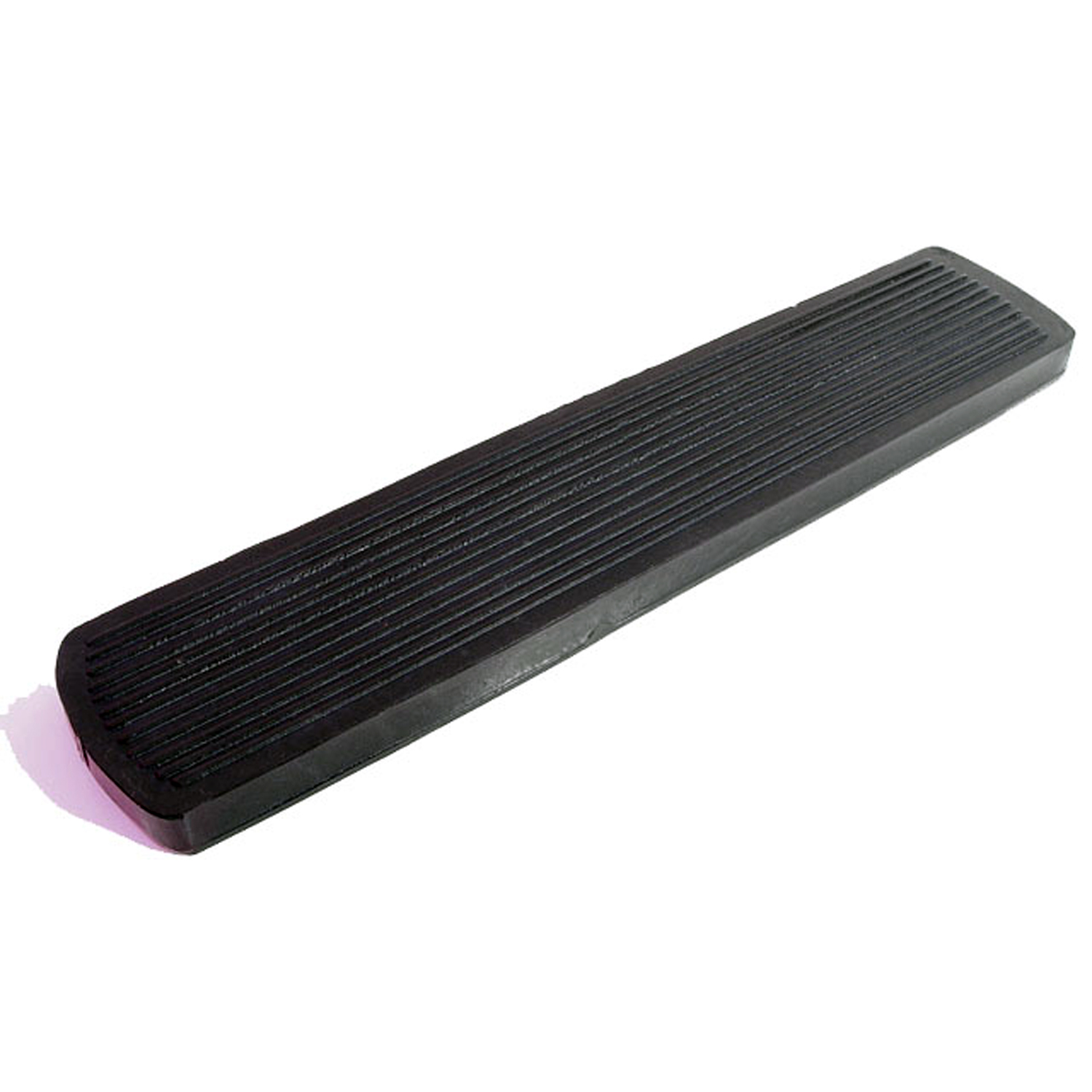 1935 Packard Super Eight Accelerator Pedal Pad. 1-7/8" X 9-3/8", Each-AP 16Accelerator Pedal Pad. 1-7/8" X 9-3/8", Each
 1935 Packard Super Eight Clutch and Brake Pedal Pads. 2-3/4" wide X 3-15/16" long-CB 14Clutch and Brake Pedal Pads. 2-3/4" wide X 3-15/16" long. Pair
 1935 Packard Super Eight Power Brake Pad. 2-3/4" Wide. Each-CB 14-APower Brake Pad. 2-3/4" Wide. Each
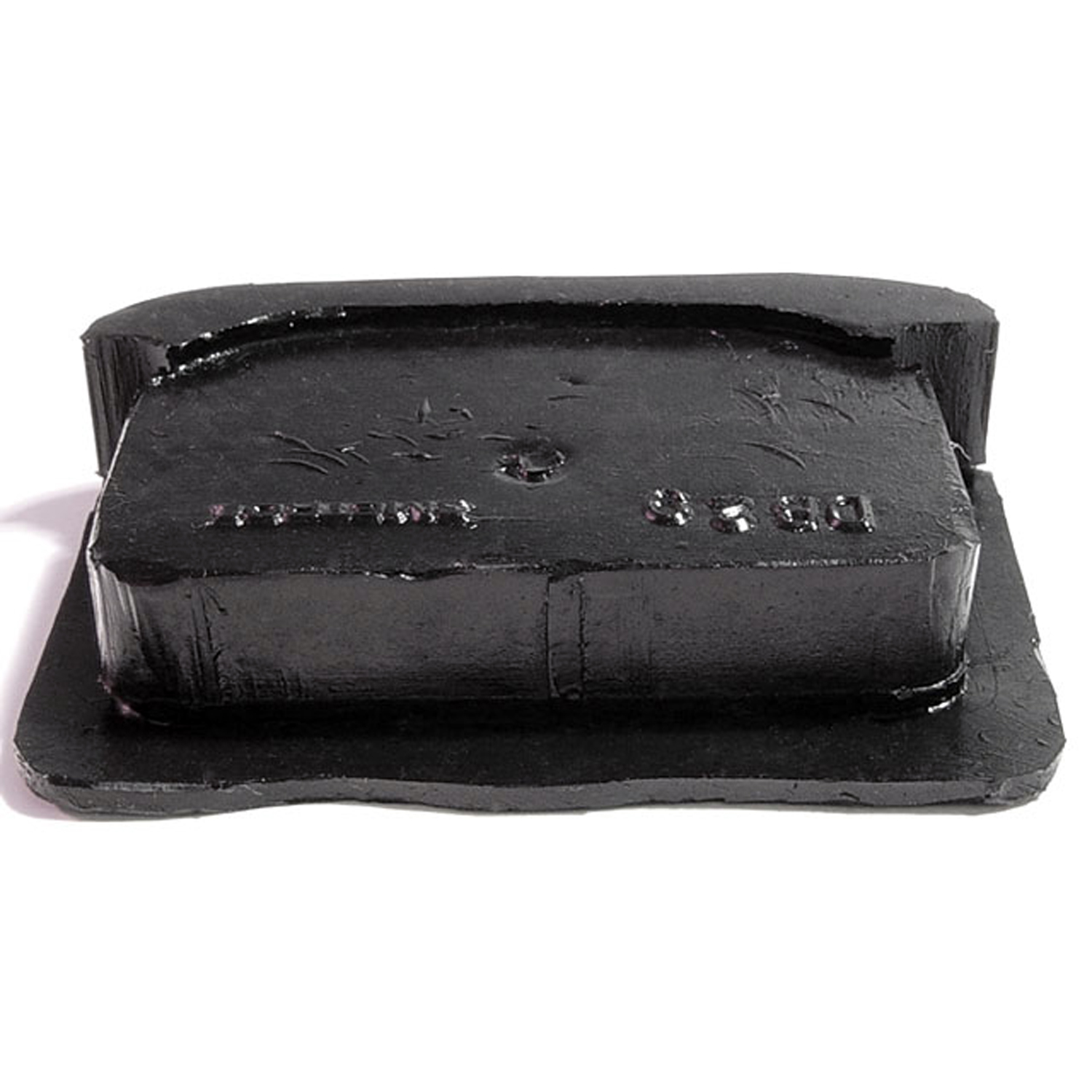 1935 Packard Super Eight Door Bumper. 1-3/8" high X 2" wide X 1/2" thick. Each-DB 29Door Bumper. 1-3/8" high X 2" wide X 1/2" thick. Each
 1935 Packard Super Eight Gas Filler Grommet. 2-1/2" I.D., 4-1/8" O.D. Each-GF 12Gas Filler Grommet. 2-1/2" I.D., 4-1/8" O.D. Each
 1935 Packard Super Eight Hood Corners. 1-3/4" to 2" corner radius-HC 14Hood Corners. 1-3/4" to 2" corner radius. Pad is 3-3/8" long. Pair
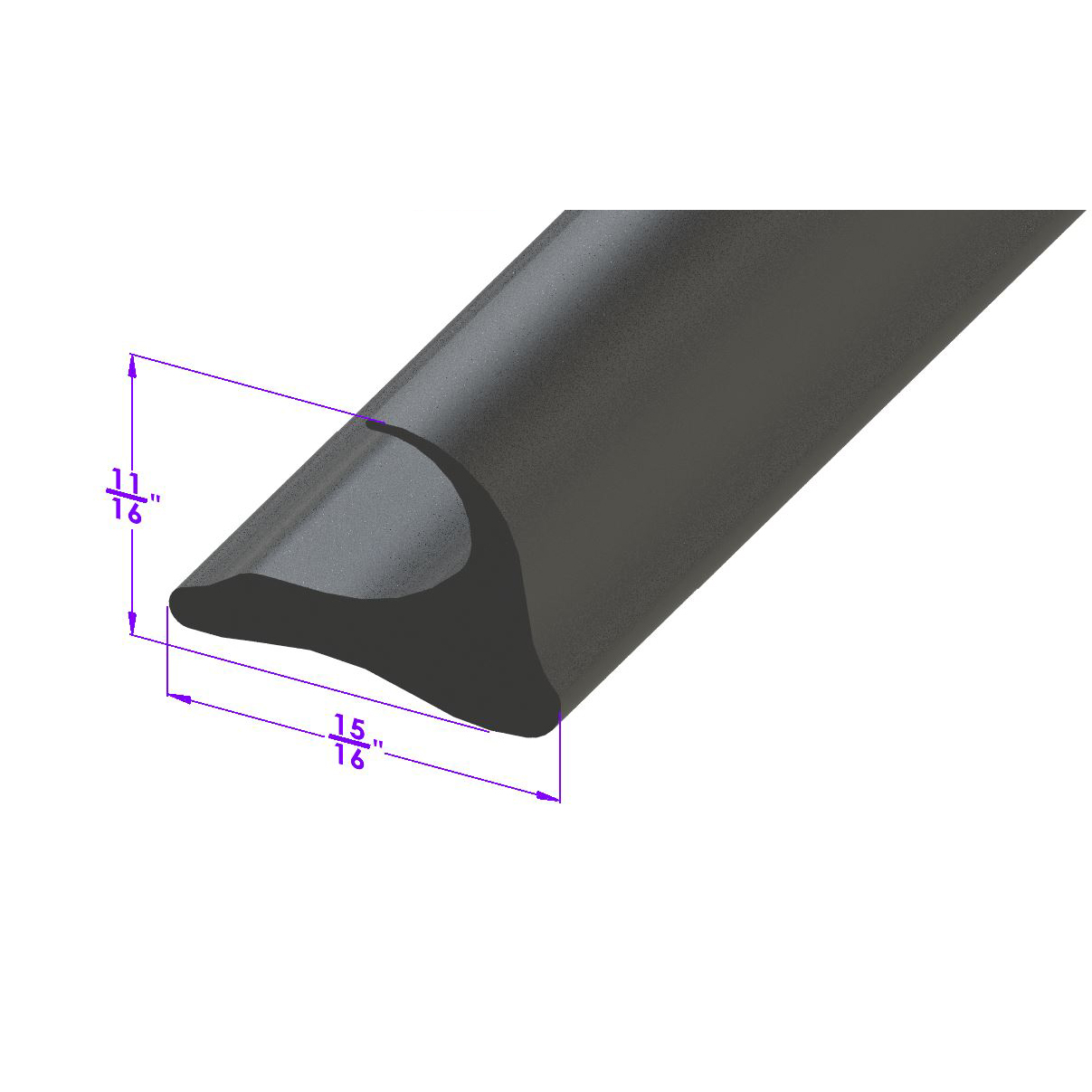 1935 Packard Super Eight Side Roof Rail Seal. Fits in metal retainer-LP 12-ASide Roof Rail Seal. Fits in metal retainer. Sold by the foot
 1935 Packard Super Eight Swing-Out Windshield Seal. 3/4" High. Sold by the foot-LP 97-ASwing-Out Windshield Seal. 3/4" High. Sold by the foot
 1935 Packard Super Eight Tail-light Pads. 2-1/2" wide X 6-1/2" long. Pair-MP 832Tail-light Pads. 2-1/2" wide X 6-1/2" long. Pair
 1935 Packard Super Eight Tail-light Pads. 4" long. 1-5/8" wide X 4-1/8" long-MP 832-CTail-light Pads. 4" long. 1-5/8" wide X 4-1/8" long. Pair
 1935 Packard Super Eight Tail-light Pads. 4-1/2" long. 2" wide X 4-1/2" long-MP 833Tail-light Pads. 4-1/2" long. 2" wide X 4-1/2" long. Pair
 1935 Packard Super Eight Park Light Pads. 1-1/2" wide X 5-3/8" long. Pair-MP 834Park Light Pads. 1-1/2" wide X 5-3/8" long. Pair
 1935 Packard Super Eight Door Handle Pads. 1-1/4" wide X 2-1/4" long. Pair-MP 837Door Handle Pads. 1-1/4" wide X 2-1/4" long. Pair
 1935 Packard Super Eight Trunk Hinge Pads. 1-1/2" wide X 7-1/4" long. Cut to size-MP 839Trunk Hinge Pads. 1-1/2" wide X 7-1/4" long. Cut to size. Set
 1935 Packard Super Eight Rumble Seat Step-Plate Pad. 3-1/4" wide X 5-5/8" long-MP 841Rumble Seat Step-Plate Pad. 3-1/4" wide X 5-5/8" long. Each
 1935 Packard Super Eight Rumble Seat Step-Plate Pad. 4-1/8" O.D. Each-MP 841-BRumble Seat Step-Plate Pad. 4-1/8" O.D. Each
 1935 Packard Super Eight Rumble Seat Step-Plate Pad. 4-3/4" wide X 4-1/4" long-MP 842Rumble Seat Step-Plate Pad. 4-3/4" wide X 4-1/4" long. Each
 1935 Packard Super Eight Trunk Hinge Pads. 1-3/4" wide X 8-1/8" long. Cut to fit-MP 843Trunk Hinge Pads. 1-3/4" wide X 8-1/8" long. Cut to fit. Set
 1935 Packard Super Eight Park Light Pads. 1-7/8" wide X 4-1/2" long. Pair-MP 844Park Light Pads. 1-7/8" wide X 4-1/2" long. Pair
 1935 Packard Super Eight Door Handle Pads. 1-5/8" wide X 2-7/8" long. Pair-MP 844-ADoor Handle Pads. 1-5/8" wide X 2-7/8" long. Pair
 1935 Packard Super Eight Rumble Seat Step-Plate Pad. 2" wide X 4-3/8" long. Each-MP 849-BRumble Seat Step-Plate Pad. 2" wide X 4-3/8" long. Each
 1935 Packard Super Eight Headlight Pads. Thick mounting pads-MP 853Headlight Pads. Thick mounting pads. 3-3/8" wide X 6-1/2" long. Pair R&L
 1935 Packard Super Eight Bumper Arm pad. 4-1/4" wide X 3-3/4" long. Each-MP 855Bumper Arm pad. 4-1/4" wide X 3-3/4" long. Each
 1935 Packard Super Eight Headlight Pads. 3-7/8" wide X 11-1/4" long. Pair-MP 890Headlight Pads. 3-7/8" wide X 11-1/4" long. Pair
 1935 Packard Super Eight License Stand Pad. 2-5/8" wide X 3-1/2" long. Each-MP 892License Stand Pad. 2-5/8" wide X 3-1/2" long. Each
 1935 Packard Super Eight Tail-light Pads. 4-1/8" long. 2-3/8" wide X 4-1/4" long-MP 893Tail-light Pads. 4-1/8" long. 2-3/8" wide X 4-1/4" long. Pair
 1935 Packard Super Eight Tail-light Pads. 2-1/2" wide X 5-1/2" long. Pair-MP 904Tail-light Pads. 2-1/2" wide X 5-1/2" long. Pair
 1935 Packard Super Eight Trunk Hinge Pads. 1-1/2" wide X 11-1/8" long. Set-MP 931Trunk Hinge Pads. 1-1/2" wide X 11-1/8" long. Set
 1935 Packard Super Eight Hood Cowl Strip. All rubber, no metal. Pair-RP 71Hood Cowl Strip. All rubber, no metal. Pair
 1935 Packard Super Eight Torque Arm Ball Rubbers. Pair-RP 73Torque Arm Ball Rubbers. Pair
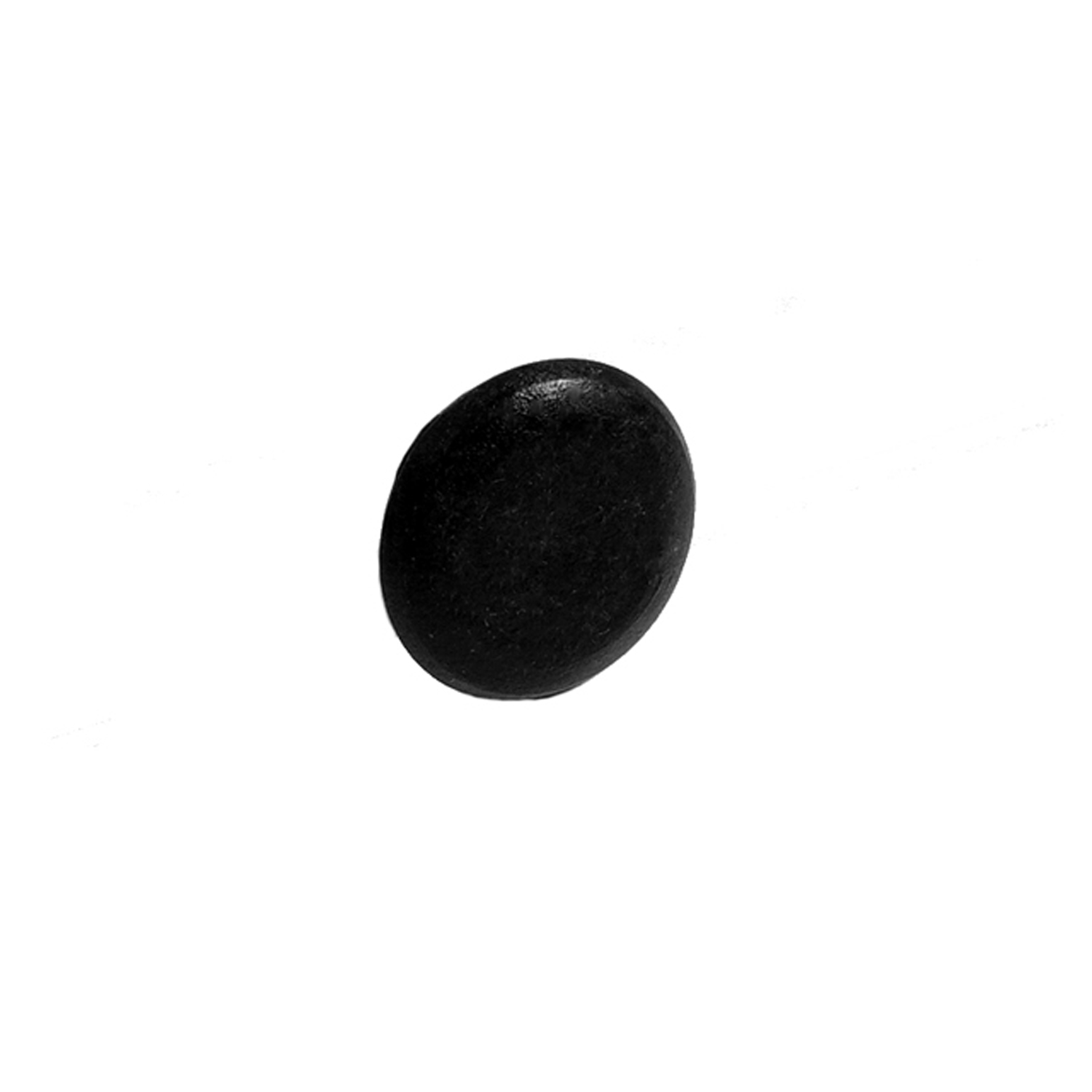 1935 Packard Super Eight Trunk Bumper. 3/4" O.D., 5/8" I.D. Each-SB 74Trunk Bumper. 3/4" O.D., 5/8" I.D. Each
 1935 Packard Super Eight Flexible sweeper. Made with stainless steel bead-WC 8-72Flexible sweeper. Made with stainless steel bead. Used on inner and outer beltlines. Also forms easily for use with sliding quarter windows. 72 in. long. Each. NOTE: $20 special shipping charge applies for domestic orders. Call or email for overseas shipping costs. Part can be sectioned into two equal lengths to reduce overseas shipping costs.
Why Choose Metro?
For over 100 years, Metro Moulded Parts has been the pinnacle of quality in classic car restoration parts. Our commitment to precision and authenticity in every component ensures a perfect fit and an OEM-level appearance.
- Expert Craftsmanship & Quality: Each part is a testament to our dedication to reliability and perfection, crafted from original designs and thoroughly tested.
- Advanced Technology: We use cutting-edge techniques to create flawless, long-lasting parts that surpass others in performance.
- SuperSoft Sponge – The Ultimate Door Seal: Not only are our door seals 30% softer than competitors', but they're also guaranteed to never leak. They effectively reduce wind and road noise, enhancing your classic car's comfort and driving experience.
- Proudly American: Our parts are a product of American craftsmanship, made in the USA with a spirit of excellence and heritage.
- Unrivaled Warranty: We back our products with a 30-year industry-leading warranty, a testament to our confidence in their quality.
Join us in preserving the legacy of classic cars with parts that are crafted for perfection, not just made.