

Image of 1936 Packard Model 120-B, Note: These illustrations use artistic license and may differ from actual historical models.
Performance Metrics
Fundamental Metrics
Emotional Appeal
MMP Rating
| Engine Specifications | |
|---|---|
| Engine: | Straight 8 |
| Displacement: | 282 cubic inches |
| Horsepower: | Estimated 120 HP |
| Torque: | 200 lb-ft |
| Compression Ratio: | Estimated 6.5:1 |
| Ignition System: | Distributor and coil |
| Cooling System: | Water-cooled |
| Performance Specifications | |
| 0-60 Time: | Estimated 15 seconds |
| 1/4 Mile Time: | Not available |
| Top Speed: | 85 mph |
| Transmission and Drive | |
| Drive Type: | Rear-wheel drive |
| Transmission Type: | 3-speed manual |
| Fuel and Efficiency | |
| Fuel System Type: | Carburetor |
| MPG: | Estimated 15 MPG |
| Dimensions and Brakes | |
| Brakes: | 4-wheel hydraulic drum brakes |
| Wheelbase: | 127 inches |
| Weight: | Estimated 3,600 lbs |
Note: Specifications for classic cars are given to the best of our ability, considering the limited and variant data available.
1936 Packard 120-B: The Eight-Cylinder Packard for a Wider Audience
The 1936 Packard 120-B delivered the smoothness and prestige of a Packard straight-eight in a car that cost far less than the company’s grandest models. Built by the Packard Motor Car Company of Detroit, it helped make the marque’s celebrated engineering accessible to a broader group of buyers during the long shadow of the Great Depression.
The “120” name referred both to the car’s 120-inch wheelbase and its 120-horsepower engine. That pairing neatly captured the model’s pitch: a substantial, quick-for-its-day automobile with the presence of a senior Packard, but at a more attainable price. The 120 had arrived for 1935; the 1936 120-B refined the new formula. Its success mattered enormously to Packard, helping the independent automaker compete in a market increasingly dominated by larger manufacturers.
One especially intriguing detail is that this more affordable Packard was not a stripped-down economy car. It retained sophisticated features such as independent front suspension and a smooth-running eight-cylinder engine. The 120-B was a lower-priced way into the Packard world, not a rejection of Packard’s engineering standards.
Streamlined Style and Packard Craftsmanship
The 120-B wore the unmistakable proportions of a classic prewar American car: a long hood, upright grille, sweeping front fenders and a passenger cabin set well back from the nose. Packard’s restrained styling favored balance over flash. The grille and hood gave the car a formal face, while the rounded fenders and flowing body lines kept it from looking overly stiff. Depending on body style and equipment, details such as brightwork, wheel covers and spare-tire placement added to its tailored appearance.
Inside, the 120-B offered a handsome, practical cabin rather than a bare-bones interior. Upholstery materials varied with body style and trim, with durable cloth common in closed cars and leather available on some open or better-equipped models. The dashboard was arranged around clear, period-style instruments, with polished trim and careful finishing lending the cabin a suitably upscale feel. As with any 1930s car, the precise materials and equipment could vary by configuration and factory options.
Packard offered a broad range of factory paint choices, including solid colors and two-tone combinations. Dark shades such as black, maroon and deep blue suited the car’s formal character, while lighter colors and contrasting fenders or body sections could make it look more sporting. Exact selections depended on the body and model-year paint schedule, and today’s restored cars do not always wear their original colors.
The 120-B lineup included several closed and open body styles, with names and availability varying across the range. Buyers could choose practical sedans, more stylish club or touring sedans, coupes and a convertible coupe. The four-door sedan was the sensible, popular choice for family and business use. The convertible coupe, with its folding top and open-air appeal, is among the most eye-catching versions for collectors today.
Engineering That Changed Packard’s Reach
Packard had built its reputation on costly, carefully engineered cars, but the Depression made the luxury market a difficult place to depend on. The 120 represented a strategic shift: Packard could offer a lower-priced model without abandoning the qualities that gave the name its status. The result attracted new customers and helped keep the company competitive.
Its engineering also distinguished it from many cars in its price class. The 120-B used a body-on-frame construction, a three-speed manual transmission and a live rear axle, all familiar solutions for the era. At the front, however, independent suspension with coil springs gave it a more modern approach to ride and handling than the solid-front-axle layouts still found on many contemporaries. Hydraulic brakes provided dependable stopping power by the standards of the day.
The 120 did not invent the luxury car or establish a new mass-production method. Its lasting influence was more practical: it showed that a prestigious independent automaker could broaden its market while preserving a distinct identity. The model helped shape Packard’s strategy for the rest of the decade and became a key part of the company’s prewar success.
Packard 120-B Performance and Road Manners
Power came from a 282-cubic-inch L-head inline-eight rated at 120 horsepower. The long engine delivered its power smoothly, with the relaxed, even cadence that made straight-eights desirable in luxury cars. A three-speed manual gearbox sent power to the rear wheels. Contemporary performance figures vary with body style, gearing, condition and test method, but a sound 120-B could reach roughly 80 to 85 mph. A 0-to-60-mph run was likely in the neighborhood of 18 to 20 seconds, making it brisk for a substantial car of the mid-1930s, though not quick by modern standards.
On a smooth road, the 120-B feels composed and substantial. Its independent front suspension helps it absorb uneven pavement more gracefully than many cars of its time, while the rear leaf springs and solid axle can still make sharp bumps noticeable. On winding roads, the car rewards a measured driving style. Its steering and brakes require more effort and anticipation than those of a modern vehicle, and its weight and period tires are reminders that it was built for steady progress, not aggressive cornering.
From behind the wheel, the defining impression is the engine’s smoothness. The straight-eight produces a low, refined hum rather than the sharper beat of a four-cylinder engine. The cabin feels separate from the road, and the long wheelbase encourages a relaxed pace. Driving one is an exercise in looking ahead, shifting deliberately and allowing extra room for braking.
Living with a 1936 Packard
Today, most 120-Bs are enjoyed as show cars, touring cars or weekend drivers. A well-maintained example can cover local roads and participate in vintage-car events, but regular modern traffic is a demanding environment for a car without contemporary safety equipment, lighting or braking performance. It is not a sensible choice for everyday commuting unless the owner accepts its limitations and has a suitable route and maintenance plan.
The mechanical layout is understandable to a skilled vintage-car mechanic, and many routine jobs are straightforward by classic-car standards. The straight-eight is robust when properly maintained, but age matters more than reputation. Buyers should inspect the cooling system, oil pressure, clutch, transmission, brakes, steering and electrical wiring. The body and frame deserve equally careful attention: rust, old collision repairs and deteriorated wood or upholstery can turn a seemingly good car into an expensive project.
Parts support is available through specialist suppliers and Packard clubs, but not every component is easy to find or inexpensive. Some mechanical items can be repaired or adapted by knowledgeable shops, while correct trim, body-specific pieces and high-quality restoration work may take time and money. A thorough pre-purchase inspection is especially valuable because a running engine does not guarantee that the car is roadworthy or correctly restored.
1936 Packard 120-B Facts and Myths
The 120-B’s name is unusually direct: it points to both the 120-inch wheelbase and the engine’s 120-horsepower rating. Its eight-cylinder powerplant was part of the car’s appeal, giving buyers the smoothness associated with luxury motoring without requiring them to step up to a much more expensive Packard.
The model is best remembered for helping Packard broaden its customer base, rather than for a famous speed record or a single high-profile event. It was not primarily a racing car, and the 120-B is not generally associated with a headline-grabbing endurance or land-speed record. Individual examples have appeared in films, collections and vintage-car events, but celebrity ownership claims should be checked against the history of the specific car rather than assumed from its make and year.
A common criticism is that the 120’s more accessible price made it less exclusive than Packard’s senior models. That is true in terms of market position, but it misses the point of the car. The 120-B’s mission was to bring Packard quality and eight-cylinder refinement to more buyers, and its equipment and engineering made it far more than a badge-only imitation of the senior cars.
Collector Values and Availability
Packard produced an estimated 55,000-plus 120-B cars for the 1936 model year, making the series far less scarce than Packard’s most expensive offerings of the period. That figure applies broadly to the model range; production for individual body styles was much smaller, and surviving numbers are difficult to establish precisely. Sedans are generally easier to find than desirable open cars, while a well-documented convertible coupe can attract substantially more attention.
As a broad U.S. market estimate, a driver-quality sedan may sell for roughly $15,000 to $30,000. A strong, well-restored sedan can reach around $30,000 to $45,000, while a desirable convertible or exceptionally fine example may bring $50,000 to $90,000 or more. These are approximate ranges, not guarantees. Condition, originality, body style, restoration quality, provenance and regional demand can move the price considerably.
Values have generally been selective rather than uniformly rising. The best cars, especially rare body styles with excellent restorations and clear histories, tend to hold the strongest appeal. More common sedans can be affordable compared with other prewar luxury cars, but restoration costs often exceed the increase in market value. For buyers, a sound, honest car is usually a better proposition than a neglected bargain that needs a complete rebuild.
Why the 120-B Still Matters
The 1936 Packard 120-B combined a refined straight-eight, modern-for-its-time front suspension and carefully judged styling in a package that helped Packard reach beyond its traditional luxury clientele. It was spacious and dignified without being as costly or imposing as the company’s senior models, and its success helped sustain one of America’s most respected independent automakers.
Nearly a century later, the 120-B remains an appealing way to experience Packard’s engineering and prewar character. It may not be the rarest or most extravagant Packard, but it represents a pivotal moment when the company made its reputation work for a wider audience. That blend of ambition, craftsmanship and accessibility is what gives the 1936 Packard 120-B its enduring place in automotive history.
1936 Packard Model 120-B Catalog of Parts
 1936 Packard Model 120-B Accessory Floor Mat - 12"X17"-AC 32Accessory Floor Mat - made of high quality black rubber with molded original emblem. Also designed to be sewn into new carpets. 12"X17", Each
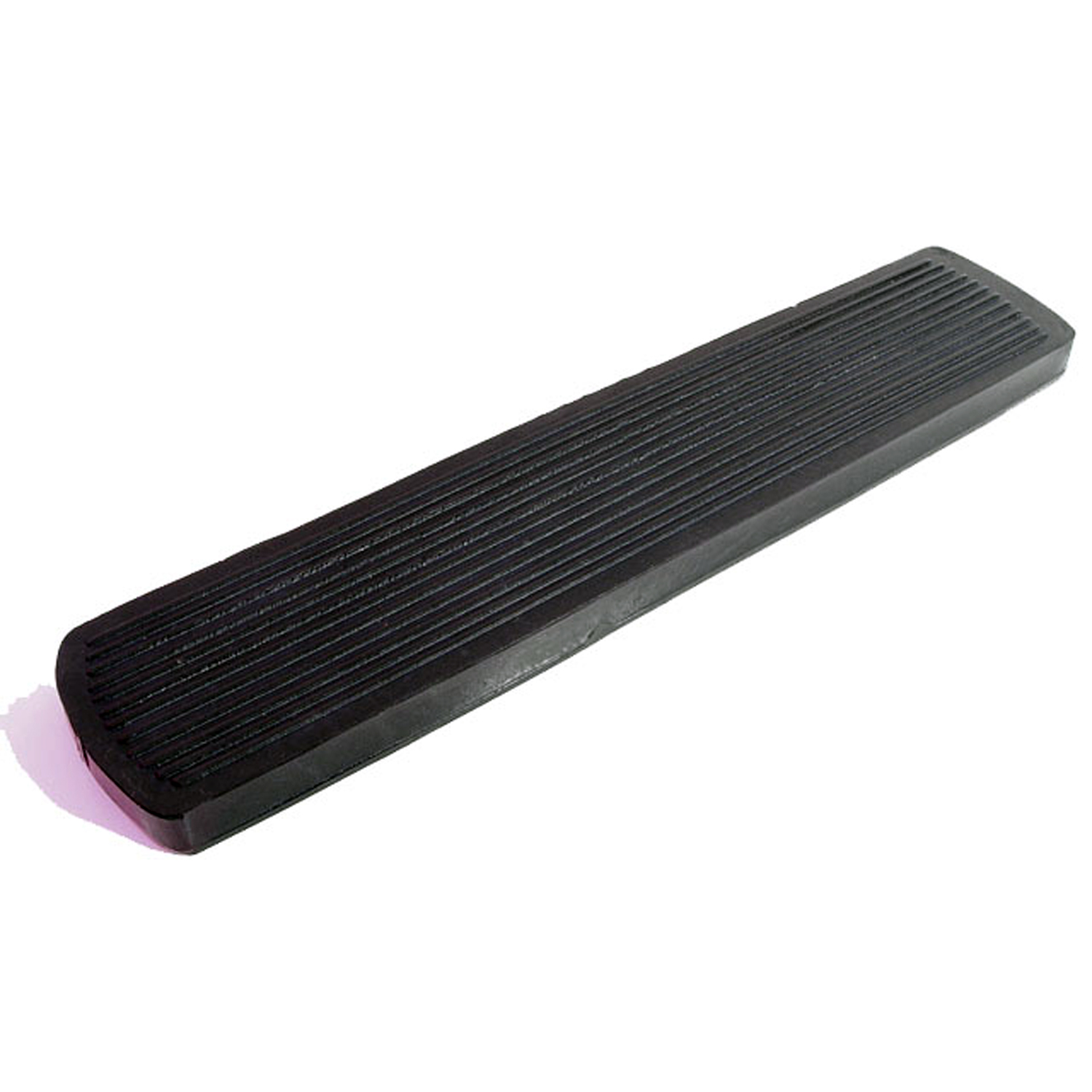 1936 Packard Model 120-B Accelerator Pedal Pad. 1-7/8" X 9-3/8", Each-AP 16Accelerator Pedal Pad. 1-7/8" X 9-3/8", Each
 1936 Packard Model 120-B Clutch and Brake Pedal Pads. 2-3/4" wide X 3-15/16" long-CB 14Clutch and Brake Pedal Pads. 2-3/4" wide X 3-15/16" long. Pair
 1936 Packard Model 120-B Power Brake Pad. 2-3/4" Wide. Each-CB 14-APower Brake Pad. 2-3/4" Wide. Each
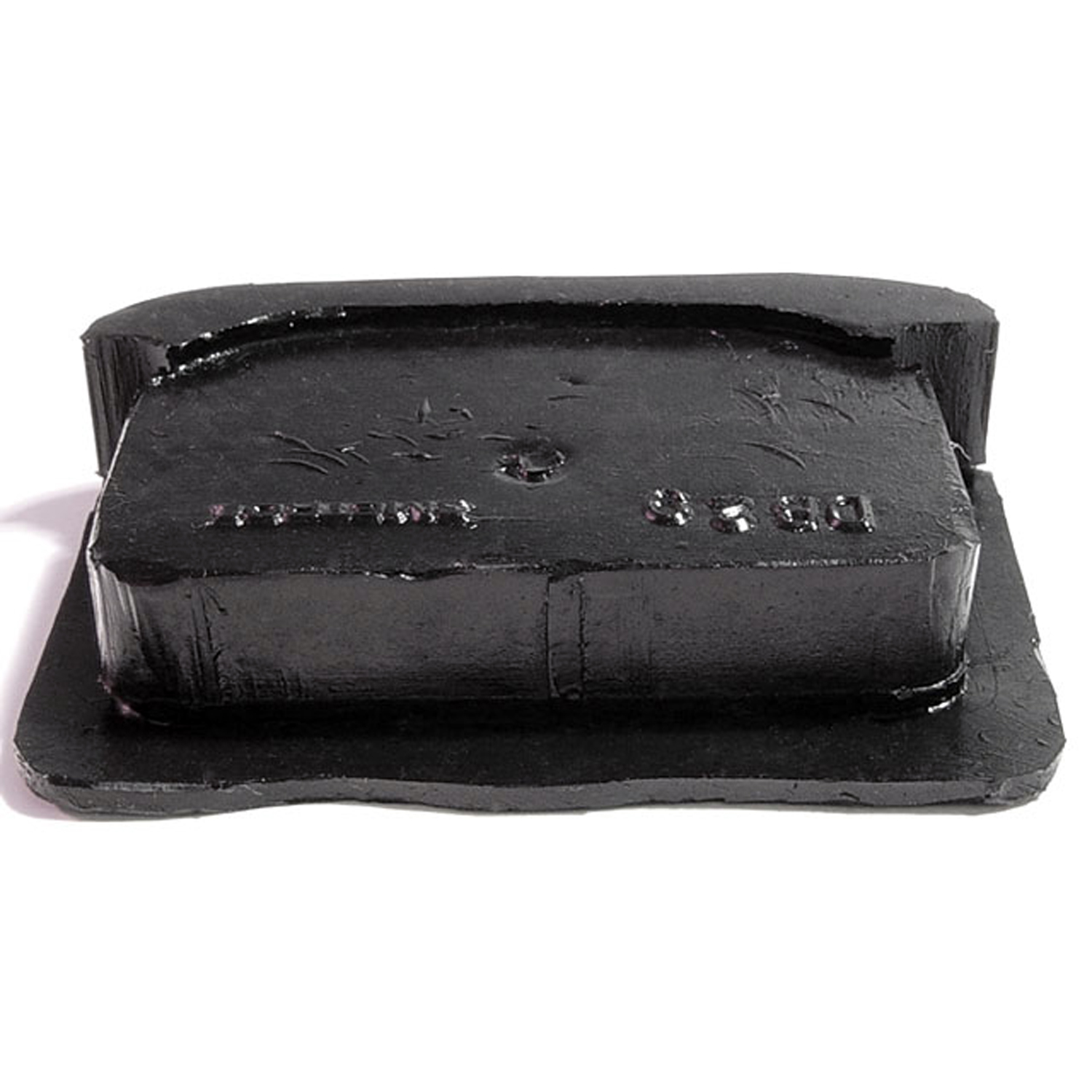 1936 Packard Model 120-B Door Bumper. 1-3/8" high X 2" wide X 1/2" thick. Each-DB 29Door Bumper. 1-3/8" high X 2" wide X 1/2" thick. Each
 1936 Packard Model 120-B Gas Filler Grommet. 2-1/2" I.D., 4-1/8" O.D. Each-GF 12Gas Filler Grommet. 2-1/2" I.D., 4-1/8" O.D. Each
 1936 Packard Model 120-B Hood Corners. 1-3/4" to 2" corner radius-HC 14Hood Corners. 1-3/4" to 2" corner radius. Pad is 3-3/8" long. Pair
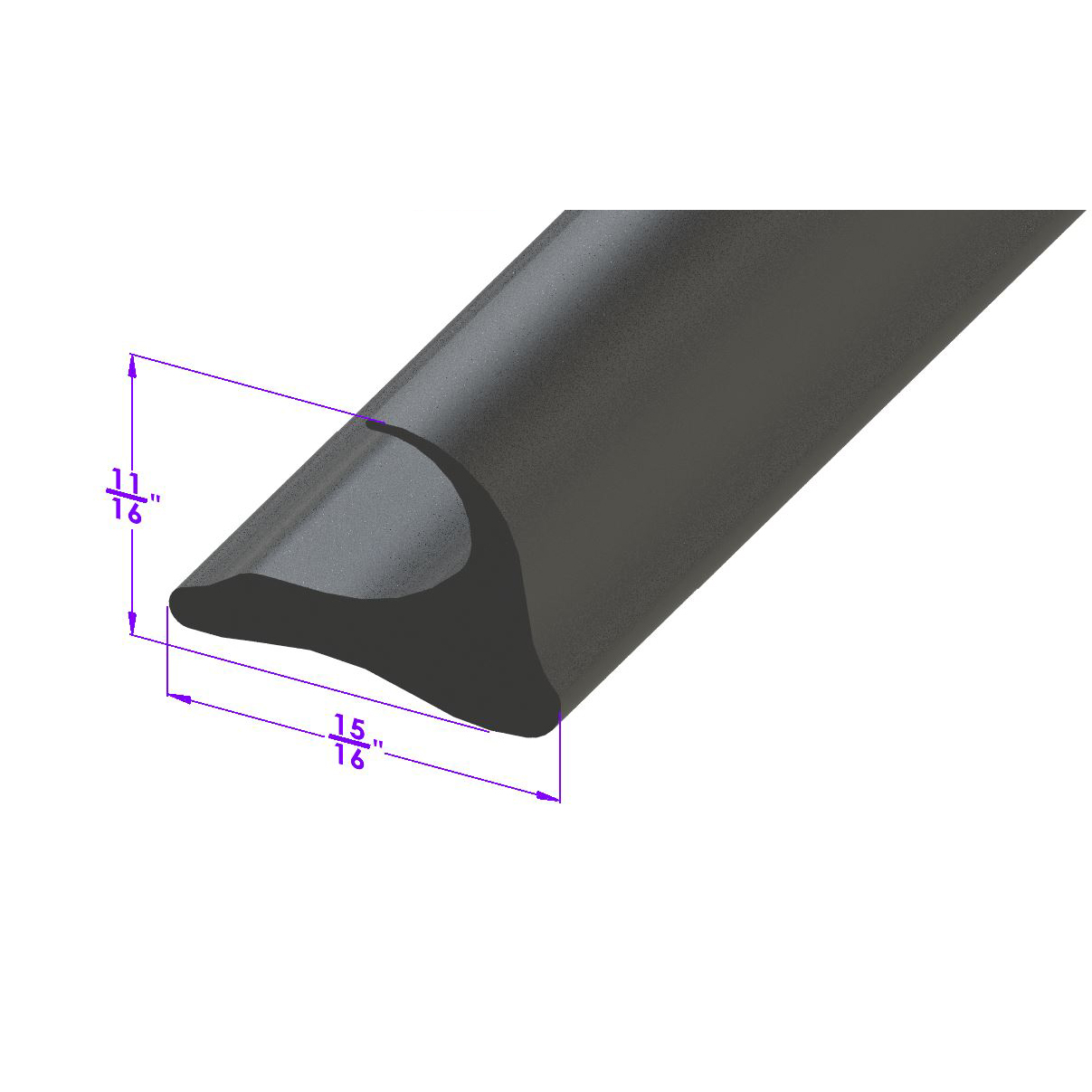 1936 Packard Model 120-B Side Roof Rail Seal. Fits in metal retainer-LP 12-ASide Roof Rail Seal. Fits in metal retainer. Sold by the foot
 1936 Packard Model 120-B Tail-light Pads. 2-1/2" wide X 6-1/2" long. Pair-MP 832Tail-light Pads. 2-1/2" wide X 6-1/2" long. Pair
 1936 Packard Model 120-B Tail-light Pads. 4" long. 1-5/8" wide X 4-1/8" long-MP 832-CTail-light Pads. 4" long. 1-5/8" wide X 4-1/8" long. Pair
 1936 Packard Model 120-B Tail-light Pads. 4-1/2" long. 2" wide X 4-1/2" long-MP 833Tail-light Pads. 4-1/2" long. 2" wide X 4-1/2" long. Pair
 1936 Packard Model 120-B Park Light Pads. 1-1/2" wide X 5-3/8" long. Pair-MP 834Park Light Pads. 1-1/2" wide X 5-3/8" long. Pair
 1936 Packard Model 120-B Side Arm Pad. 1-1/8" wide X 3" long. Each-MP 835Side Arm Pad. 1-1/8" wide X 3" long. Each
 1936 Packard Model 120-B Door Handle Pads. 1-1/4" wide X 2-1/4" long. Pair-MP 837Door Handle Pads. 1-1/4" wide X 2-1/4" long. Pair
 1936 Packard Model 120-B Trunk Hinge Pads. 1-1/2" wide X 7-1/4" long. Cut to size-MP 839Trunk Hinge Pads. 1-1/2" wide X 7-1/4" long. Cut to size. Set
 1936 Packard Model 120-B Door Handle Pads-MP 839-BDoor Handle Pads. 1-1/2" wide X 2-1/2" long (inside the bead). Pair
 1936 Packard Model 120-B Rumble Seat Step-Plate Pad. 3-1/4" wide X 5-5/8" long-MP 841Rumble Seat Step-Plate Pad. 3-1/4" wide X 5-5/8" long. Each
 1936 Packard Model 120-B Rumble Seat Step-Plate Pad. 4-1/8" O.D. Each-MP 841-BRumble Seat Step-Plate Pad. 4-1/8" O.D. Each
 1936 Packard Model 120-B Rumble Seat Step-Plate Pad. 4-3/4" wide X 4-1/4" long-MP 842Rumble Seat Step-Plate Pad. 4-3/4" wide X 4-1/4" long. Each
 1936 Packard Model 120-B Dash Pads. 1-5/8" wide X 8-5/8" long. Pair R&L-MP 842-BDash Pads. 1-5/8" wide X 8-5/8" long. Pair R&L
 1936 Packard Model 120-B Trunk Hinge Pads. 1-3/4" wide X 8-1/8" long. Cut to fit-MP 843Trunk Hinge Pads. 1-3/4" wide X 8-1/8" long. Cut to fit. Set
 1936 Packard Model 120-B Park Light Pads. 1-7/8" wide X 4-1/2" long. Pair-MP 844Park Light Pads. 1-7/8" wide X 4-1/2" long. Pair
 1936 Packard Model 120-B Door Handle Pads. 1-5/8" wide X 2-7/8" long. Pair-MP 844-ADoor Handle Pads. 1-5/8" wide X 2-7/8" long. Pair
 1936 Packard Model 120-B Rumble Seat Step-Plate Pad. 2" wide X 4-3/8" long. Each-MP 849-BRumble Seat Step-Plate Pad. 2" wide X 4-3/8" long. Each
 1936 Packard Model 120-B Headlight Pads. Thick mounting pads-MP 853Headlight Pads. Thick mounting pads. 3-3/8" wide X 6-1/2" long. Pair R&L
 1936 Packard Model 120-B Headlight Pads. 5-1/4" wide X 9" long. Pair R&L-MP 880Headlight Pads. 5-1/4" wide X 9" long. Pair R&L
 1936 Packard Model 120-B Headlight Pads. 3-7/8" wide X 11-1/4" long. Pair-MP 890Headlight Pads. 3-7/8" wide X 11-1/4" long. Pair
 1936 Packard Model 120-B License Stand Pad. 2-5/8" wide X 3-1/2" long. Each-MP 892License Stand Pad. 2-5/8" wide X 3-1/2" long. Each
 1936 Packard Model 120-B Tail-light Pads. 4-1/8" long. 2-3/8" wide X 4-1/4" long-MP 893Tail-light Pads. 4-1/8" long. 2-3/8" wide X 4-1/4" long. Pair
 1936 Packard Model 120-B Tail-light Pads. 2-1/2" wide X 5-1/2" long. Pair-MP 904Tail-light Pads. 2-1/2" wide X 5-1/2" long. Pair
 1936 Packard Model 120-B Trunk Hinge Pads. 1-1/2" wide X 11-1/8" long. Set-MP 931Trunk Hinge Pads. 1-1/2" wide X 11-1/8" long. Set
 1936 Packard Model 120-B Running Board Covers (large type)-RB 7551Running Board Covers (large type). Carefully molded with hollow rib back to accommodate raised steel ribs on your metal board. Pair R&L
 1936 Packard Model 120-B Hood Cowl Strip. All rubber, no metal. Pair-RP 71Hood Cowl Strip. All rubber, no metal. Pair
 1936 Packard Model 120-B Front Lower Rubber Insulating Cushion-RP 72Front Lower Rubber Insulating Cushion. 3" wide X 4-1/2" long. Two used per car. Replaces OEM #209770. Each
 1936 Packard Model 120-B Front lower rubber insulating cushion-RP 72-CFront lower rubber insulating cushion. For motor support at timing-gear cover. 2-7/16 in. wide x 3-3/8 in. long. 1-13/16 in. long center hole. Replaces OEM# 300227. Two used per car. Each.
 1936 Packard Model 120-B Torque Arm Ball Rubbers. Pair-RP 73Torque Arm Ball Rubbers. Pair
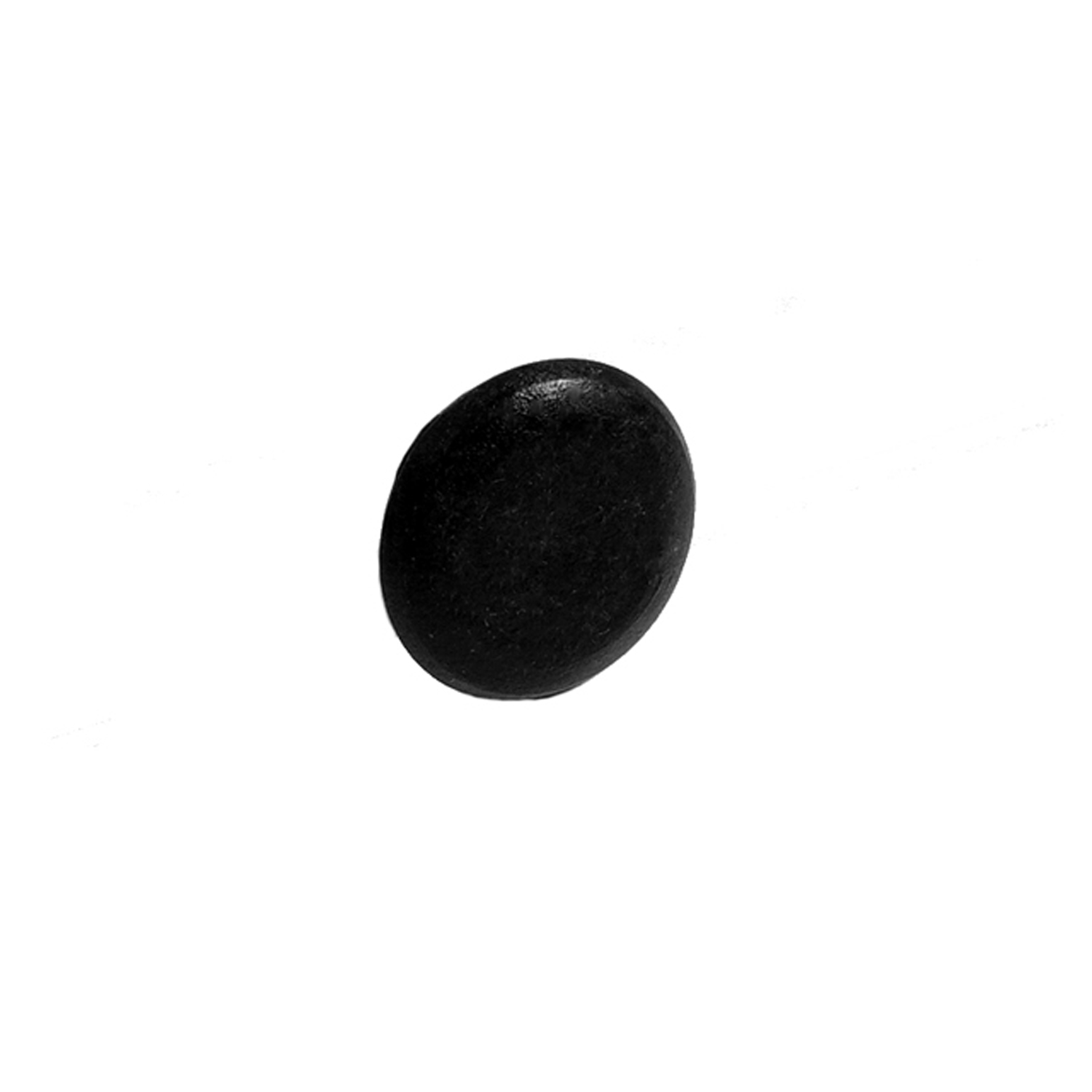 1936 Packard Model 120-B Trunk Bumper. 3/4" O.D., 5/8" I.D. Each-SB 74Trunk Bumper. 3/4" O.D., 5/8" I.D. Each
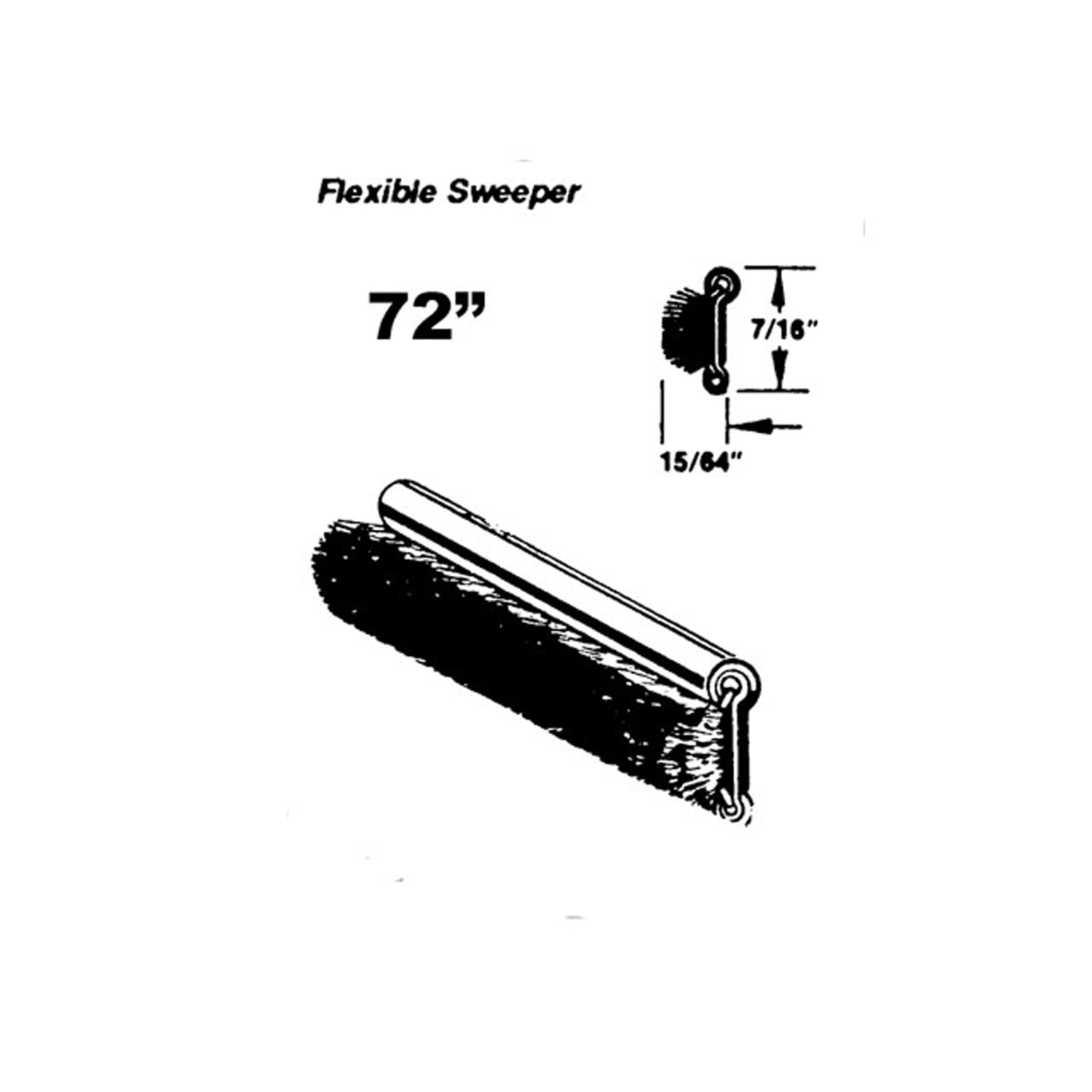 1936 Packard Model 120-B Flexible sweeper. Made with stainless steel bead-WC 8-72Flexible sweeper. Made with stainless steel bead. Used on inner and outer beltlines. Also forms easily for use with sliding quarter windows. 72 in. long. Each. NOTE: $20 special shipping charge applies for domestic orders. Call or email for overseas shipping costs. Part can be sectioned into two equal lengths to reduce overseas shipping costs. 1936 Packard Model 120-B Front Vent Window Seals, for Convertibles-WR 7500Front Vent Window Seals, for Convertibles. Made in 3-pieces, like original part. Replaces OEM #311387, 312948. Pair R&L
 1936 Packard Model 120-B Front Vent Window Seals. Does not fit Convertible-WR 7501Front Vent Window Seals. Does not fit Convertible. Pair R&L
Why Choose Metro?
For over 100 years, Metro Moulded Parts has been the pinnacle of quality in classic car restoration parts. Our commitment to precision and authenticity in every component ensures a perfect fit and an OEM-level appearance.
- Expert Craftsmanship & Quality: Each part is a testament to our dedication to reliability and perfection, crafted from original designs and thoroughly tested.
- Advanced Technology: We use cutting-edge techniques to create flawless, long-lasting parts that surpass others in performance.
- SuperSoft Sponge – The Ultimate Door Seal: Not only are our door seals 30% softer than competitors', but they're also guaranteed to never leak. They effectively reduce wind and road noise, enhancing your classic car's comfort and driving experience.
- Proudly American: Our parts are a product of American craftsmanship, made in the USA with a spirit of excellence and heritage.
- Unrivaled Warranty: We back our products with a 30-year industry-leading warranty, a testament to our confidence in their quality.
Join us in preserving the legacy of classic cars with parts that are crafted for perfection, not just made.