

Image of 1936 Packard Super Eight, Note: These illustrations use artistic license and may differ from actual historical models.
Performance Metrics
Fundamental Metrics
Emotional Appeal
MMP Rating
| Engine Specifications | |
|---|---|
| Engine: | Straight 8 |
| Displacement: | 320 cu in (5.2 L) |
| Horsepower: | Estimated 135-150 HP |
| Torque: | Not available |
| Compression Ratio: | Not available |
| Ignition System: | Battery and coil |
| Cooling System: | Water |
| Performance Specifications | |
| 0-60 Time: | Not available |
| 1/4 Mile Time: | Not available |
| Top Speed: | 100 mph |
| Transmission and Drive | |
| Drive Type: | Rear wheel drive |
| Transmission Type: | 3-speed manual |
| Fuel and Efficiency | |
| Fuel System Type: | Carburetor |
| MPG: | Not available |
| Dimensions and Brakes | |
| Brakes: | 4-wheel drum brakes |
| Wheelbase: | 134-139 inches |
| Weight: | 4,700 lbs |
Note: Specifications for classic cars are given to the best of our ability, considering the limited and variant data available.
1936 Packard Super Eight: American Luxury in Motion
The 1936 Packard Super Eight combined the presence of a formal luxury car with the engineering of a finely built touring machine. It came from Packard, the Detroit manufacturer whose name had become shorthand for prestige, craftsmanship, and dependable performance. In the middle of the Great Depression, Packard was also broadening its range: the Super Eight offered imposing size and a refined straight-eight engine, while sitting below the more exclusive Packard Twelve.
Packard began in Warren, Ohio, in 1899 and moved its operations to Detroit as the company grew. By the mid-1930s, its cars were known for high-quality construction and a reputation for going the distance. A notable development in 1936 was the arrival of the Packard One-Twenty, a less expensive model that brought the marque to a wider market. The Super Eight kept Packard’s traditional luxury credentials intact, making it a fascinating example of how the company served both established wealth and a changing economy.
Art Deco Presence and Coachbuilt Elegance
The Super Eight wore its status in its proportions. A tall, upright grille gave the front end a formal face, while the long hood, flowing fenders, and broad running boards created the classic prewar silhouette. Carefully arranged hood louvers added visual rhythm, and bright trim emphasized the car’s length without overwhelming its restrained design. Many examples carried Packard’s distinctive hood ornament, often associated with the brand’s “Goddess of Speed.”
Packard offered the Super Eight in a range of body styles, with availability varying by chassis and production configuration. Buyers could choose from practical sedans and club sedans to more glamorous convertibles, phaetons, and formal limousine-style bodies. Closed sedans were the sensible choice for year-round use, while open cars and long-wheelbase formal bodies made the strongest impression at resort hotels, country estates, and grand motoring events. The exact combination of bodywork, wheelbase, and trim is important when identifying a particular car today.
Inside, the Super Eight was built for quiet, comfortable travel. Depending on body style and specification, the cabin could feature quality leather or durable broadcloth upholstery, neatly finished door panels, and polished wood or wood-grain trim. The dashboard placed the instruments within easy view, while generous seating and a roomy interior made the car well suited to long journeys. Packard’s appeal was not simply about size: the fit, finish, and tactile quality of the controls helped the cabin feel carefully considered.
Period paint choices included a variety of dark, formal shades and brighter colors, with combinations depending on the body and buyer’s order. Deep blues, greens, maroons, and black were natural fits for the car’s dignified character. Two-tone treatments could bring out the sweep of the fenders and body lines. Original paint codes and factory combinations are worth checking against reliable model references, since colors and trim could vary by production and coachwork.
Packard Engineering in 1936
Power came from a 320-cubic-inch, L-head straight-eight engine, rated at about 130 horsepower. The long inline layout was central to the Packard experience: it delivered smooth, even power and avoided the coarse feel associated with some large engines of the era. A three-speed manual transmission sent power to the rear wheels. Four-wheel hydraulic brakes provided stopping power, while the car’s substantial chassis and suspension were designed for the rougher roads of the period.
These were not modern performance-car technologies, but they represented a thoughtful combination of refinement and practicality. Hydraulic brakes offered more consistent braking than older mechanical systems, and the straight-eight’s smooth operation made sustained highway travel more pleasant. Packard’s reputation for sound engineering helped distinguish the Super Eight from cars that looked impressive but felt less composed in everyday use.
Why the Super Eight Mattered
The Super Eight occupied an important place in Packard’s lineup. It gave buyers much of the size, finish, and presence expected of a top-tier American luxury car without the cost and exclusivity of the Twelve. That balance made it an appealing choice for owners who wanted prestige and long-distance comfort, but also valued a car that could be driven regularly.
Its design reflects a transition in American luxury motoring. The formal upright styling and separate fenders belonged to a long-established visual tradition, yet the body’s sweeping lines and carefully integrated details looked increasingly modern. Packard helped establish a standard for combining visual dignity with mechanical refinement. The Super Eight did not invent the luxury touring car, but it showed how thoroughly a manufacturer could develop the idea for American roads and expectations.
Road Manners and Performance
Period specifications and modern road tests vary with body style, gearing, condition, and tune, but a healthy Super Eight could reach roughly 85 to 90 mph. Acceleration from 0 to 60 mph is best treated as an estimate, commonly in the neighborhood of 18 to 22 seconds. This is a large prewar luxury car, not a modern sports sedan. Its strengths are smoothness, effortless cruising, and the ability to maintain a steady pace over distance.
On a straight road, the long wheelbase and substantial weight help the car feel settled. Over bumps, the suspension has the compliant, softly controlled character drivers expect from a luxury car of the era, though sharp road edges can still produce noticeable movement. On winding roads, the Super Eight rewards an unhurried approach. Its size, period tires, and steering geometry call for anticipation rather than quick, modern-style direction changes.
From the driver’s seat, the straight-eight is more of a smooth mechanical hum than a dramatic roar. The manual gearbox and large steering wheel make the driver an active participant, while the car’s momentum encourages smooth inputs and thoughtful braking. Driving one is less about chasing speed than appreciating the engine’s measured pull, the view over the long hood, and the sense of occasion in every mile.
Living With a Super Eight
Today, most 1936 Super Eights are enjoyed as collector cars, touring vehicles, and show entries rather than daily transportation. A well-sorted example can cover substantial distances, but age brings familiar demands: careful attention to cooling, ignition, fuel delivery, brakes, tires, and lubrication. The car’s mechanical layout is understandable to a capable vintage-car mechanic, though specialist knowledge and correct parts can make a major difference during restoration.
Parts availability is generally better for common service items than for unique trim, body panels, or rare coachwork details. Maintenance is not difficult simply because the car is old, but it is more hands-on than owning a modern vehicle. Owners should also plan for proper storage, regular exercise, and a specialist inspection before touring. Reliability depends heavily on the quality of previous repairs and whether the car has been maintained as a working machine rather than treated only as a display object.
Rare Details and Collector Appeal
Production totals are not always presented consistently across body styles and chassis configurations. A reasonable estimate for 1936 Super Eight production is roughly 3,000 to 4,000 cars, though individual configurations can be far scarcer. Open models and formal bodies are generally less common than standard sedans, and surviving cars with documented history, correct specifications, or significant original features attract particular attention.
There is no single price for a Super Eight. As a broad current-market guide, a project or car needing significant work might sell for around $20,000 to $40,000. A sound, presentable driver could fall roughly in the $45,000 to $90,000 range, while an excellent restoration or particularly desirable body style may bring $100,000 to $200,000 or more. Exceptional coachbuilt examples can exceed that range. These are estimates, not guarantees: condition, originality, provenance, body style, and the quality of the restoration matter enormously.
Like many prewar classics, the Super Eight has seen a market that favors the best and most usable examples. Its long-term appeal is supported by Packard’s name and the car’s craftsmanship, but values are not guaranteed to rise steadily. Buyers increasingly look for sound mechanical condition and documented work, while costly restorations do not always return every dollar invested. A good purchase is usually the car that has been maintained and driven well, not simply the one with the shiniest paint.
One common criticism is that the Super Eight is large, heavy, and demanding by modern standards. It needs space, attentive driving, and regular upkeep. Its brakes, steering, visibility, and safety equipment also reflect 1930s design, so modern traffic requires extra care. Those limitations are part of the ownership calculation, not defects that a restoration can erase.
A Packard Built for the Long View
The 1936 Packard Super Eight brought together a refined straight-eight engine, formal yet flowing styling, a carefully finished cabin, and the road presence expected of a major American luxury car. It stood apart by balancing prestige with genuine touring ability, and it remains a compelling expression of Packard’s best qualities. For collectors, it is more than a handsome prewar automobile: it is a reminder that luxury once meant engineering, craftsmanship, and the confidence to take the long road.
1936 Packard Super Eight Catalog of Parts
 1936 Packard Super Eight Accessory Floor Mat - 12"X17"-AC 32Accessory Floor Mat - made of high quality black rubber with molded original emblem. Also designed to be sewn into new carpets. 12"X17", Each
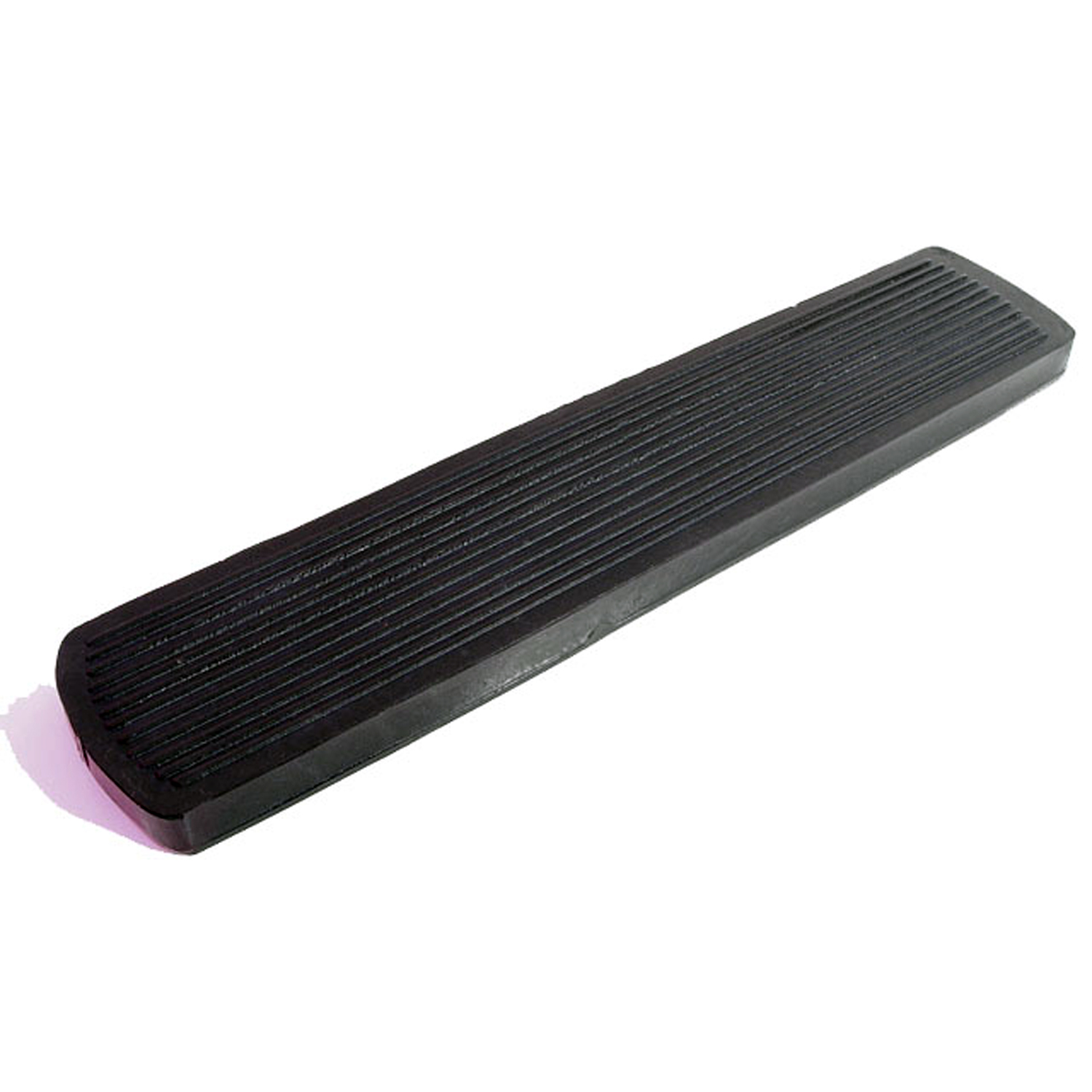 1936 Packard Super Eight Accelerator Pedal Pad. 1-7/8" X 9-3/8", Each-AP 16Accelerator Pedal Pad. 1-7/8" X 9-3/8", Each
 1936 Packard Super Eight Clutch and Brake Pedal Pads. 2-3/4" wide X 3-15/16" long-CB 14Clutch and Brake Pedal Pads. 2-3/4" wide X 3-15/16" long. Pair
 1936 Packard Super Eight Power Brake Pad. 2-3/4" Wide. Each-CB 14-APower Brake Pad. 2-3/4" Wide. Each
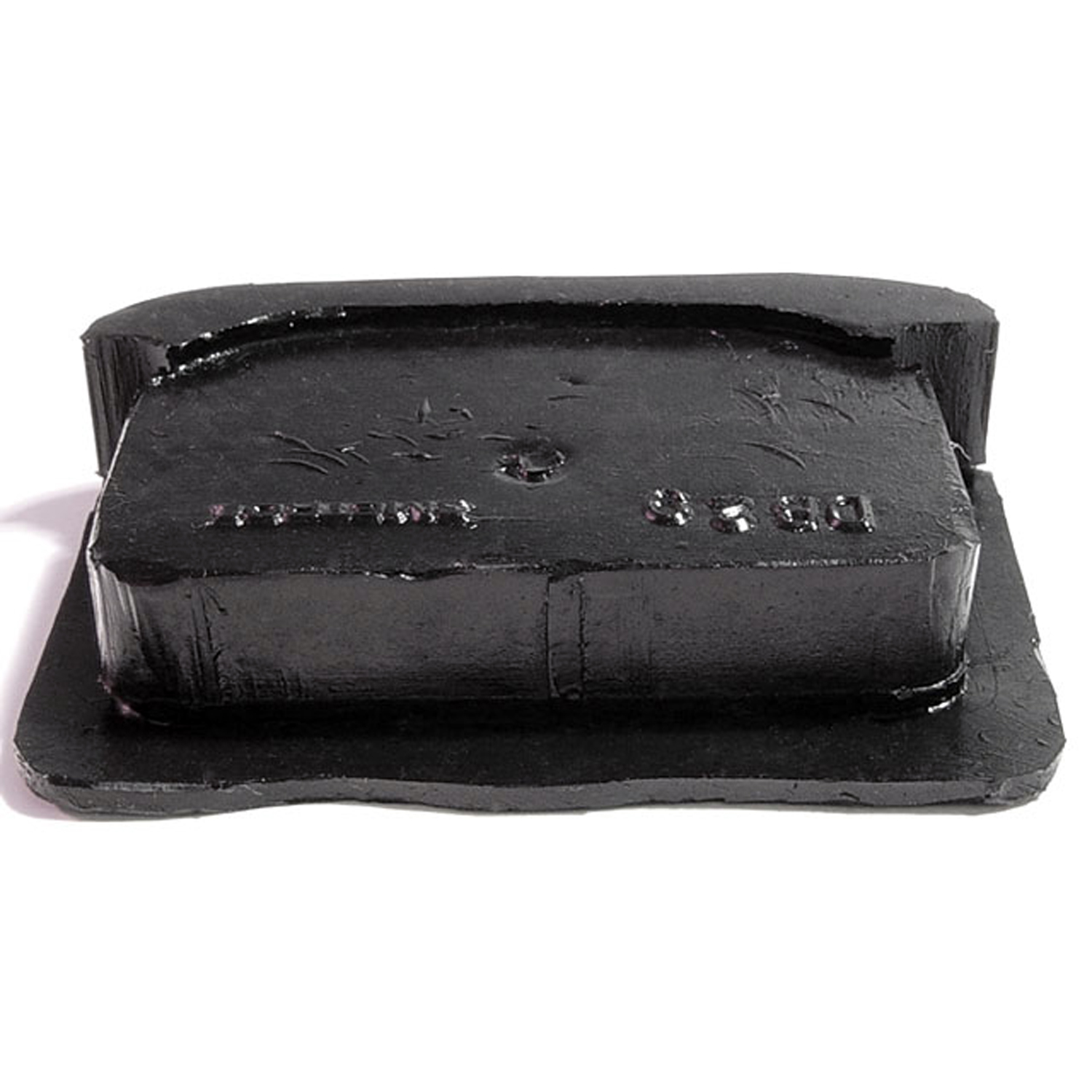 1936 Packard Super Eight Door Bumper. 1-3/8" high X 2" wide X 1/2" thick. Each-DB 29Door Bumper. 1-3/8" high X 2" wide X 1/2" thick. Each
 1936 Packard Super Eight Gas Filler Grommet. 2-1/2" I.D., 4-1/8" O.D. Each-GF 12Gas Filler Grommet. 2-1/2" I.D., 4-1/8" O.D. Each
 1936 Packard Super Eight Hood Corners. 1-3/4" to 2" corner radius-HC 14Hood Corners. 1-3/4" to 2" corner radius. Pad is 3-3/8" long. Pair
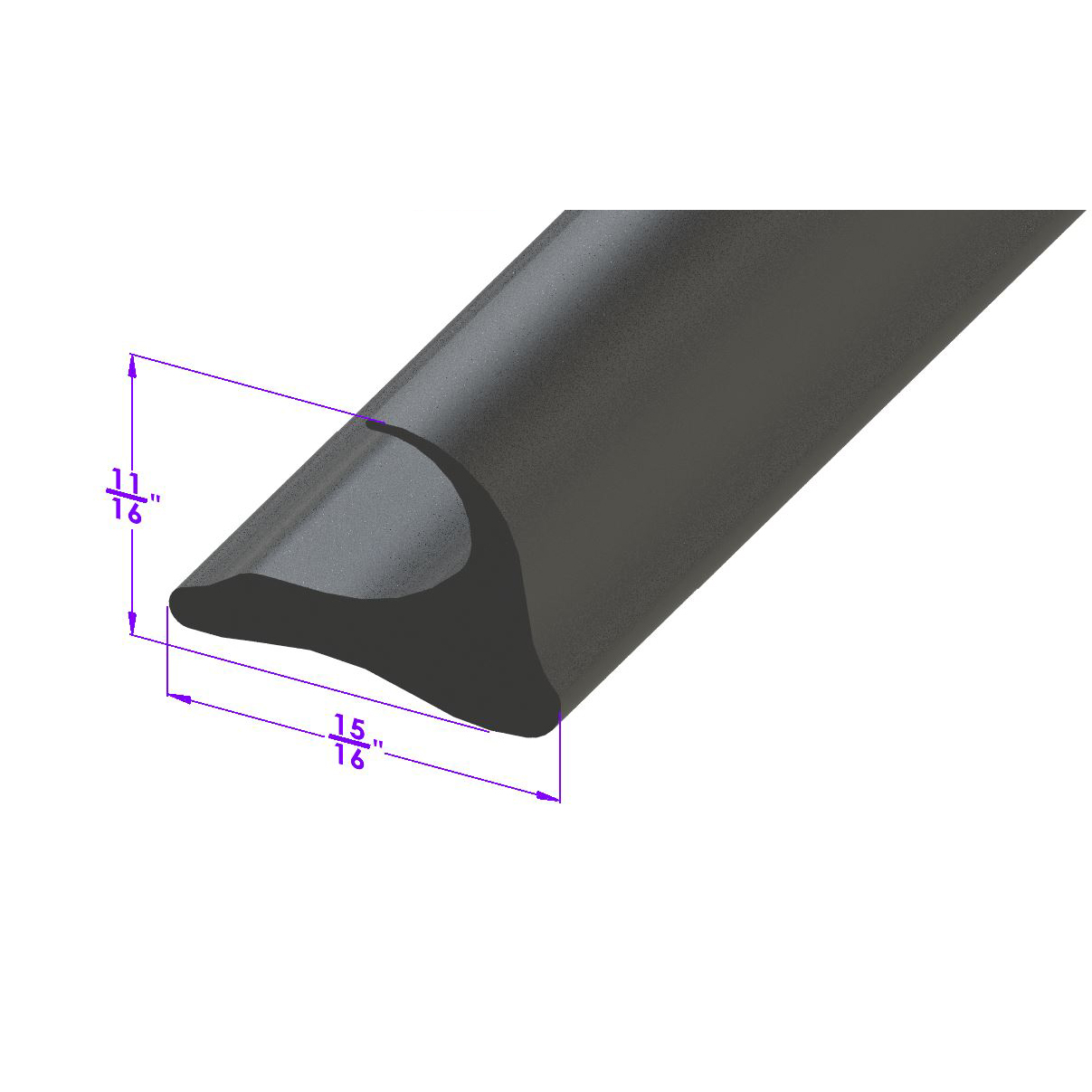 1936 Packard Super Eight Side Roof Rail Seal. Fits in metal retainer-LP 12-ASide Roof Rail Seal. Fits in metal retainer. Sold by the foot
 1936 Packard Super Eight Tail-light Pads. 2-1/2" wide X 6-1/2" long. Pair-MP 832Tail-light Pads. 2-1/2" wide X 6-1/2" long. Pair
 1936 Packard Super Eight Tail-light Pads. 4" long. 1-5/8" wide X 4-1/8" long-MP 832-CTail-light Pads. 4" long. 1-5/8" wide X 4-1/8" long. Pair
 1936 Packard Super Eight Tail-light Pads. 4-1/2" long. 2" wide X 4-1/2" long-MP 833Tail-light Pads. 4-1/2" long. 2" wide X 4-1/2" long. Pair
 1936 Packard Super Eight Park Light Pads. 1-1/2" wide X 5-3/8" long. Pair-MP 834Park Light Pads. 1-1/2" wide X 5-3/8" long. Pair
 1936 Packard Super Eight Side Arm Pad. 1-1/8" wide X 3" long. Each-MP 835Side Arm Pad. 1-1/8" wide X 3" long. Each
 1936 Packard Super Eight Door Handle Pads. 1-1/4" wide X 2-1/4" long. Pair-MP 837Door Handle Pads. 1-1/4" wide X 2-1/4" long. Pair
 1936 Packard Super Eight Trunk Hinge Pads. 1-1/2" wide X 7-1/4" long. Cut to size-MP 839Trunk Hinge Pads. 1-1/2" wide X 7-1/4" long. Cut to size. Set
 1936 Packard Super Eight Rumble Seat Step-Plate Pad. 3-1/4" wide X 5-5/8" long-MP 841Rumble Seat Step-Plate Pad. 3-1/4" wide X 5-5/8" long. Each
 1936 Packard Super Eight Rumble Seat Step-Plate Pad. 4-1/8" O.D. Each-MP 841-BRumble Seat Step-Plate Pad. 4-1/8" O.D. Each
 1936 Packard Super Eight Rumble Seat Step-Plate Pad. 4-3/4" wide X 4-1/4" long-MP 842Rumble Seat Step-Plate Pad. 4-3/4" wide X 4-1/4" long. Each
 1936 Packard Super Eight Trunk Hinge Pads. 1-3/4" wide X 8-1/8" long. Cut to fit-MP 843Trunk Hinge Pads. 1-3/4" wide X 8-1/8" long. Cut to fit. Set
 1936 Packard Super Eight Park Light Pads. 1-7/8" wide X 4-1/2" long. Pair-MP 844Park Light Pads. 1-7/8" wide X 4-1/2" long. Pair
 1936 Packard Super Eight Door Handle Pads. 1-5/8" wide X 2-7/8" long. Pair-MP 844-ADoor Handle Pads. 1-5/8" wide X 2-7/8" long. Pair
 1936 Packard Super Eight Rumble Seat Step-Plate Pad. 2" wide X 4-3/8" long. Each-MP 849-BRumble Seat Step-Plate Pad. 2" wide X 4-3/8" long. Each
 1936 Packard Super Eight Headlight Pads. Thick mounting pads-MP 853Headlight Pads. Thick mounting pads. 3-3/8" wide X 6-1/2" long. Pair R&L
 1936 Packard Super Eight Headlight Pads. 5-1/4" wide X 9" long. Pair R&L-MP 880Headlight Pads. 5-1/4" wide X 9" long. Pair R&L
 1936 Packard Super Eight Headlight Pads. 3-7/8" wide X 11-1/4" long. Pair-MP 890Headlight Pads. 3-7/8" wide X 11-1/4" long. Pair
 1936 Packard Super Eight License Stand Pad. 2-5/8" wide X 3-1/2" long. Each-MP 892License Stand Pad. 2-5/8" wide X 3-1/2" long. Each
 1936 Packard Super Eight Tail-light Pads. 4-1/8" long. 2-3/8" wide X 4-1/4" long-MP 893Tail-light Pads. 4-1/8" long. 2-3/8" wide X 4-1/4" long. Pair
 1936 Packard Super Eight Tail-light Pads. 2-1/2" wide X 5-1/2" long. Pair-MP 904Tail-light Pads. 2-1/2" wide X 5-1/2" long. Pair
 1936 Packard Super Eight Trunk Hinge Pads. 1-1/2" wide X 11-1/8" long. Set-MP 931Trunk Hinge Pads. 1-1/2" wide X 11-1/8" long. Set
 1936 Packard Super Eight Hood Cowl Strip. All rubber, no metal. Pair-RP 71Hood Cowl Strip. All rubber, no metal. Pair
 1936 Packard Super Eight Torque Arm Ball Rubbers. Pair-RP 73Torque Arm Ball Rubbers. Pair
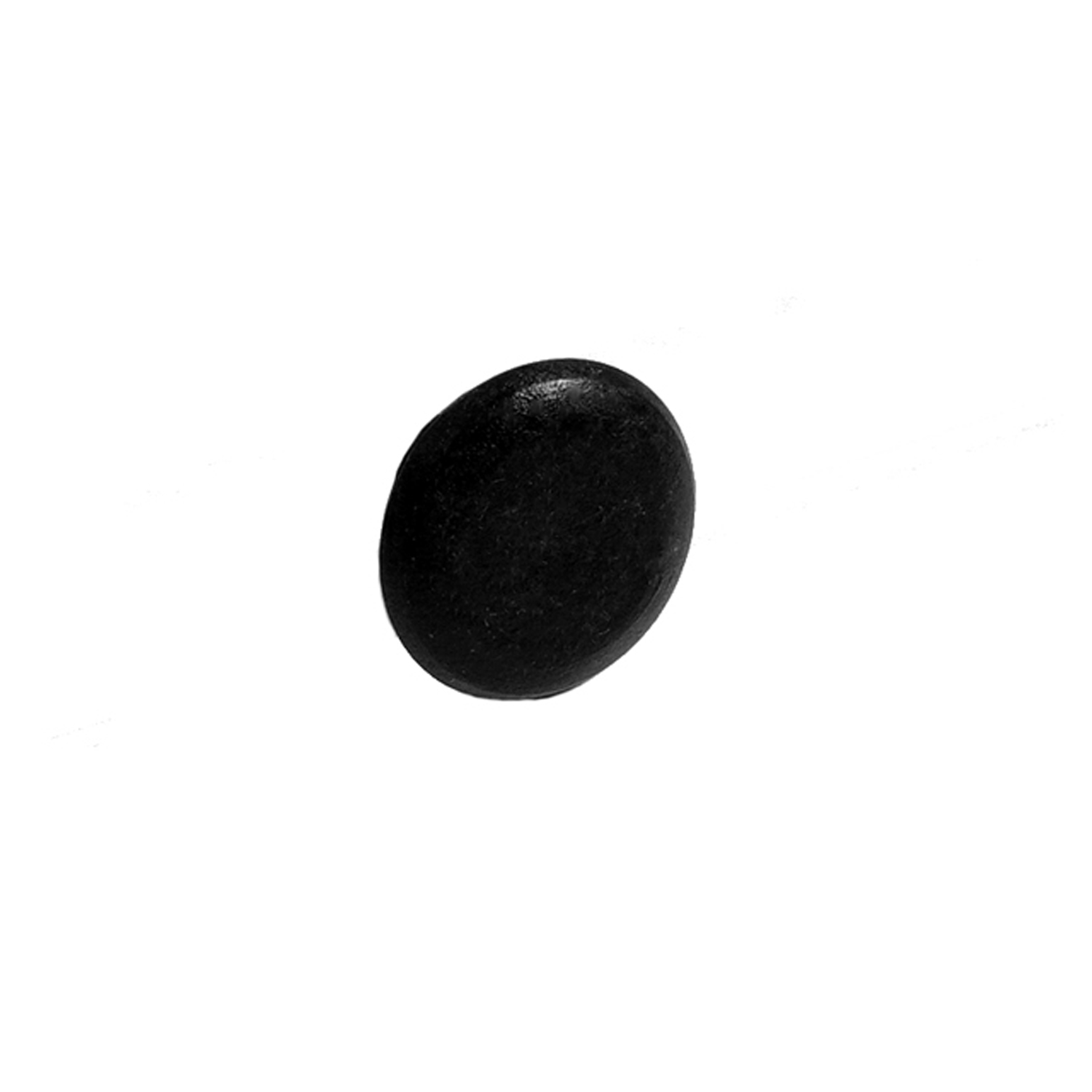 1936 Packard Super Eight Trunk Bumper. 3/4" O.D., 5/8" I.D. Each-SB 74Trunk Bumper. 3/4" O.D., 5/8" I.D. Each
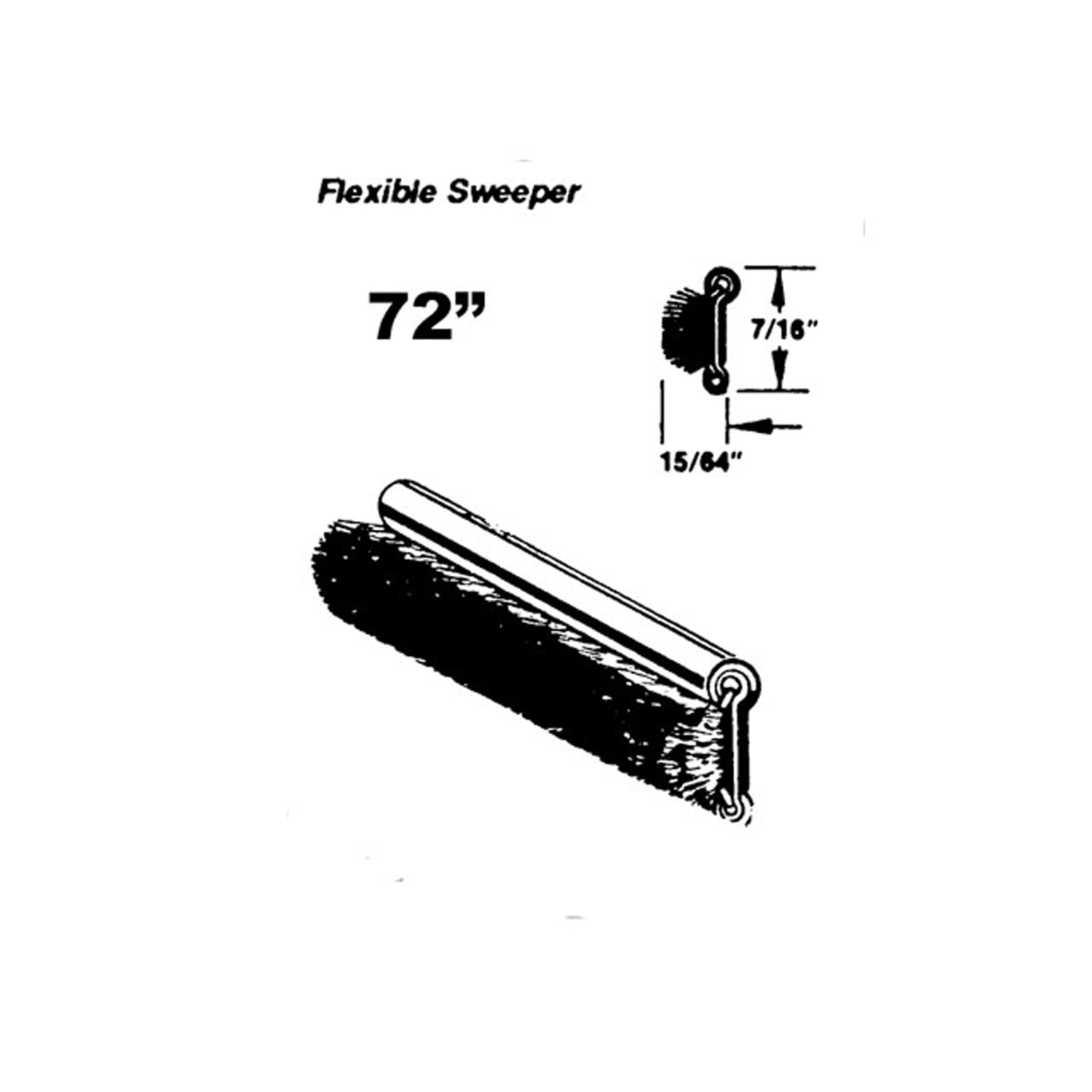 1936 Packard Super Eight Flexible sweeper. Made with stainless steel bead-WC 8-72Flexible sweeper. Made with stainless steel bead. Used on inner and outer beltlines. Also forms easily for use with sliding quarter windows. 72 in. long. Each. NOTE: $20 special shipping charge applies for domestic orders. Call or email for overseas shipping costs. Part can be sectioned into two equal lengths to reduce overseas shipping costs.
Why Choose Metro?
For over 100 years, Metro Moulded Parts has been the pinnacle of quality in classic car restoration parts. Our commitment to precision and authenticity in every component ensures a perfect fit and an OEM-level appearance.
- Expert Craftsmanship & Quality: Each part is a testament to our dedication to reliability and perfection, crafted from original designs and thoroughly tested.
- Advanced Technology: We use cutting-edge techniques to create flawless, long-lasting parts that surpass others in performance.
- SuperSoft Sponge – The Ultimate Door Seal: Not only are our door seals 30% softer than competitors', but they're also guaranteed to never leak. They effectively reduce wind and road noise, enhancing your classic car's comfort and driving experience.
- Proudly American: Our parts are a product of American craftsmanship, made in the USA with a spirit of excellence and heritage.
- Unrivaled Warranty: We back our products with a 30-year industry-leading warranty, a testament to our confidence in their quality.
Join us in preserving the legacy of classic cars with parts that are crafted for perfection, not just made.