

Image of 1937 Packard One Twenty, Note: These illustrations use artistic license and may differ from actual historical models.
Performance Metrics
Fundamental Metrics
Emotional Appeal
MMP Rating
| Engine Specifications | |
|---|---|
| Engine: | L-head inline 8 |
| Displacement: | 282 cubic inches |
| Horsepower: | Estimated 120 HP |
| Torque: | 200 lb-ft |
| Compression Ratio: | Estimated 6.5:1 |
| Ignition System: | Distributor and coil |
| Cooling System: | Water-cooled |
| Performance Specifications | |
| 0-60 Time: | Estimated 15 seconds |
| 1/4 Mile Time: | Information not available |
| Top Speed: | 85 mph |
| Transmission and Drive | |
| Drive Type: | Rear-wheel drive |
| Transmission Type: | 3-speed manual |
| Fuel and Efficiency | |
| Fuel System Type: | Carburetor |
| MPG: | Estimated 15 MPG |
| Dimensions and Brakes | |
| Brakes: | 4-wheel hydraulic drum brakes |
| Wheelbase: | 127 inches |
| Weight: | Estimated 3,600 lbs |
Note: Specifications for classic cars are given to the best of our ability, considering the limited and variant data available.
1937 Packard One-Twenty: The Packard That Broadened the Brand
The 1937 Packard One-Twenty delivered a substantial dose of American luxury without the price of Packard’s grandest cars. Built by the Packard Motor Car Company in Detroit, Michigan, it paired a smooth straight-eight engine with handsome styling, thoughtful engineering, and a wide choice of body styles. Its blend of prestige and practicality helped make Packard ownership attainable for more buyers during the uncertain years of the Great Depression.
The One-Twenty had debuted in 1935, and by 1937 it was an established part of Packard’s lineup. Its name pointed to two defining numbers: a 120-inch wheelbase and an engine rated at 120 horsepower. A notable twist in Packard history is that this more accessible model was not merely a sales filler. The One-Twenty became one of the company’s most important products, helping Packard reach customers who wanted the marque’s reputation but could not stretch to a senior-series Packard.
Art Deco Style and Packard Craftsmanship
The 1937 One-Twenty has the confident, upright presence associated with prewar Packards. A tall, finely ribbed radiator grille anchors the front end, while long hood panels, rounded fenders, and sweeping running boards give the car a stately profile. The headlights sit prominently on the front fenders, and details such as bright window trim, hubcaps, and carefully shaped body lines add polish without making the design look overly ornate. The result is elegant rather than flashy, with the proportions doing most of the work.
Inside, the One-Twenty offered a spacious cabin finished according to the body style and trim level. Closed cars commonly used durable, high-quality cloth upholstery, while open models could feature leather. The broad bench seats, clear instruments, and neatly arranged controls made the interior feel substantial and welcoming. Materials and finishing reflected Packard standards, even though the One-Twenty was positioned below the marque’s more expensive senior cars.
Packard offered a broad range of paint and trim combinations, and exact choices varied by body style and production details. Period buyers could select conservative dark finishes, rich reds and blues, lighter tones, and two-tone treatments on some configurations. Dark blue, maroon, black, and other deep colors suit the car’s formal character, while lighter or contrasting finishes show off its fender lines. Original paint and upholstery combinations are worth checking against the car’s build records when authenticity matters.
The lineup included several closed and open bodies, among them touring sedans, coupes, and convertible models. The four-door sedan was a popular practical choice, while the club coupe offered a sportier profile with useful passenger space. Convertible versions are especially eye-catching today, but they were a smaller part of the market and are generally more collectible. Body styles and catalog descriptions can vary across references, so buyers should verify the exact model designation and body number for a particular car.
Engineering That Made Packard Accessible
The One-Twenty’s importance went beyond its price. It brought established Packard engineering to a wider audience at a time when buyers were cautious and the American auto industry was still feeling the effects of the Depression. Its 120-inch wheelbase gave it a more manageable footprint than Packard’s largest models, while its straight-eight engine delivered the smooth, relaxed performance expected of the marque.
Among its notable technical features was independent front suspension, part of Packard’s effort to improve ride quality and control over uneven roads. The 1937 car also used hydraulic brakes, a modern convenience for the era compared with older mechanical systems. These features helped make the One-Twenty feel composed and capable, rather than simply a scaled-down version of a luxury car.
It also reflected a broader change in the luxury market. Established prestige brands were learning that they needed cars at more accessible prices to maintain sales and keep factories busy. Packard’s strategy worked particularly well: the One-Twenty attracted new buyers without abandoning the styling and engineering identity that made the name desirable. Its success helped establish the idea that a prestige car could be both refined and attainable.
Straight-Eight Power and Road Manners
Under the hood, the 1937 One-Twenty used a 282-cubic-inch L-head inline-eight rated at 120 horsepower. Power went to the rear wheels through a three-speed manual transmission. Period performance figures vary with body style, gearing, condition, and testing method, but a healthy example is commonly estimated to reach about 80 to 90 mph. A 0-to-60-mph time in the neighborhood of 17 to 20 seconds is a reasonable modern estimate, rather than a factory guarantee for every version.
The engine’s character is its own reward. Instead of a sharp, high-revving note, the straight-eight produces a smooth, measured hum that suits the car’s long-legged nature. Acceleration is steady, and the engine feels happiest when allowed to build speed without being hurried. The manual gearbox asks for deliberate, unhurried shifts, a reminder that the One-Twenty belongs to a different era of driving.
On rough pavement, the independent front suspension and substantial chassis help the car ride with a settled, cushioned feel. It is not a modern car, and worn suspension parts or old tires can make any vintage Packard wander or bounce. On winding roads, its size and age call for smooth steering inputs and sensible speeds. The One-Twenty rewards a relaxed driver, not someone trying to hustle it like a sports car.
Behind the wheel, the long hood and broad fenders make the car feel imposing at first. The high seating position gives a good view of the road, and the large steering wheel provides useful leverage. Steering effort can be considerable at low speeds, especially when parking, while the brakes require more anticipation than a modern driver may expect. At cruising speed, however, a well-maintained example feels calm, quiet, and reassuring.
Living With a 1937 Packard
Today, most One-Twenties are enjoyed as weekend drivers, touring cars, and show vehicles. A carefully maintained sedan can handle local outings and club events, but regular use in fast modern traffic is less appealing. The car’s braking distances, visibility, lighting, and lack of contemporary safety equipment all demand extra care. Open models are especially popular for parades and fair-weather drives.
Maintenance is manageable for an owner with mechanical experience, but the One-Twenty is not a completely casual project. Routine service includes attention to ignition, cooling, lubrication, brakes, suspension, and the six-volt electrical system. Age-related issues such as deteriorated wiring, leaking seals, worn bushings, and corrosion in the fuel system are common concerns. A car that has been stored for years should be inspected carefully before being driven any distance.
Many mechanical parts are supported by vintage-car suppliers and Packard clubs, but body, trim, and model-specific items can take longer to locate. Repairs are often straightforward for a mechanic familiar with prewar cars, though restoration work can become expensive if a car needs extensive metalwork or rare interior pieces. A strong parts network and knowledgeable club members are valuable assets for owners.
Packard One-Twenty Facts and Caveats
The One-Twenty’s name is unusually literal: it referred to both its 120-horsepower rating and its 120-inch wheelbase. That combination helped turn the model name into a clear shorthand for a more accessible Packard. It was not designed as a competition car, and its significance lies more in its commercial success and engineering than in speed records or racing victories.
Production estimates for the 1937 One-Twenty are generally in the tens of thousands, with roughly 50,000 often cited across the range. Exact totals can differ depending on how sources group body styles and model series. That makes the car far from a one-off rarity, but survival rates are much lower than original production figures suggest, particularly for cars that have not been restored or properly stored.
One common criticism is that the One-Twenty does not have the same scale, exclusivity, or hand-finished aura as Packard’s senior models. That distinction is real, but it misses the point of the car. The One-Twenty was meant to offer Packard character at a more approachable price, and it succeeded without feeling like an ordinary mass-market sedan. Buyers should also remember that prewar comfort and safety differ sharply from modern expectations.
1937 Packard One-Twenty Collector Values
Values depend heavily on body style, originality, restoration quality, and mechanical condition. As a broad guide, a project car or rough driver might sell for around $10,000 to $20,000. A presentable, usable sedan may fall roughly in the $20,000 to $40,000 range, while a high-quality restoration can bring about $40,000 to $70,000 or more. Desirable convertible models can exceed those figures, with exceptional examples potentially reaching $80,000 to $100,000 or higher. These are approximate market ranges, not appraisals.
Four-door sedans are generally easier to find and tend to be less expensive than open cars. Convertibles are scarcer and attract stronger interest, especially when correctly restored and well documented. The market for prewar classics is selective: excellent examples can command strong prices, while cars needing substantial work may be difficult to sell at restoration-level values.
In recent years, values have tended to be steady to modestly stronger for well-preserved and properly restored examples, while average cars have not always kept pace with the cost of restoration. As with most collector vehicles, condition and desirability matter more than simple age. The One-Twenty is best bought because its style and driving character appeal to you, rather than on the promise of a guaranteed investment return.
A Packard With Lasting Purpose
The 1937 Packard One-Twenty combined a smooth 120-horsepower straight-eight, independent front suspension, hydraulic brakes, and graceful prewar styling in a package that brought Packard ownership within reach of more Americans. Its success helped the company navigate a difficult economic period and reshaped expectations for an accessible prestige car.
More than a smaller Packard, the One-Twenty was a carefully judged balance of comfort, engineering, and status. Nearly nine decades later, its long hood, upright grille, and effortless straight-eight character still make it instantly recognizable. For collectors seeking a usable link to Packard’s history, the 1937 One-Twenty remains a particularly satisfying way to travel in style.
1937 Packard One Twenty Catalog of Parts
 1937 Packard ONE TWENTY Accessory Floor Mat - 12"X17"-AC 32Accessory Floor Mat - made of high quality black rubber with molded original emblem. Also designed to be sewn into new carpets. 12"X17", Each
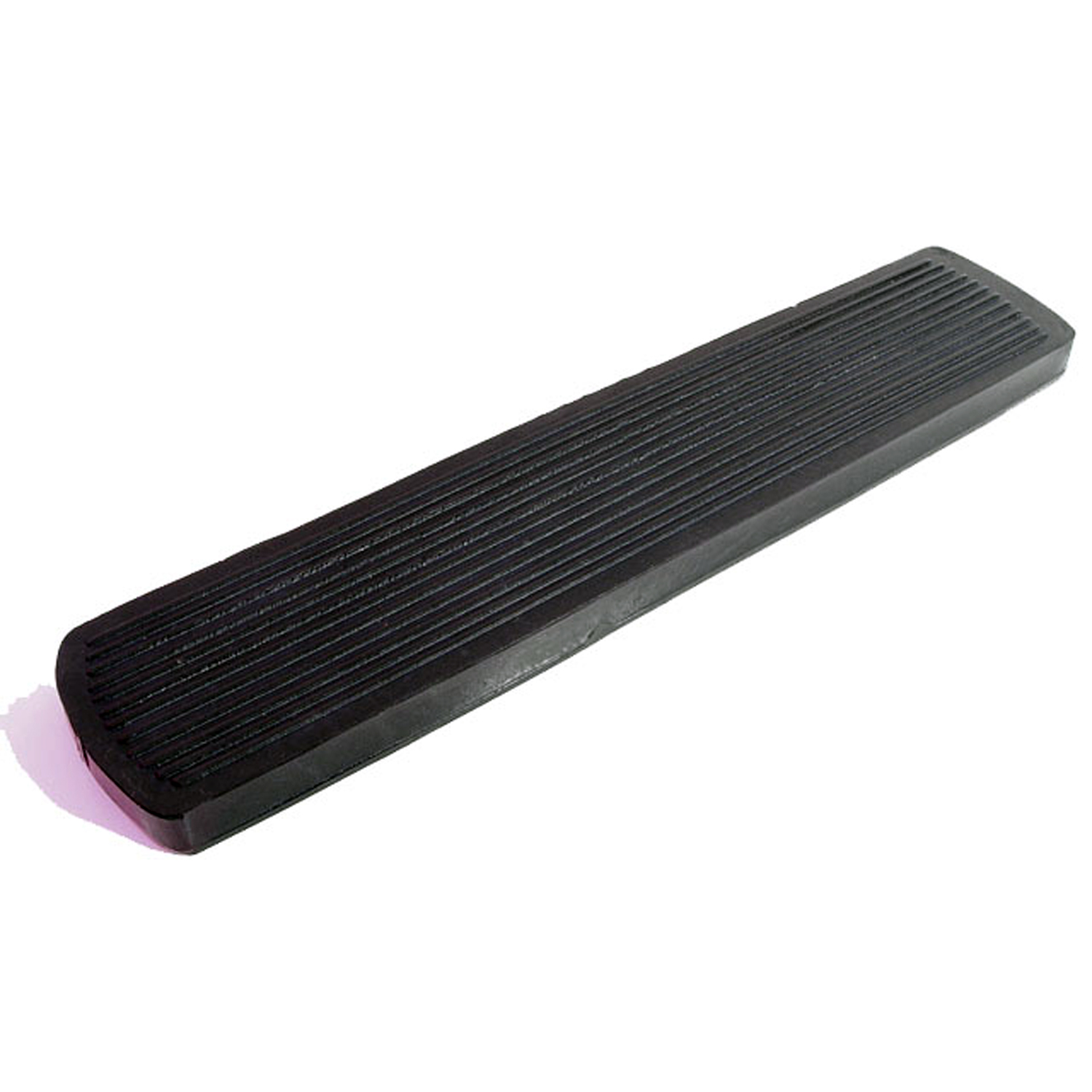 1937 Packard ONE TWENTY Accelerator Pedal Pad. 1-7/8" X 9-3/8", Each-AP 16Accelerator Pedal Pad. 1-7/8" X 9-3/8", Each
 1937 Packard ONE TWENTY Clutch and Brake Pedal Pads. 2-3/4" wide X 3-15/16" long-CB 14Clutch and Brake Pedal Pads. 2-3/4" wide X 3-15/16" long. Pair
 1937 Packard ONE TWENTY Power Brake Pad. 2-3/4" Wide. Each-CB 14-APower Brake Pad. 2-3/4" Wide. Each
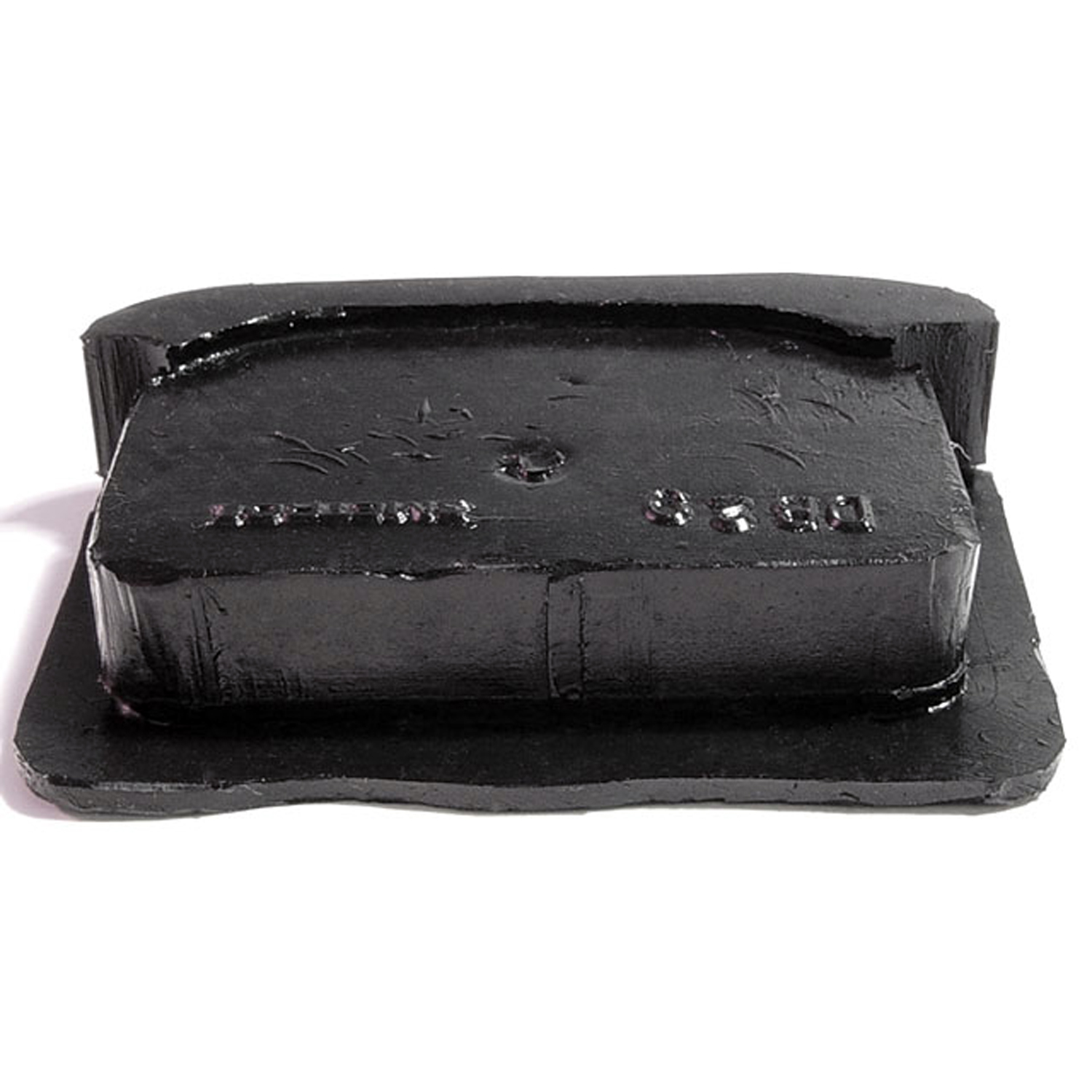 1937 Packard ONE TWENTY Door Bumper. 1-3/8" high X 2" wide X 1/2" thick. Each-DB 29Door Bumper. 1-3/8" high X 2" wide X 1/2" thick. Each
 1937 Packard ONE TWENTY Gas Filler Grommet. 2-1/2" I.D., 4-1/8" O.D. Each-GF 12Gas Filler Grommet. 2-1/2" I.D., 4-1/8" O.D. Each
 1937 Packard ONE TWENTY Hood Corners. 1-3/4" to 2" corner radius-HC 14Hood Corners. 1-3/4" to 2" corner radius. Pad is 3-3/8" long. Pair
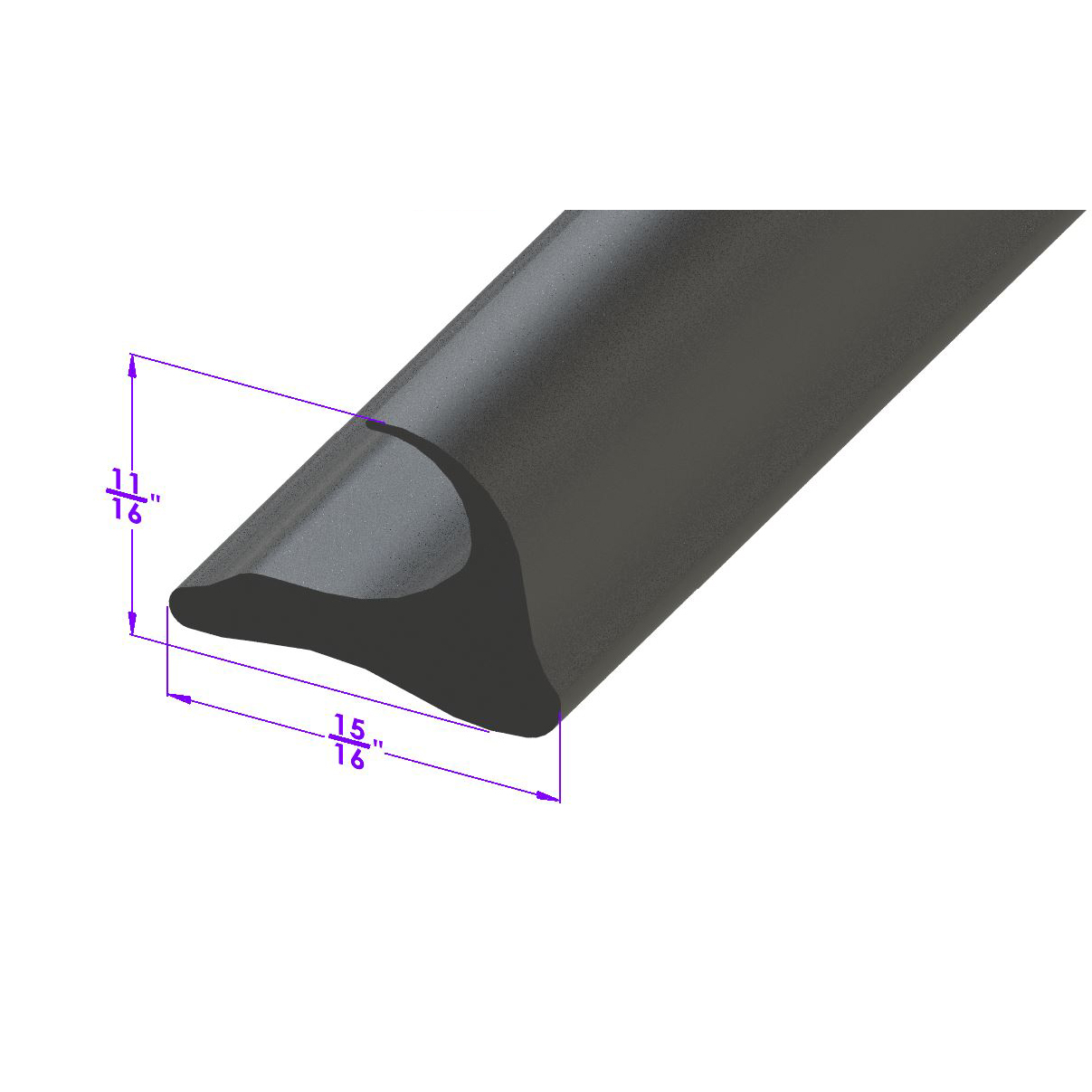 1937 Packard ONE TWENTY Side Roof Rail Seal. Fits in metal retainer-LP 12-ASide Roof Rail Seal. Fits in metal retainer. Sold by the foot
 1937 Packard ONE TWENTY Tail-light Pads. 2-1/2" wide X 6-1/2" long. Pair-MP 832Tail-light Pads. 2-1/2" wide X 6-1/2" long. Pair
 1937 Packard ONE TWENTY Tail-light Pads. 4" long. 1-5/8" wide X 4-1/8" long-MP 832-CTail-light Pads. 4" long. 1-5/8" wide X 4-1/8" long. Pair
 1937 Packard ONE TWENTY Tail-light Pads. 4-1/2" long. 2" wide X 4-1/2" long-MP 833Tail-light Pads. 4-1/2" long. 2" wide X 4-1/2" long. Pair
 1937 Packard ONE TWENTY Park Light Pads. 1-1/2" wide X 5-3/8" long. Pair-MP 834Park Light Pads. 1-1/2" wide X 5-3/8" long. Pair
 1937 Packard ONE TWENTY Door Handle Pads. 1-1/4" wide X 2-1/4" long. Pair-MP 837Door Handle Pads. 1-1/4" wide X 2-1/4" long. Pair
 1937 Packard ONE TWENTY Trunk Hinge Pads. 1-1/2" wide X 7-1/4" long. Cut to size-MP 839Trunk Hinge Pads. 1-1/2" wide X 7-1/4" long. Cut to size. Set
 1937 Packard ONE TWENTY Door Handle Pads-MP 839-BDoor Handle Pads. 1-1/2" wide X 2-1/2" long (inside the bead). Pair
 1937 Packard ONE TWENTY Rumble Seat Step-Plate Pad. 3-1/4" wide X 5-5/8" long-MP 841Rumble Seat Step-Plate Pad. 3-1/4" wide X 5-5/8" long. Each
 1937 Packard ONE TWENTY Rumble Seat Step-Plate Pad. 4-1/8" O.D. Each-MP 841-BRumble Seat Step-Plate Pad. 4-1/8" O.D. Each
 1937 Packard ONE TWENTY Rumble Seat Step-Plate Pad. 4-3/4" wide X 4-1/4" long-MP 842Rumble Seat Step-Plate Pad. 4-3/4" wide X 4-1/4" long. Each
 1937 Packard ONE TWENTY Dash Pads. 1-5/8" wide X 8-5/8" long. Pair R&L-MP 842-BDash Pads. 1-5/8" wide X 8-5/8" long. Pair R&L
 1937 Packard ONE TWENTY Trunk Hinge Pads. 1-3/4" wide X 8-1/8" long. Cut to fit-MP 843Trunk Hinge Pads. 1-3/4" wide X 8-1/8" long. Cut to fit. Set
 1937 Packard ONE TWENTY Park Light Pads. 1-7/8" wide X 4-1/2" long. Pair-MP 844Park Light Pads. 1-7/8" wide X 4-1/2" long. Pair
 1937 Packard ONE TWENTY Door Handle Pads. 1-5/8" wide X 2-7/8" long. Pair-MP 844-ADoor Handle Pads. 1-5/8" wide X 2-7/8" long. Pair
 1937 Packard ONE TWENTY Rumble Seat Step-Plate Pad. 2" wide X 4-3/8" long. Each-MP 849-BRumble Seat Step-Plate Pad. 2" wide X 4-3/8" long. Each
 1937 Packard ONE TWENTY Headlight Pads. Thick mounting pads-MP 853Headlight Pads. Thick mounting pads. 3-3/8" wide X 6-1/2" long. Pair R&L
 1937 Packard ONE TWENTY Tail-light Pads. 2-1/4" wide X 4-5/8" long. Pair -MP 873Tail-light Pads. 2-1/4" wide X 4-5/8" long. Pair
 1937 Packard ONE TWENTY Tail-light Pads. 2-1/8" wide X 4-3/4" long. Pair-MP 874Tail-light Pads. 2-1/8" wide X 4-3/4" long. Pair
 1937 Packard ONE TWENTY Windshield Wiper Transmission Pad -MP 875Windshield Wiper Transmission Pad. 2-1/8" wide X 4-3/4" long. Each
 1937 Packard ONE TWENTY Headlight Pads. 5-1/4" wide X 9" long. Pair R&L-MP 880Headlight Pads. 5-1/4" wide X 9" long. Pair R&L
 1937 Packard ONE TWENTY Headlight Pads. 3-7/8" wide X 11-1/4" long. Pair-MP 890Headlight Pads. 3-7/8" wide X 11-1/4" long. Pair
 1937 Packard ONE TWENTY License Stand Pad. 2-5/8" wide X 3-1/2" long. Each-MP 892License Stand Pad. 2-5/8" wide X 3-1/2" long. Each
 1937 Packard ONE TWENTY Tail-light Pads. 4-1/8" long. 2-3/8" wide X 4-1/4" long-MP 893Tail-light Pads. 4-1/8" long. 2-3/8" wide X 4-1/4" long. Pair
 1937 Packard ONE TWENTY Tail-light Pads. 2-1/2" wide X 5-1/2" long. Pair-MP 904Tail-light Pads. 2-1/2" wide X 5-1/2" long. Pair
 1937 Packard ONE TWENTY Dash Pads. 1-1/8" wide X 11-1/2" long. Pair R&L-MP 907Dash Pads. 1-1/8" wide X 11-1/2" long. Pair R&L
 1937 Packard ONE TWENTY Trunk Hinge Pads. 1-1/2" wide X 11-1/8" long. Set-MP 931Trunk Hinge Pads. 1-1/2" wide X 11-1/8" long. Set
 1937 Packard ONE TWENTY Running Board Covers (large type)-RB 7551Running Board Covers (large type). Carefully molded with hollow rib back to accommodate raised steel ribs on your metal board. Pair R&L
 1937 Packard ONE TWENTY Hood Cowl Strip. All rubber, no metal. Pair-RP 71Hood Cowl Strip. All rubber, no metal. Pair
 1937 Packard ONE TWENTY Torque Arm Ball Rubbers. Pair-RP 73Torque Arm Ball Rubbers. Pair
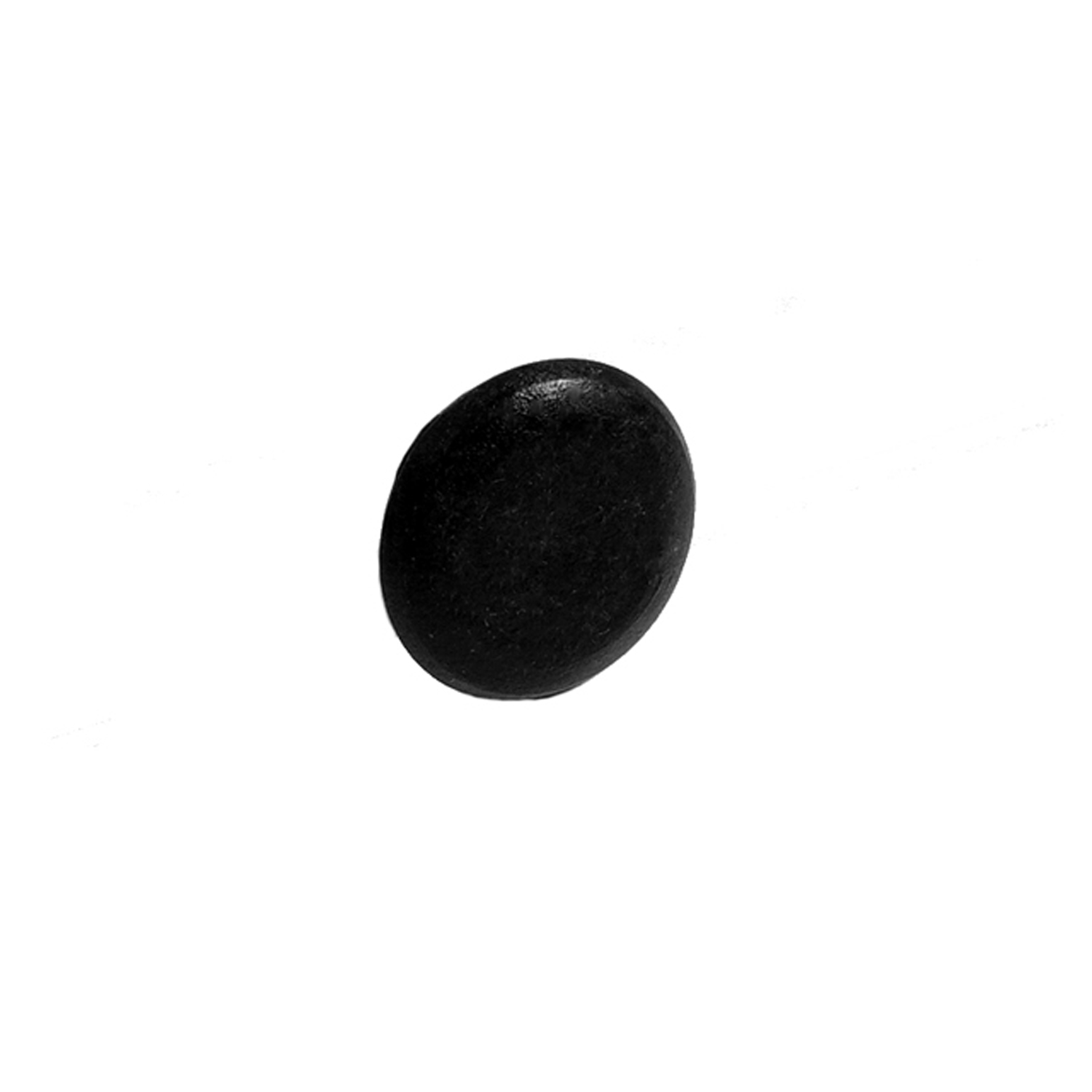 1937 Packard ONE TWENTY Trunk Bumper. 3/4" O.D., 5/8" I.D. Each-SB 74Trunk Bumper. 3/4" O.D., 5/8" I.D. Each
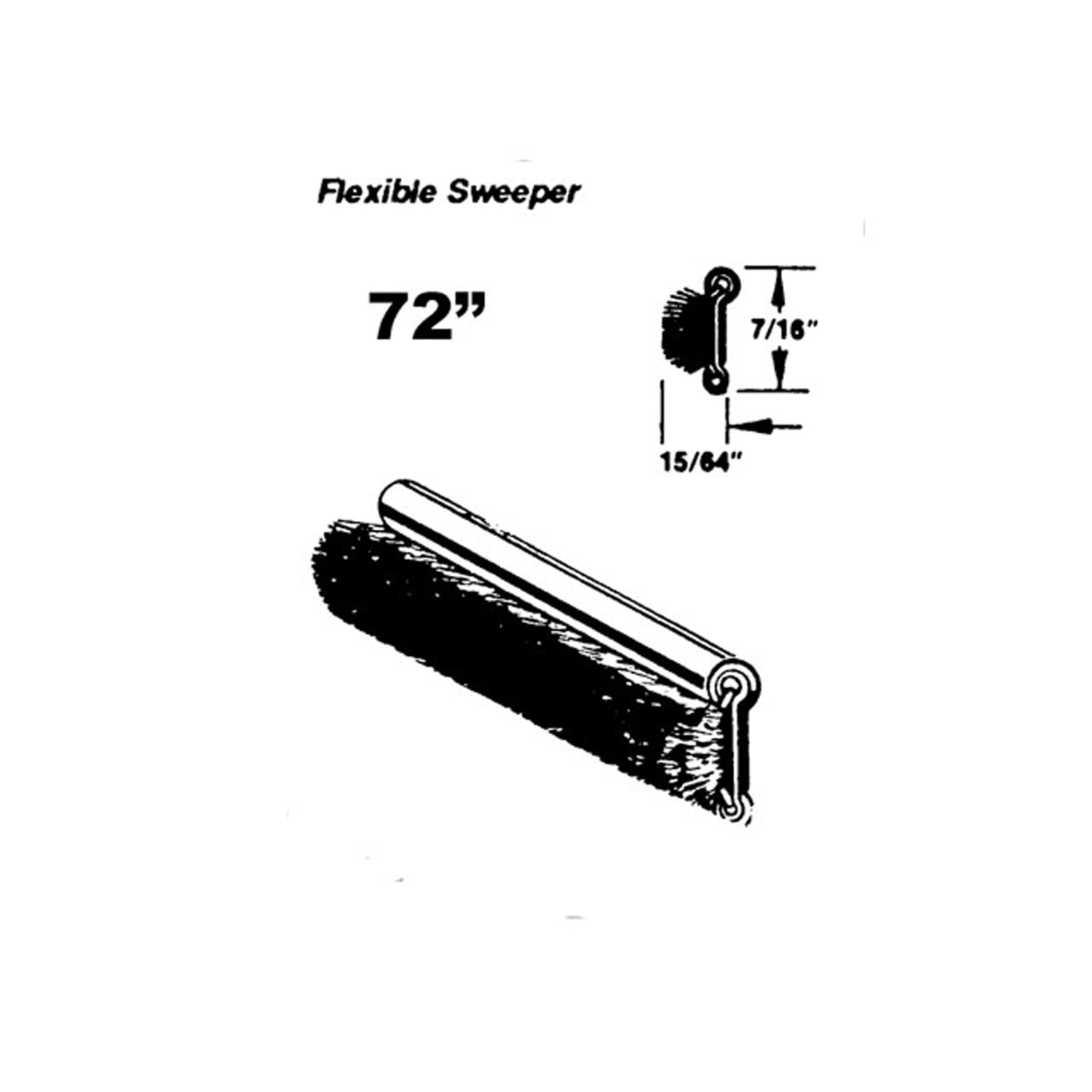 1937 Packard ONE TWENTY Flexible sweeper. Made with stainless steel bead-WC 8-72Flexible sweeper. Made with stainless steel bead. Used on inner and outer beltlines. Also forms easily for use with sliding quarter windows. 72 in. long. Each. NOTE: $20 special shipping charge applies for domestic orders. Call or email for overseas shipping costs. Part can be sectioned into two equal lengths to reduce overseas shipping costs. 1937 Packard ONE TWENTY Front Vent Window Seals, for Convertibles-WR 7500Front Vent Window Seals, for Convertibles. Made in 3-pieces, like original part. Replaces OEM #311387, 312948. Pair R&L
 1937 Packard ONE TWENTY Front Vent Window Seals. Does not fit Convertible-WR 7501Front Vent Window Seals. Does not fit Convertible. Pair R&L
 1937 Packard ONE TWENTY Front Suspension Bumper. 2" high. Each-XB 18Front Suspension Bumper. 2" high. Each
Why Choose Metro?
For over 100 years, Metro Moulded Parts has been the pinnacle of quality in classic car restoration parts. Our commitment to precision and authenticity in every component ensures a perfect fit and an OEM-level appearance.
- Expert Craftsmanship & Quality: Each part is a testament to our dedication to reliability and perfection, crafted from original designs and thoroughly tested.
- Advanced Technology: We use cutting-edge techniques to create flawless, long-lasting parts that surpass others in performance.
- SuperSoft Sponge – The Ultimate Door Seal: Not only are our door seals 30% softer than competitors', but they're also guaranteed to never leak. They effectively reduce wind and road noise, enhancing your classic car's comfort and driving experience.
- Proudly American: Our parts are a product of American craftsmanship, made in the USA with a spirit of excellence and heritage.
- Unrivaled Warranty: We back our products with a 30-year industry-leading warranty, a testament to our confidence in their quality.
Join us in preserving the legacy of classic cars with parts that are crafted for perfection, not just made.