

Image of 1937 Packard Six, Note: These illustrations use artistic license and may differ from actual historical models.
Performance Metrics
Fundamental Metrics
Emotional Appeal
MMP Rating
| Engine Specifications | |
|---|---|
| Engine Options: | Inline 6 |
| Displacement Range: | 237 cubic inches |
| Horsepower Range: | Estimated 100-120 HP |
| Torque: | Information not available |
| Compression Ratio: | 6.5:1 |
| Ignition System: | Distributor and coil |
| Cooling System: | Water-cooled |
| Performance Specifications | |
| 0-60 Time: | Information not available |
| 1/4 Mile Time: | Information not available |
| Top Speed: | 80 mph |
| Transmission and Drive | |
| Drive Type: | Rear-wheel drive |
| Transmission Type: | 3-speed manual |
| Fuel and Efficiency | |
| Fuel System Type: | Carburetor |
| MPG: | Information not available |
| Dimensions and Brakes | |
| Brakes: | Drum brakes |
| Wheelbase: | 115 inches |
| Weight: | 3,400 lbs |
Note: Specifications for classic cars are given to the best of our ability, considering the limited and variant data available.
1937 Packard Six: A Classic Packard Within Reach
The 1937 Packard Six brought the prestige of one of America’s best-known luxury marques to a broader audience, without giving up the presence and polish that made a Packard feel special. Known as the Model 115-C, it paired a 115-inch wheelbase with a smooth 237.8-cubic-inch inline-six. Packard built it in Detroit, Michigan, as an entry point to the marque, positioned below the company’s more powerful and expensive eight-cylinder models.
The timing mattered. During the Depression, automakers needed to reach buyers with tighter budgets, while established luxury manufacturers had to protect their reputations. Packard had already introduced the successful One-Twenty in 1935. The Six followed in 1937, giving the company another less expensive model and reviving the Packard six-cylinder name after an absence of nearly a decade. Its central promise was simple: a buyer could choose a smaller engine and still drive a car with unmistakable Packard style.
One useful detail for enthusiasts is that “115” refers to the car’s wheelbase in inches, not its engine size. The designation captures the Six’s place in the lineup: a full-size, substantial-looking Packard, but a more compact and affordable one than the senior models.
Packard Styling and Cabin Details
The 1937 Six has the upright, confident look associated with prewar Packards. Its tall grille forms the face of the car, framed by a long hood and front fenders that sweep back toward the passenger compartment. The headlights are integrated into the fenders rather than standing apart as separate lamps, giving the front end a cleaner, more modern appearance than earlier cars with exposed headlamps. Brightwork is present but purposeful, outlining the grille, windows, and body contours without overwhelming the design.
From the side, the long hood and gently rounded fenders create a formal profile. The rear fenders have a sculpted, almost standalone shape, while the roofline varies with the body style. Packard’s proportions make even the smaller Six look stately. It is not a tiny economy car in dress-up clothing; it is a proper prewar automobile with a slightly more modest mechanical package.
Inside, owners found a wide bench seat, a large steering wheel, clear instruments, and a dashboard designed for practical use. Upholstery depended on body style, trim level, and the buyer’s choices, with durable cloth and broadcloth commonly used and richer materials available on some configurations. The cabin’s character is more restrained than extravagant: comfortable, carefully finished, and built around long-distance travel rather than sporting theatrics. Original interiors vary considerably today, as many cars have been retrimmed over the decades.
Packard offered a range of period paint colors, including dark, formal shades as well as lighter choices, with some combinations and two-tone treatments available depending on body style and specification. Deep blue, maroon, dark green, and black suit the car particularly well and are popular choices among restorers. Exact factory color availability should be checked against the car’s build information and the relevant year’s paint records.
1937 Packard Six Body Styles
The 115-C was offered in several body styles, including sedans and coupe variations. The range could include practical four-door sedans, more formal touring sedans, business-oriented coupes, and club coupe or convertible coupe forms, depending on the specific catalog and market. Availability and terminology can differ across references, so a car’s body tag and period literature are valuable when confirming its original configuration.
The four-door sedan is among the most familiar and practical versions, with a roomy cabin and classic Packard silhouette. Coupes offer a more personal, streamlined look, while a convertible coupe adds open-air appeal and is generally more desirable to collectors. As with most prewar cars, rarity, condition, originality, and documented history matter more than body style alone.
Engineering for the Road
Power came from a side-valve, or L-head, inline-six displacing 237.8 cubic inches. Factory ratings are commonly given at about 100 horsepower. A three-speed manual transmission sent power to the rear wheels, and the car used hydraulic brakes. For its price class and period, the Six offered a conventional but well-developed mechanical package rather than experimental technology.
Packard’s independent front suspension helped distinguish its newer cars from many rivals still using a solid front axle. Combined with the car’s substantial chassis and rear leaf springs, it was intended to improve ride comfort and control. The result was a design suited to American roads, which could change from smooth pavement to rutted or uneven surfaces within a short distance.
Inside the cabin, the Six’s visual technology was straightforward: a readable instrument panel, familiar controls, and a conventional manual gearshift. It did not offer the driver aids or convenience features expected in a modern car, but it delivered the essentials in a well-engineered package. Buyers could also choose period accessories and equipment, with availability varying by model and dealer.
Historical Importance: Packard’s More Accessible Six
The 1937 Packard Six reflects a major change in the American luxury market. High-end makers could no longer rely solely on large, expensive cars. Packard needed models that could attract more buyers while maintaining the brand’s standing. The Six helped extend that strategy, offering Packard name recognition, traditional styling, and a full-size driving experience at a lower price than the company’s senior cars.
It was not the model that introduced Packard to a mass audience by itself. The One-Twenty had already helped the company reach new customers. Instead, the Six broadened the ladder, giving buyers another step into Packard ownership. Its significance lies in that balancing act: a less costly car that still looked and felt recognizably like a Packard.
Compared with many contemporary lower-priced cars, the Six stood out for its formal styling, solid road presence, and the prestige attached to its badge. It was not as powerful or lavish as a Packard Twelve, nor was it intended to be. Its lasting influence is more about the broader industry shift toward tiered model ranges, where a respected luxury name could serve buyers at several price points.
Performance and Driving Character
Today, the 1937 Packard Six is best understood as a relaxed touring car, not a quick sports sedan. Period gearing, vehicle weight, engine condition, and tire choice all affect performance. A healthy example may reach roughly 75 to 85 mph under suitable conditions, while acceleration from 0 to 60 mph is often estimated in the neighborhood of 20 to 25 seconds. These are approximate figures, not guaranteed factory test results, and an old car should never be pushed to its limits simply to verify them.
The six-cylinder engine delivers its power in a steady, unhurried way. Rather than a sharp burst of acceleration, the driver gets a mellow pull that suits open roads and measured gear changes. The engine’s subdued mechanical rhythm, mixed with the sounds of the tires and wind, is part of the prewar experience. A well-tuned car should feel composed, but it will not be quiet or effortless by modern standards.
On rough roads, the suspension gives the car a softer, more forgiving character than many contemporary designs with a rigid front axle. On winding roads, its size and age are more apparent. Steering requires attention, braking distances are longer than those of a modern car, and body lean is part of the experience. The best approach is to drive smoothly, anticipate stops, and leave plenty of room.
Owning and Maintaining a 1937 Packard
Most surviving Packard Sixes are used for touring, local shows, club events, and occasional weekend drives. Some are carefully restored display cars, while others are kept as usable drivers. The sedan makes the most sense for regular touring, while a coupe or convertible coupe often draws more attention at shows.
The mechanical layout is familiar to vintage-car specialists, and many service tasks are manageable for an experienced home mechanic with suitable tools and a workshop manual. However, age changes the equation. Brake hydraulics, fuel lines, cooling systems, wiring, tires, and steering components all deserve careful inspection before road use. Parts support exists through specialist suppliers and Packard clubs, but certain body, trim, and restoration parts can be costly or difficult to source.
Reliability depends heavily on the quality of prior maintenance and restoration. A correctly rebuilt engine can provide dependable touring service, but a car that has sat unused may need far more than a battery and fresh fuel. Buyers should inspect the frame and body for corrosion, check for oil or coolant leaks, test the brakes, and confirm that the engine does not overheat. A pre-purchase inspection by someone familiar with Packards is money well spent.
Packard Six Facts and Common Criticisms
The 115-C model code is a handy piece of Packard trivia: it points to the 115-inch wheelbase. The car’s six-cylinder engine was also a deliberate distinction from the larger eights and twelves higher in the Packard range. That made the Six a more economical way to enter the marque, though it also meant owners gave up some power and prestige compared with Packard’s senior models.
There is no widely recognized speed or endurance record associated specifically with the 1937 Packard Six. Its importance is not rooted in racing fame; it is a product of Packard’s effort to adapt to a changing market. Production is commonly estimated at roughly 50,000 cars for the Six line, though published totals can vary according to how model and body-style figures are grouped.
Common criticisms are predictable for a prewar car. The Six is slow by modern standards, its brakes require more planning, and its controls demand more driver involvement. Some enthusiasts also see it as less prestigious than the larger Packards. Those are fair comparisons, but they miss the point: the 115-C was built to provide a genuine Packard experience in a more attainable package.
1937 Packard Six Collector Values
Values depend sharply on body style, condition, originality, and the quality of any restoration. As a broad U.S. market estimate in 2026, a project car might sell for about $8,000 to $18,000. A solid, usable driver could fall around $20,000 to $40,000, while a well-restored example may bring roughly $40,000 to $70,000 or more. A rare or especially attractive body style in exceptional condition can exceed that range, while a car needing extensive work can be worth considerably less.
The Six is uncommon enough to interest prewar Packard fans, but it is not as scarce or as valuable as many senior Packard models. Roughly 50,000 produced is a useful estimate for the model line, not a count of surviving cars. The actual number available for sale at any one time is small, and the best cars tend to be traded through marque networks rather than sitting on the open market for long.
Prices are best described as condition-sensitive and relatively selective. Outstanding restorations and desirable open cars can hold strong interest, while ordinary sedans may face a narrower buyer pool. Broadly, the market has been steadier than that for some high-profile collector cars, with individual examples rising or falling according to restoration quality and buyer demand. For a purchase, inspect the car itself rather than relying on a model-wide price trend.
Why the 1937 Packard Six Still Matters
The 1937 Packard Six combined the company’s confident styling, a comfortable road-going chassis, and a useful six-cylinder engine in a more approachable package than Packard’s top models. It was not the fastest Packard or the most luxurious, but it played an important role in helping the marque meet the realities of the 1930s.
Today, the 115-C offers a compelling way to experience prewar motoring: tall grille, sweeping fenders, a purposeful cabin, and a calm six-cylinder beat beneath the hood. It is a reminder that a classic’s importance is not measured only by horsepower or price. Sometimes, the car that keeps a great name within reach tells the richer story.
1937 Packard Six Catalog of Parts
 1937 Packard SIX Accessory Floor Mat - 12"X17"-AC 32Accessory Floor Mat - made of high quality black rubber with molded original emblem. Also designed to be sewn into new carpets. 12"X17", Each
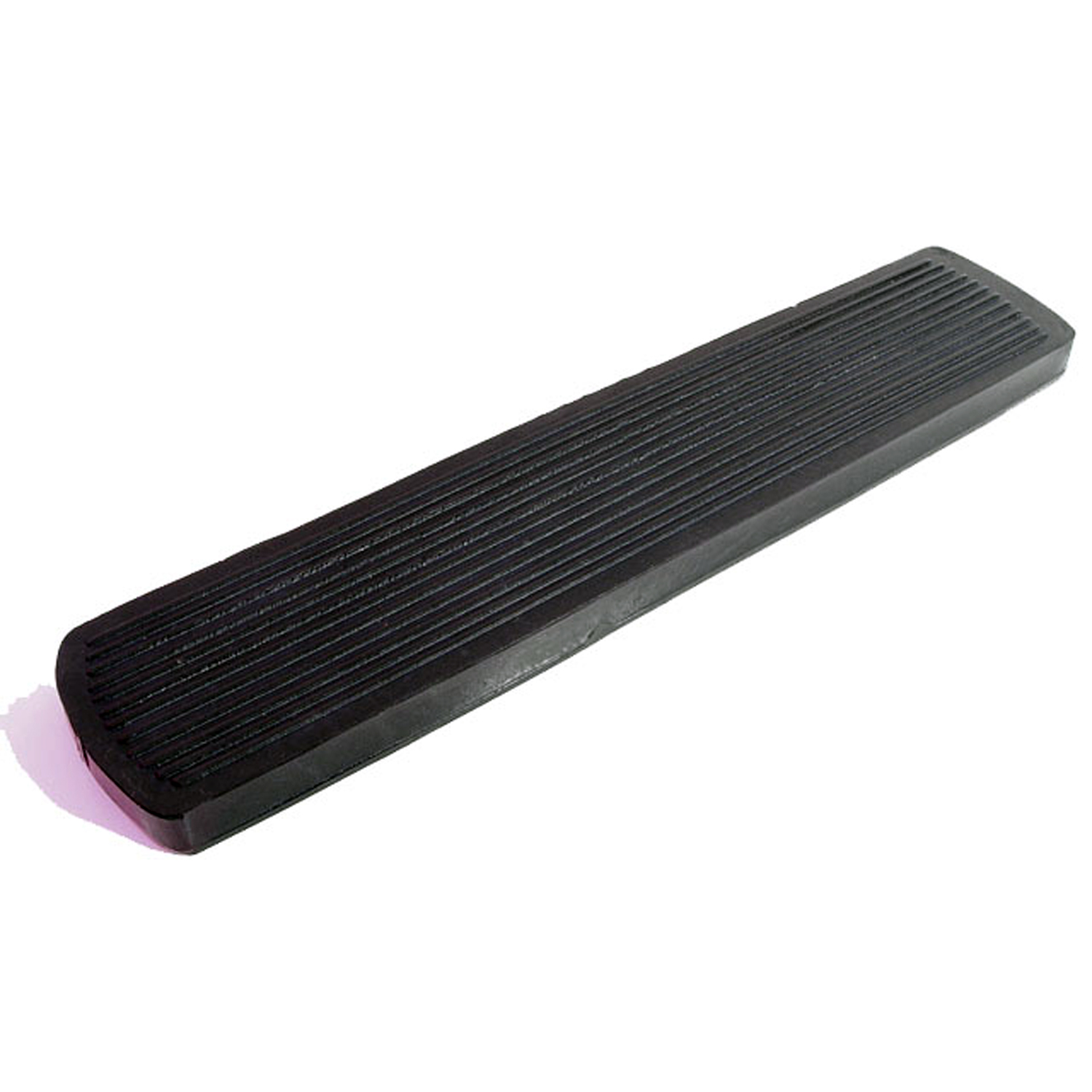 1937 Packard SIX Accelerator Pedal Pad. 1-7/8" X 9-3/8", Each-AP 16Accelerator Pedal Pad. 1-7/8" X 9-3/8", Each
 1937 Packard SIX Clutch and Brake Pedal Pads. 2-3/4" wide X 3-15/16" long-CB 14Clutch and Brake Pedal Pads. 2-3/4" wide X 3-15/16" long. Pair
 1937 Packard SIX Power Brake Pad. 2-3/4" Wide. Each-CB 14-APower Brake Pad. 2-3/4" Wide. Each
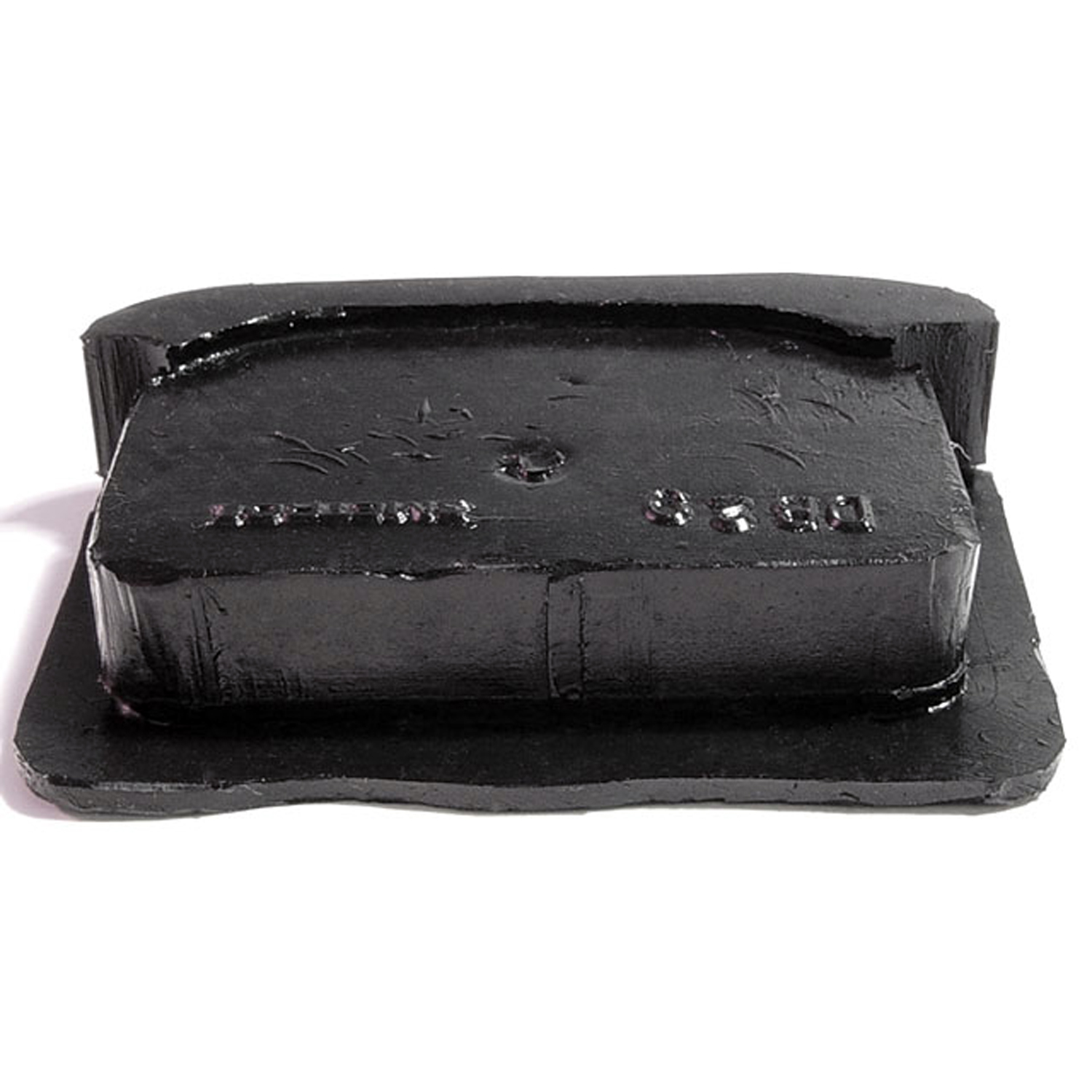 1937 Packard SIX Door Bumper. 1-3/8" high X 2" wide X 1/2" thick. Each-DB 29Door Bumper. 1-3/8" high X 2" wide X 1/2" thick. Each
 1937 Packard SIX Gas Filler Grommet. 2-1/2" I.D., 4-1/8" O.D. Each-GF 12Gas Filler Grommet. 2-1/2" I.D., 4-1/8" O.D. Each
 1937 Packard SIX Hood Corners. 1-3/4" to 2" corner radius-HC 14Hood Corners. 1-3/4" to 2" corner radius. Pad is 3-3/8" long. Pair
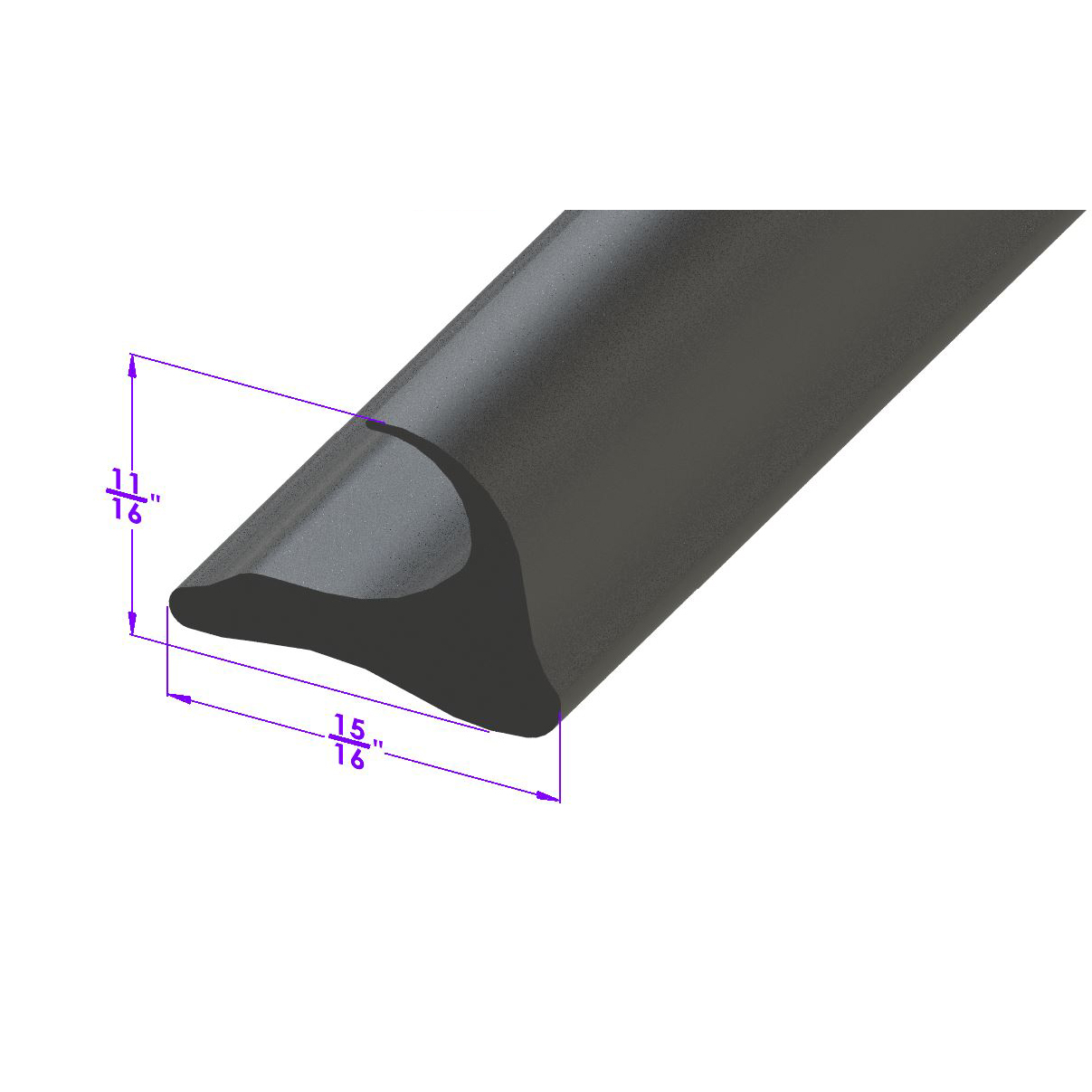 1937 Packard SIX Side Roof Rail Seal. Fits in metal retainer-LP 12-ASide Roof Rail Seal. Fits in metal retainer. Sold by the foot
 1937 Packard SIX Tail-light Pads. 2-1/2" wide X 6-1/2" long. Pair-MP 832Tail-light Pads. 2-1/2" wide X 6-1/2" long. Pair
 1937 Packard SIX Tail-light Pads. 4" long. 1-5/8" wide X 4-1/8" long-MP 832-CTail-light Pads. 4" long. 1-5/8" wide X 4-1/8" long. Pair
 1937 Packard SIX Tail-light Pads. 4-1/2" long. 2" wide X 4-1/2" long-MP 833Tail-light Pads. 4-1/2" long. 2" wide X 4-1/2" long. Pair
 1937 Packard SIX Park Light Pads. 1-1/2" wide X 5-3/8" long. Pair-MP 834Park Light Pads. 1-1/2" wide X 5-3/8" long. Pair
 1937 Packard SIX Door Handle Pads. 1-1/4" wide X 2-1/4" long. Pair-MP 837Door Handle Pads. 1-1/4" wide X 2-1/4" long. Pair
 1937 Packard SIX Trunk Hinge Pads. 1-1/2" wide X 7-1/4" long. Cut to size-MP 839Trunk Hinge Pads. 1-1/2" wide X 7-1/4" long. Cut to size. Set
 1937 Packard SIX Rumble Seat Step-Plate Pad. 3-1/4" wide X 5-5/8" long-MP 841Rumble Seat Step-Plate Pad. 3-1/4" wide X 5-5/8" long. Each
 1937 Packard SIX Rumble Seat Step-Plate Pad. 4-1/8" O.D. Each-MP 841-BRumble Seat Step-Plate Pad. 4-1/8" O.D. Each
 1937 Packard SIX Rumble Seat Step-Plate Pad. 4-3/4" wide X 4-1/4" long-MP 842Rumble Seat Step-Plate Pad. 4-3/4" wide X 4-1/4" long. Each
 1937 Packard SIX Trunk Hinge Pads. 1-3/4" wide X 8-1/8" long. Cut to fit-MP 843Trunk Hinge Pads. 1-3/4" wide X 8-1/8" long. Cut to fit. Set
 1937 Packard SIX Park Light Pads. 1-7/8" wide X 4-1/2" long. Pair-MP 844Park Light Pads. 1-7/8" wide X 4-1/2" long. Pair
 1937 Packard SIX Door Handle Pads. 1-5/8" wide X 2-7/8" long. Pair-MP 844-ADoor Handle Pads. 1-5/8" wide X 2-7/8" long. Pair
 1937 Packard SIX Rumble Seat Step-Plate Pad. 2" wide X 4-3/8" long. Each-MP 849-BRumble Seat Step-Plate Pad. 2" wide X 4-3/8" long. Each
 1937 Packard SIX Headlight Pads. Thick mounting pads-MP 853Headlight Pads. Thick mounting pads. 3-3/8" wide X 6-1/2" long. Pair R&L
 1937 Packard SIX Headlight Pads. 5-1/4" wide X 9" long. Pair R&L-MP 880Headlight Pads. 5-1/4" wide X 9" long. Pair R&L
 1937 Packard SIX Headlight Pads. 3-7/8" wide X 11-1/4" long. Pair-MP 890Headlight Pads. 3-7/8" wide X 11-1/4" long. Pair
 1937 Packard SIX License Stand Pad. 2-5/8" wide X 3-1/2" long. Each-MP 892License Stand Pad. 2-5/8" wide X 3-1/2" long. Each
 1937 Packard SIX Tail-light Pads. 4-1/8" long. 2-3/8" wide X 4-1/4" long-MP 893Tail-light Pads. 4-1/8" long. 2-3/8" wide X 4-1/4" long. Pair
 1937 Packard SIX Tail-light Pads. 2-1/2" wide X 5-1/2" long. Pair-MP 904Tail-light Pads. 2-1/2" wide X 5-1/2" long. Pair
 1937 Packard SIX Trunk Hinge Pads. 1-1/2" wide X 11-1/8" long. Set-MP 931Trunk Hinge Pads. 1-1/2" wide X 11-1/8" long. Set
 1937 Packard SIX Running Board Covers -RB 7550Running Board Covers. Fully molded with proper hollow back to accommodate steel. Pair
 1937 Packard SIX Hood Cowl Strip. All rubber, no metal. Pair-RP 71Hood Cowl Strip. All rubber, no metal. Pair
 1937 Packard SIX Front lower rubber insulating cushion-RP 72-CFront lower rubber insulating cushion. For motor support at timing-gear cover. 2-7/16 in. wide x 3-3/8 in. long. 1-13/16 in. long center hole. Replaces OEM# 300227. Two used per car. Each.
 1937 Packard SIX Torque Arm Ball Rubbers. Pair-RP 73Torque Arm Ball Rubbers. Pair
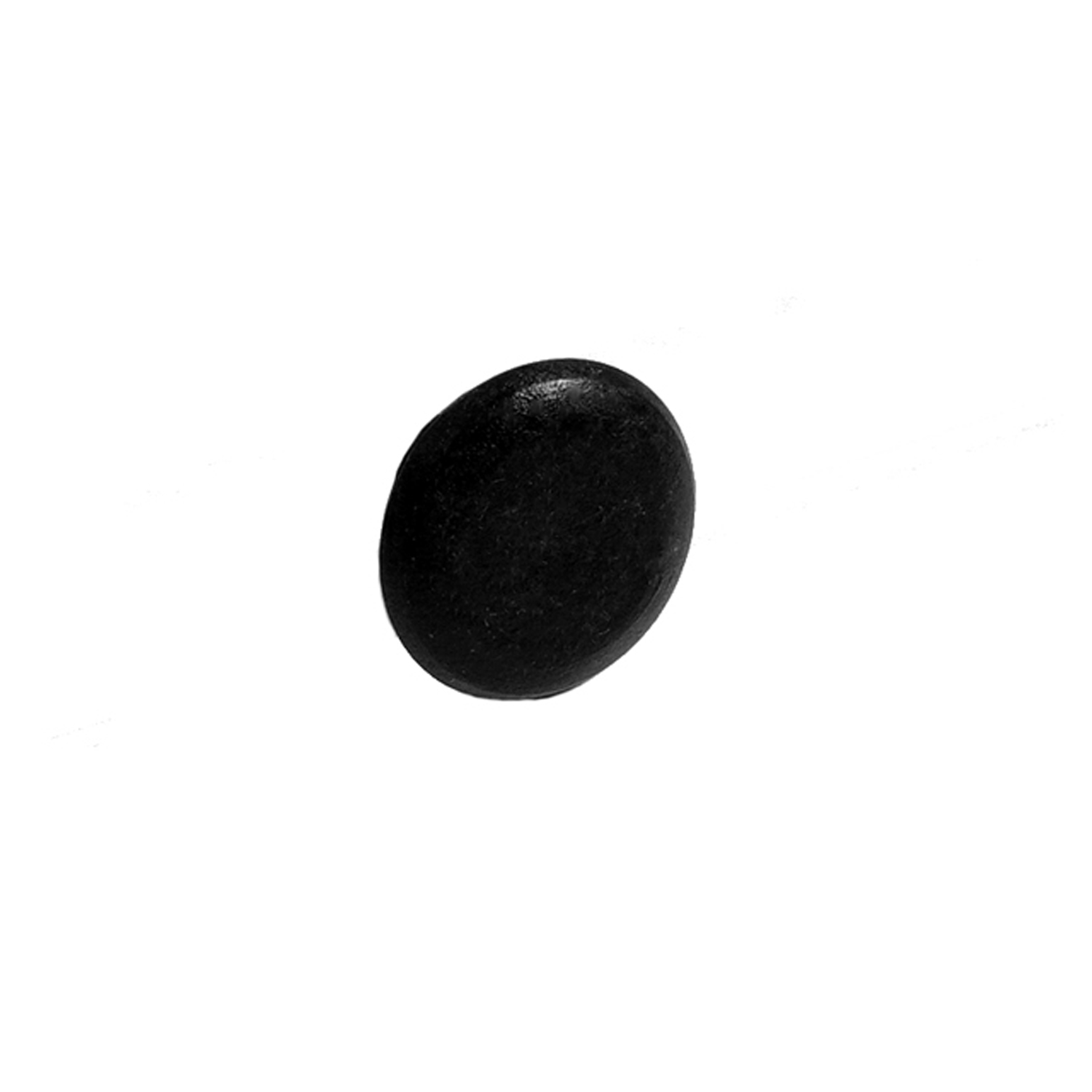 1937 Packard SIX Trunk Bumper. 3/4" O.D., 5/8" I.D. Each-SB 74Trunk Bumper. 3/4" O.D., 5/8" I.D. Each
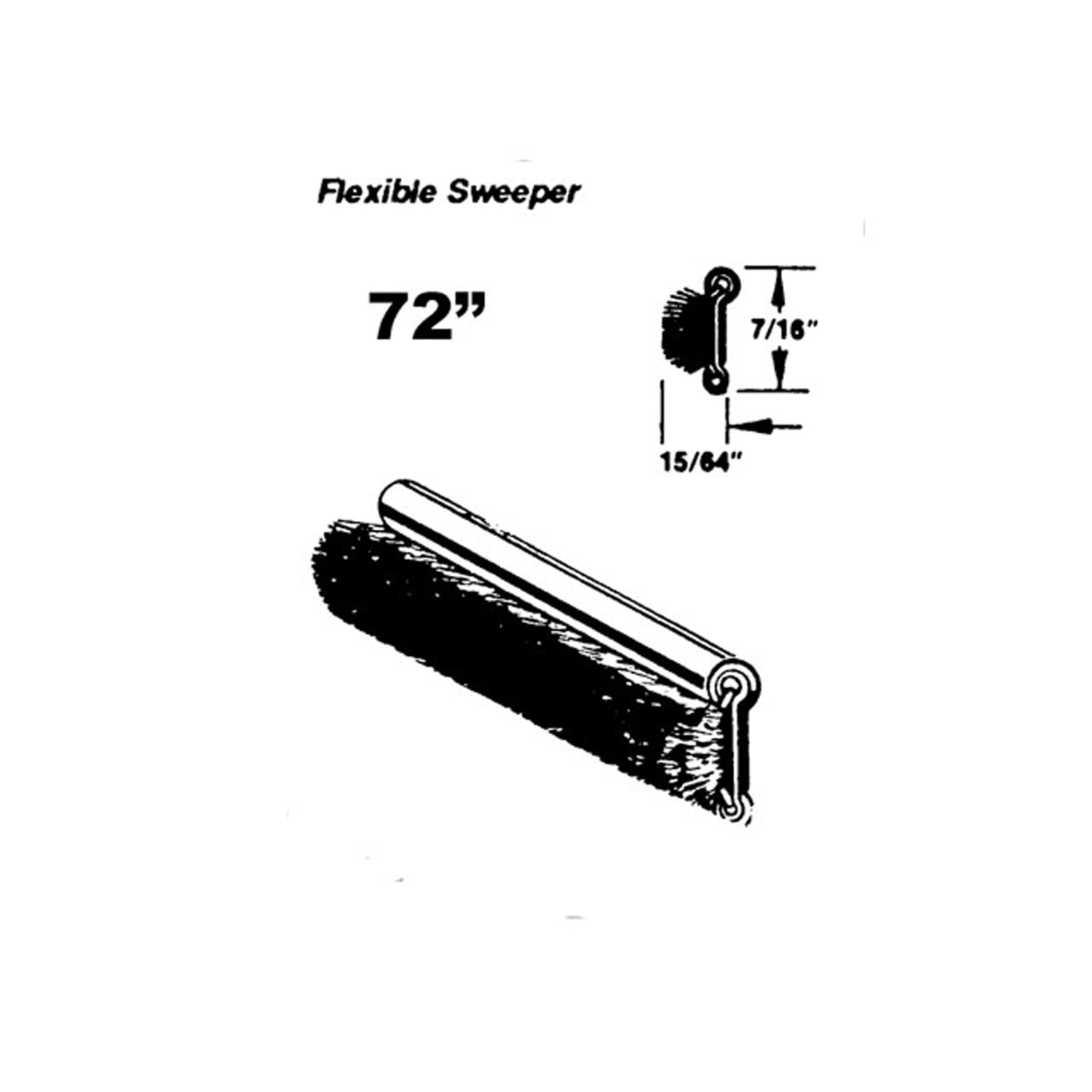 1937 Packard SIX Flexible sweeper. Made with stainless steel bead-WC 8-72Flexible sweeper. Made with stainless steel bead. Used on inner and outer beltlines. Also forms easily for use with sliding quarter windows. 72 in. long. Each. NOTE: $20 special shipping charge applies for domestic orders. Call or email for overseas shipping costs. Part can be sectioned into two equal lengths to reduce overseas shipping costs. 1937 Packard SIX Front Vent Window Seals, for Convertibles-WR 7500Front Vent Window Seals, for Convertibles. Made in 3-pieces, like original part. Replaces OEM #311387, 312948. Pair R&L
 1937 Packard SIX Front Vent Window Seals. Does not fit Convertible-WR 7501Front Vent Window Seals. Does not fit Convertible. Pair R&L
 1937 Packard SIX Front Suspension Bumper. 2" high. Each-XB 18Front Suspension Bumper. 2" high. Each
Why Choose Metro?
For over 100 years, Metro Moulded Parts has been the pinnacle of quality in classic car restoration parts. Our commitment to precision and authenticity in every component ensures a perfect fit and an OEM-level appearance.
- Expert Craftsmanship & Quality: Each part is a testament to our dedication to reliability and perfection, crafted from original designs and thoroughly tested.
- Advanced Technology: We use cutting-edge techniques to create flawless, long-lasting parts that surpass others in performance.
- SuperSoft Sponge – The Ultimate Door Seal: Not only are our door seals 30% softer than competitors', but they're also guaranteed to never leak. They effectively reduce wind and road noise, enhancing your classic car's comfort and driving experience.
- Proudly American: Our parts are a product of American craftsmanship, made in the USA with a spirit of excellence and heritage.
- Unrivaled Warranty: We back our products with a 30-year industry-leading warranty, a testament to our confidence in their quality.
Join us in preserving the legacy of classic cars with parts that are crafted for perfection, not just made.