

Image of 1937 Packard Super Eight, Note: These illustrations use artistic license and may differ from actual historical models.
Performance Metrics
Fundamental Metrics
Emotional Appeal
MMP Rating
| Engine Specifications | |
|---|---|
| Engine: | Straight 8 |
| Displacement: | 320 cu in (5.2 L) |
| Horsepower: | Estimated 135 hp |
| Torque: | Not available |
| Compression Ratio: | Not available |
| Ignition System: | Battery and coil |
| Cooling System: | Water-cooled |
| Performance Specifications | |
| 0-60 Time: | Not available |
| 1/4 Mile Time: | Not available |
| Top Speed: | 100 mph |
| Transmission and Drive | |
| Drive Type: | Rear-wheel drive |
| Transmission Type: | 3-speed manual |
| Fuel and Efficiency | |
| Fuel System Type: | Carburetor |
| MPG: | Not available |
| Dimensions and Brakes | |
| Brakes: | 4-wheel drum brakes |
| Wheelbase: | 134 in (340 cm) |
| Weight: | 4,700 lbs |
Note: Specifications for classic cars are given to the best of our ability, considering the limited and variant data available.
1937 Packard Super Eight: A Classic American Luxury Car
The 1937 Packard Super Eight paired a silky straight-eight engine with the kind of formal, beautifully finished coachwork that made Packard a byword for American luxury. Built by the Packard Motor Car Company in Detroit, it sat between the more affordable Packard 120 and the flagship Packard Twelve, offering serious prestige without the Twelve’s top-tier price and complexity.
Packard’s timing was remarkable. The company had helped redefine its market with the more accessible Packard 120, but the Super Eight preserved the grand proportions and engineering that wealthy buyers expected from the marque. One intriguing detail is that the Super Eight name covered more than one specification: the standard 1500-series models used a 320-cubic-inch engine, while the long-wheelbase Super Eight Custom 1501 used a larger 385-cubic-inch eight. The badge promised the same smooth, stately character, but buyers could choose quite different levels of power and presence.
Long Hood, Upright Grille, and Packard Presence
The Super Eight has the unmistakable silhouette of a prewar luxury car: a long hood, tall upright grille, sweeping front fenders, and a passenger cabin set well back from the nose. Packard’s vertical grille bars and finely detailed trim gave the front end a dignified rather than flashy appearance. Large headlamps, running boards, bright bumpers, and carefully shaped fenders completed a look that felt substantial from every angle.
Inside, the emphasis was on comfort and craftsmanship. Depending on body style and specification, buyers could find broadcloth or leather upholstery, substantial carpeting, a carefully finished instrument panel, and polished brightwork. The seats were wide and generously padded, and the dashboard placed the main instruments within easy view. Packard offered a range of upholstery and trim combinations, with more elaborate finishes available on higher-priced and custom cars.
Paint choices varied by body and order, but buyers could choose restrained single-tone finishes or more eye-catching two-tone combinations. Dark blue, maroon, green, and black suited the Super Eight’s formal character, while lighter or contrasting colors could emphasize its long fenders and sweeping body lines. Original paint schedules differed across models, so a specific car’s factory options are best confirmed through its build documentation.
Body styles included sedans, club sedans, coupes, and open cars, with availability depending on the series and chassis. The four-door touring sedan is among the most recognizable and practical versions today, while convertible models offer greater visual drama and are generally more sought-after by collectors. Custom coachwork and individual orders add further variety, especially among the longer-wheelbase cars.
Engineering Behind the Elegance
The 1937 Super Eight was more than a handsome body on a large chassis. Packard’s independent front suspension, marketed as Safe-T-Flex, used a modern arrangement of control arms and coil springs to improve wheel control and ride comfort over uneven roads. Hydraulic brakes, introduced on Packards for the 1937 model year, gave the driver more consistent stopping power than the mechanical systems common on many earlier cars.
A three-speed manual transmission with synchromesh helped make gear changes smoother, while Packard’s optional Electromatic clutch could reduce the effort required to operate the clutch in certain driving situations. These features reflected Packard’s approach: adopt useful engineering improvements, then integrate them into a car that still felt quiet, solid, and composed.
The Super Eight also helped define what a premium American automobile could be. It combined the scale and finish of traditional luxury cars with engineering that made the car easier to use on real roads. Its independent front suspension and refined straight-eight character were especially important parts of that formula, even as the industry moved toward more accessible and mass-produced designs.
Straight-Eight Power and Road Manners
The standard 1500-series Super Eight used a 320.2-cubic-inch L-head inline-eight, rated at about 130 horsepower. The larger 1501 Super Eight Custom used a 385-cubic-inch engine, rated at roughly 160 horsepower. Exact output and performance could vary with specification, body weight, gearing, and the car’s present condition.
A well-maintained standard Super Eight could reach roughly 90 to 100 mph, with period-style acceleration from 0 to 60 mph estimated in the neighborhood of 18 to 22 seconds for many body styles. Those figures are approximate, not modern test results, and a heavy sedan will feel different from a lighter coupe. The larger-engine Custom could offer stronger performance, but neither version was built to deliver sports-car acceleration.
On the road, the Super Eight’s strength is its easy, unhurried momentum. The engine produces a smooth, subdued growl that rises evenly as speed builds, rather than the sharp note of a high-revving modern car. Its long wheelbase and supple suspension help it absorb broken pavement and expansion joints, while the independent front suspension contributes to a more settled feel over bumps.
On winding roads, the car rewards a measured approach. Its size, weight, and period steering require more planning than a modern sedan, and quick direction changes are not its natural habitat. The Super Eight feels most at home cruising along a broad road, where the driver can enjoy its steady ride, commanding view, and deliberate controls.
Living With a Prewar Packard
Today, most 1937 Super Eights are used for touring, club events, concours displays, and private collections rather than daily transportation. A sound example can cover distance comfortably, but age, mechanical condition, and parts availability make regular modern commuting a demanding assignment. The car’s size also calls for space to park and maneuver.
Maintenance is manageable for an experienced vintage-car owner, but it is not a casual, fit-it-in-on-the-weekend project for everyone. The straight-eight is robust when properly maintained, yet it needs regular attention to its ignition, fuel system, cooling system, lubrication, and valve adjustment. Hydraulic brakes, suspension components, tires, and electrical connections deserve careful inspection on any car that has been stored or driven infrequently.
Routine work is within reach for a capable home mechanic, but restoration of the engine, transmission, brakes, or body can require specialist knowledge. Before purchase, check for rust, previous repairs, worn steering and suspension parts, overheating, and evidence of an incomplete restoration. Parts support exists through marque specialists and enthusiast networks, but some body trim and model-specific components can be difficult or expensive to source.
Packard Super Eight Facts and Myths
The Super Eight’s most appealing trivia is built into its range: the 1937 name could refer to a standard 320-cubic-inch car or a much larger-engined Custom, depending on the series. That distinction matters when researching a vehicle, evaluating its originality, or comparing performance claims.
There is no widely recognized production speed record or endurance record associated specifically with the 1937 Super Eight. Its reputation came instead from refinement, engineering, and the social standing of the Packard name. Packards were used by prominent owners and institutions, but claims about a particular celebrity’s Super Eight should be verified against the car’s documented history rather than accepted from a sales description alone.
Production figures can be difficult to summarize because sources may separate the 1500 and 1501 series, count body styles differently, or group cars by model year. A reasonable working estimate is roughly 4,000 to 5,500 Super Eights across the 1937 series, rather than a single guaranteed total. Open cars, long-wheelbase customs, and unusual coachwork are far less common than standard sedans.
Common criticisms are familiar to anyone considering a prewar luxury car: the Super Eight is large, thirsty by modern standards, slower off the line than contemporary traffic expects, and more demanding to maintain than a postwar classic. Its controls and braking feel also differ from those of a modern car. Those drawbacks are part of the ownership calculation, not defects that can be solved simply by polishing the chrome.
1937 Packard Super Eight Values
Values depend heavily on body style, originality, restoration quality, mechanical condition, and documentation. As a broad U.S. market estimate for 2026, a project or incomplete car might fall around $10,000 to $25,000. A usable driver or sound older restoration may bring approximately $25,000 to $55,000, while a high-quality restored sedan can reach roughly $55,000 to $90,000 or more.
Rare convertibles, long-wheelbase customs, and exceptional coachbuilt examples can exceed $100,000, with the best documented and most desirable cars potentially reaching well into six figures. These are guide ranges, not appraisals: auction results and private sales can vary substantially, and restoration costs often exceed the increase in resale value.
Like many prewar classics, the Super Eight has a more selective market than it once did. Exceptional cars remain desirable, but values are not guaranteed to rise year after year. Well-preserved, correctly specified examples tend to hold attention better than over-restored or poorly documented cars, and provenance can make a meaningful difference at the top end.
Why the 1937 Super Eight Still Matters
The 1937 Packard Super Eight brought together the qualities that made Packard famous: a smooth straight-eight engine, elegant proportions, carefully finished interiors, and thoughtful chassis engineering. Its range offered buyers a choice between a capable standard model and a more imposing long-wheelbase Custom, while features such as independent front suspension and hydraulic brakes helped make the car genuinely advanced for its era.
It is not a classic for hurried commutes or effortless ownership. It is a car to drive with care, maintain with patience, and appreciate for the way its engineering and styling work together. Nearly nine decades on, the Super Eight remains a rolling reminder that Packard knew how to make luxury feel both substantial and gracefully composed.
1937 Packard Super Eight Catalog of Parts
 1937 Packard Super Eight Accessory Floor Mat - 12"X17"-AC 32Accessory Floor Mat - made of high quality black rubber with molded original emblem. Also designed to be sewn into new carpets. 12"X17", Each
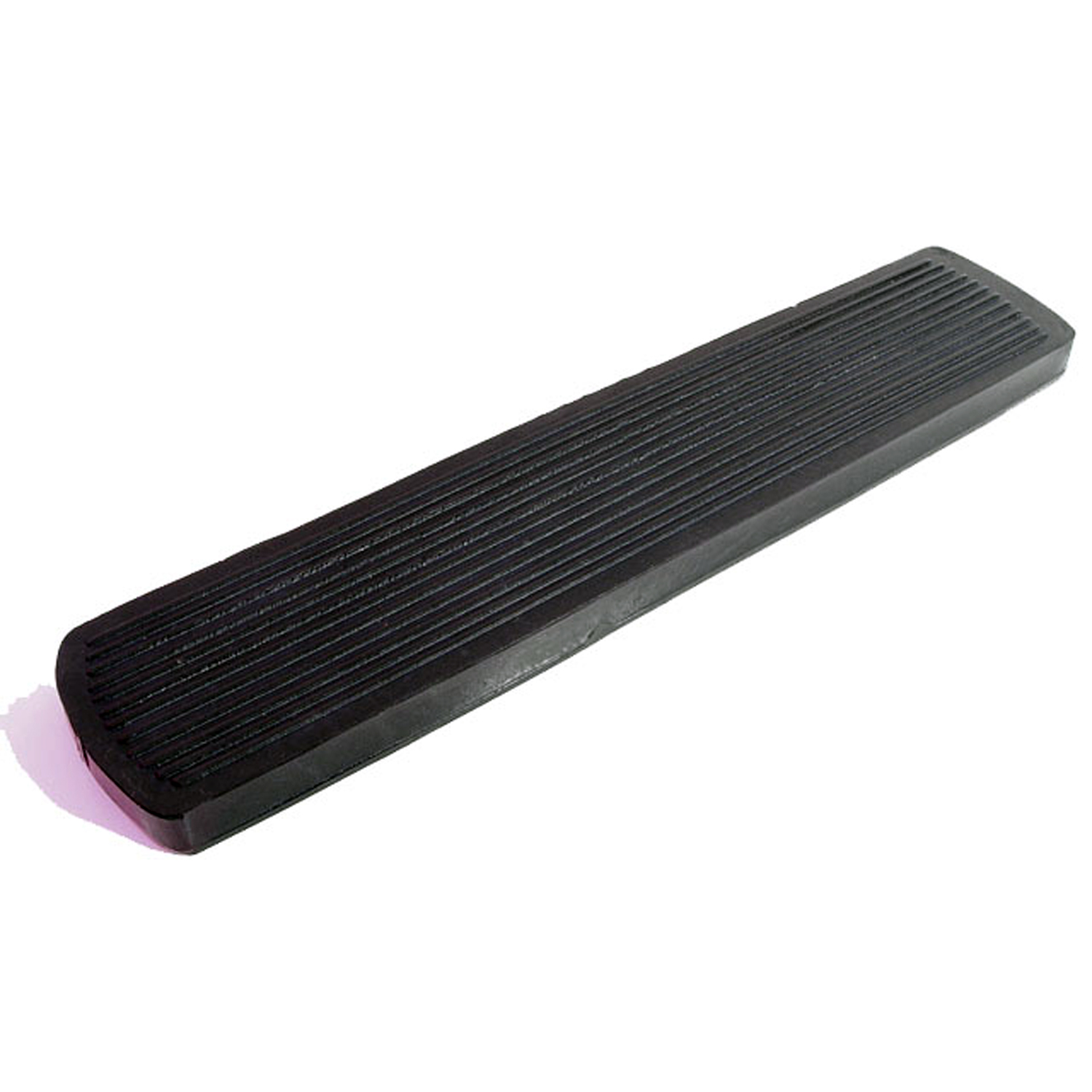 1937 Packard Super Eight Accelerator Pedal Pad. 1-7/8" X 9-3/8", Each-AP 16Accelerator Pedal Pad. 1-7/8" X 9-3/8", Each
 1937 Packard Super Eight Clutch and Brake Pedal Pads. 2-3/4" wide X 3-15/16" long-CB 14Clutch and Brake Pedal Pads. 2-3/4" wide X 3-15/16" long. Pair
 1937 Packard Super Eight Power Brake Pad. 2-3/4" Wide. Each-CB 14-APower Brake Pad. 2-3/4" Wide. Each
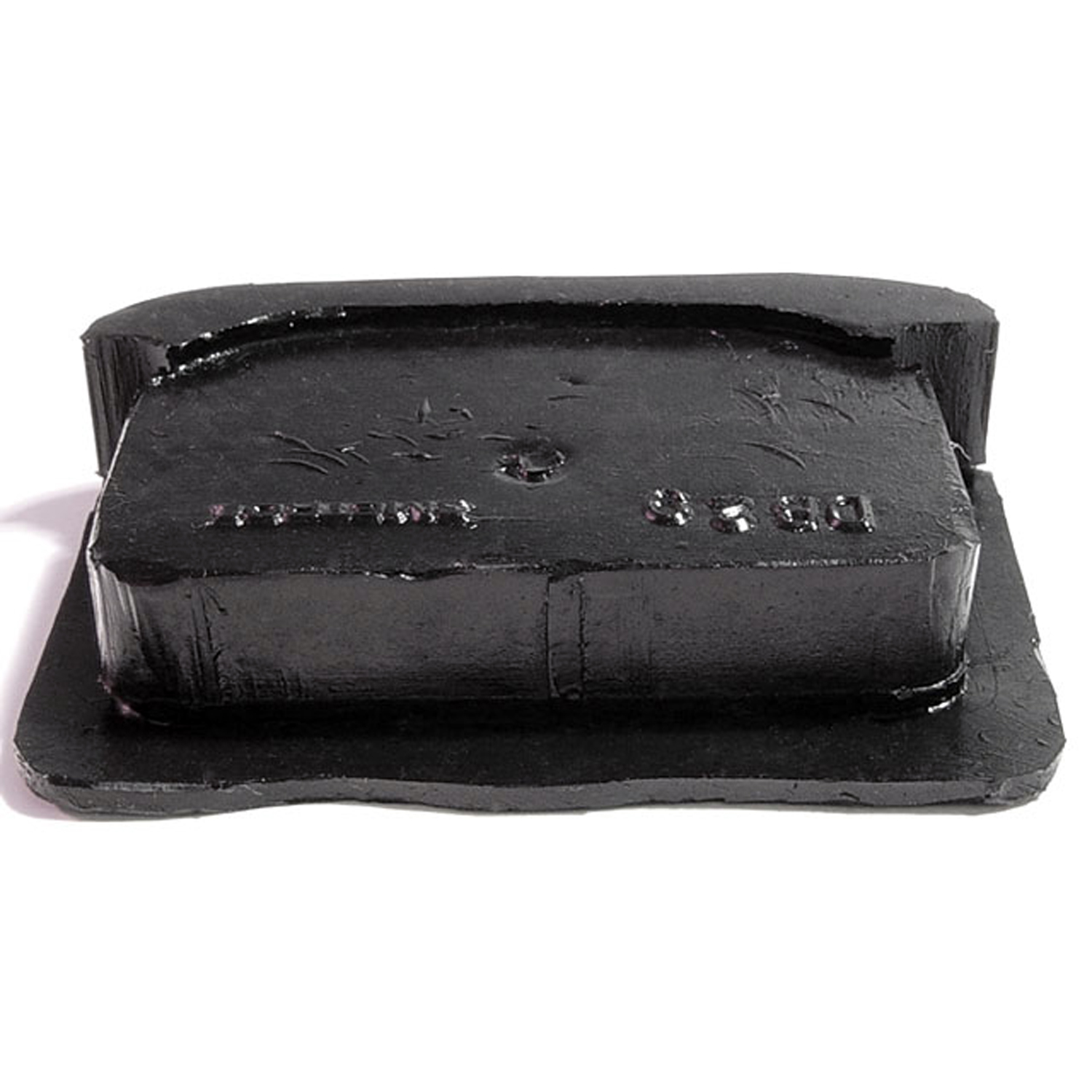 1937 Packard Super Eight Door Bumper. 1-3/8" high X 2" wide X 1/2" thick. Each-DB 29Door Bumper. 1-3/8" high X 2" wide X 1/2" thick. Each
 1937 Packard Super Eight Gas Filler Grommet. 2-1/2" I.D., 4-1/8" O.D. Each-GF 12Gas Filler Grommet. 2-1/2" I.D., 4-1/8" O.D. Each
 1937 Packard Super Eight Hood Corners. 1-3/4" to 2" corner radius-HC 14Hood Corners. 1-3/4" to 2" corner radius. Pad is 3-3/8" long. Pair
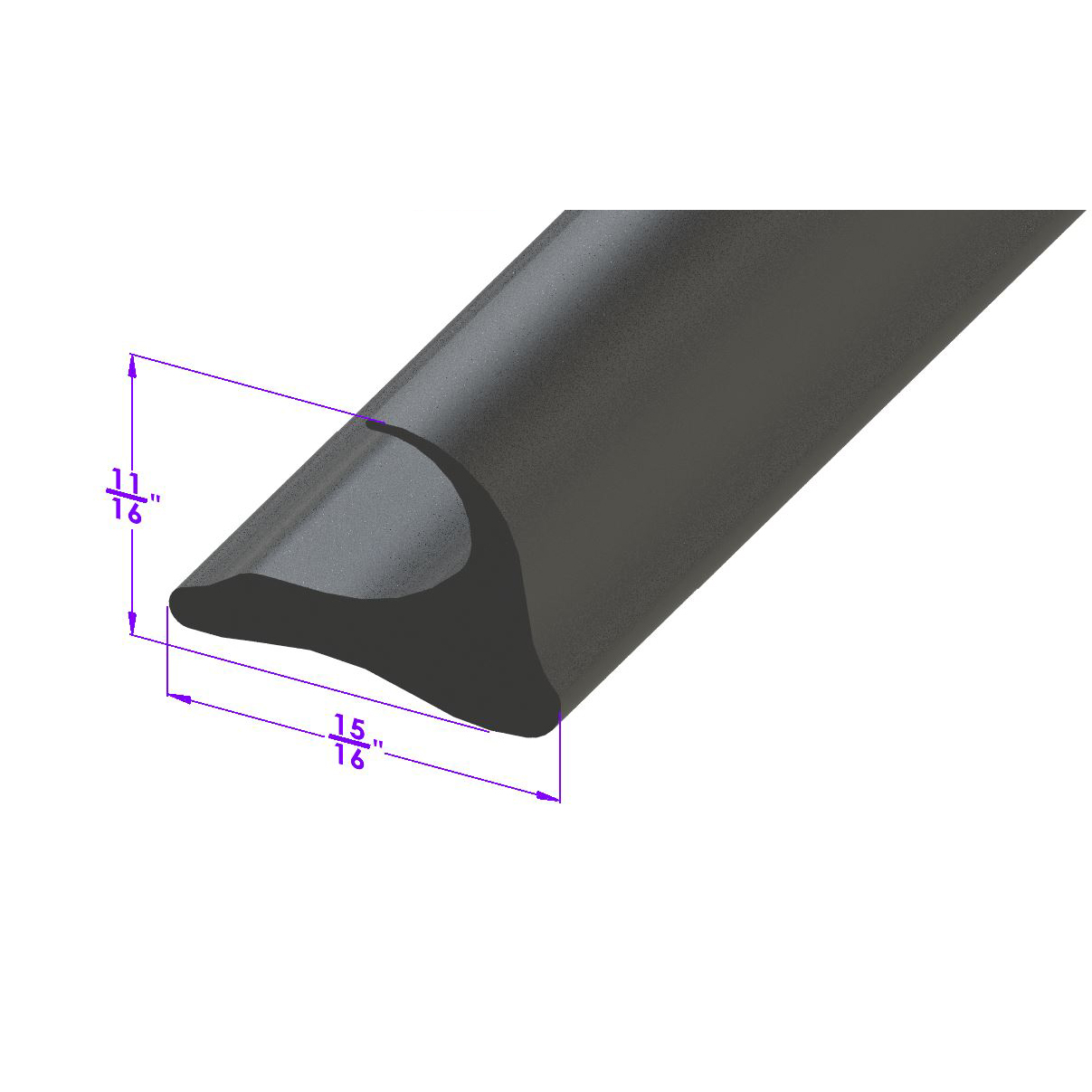 1937 Packard Super Eight Side Roof Rail Seal. Fits in metal retainer-LP 12-ASide Roof Rail Seal. Fits in metal retainer. Sold by the foot
 1937 Packard Super Eight Tail-light Pads. 2-1/2" wide X 6-1/2" long. Pair-MP 832Tail-light Pads. 2-1/2" wide X 6-1/2" long. Pair
 1937 Packard Super Eight Tail-light Pads. 4" long. 1-5/8" wide X 4-1/8" long-MP 832-CTail-light Pads. 4" long. 1-5/8" wide X 4-1/8" long. Pair
 1937 Packard Super Eight Tail-light Pads. 4-1/2" long. 2" wide X 4-1/2" long-MP 833Tail-light Pads. 4-1/2" long. 2" wide X 4-1/2" long. Pair
 1937 Packard Super Eight Park Light Pads. 1-1/2" wide X 5-3/8" long. Pair-MP 834Park Light Pads. 1-1/2" wide X 5-3/8" long. Pair
 1937 Packard Super Eight Door Handle Pads. 1-1/4" wide X 2-1/4" long. Pair-MP 837Door Handle Pads. 1-1/4" wide X 2-1/4" long. Pair
 1937 Packard Super Eight Trunk Hinge Pads. 1-1/2" wide X 7-1/4" long. Cut to size-MP 839Trunk Hinge Pads. 1-1/2" wide X 7-1/4" long. Cut to size. Set
 1937 Packard Super Eight Rumble Seat Step-Plate Pad. 3-1/4" wide X 5-5/8" long-MP 841Rumble Seat Step-Plate Pad. 3-1/4" wide X 5-5/8" long. Each
 1937 Packard Super Eight Rumble Seat Step-Plate Pad. 4-1/8" O.D. Each-MP 841-BRumble Seat Step-Plate Pad. 4-1/8" O.D. Each
 1937 Packard Super Eight Rumble Seat Step-Plate Pad. 4-3/4" wide X 4-1/4" long-MP 842Rumble Seat Step-Plate Pad. 4-3/4" wide X 4-1/4" long. Each
 1937 Packard Super Eight Trunk Hinge Pads. 1-3/4" wide X 8-1/8" long. Cut to fit-MP 843Trunk Hinge Pads. 1-3/4" wide X 8-1/8" long. Cut to fit. Set
 1937 Packard Super Eight Park Light Pads. 1-7/8" wide X 4-1/2" long. Pair-MP 844Park Light Pads. 1-7/8" wide X 4-1/2" long. Pair
 1937 Packard Super Eight Door Handle Pads. 1-5/8" wide X 2-7/8" long. Pair-MP 844-ADoor Handle Pads. 1-5/8" wide X 2-7/8" long. Pair
 1937 Packard Super Eight Rumble Seat Step-Plate Pad. 2" wide X 4-3/8" long. Each-MP 849-BRumble Seat Step-Plate Pad. 2" wide X 4-3/8" long. Each
 1937 Packard Super Eight Headlight Pads. Thick mounting pads-MP 853Headlight Pads. Thick mounting pads. 3-3/8" wide X 6-1/2" long. Pair R&L
 1937 Packard Super Eight Headlight Pads. 5-1/4" wide X 9" long. Pair R&L-MP 880Headlight Pads. 5-1/4" wide X 9" long. Pair R&L
 1937 Packard Super Eight Headlight Pads. 3-7/8" wide X 11-1/4" long. Pair-MP 890Headlight Pads. 3-7/8" wide X 11-1/4" long. Pair
 1937 Packard Super Eight License Stand Pad. 2-5/8" wide X 3-1/2" long. Each-MP 892License Stand Pad. 2-5/8" wide X 3-1/2" long. Each
 1937 Packard Super Eight Tail-light Pads. 4-1/8" long. 2-3/8" wide X 4-1/4" long-MP 893Tail-light Pads. 4-1/8" long. 2-3/8" wide X 4-1/4" long. Pair
 1937 Packard Super Eight Tail-light Pads. 2-1/2" wide X 5-1/2" long. Pair-MP 904Tail-light Pads. 2-1/2" wide X 5-1/2" long. Pair
 1937 Packard Super Eight Trunk Hinge Pads. 1-1/2" wide X 11-1/8" long. Set-MP 931Trunk Hinge Pads. 1-1/2" wide X 11-1/8" long. Set
 1937 Packard Super Eight Hood Cowl Strip. All rubber, no metal. Pair-RP 71Hood Cowl Strip. All rubber, no metal. Pair
 1937 Packard Super Eight Torque Arm Ball Rubbers. Pair-RP 73Torque Arm Ball Rubbers. Pair
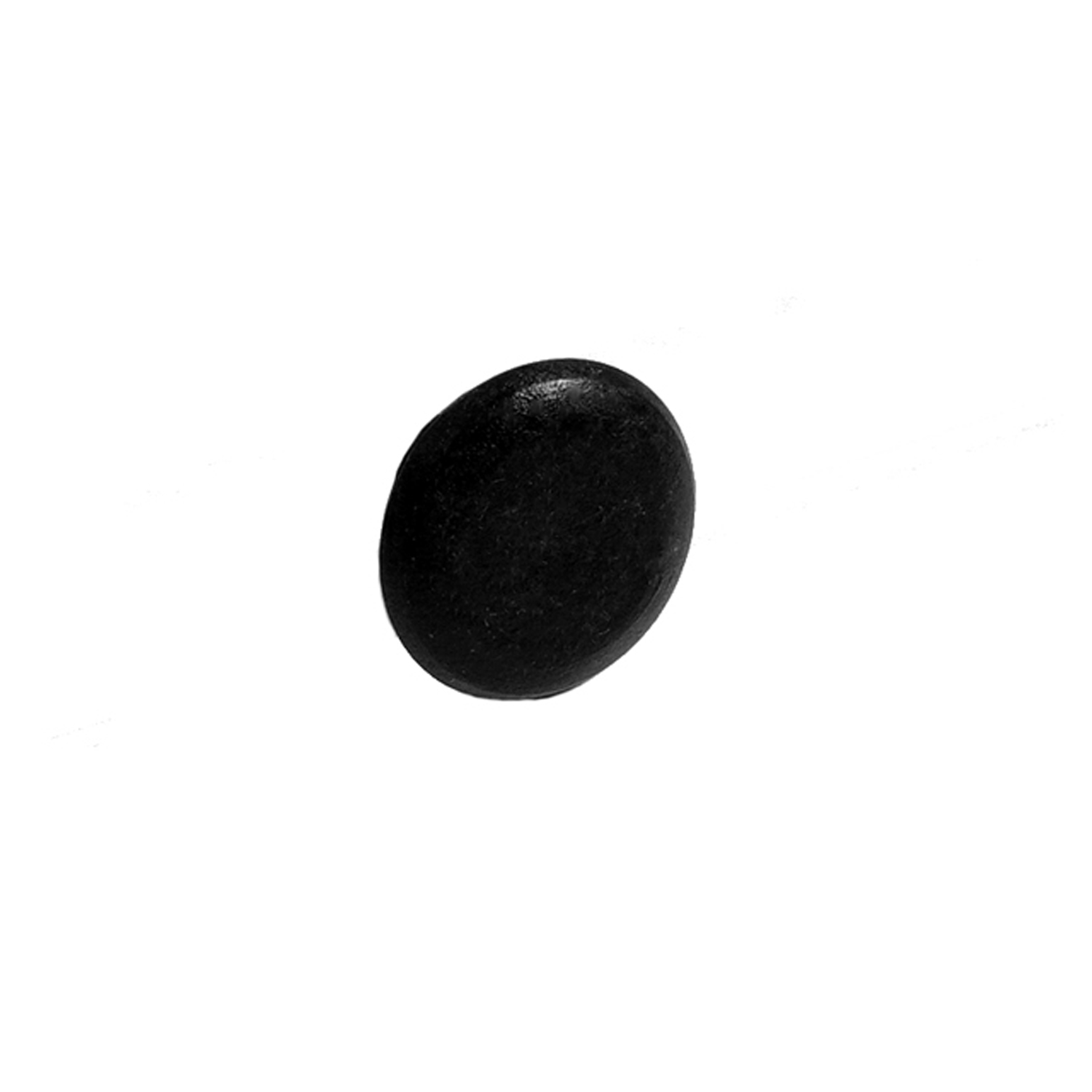 1937 Packard Super Eight Trunk Bumper. 3/4" O.D., 5/8" I.D. Each-SB 74Trunk Bumper. 3/4" O.D., 5/8" I.D. Each
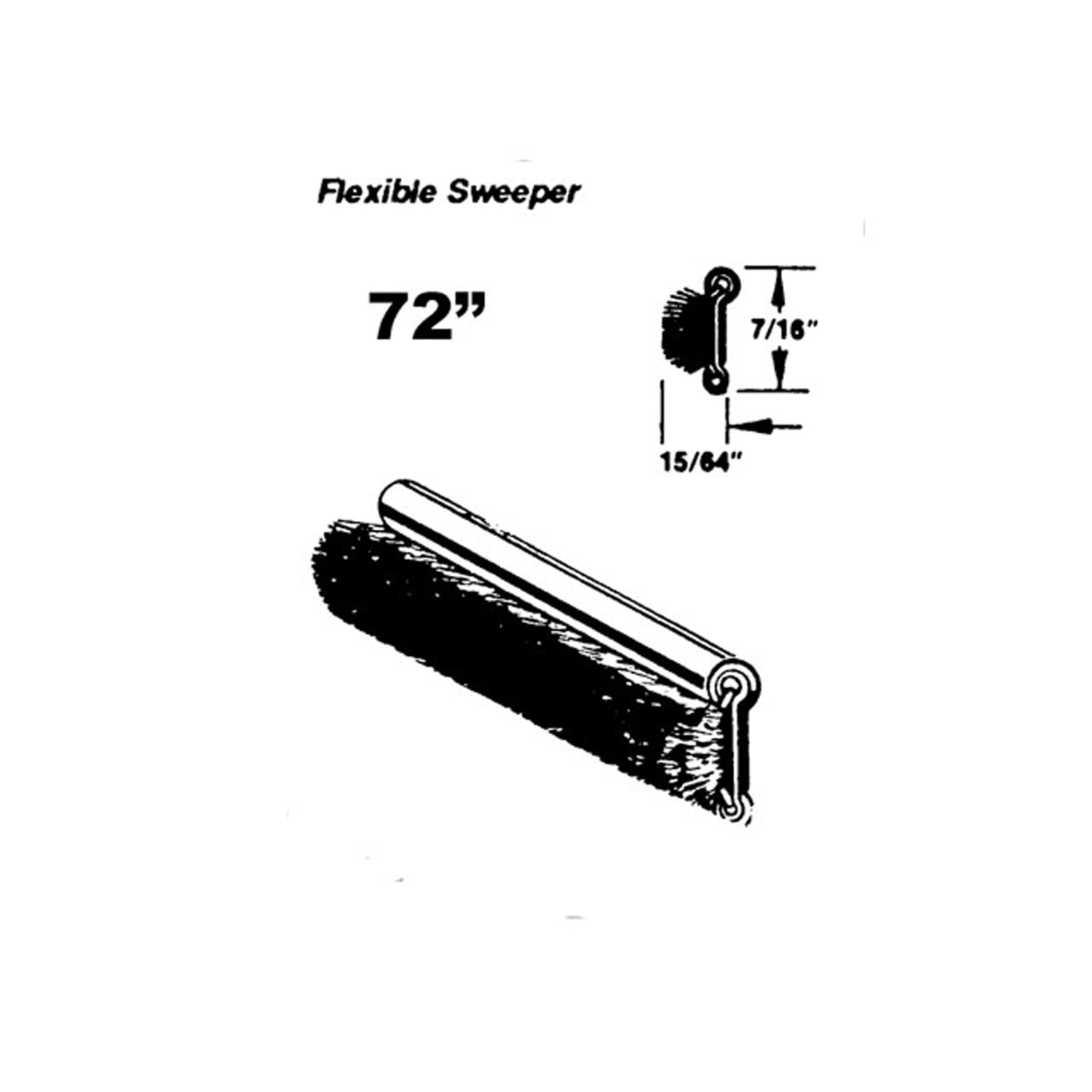 1937 Packard Super Eight Flexible sweeper. Made with stainless steel bead-WC 8-72Flexible sweeper. Made with stainless steel bead. Used on inner and outer beltlines. Also forms easily for use with sliding quarter windows. 72 in. long. Each. NOTE: $20 special shipping charge applies for domestic orders. Call or email for overseas shipping costs. Part can be sectioned into two equal lengths to reduce overseas shipping costs.
 1937 Packard Super Eight Front Suspension Bumper. 2" high. Each-XB 18Front Suspension Bumper. 2" high. Each
Why Choose Metro?
For over 100 years, Metro Moulded Parts has been the pinnacle of quality in classic car restoration parts. Our commitment to precision and authenticity in every component ensures a perfect fit and an OEM-level appearance.
- Expert Craftsmanship & Quality: Each part is a testament to our dedication to reliability and perfection, crafted from original designs and thoroughly tested.
- Advanced Technology: We use cutting-edge techniques to create flawless, long-lasting parts that surpass others in performance.
- SuperSoft Sponge – The Ultimate Door Seal: Not only are our door seals 30% softer than competitors', but they're also guaranteed to never leak. They effectively reduce wind and road noise, enhancing your classic car's comfort and driving experience.
- Proudly American: Our parts are a product of American craftsmanship, made in the USA with a spirit of excellence and heritage.
- Unrivaled Warranty: We back our products with a 30-year industry-leading warranty, a testament to our confidence in their quality.
Join us in preserving the legacy of classic cars with parts that are crafted for perfection, not just made.