

Image of 1937 Packard Twelve, Note: These illustrations use artistic license and may differ from actual historical models.
Performance Metrics
Fundamental Metrics
Emotional Appeal
MMP Rating
| Engine Specifications | |
|---|---|
| Engine: | V12 |
| Displacement: | 473 cubic inches |
| Horsepower: | Estimated 175 HP |
| Torque: | 322 lb-ft |
| Compression Ratio: | Estimated 6.4:1 |
| Ignition System: | Battery and coil |
| Cooling System: | Liquid-cooled |
| Performance Specifications | |
| 0-60 Time: | Information not available |
| 1/4 Mile Time: | Information not available |
| Top Speed: | Estimated 100 mph |
| Transmission and Drive | |
| Drive Type: | Rear-wheel drive |
| Transmission Type: | 3-speed manual |
| Fuel and Efficiency | |
| Fuel System Type: | Carburetor |
| MPG: | Information not available |
| Dimensions and Brakes | |
| Brakes: | 4-wheel drum brakes |
| Wheelbase: | 134-139 inches |
| Weight: | Estimated 5,300 lbs |
Note: Specifications for classic cars are given to the best of our ability, considering the limited and variant data available.
1937 Packard Twelve: America’s V12 Flagship
The 1937 Packard Twelve was built for people who expected their automobile to make an entrance before its occupants did. At the top of Packard Motor Car Company’s range, it paired a massive twelve-cylinder engine with long, formal coachwork and the craftsmanship of one of America’s most respected luxury manufacturers.
Packard had built its reputation in Detroit on quality and engineering, and the Twelve was its ultimate expression of both. The model belonged to the Fifteenth Series and came in several wheelbase and body configurations. Its 473-cubic-inch V12 delivered a level of smooth, effortless power that set it apart from the more common six- and eight-cylinder cars of the era.
There is a bittersweet footnote to its story: Packard’s Twelve was nearing the end of its production run. The company continued building it through 1939, making the 1937 model part of the final generation of Packard’s flagship V12s.
Art Deco Styling and Hand-Finished Luxury
The Twelve’s appearance was grand without being plain. A tall, upright grille anchored the front end, while sweeping front fenders, long hood lines, and carefully shaped running boards gave the car a flowing Art Deco presence. Packard’s distinctive radiator shell and hood ornament made the marque recognizable from a distance. Depending on the body, the rear could be stately and enclosed or open and dramatic.
Inside, the experience was tailored to long, comfortable travel. Fine leather, wool broadcloth, or mohair upholstery could be specified according to the body style and trim level. Polished wood, carefully finished metal hardware, and deep carpeting added to the sense of occasion. Formal sedans and limousines could include a division between the driver and rear passengers, along with rear-seat appointments intended to make the back cabin a comfortable place to travel or work.
Packard offered a broad range of exterior colors and finishes, with choices varying by body and specification. Black, dark blue, deep green, and maroon suited the car’s formal character, while lighter or two-tone treatments could emphasize its long fenders and body contours. Special-order paint was part of the appeal for buyers seeking a more personal car.
Body styles ranged from closed sedans and limousines to coupes, convertible sedans, and open touring cars. Long-wheelbase versions gave custom and formal bodies room to stretch. The most visually arresting choices were often the open cars and coachbuilt customs, but formal sedans and limousines best expressed the Twelve’s role as a luxury automobile for chauffeured use.
Engineering That Made a Difference
The Twelve’s defining feature was its L-head V12, displacing 473.3 cubic inches and rated at about 175 horsepower. Its design favored smooth, flexible power rather than high engine speed. The result was a car that could gather speed with little drama and maintain a relaxed pace on the open road.
A three-speed manual transmission sent power to the rear wheels. Packard’s independent front suspension, introduced earlier in the decade, helped the Twelve ride and steer more comfortably than many large cars with a traditional solid front axle. Coil springs at the front and semi-elliptic leaf springs at the rear balanced comfort with the load-carrying needs of a substantial luxury car. Hydraulic brakes provided more modern stopping assistance than the mechanical systems common on many earlier automobiles.
These features mattered because the Twelve was not simply a large engine wrapped in impressive bodywork. Its suspension and chassis engineering helped make a very heavy car more composed and controllable, particularly on uneven roads. Packard combined this technology with a high standard of finish, presenting engineering as part of the luxury experience rather than as a list of specifications.
How the Packard Twelve Drives
Exact performance varies with body style, gearing, condition, and passenger load, but a sound 1937 Twelve is generally estimated to reach roughly 90 to 100 mph. Acceleration from 0 to 60 mph is commonly placed in the neighborhood of 17 to 20 seconds. Those figures are estimates, not modern instrumented test results, and they reflect the car’s substantial weight and period gearing.
On a smooth highway, the V12’s appeal is its quiet, unhurried delivery. It builds speed with a deep, restrained engine note rather than a sharp roar. The long wheelbase helps it settle into a steady cruise, while the independent front suspension softens bumps that would unsettle a less sophisticated contemporary car.
On a winding road, the Twelve asks for a measured approach. It is large and heavy, with period steering, brakes, and tires that demand more anticipation than a modern car. The driver feels its mass through corners, and narrow roads are less its natural habitat than open highways and broad boulevards. The best experience comes from smooth inputs, generous following distance, and letting the engine’s torque do the work.
A Status Car in a Changing America
The Packard Twelve represented the upper tier of American motoring during a decade when the country was still recovering from the Great Depression. It offered prestige comparable to the finest domestic luxury cars, while its V12 engine gave it a distinctive technical identity. Buyers could choose an imposing factory body or commission more individual coachwork, making the car both a product of Packard’s production system and a platform for personal expression.
Its lasting influence is less about a single styling feature than the way it brought together advanced chassis engineering, a smooth multi-cylinder engine, and carefully finished bodies. The Twelve helped reinforce Packard’s reputation for engineering integrity and understated prestige. It also illustrates the pressures facing luxury manufacturers: as the market narrowed, maintaining a complex, expensive flagship became increasingly difficult. Packard ended Twelve production in 1939 and never returned to a V12-powered model.
Living With a 1937 Twelve
Today, most examples are used for touring, concours events, preservation, or private collections rather than daily transportation. A well-maintained Twelve can still cover distance, but its size, age, fuel consumption, and specialist maintenance needs make regular modern commuting impractical for most owners.
Routine service is manageable for an experienced vintage-car mechanic, but the Twelve is not an ideal first restoration project. Its 12-cylinder engine, period electrical and fuel systems, large body, and model-specific components require knowledgeable care. Parts support exists through marque specialists and enthusiast networks, but some components can be costly, difficult to source, or best repaired by a specialist. A thorough pre-purchase inspection should include the engine, cooling system, brakes, chassis, electrical equipment, and any custom coachwork.
Reliability depends heavily on maintenance and correct restoration. A neglected example may need extensive work before it is safe or dependable on the road. Owners should budget for careful upkeep and avoid treating the car like a modern vehicle that can be serviced anywhere with off-the-shelf parts.
Packard Twelve Facts and Myths
The Twelve was part of Packard’s V12 era, which ran from 1933 through 1939. The 1937 model is especially appealing to collectors because it combines prewar luxury-car presence with the engineering and styling of Packard’s mature years, while remaining part of the model’s final production period.
There is no single body style that defines every 1937 Twelve. Factory bodies and custom-built examples differed in appearance, equipment, and rarity, so a car’s identity depends on its specific chassis and coachwork. Celebrity stories are often repeated around prestigious Packards, but ownership claims should be checked against reliable documentation rather than assumed from the marque’s reputation.
Common criticisms are practical rather than surprising: the Twelve is thirsty, expensive to maintain, difficult to maneuver in tight spaces, and slower to stop and change direction than a modern car. Its size and weight also make tire condition and brake maintenance especially important. Those tradeoffs are part of the period experience, but they are worth understanding before buying.
Rarity, Values, and Collector Demand
Production estimates for 1937 Packard Twelves vary among reference sources and can depend on how chassis and body styles are counted. A reasonable working estimate is roughly 1,300 cars across the year’s Twelve offerings. That makes the model scarce today, though the number of surviving examples varies significantly by body style and condition.
As a broad U.S. market estimate for 2026, a project car may fall around $50,000 to $100,000, while a sound, usable example might bring approximately $100,000 to $200,000. High-quality restorations and especially desirable bodies can reach roughly $200,000 to $350,000 or more. Exceptional, rare, or documented coachbuilt cars may exceed that range. These are general estimates, not appraisals: originality, restoration quality, provenance, and body style can shift the price substantially.
Packard Twelves remain important collector cars, but prices do not rise in a straight line. Demand is strongest for well-documented, correctly restored examples, while cars needing major mechanical or body work can be expensive to bring back to standard. Over time, the Twelve has retained a place among significant American classics, though buyers should focus on condition and historical integrity rather than assuming every example will appreciate quickly.
Why the 1937 Packard Twelve Still Matters
The 1937 Packard Twelve brought together a remarkable V12, advanced-for-its-time suspension, elegant coachwork, and the craftsmanship expected of a flagship automobile. It was built for quiet authority, not flashy performance, and its commanding presence still makes an impression nearly nine decades later.
For collectors, it is more than a beautiful prewar luxury car. It is a rolling record of Packard at its most ambitious, created just before changing times brought the company’s V12 chapter to a close.
1937 Packard Twelve Catalog of Parts
 1937 Packard TWELVE Accessory Floor Mat - 12"X17"-AC 32Accessory Floor Mat - made of high quality black rubber with molded original emblem. Also designed to be sewn into new carpets. 12"X17", Each
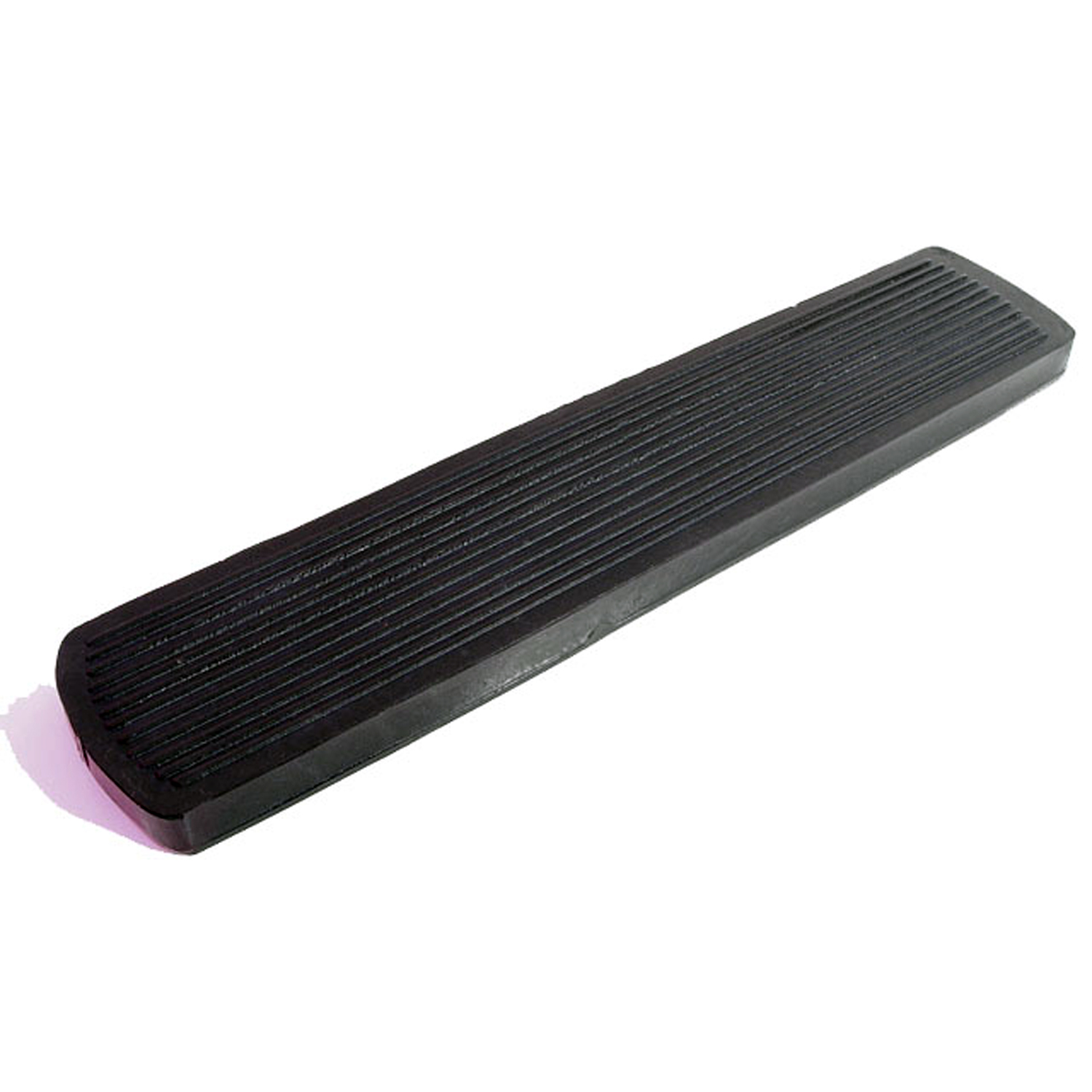 1937 Packard TWELVE Accelerator Pedal Pad. 1-7/8" X 9-3/8", Each-AP 16Accelerator Pedal Pad. 1-7/8" X 9-3/8", Each
 1937 Packard TWELVE Clutch and Brake Pedal Pads. 2-3/4" wide X 3-15/16" long-CB 14Clutch and Brake Pedal Pads. 2-3/4" wide X 3-15/16" long. Pair
 1937 Packard TWELVE Power Brake Pad. 2-3/4" Wide. Each-CB 14-APower Brake Pad. 2-3/4" Wide. Each
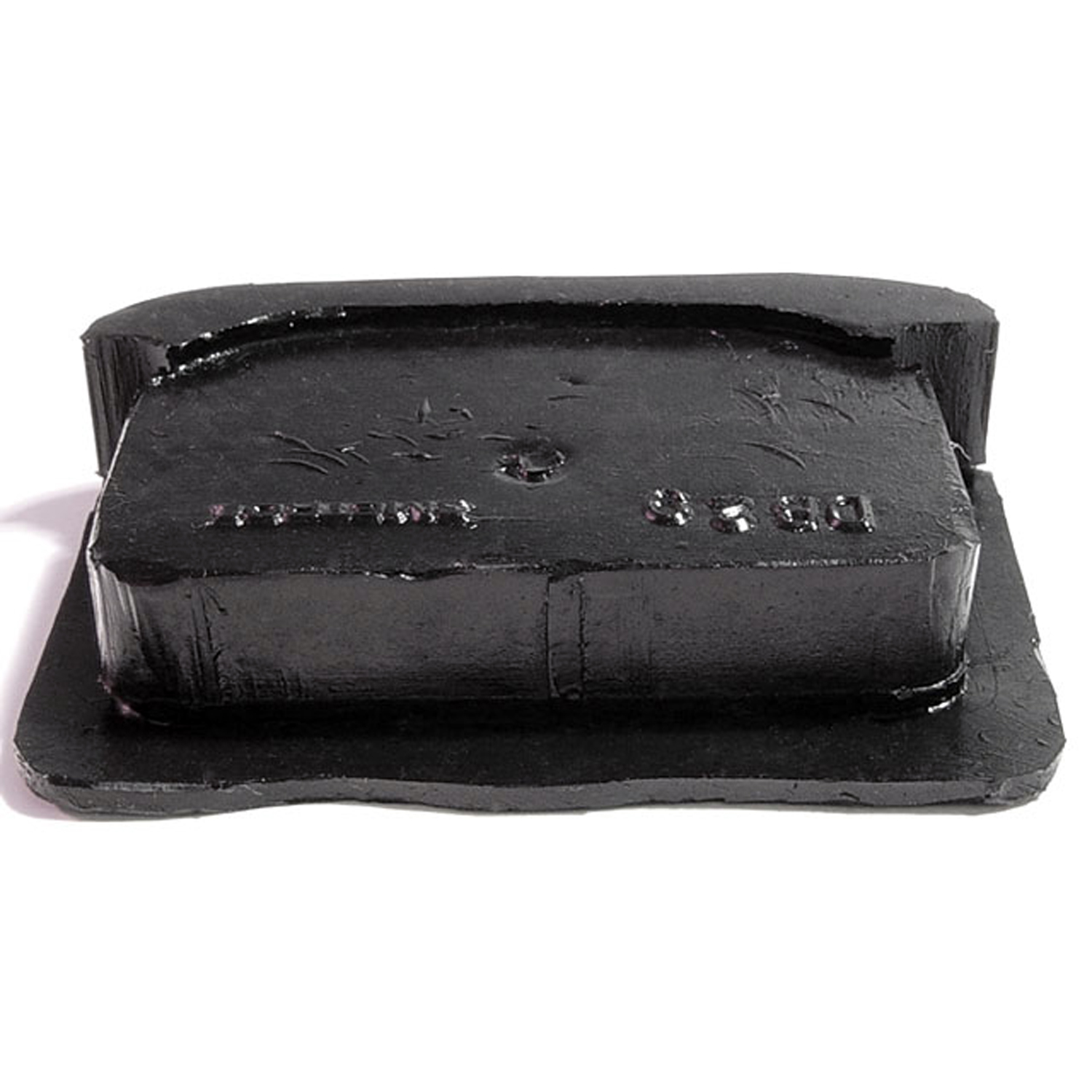 1937 Packard TWELVE Door Bumper. 1-3/8" high X 2" wide X 1/2" thick. Each-DB 29Door Bumper. 1-3/8" high X 2" wide X 1/2" thick. Each
 1937 Packard TWELVE Gas Filler Grommet. 2-1/2" I.D., 4-1/8" O.D. Each-GF 12Gas Filler Grommet. 2-1/2" I.D., 4-1/8" O.D. Each
 1937 Packard TWELVE Hood Corners. 1-3/4" to 2" corner radius-HC 14Hood Corners. 1-3/4" to 2" corner radius. Pad is 3-3/8" long. Pair
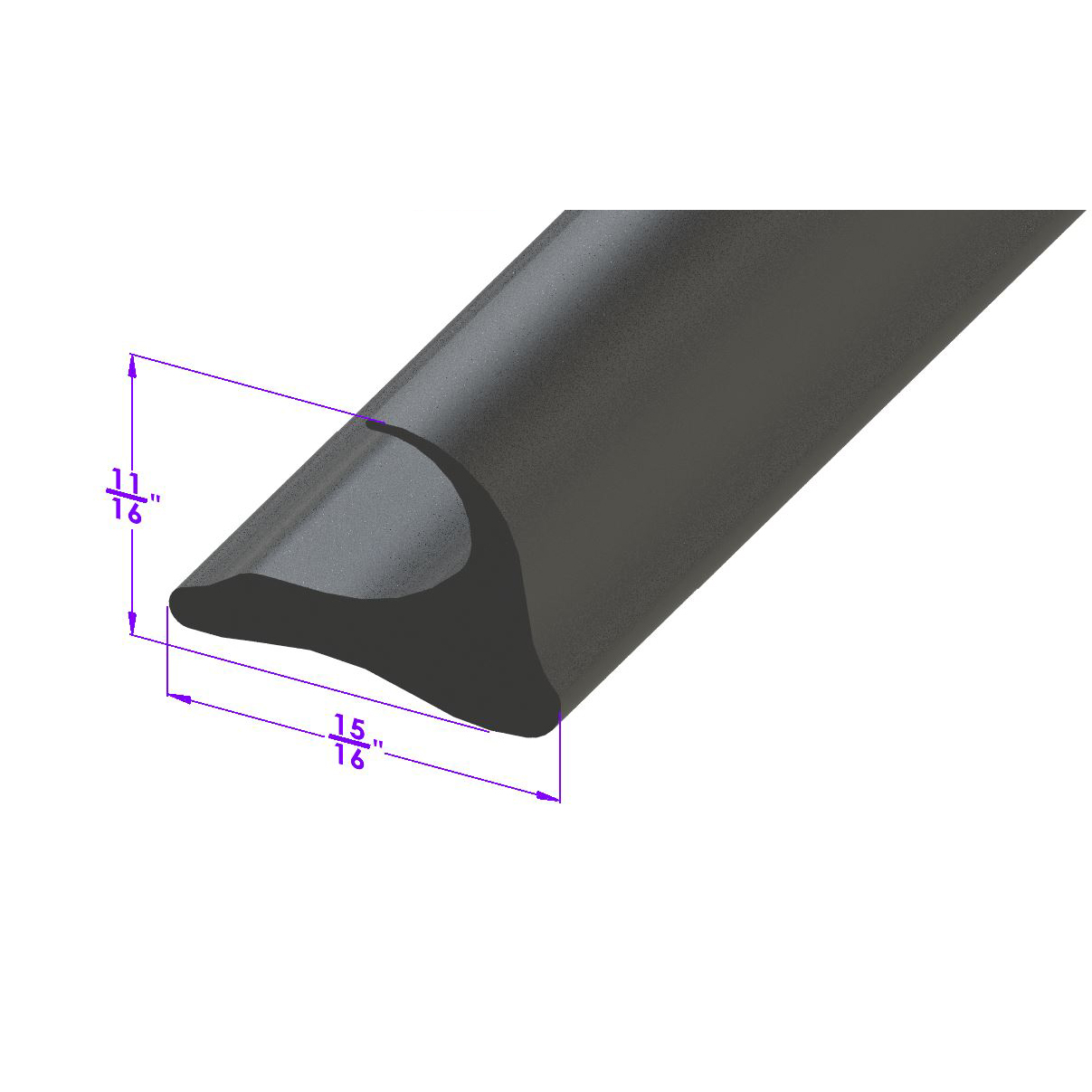 1937 Packard TWELVE Side Roof Rail Seal. Fits in metal retainer-LP 12-ASide Roof Rail Seal. Fits in metal retainer. Sold by the foot
 1937 Packard TWELVE Tail-light Pads. 2-1/2" wide X 6-1/2" long. Pair-MP 832Tail-light Pads. 2-1/2" wide X 6-1/2" long. Pair
 1937 Packard TWELVE Tail-light Pads. 4" long. 1-5/8" wide X 4-1/8" long-MP 832-CTail-light Pads. 4" long. 1-5/8" wide X 4-1/8" long. Pair
 1937 Packard TWELVE Tail-light Pads. 4-1/2" long. 2" wide X 4-1/2" long-MP 833Tail-light Pads. 4-1/2" long. 2" wide X 4-1/2" long. Pair
 1937 Packard TWELVE Park Light Pads. 1-1/2" wide X 5-3/8" long. Pair-MP 834Park Light Pads. 1-1/2" wide X 5-3/8" long. Pair
 1937 Packard TWELVE Door Handle Pads. 1-1/4" wide X 2-1/4" long. Pair-MP 837Door Handle Pads. 1-1/4" wide X 2-1/4" long. Pair
 1937 Packard TWELVE Trunk Hinge Pads. 1-1/2" wide X 7-1/4" long. Cut to size-MP 839Trunk Hinge Pads. 1-1/2" wide X 7-1/4" long. Cut to size. Set
 1937 Packard TWELVE Rumble Seat Step-Plate Pad. 3-1/4" wide X 5-5/8" long-MP 841Rumble Seat Step-Plate Pad. 3-1/4" wide X 5-5/8" long. Each
 1937 Packard TWELVE Rumble Seat Step-Plate Pad. 4-1/8" O.D. Each-MP 841-BRumble Seat Step-Plate Pad. 4-1/8" O.D. Each
 1937 Packard TWELVE Rumble Seat Step-Plate Pad. 4-3/4" wide X 4-1/4" long-MP 842Rumble Seat Step-Plate Pad. 4-3/4" wide X 4-1/4" long. Each
 1937 Packard TWELVE Trunk Hinge Pads. 1-3/4" wide X 8-1/8" long. Cut to fit-MP 843Trunk Hinge Pads. 1-3/4" wide X 8-1/8" long. Cut to fit. Set
 1937 Packard TWELVE Park Light Pads. 1-7/8" wide X 4-1/2" long. Pair-MP 844Park Light Pads. 1-7/8" wide X 4-1/2" long. Pair
 1937 Packard TWELVE Door Handle Pads. 1-5/8" wide X 2-7/8" long. Pair-MP 844-ADoor Handle Pads. 1-5/8" wide X 2-7/8" long. Pair
 1937 Packard TWELVE Rumble Seat Step-Plate Pad. 2" wide X 4-3/8" long. Each-MP 849-BRumble Seat Step-Plate Pad. 2" wide X 4-3/8" long. Each
 1937 Packard TWELVE Headlight Pads. Thick mounting pads-MP 853Headlight Pads. Thick mounting pads. 3-3/8" wide X 6-1/2" long. Pair R&L
 1937 Packard TWELVE Headlight Pads. 5-1/4" wide X 9" long. Pair R&L-MP 880Headlight Pads. 5-1/4" wide X 9" long. Pair R&L
 1937 Packard TWELVE Headlight Pads. 3-7/8" wide X 11-1/4" long. Pair-MP 890Headlight Pads. 3-7/8" wide X 11-1/4" long. Pair
 1937 Packard TWELVE License Stand Pad. 2-5/8" wide X 3-1/2" long. Each-MP 892License Stand Pad. 2-5/8" wide X 3-1/2" long. Each
 1937 Packard TWELVE Tail-light Pads. 4-1/8" long. 2-3/8" wide X 4-1/4" long-MP 893Tail-light Pads. 4-1/8" long. 2-3/8" wide X 4-1/4" long. Pair
 1937 Packard TWELVE Tail-light Pads. 2-1/2" wide X 5-1/2" long. Pair-MP 904Tail-light Pads. 2-1/2" wide X 5-1/2" long. Pair
 1937 Packard TWELVE Trunk Hinge Pads. 1-1/2" wide X 11-1/8" long. Set-MP 931Trunk Hinge Pads. 1-1/2" wide X 11-1/8" long. Set
 1937 Packard TWELVE Hood Cowl Strip. All rubber, no metal. Pair-RP 71Hood Cowl Strip. All rubber, no metal. Pair
 1937 Packard TWELVE Torque Arm Ball Rubbers. Pair-RP 73Torque Arm Ball Rubbers. Pair
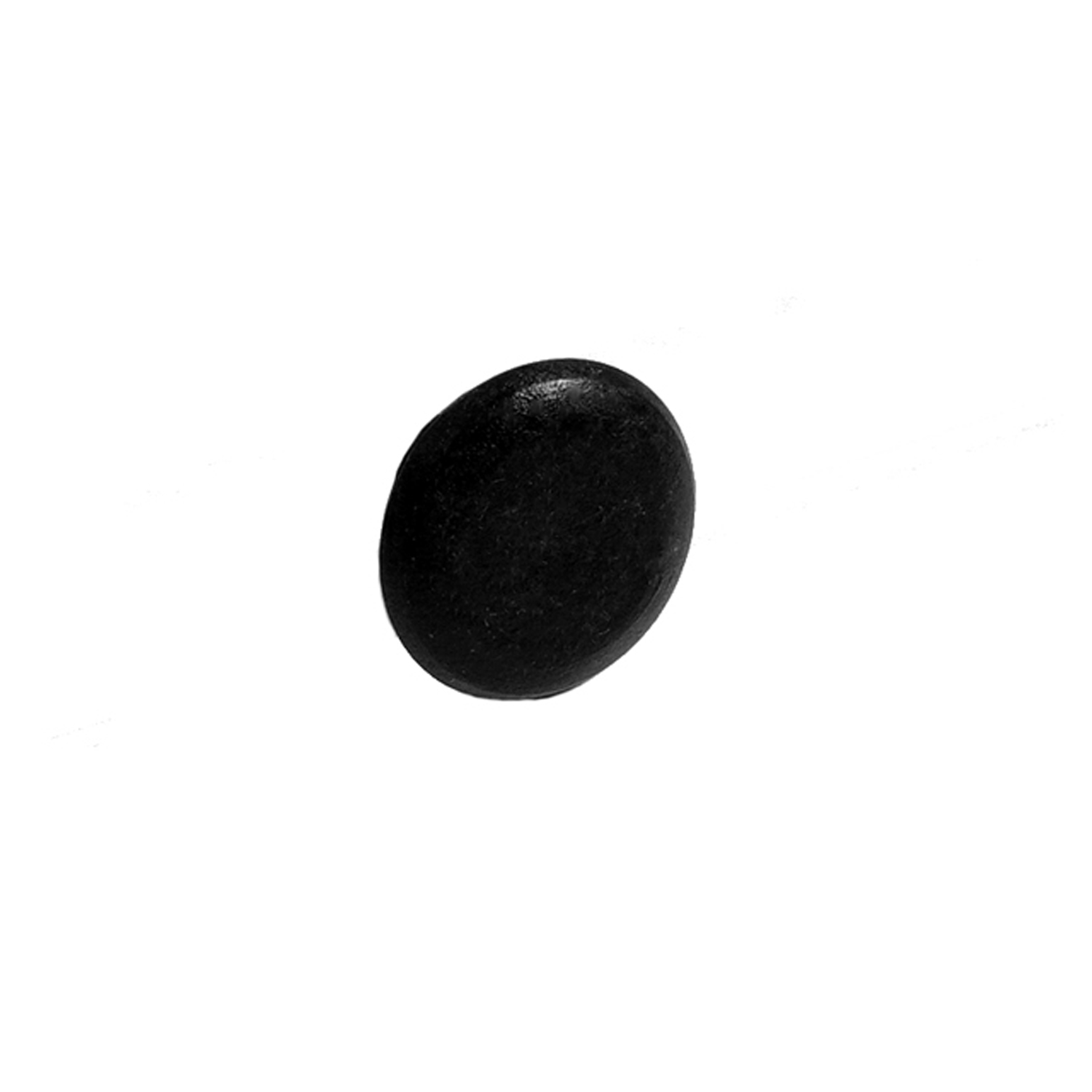 1937 Packard TWELVE Trunk Bumper. 3/4" O.D., 5/8" I.D. Each-SB 74Trunk Bumper. 3/4" O.D., 5/8" I.D. Each
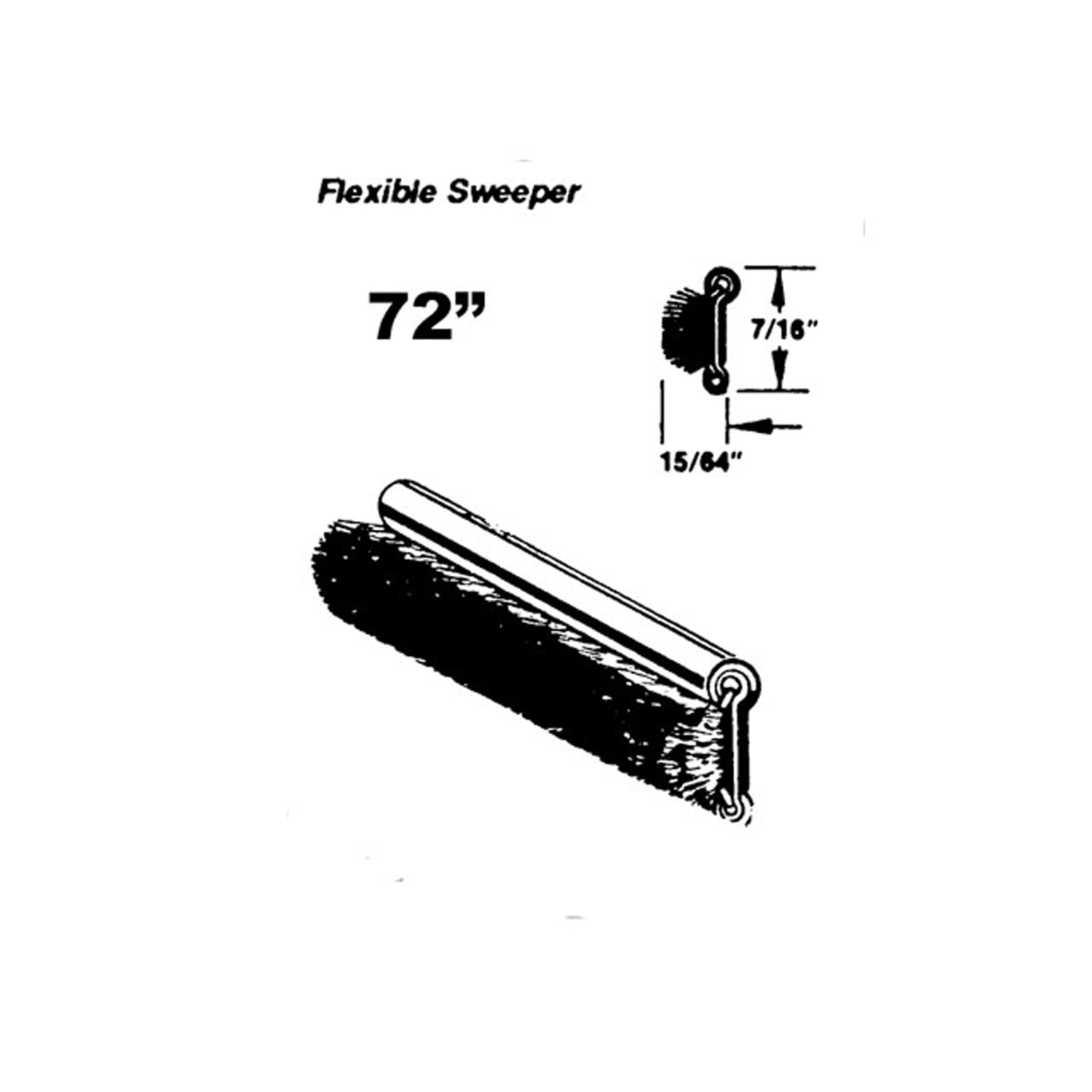 1937 Packard TWELVE Flexible sweeper. Made with stainless steel bead-WC 8-72Flexible sweeper. Made with stainless steel bead. Used on inner and outer beltlines. Also forms easily for use with sliding quarter windows. 72 in. long. Each. NOTE: $20 special shipping charge applies for domestic orders. Call or email for overseas shipping costs. Part can be sectioned into two equal lengths to reduce overseas shipping costs.
 1937 Packard TWELVE Front Suspension Bumper. 2" high. Each-XB 18Front Suspension Bumper. 2" high. Each
Why Choose Metro?
For over 100 years, Metro Moulded Parts has been the pinnacle of quality in classic car restoration parts. Our commitment to precision and authenticity in every component ensures a perfect fit and an OEM-level appearance.
- Expert Craftsmanship & Quality: Each part is a testament to our dedication to reliability and perfection, crafted from original designs and thoroughly tested.
- Advanced Technology: We use cutting-edge techniques to create flawless, long-lasting parts that surpass others in performance.
- SuperSoft Sponge – The Ultimate Door Seal: Not only are our door seals 30% softer than competitors', but they're also guaranteed to never leak. They effectively reduce wind and road noise, enhancing your classic car's comfort and driving experience.
- Proudly American: Our parts are a product of American craftsmanship, made in the USA with a spirit of excellence and heritage.
- Unrivaled Warranty: We back our products with a 30-year industry-leading warranty, a testament to our confidence in their quality.
Join us in preserving the legacy of classic cars with parts that are crafted for perfection, not just made.