

Image of 1938 Packard Super Eight, Note: These illustrations use artistic license and may differ from actual historical models.
Performance Metrics
Fundamental Metrics
Emotional Appeal
MMP Rating
| Engine Specifications | |
|---|---|
| Engine: | Straight 8 |
| Displacement: | 320 cu in (5.2 L) |
| Horsepower: | Estimated 130 hp |
| Torque: | Not available |
| Compression Ratio: | Not available |
| Ignition System: | Battery and coil |
| Cooling System: | Liquid-cooled |
| Performance Specifications | |
| 0-60 Time: | Not available |
| 1/4 Mile Time: | Not available |
| Top Speed: | Estimated 100 mph |
| Transmission and Drive | |
| Drive Type: | Rear-wheel drive |
| Transmission Type: | 3-speed manual |
| Fuel and Efficiency | |
| Fuel System Type: | Carburetor |
| MPG: | Not available |
| Dimensions and Brakes | |
| Brakes: | 4-wheel drum brakes |
| Wheelbase: | 127 in (3226 mm) |
| Weight: | Estimated 4200 lbs |
Note: Specifications for classic cars are given to the best of our ability, considering the limited and variant data available.
1938 Packard Super Eight: A Guide to Packard’s Refined Straight-Eight
The 1938 Packard Super Eight paired a powerful, smooth-running straight-eight with the restrained elegance that made Packard a byword for American luxury. Built by the Packard Motor Car Company of Detroit, it sat between the more affordable Packard Eight and the flagship Packard Twelve, offering many of the comforts and engineering virtues of a prestige car without the Twelve’s price or complexity.
Packard was founded in the late 1890s by brothers James Ward Packard and William Doud Packard, along with investor George Lewis Weiss. By 1938, the company was navigating the difficult years of the Great Depression. Its strategy was to offer a broad range of models, from the popular Packard 120 to the grand Super Eight and Twelve. The Super Eight was an important part of that lineup: a substantial, traditional luxury car at a time when the industry was under pressure to make cars more affordable.
A detail that makes the 1938 model especially interesting is its place in Packard’s engineering story. It used the company’s 320-cubic-inch straight-eight and benefited from Packard’s Safe-T-Flex independent front suspension, introduced in 1937. That combination brought a quieter, more composed drive to a car that still looked unmistakably formal and substantial.
Elegant Lines and Packard Presence
The Super Eight’s styling was polished rather than flashy. Its tall, narrow radiator grille, long hood, sweeping front fenders, and carefully shaped rear body gave it the dignified proportions expected of a high-end Packard. The grille and hood ornament drew the eye forward, while brightwork around the windows and body moldings added a discreet touch of sparkle. On some versions, the running boards were visible beneath the doors, reinforcing the car’s classic prewar profile.
Packard offered the Super Eight in several body styles, with availability varying by chassis and wheelbase. Buyers could choose from sedans, touring sedans, coupes, convertible coupes, and more formal long-wheelbase bodies. Closed sedans were among the most practical and commonly encountered today. The open convertible coupe is a particularly eye-catching choice, while limousine and other formal bodies carry an especially grand presence.
Exterior paint choices included traditional shades such as black, dark blue, maroon, green, gray, and tan, with two-tone combinations available on some bodies. Exact colors depended on the model and order. Dark, conservative finishes suit the Super Eight’s dignified character, while a period-correct two-tone scheme makes the sculpted fenders and long bodywork stand out.
A Quietly Luxurious Cabin
Inside, the Super Eight was designed to make long journeys comfortable. Upholstery could be ordered in materials such as broadcloth or leather, depending on body style and specification. The cabin typically featured a broad bench seat, woodgrain-finished trim, a large steering wheel, and clearly arranged instruments. Rear-seat space was generous, especially in long-wheelbase versions, and the higher-grade materials gave the interior a tailored, rather than utilitarian, feel.
Packard’s luxury was as much about workmanship as decoration. Doors shut with a reassuring weight, seats were made for extended travel, and the cabin was well isolated from engine noise for its era. Equipment and trim differed between bodies and orders, so surviving examples can vary considerably. A well-documented restoration should retain the correct upholstery pattern, hardware, and trim for its specific body.
Engineering Ahead of Its Era
The Super Eight’s 320-cubic-inch L-head, or side-valve, inline-eight produced about 130 horsepower. Its long crankshaft and eight-cylinder layout favored smoothness and steady pulling power over high-revving performance. A three-speed manual transmission was standard, and some cars were equipped with Packard’s Electromatic Clutch, a system intended to reduce the effort of clutch operation. It was an ambitious convenience feature, though it can require careful attention on surviving cars.
One of the car’s more significant technical features was Safe-T-Flex independent front suspension. Instead of relying on a solid front axle, the system allowed the front wheels to respond more independently to uneven surfaces. Combined with hydraulic brakes and carefully developed chassis tuning, it helped the Super Eight deliver a more controlled ride than many older luxury cars.
These features did not make the Super Eight a modern car by today’s standards. Its steering, braking, and controls still require a driver to plan ahead. But in 1938, the combination of a smooth eight-cylinder engine, independent front suspension, and a spacious, quiet cabin made it a refined long-distance automobile.
How the Super Eight Drives
Performance figures vary with body style, gearing, mechanical condition, and passenger load. A sound 1938 Super Eight can generally be expected to reach roughly 90 mph, with a 0-to-60-mph time in the neighborhood of 17 to 20 seconds. Those are estimates rather than guarantees, and a heavy limousine or sedan will not perform like a lighter coupe.
On the road, the straight-eight is the star. It builds speed with a smooth, even surge, accompanied by a subdued mechanical hum rather than a sharp exhaust bark. The long wheelbase helps the car settle over broad dips and uneven pavement, while the independent front suspension improves composure over bumps compared with a conventional solid front axle. It remains a large, heavy vehicle, however, and tight bends or narrow roads call for measured steering inputs rather than quick changes of direction.
The driving experience is deliberate and engaging. The driver works a large steering wheel, operates a manual gearbox, and allows the engine’s torque to do its work. A Super Eight is happiest cruising at a steady pace on open roads, where its smoothness and cabin comfort come into their own. It is less suited to hurried city traffic, frequent hard braking, or modern highway speeds maintained for long periods.
Why the 1938 Super Eight Matters
The Super Eight occupied a distinctive place in Packard’s range. It offered more prestige and displacement than the Packard Eight, while avoiding the expense and added complexity of the Twelve. That middle ground helped Packard appeal to buyers who wanted a genuine luxury automobile with strong performance and refinement.
Its influence is best understood as part of Packard’s broader approach to luxury. The company combined formal styling with practical engineering improvements, rather than relying on ornament alone. Safe-T-Flex suspension, a smooth straight-eight, and a broad choice of body styles showed how a traditional American luxury car could become more comfortable and capable without abandoning its established character.
The 1938 model also belongs to a challenging chapter in Packard history. The economic downturn that year hit the automobile industry hard, and Packard’s sales fell sharply from the previous year. The company continued to build prestigious cars, but the market increasingly favored less expensive models. That tension between high-end craftsmanship and commercial survival would shape Packard’s future.
Ownership, Maintenance, and Common Criticisms
Today, the Super Eight is primarily a collector car, a touring vehicle, or a show car. Owners may take well-maintained examples to local events, concours gatherings, and vintage driving tours. Regular use is possible, but the car is best treated as a prewar classic rather than a modern daily driver.
Routine service is manageable for an experienced vintage-car mechanic, and many mechanical systems are straightforward in principle. Age, not just design, is the main challenge. Cooling systems, fuel systems, wiring, brakes, and suspension components all need careful inspection. The Electromatic Clutch, when fitted, can be more demanding to diagnose and maintain than the basic manual clutch. Some parts are available through specialist suppliers, but correct body components and trim can be difficult or expensive to source.
Common criticisms include the Super Eight’s size, fuel consumption, relatively slow acceleration, and limited stopping performance by modern standards. Its age also means that even a handsome car may need substantial mechanical work before it is dependable on the road. A buyer should prioritize service records, a sound chassis, correct mechanical parts, and evidence of a careful restoration over shiny paint alone.
Rare Bodies, Trivia, and Notable Details
Packard built the Super Eight in multiple body configurations, but open and formal long-wheelbase versions are less commonly encountered than standard closed sedans. The rarest and most desirable examples are often those with unusual bodywork, strong provenance, or factory-correct details. Because production records and model classifications can be reported differently, totals should be treated as estimates rather than exact counts.
A reasonable estimate is that roughly 3,000 to 4,000 examples of the 1938 Super Eight were built across its versions. That makes it scarce compared with mass-market cars of the period, though it is not so rare that a determined collector will never find one. The sedan is generally the most accessible starting point; special convertibles and formal bodies can be much harder to locate.
The Super Eight was not designed as a racing car and is not widely known for a headline speed or endurance record. Its distinction is quieter: it delivered substantial power and comfort in a polished luxury package during a difficult economic year. As with many prewar cars, modern celebrity stories can be hard to verify, so provenance should be supported by reliable documentation rather than repeated anecdotes.
1938 Packard Super Eight Values
Values depend heavily on body style, originality, restoration quality, and mechanical condition. As a broad 2026 guide, a project or driver-quality sedan might sell for about $20,000 to $45,000. A very good, correctly restored sedan could fall around $45,000 to $80,000. Well-restored convertibles and uncommon formal bodies can range from roughly $75,000 to $150,000 or more, with exceptional examples potentially exceeding that range.
These are approximate market estimates, not appraisals. A rare body style does not automatically command a premium if it has poor workmanship or incomplete history. Conversely, a documented, authentic car with a high-quality restoration can attract strong interest. Values for prewar classics can move unevenly, and the cost of restoration may exceed the eventual sale price.
The Super Eight remains a desirable collectible, but its market is selective. Exceptional cars tend to hold attention, while ordinary sedans may take longer to sell. Long-term value is most likely to be supported by originality, condition, provenance, and the appeal of the specific body style.
A Lasting Packard Classic
The 1938 Packard Super Eight brought together graceful prewar styling, a smooth 130-horsepower straight-eight, a richly finished cabin, and notable chassis engineering. It was more than a handsome automobile: it represented Packard’s effort to preserve traditional luxury while adapting to a changing industry and a difficult economy.
For collectors, it offers a vivid connection to the age of long hoods, expansive fenders, and effortless eight-cylinder cruising. For drivers, it rewards patience with a remarkably composed and characterful ride. The Super Eight’s appeal is simple: it makes every journey feel like an occasion, and it does so with the quiet confidence of a Packard.
1938 Packard Super Eight Catalog of Parts
 1938 Packard Super Eight Accessory Floor Mat - 12"X17"-AC 32Accessory Floor Mat - made of high quality black rubber with molded original emblem. Also designed to be sewn into new carpets. 12"X17", Each
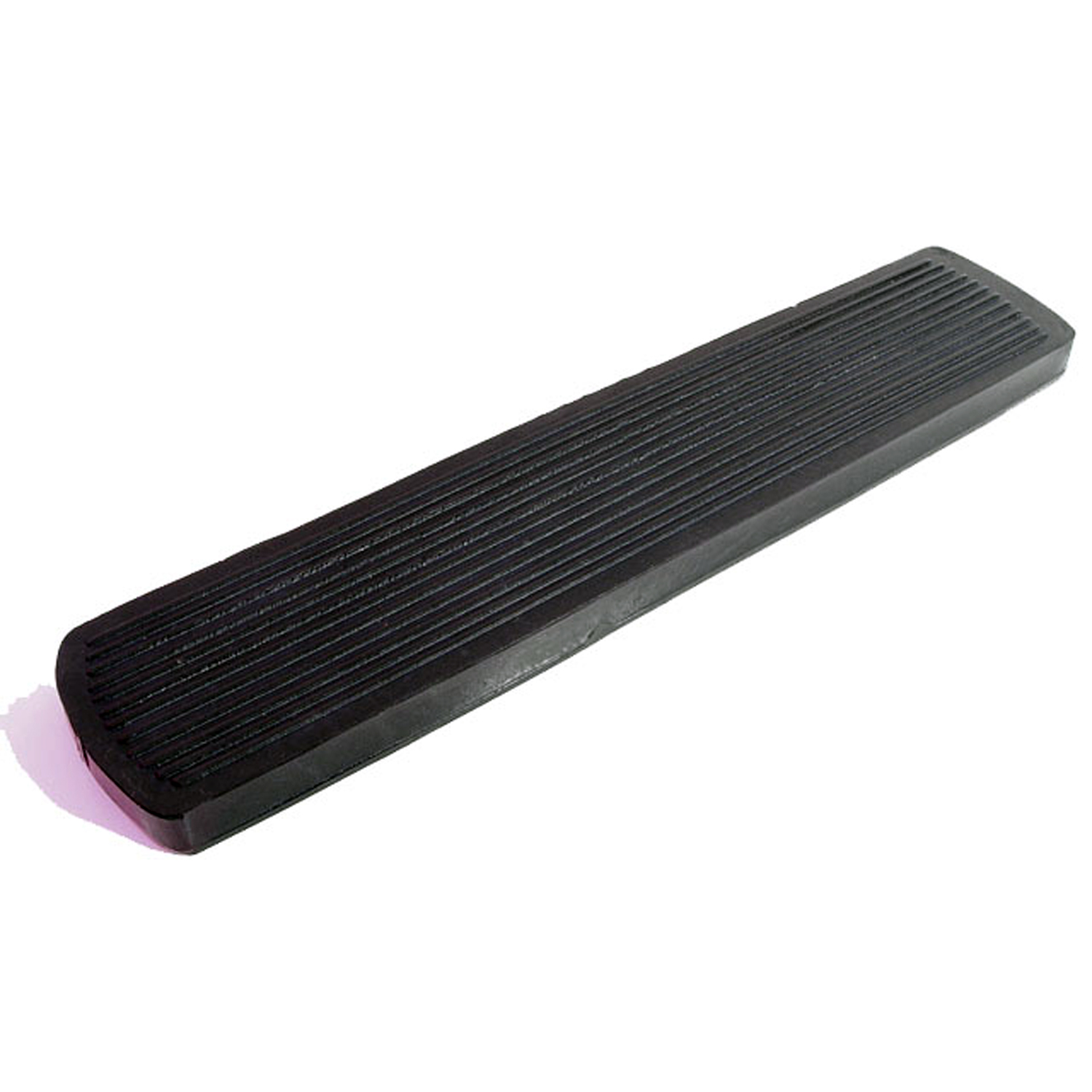 1938 Packard Super Eight Accelerator Pedal Pad. 1-7/8" X 9-3/8", Each-AP 16Accelerator Pedal Pad. 1-7/8" X 9-3/8", Each
 1938 Packard Super Eight Front Bumper Arm Grommets -BG 24Front Bumper Arm Grommets. 2-3/8" wide X 3-7/8" long, with 1-5/8" long inner slot. Pair
 1938 Packard Super Eight Front and Rear Bumper Arm Grommets -BG 25Front and Rear Bumper Arm Grommets. 2-9/16" wide X 4" long with 3-1/4" long inner slot. Pair
 1938 Packard Super Eight Clutch and Brake Pedal Pads. 2-3/4" wide X 3-15/16" long-CB 14Clutch and Brake Pedal Pads. 2-3/4" wide X 3-15/16" long. Pair
 1938 Packard Super Eight Power Brake Pad. 2-3/4" Wide. Each-CB 14-APower Brake Pad. 2-3/4" Wide. Each
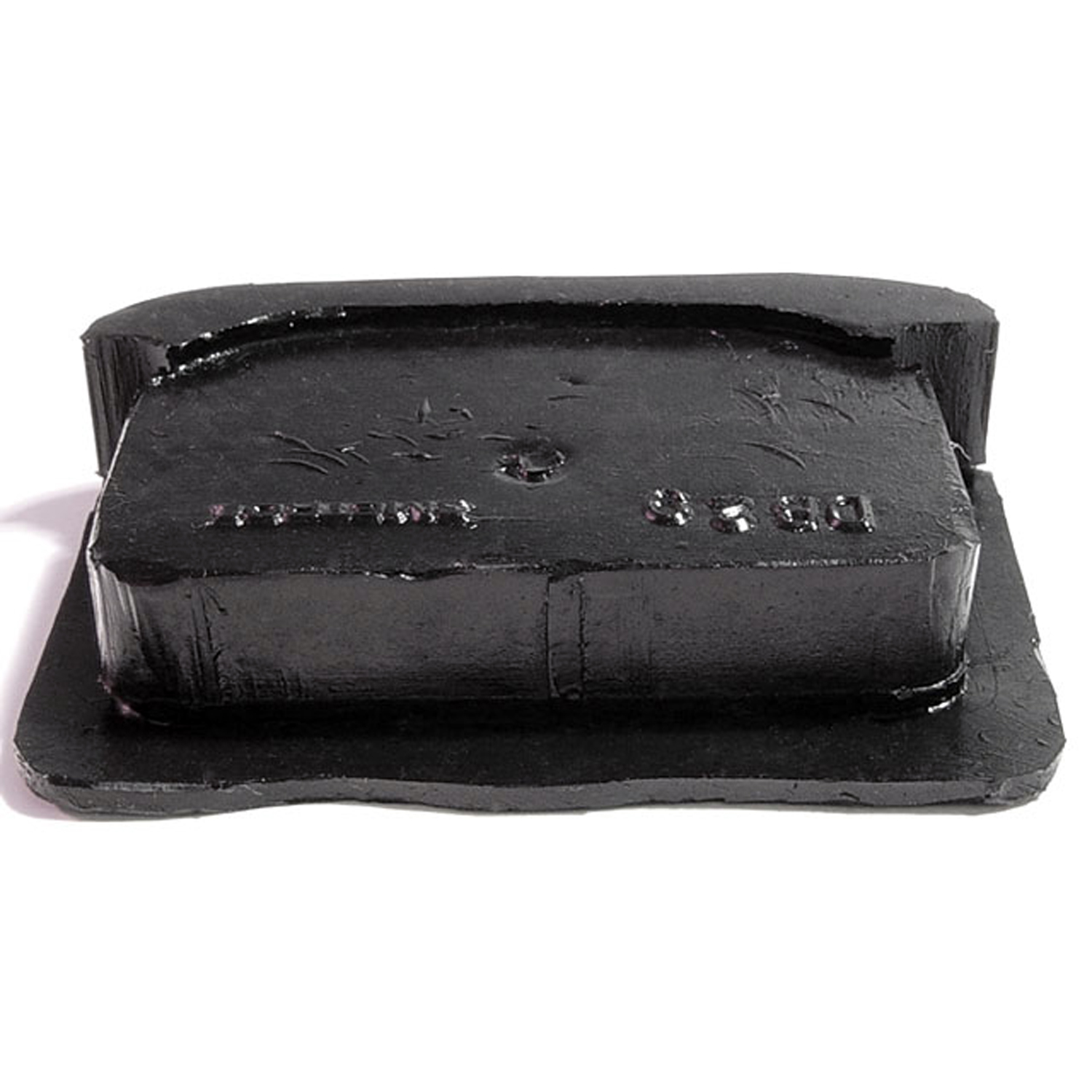 1938 Packard Super Eight Door Bumper. 1-3/8" high X 2" wide X 1/2" thick. Each-DB 29Door Bumper. 1-3/8" high X 2" wide X 1/2" thick. Each
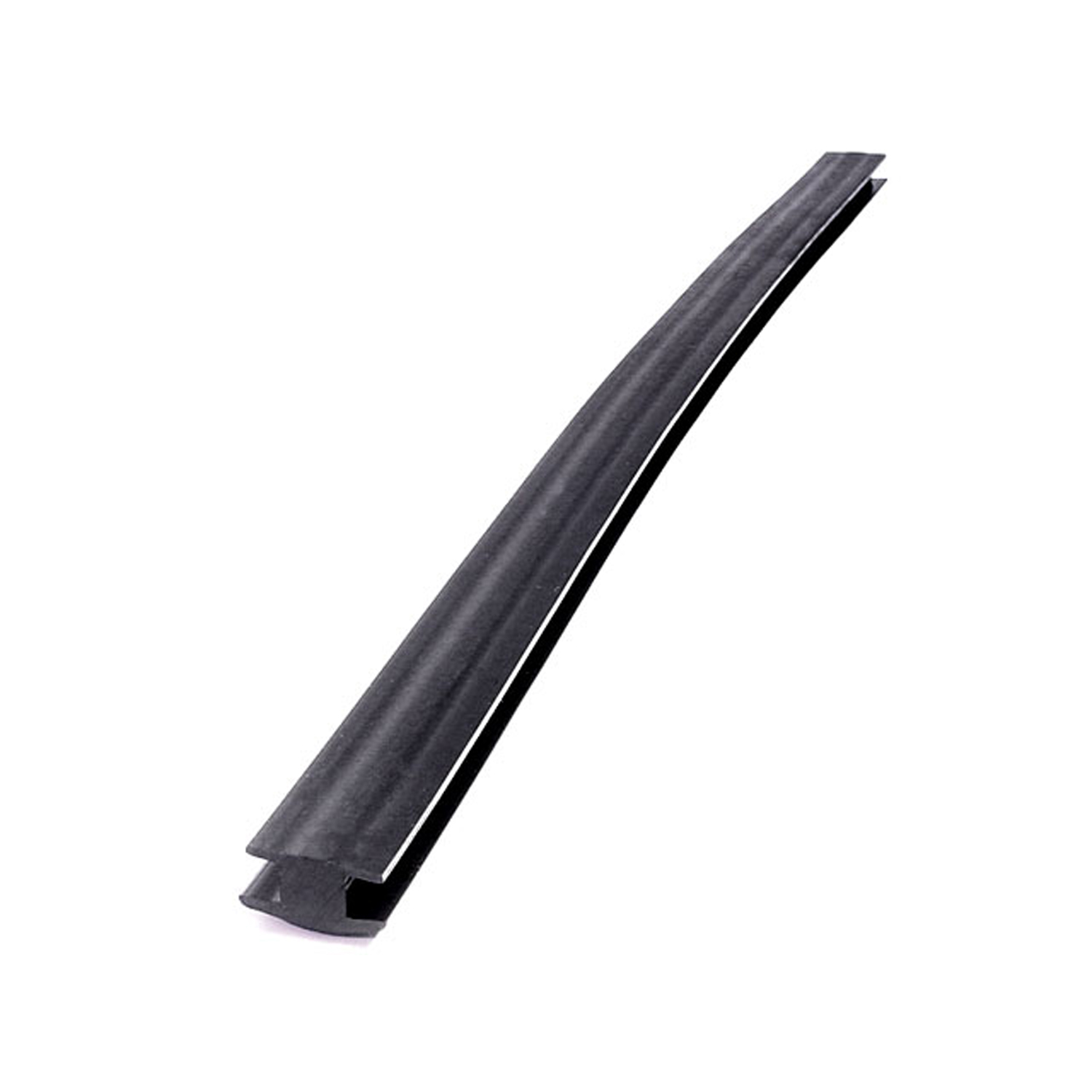 1938 Packard Super Eight Windshield Center Bar Gasket. 20" long. Each-DP 12Windshield Center Bar Gasket. 20" long. Each
 1938 Packard Super Eight Gas Filler Grommet. 2-1/2" I.D., 4-1/8" O.D. Each-GF 12Gas Filler Grommet. 2-1/2" I.D., 4-1/8" O.D. Each
 1938 Packard Super Eight Hood Corners. 1-3/4" to 2" corner radius-HC 14Hood Corners. 1-3/4" to 2" corner radius. Pad is 3-3/8" long. Pair
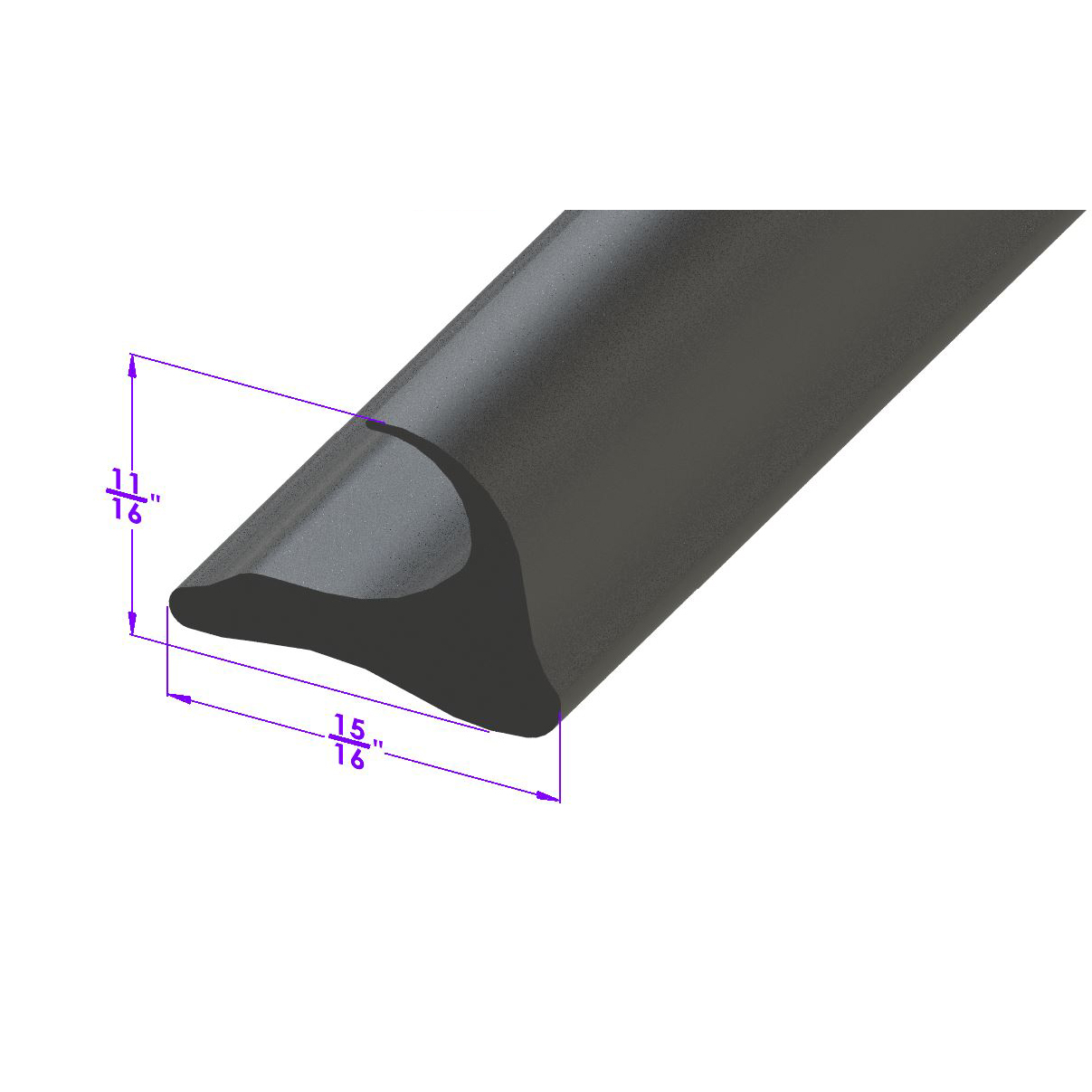 1938 Packard Super Eight Side Roof Rail Seal. Fits in metal retainer-LP 12-ASide Roof Rail Seal. Fits in metal retainer. Sold by the foot
 1938 Packard Super Eight Tail-light Pads. 2-1/2" wide X 6-1/2" long. Pair-MP 832Tail-light Pads. 2-1/2" wide X 6-1/2" long. Pair
 1938 Packard Super Eight Tail-light Pads. 4" long. 1-5/8" wide X 4-1/8" long-MP 832-CTail-light Pads. 4" long. 1-5/8" wide X 4-1/8" long. Pair
 1938 Packard Super Eight Tail-light Pads. 4-1/2" long. 2" wide X 4-1/2" long-MP 833Tail-light Pads. 4-1/2" long. 2" wide X 4-1/2" long. Pair
 1938 Packard Super Eight Park Light Pads. 1-1/2" wide X 5-3/8" long. Pair-MP 834Park Light Pads. 1-1/2" wide X 5-3/8" long. Pair
 1938 Packard Super Eight Door Handle Pads. 1-1/4" wide X 2-1/4" long. Pair-MP 837Door Handle Pads. 1-1/4" wide X 2-1/4" long. Pair
 1938 Packard Super Eight Trunk Hinge Pads. 1-1/2" wide X 7-1/4" long. Cut to size-MP 839Trunk Hinge Pads. 1-1/2" wide X 7-1/4" long. Cut to size. Set
 1938 Packard Super Eight Rumble Seat Step-Plate Pad. 3-1/4" wide X 5-5/8" long-MP 841Rumble Seat Step-Plate Pad. 3-1/4" wide X 5-5/8" long. Each
 1938 Packard Super Eight Rumble Seat Step-Plate Pad. 4-1/8" O.D. Each-MP 841-BRumble Seat Step-Plate Pad. 4-1/8" O.D. Each
 1938 Packard Super Eight Rumble Seat Step-Plate Pad. 4-3/4" wide X 4-1/4" long-MP 842Rumble Seat Step-Plate Pad. 4-3/4" wide X 4-1/4" long. Each
 1938 Packard Super Eight Trunk Hinge Pads. 1-3/4" wide X 8-1/8" long. Cut to fit-MP 843Trunk Hinge Pads. 1-3/4" wide X 8-1/8" long. Cut to fit. Set
 1938 Packard Super Eight Park Light Pads. 1-7/8" wide X 4-1/2" long. Pair-MP 844Park Light Pads. 1-7/8" wide X 4-1/2" long. Pair
 1938 Packard Super Eight Door Handle Pads. 1-5/8" wide X 2-7/8" long. Pair-MP 844-ADoor Handle Pads. 1-5/8" wide X 2-7/8" long. Pair
 1938 Packard Super Eight Rumble Seat Step-Plate Pad. 2" wide X 4-3/8" long. Each-MP 849-BRumble Seat Step-Plate Pad. 2" wide X 4-3/8" long. Each
 1938 Packard Super Eight Headlight Pads. Thick mounting pads-MP 853Headlight Pads. Thick mounting pads. 3-3/8" wide X 6-1/2" long. Pair R&L
 1938 Packard Super Eight Headlight Pads. 3-7/8" wide X 11-1/4" long. Pair-MP 890Headlight Pads. 3-7/8" wide X 11-1/4" long. Pair
 1938 Packard Super Eight License Stand Pad. 2-5/8" wide X 3-1/2" long. Each-MP 892License Stand Pad. 2-5/8" wide X 3-1/2" long. Each
 1938 Packard Super Eight Tail-light Pads. 4-1/8" long. 2-3/8" wide X 4-1/4" long-MP 893Tail-light Pads. 4-1/8" long. 2-3/8" wide X 4-1/4" long. Pair
 1938 Packard Super Eight Tail-light Pads. 2-1/2" wide X 5-1/2" long. Pair-MP 904Tail-light Pads. 2-1/2" wide X 5-1/2" long. Pair
 1938 Packard Super Eight Trunk Hinge Pads. 1-1/2" wide X 11-1/8" long. Set-MP 931Trunk Hinge Pads. 1-1/2" wide X 11-1/8" long. Set
 1938 Packard Super Eight Torque Arm Ball Rubbers. Pair-RP 73Torque Arm Ball Rubbers. Pair
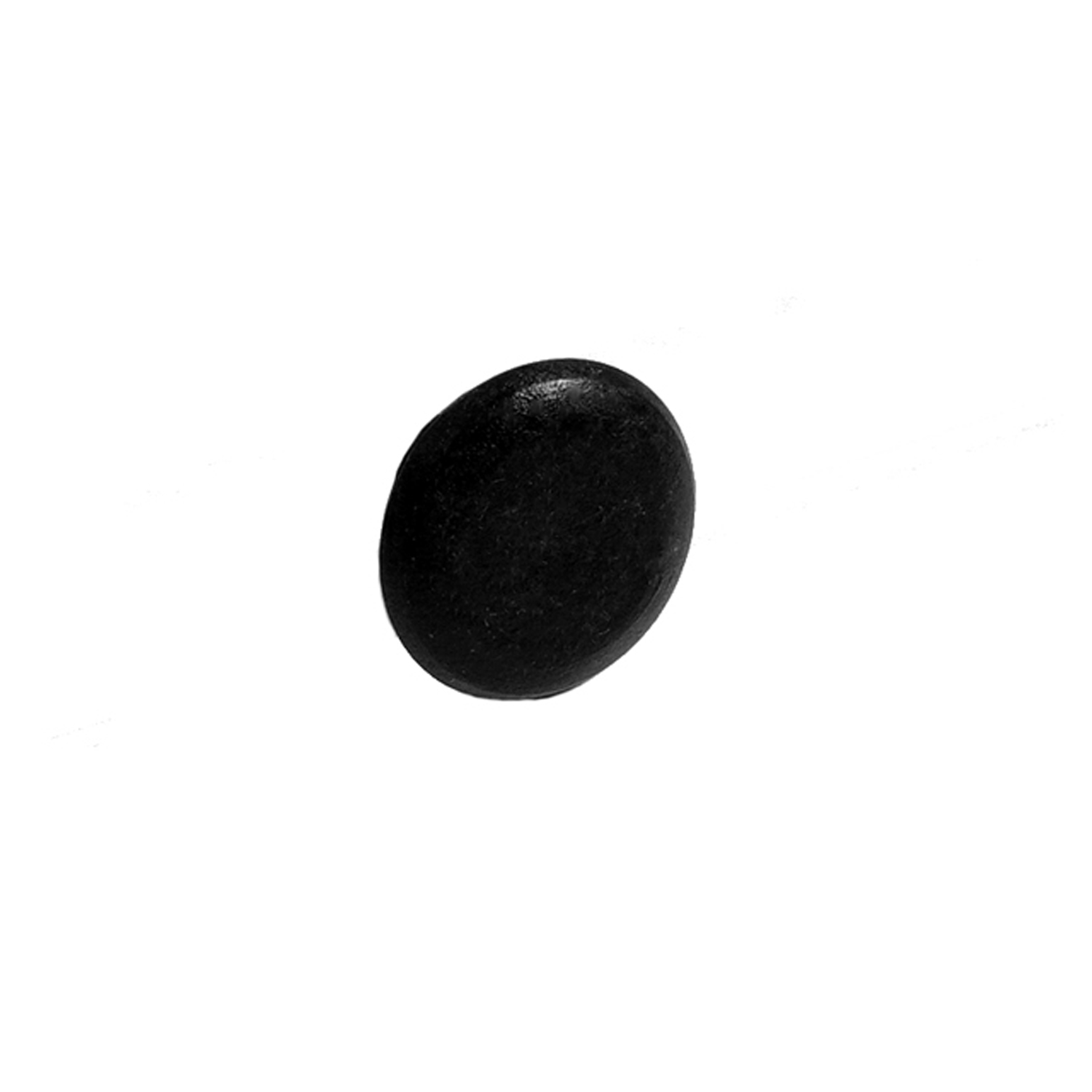 1938 Packard Super Eight Trunk Bumper. 3/4" O.D., 5/8" I.D. Each-SB 74Trunk Bumper. 3/4" O.D., 5/8" I.D. Each
 1938 Packard Super Eight Flexible sweeper. Made with stainless steel bead-WC 8-72Flexible sweeper. Made with stainless steel bead. Used on inner and outer beltlines. Also forms easily for use with sliding quarter windows. 72 in. long. Each. NOTE: $20 special shipping charge applies for domestic orders. Call or email for overseas shipping costs. Part can be sectioned into two equal lengths to reduce overseas shipping costs.
 1938 Packard Super Eight Front Suspension Bumper. 2" high. Each-XB 18Front Suspension Bumper. 2" high. Each
Why Choose Metro?
For over 100 years, Metro Moulded Parts has been the pinnacle of quality in classic car restoration parts. Our commitment to precision and authenticity in every component ensures a perfect fit and an OEM-level appearance.
- Expert Craftsmanship & Quality: Each part is a testament to our dedication to reliability and perfection, crafted from original designs and thoroughly tested.
- Advanced Technology: We use cutting-edge techniques to create flawless, long-lasting parts that surpass others in performance.
- SuperSoft Sponge – The Ultimate Door Seal: Not only are our door seals 30% softer than competitors', but they're also guaranteed to never leak. They effectively reduce wind and road noise, enhancing your classic car's comfort and driving experience.
- Proudly American: Our parts are a product of American craftsmanship, made in the USA with a spirit of excellence and heritage.
- Unrivaled Warranty: We back our products with a 30-year industry-leading warranty, a testament to our confidence in their quality.
Join us in preserving the legacy of classic cars with parts that are crafted for perfection, not just made.