

Image of 1938 Packard Twelve, Note: These illustrations use artistic license and may differ from actual historical models.
Performance Metrics
Fundamental Metrics
Emotional Appeal
MMP Rating
| Engine Specifications | |
|---|---|
| Engine: | 473 cubic inch V12 |
| Displacement: | 7.8L |
| Horsepower: | 175 HP |
| Torque: | Estimated at 322 lb-ft |
| Compression Ratio: | 6.4:1 |
| Ignition System: | Battery and coil |
| Cooling System: | Liquid-cooled |
| Performance Specifications | |
| 0-60 Time: | Estimated at 17 seconds |
| 1/4 Mile Time: | Not available |
| Top Speed: | 100 mph |
| Transmission and Drive | |
| Drive Type: | Rear-wheel drive |
| Transmission Type: | 3-speed manual |
| Fuel and Efficiency | |
| Fuel System Type: | Carburetor |
| MPG: | Estimated at 8-10 mpg |
| Dimensions and Brakes | |
| Brakes: | 4-wheel drum brakes |
| Wheelbase: | 134 inches |
| Weight: | 5,200 lbs |
Note: Specifications for classic cars are given to the best of our ability, considering the limited and variant data available.
1938 Packard Twelve: The Last Word in Prewar Luxury
The 1938 Packard Twelve paired a smooth, nearly 8-liter V12 with the quiet authority of one of America’s most prestigious luxury-car makers. Built by the Packard Motor Car Company in Detroit, it was the company’s flagship: a costly, hand-finished automobile aimed at buyers who wanted refinement, presence, and effortless power in an era when a car could still be a rolling expression of status.
Packard had earned its reputation with engineering and quality as well as style. By 1938, however, the Great Depression had made the market for very expensive cars far smaller. The Twelve was among the last of the great American multi-cylinder luxury cars, and Packard discontinued its V12 after the 1939 model year. One intriguing detail: the 1938 Twelve was not simply a large engine in a handsome body. Its chassis combined traditional luxury-car craftsmanship with modern features such as independent front suspension.
Long Hood, Formal Presence
The Twelve announced its status from a distance. Its tall, upright grille sat between broad, sweeping front fenders, while a long hood emphasized the space needed for the V12 beneath it. The headlights were integrated into the front-fender design, and the body’s flowing lines led to a substantial rear section. Packard’s styling was imposing without being gaudy, balancing formal proportions with the cleaner, more streamlined look gaining favor in the late 1930s.
Inside, the experience depended on body style and specification, but the standard was unmistakably high. Buyers could expect carefully finished wood trim, broad upholstered seats, quality carpeting, and polished metal fittings. Leather was available on many open and higher-grade bodies, while closed cars could be ordered with fine cloth or other upholstery. The result was a cabin designed for quiet, comfortable travel rather than sporty theatrics.
Packard offered the Twelve in multiple body configurations, including sedans, formal touring cars, limousines, coupes, and open models. Long-wheelbase cars suited chauffeur-driven owners and formal occasions; convertibles and coupes gave the line a more personal, sporting character. The most memorable examples today are often the open cars and unusual formal bodies, though the stately sedan best represents the Twelve’s role as a luxury automobile for long-distance motoring.
Paint and trim combinations varied by body and order. Black remained a popular choice for formal cars, while deep blues, maroons, greens, grays, and two-tone finishes showed off the car’s long bodywork. Custom orders could make individual cars especially distinctive, so surviving examples do not all look alike.
Engineering Behind the Prestige
The 1938 Packard Twelve used a 473-cubic-inch, L-head V12 producing approximately 175 horsepower. Power reached the rear wheels through a three-speed manual transmission. The engine’s defining quality was not a high-revving rush but smooth, ample torque. With twelve cylinders delivering power in closely spaced pulses, it could move the heavy car with a calmness that four- and eight-cylinder rivals struggled to match.
Packard’s independent front suspension, marketed as Safe-T-Flex, was a significant engineering feature for a car of this class. It helped the front wheels respond more independently to uneven pavement, improving ride comfort and control compared with a traditional solid front axle. Hydraulic brakes and carefully engineered chassis components added to the Twelve’s modern credentials, even as its appearance and hand-finished details remained decidedly traditional.
The Twelve’s importance lies in that combination of old-world luxury and thoughtful engineering. It was not a mass-market car, and it did not transform the industry on its own. Rather, it demonstrated how far a top American manufacturer could take refinement, chassis development, and quiet power. Its independent front suspension reflected a broader move toward better ride and handling, while its V12 represented the peak of an earlier luxury-car philosophy: more cylinders, more smoothness, and substantial mechanical reserve.
Road Manners and V12 Performance
Exact performance varied with body style, gearing, condition, and equipment. A healthy 1938 Packard Twelve could likely reach roughly 90 to 100 mph, with a 0-to-60-mph time in the neighborhood of 18 to 22 seconds. These are period-car estimates rather than a single universal factory test figure. A heavy limousine would feel different from a lighter coupe, and a carefully restored car may perform differently from one with decades-old mechanical components.
On the road, the Twelve was built to cruise rather than sprint. The V12’s subdued growl rises smoothly under acceleration, and the car gathers speed with little drama. The long wheelbase and independent front suspension help it absorb ordinary road imperfections, though worn suspension parts, old tires, and loose steering components can undermine the ride. On a winding road, its size and weight are obvious. It rewards measured inputs and a confident, unhurried driving style rather than quick changes of direction.
The driver remains part of the mechanical experience. Steering is not modern power-assisted steering, and the clutch and manual gearbox require deliberate operation. Owners must also remember that a nearly 8-liter prewar engine, large drum brakes, and a substantial body demand more planning than a modern car. In return, the Twelve offers a particularly memorable blend of quiet motion, mechanical character, and commanding road presence.
Living With a Packard Twelve
Today, most 1938 Twelves are used as show cars, touring cars, or prized collection pieces. A well-sorted example can participate in club events and careful long-distance drives, but it is rarely an everyday commuter. Its size, fuel consumption, specialized components, and collector value make regular modern traffic less appealing than a relaxed country-road outing or a vintage-car tour.
Maintenance is manageable for an experienced classic-car mechanic, but it is not a simple do-it-yourself project for every owner. The V12 is mechanically complex, and some parts are difficult or expensive to source. Cooling-system health, ignition timing, fuel delivery, brakes, suspension, and lubrication all deserve close attention. The engine’s smoothness can hide problems, so regular inspections matter. Owners should also check that restoration work has been done correctly, especially on the chassis, electrical system, and braking components.
Reliability depends heavily on the individual car’s history and restoration quality. A properly maintained Twelve can be a dependable touring machine by prewar standards, but age and low annual use create their own problems. Specialist Packard clubs and marque experts are valuable resources for technical advice, parts leads, and historically correct restoration details.
Rare Production and Packard Trivia
Packard Twelve production in 1938 is commonly reported at about 566 cars. That small total makes the model rare, although survival varies by body style and condition. Exact counts can differ between references, especially when model designations and body configurations are tabulated in different ways.
The Twelve belonged to the final chapter of Packard’s V12 era. The company continued building Twelves for 1939, then ended the line as the luxury market and the economics of producing such specialized cars changed. It also arrived at a time when several famous American luxury marques were disappearing or retreating from their most extravagant models. The Packard Twelve therefore stands as one of the last expressions of the prewar American multi-cylinder flagship.
A common criticism is that the Twelve’s size and complexity can feel excessive today. It is thirsty, demanding to maneuver in tight spaces, and far from inexpensive to restore. Its formal styling may also seem less dramatic than some coachbuilt European cars. But those drawbacks are part of its character: this was a substantial luxury automobile designed for comfort, ceremony, and smooth progress, not low running costs.
Collector Values and Market Outlook
Values depend greatly on body style, originality, restoration quality, and provenance. As a broad guide, a project car may fall around $30,000 to $70,000, while a sound, presentable sedan might bring roughly $80,000 to $180,000. Excellent restorations and especially desirable open or custom-bodied examples can reach approximately $200,000 to $500,000 or more. Exceptional cars with documented history may exceed those ranges, while cars needing major work can sell for less.
The Twelve is genuinely scarce, but its market is specialized. Finding one for sale can take patience, and the most desirable body styles appear less often than ordinary sedans. Prices have generally benefited from the model’s rarity and historical importance, though the market for very large prewar luxury cars can be uneven. Condition and the quality of the restoration matter more than a simple year-by-year price trend. A high-end restoration may cost more than the car’s eventual market value, so buyers should inspect carefully and budget realistically.
A Flagship From the End of an Era
The 1938 Packard Twelve brought together a remarkable V12, advanced-for-its-time suspension, formal styling, and the workmanship expected of Packard’s finest automobiles. It was built in small numbers for a small circle of buyers, yet it captures a much larger story: the final flowering of America’s prewar luxury-car tradition.
More than a rare collector car, the Packard Twelve is a vivid reminder of an age when prestige could be measured in smoothness, craftsmanship, and the quiet confidence of twelve cylinders under a long hood.
1938 Packard Twelve Catalog of Parts
 1938 Packard TWELVE Accessory Floor Mat - 12"X17"-AC 32Accessory Floor Mat - made of high quality black rubber with molded original emblem. Also designed to be sewn into new carpets. 12"X17", Each
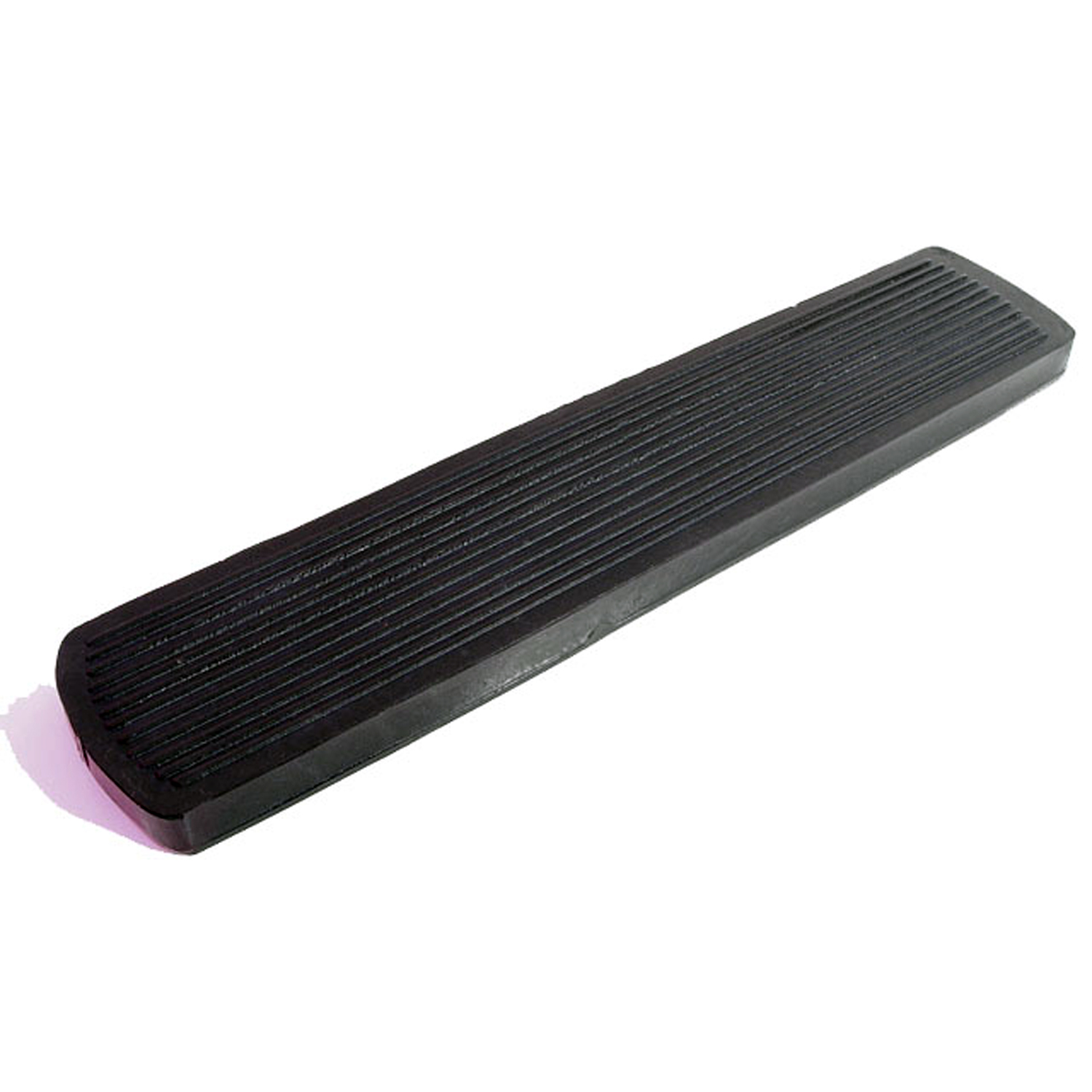 1938 Packard TWELVE Accelerator Pedal Pad. 1-7/8" X 9-3/8", Each-AP 16Accelerator Pedal Pad. 1-7/8" X 9-3/8", Each
 1938 Packard TWELVE Front Bumper Arm Grommets -BG 24Front Bumper Arm Grommets. 2-3/8" wide X 3-7/8" long, with 1-5/8" long inner slot. Pair
 1938 Packard TWELVE Front and Rear Bumper Arm Grommets -BG 25Front and Rear Bumper Arm Grommets. 2-9/16" wide X 4" long with 3-1/4" long inner slot. Pair
 1938 Packard TWELVE Clutch and Brake Pedal Pads. 2-3/4" wide X 3-15/16" long-CB 14Clutch and Brake Pedal Pads. 2-3/4" wide X 3-15/16" long. Pair
 1938 Packard TWELVE Power Brake Pad. 2-3/4" Wide. Each-CB 14-APower Brake Pad. 2-3/4" Wide. Each
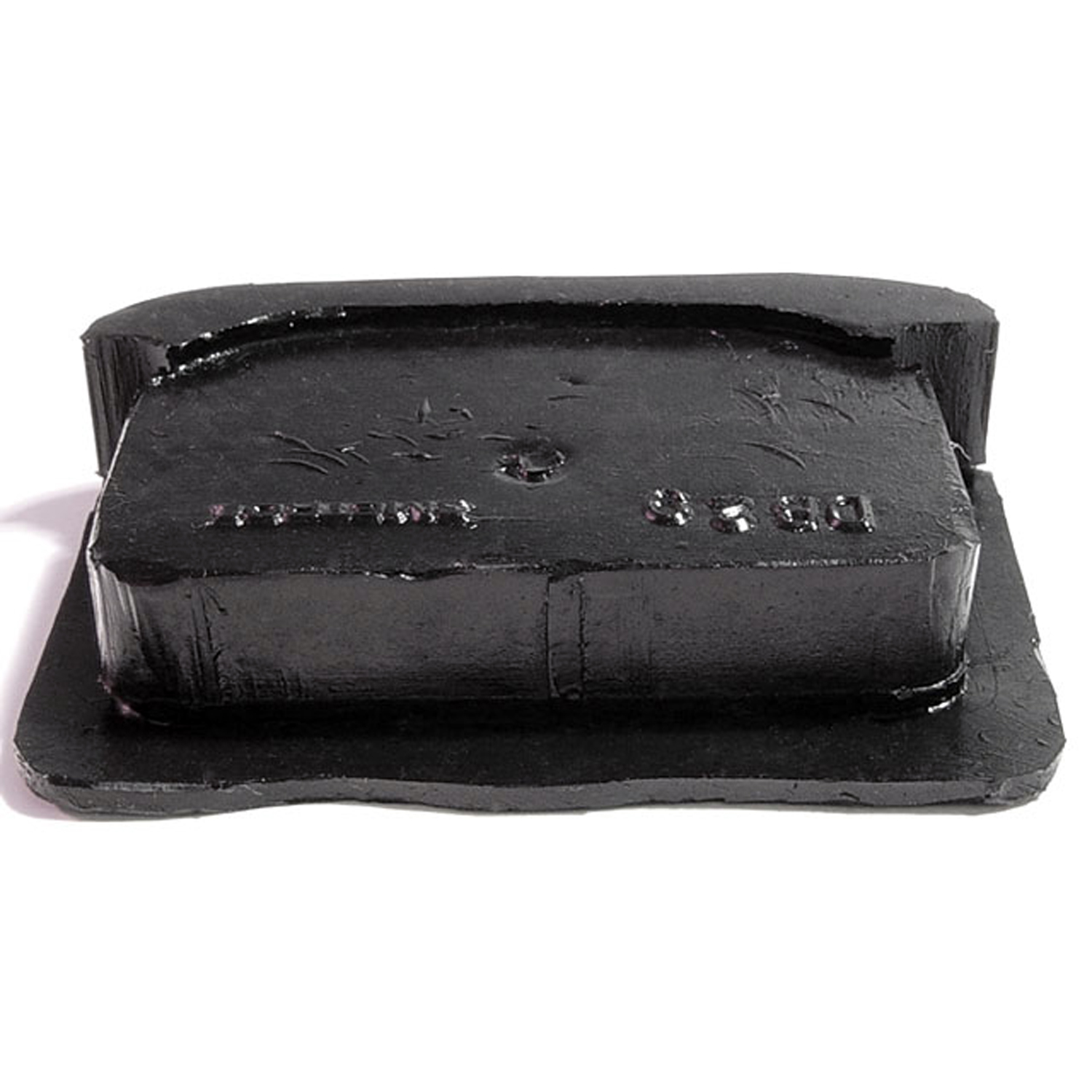 1938 Packard TWELVE Door Bumper. 1-3/8" high X 2" wide X 1/2" thick. Each-DB 29Door Bumper. 1-3/8" high X 2" wide X 1/2" thick. Each
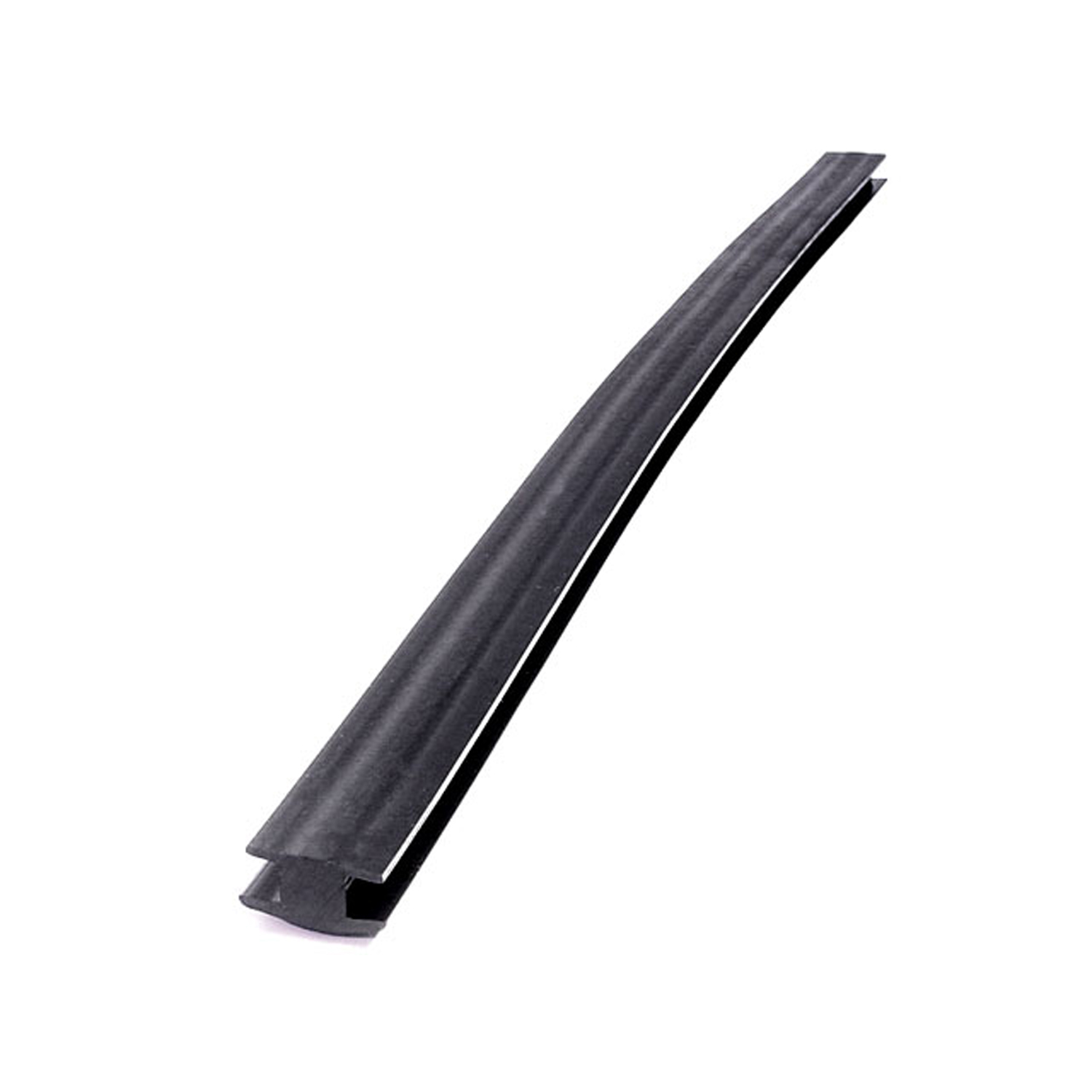 1938 Packard TWELVE Windshield Center Bar Gasket. 20" long. Each-DP 12Windshield Center Bar Gasket. 20" long. Each
 1938 Packard TWELVE Gas Filler Grommet. 2-1/2" I.D., 4-1/8" O.D. Each-GF 12Gas Filler Grommet. 2-1/2" I.D., 4-1/8" O.D. Each
 1938 Packard TWELVE Hood Corners. 1-3/4" to 2" corner radius-HC 14Hood Corners. 1-3/4" to 2" corner radius. Pad is 3-3/8" long. Pair
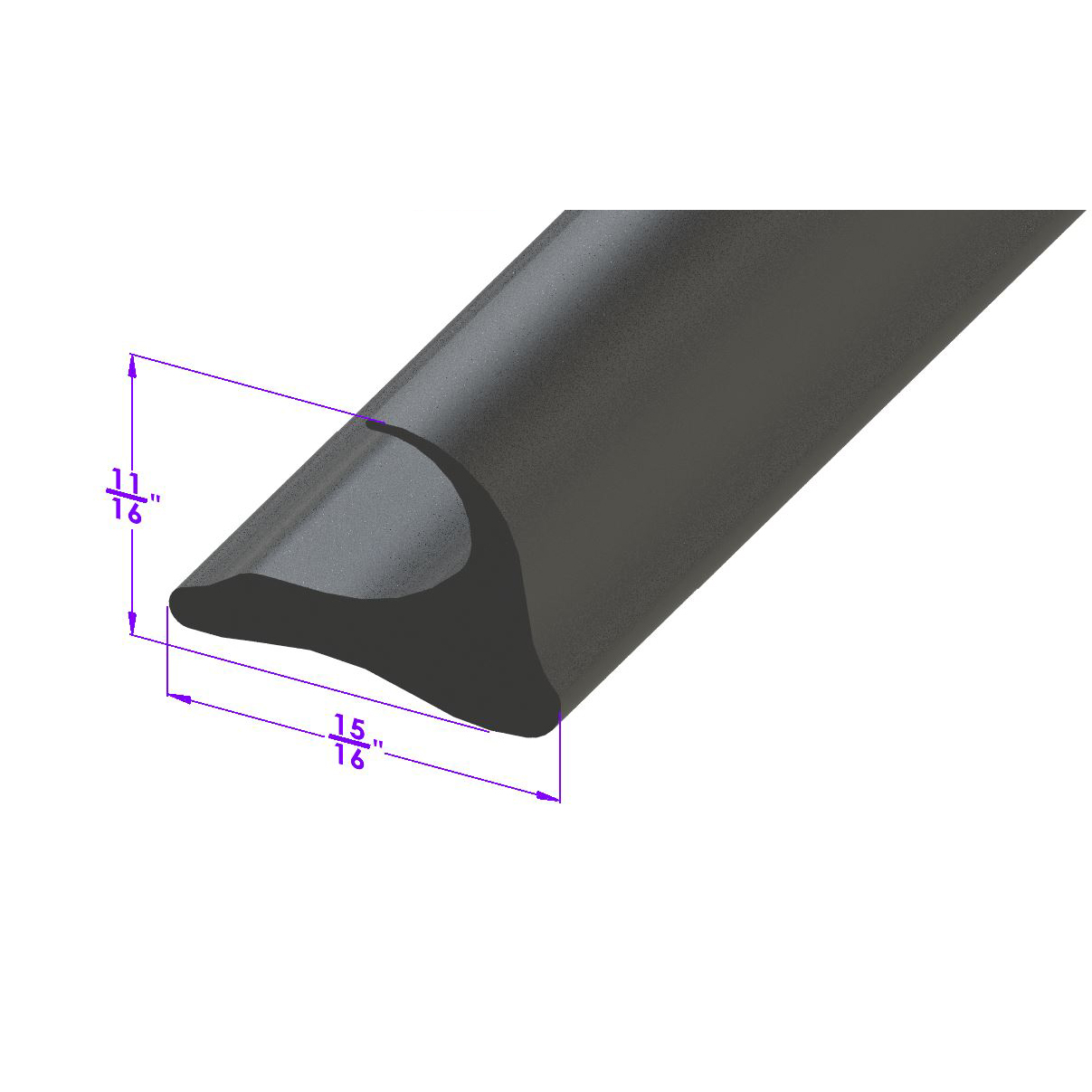 1938 Packard TWELVE Side Roof Rail Seal. Fits in metal retainer-LP 12-ASide Roof Rail Seal. Fits in metal retainer. Sold by the foot
 1938 Packard TWELVE Tail-light Pads. 2-1/2" wide X 6-1/2" long. Pair-MP 832Tail-light Pads. 2-1/2" wide X 6-1/2" long. Pair
 1938 Packard TWELVE Tail-light Pads. 4" long. 1-5/8" wide X 4-1/8" long-MP 832-CTail-light Pads. 4" long. 1-5/8" wide X 4-1/8" long. Pair
 1938 Packard TWELVE Tail-light Pads. 4-1/2" long. 2" wide X 4-1/2" long-MP 833Tail-light Pads. 4-1/2" long. 2" wide X 4-1/2" long. Pair
 1938 Packard TWELVE Park Light Pads. 1-1/2" wide X 5-3/8" long. Pair-MP 834Park Light Pads. 1-1/2" wide X 5-3/8" long. Pair
 1938 Packard TWELVE Door Handle Pads. 1-1/4" wide X 2-1/4" long. Pair-MP 837Door Handle Pads. 1-1/4" wide X 2-1/4" long. Pair
 1938 Packard TWELVE Trunk Hinge Pads. 1-1/2" wide X 7-1/4" long. Cut to size-MP 839Trunk Hinge Pads. 1-1/2" wide X 7-1/4" long. Cut to size. Set
 1938 Packard TWELVE Rumble Seat Step-Plate Pad. 3-1/4" wide X 5-5/8" long-MP 841Rumble Seat Step-Plate Pad. 3-1/4" wide X 5-5/8" long. Each
 1938 Packard TWELVE Rumble Seat Step-Plate Pad. 4-1/8" O.D. Each-MP 841-BRumble Seat Step-Plate Pad. 4-1/8" O.D. Each
 1938 Packard TWELVE Rumble Seat Step-Plate Pad. 4-3/4" wide X 4-1/4" long-MP 842Rumble Seat Step-Plate Pad. 4-3/4" wide X 4-1/4" long. Each
 1938 Packard TWELVE Trunk Hinge Pads. 1-3/4" wide X 8-1/8" long. Cut to fit-MP 843Trunk Hinge Pads. 1-3/4" wide X 8-1/8" long. Cut to fit. Set
 1938 Packard TWELVE Park Light Pads. 1-7/8" wide X 4-1/2" long. Pair-MP 844Park Light Pads. 1-7/8" wide X 4-1/2" long. Pair
 1938 Packard TWELVE Door Handle Pads. 1-5/8" wide X 2-7/8" long. Pair-MP 844-ADoor Handle Pads. 1-5/8" wide X 2-7/8" long. Pair
 1938 Packard TWELVE Rumble Seat Step-Plate Pad. 2" wide X 4-3/8" long. Each-MP 849-BRumble Seat Step-Plate Pad. 2" wide X 4-3/8" long. Each
 1938 Packard TWELVE Headlight Pads. Thick mounting pads-MP 853Headlight Pads. Thick mounting pads. 3-3/8" wide X 6-1/2" long. Pair R&L
 1938 Packard TWELVE Headlight Pads. 3-7/8" wide X 11-1/4" long. Pair-MP 890Headlight Pads. 3-7/8" wide X 11-1/4" long. Pair
 1938 Packard TWELVE License Stand Pad. 2-5/8" wide X 3-1/2" long. Each-MP 892License Stand Pad. 2-5/8" wide X 3-1/2" long. Each
 1938 Packard TWELVE Tail-light Pads. 4-1/8" long. 2-3/8" wide X 4-1/4" long-MP 893Tail-light Pads. 4-1/8" long. 2-3/8" wide X 4-1/4" long. Pair
 1938 Packard TWELVE Tail-light Pads. 2-1/2" wide X 5-1/2" long. Pair-MP 904Tail-light Pads. 2-1/2" wide X 5-1/2" long. Pair
 1938 Packard TWELVE Trunk Hinge Pads. 1-1/2" wide X 11-1/8" long. Set-MP 931Trunk Hinge Pads. 1-1/2" wide X 11-1/8" long. Set
 1938 Packard TWELVE Torque Arm Ball Rubbers. Pair-RP 73Torque Arm Ball Rubbers. Pair
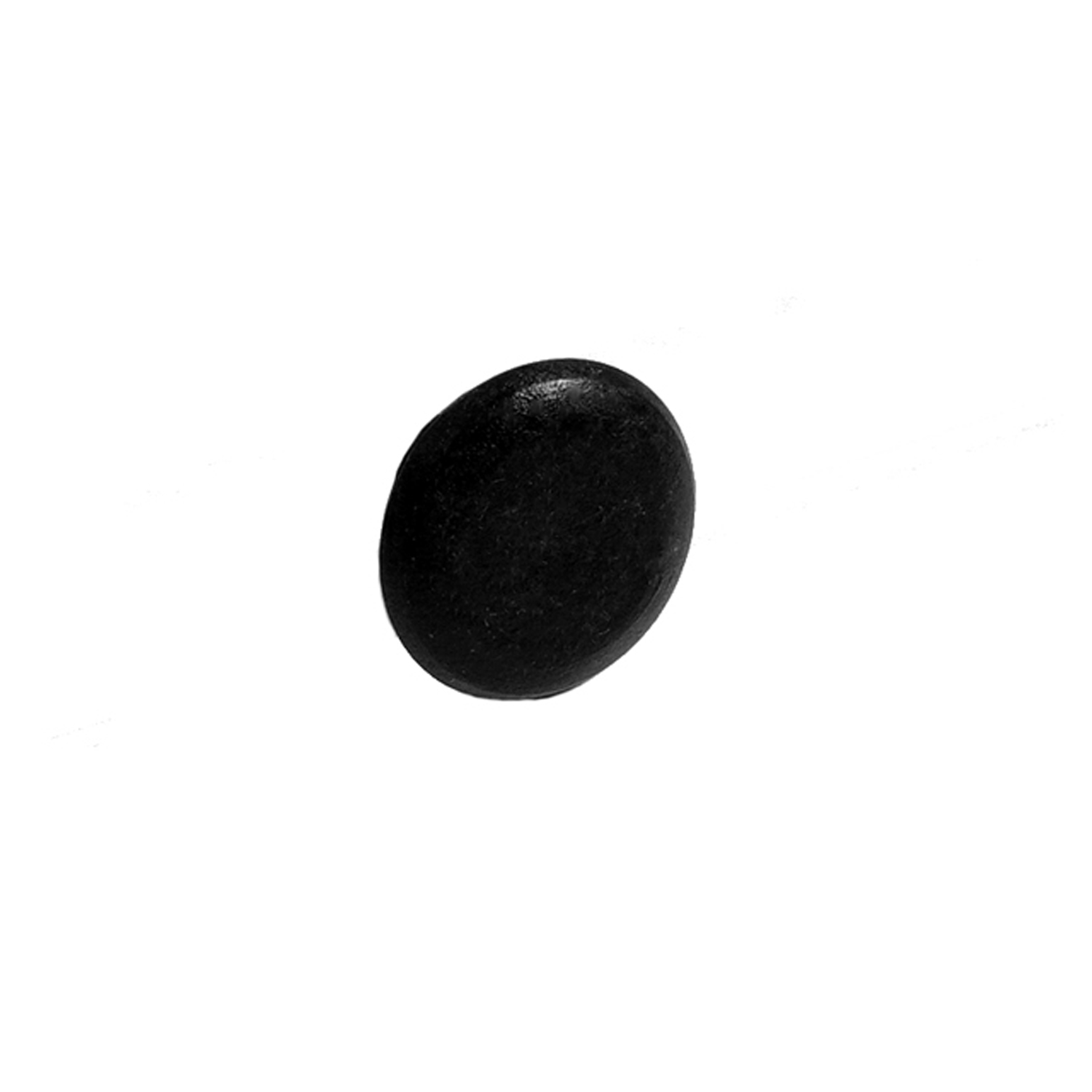 1938 Packard TWELVE Trunk Bumper. 3/4" O.D., 5/8" I.D. Each-SB 74Trunk Bumper. 3/4" O.D., 5/8" I.D. Each
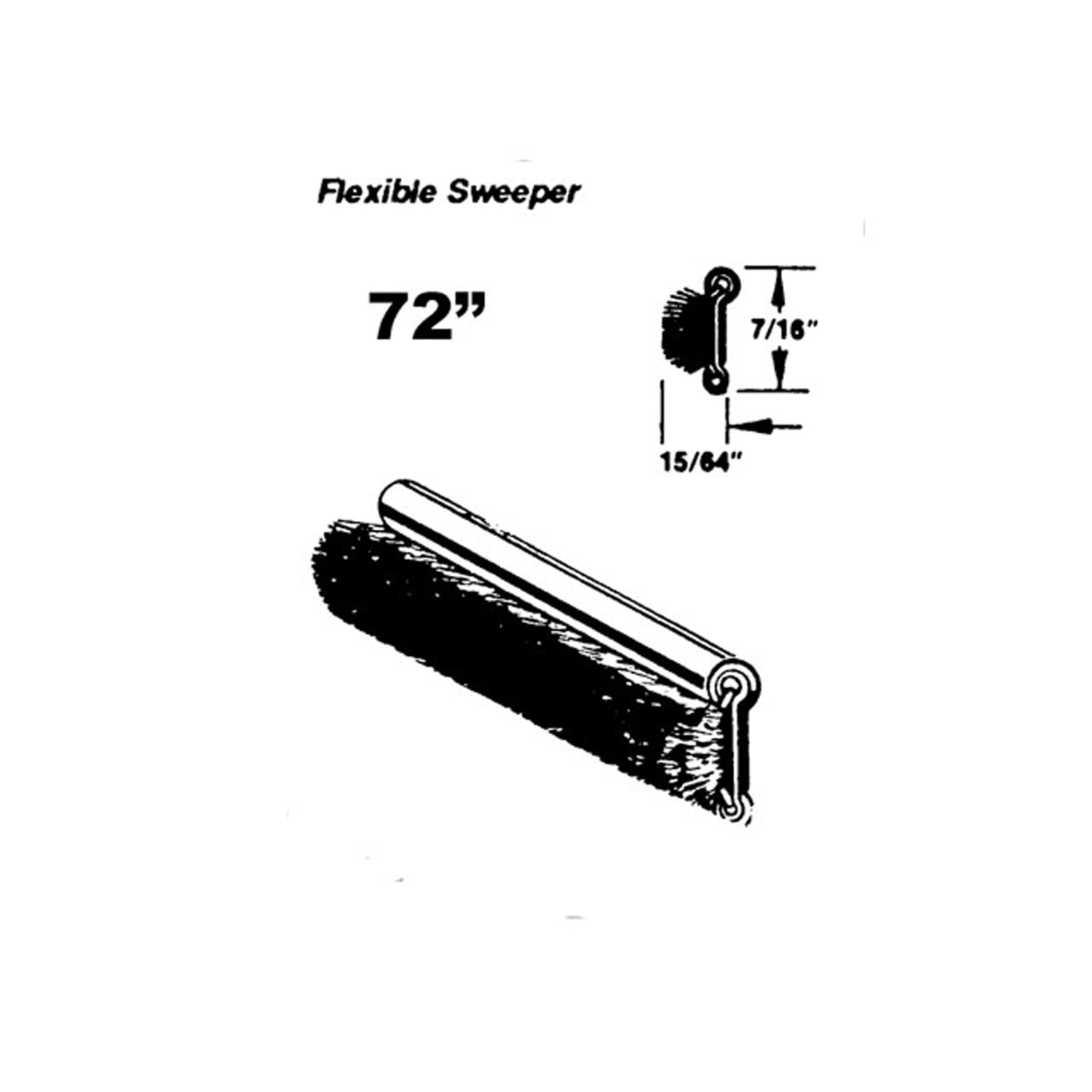 1938 Packard TWELVE Flexible sweeper. Made with stainless steel bead-WC 8-72Flexible sweeper. Made with stainless steel bead. Used on inner and outer beltlines. Also forms easily for use with sliding quarter windows. 72 in. long. Each. NOTE: $20 special shipping charge applies for domestic orders. Call or email for overseas shipping costs. Part can be sectioned into two equal lengths to reduce overseas shipping costs.
 1938 Packard TWELVE Front Suspension Bumper. 2" high. Each-XB 18Front Suspension Bumper. 2" high. Each
Why Choose Metro?
For over 100 years, Metro Moulded Parts has been the pinnacle of quality in classic car restoration parts. Our commitment to precision and authenticity in every component ensures a perfect fit and an OEM-level appearance.
- Expert Craftsmanship & Quality: Each part is a testament to our dedication to reliability and perfection, crafted from original designs and thoroughly tested.
- Advanced Technology: We use cutting-edge techniques to create flawless, long-lasting parts that surpass others in performance.
- SuperSoft Sponge – The Ultimate Door Seal: Not only are our door seals 30% softer than competitors', but they're also guaranteed to never leak. They effectively reduce wind and road noise, enhancing your classic car's comfort and driving experience.
- Proudly American: Our parts are a product of American craftsmanship, made in the USA with a spirit of excellence and heritage.
- Unrivaled Warranty: We back our products with a 30-year industry-leading warranty, a testament to our confidence in their quality.
Join us in preserving the legacy of classic cars with parts that are crafted for perfection, not just made.