

Image of 1939 Packard Twelve, Note: These illustrations use artistic license and may differ from actual historical models.
Performance Metrics
Fundamental Metrics
Emotional Appeal
MMP Rating
| Engine Specifications | |
|---|---|
| Engine: | L-head V12 |
| Displacement: | 473 cubic inches (7.8 liters) |
| Horsepower: | Estimated 175 hp |
| Torque: | Not available |
| Compression Ratio: | 6.4:1 |
| Ignition System: | Battery and coil |
| Cooling System: | Water-cooled |
| Performance Specifications | |
| 0-60 Time: | Not available |
| 1/4 Mile Time: | Not available |
| Top Speed: | Estimated 100 mph |
| Transmission and Drive | |
| Drive Type: | Rear-wheel drive |
| Transmission Type: | 3-speed manual |
| Fuel and Efficiency | |
| Fuel System Type: | Carburetor |
| MPG: | Not available |
| Dimensions and Brakes | |
| Brakes: | 4-wheel drum brakes |
| Wheelbase: | 134 inches |
| Weight: | Estimated 5,000 lbs |
Note: Specifications for classic cars are given to the best of our ability, considering the limited and variant data available.
1939 Packard Twelve: The Last Great Packard V12
The 1939 Packard Twelve was a grand American luxury car with a remarkable distinction: it was the final year of Packard’s twelve-cylinder production. Built by the Packard Motor Car Company in Detroit, it combined imposing size, hand-finished appointments, and a smooth 473-cubic-inch V12 at a time when the market for very expensive cars was shrinking.
Packard had revived its twelve-cylinder tradition in 1932 with the Twin Six, later renamed the Twelve. By 1939, the company’s flagship faced tough economic realities and competition from Cadillac, Lincoln, and European marques. The model was built in small numbers, with production commonly estimated at about 446 cars. That final-year status gives the 1939 Twelve particular appeal: it represents the end of Packard’s V12 era, not simply another model-year update.
Long Hood, Formal Presence
The Twelve announced its status from a distance. Its long hood and upright, finely detailed grille gave the front end a stately appearance, while sweeping front fenders and integrated headlamps softened the car’s otherwise substantial proportions. Chrome accents added polish without overwhelming the design. The overall effect was formal and unmistakably prewar, but carefully shaped rather than merely oversized.
Inside, the cabin was trimmed to suit a high-priced automobile. Depending on body style and specification, buyers could find supple leather or fine broadcloth upholstery, plush carpeting, polished wood trim, and carefully finished metal fittings. Packard paid close attention to the details passengers touched and saw, from the door panels to the instruments. In chauffeur-driven models, the rear compartment could be especially luxurious, with room to stretch out and a more private, formal atmosphere.
Packard offered Twelve buyers a range of body styles on different wheelbases, including sedans, touring sedans, limousines, and open cars. The shorter-wheelbase chassis measured about 134 inches, while long-wheelbase versions extended to roughly 144 inches. The enclosed sedan and limousine bodies suited owners who wanted quiet, dignified transportation. Convertible and other open styles showed off the car’s long lines and are especially eye-catching today. Availability varied by chassis and body configuration, so not every style appeared in equal numbers.
Factory paint choices included a wide selection of solid colors and, depending on the body and order, contrasting treatments. Dark colors such as black, deep blue, and maroon suited the car’s formal character, while lighter or two-tone finishes made its flowing fenders and long profile stand out. Original color availability can be difficult to establish for an individual car, since many have been repainted during their long lives.
Engineering at the Top of Packard’s Range
At the heart of the 1939 Packard Twelve was a 473-cubic-inch, L-head V12 producing approximately 175 horsepower. Its purpose was not to deliver a dramatic burst of acceleration. Instead, the engine was designed to move a heavy luxury car with a smooth, steady flow of power. A three-speed manual transmission with synchromesh helped make gear changes less demanding, while hydraulic brakes brought the car’s substantial mass under control.
Independent front suspension, introduced on Packard cars earlier in the decade, helped the Twelve ride and steer with greater composure than many older cars using a solid front axle. The chassis combined this more modern front-end design with the robust construction expected of a flagship model. Packard’s engineering was not about one headline-grabbing gadget. It was about making a large, powerful automobile feel refined and manageable.
How the Packard Twelve Drove
Exact performance depends on body style, gearing, mechanical condition, and test method. A healthy 1939 Twelve is generally estimated to reach approximately 90 to 100 mph, with a 0-to-60 mph time in the neighborhood of 18 to 22 seconds. Those figures should be understood as period-car estimates, not modern instrumented test results. The car’s weight and relaxed gearing favored effortless cruising over quick starts.
On the road, the V12’s character is the main attraction. At a steady pace, it delivers a subdued, even engine note rather than the sharp exhaust bark associated with a sporting car. The steering and controls feel substantial, and the driver must plan ahead when braking or maneuvering in tight spaces. On ordinary bumps, the long wheelbase and suspension help produce a settled, stately ride. On winding roads, the Twelve is better enjoyed at a measured pace: its size and weight reward smooth inputs, not hurried cornering.
In other words, the Twelve feels less like a modern performance car and more like a private rail carriage on a good road. The pleasure comes from the quiet engine, the slow unfolding of the view over the long hood, and the sense that the car is barely working while it carries its occupants along.
A Flagship in a Changing Industry
The 1939 Packard Twelve belonged to the last generation of American cars that treated a large, multi-cylinder engine as a defining luxury feature. Its rivals included Cadillac’s V16 models and high-end Lincolns, while the market for costly prestige cars had been narrowed by the Depression. Packard’s own identity was built around quality and engineering, but even a well-regarded marque could not escape the pressure to offer cars buyers could afford.
What set the Twelve apart was its combination of scale, refinement, and comparatively understated styling. It delivered the prestige of a large-displacement V12 without relying on flamboyant decoration. Its independent front suspension and carefully developed chassis also reflected the broader move toward better ride and handling in premium cars.
The Twelve did not create a lasting production trend for V12 engines at Packard. Instead, its significance is that it marked the close of one. After the 1939 model year, Packard concentrated on its six- and eight-cylinder offerings. The Twelve’s final-year status now gives it a special place in the company’s history and in the story of prewar American luxury cars.
Owning a 1939 Packard Twelve
Today, a Twelve is usually a collector car, show car, or carefully maintained touring machine rather than an everyday driver. Its size, fuel consumption, age, and value make routine commuting impractical for most owners. On organized classic-car tours, however, a properly prepared example can still cover distance in comfort.
Maintenance calls for experience with prewar Packards and large, low-volume engines. Routine work is manageable for a skilled owner, but major repairs can be demanding. The V12 has more components than a typical inline engine, and replacement parts may require specialist suppliers, careful searching, or custom work. Cooling, ignition, fuel delivery, brakes, and the condition of the electrical system deserve close attention before a car is driven regularly.
Reliability depends heavily on restoration quality and consistent upkeep. A neglected car can become an expensive project quickly, while a well-sorted example can provide enjoyable touring. Before buying, prospective owners should look beyond shiny paint and inspect the engine, chassis, body structure, and documentation. A specialist pre-purchase inspection is particularly valuable because the cost of correcting hidden problems can be substantial.
Packard Twelve Facts and Myths
The most notable fact is also the simplest: 1939 was the Twelve’s final production year. Packard’s V12 story had begun decades earlier, and the 1939 model closed that chapter as the company shifted toward more broadly marketable cars. Production is commonly estimated at around 446 examples, although totals can vary among references and surviving records.
The Twelve was not built as a racing car and is not chiefly remembered for speed records. Its achievement was a different one: delivering quiet, high-status transportation with a twelve-cylinder engine in a large, carefully finished American chassis. Individual cars have had their own notable histories, including ownership by prominent figures, but celebrity associations should be verified against documentation rather than assumed from a seller’s description.
One fair criticism is that the car’s size and complexity can make ownership expensive. It is also not especially nimble by modern standards, and its fuel economy is modest. Those drawbacks are part of the bargain with a prewar flagship. The Twelve was designed to make a grand impression, not to be compact, inexpensive, or easy to park.
1939 Packard Twelve Values
Values vary widely according to body style, originality, restoration quality, provenance, and mechanical condition. As a broad 2026 estimate in U.S. dollars, a project car might fall around $40,000 to $80,000. A sound, usable sedan could be roughly $80,000 to $160,000, while a very well-restored example may reach about $150,000 to $250,000. Rare open or formal bodies in exceptional condition can bring $250,000 to $500,000 or more, particularly when supported by strong history and high-quality restoration.
Those figures are guides, not a substitute for comparing recent sales of the same body style. A standard sedan and a scarce open car should not be valued as if they were interchangeable. The market for prewar luxury cars has also tended to reward condition and provenance more than simple age. In nominal dollars, exceptional examples can remain strong, while average cars may show flatter performance after restoration costs and inflation are considered.
With only about 446 examples believed to have been built, the 1939 Twelve is genuinely scarce. Cars do appear at specialist auctions and through marque-focused dealers, but buyers may need patience to find the right body style, condition, and history. The small production total is part of the appeal, though rarity alone does not guarantee a high price.
The Last Word on Packard’s V12
The 1939 Packard Twelve brings together the qualities that made Packard famous: careful engineering, restrained elegance, and a deep commitment to passenger comfort. Its V12 offers smoothness rather than spectacle, while its range of formal and open body styles reflects the flexibility of the American luxury-car market before the war.
As the last Packard Twelve, it stands at the end of an extraordinary line. More than a rare collector car, it is a rolling reminder of an era when the finest American automobiles were built to make every journey feel like an occasion.
1939 Packard Twelve Catalog of Parts
 1939 Packard TWELVE Accessory Floor Mat - 12"X17"-AC 32Accessory Floor Mat - made of high quality black rubber with molded original emblem. Also designed to be sewn into new carpets. 12"X17", Each
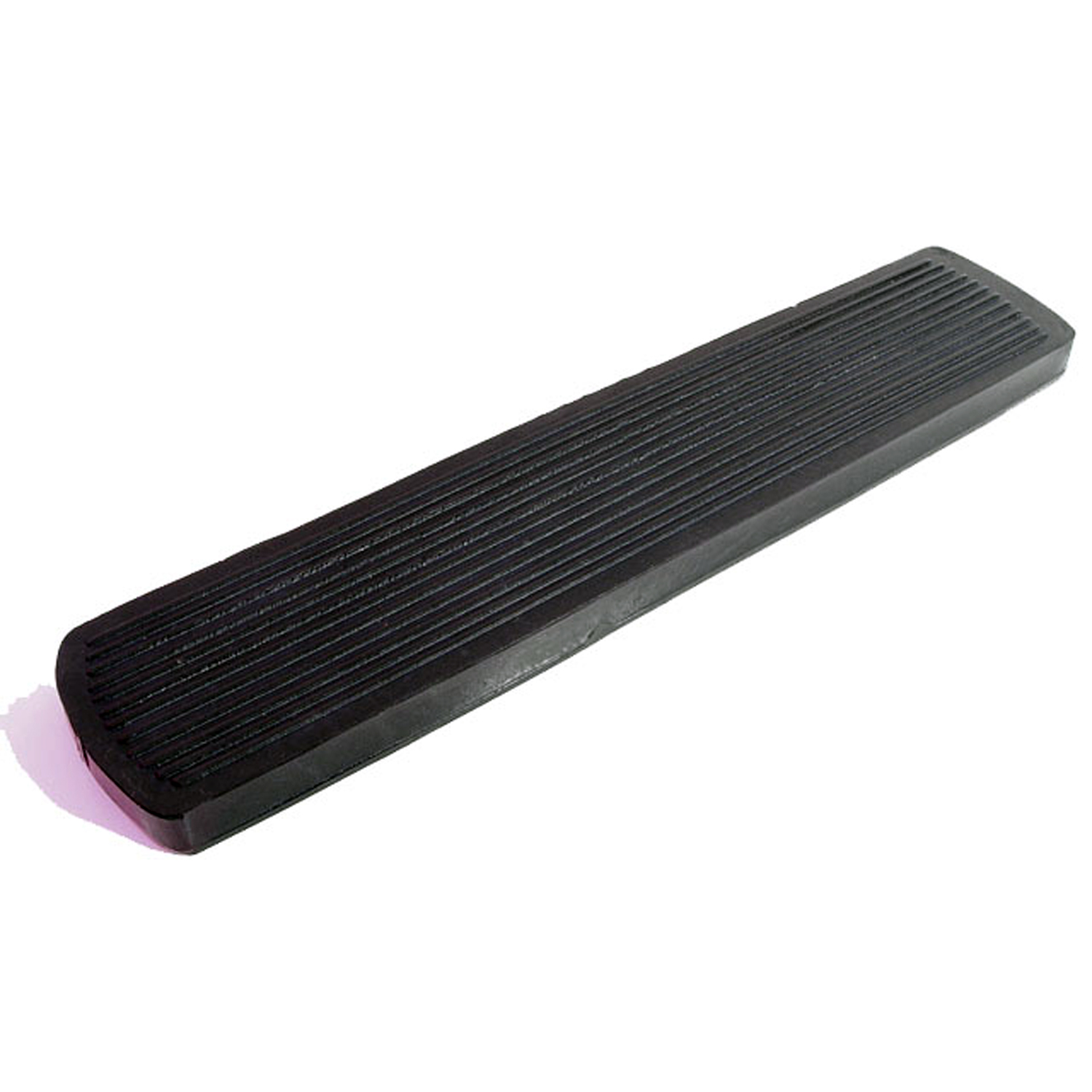 1939 Packard TWELVE Accelerator Pedal Pad. 1-7/8" X 9-3/8", Each-AP 16Accelerator Pedal Pad. 1-7/8" X 9-3/8", Each
 1939 Packard TWELVE Front Bumper Arm Grommets -BG 24Front Bumper Arm Grommets. 2-3/8" wide X 3-7/8" long, with 1-5/8" long inner slot. Pair
 1939 Packard TWELVE Front and Rear Bumper Arm Grommets -BG 25Front and Rear Bumper Arm Grommets. 2-9/16" wide X 4" long with 3-1/4" long inner slot. Pair
 1939 Packard TWELVE Clutch and Brake Pedal Pads. 2-3/4" wide X 3-15/16" long-CB 14Clutch and Brake Pedal Pads. 2-3/4" wide X 3-15/16" long. Pair
 1939 Packard TWELVE Power Brake Pad. 2-3/4" Wide. Each-CB 14-APower Brake Pad. 2-3/4" Wide. Each
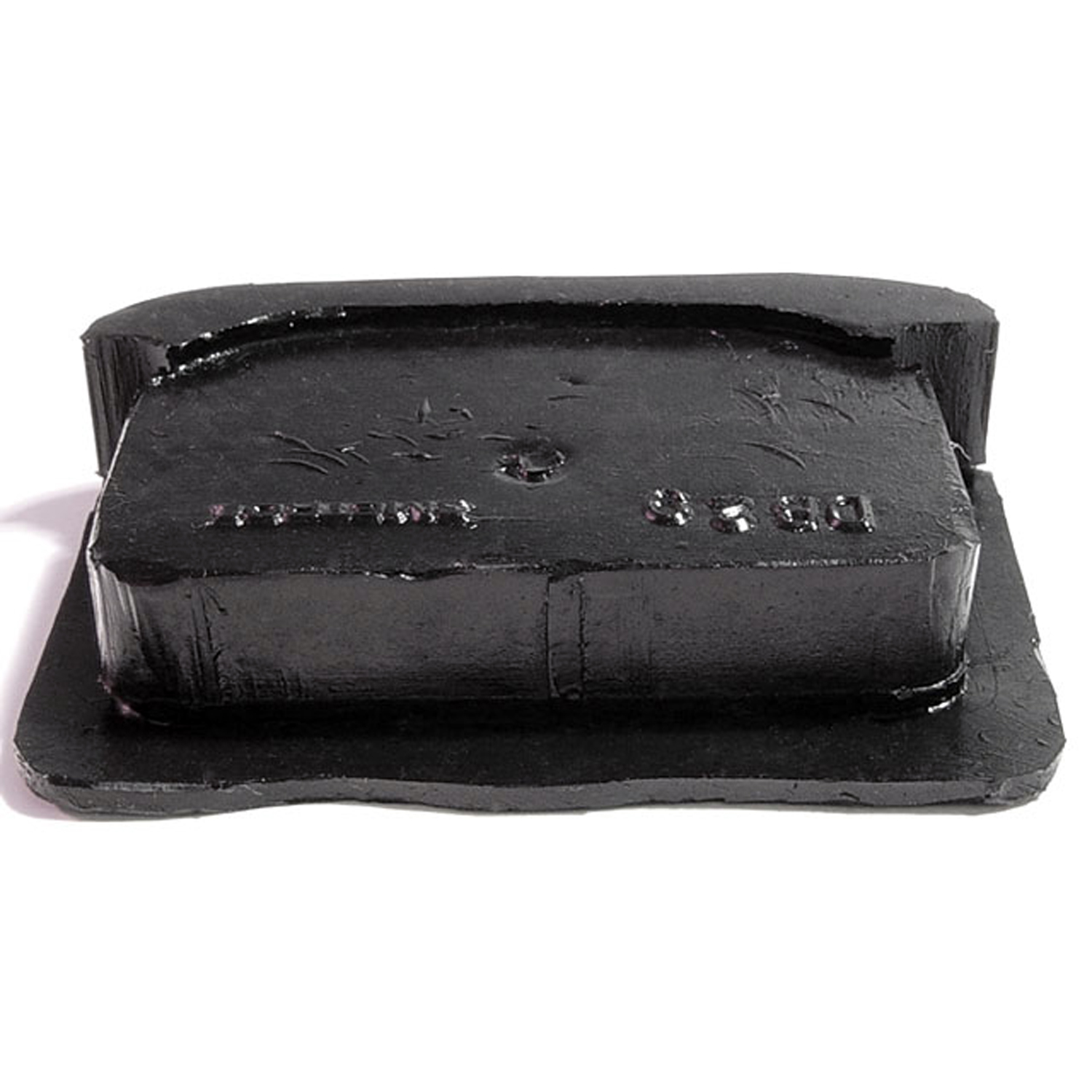 1939 Packard TWELVE Door Bumper. 1-3/8" high X 2" wide X 1/2" thick. Each-DB 29Door Bumper. 1-3/8" high X 2" wide X 1/2" thick. Each
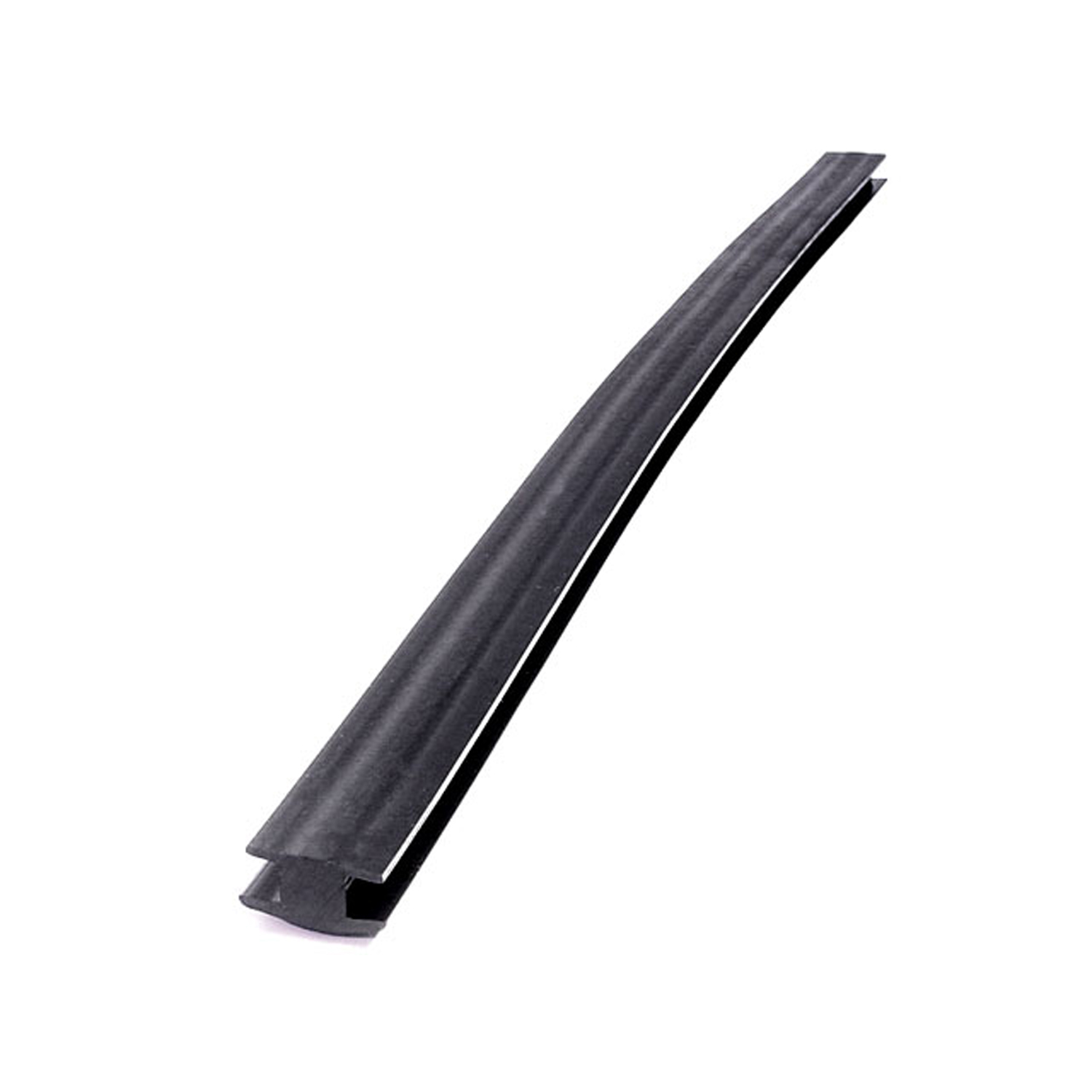 1939 Packard TWELVE Windshield Center Bar Gasket. 20" long. Each-DP 12Windshield Center Bar Gasket. 20" long. Each
 1939 Packard TWELVE Gas Filler Grommet. 2-1/2" I.D., 4-1/8" O.D. Each-GF 12Gas Filler Grommet. 2-1/2" I.D., 4-1/8" O.D. Each
 1939 Packard TWELVE Hood Corners. 1-3/4" to 2" corner radius-HC 14Hood Corners. 1-3/4" to 2" corner radius. Pad is 3-3/8" long. Pair
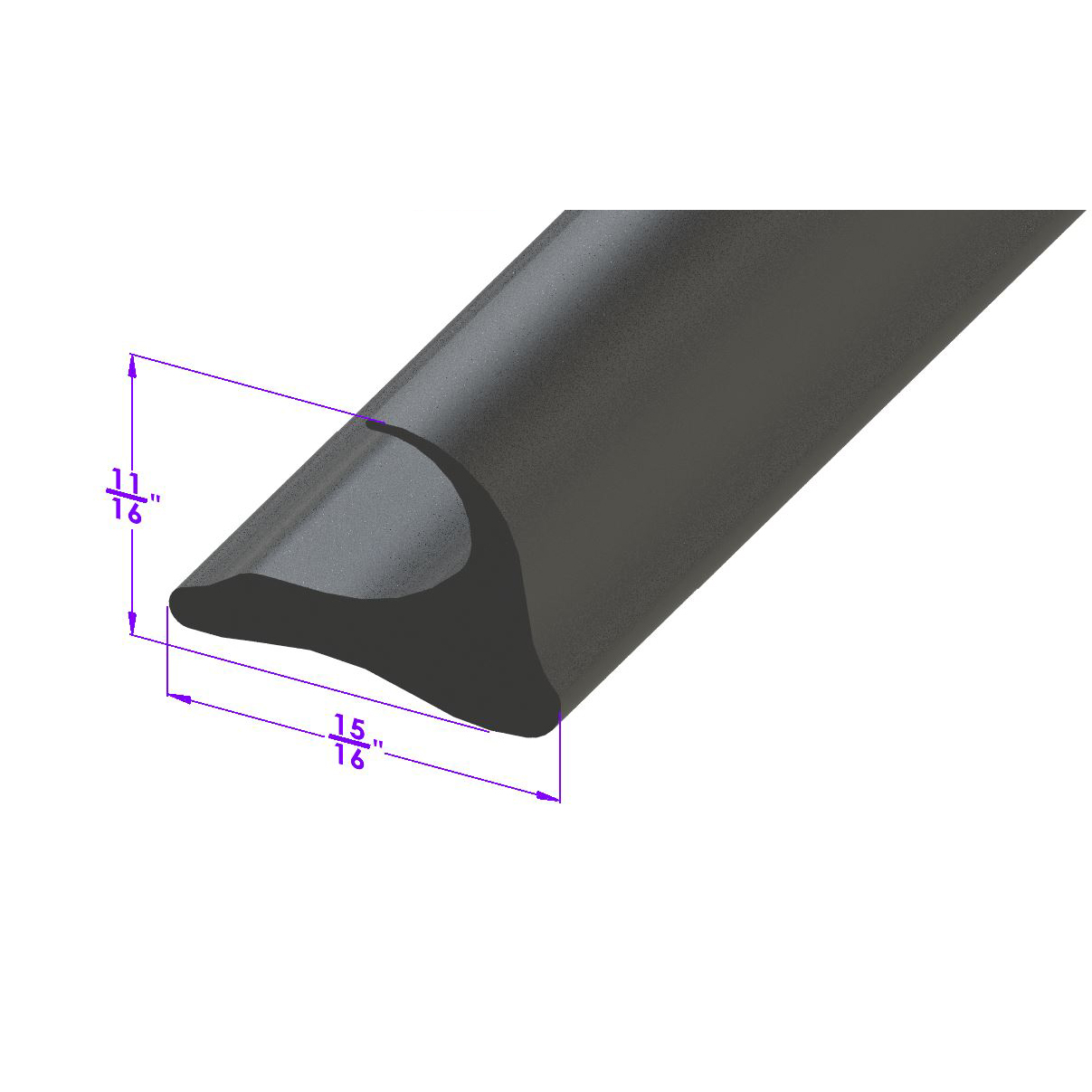 1939 Packard TWELVE Side Roof Rail Seal. Fits in metal retainer-LP 12-ASide Roof Rail Seal. Fits in metal retainer. Sold by the foot
 1939 Packard TWELVE Trunk Seal. Sponge rubber. Sold by the foot.-LP 96-/FTTrunk Seal. Sponge rubber. Sold by the foot.
 1939 Packard TWELVE Door Handle Pads. 1-5/8" wide X 2-1/8" long. Pair-MP 861Door Handle Pads. 1-5/8" wide X 2-1/8" long. Pair
 1939 Packard TWELVE Park Light Pads. 1-5/8" wide X 6-3/4" long. Pair-MP 872Park Light Pads. 1-5/8" wide X 6-3/4" long. Pair
 1939 Packard TWELVE Trunk Handle Pad. 1-3/4" O.D. Each-MP 876Trunk Handle Pad. 1-3/4" O.D. Each
 1939 Packard TWELVE Park Light Pads. 1-1/2" wide X 2-5/8" long. Pair-MP 877Park Light Pads. 1-1/2" wide X 2-5/8" long. Pair
 1939 Packard TWELVE Door Handle Pads. 2-3/8" O.D. Pair -MP 878Door Handle Pads. 2-3/8" O.D. Pair
 1939 Packard TWELVE Trunk Light Pad. 3" wide X 10-1/8" long. Each-MP 891Trunk Light Pad. 3" wide X 10-1/8" long. Each
 1939 Packard TWELVE Radiator Shell Pads. 4-1/8" wide X 3-1/8" long. Pair-MP 891-CRadiator Shell Pads. 4-1/8" wide X 3-1/8" long. Pair
 1939 Packard TWELVE Windshield Wiper Transmission Pad -MP 891-DWindshield Wiper Transmission Pad. 2-1/8" wide X 2-1/4" long. Each
 1939 Packard TWELVE Trunk Handle Pad. 2-1/8" wide X 5-5/8" long. Each-MP 900Trunk Handle Pad. 2-1/8" wide X 5-5/8" long. Each
 1939 Packard TWELVE Tail-light Pads. 1-3/4" wide X 6" long. Pair-MP 905Tail-light Pads. 1-3/4" wide X 6" long. Pair
 1939 Packard TWELVE Tail-light Pads. 2-5/8" wide X 7-1/8" long. Pair-MP 910Tail-light Pads. 2-5/8" wide X 7-1/8" long. Pair
 1939 Packard TWELVE Torque Arm Ball Rubbers. Pair-RP 73Torque Arm Ball Rubbers. Pair
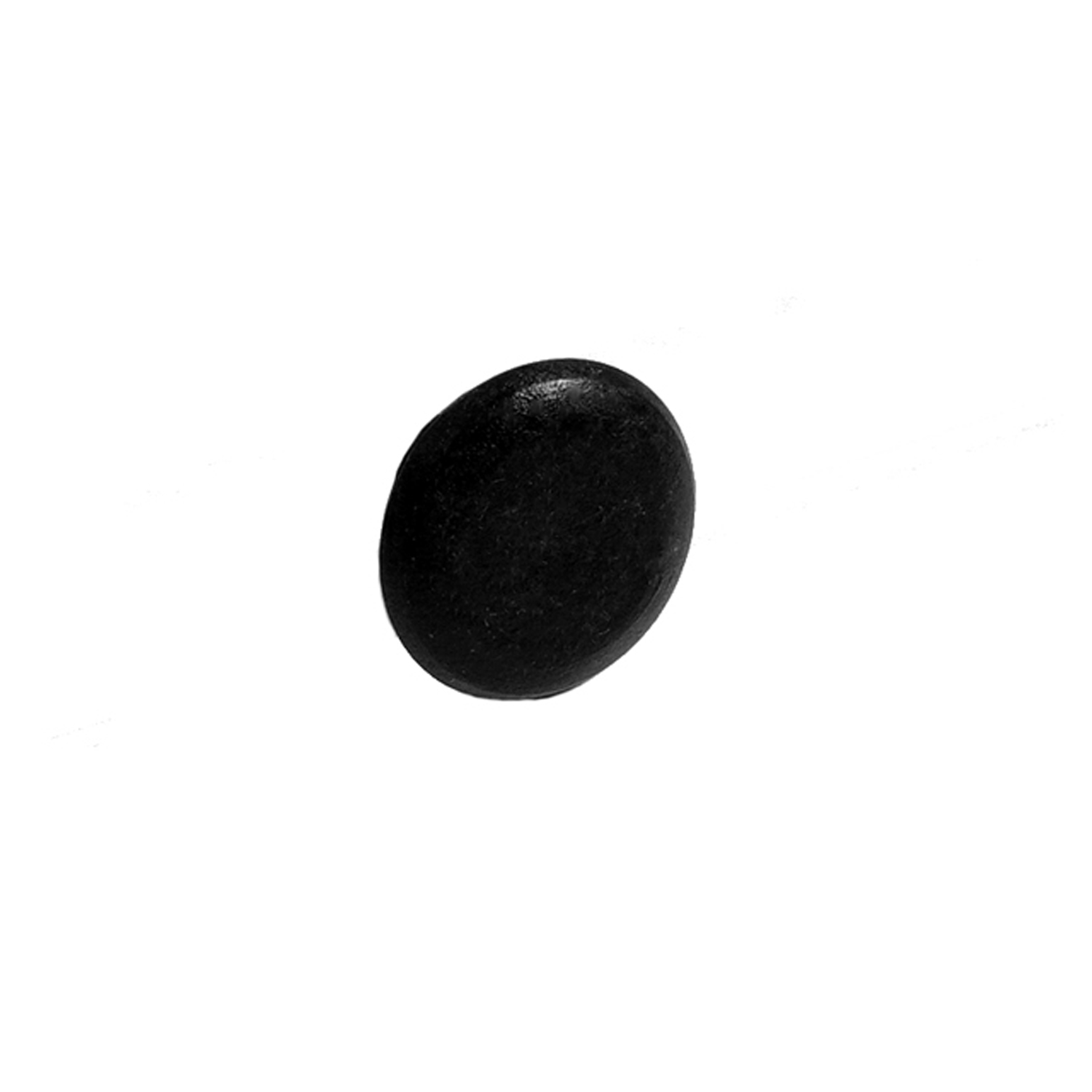 1939 Packard TWELVE Trunk Bumper. 3/4" O.D., 5/8" I.D. Each-SB 74Trunk Bumper. 3/4" O.D., 5/8" I.D. Each
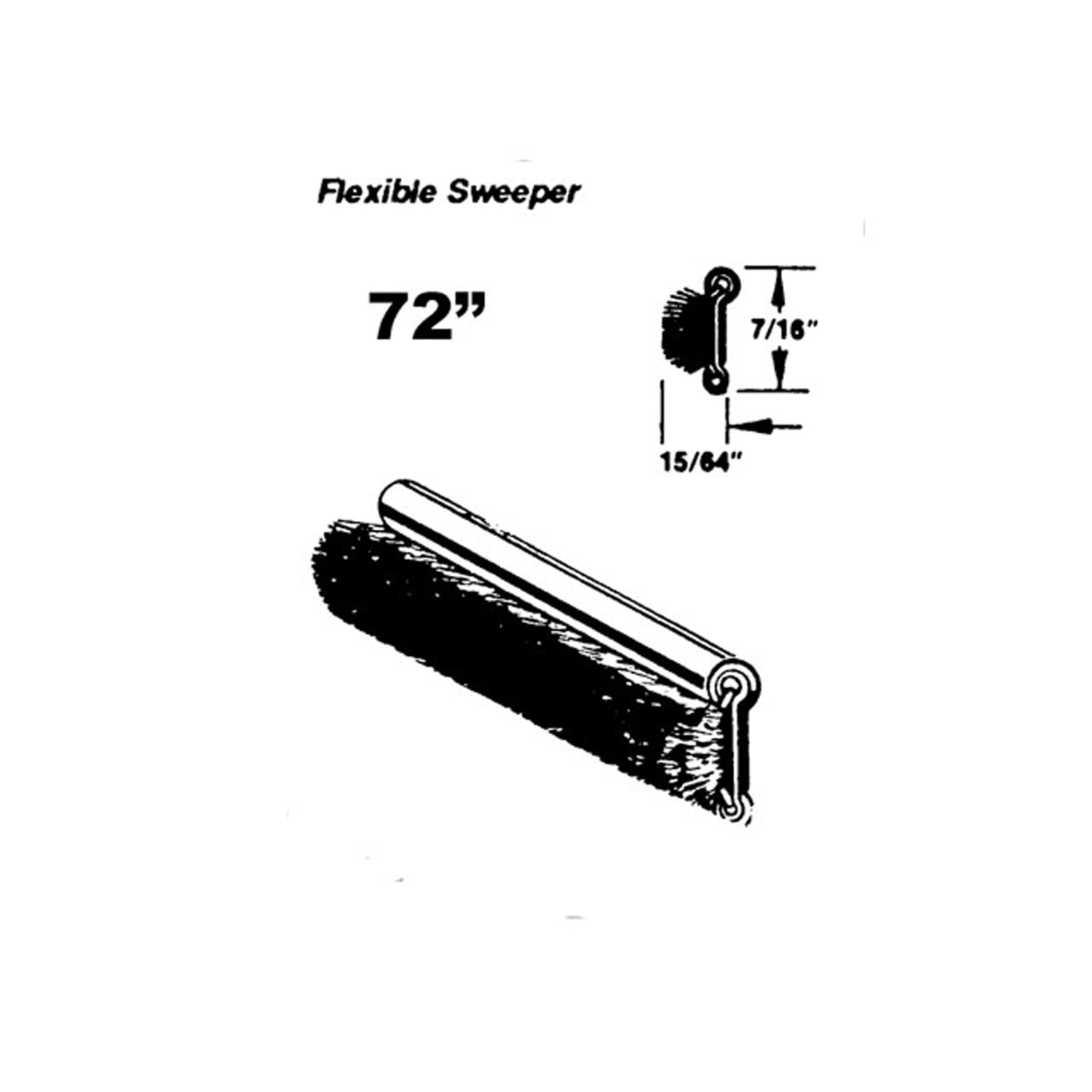 1939 Packard TWELVE Flexible sweeper. Made with stainless steel bead-WC 8-72Flexible sweeper. Made with stainless steel bead. Used on inner and outer beltlines. Also forms easily for use with sliding quarter windows. 72 in. long. Each. NOTE: $20 special shipping charge applies for domestic orders. Call or email for overseas shipping costs. Part can be sectioned into two equal lengths to reduce overseas shipping costs.
 1939 Packard TWELVE Front Suspension Bumper. 2" high. Each-XB 18Front Suspension Bumper. 2" high. Each
Why Choose Metro?
For over 100 years, Metro Moulded Parts has been the pinnacle of quality in classic car restoration parts. Our commitment to precision and authenticity in every component ensures a perfect fit and an OEM-level appearance.
- Expert Craftsmanship & Quality: Each part is a testament to our dedication to reliability and perfection, crafted from original designs and thoroughly tested.
- Advanced Technology: We use cutting-edge techniques to create flawless, long-lasting parts that surpass others in performance.
- SuperSoft Sponge – The Ultimate Door Seal: Not only are our door seals 30% softer than competitors', but they're also guaranteed to never leak. They effectively reduce wind and road noise, enhancing your classic car's comfort and driving experience.
- Proudly American: Our parts are a product of American craftsmanship, made in the USA with a spirit of excellence and heritage.
- Unrivaled Warranty: We back our products with a 30-year industry-leading warranty, a testament to our confidence in their quality.
Join us in preserving the legacy of classic cars with parts that are crafted for perfection, not just made.