

Image of 1940 Packard One-Twenty, Note: These illustrations use artistic license and may differ from actual historical models.
Performance Metrics
Fundamental Metrics
Emotional Appeal
MMP Rating
| Engine Specifications | |
|---|---|
| Engine: | Straight 8 |
| Displacement: | 282 cu in (4.6 L) |
| Horsepower: | 120 HP |
| Torque: | Estimated 200 lb-ft |
| Compression Ratio: | 6.39:1 |
| Ignition System: | Battery and coil |
| Cooling System: | Water-cooled |
| Performance Specifications | |
| 0-60 Time: | Estimated 15 seconds |
| 1/4 Mile Time: | Not available |
| Top Speed: | 85 mph |
| Transmission and Drive | |
| Drive Type: | Rear-wheel drive |
| Transmission Type: | 3-speed manual |
| Fuel and Efficiency | |
| Fuel System Type: | Carburetor |
| MPG: | Estimated 15-20 mpg |
| Dimensions and Brakes | |
| Brakes: | Hydraulic drum brakes |
| Wheelbase: | 127 in (3,226 mm) |
| Weight: | 3,570 lbs |
Note: Specifications for classic cars are given to the best of our ability, considering the limited and variant data available.
1940 Packard One-Twenty: Packard Luxury for a Wider Audience
The 1940 Packard One-Twenty brought the polish of a prestigious American marque to a price point more buyers could reach. Built by the Packard Motor Car Company of Detroit, it combined a smooth eight-cylinder engine, carefully finished cabin, and confident road manners in a package that could compete with much more expensive cars.
Packard had earned its reputation building high-quality luxury automobiles, but the Great Depression made that market harder to sustain. The One-Twenty, introduced in 1935, was a strategic answer: a less costly Packard that still felt like a Packard. Its name referred to its 120-horsepower rating, a strong figure for the class. By 1940, the model had become an important part of the company’s lineup, helping Packard reach customers who might otherwise have chosen a Buick, Cadillac, or Lincoln Zephyr.
Here is a telling detail about its place in Packard history: the One-Twenty was not a stripped-down economy model. It carried the marque’s emphasis on smoothness, sound construction, and tasteful styling into a more attainable car. That balance helped make it one of Packard’s most successful lines.
Streamlined Styling and Packard Craftsmanship
The 1940 One-Twenty has the poised, upright presence associated with prewar Packards. Its long hood leads to a tall, narrow grille with closely spaced vertical bars, framed by flowing front fenders. The headlamps sit neatly within the fender design rather than appearing as separate pods, while bright trim and carefully shaped bumpers add formality without overwhelming the body. From the side, the sweeping fenders and gently tapered rear give the car a substantial but clean profile.
Inside, the One-Twenty offered a well-finished cabin rather than bare, utilitarian surroundings. Depending on body style and trim, occupants found broadcloth or other durable upholstery, with leather available on some open or sportier models. The dashboard was clearly laid out, with legible instruments, polished trim, and a broad steering wheel suited to a car without power steering. The overall effect was restrained and comfortable, more clubby than flashy.
Factory paint choices varied by body and production details, but period colors included restrained shades such as black, gray, green, blue, maroon, and tan. Dark colors emphasized the car’s formal character, while richer blues and greens gave its long fenders and brightwork more visual drama. A particular car’s original paint code and trim combination are worth checking when assessing authenticity.
The One-Twenty range offered several body styles, including two-door coupes, a convertible coupe, and four-door sedans. Exact offerings depended on the model and body designation. The four-door sedan was a practical and popular choice, while the convertible coupe is among the most eye-catching versions today. Packard also offered a range of comfort and convenience equipment, with availability varying by model, including a heater, radio, and optional overdrive.
Engineering That Made the One-Twenty Matter
Packard’s achievement was not simply building a less expensive car. It was preserving much of the driving character and finish that buyers expected from the marque while using a more attainable platform and production scale. The One-Twenty helped establish a model for the American “junior luxury” car: a vehicle with upscale details and a prestigious name, but a smaller price tag than the brand’s flagship offerings.
Under the hood, the 1940 One-Twenty used a 282-cubic-inch L-head inline-eight producing about 120 horsepower. It was paired with a three-speed manual transmission, with overdrive available on some cars. The inline-eight’s smooth power delivery suited the car’s mission. Rather than chasing sports-car responses, it delivered quiet, steady progress and enough reserve power for highway cruising.
The car also reflected the period’s move toward more integrated design. Its headlights, fenders, bodywork, and grille read as a cohesive whole, rather than as separate components attached to a chassis. Packard’s approach influenced the broader American trend toward streamlined, more unified body styling, even as the company retained a distinctly formal look.
Road Performance and Driving Feel
Performance figures vary with body style, gearing, vehicle condition, and testing methods. A healthy 1940 One-Twenty can generally be expected to reach roughly 85 to 90 mph, with a 0-to-60 mph time in the neighborhood of 18 to 20 seconds. Those numbers made it a capable highway car for its day, though modern traffic can make its acceleration feel leisurely.
The inline-eight is the star of the driving experience. It pulls with a smooth, even cadence, accompanied by a subdued mechanical hum rather than a sharp, high-revving roar. The manual gearbox and large steering wheel keep the driver involved. Without power steering, low-speed turns require some muscle, but the effort eases once the car is moving.
On rough pavement, the One-Twenty’s substantial chassis and softly tuned suspension take the edge off bumps, though it still moves and pitches more than a modern car. On winding roads, it feels composed when driven at a measured pace, but its size, period tires, and body lean reward smooth inputs rather than abrupt cornering. Hydraulic drum brakes provide the stopping power, and owners should remember that they need more distance and attention than contemporary braking systems.
Owning and Maintaining a 1940 Packard
Today, most One-Twentys are enjoyed as touring cars, weekend drivers, and show vehicles rather than daily transportation. A well-sorted example can handle local errands and club outings, but its age, fuel consumption, and lack of modern safety equipment make it a considered choice for regular use. It is best treated as a piece of rolling history, not as a substitute for a modern commuter car.
Routine maintenance is manageable for an owner comfortable with vintage vehicles. The straight-eight layout is accessible, and many service tasks follow familiar prewar-car principles: regular lubrication, careful ignition and carburetor adjustment, cooling-system upkeep, and attention to the brakes and electrical connections. Parts support is available through classic Packard suppliers and enthusiast networks, although some trim, body, and model-specific components can take patience to locate.
Reliability depends heavily on restoration quality. A car with a properly rebuilt engine, sound wiring, and a refreshed cooling and braking system can be enjoyable and dependable on planned trips. A neglected example may need extensive work, and the cost of a professional restoration can quickly exceed the car’s market value. For most buyers, a well-maintained driver is a more sensible choice than a project with an attractive asking price.
Packard One-Twenty Facts and Caveats
The One-Twenty’s name was a direct piece of product positioning: it highlighted the car’s 120-horsepower output. The model line debuted in 1935, and its success helped Packard broaden its market during a difficult economic era. The 1940 version belongs to a mature period of the line, with styling and equipment refined after several years of development.
There is no single famous speed or endurance record that defines the 1940 One-Twenty. Its achievement was commercial and strategic: it helped keep Packard competitive by offering a genuinely refined car to a wider audience. It was not designed as a race car, and its strengths were comfort, smoothness, and long-distance composure.
One common criticism is that the One-Twenty is sometimes overshadowed by Packard’s larger and more expensive models, especially the senior cars. It also lacks the acceleration, braking, and cornering abilities of a modern vehicle. Yet these are fair reminders of its era, not reasons to dismiss it. The One-Twenty’s appeal lies in how convincingly it delivers the character of a Packard without the scale and cost of the company’s most prestigious models.
Collector Values and Availability
About 28,000 1940 One-Twenty cars are commonly cited as having been produced, though figures can vary according to how model and body-style totals are grouped. That makes the model far from unique in Packard’s history, but surviving examples are spread across different body styles and conditions. Sedans are generally easier to find than desirable open cars, and specific trim or body combinations can be much scarcer.
As a broad U.S. market estimate for 2026, a project car may sell for roughly $8,000 to $18,000, while a usable driver often falls around $18,000 to $35,000. A well-restored sedan may bring approximately $35,000 to $60,000. Exceptional examples, particularly attractive convertible coupes, can reach about $70,000 to $120,000 or more. These are general ranges, not appraisals: originality, restoration documentation, mechanical condition, and body style can shift a price substantially.
Values have tended to be steady to selectively stronger rather than rising uniformly. The best cars, especially rare or beautifully restored open models, attract the most interest. Ordinary sedans remain comparatively accessible, which can make the One-Twenty a compelling entry point into Packard ownership. Restoration costs are an important part of the calculation: a costly rebuild does not always translate into an equally costly resale price.
Why the 1940 One-Twenty Still Stands Out
The 1940 Packard One-Twenty brought together elegant prewar styling, a smooth 120-horsepower straight-eight, thoughtful craftsmanship, and a more attainable price than Packard’s flagship models. It was comfortable and capable for its time, and its success helped shape the idea that an American luxury car could be refined without being prohibitively expensive.
Nearly a century later, the One-Twenty remains a distinctive way to experience Packard’s golden-era engineering and design. It may not be the biggest or rarest Packard, but it represents one of the company’s smartest ideas: make a truly desirable car, then make it available to more people.
1940 Packard One-Twenty Catalog of Parts
 1940 Packard ONE-TWENTY Accessory Floor Mat - 12"X17"-AC 32Accessory Floor Mat - made of high quality black rubber with molded original emblem. Also designed to be sewn into new carpets. 12"X17", Each
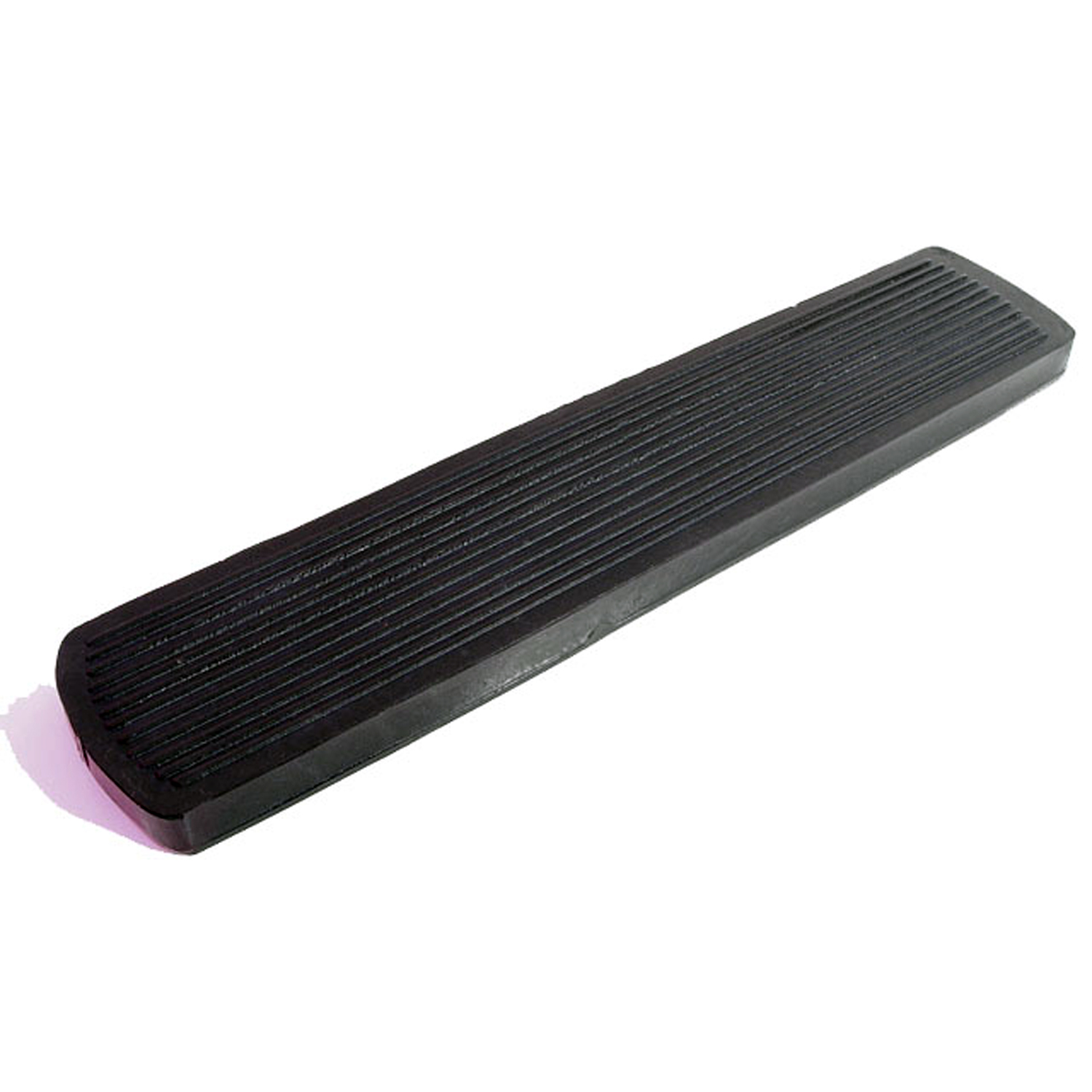 1940 Packard ONE-TWENTY Accelerator Pedal Pad. 1-7/8" X 9-3/8", Each-AP 16Accelerator Pedal Pad. 1-7/8" X 9-3/8", Each
 1940 Packard ONE-TWENTY Front Bumper Arm Grommets -BG 24Front Bumper Arm Grommets. 2-3/8" wide X 3-7/8" long, with 1-5/8" long inner slot. Pair
 1940 Packard ONE-TWENTY Front and Rear Bumper Arm Grommets -BG 25Front and Rear Bumper Arm Grommets. 2-9/16" wide X 4" long with 3-1/4" long inner slot. Pair
 1940 Packard ONE-TWENTY Front and Rear Bumper Arm Grommets -BG 60Front and Rear Bumper Arm Grommets. 3" wide X 4-1/4" long, with 1-13/16" long inner slot. Pair
 1940 Packard ONE-TWENTY Clutch and Brake Pedal Pads. 2-3/4" wide X 3-15/16" long-CB 14Clutch and Brake Pedal Pads. 2-3/4" wide X 3-15/16" long. Pair
 1940 Packard ONE-TWENTY Power Brake Pad. 2-3/4" Wide. Each-CB 14-APower Brake Pad. 2-3/4" Wide. Each
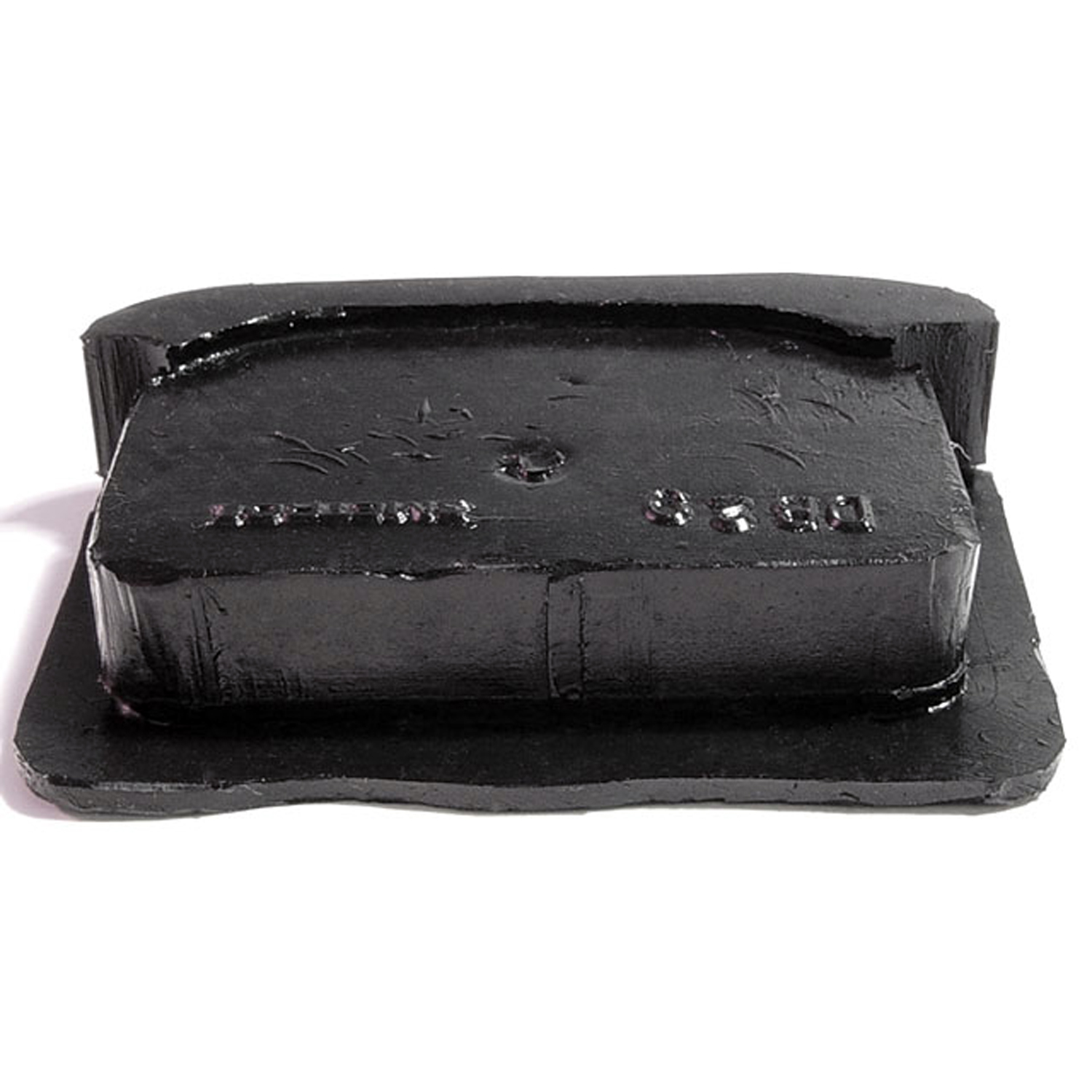 1940 Packard ONE-TWENTY Door Bumper. 1-3/8" high X 2" wide X 1/2" thick. Each-DB 29Door Bumper. 1-3/8" high X 2" wide X 1/2" thick. Each
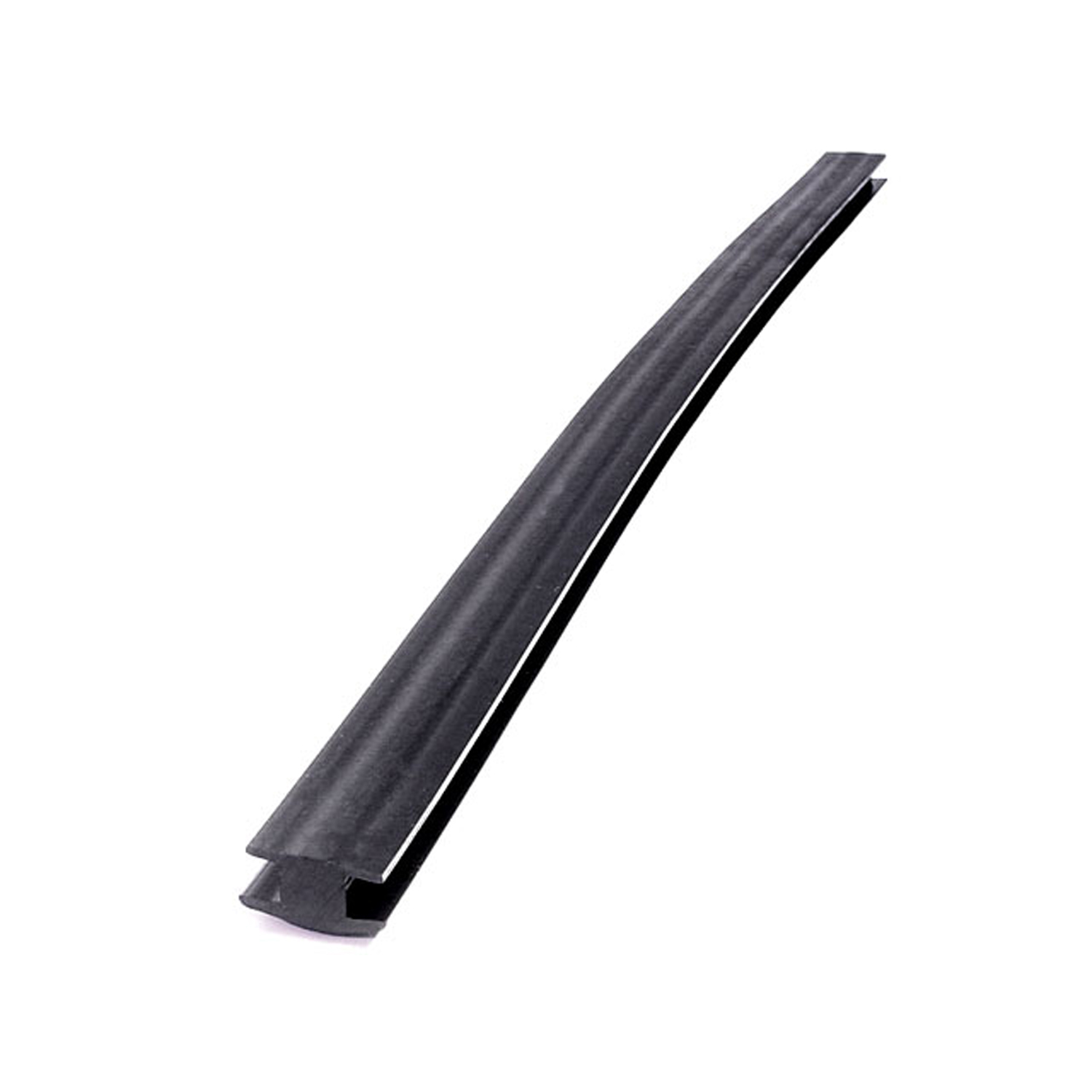 1940 Packard ONE-TWENTY Windshield Center Bar Gasket. 20" long. Each-DP 12Windshield Center Bar Gasket. 20" long. Each
 1940 Packard ONE-TWENTY Gas Filler Grommet. 2-1/2" I.D., 4-1/8" O.D. Each-GF 12Gas Filler Grommet. 2-1/2" I.D., 4-1/8" O.D. Each
 1940 Packard ONE-TWENTY Hood Corners. 1-3/4" to 2" corner radius-HC 14Hood Corners. 1-3/4" to 2" corner radius. Pad is 3-3/8" long. Pair
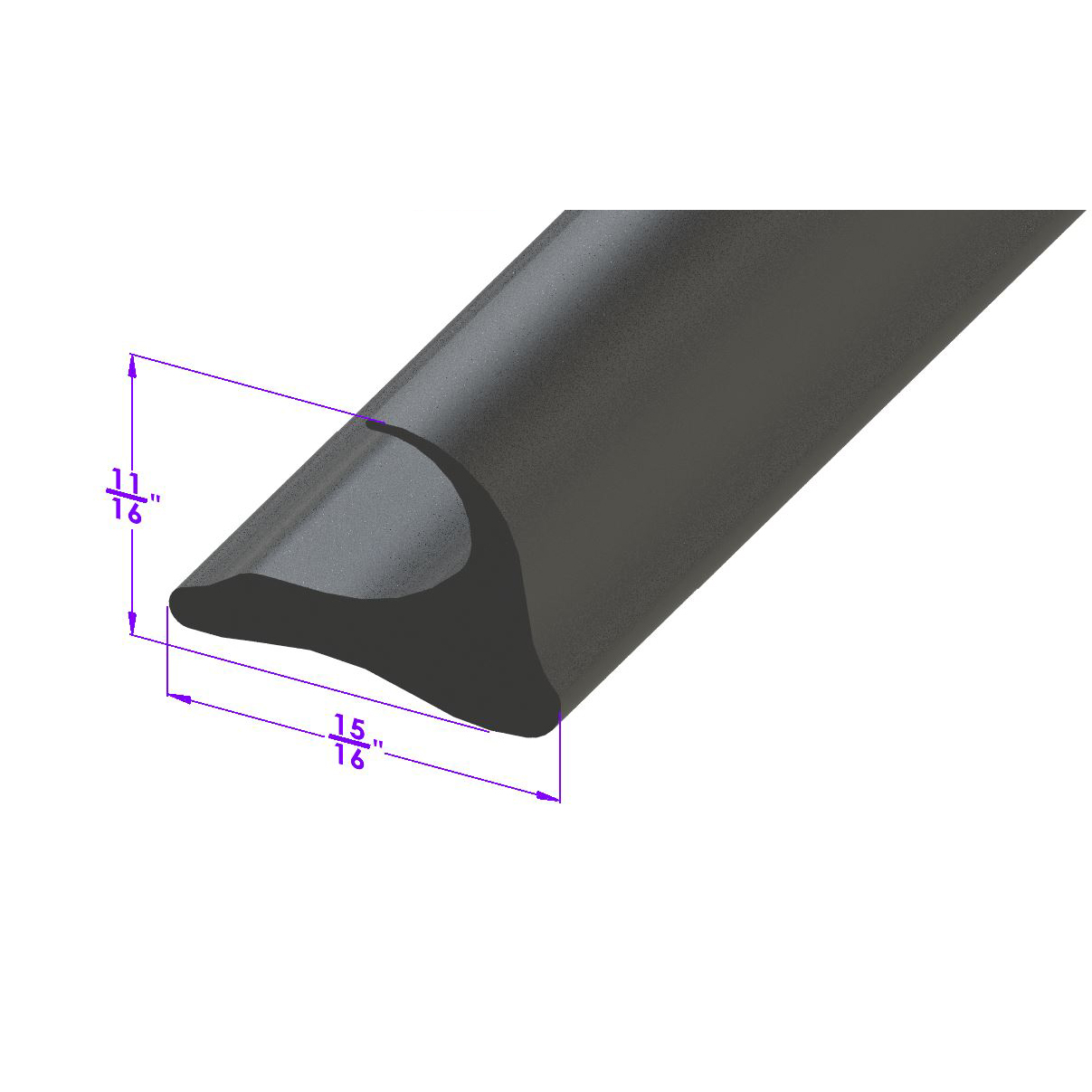 1940 Packard ONE-TWENTY Side Roof Rail Seal. Fits in metal retainer-LP 12-ASide Roof Rail Seal. Fits in metal retainer. Sold by the foot
 1940 Packard ONE-TWENTY Trunk Seal. Sponge rubber. Sold by the foot.-LP 96-/FTTrunk Seal. Sponge rubber. Sold by the foot.
 1940 Packard ONE-TWENTY Door Handle Pads. 1-5/8" wide X 2-1/8" long. Pair-MP 861Door Handle Pads. 1-5/8" wide X 2-1/8" long. Pair
 1940 Packard ONE-TWENTY Park Light Pads. 1-5/8" wide X 6-3/4" long. Pair-MP 872Park Light Pads. 1-5/8" wide X 6-3/4" long. Pair
 1940 Packard ONE-TWENTY Trunk Light Pad. 3" wide X 10-1/8" long. Each-MP 891Trunk Light Pad. 3" wide X 10-1/8" long. Each
 1940 Packard ONE-TWENTY Radiator Shell Pads. 4-1/8" wide X 3-1/8" long. Pair-MP 891-CRadiator Shell Pads. 4-1/8" wide X 3-1/8" long. Pair
 1940 Packard ONE-TWENTY Windshield Wiper Transmission Pad -MP 891-DWindshield Wiper Transmission Pad. 2-1/8" wide X 2-1/4" long. Each
 1940 Packard ONE-TWENTY Trunk Handle Pad. 2-1/8" wide X 5-5/8" long. Each-MP 900Trunk Handle Pad. 2-1/8" wide X 5-5/8" long. Each
 1940 Packard ONE-TWENTY Tail-light Pads. 1-3/4" wide X 6" long. Pair-MP 905Tail-light Pads. 1-3/4" wide X 6" long. Pair
 1940 Packard ONE-TWENTY Tail-light Pads. 2-5/8" wide X 7-1/8" long. Pair-MP 910Tail-light Pads. 2-5/8" wide X 7-1/8" long. Pair
 1940 Packard ONE-TWENTY Torque Arm Ball Rubbers. Pair-RP 73Torque Arm Ball Rubbers. Pair
 1940 Packard ONE-TWENTY Trunk Bumper. Good reproduction. 1" O.D., 1/2" I.D. Each-SB 101Trunk Bumper. Good reproduction. 1" O.D., 1/2" I.D. Each
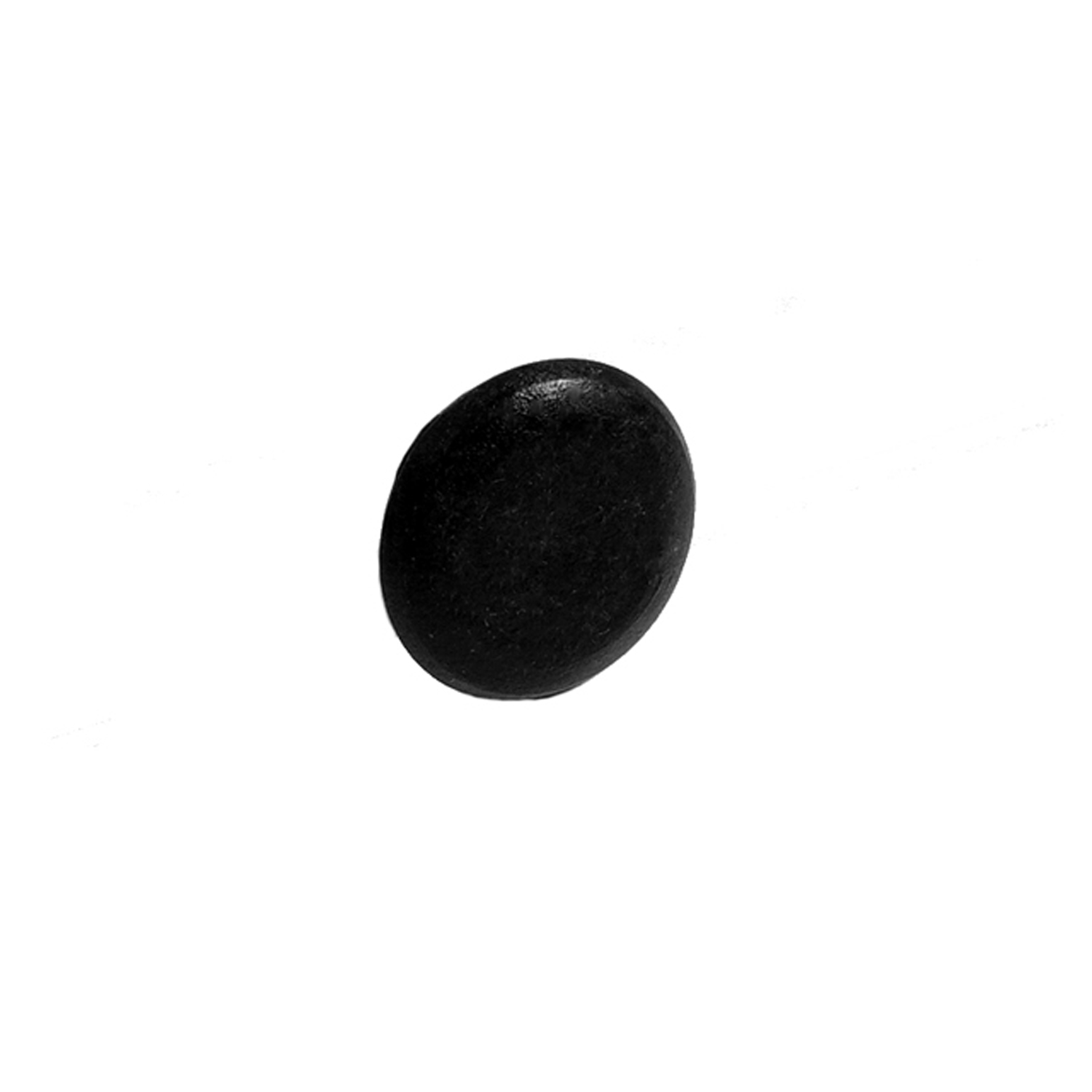 1940 Packard ONE-TWENTY Trunk Bumper. 3/4" O.D., 5/8" I.D. Each-SB 74Trunk Bumper. 3/4" O.D., 5/8" I.D. Each
 1940 Packard ONE-TWENTY Flexible sweeper. Made with stainless steel bead-WC 8-72Flexible sweeper. Made with stainless steel bead. Used on inner and outer beltlines. Also forms easily for use with sliding quarter windows. 72 in. long. Each. NOTE: $20 special shipping charge applies for domestic orders. Call or email for overseas shipping costs. Part can be sectioned into two equal lengths to reduce overseas shipping costs.
Why Choose Metro?
For over 100 years, Metro Moulded Parts has been the pinnacle of quality in classic car restoration parts. Our commitment to precision and authenticity in every component ensures a perfect fit and an OEM-level appearance.
- Expert Craftsmanship & Quality: Each part is a testament to our dedication to reliability and perfection, crafted from original designs and thoroughly tested.
- Advanced Technology: We use cutting-edge techniques to create flawless, long-lasting parts that surpass others in performance.
- SuperSoft Sponge – The Ultimate Door Seal: Not only are our door seals 30% softer than competitors', but they're also guaranteed to never leak. They effectively reduce wind and road noise, enhancing your classic car's comfort and driving experience.
- Proudly American: Our parts are a product of American craftsmanship, made in the USA with a spirit of excellence and heritage.
- Unrivaled Warranty: We back our products with a 30-year industry-leading warranty, a testament to our confidence in their quality.
Join us in preserving the legacy of classic cars with parts that are crafted for perfection, not just made.