

Image of 1940 Packard Super-8 One-Eighty, Note: These illustrations use artistic license and may differ from actual historical models.
Performance Metrics
Fundamental Metrics
Emotional Appeal
MMP Rating
| Engine Specifications | |
|---|---|
| Engine: | Straight 8 |
| Displacement: | 356 cu in (5.8 L) |
| Horsepower: | Estimated 160 HP |
| Torque: | Not available |
| Compression Ratio: | Not available |
| Ignition System: | Battery and coil |
| Cooling System: | Liquid cooled |
| Performance Specifications | |
| 0-60 Time: | Not available |
| 1/4 Mile Time: | Not available |
| Top Speed: | Estimated 100 mph |
| Transmission and Drive | |
| Drive Type: | Rear wheel drive |
| Transmission Type: | 3-speed manual |
| Fuel and Efficiency | |
| Fuel System Type: | Carburetor |
| MPG: | Not available |
| Dimensions and Brakes | |
| Brakes: | 4-wheel drum brakes |
| Wheelbase: | 127 in (3226 mm) |
| Weight: | Estimated 4200 lbs |
Note: Specifications for classic cars are given to the best of our ability, considering the limited and variant data available.
1940 Packard Super-8 One-Eighty: America’s Prewar Prestige Car
The 1940 Packard Super-8 One-Eighty was built for buyers who wanted the presence of a formal luxury car without giving up the refinement of a finely engineered automobile. Made by Packard Motor Car Company in Detroit, it sat at the top of Packard’s 1940 range, combining a large straight-eight engine, imposing proportions, and careful coachwork.
Its name can be misleading: “One-Eighty” referred to the model series, not the engine’s displacement. Under the hood was a 356-cubic-inch, side-valve straight-eight producing about 160 horsepower. A compelling detail is that this big luxury car arrived just before the country’s entry into World War II. Within a few years, American factories, including Packard’s, would be redirected toward wartime production, making the 1940 One-Eighty a snapshot of the final prewar era of traditional American luxury.
Long, Low, and unmistakably Packard
The One-Eighty wore the confident proportions expected of a top-tier Packard: a long hood, tall upright grille, sweeping front fenders, and a cabin set well back from the nose. Its chrome details were substantial but restrained, and the famous Packard grille gave the front end a dignified, formal appearance. Depending on body style, the car could look stately and chauffeur-oriented or more sporting and personal.
Inside, the emphasis was on comfort and finish. Broad seats, quality upholstery, polished metal fittings, and carefully finished wood or painted trim varied by model and specification. Rear-seat passengers in the longer-wheelbase sedans and limousines enjoyed generous legroom. These were expensive cars, and the cabin was designed to feel quiet, spacious, and substantial rather than flashy.
Packard offered a range of factory paint colors, with choices varying by body and year. Black was a classic formal choice, while dark blues, maroons, greens, and grays suited the car’s restrained character. Two-tone finishes could add visual interest, especially on more personal body styles. Restored examples today are often seen in deep, period-appropriate colors, though surviving paint records and original trim codes are the best guide for an authentic restoration.
Body Styles and Equipment
The One-Eighty range included several body configurations on different wheelbases. Buyers could choose closed sedans and formal cars, including chauffeur-friendly limousine-style bodies, as well as more personal open or sporting styles. The exact combinations depended on the model and production specification. The long-wheelbase formal sedan or limousine is the most instantly recognizable expression of the One-Eighty’s luxury mission, while open cars and coachbuilt examples are especially desirable among collectors.
Packard’s body program also intersected with the custom-car world. The name Howard “Dutch” Darrin is closely associated with elegant Packard convertibles and custom-bodied cars of the period. A Darrin-bodied Packard is not simply another factory One-Eighty body style, however, so buyers should verify the coachbuilder, chassis, and provenance of any car advertised as a Darrin.
For its day, the One-Eighty also offered useful mechanical sophistication. It had a three-speed manual transmission, with overdrive available on some specifications, and four-wheel hydraulic brakes. Packard’s Safe-T-Flex independent front suspension, introduced earlier in the decade, helped the car ride and steer more comfortably than many cars still using a solid front axle. Equipment and options varied, so an individual car’s build record is important.
Why the One-Eighty Mattered
The 1940 One-Eighty represented Packard’s effort to compete at the highest level of American luxury. Its appeal rested on more than size. Packard had a reputation for precise engineering and smooth-running engines, and the One-Eighty paired that reputation with modern suspension design and a broad selection of bodies.
Compared with many contemporaries, it offered a notably composed ride and a sense of mechanical solidity. Its independent front suspension helped control wheel movement over uneven pavement, while the long chassis and substantial mass gave the car a calm, stable character at speed. The One-Eighty did not invent the luxury-car formula, but it refined it: powerful straight-eight performance, formal styling, serious passenger comfort, and engineering aimed at effortless travel.
Its historical importance is also tied to timing. The 1940 model belongs to the last generation of Packards built before wartime restrictions transformed the industry. After the war, American luxury cars would gradually move toward different proportions, technologies, and styling. The One-Eighty preserves the older ideal of a hand-finished, full-size automobile designed for long-distance comfort and prestige.
Straight-Eight Performance and Road Manners
The 356-cubic-inch L-head straight-eight produced approximately 160 horsepower. That was strong output for a luxury car of the period, and the engine’s smooth, low-revving character suited the car better than a high-strung, sporty powerplant would have. Depending on body style, gearing, condition, and test method, a One-Eighty could reach roughly 95 to 100 mph. A period-style 0-to-60-mph run is likely to fall in the high teens, often estimated at around 16 to 20 seconds. These are broad performance estimates, not guarantees for every surviving car.
On the road, the One-Eighty feels substantial. The straight-eight builds speed smoothly, and its muted mechanical note is more refined burble than sharp exhaust bark. The suspension takes the edge off ordinary bumps, while the long wheelbase helps the car settle down on open roads. On winding routes, the tradeoff becomes clear: this is a large luxury automobile, not a nimble sports car. Steering effort, body lean, and braking distances demand anticipation, especially compared with a modern vehicle.
Windy roads and rough surfaces are manageable at sensible speeds, but a driver must work with the car’s size and age. The best experience comes from measured inputs, early braking, and letting the engine’s torque and the chassis’ steady rhythm do the work. It feels less like a car asking to be hustled and more like one designed to cover miles in comfort.
Living With a 1940 Packard
Today, most One-Eighties are used as show cars, touring cars, or occasional weekend drivers. A well-sorted example can take part in classic-car tours and local events, but its size, value, and age make daily use uncommon. It is not a sensible choice for modern traffic without careful attention to brakes, tires, cooling, lighting, and other safety-related systems.
The straight-eight is robust when maintained properly, but age changes the ownership equation. Cooling-system condition, fuel delivery, ignition, lubrication, and the health of the electrical system all matter. Hydraulic brakes need regular inspection, and old rubber components, wiring, and seals can create problems even when the engine runs well. The three-speed transmission and any optional overdrive also deserve inspection by someone familiar with vintage Packards.
Routine servicing is manageable for an experienced enthusiast, but this is not an ideal first restoration for someone expecting modern parts-store convenience. Some service items and reproduction parts are available through marque specialists, while trim, body panels, and model-specific components can be harder to find. A pre-purchase inspection by a Packard specialist is especially valuable because a polished exterior can hide expensive mechanical or structural needs.
Packard One-Eighty Facts
The One-Eighty’s model name did not describe its engine displacement. Its 356-cubic-inch straight-eight was larger than the name suggests, and the same basic engine family was associated with Packard’s senior cars. The car’s smoothness and quiet operation were central parts of its luxury appeal.
Production figures are commonly reported at roughly 1,900 cars for the 1940 One-Eighty series, though totals can differ depending on how model variations and body styles are counted. That makes it scarce beside mass-market cars of the same year, but it is not so rare that examples never appear on the collector market.
There is no single famous speed or endurance record that defines the 1940 One-Eighty. Its distinction is instead its place among Packard’s finest prewar production cars. Common criticisms are practical ones: it is heavy, thirsty by modern standards, large to park, and dependent on careful maintenance. Parts availability and restoration costs can also be challenging, particularly for unusual body styles or incomplete cars.
Collector Values and Availability
As a broad 2026 estimate, an ordinary driver-quality or project One-Eighty sedan might sell for roughly $35,000 to $80,000, depending heavily on completeness and mechanical condition. A good, correctly restored sedan may fall around $80,000 to $150,000. Exceptional formal cars, rare open body styles, and documented coachbuilt examples can command more, sometimes well above $200,000. A genuine, highly desirable Darrin-bodied Packard can reach substantially higher figures, but those cars occupy a separate tier and require careful authentication.
These are guide ranges, not appraisals. Condition, originality, restoration quality, provenance, body style, and the quality of the work can shift a sale price dramatically. The market tends to reward complete, well-documented cars over ambitious projects. In recent years, top examples of significant prewar Packards have remained appealing to collectors, while average cars have seen more uneven demand. The best examples may appreciate over time, but ownership costs, restoration expense, and broader collector-market changes make future returns impossible to guarantee.
A Prewar Packard Worth Remembering
The 1940 Packard Super-8 One-Eighty brought together a powerful straight-eight, confident styling, advanced-for-its-time front suspension, and the comfort expected of a flagship automobile. It was not built for speed records or tight corners. It was built to travel smoothly, carry passengers in style, and represent Packard at the height of its prewar prestige.
More than eight decades later, the One-Eighty remains compelling because it captures a distinct moment in American automotive history: the last great stretch of traditional, large-scale luxury before the world changed. See one glide past, and its purpose is still unmistakable.
1940 Packard Super-8 One-Eighty Catalog of Parts
 1940 Packard SUPER-8 ONE-EIGHTY Accessory Floor Mat - 12"X17"-AC 32Accessory Floor Mat - made of high quality black rubber with molded original emblem. Also designed to be sewn into new carpets. 12"X17", Each
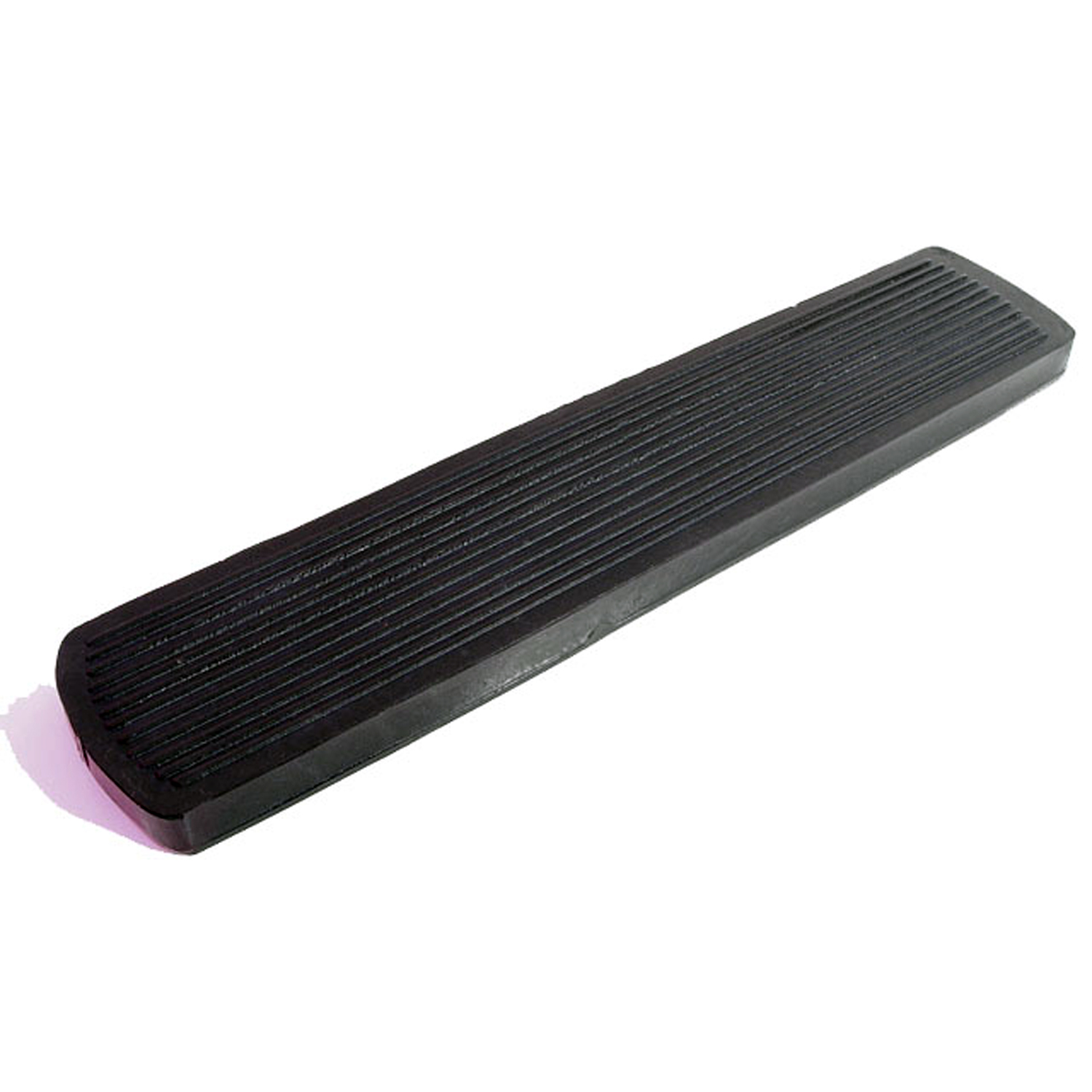 1940 Packard SUPER-8 ONE-EIGHTY Accelerator Pedal Pad. 1-7/8" X 9-3/8", Each-AP 16Accelerator Pedal Pad. 1-7/8" X 9-3/8", Each
 1940 Packard SUPER-8 ONE-EIGHTY Front Bumper Arm Grommets -BG 24Front Bumper Arm Grommets. 2-3/8" wide X 3-7/8" long, with 1-5/8" long inner slot. Pair
 1940 Packard SUPER-8 ONE-EIGHTY Front and Rear Bumper Arm Grommets -BG 25Front and Rear Bumper Arm Grommets. 2-9/16" wide X 4" long with 3-1/4" long inner slot. Pair
 1940 Packard SUPER-8 ONE-EIGHTY Front and Rear Bumper Arm Grommets -BG 60Front and Rear Bumper Arm Grommets. 3" wide X 4-1/4" long, with 1-13/16" long inner slot. Pair
 1940 Packard SUPER-8 ONE-EIGHTY Shock Absorber Grommet. 1-3/8" bottom O.D., 3/4" high-BN 103Shock Absorber Grommet. 1-3/8" bottom O.D., 3/4" high., with 3/4" I.D. Each
 1940 Packard SUPER-8 ONE-EIGHTY Control Arm Bushing, for rear. 1-7/16" bottom O.D-BN 104Control Arm Bushing, for rear. 1-7/16" bottom O.D., 1-1/16" high, 13/16" I.D. Each
 1940 Packard SUPER-8 ONE-EIGHTY Clutch and Brake Pedal Pads. 2-3/4" wide X 3-15/16" long-CB 14Clutch and Brake Pedal Pads. 2-3/4" wide X 3-15/16" long. Pair
 1940 Packard SUPER-8 ONE-EIGHTY Power Brake Pad. 2-3/4" Wide. Each-CB 14-APower Brake Pad. 2-3/4" Wide. Each
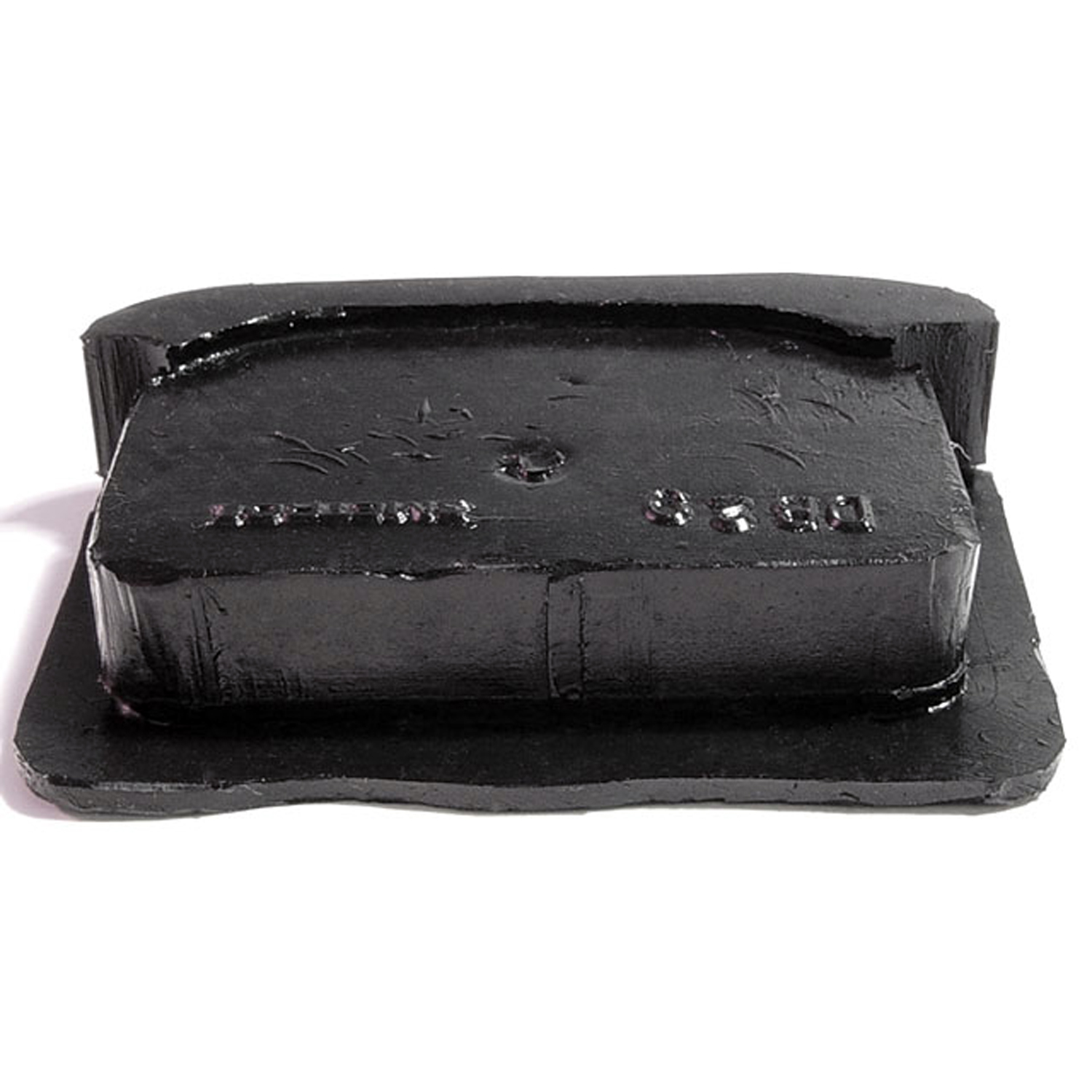 1940 Packard SUPER-8 ONE-EIGHTY Door Bumper. 1-3/8" high X 2" wide X 1/2" thick. Each-DB 29Door Bumper. 1-3/8" high X 2" wide X 1/2" thick. Each
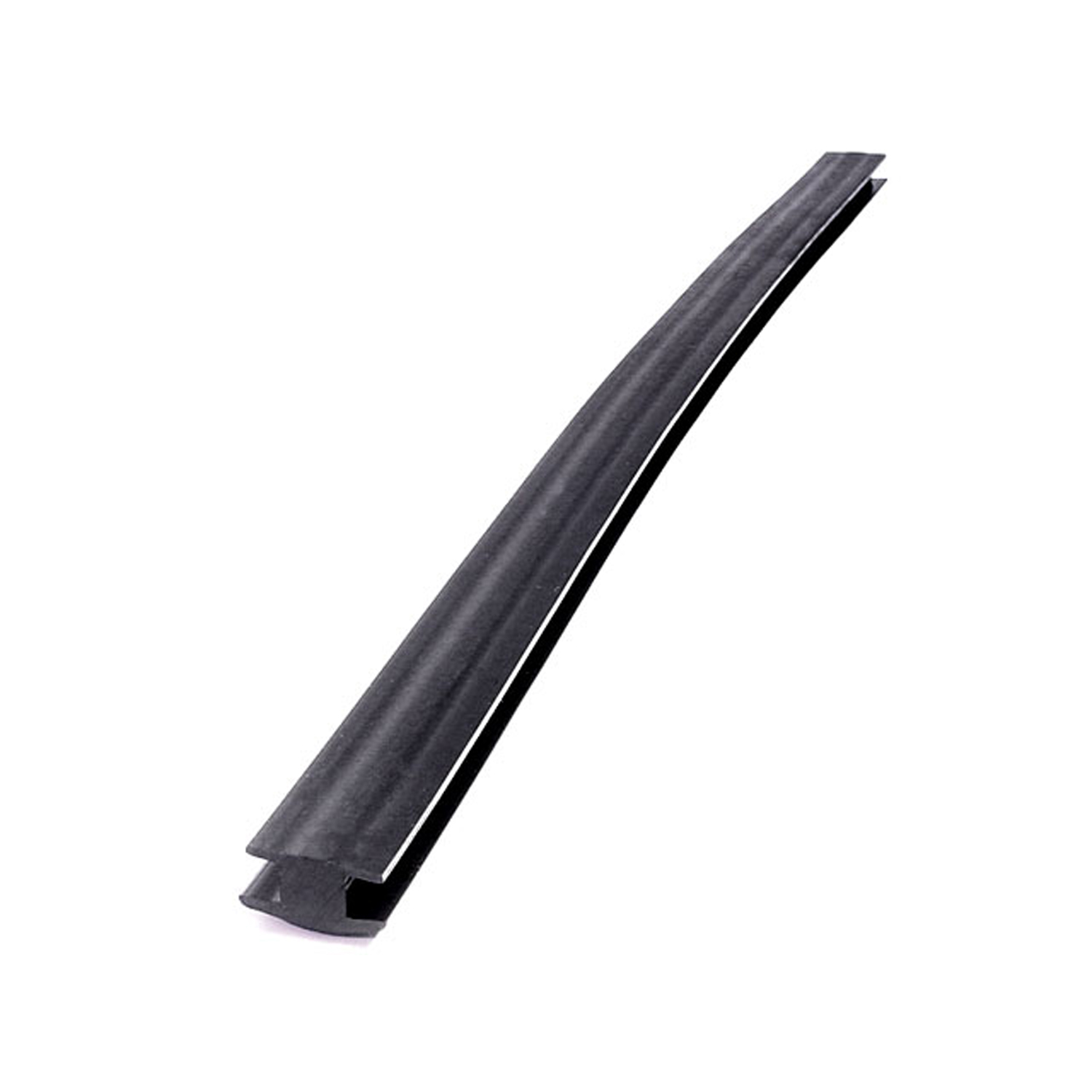 1940 Packard SUPER-8 ONE-EIGHTY Windshield Center Bar Gasket. 20" long. Each-DP 12Windshield Center Bar Gasket. 20" long. Each
 1940 Packard SUPER-8 ONE-EIGHTY Gas Filler Grommet. 2-1/2" I.D., 4-1/8" O.D. Each-GF 12Gas Filler Grommet. 2-1/2" I.D., 4-1/8" O.D. Each
 1940 Packard SUPER-8 ONE-EIGHTY Hood Corners. 1-3/4" to 2" corner radius-HC 14Hood Corners. 1-3/4" to 2" corner radius. Pad is 3-3/8" long. Pair
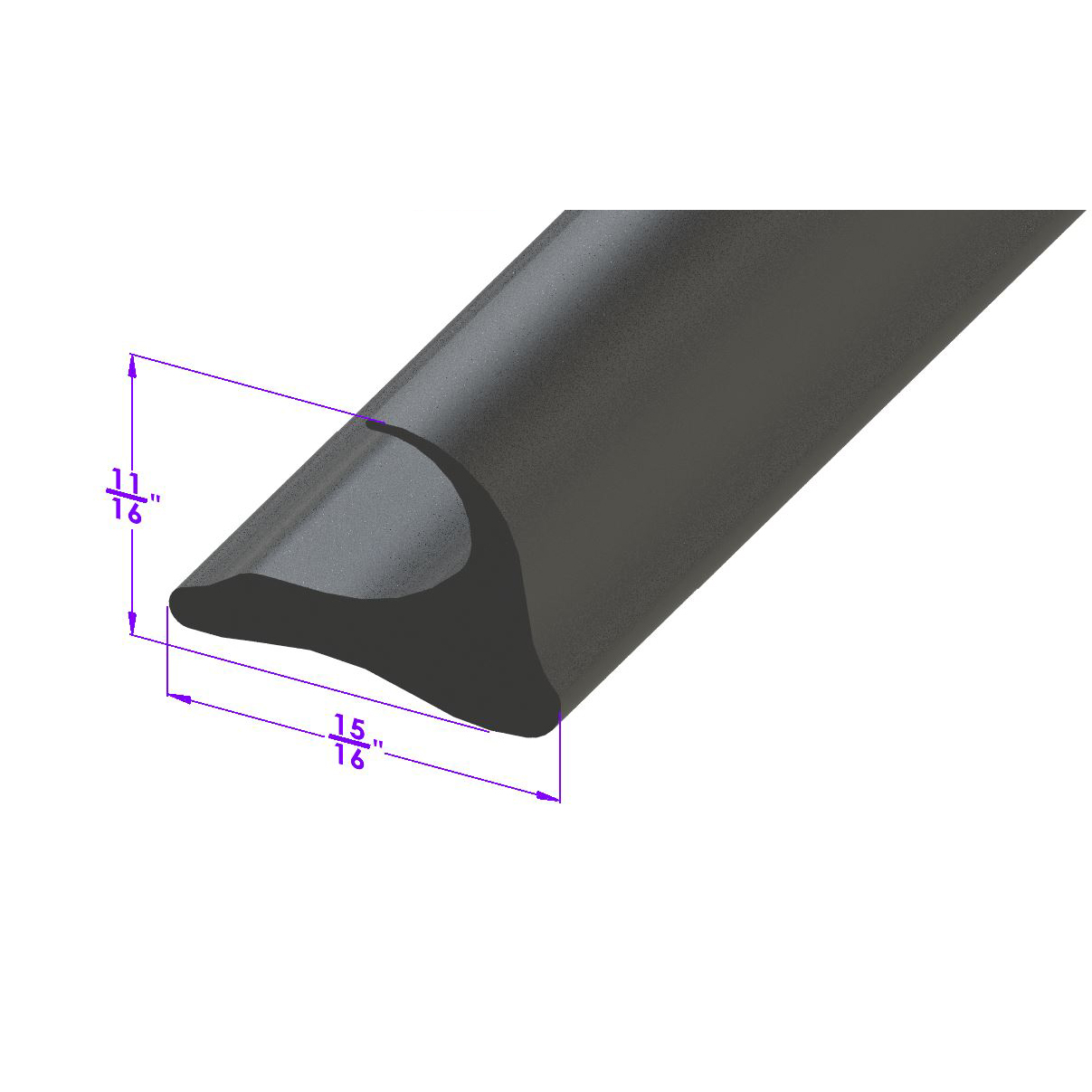 1940 Packard SUPER-8 ONE-EIGHTY Side Roof Rail Seal. Fits in metal retainer-LP 12-ASide Roof Rail Seal. Fits in metal retainer. Sold by the foot
 1940 Packard SUPER-8 ONE-EIGHTY Trunk Seal. Sponge rubber. Sold by the foot.-LP 96-/FTTrunk Seal. Sponge rubber. Sold by the foot.
 1940 Packard SUPER-8 ONE-EIGHTY Door Handle Pads. 1-5/8" wide X 2-1/8" long. Pair-MP 861Door Handle Pads. 1-5/8" wide X 2-1/8" long. Pair
 1940 Packard SUPER-8 ONE-EIGHTY Park Light Pads. 1-5/8" wide X 6-3/4" long. Pair-MP 872Park Light Pads. 1-5/8" wide X 6-3/4" long. Pair
 1940 Packard SUPER-8 ONE-EIGHTY Trunk Light Pad. 3" wide X 10-1/8" long. Each-MP 891Trunk Light Pad. 3" wide X 10-1/8" long. Each
 1940 Packard SUPER-8 ONE-EIGHTY Radiator Shell Pads. 4-1/8" wide X 3-1/8" long. Pair-MP 891-CRadiator Shell Pads. 4-1/8" wide X 3-1/8" long. Pair
 1940 Packard SUPER-8 ONE-EIGHTY Windshield Wiper Transmission Pad -MP 891-DWindshield Wiper Transmission Pad. 2-1/8" wide X 2-1/4" long. Each
 1940 Packard SUPER-8 ONE-EIGHTY Trunk Handle Pad. 2-1/8" wide X 5-5/8" long. Each-MP 900Trunk Handle Pad. 2-1/8" wide X 5-5/8" long. Each
 1940 Packard SUPER-8 ONE-EIGHTY Tail-light Pads. 1-3/4" wide X 6" long. Pair-MP 905Tail-light Pads. 1-3/4" wide X 6" long. Pair
 1940 Packard SUPER-8 ONE-EIGHTY Tail-light Pads. 2-5/8" wide X 7-1/8" long. Pair-MP 910Tail-light Pads. 2-5/8" wide X 7-1/8" long. Pair
 1940 Packard SUPER-8 ONE-EIGHTY Torque Arm Ball Rubbers. Pair-RP 73Torque Arm Ball Rubbers. Pair
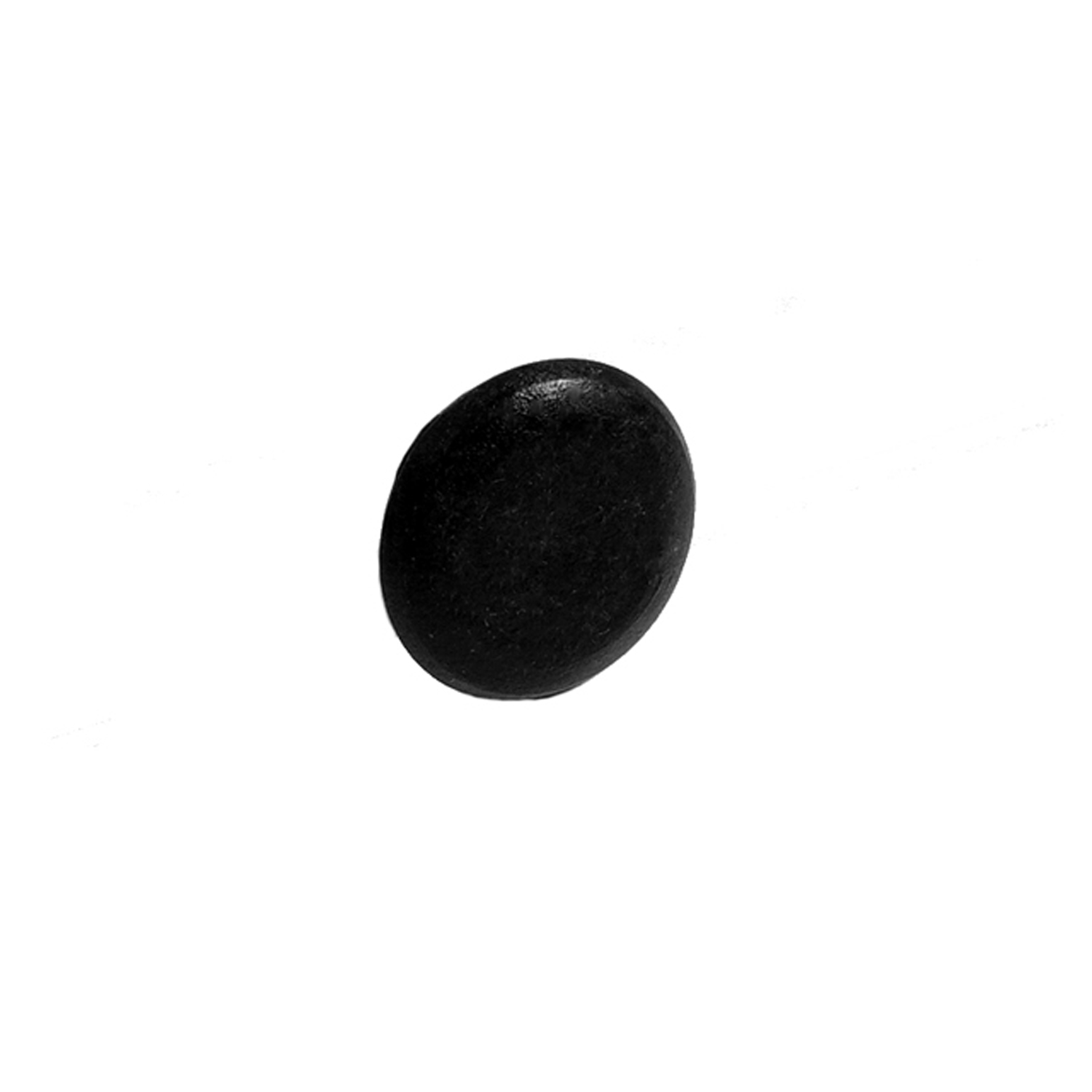 1940 Packard SUPER-8 ONE-EIGHTY Trunk Bumper. 3/4" O.D., 5/8" I.D. Each-SB 74Trunk Bumper. 3/4" O.D., 5/8" I.D. Each
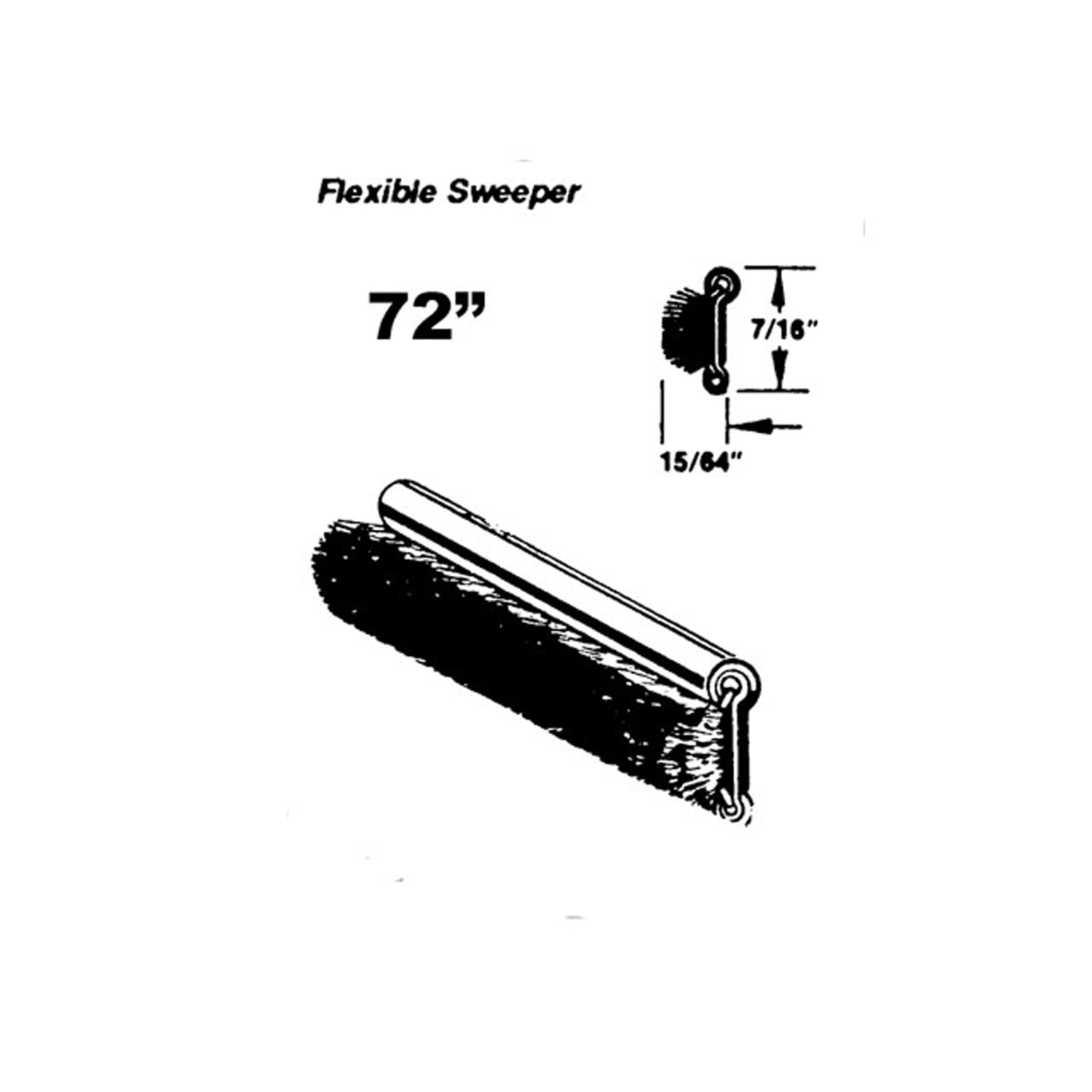 1940 Packard SUPER-8 ONE-EIGHTY Flexible sweeper. Made with stainless steel bead-WC 8-72Flexible sweeper. Made with stainless steel bead. Used on inner and outer beltlines. Also forms easily for use with sliding quarter windows. 72 in. long. Each. NOTE: $20 special shipping charge applies for domestic orders. Call or email for overseas shipping costs. Part can be sectioned into two equal lengths to reduce overseas shipping costs.
Why Choose Metro?
For over 100 years, Metro Moulded Parts has been the pinnacle of quality in classic car restoration parts. Our commitment to precision and authenticity in every component ensures a perfect fit and an OEM-level appearance.
- Expert Craftsmanship & Quality: Each part is a testament to our dedication to reliability and perfection, crafted from original designs and thoroughly tested.
- Advanced Technology: We use cutting-edge techniques to create flawless, long-lasting parts that surpass others in performance.
- SuperSoft Sponge – The Ultimate Door Seal: Not only are our door seals 30% softer than competitors', but they're also guaranteed to never leak. They effectively reduce wind and road noise, enhancing your classic car's comfort and driving experience.
- Proudly American: Our parts are a product of American craftsmanship, made in the USA with a spirit of excellence and heritage.
- Unrivaled Warranty: We back our products with a 30-year industry-leading warranty, a testament to our confidence in their quality.
Join us in preserving the legacy of classic cars with parts that are crafted for perfection, not just made.