

Image of 1941 Packard One-Twenty, Note: These illustrations use artistic license and may differ from actual historical models.
Performance Metrics
Fundamental Metrics
Emotional Appeal
MMP Rating
| Engine Specifications | |
|---|---|
| Engine: | Straight 8 |
| Displacement: | 282 cu in (4.6 L) |
| Horsepower: | 120 HP |
| Torque: | Estimated 200 lb-ft |
| Compression Ratio: | 6.39:1 |
| Ignition System: | Battery and coil |
| Cooling System: | Liquid-cooled |
| Performance Specifications | |
| 0-60 Time: | Estimated 15 seconds |
| 1/4 Mile Time: | Not available |
| Top Speed: | 90 mph |
| Transmission and Drive | |
| Drive Type: | Rear-wheel drive |
| Transmission Type: | 3-speed manual |
| Fuel and Efficiency | |
| Fuel System Type: | Carburetor |
| MPG: | Estimated 15-20 mpg |
| Dimensions and Brakes | |
| Brakes: | Hydraulic drum brakes |
| Wheelbase: | 127 in (3,226 mm) |
| Weight: | 3,570 lbs |
Note: Specifications for classic cars are given to the best of our ability, considering the limited and variant data available.
1941 Packard One-Twenty: Packard Luxury for More Drivers
The 1941 Packard One-Twenty brought the unmistakable presence of a Packard into a price range more buyers could reach, without giving up the marque’s signature smoothness and polish. Built by the Packard Motor Car Company of Detroit, it paired elegant prewar styling with a dependable straight-eight engine, making it one of the most appealing American luxury cars of its era.
The One-Twenty first appeared in 1935, when Packard needed a less expensive model to help the company weather the Great Depression. Its name referred to the engine’s original 120-horsepower rating, not the car’s wheelbase. By 1941, the model had become a well-established part of Packard’s lineup. It offered a taste of the prestige associated with the senior Packards while costing substantially less to buy and run.
The timing gives the 1941 model particular significance. It was built during the final full year of civilian automobile production before the United States entered World War II. As factories shifted to wartime manufacturing, cars like the One-Twenty became snapshots of a sophisticated industry on the brink of a major interruption.
Packard Styling and Interior Craftsmanship
The 1941 One-Twenty looks formal without appearing stuffy. Its long hood and gently rounded fenders create a substantial profile, while the upright grille, composed of narrow vertical bars, gives the front end a distinctly Packard identity. Carefully shaped headlamps sit into the front fenders, and brightwork along the body adds definition rather than overwhelming the design. The result is restrained, confident, and unmistakably prewar.
Inside, the One-Twenty aimed for an upscale experience at a more accessible price. The broad bench seats were typically finished in quality cloth, with leather used on some open models and depending on equipment. The dashboard placed the gauges and controls in a clear, symmetrical arrangement, often accented with attractive trim. Materials and finish could vary with body style and specification, but Packard’s attention to fit and presentation helped distinguish the car from ordinary mass-market sedans.
Factory color choices varied by body style and production details. Buyers could choose from muted, period-appropriate shades such as dark blues, greens, grays, and maroons, as well as lighter finishes. Two-tone combinations were also available on some configurations. Darker colors remain popular with collectors because they complement the car’s formal lines, though well-preserved original paint in any documented factory color can be especially appealing.
The range included practical sedans and coupes, along with more stylish open and specialty body styles. The four-door sedan was a natural choice for families and formal use, while the club coupe offered a sportier profile with useful seating. Convertible coupes are among the most visually striking versions today, and station-wagon examples are notably less common. Exact availability and production totals depend on the specific body and how model-year records are counted.
Engineering That Made Packard Different
The One-Twenty’s importance was bigger than its sales position. It helped Packard compete in the expanding middle-priced market while preserving the company’s reputation for engineering and refinement. Rather than simply placing a prestige badge on a basic car, Packard gave the One-Twenty a smooth eight-cylinder engine, carefully finished cabin, and chassis features that made it feel composed on the road.
One notable feature was Packard’s Safe-T-Flex independent front suspension, which helped the front wheels respond to bumps more independently than a conventional solid front axle. The rear used a live axle with leaf springs, a familiar and robust arrangement for the period. Four-wheel hydraulic brakes provided dependable stopping power, while a three-speed manual transmission with synchromesh made gear changes easier than in many older cars.
What set the One-Twenty apart from many contemporaries was its combination of straight-eight smoothness, comfortable ride, and Packard finish at a less exclusive price. It helped establish that a car could feel genuinely refined without belonging to the most expensive end of the market. That approach became increasingly influential as American manufacturers expanded their mid-priced offerings.
1941 Packard One-Twenty Performance
Power came from a 282-cubic-inch L-head straight-eight, rated at about 120 horsepower. The engine delivered its strength smoothly rather than with a dramatic burst, making it well suited to steady cruising and relaxed acceleration. A three-speed manual transmission sent power to the rear wheels.
Period performance figures vary with body style, gearing, condition, and testing method. A sound car can generally be expected to reach roughly 80 to 90 mph, with 0-to-60 mph acceleration in the neighborhood of 16 to 20 seconds. Those figures are estimates, not guarantees for every surviving example. Today, decades of wear, modern tire choices, and mechanical adjustments can make a meaningful difference.
On the road, the One-Twenty feels substantial and calm. Its independent front suspension helps soften rough pavement, while the long wheelbase contributes to a settled ride. On a winding road, it rewards a measured driving style: the steering is less direct than that of a modern car, and the body leans more through corners. It is best enjoyed at a smooth, unhurried pace rather than hustled like a sports car.
The straight-eight is a defining part of the experience. It produces a mellow mechanical hum, with relatively little vibration when properly tuned. The driver works a traditional floor-mounted gearshift and manages the car’s momentum with anticipation. There is no modern power steering or electronic assistance, so low-speed maneuvering takes more effort. In return, the car offers a direct, hands-on connection to the road and to the craft of prewar motoring.
Living With a One-Twenty
Today, most 1941 One-Twentys are used for weekend drives, tours, club events, and classic-car shows. A well-maintained example can also handle occasional longer trips, but it is not usually the first choice for daily commuting. Its age, fuel consumption, braking distances, and lack of modern safety equipment call for a thoughtful owner and sensible driving habits.
The straight-eight is generally durable when properly maintained, and many routine mechanical jobs are straightforward for an experienced hobbyist. However, “simple” does not mean every part is easy to find. Correct trim, body-specific pieces, and some electrical or suspension components may require specialist suppliers, careful searching, or repair of original parts. A pre-purchase inspection should include the engine, transmission, brakes, cooling system, frame, and any signs of rust or previous structural repairs.
Owners should also budget for regular attention to fluids, ignition, tires, and the cooling system. Cars that have sat unused may need considerably more than a tune-up before they are safe to drive. A solid, correctly maintained car is usually a better prospect than a superficially shiny restoration with uncertain mechanical work.
One-Twenty Facts and Common Criticisms
The One-Twenty name began with the model’s 120-horsepower rating, a memorable piece of Packard marketing that continued to make sense as the car developed. The 1941 version retained the 120-horsepower identity, even though its wheelbase had grown beyond 120 inches. That distinction is a handy reminder that the model name was about the engine’s original output, not the car’s dimensions.
The One-Twenty was not designed as a racing car, and it is not known for a headline-setting speed or endurance record. Its achievement was more practical: it helped Packard reach a broader audience while keeping the company’s reputation for refinement intact. Like other civilian cars of its period, it was part of the prewar landscape that changed dramatically when automobile production gave way to wartime manufacturing.
Its most common criticism is also tied to its success: it is not as exclusive as a senior Packard. Collectors seeking the grandest, most prestigious Packard often focus on the larger and more expensive models. The One-Twenty also lacks modern performance and safety features, and its size can make it less convenient in contemporary traffic. But for many enthusiasts, its approachable character is precisely the point.
1941 Packard One-Twenty Values and Rarity
Production estimates for 1941 One-Twentys are commonly placed in the range of roughly 17,000 cars, though totals can differ according to the model and body-style categories used. That makes the One-Twenty far from a one-off rarity, but surviving cars are not equally common across all configurations. Four-door sedans tend to be easier to find than convertibles or unusual specialty bodies.
As a broad 2026 market estimate, a project car may sell for around $8,000 to $18,000, while a usable driver can fall in the $18,000 to $35,000 range. A well-restored example may bring approximately $40,000 to $75,000. Exceptional convertibles, rare body styles, and restorations with strong documentation can exceed that range, sometimes reaching into six figures. Condition, originality, provenance, and the quality of the restoration matter more than a single price guide figure.
Values have generally been strongest for cars with desirable body styles, authentic details, and excellent workmanship. Ordinary sedans can be more affordable, but they may also take longer to sell at premium prices. The market is best described as selective rather than uniformly fast-rising: standout cars can appreciate, while average examples may remain relatively steady. As with any classic, purchase for enjoyment and condition, not as a guaranteed investment.
Why the 1941 One-Twenty Still Matters
The 1941 Packard One-Twenty brought straight-eight refinement, careful styling, and a well-appointed interior to buyers who wanted Packard character without the cost of the company’s top models. Its prewar engineering, composed ride, and distinctive appearance make it an engaging classic to drive and a meaningful part of Packard history.
It may not be the rarest or most powerful Packard, but it represents an important idea: luxury could be both attainable and genuinely well made. In that balance of elegance and everyday usefulness, the One-Twenty remains one of Packard’s most memorable cars.
1941 Packard One-Twenty Catalog of Parts
 1941 Packard ONE-TWENTY Accessory Floor Mat - 12"X17"-AC 32Accessory Floor Mat - made of high quality black rubber with molded original emblem. Also designed to be sewn into new carpets. 12"X17", Each
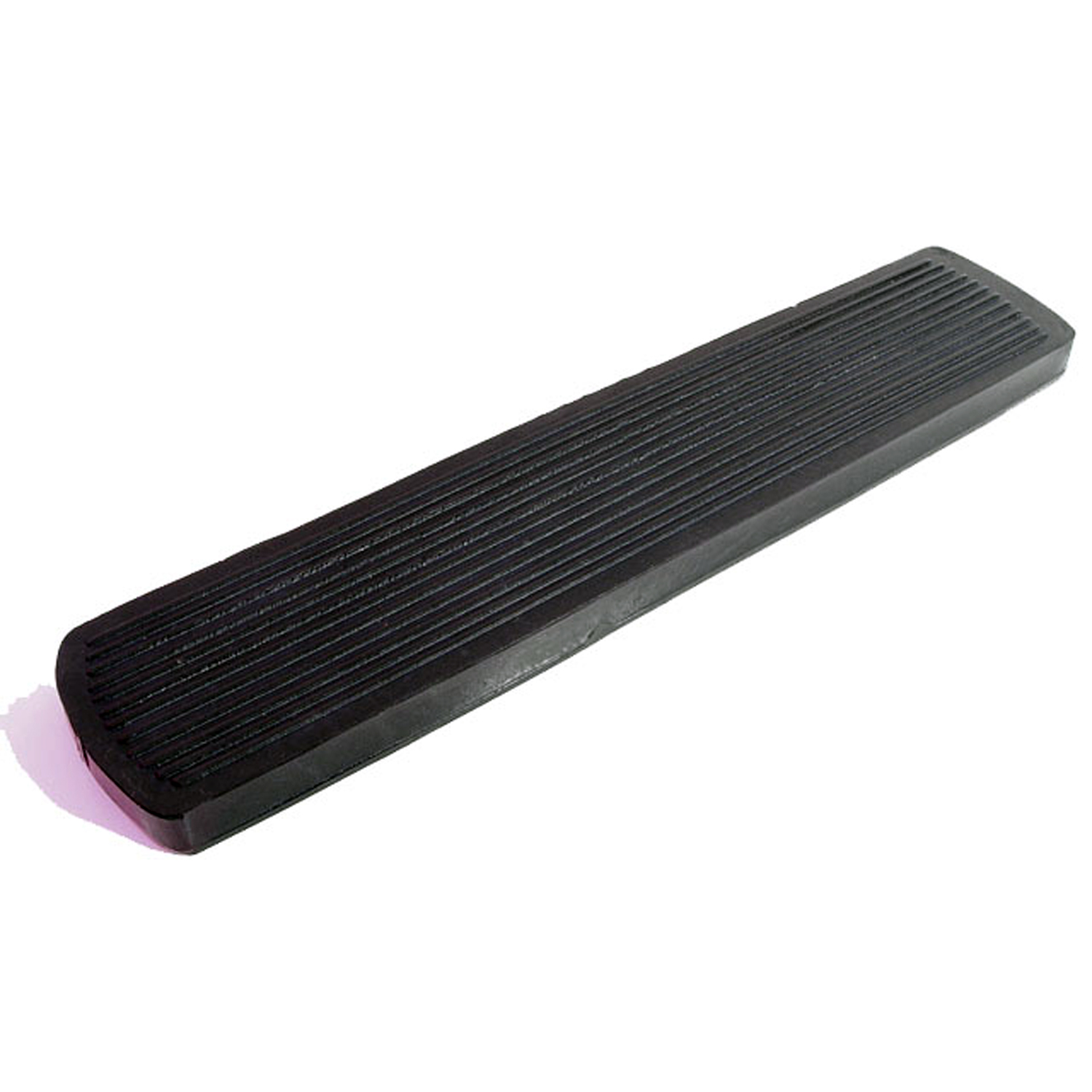 1941 Packard ONE-TWENTY Accelerator Pedal Pad. 1-7/8" X 9-3/8", Each-AP 16Accelerator Pedal Pad. 1-7/8" X 9-3/8", Each
 1941 Packard ONE-TWENTY Front Bumper Arm Grommets -BG 43Front Bumper Arm Grommets. 2-7/8" wide X 4-3/4" long, with 1-1/2" long inner slot. Pair
 1941 Packard ONE-TWENTY Clutch and Brake Pedal Pads. 2-3/4" wide X 3-15/16" long-CB 14Clutch and Brake Pedal Pads. 2-3/4" wide X 3-15/16" long. Pair
 1941 Packard ONE-TWENTY Power Brake Pad. 2-3/4" Wide. Each-CB 14-APower Brake Pad. 2-3/4" Wide. Each
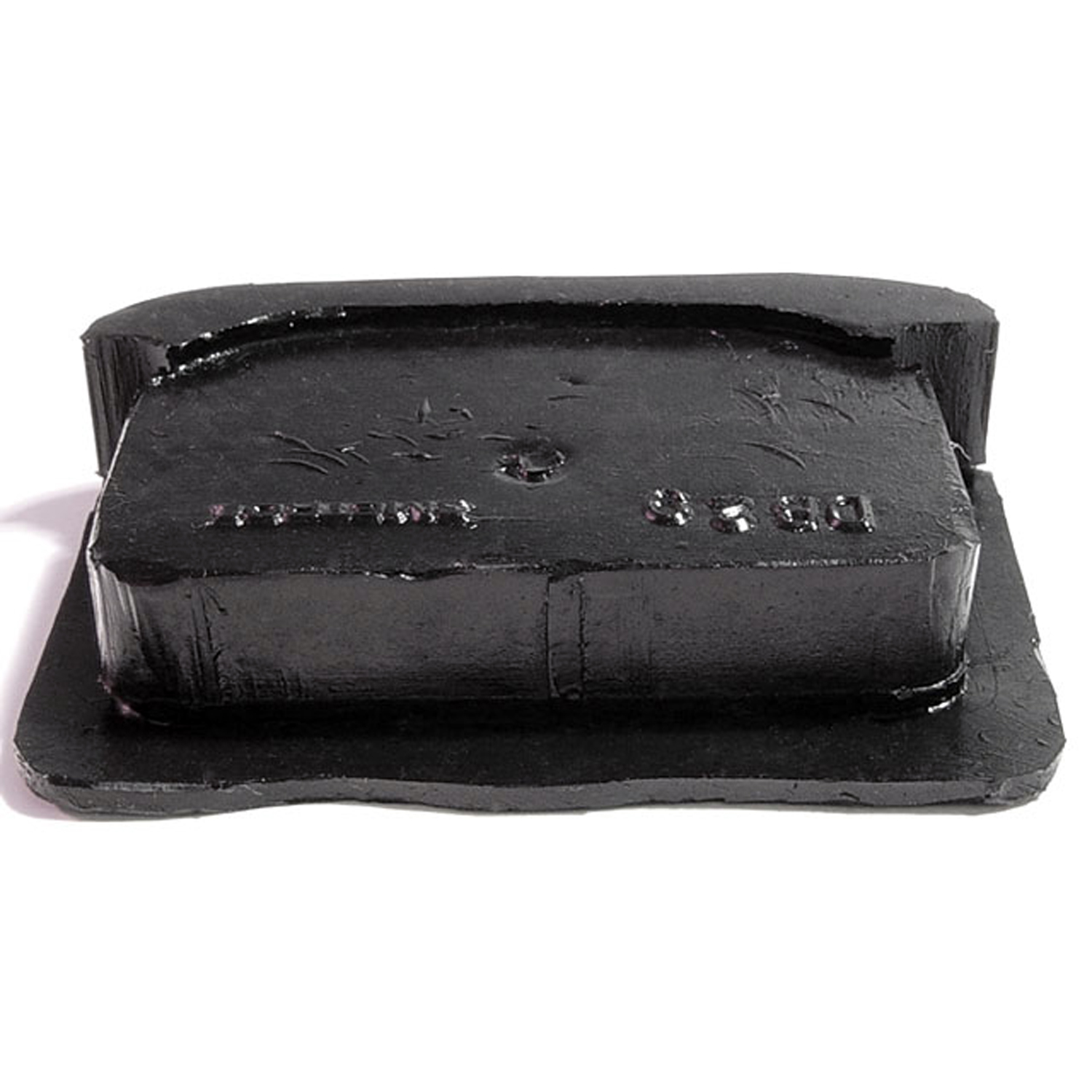 1941 Packard ONE-TWENTY Door Bumper. 1-3/8" high X 2" wide X 1/2" thick. Each-DB 29Door Bumper. 1-3/8" high X 2" wide X 1/2" thick. Each
 1941 Packard ONE-TWENTY Gas Filler Grommet. 2-1/2" I.D., 4-1/8" O.D. Each-GF 12Gas Filler Grommet. 2-1/2" I.D., 4-1/8" O.D. Each
 1941 Packard ONE-TWENTY Hood Corners. 1-3/4" to 2" corner radius-HC 14Hood Corners. 1-3/4" to 2" corner radius. Pad is 3-3/8" long. Pair
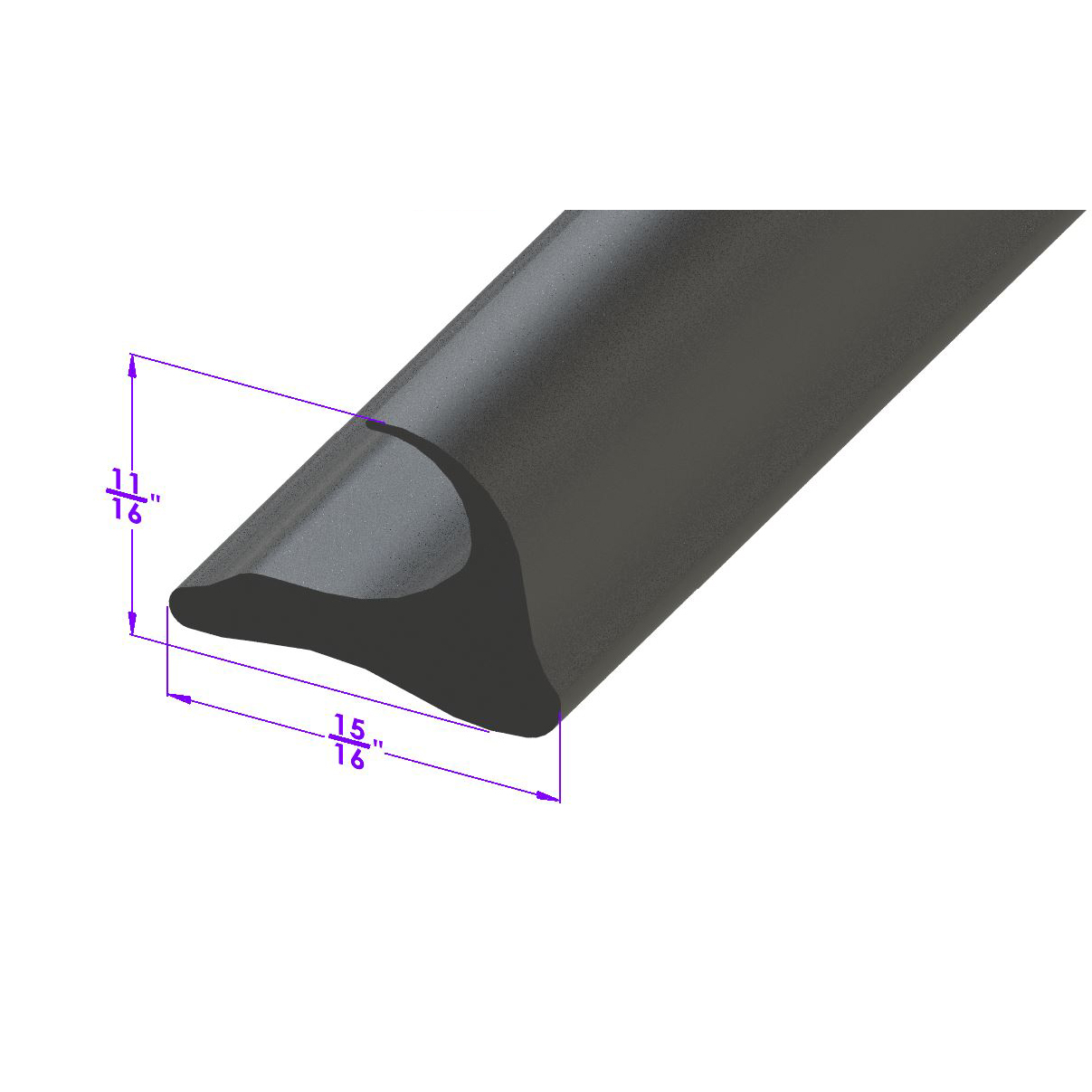 1941 Packard ONE-TWENTY Side Roof Rail Seal. Fits in metal retainer-LP 12-ASide Roof Rail Seal. Fits in metal retainer. Sold by the foot
 1941 Packard ONE-TWENTY Door side seal. Same as LP 40, but for a lighter seal-LP 40-ADoor side seal. Same as LP 40, but for a lighter seal. Fits many domestic passenger cars and trucks. Universal seal for street rods and customs. Used in Cobra kit cars as door weatherstrip. Per foot.
 1941 Packard ONE-TWENTY Trunk Seal. Sponge rubber. Sold by the foot.-LP 96-/FTTrunk Seal. Sponge rubber. Sold by the foot.
 1941 Packard ONE-TWENTY Door Handle Pads. 1-5/8" wide X 2-1/8" long. Pair-MP 861Door Handle Pads. 1-5/8" wide X 2-1/8" long. Pair
 1941 Packard ONE-TWENTY Trunk Handle Pad. 2-1/8" wide X 5-5/8" long. Each-MP 900Trunk Handle Pad. 2-1/8" wide X 5-5/8" long. Each
 1941 Packard ONE-TWENTY Rocker Panel Pads. 2-1/2" wide X 6" long. Pair-MP 903Rocker Panel Pads. 2-1/2" wide X 6" long. Pair
 1941 Packard ONE-TWENTY Door Handle Pads. 2-3/8" O.D. Pair -MP 903-ADoor Handle Pads. 2-3/8" O.D. Pair
 1941 Packard ONE-TWENTY Windshield Wiper Transmission Pad -MP 903-BWindshield Wiper Transmission Pad. 1-1/2" wide X 1-5/8" long. Each
 1941 Packard ONE-TWENTY Tail-light Pads. 3-3/4" wide X 8-1/8" long. Pair R&L-MP 903-CTail-light Pads. 3-3/4" wide X 8-1/8" long. Pair R&L
 1941 Packard ONE-TWENTY Tail-light Pads. 3" wide X 9-3/4 long. Pair R&L-MP 920Tail-light Pads. 3" wide X 9-3/4 long. Pair R&L
 1941 Packard ONE-TWENTY Park Light Pads. 2" wide X 19-1/4" long. Pair-MP 930Park Light Pads. 2" wide X 19-1/4" long. Pair
 1941 Packard ONE-TWENTY Torque Arm Ball Rubbers. Pair-RP 73Torque Arm Ball Rubbers. Pair
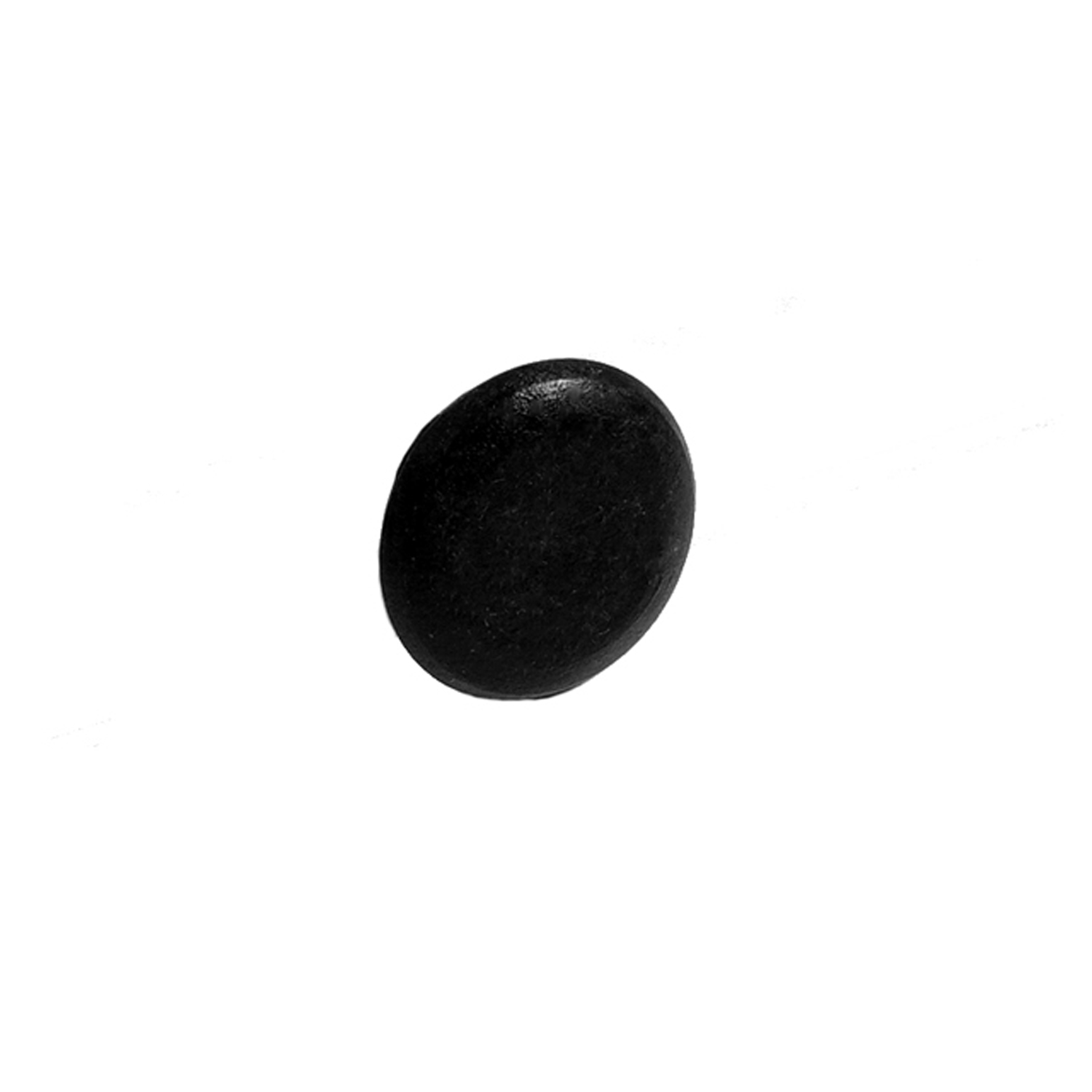 1941 Packard ONE-TWENTY Trunk Bumper. 3/4" O.D., 5/8" I.D. Each-SB 74Trunk Bumper. 3/4" O.D., 5/8" I.D. Each
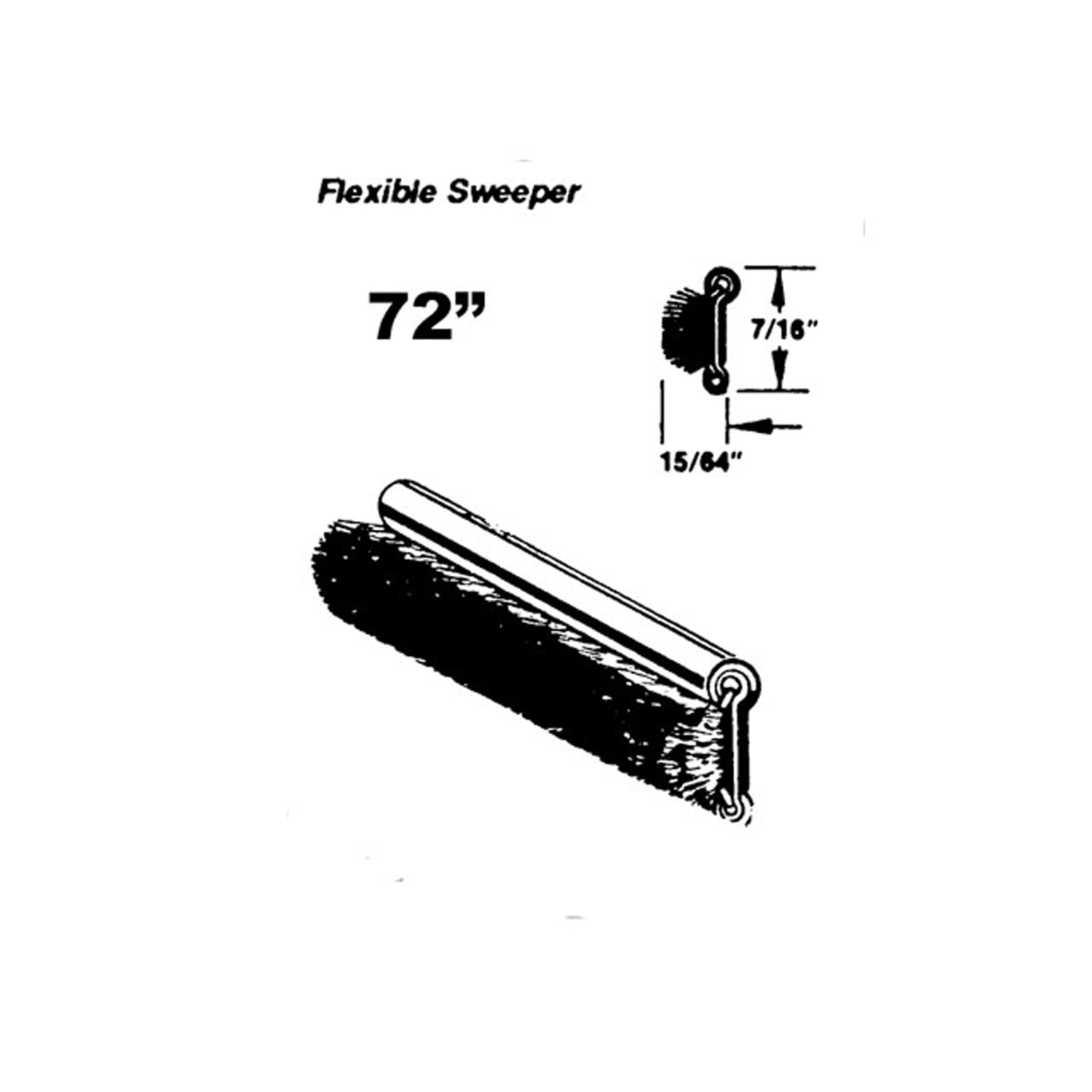 1941 Packard ONE-TWENTY Flexible sweeper. Made with stainless steel bead-WC 8-72Flexible sweeper. Made with stainless steel bead. Used on inner and outer beltlines. Also forms easily for use with sliding quarter windows. 72 in. long. Each. NOTE: $20 special shipping charge applies for domestic orders. Call or email for overseas shipping costs. Part can be sectioned into two equal lengths to reduce overseas shipping costs.
Why Choose Metro?
For over 100 years, Metro Moulded Parts has been the pinnacle of quality in classic car restoration parts. Our commitment to precision and authenticity in every component ensures a perfect fit and an OEM-level appearance.
- Expert Craftsmanship & Quality: Each part is a testament to our dedication to reliability and perfection, crafted from original designs and thoroughly tested.
- Advanced Technology: We use cutting-edge techniques to create flawless, long-lasting parts that surpass others in performance.
- SuperSoft Sponge – The Ultimate Door Seal: Not only are our door seals 30% softer than competitors', but they're also guaranteed to never leak. They effectively reduce wind and road noise, enhancing your classic car's comfort and driving experience.
- Proudly American: Our parts are a product of American craftsmanship, made in the USA with a spirit of excellence and heritage.
- Unrivaled Warranty: We back our products with a 30-year industry-leading warranty, a testament to our confidence in their quality.
Join us in preserving the legacy of classic cars with parts that are crafted for perfection, not just made.