

Image of 1946 Packard Clipper 8, Note: These illustrations use artistic license and may differ from actual historical models.
Performance Metrics
Fundamental Metrics
Emotional Appeal
MMP Rating
| Engine Specifications | |
|---|---|
| Engine Options: | Straight 8 |
| Displacement Range: | 356 cu in (5.8 L) |
| Horsepower Range: | 165 hp |
| Torque: | Estimated 275 lb-ft |
| Compression Ratio: | 6.45:1 |
| Ignition System: | Battery and coil |
| Cooling System: | Water-cooled |
| Performance Specifications | |
| 0-60 Time: | Estimated 15 seconds |
| 1/4 Mile Time: | Not available |
| Top Speed: | 100 mph |
| Transmission and Drive | |
| Drive Type: | Rear-wheel drive |
| Transmission Type: | 3-speed manual |
| Fuel and Efficiency | |
| Fuel System Type: | Carburetor |
| MPG: | Estimated 15 mpg |
| Dimensions and Brakes | |
| Brakes: | Drum brakes |
| Wheelbase: | 127 in (3,226 mm) |
| Weight: | 3,800 lbs |
Note: Specifications for classic cars are given to the best of our ability, considering the limited and variant data available.
1946 Packard Clipper Eight: A Postwar American Classic
The 1946 Packard Clipper Eight brought prewar elegance back to American roads, pairing a smooth straight-eight engine with the confident, streamlined styling that had helped make the Clipper a Packard landmark. Built by the Packard Motor Car Company of Detroit, it was among the first new Packards offered after civilian car production resumed following World War II.
The Clipper’s story began before the war. Introduced in 1941, it gave Packard a modern design at a time when many luxury cars still wore separate-looking fenders and upright bodies. Civilian automobile production stopped during the war as Packard turned to military manufacturing. When car production restarted, the 1946 Clipper revived that distinctive prewar shape, updated with the details and trim of a new model year.
One especially compelling part of its history is that the 1946 Clipper was both a return and a bridge. It carried Packard’s prewar design into the postwar market, while helping keep the company’s identity intact during a period when the whole American auto industry was shifting from wartime production back to civilian life.
Streamlined Styling and Packard Comfort
The Clipper Eight’s styling is smooth and substantial without looking ponderous. Its rounded nose, broad grille, and flowing front fenders create a unified profile, rather than the bolt-on appearance common to many earlier cars. The long hood gives the straight-eight room to breathe, while the carefully integrated rear fenders and gently sloping roofline make the car look lower and more modern than its size suggests.
Packard’s designers gave the Clipper a strong presence without relying on excessive ornament. Brightwork around the grille, windows, and body accents supplied the expected luxury-car sparkle, while the overall form remained clean and restrained. It is a design that looks equally at home outside a city hotel or cruising along a two-lane highway.
Inside, the Clipper favored comfort and craftsmanship over flashy gadgetry. Depending on body style and trim, buyers could find broadcloth upholstery, carefully finished door panels, and leather in selected areas or as an available trim choice. The wide bench seats, generous cabin, and large windows made it an inviting long-distance car. Wood-grain-style trim and bright interior details added a formal touch, though exact materials and appointments varied by series and specification.
Factory paint choices varied, but buyers could choose from traditional colors such as black, blue, green, gray, maroon, and lighter tan shades. Darker colors suited the Clipper’s formal character and remain popular with collectors, while lighter hues show off the car’s flowing body lines especially well. Original paint codes and availability should be checked against the specific model year and series.
The standard Clipper Eight was generally offered as a four-door sedan or a two-door club sedan. The four-door touring sedan is a particularly recognizable and practical expression of the design, while the club sedan has a slightly sportier, more compact look. Packard also sold higher-specification Super and Custom Super Clippers, which had different equipment and, in some cases, a larger engine. Those models are related to the Clipper Eight but are distinct from the standard Eight covered here.
Engineering for a New Era
The 1946 Clipper Eight was built on a conventional body-on-frame chassis, a proven approach well suited to a large, durable automobile. Its independent front suspension helped improve ride comfort and steering response compared with older solid-front-axle designs. Hydraulic drum brakes provided the stopping power, and the car’s substantial structure gave it the solid feel expected of a postwar Packard.
Under the hood, the standard Clipper Eight used Packard’s 282-cubic-inch L-head inline eight, rated at about 125 horsepower. The long, smooth engine was designed to deliver steady torque and quiet operation rather than high-revving performance. A three-speed manual transmission was typical, with overdrive available on some configurations. The higher Super Clipper series used a larger, more powerful straight eight, so buyers should confirm the series and engine when evaluating a car.
The Clipper’s most important innovation was arguably its design approach. Its integrated fenders and rounded body were not entirely new ideas in the industry, but Packard executed them in a way that made a full-size luxury car appear cohesive and contemporary. The result helped influence the broader move toward smoother, more unified body styling after the war.
Road Manners and Straight-Eight Character
Packard did not publish a modern-style 0-to-60 mph figure for every Clipper configuration, and surviving cars vary in condition, gearing, and equipment. Period performance and modern estimates suggest a standard Clipper Eight typically needed roughly 18 to 22 seconds to reach 60 mph. A healthy example could approach about 85 to 90 mph, though age, mechanical condition, tires, and road conditions matter far more than the theoretical maximum.
On the road, the Clipper is best understood as a relaxed touring car, not a sports sedan. Its straight eight pulls smoothly at moderate engine speeds, and the manual gearbox rewards unhurried shifts. When properly tuned, the engine produces a subdued, even burble rather than a sharp exhaust bark. The heavy chassis and long wheelbase take the edge off broken pavement, giving the car a composed, floating ride that suits open highways and leisurely drives.
On winding roads, the Clipper feels large and deliberate. Its steering is less quick than that of a modern car, and the body leans through corners, so a smooth driving style is more rewarding than aggressive cornering. On rough surfaces, the suspension delivers the cushioned ride for which large American cars are known, although worn shocks, tired springs, or old tires can make an otherwise comfortable Clipper feel unsettled.
Living with a 1946 Clipper
Most Clipper Eights today are used as weekend drivers, touring cars, or show vehicles. Their roomy cabins and steady highway manners make them enjoyable for club events and scenic trips. They are not ideal modern daily drivers in heavy traffic: the car is large, fuel economy is modest, and its braking, lighting, and safety equipment reflect mid-1940s standards.
Routine servicing is straightforward for an owner familiar with older American cars. The straight-eight is mechanically approachable, and many repairs can be handled by an experienced classic-car mechanic. However, condition is crucial. A prospective buyer should inspect the engine for oil pressure and cooling issues, check the transmission and clutch, examine the frame and body for rust, and confirm that the brakes and electrical system have been properly maintained.
Parts support is reasonable for common service items, but some model-specific trim, interior pieces, and body components can take time to find. Like many cars of the period, the Clipper uses a six-volt electrical system. Keeping its wiring, grounds, battery, and starter in good order is important for reliable starting and lighting. A car with a sound restoration and complete trim is usually a better ownership proposition than a cheap project missing hard-to-source details.
Clipper Trivia and Common Criticisms
The Clipper name was not new in 1946. Packard had introduced it in 1941, and the postwar cars carried forward the design after wartime production interrupted civilian manufacturing. During the war, Packard contributed to the Allied effort by producing aircraft engines and other military equipment, making the return of its passenger cars part of a much larger industrial transition.
There is no single definitive production figure for every 1946 Clipper Eight body and trim combination in commonly used collector references. A reasonable estimate for standard Clipper Eight production is roughly 25,000 to 30,000 cars, separate from Super and Custom Super models. Packard built approximately 73,000 cars across its full 1946 range, so the Clipper Eight is uncommon today but not exceptionally rare by luxury-car standards.
There are no widely recognized speed or endurance records associated with the standard 1946 Clipper Eight. Its reputation rests instead on its smooth engine, comfort, and distinctive styling. Common criticisms include its thirsty fuel consumption, large dimensions, drum brakes, and slower acceleration compared with smaller or more powerful contemporary cars. For many enthusiasts, those traits are part of its character, provided the car is driven with appropriate expectations.
Collector Values and Availability
Values depend heavily on body style, originality, mechanical condition, restoration quality, and documentation. As a broad 2026 estimate for a standard 1946 Clipper Eight, a project or rough example might sell for about $8,000 to $18,000. A presentable driver commonly falls around $18,000 to $35,000, while a very good, well-restored car may bring approximately $35,000 to $60,000. Exceptional restorations can exceed that range, though top prices are not guaranteed and often depend on buyer interest and the quality of the work.
Standard Clipper Eights appear on the market from time to time, but the best-preserved examples are less common than cars needing work. The model has generally held interest among Packard enthusiasts and collectors of prewar-influenced American design. Values can rise for excellent, documented cars, but the market is condition-sensitive rather than uniformly appreciating. Restoration costs can also exceed the value of an ordinary finished car, making careful buying especially important.
Why the 1946 Packard Clipper Eight Matters
The 1946 Packard Clipper Eight combined a smooth 125-horsepower straight eight, independent front suspension, a comfortable cabin, and a body design that looked modern without abandoning Packard’s formal character. It was practical enough for long-distance motoring, stylish enough to stand apart, and historically significant as part of the company’s return to civilian production after World War II.
Today, it offers a rewarding entry into Packard ownership for enthusiasts who value craftsmanship, quiet power, and classic American road manners. The Clipper Eight is more than a handsome postwar sedan: it is a rolling link between the luxury-car world before the war and the new automotive age that followed.
1946 Packard Clipper 8 Catalog of Parts
 1946 Packard CLIPPER 8 Accessory Floor Mat - 12"X17"-AC 32Accessory Floor Mat - made of high quality black rubber with molded original emblem. Also designed to be sewn into new carpets. 12"X17", Each
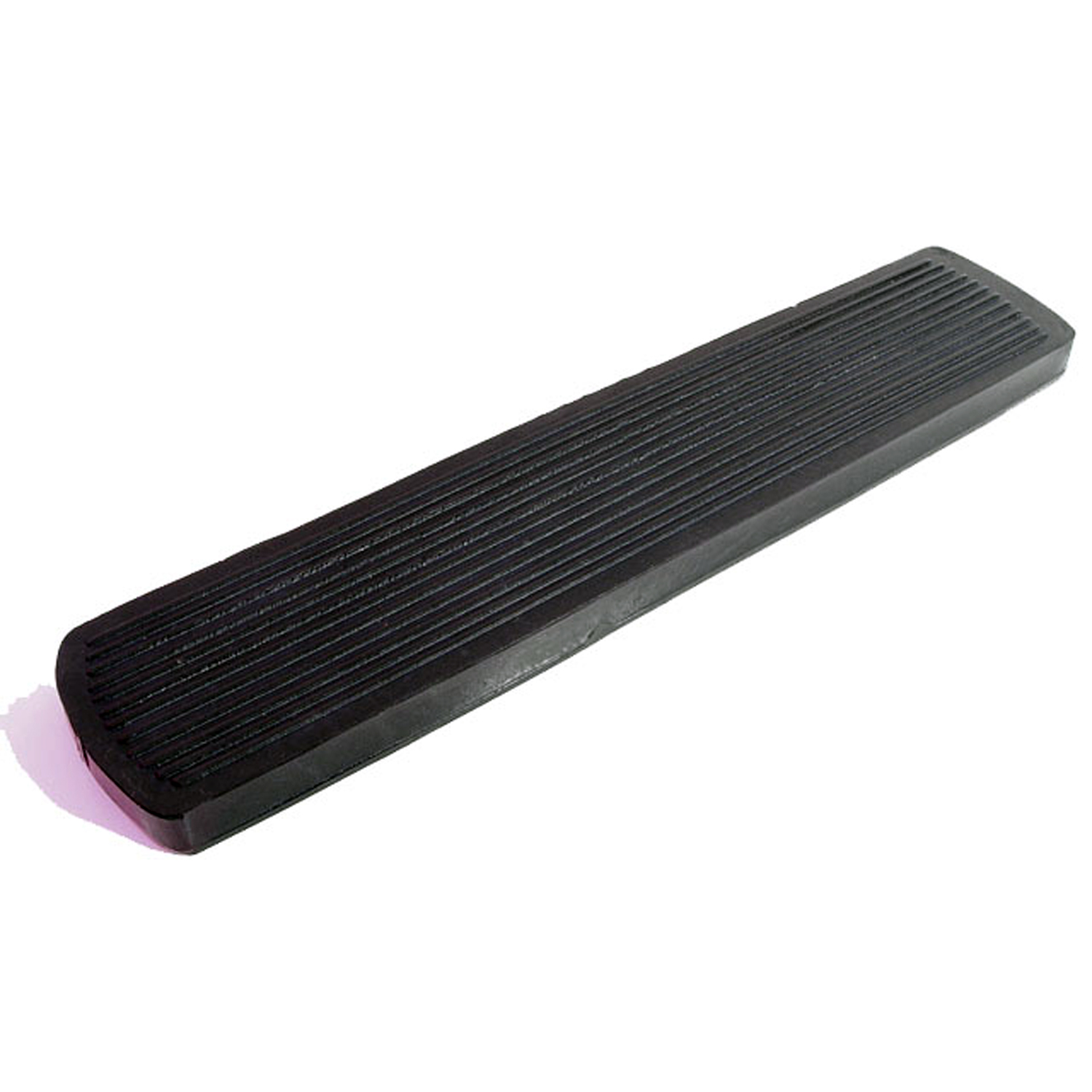 1946 Packard CLIPPER 8 Accelerator Pedal Pad. 1-7/8" X 9-3/8", Each-AP 16Accelerator Pedal Pad. 1-7/8" X 9-3/8", Each
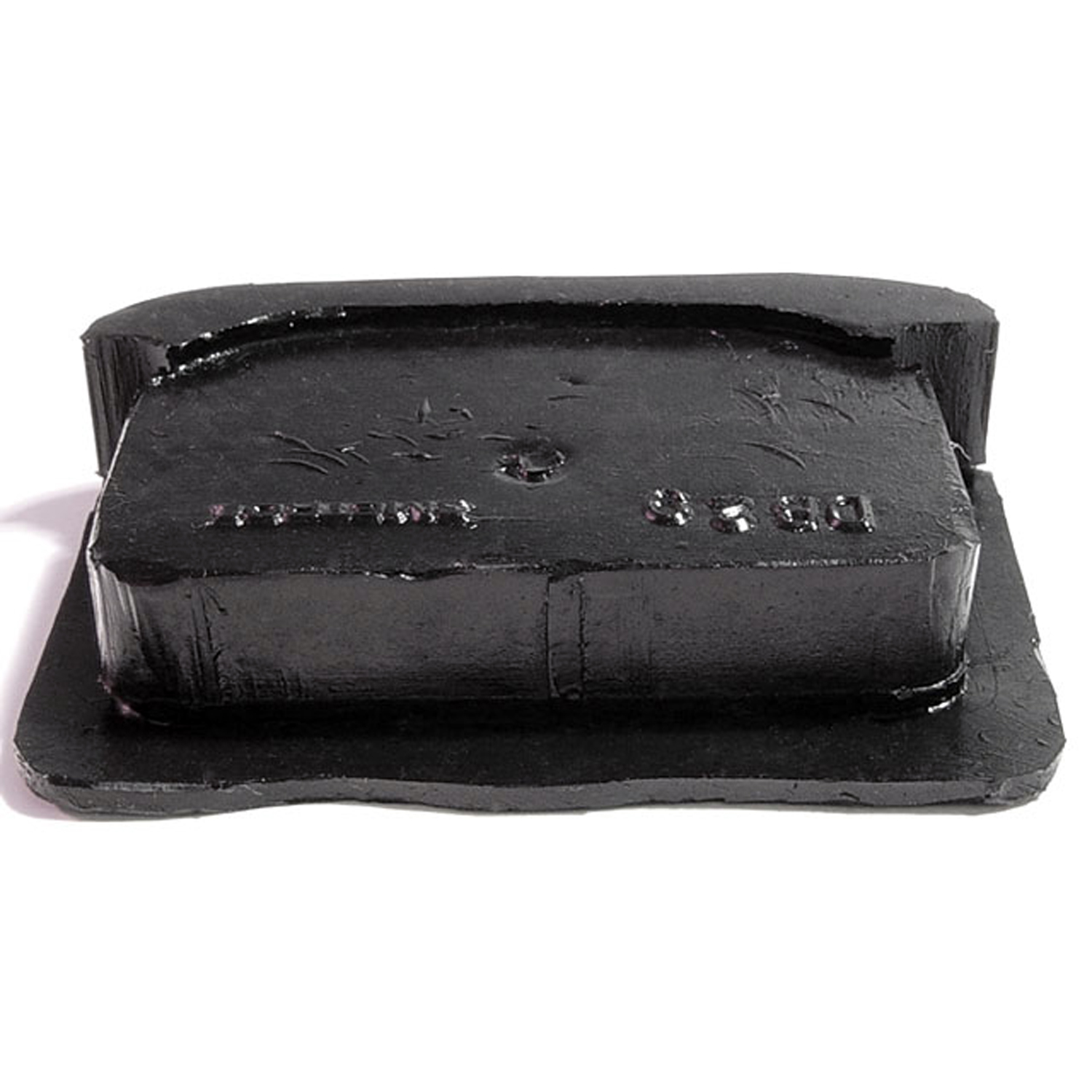 1946 Packard CLIPPER 8 Door Bumper. 1-3/8" high X 2" wide X 1/2" thick. Each-DB 29Door Bumper. 1-3/8" high X 2" wide X 1/2" thick. Each
 1946 Packard CLIPPER 8 Gas Filler Grommet. 2-1/2" I.D., 4-1/8" O.D. Each-GF 12Gas Filler Grommet. 2-1/2" I.D., 4-1/8" O.D. Each
 1946 Packard CLIPPER 8 Hood Corners. 1-3/4" to 2" corner radius-HC 14Hood Corners. 1-3/4" to 2" corner radius. Pad is 3-3/8" long. Pair
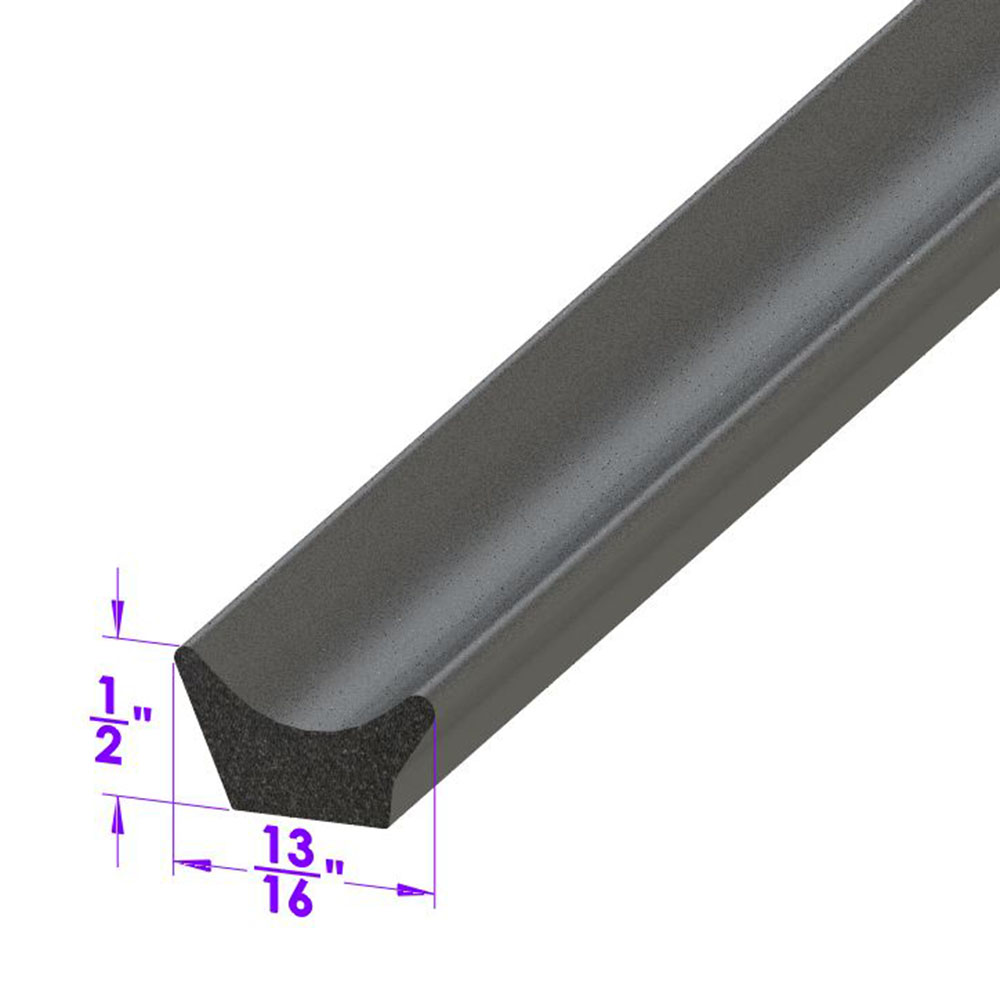 1946 Packard CLIPPER 8 Door side seal. Same as LP 40, but for a lighter seal-LP 40-ADoor side seal. Same as LP 40, but for a lighter seal. Fits many domestic passenger cars and trucks. Universal seal for street rods and customs. Used in Cobra kit cars as door weatherstrip. Per foot.
 1946 Packard CLIPPER 8 Tail-light Pads. 3-3/4" wide X 8-1/8" long. Pair R&L-MP 903-CTail-light Pads. 3-3/4" wide X 8-1/8" long. Pair R&L
 1946 Packard CLIPPER 8 Front lower rubber insulating cushion-RP 72-CFront lower rubber insulating cushion. For motor support at timing-gear cover. 2-7/16 in. wide x 3-3/8 in. long. 1-13/16 in. long center hole. Replaces OEM# 300227. Two used per car. Each.
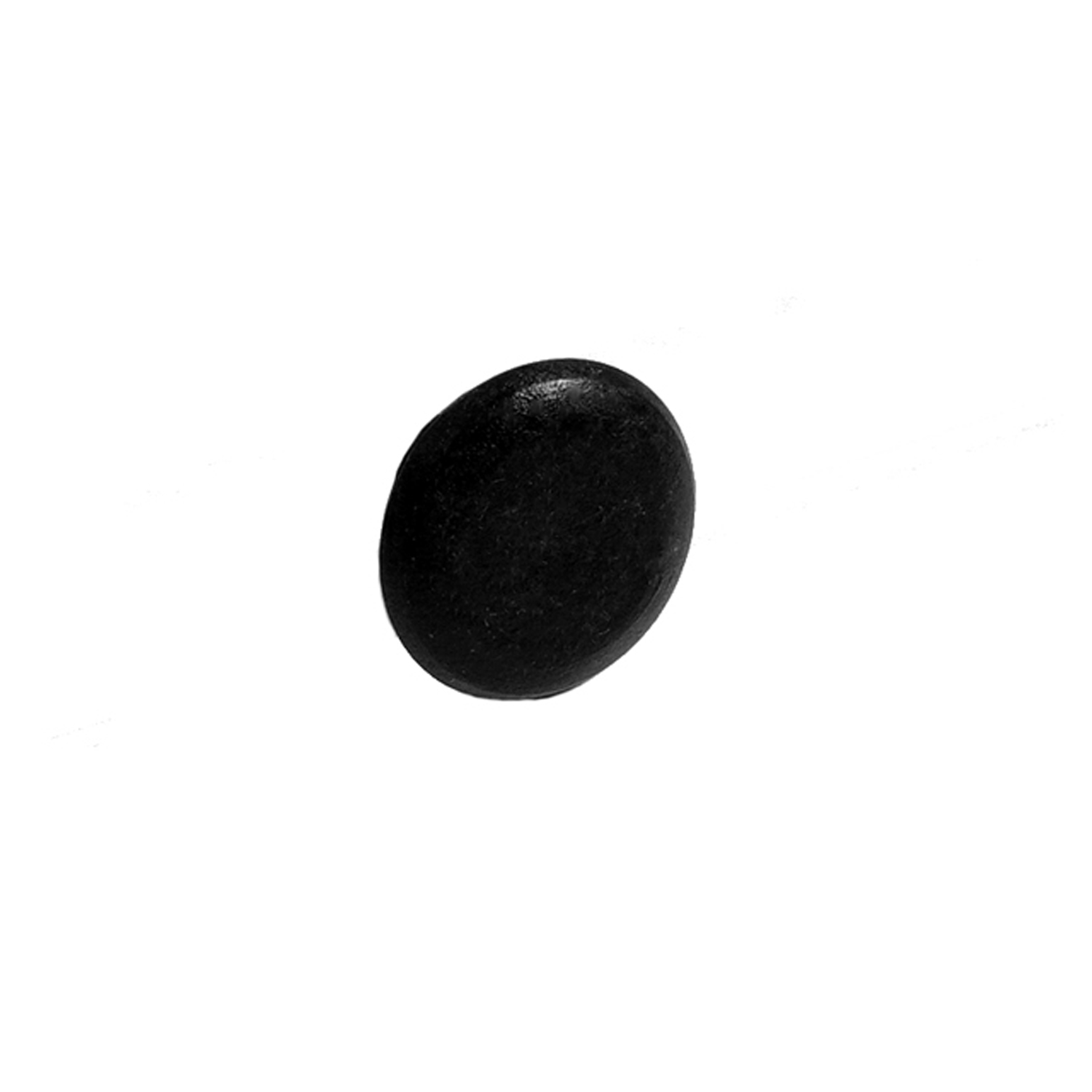 1946 Packard CLIPPER 8 Trunk Bumper. 3/4" O.D., 5/8" I.D. Each-SB 74Trunk Bumper. 3/4" O.D., 5/8" I.D. Each
 1946 Packard CLIPPER 8 Flexible sweeper. Made with stainless steel bead-WC 8-72Flexible sweeper. Made with stainless steel bead. Used on inner and outer beltlines. Also forms easily for use with sliding quarter windows. 72 in. long. Each. NOTE: $20 special shipping charge applies for domestic orders. Call or email for overseas shipping costs. Part can be sectioned into two equal lengths to reduce overseas shipping costs.
Why Choose Metro?
For over 100 years, Metro Moulded Parts has been the pinnacle of quality in classic car restoration parts. Our commitment to precision and authenticity in every component ensures a perfect fit and an OEM-level appearance.
- Expert Craftsmanship & Quality: Each part is a testament to our dedication to reliability and perfection, crafted from original designs and thoroughly tested.
- Advanced Technology: We use cutting-edge techniques to create flawless, long-lasting parts that surpass others in performance.
- SuperSoft Sponge – The Ultimate Door Seal: Not only are our door seals 30% softer than competitors', but they're also guaranteed to never leak. They effectively reduce wind and road noise, enhancing your classic car's comfort and driving experience.
- Proudly American: Our parts are a product of American craftsmanship, made in the USA with a spirit of excellence and heritage.
- Unrivaled Warranty: We back our products with a 30-year industry-leading warranty, a testament to our confidence in their quality.
Join us in preserving the legacy of classic cars with parts that are crafted for perfection, not just made.