

Image of 1946 Packard Clipper Super 8, Note: These illustrations use artistic license and may differ from actual historical models.
Performance Metrics
Fundamental Metrics
Emotional Appeal
MMP Rating
| Engine Specifications | |
|---|---|
| Engine: | Straight 8 |
| Displacement: | 356 cu in (5.8 L) |
| Horsepower: | Estimated 165 hp |
| Torque: | Not available |
| Compression Ratio: | 6.45:1 |
| Ignition System: | Battery Ignition |
| Cooling System: | Liquid Cooled |
| Performance Specifications | |
| 0-60 Time: | Not available |
| 1/4 Mile Time: | Not available |
| Top Speed: | Estimated 100 mph |
| Transmission and Drive | |
| Drive Type: | Rear Wheel Drive |
| Transmission Type: | 3-speed manual |
| Fuel and Efficiency | |
| Fuel System Type: | Carburetor |
| MPG: | Not available |
| Dimensions and Brakes | |
| Brakes: | Drum Brakes |
| Wheelbase: | 127 in (3226 mm) |
| Weight: | Estimated 4100 lbs |
Note: Specifications for classic cars are given to the best of our ability, considering the limited and variant data available.
1946 Packard Clipper Super Eight: A Postwar Classic with Prewar Roots
The 1946 Packard Clipper Super Eight brought the smooth authority of a large straight-eight back to American roads just as the country was emerging from World War II. Built by Packard Motor Car Company in Detroit, it paired the Clipper’s streamlined, integrated-fender styling with one of Packard’s most respected engines: a 356-cubic-inch inline eight.
The Clipper name had first appeared in 1941, when Packard introduced a more modern body with flowing fenders and a cleaner, less upright look than many luxury cars of the era. Civilian car production stopped during the war, and Packard turned much of its manufacturing capacity to military work, including aircraft engines. When car production resumed, the 1946 Clipper was a welcome return. It was closely related to the prewar design, but it gave buyers a polished, comfortable luxury car at a time when new cars were in high demand.
One detail helps explain the car’s character: its straight-eight engine was notably long, with a five-inch stroke. Rather than relying on high revs or a dramatic exhaust note, the Super Eight delivered its power in an even, unhurried fashion. That smoothness became part of Packard’s identity.
Clipper Styling and Cabin Craftsmanship
The Clipper Super Eight has a broad, confident stance. Its long hood leads to rounded front fenders that flow into the body instead of sitting apart like separate wings. A wide grille, substantial chrome trim, and carefully shaped bumpers give the nose a formal presence without making it look heavy. At the rear, rounded quarters and a gently tapered roofline carry the streamlined theme through the car’s profile.
Packard’s proportions are a major part of the appeal. The hood is long, the cabin sits comfortably within the body, and the fenders create a smooth visual line from front to back. It looks substantial, as a luxury car should, but more modern than many upright prewar sedans.
Inside, the Super Eight was designed for quiet, comfortable travel. The cabin typically featured broad cloth seating, quality carpeting, polished metal trim, and a carefully finished dashboard with clear, legible instruments. Upholstery and trim could vary with body style and factory specification. Buyers could also order period conveniences such as a radio and heater, depending on the car’s equipment. Even by today’s standards, the appeal is less about gadgets than about the generous space, comfortable seating, and solid, carefully assembled feel.
Packard offered the Clipper range in a palette that included dark and medium shades such as black, maroon, gray, blue, green, and tan, with some cars finished in contrasting combinations. Exact colors and availability varied by year and specification. Dark maroon, black, and deep blue are especially striking choices on a Super Eight because they suit its formal lines and bright trim.
Body Styles and Equipment
Super Eight Clippers were available in the principal luxury-car formats of the period, including four-door touring sedans and two-door club sedans. Convertible versions were part of the broader upscale Clipper lineup, although availability depended on the specific series and model designation. Because Packard’s naming and body offerings varied across its 1946 range, buyers and restorers should verify a car’s original model number and body style rather than relying on a seller’s general description.
The four-door sedan is the most familiar and practical version, with generous access to the rear seat and a formal profile. The club sedan gives the Clipper a sportier, more personal look, while a convertible adds open-air glamour and is generally the more unusual find. Manual transmission was standard, with an optional overdrive available on certain configurations. The automatic Ultramatic was not yet available; Packard introduced it later, in 1949.
What Made the Clipper Important
The 1946 Super Eight matters as both a Packard and a postwar American car. Its design continued Packard’s move toward a more integrated body, with fenders that blended into the sides instead of appearing as separate attachments. That approach helped establish the sleek, unified look that became increasingly common in postwar automotive styling.
It also reflected a transitional moment. The Clipper was modern in appearance compared with many older luxury cars, but its basic shape and engineering had roots in the prewar period. Packard chose to refine a proven design rather than start from scratch while materials, production capacity, and new-car supply were still recovering from wartime disruption. The result was a car that felt familiar to loyal Packard customers yet contemporary enough to stand beside newer postwar models.
What set the Super Eight apart from many contemporaries was its combination of a large, smooth engine, roomy cabin, and restrained styling. Packard emphasized refinement rather than sporting aggression. The Clipper did not invent the streamlined sedan, but it helped carry that style into the postwar market and kept Packard’s luxury identity visible during a major industry transition.
356 Straight-Eight Performance
The Super Eight’s 356-cubic-inch L-head, or flathead, inline-eight produced approximately 165 horsepower. It was paired with a three-speed manual transmission, operated by a column-mounted shift lever. Optional overdrive helped lower engine speed during steady highway travel. Exact performance varies with body style, gearing, mechanical condition, and the way a particular car has been maintained.
A sound, correctly tuned example can generally reach roughly 90 to 100 mph, while a 0-to-60 mph run is likely to take around 16 to 18 seconds. Those are estimates, not modern test figures, and a heavy sedan in original condition will feel more relaxed than quick. The Super Eight’s purpose was smooth, confident progress rather than rapid acceleration.
On the road, the long wheelbase and substantial mass help the car settle over ordinary bumps and broken pavement. Its independent front suspension was advanced for its era and contributes to a more composed ride than a simple solid-front-axle arrangement. The steering is typically lighter at speed than in a parking lot, and the car rewards measured inputs. On a winding road, it feels large and deliberate rather than nimble, with body lean that reminds the driver of its weight and luxury-car priorities.
The engine is a central part of the experience. At idle, a well-maintained straight-eight has a steady, smooth rhythm; under acceleration, it produces a deep mechanical hum rather than the sharp bark of a V8. The column shifter, large steering wheel, and wide view over the hood make driving feel distinctly premodern. It is a car to guide along, listen to, and enjoy, not hustle through tight corners.
Living with a 1946 Super Eight
Today, most Super Eights are used for touring, club events, shows, and occasional weekend drives. Some can be used more regularly, but their age, fuel consumption, and the availability of parts make them less convenient than a modern daily driver. Expect fuel economy in the general neighborhood of 10 to 14 miles per gallon, depending on condition, gearing, and driving habits.
Routine maintenance is manageable for an experienced home mechanic. The engine and chassis use traditional mechanical systems, and many service procedures are straightforward by classic-car standards. However, the car’s age changes the equation: electrical connections, cooling systems, brakes, fuel lines, and rubber components may all need attention even if the engine runs well. A reliable example needs a careful inspection, not just a fresh coat of paint.
Parts support is available through Packard specialists and classic-car suppliers, but body trim, interior details, and model-specific components can be harder to locate. A buyer should check for rust, previous collision repairs, overheating, oil pressure problems, brake condition, and evidence of poor restoration work. The extensive sheet metal and brightwork can make a cosmetic restoration costly. A car that has been maintained and documented is often a better buy than a cheaper project with missing parts.
Packard Clipper Facts and Common Criticisms
The Clipper design was created under Packard’s styling leadership, with Howard “Dutch” Darrin associated with the original design work and Packard’s own styling team shaping the production car. The 1946 model is especially interesting because it preserves the Clipper’s prewar design character in one of the first waves of postwar American cars.
The Super Eight name refers to the engine’s eight cylinders, not to a separate modern-style performance package. Its 356-cubic-inch engine was one of Packard’s signature powerplants and was prized for smoothness. Packard’s wartime manufacturing work also gave the company a major role in the broader industrial effort, including production of Merlin aircraft engines under license.
There is no widely recognized speed or endurance record that defines the 1946 Clipper Super Eight. Its reputation rests instead on refinement, engineering, and its place in Packard’s postwar story. Common criticisms are practical ones: the car is heavy, thirsty by modern standards, and not quick off the line. Its prewar-derived flathead engine also lacks the high-revving character and later overhead-valve layout that became popular in postwar performance cars.
Collector Values and Availability
Production figures are often reported by Packard series or body style rather than as a single clean total for every Super Eight configuration. A reasonable estimate is that roughly 10,000 to 15,000 1946 Super Eight Clippers were built, though the exact figure depends on which related model designations are included. Packard produced roughly 75,000 cars across its full 1946 lineup, so the Super Eight was only one part of a much larger range.
Good examples appear on the market with some regularity, but condition and configuration make a substantial difference. As a broad current-market estimate, a usable driver may fall around $15,000 to $35,000. A strong, well-restored sedan can bring roughly $35,000 to $60,000, while exceptional cars, rare body styles, or first-rate restorations may reach $65,000 to $100,000 or more. These are general guide ranges, not guaranteed sale prices. Provenance, originality, restoration quality, and local demand all matter.
Values for postwar Packards have generally been condition-sensitive rather than uniformly rising. The best cars remain desirable, especially when they are complete and correctly restored, but restoration costs can exceed the market value of an average example. Buyers should compare recent sales of the same body style and condition, and should budget for mechanical sorting even when a car appears presentable.
A Classic Built for the Long Road
The 1946 Packard Clipper Super Eight combines streamlined postwar styling with a smooth, long-stroke straight-eight and the roomy comfort expected of a prestige car. It is not a sports sedan, and it does not pretend to be one. Its strengths are presence, craftsmanship, a composed ride, and the distinctive sound and feel of Packard’s eight-cylinder engine.
For collectors, it captures a pivotal moment when American carmakers were returning to civilian production and turning prewar ideas into postwar classics. Take the wheel of a well-kept Super Eight and its significance becomes clear: this is not simply a large old sedan, but a polished expression of Packard’s belief that luxury should travel with quiet confidence.
1946 Packard Clipper Super 8 Catalog of Parts
 1946 Packard CLIPPER SUPER 8 Accessory Floor Mat - 12"X17"-AC 32Accessory Floor Mat - made of high quality black rubber with molded original emblem. Also designed to be sewn into new carpets. 12"X17", Each
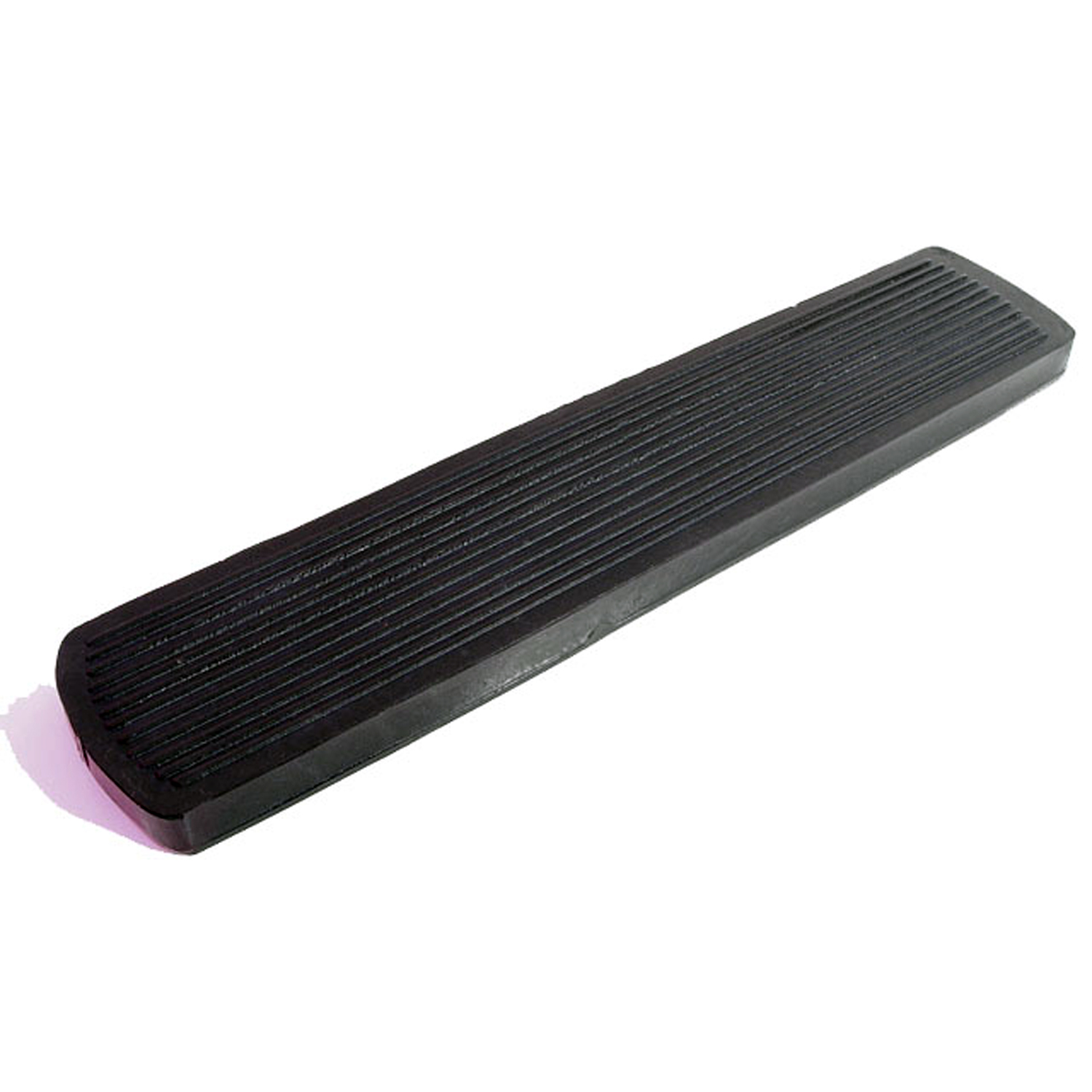 1946 Packard CLIPPER SUPER 8 Accelerator Pedal Pad. 1-7/8" X 9-3/8", Each-AP 16Accelerator Pedal Pad. 1-7/8" X 9-3/8", Each
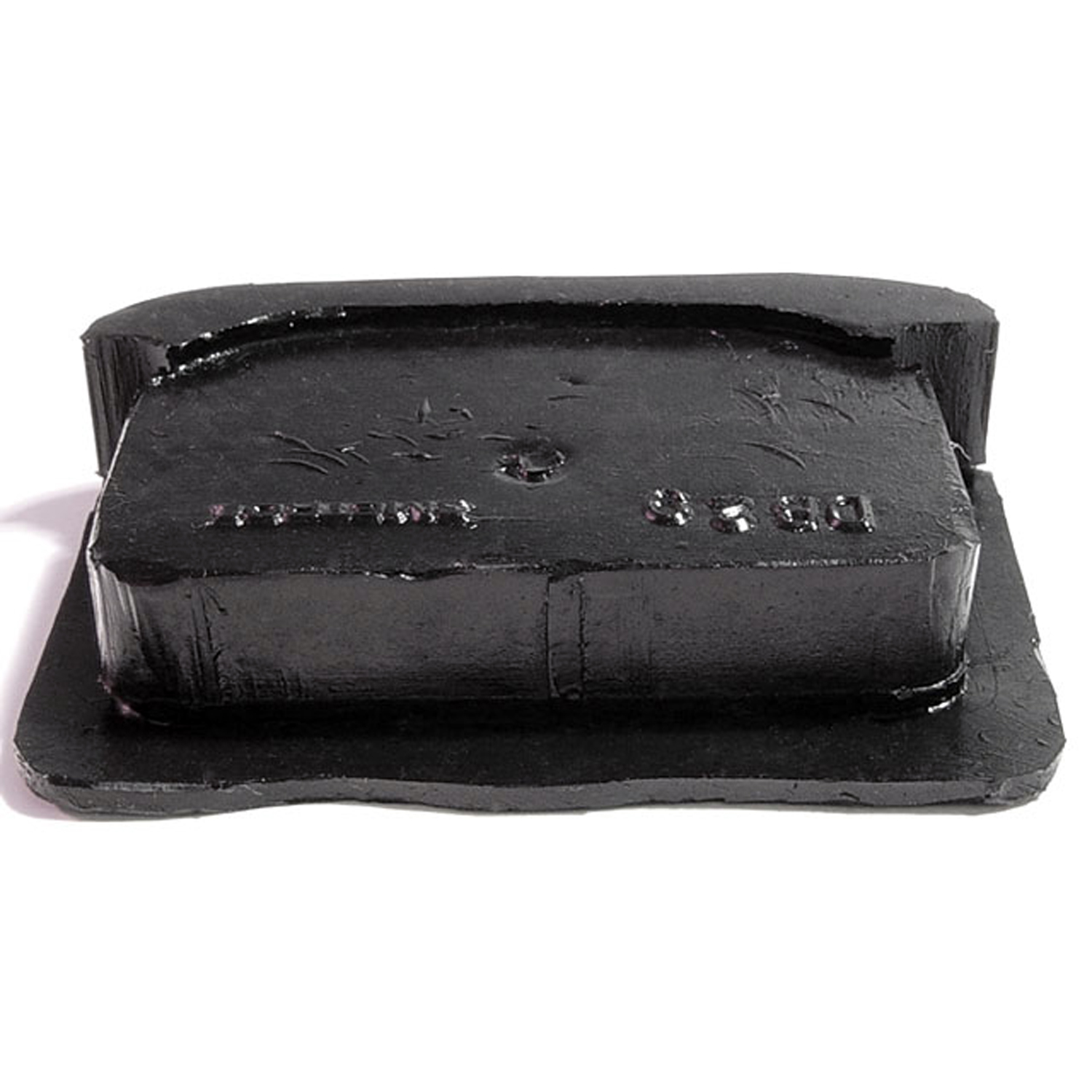 1946 Packard CLIPPER SUPER 8 Door Bumper. 1-3/8" high X 2" wide X 1/2" thick. Each-DB 29Door Bumper. 1-3/8" high X 2" wide X 1/2" thick. Each
 1946 Packard CLIPPER SUPER 8 Gas Filler Grommet. 2-1/2" I.D., 4-1/8" O.D. Each-GF 12Gas Filler Grommet. 2-1/2" I.D., 4-1/8" O.D. Each
 1946 Packard CLIPPER SUPER 8 Hood Corners. 1-3/4" to 2" corner radius-HC 14Hood Corners. 1-3/4" to 2" corner radius. Pad is 3-3/8" long. Pair
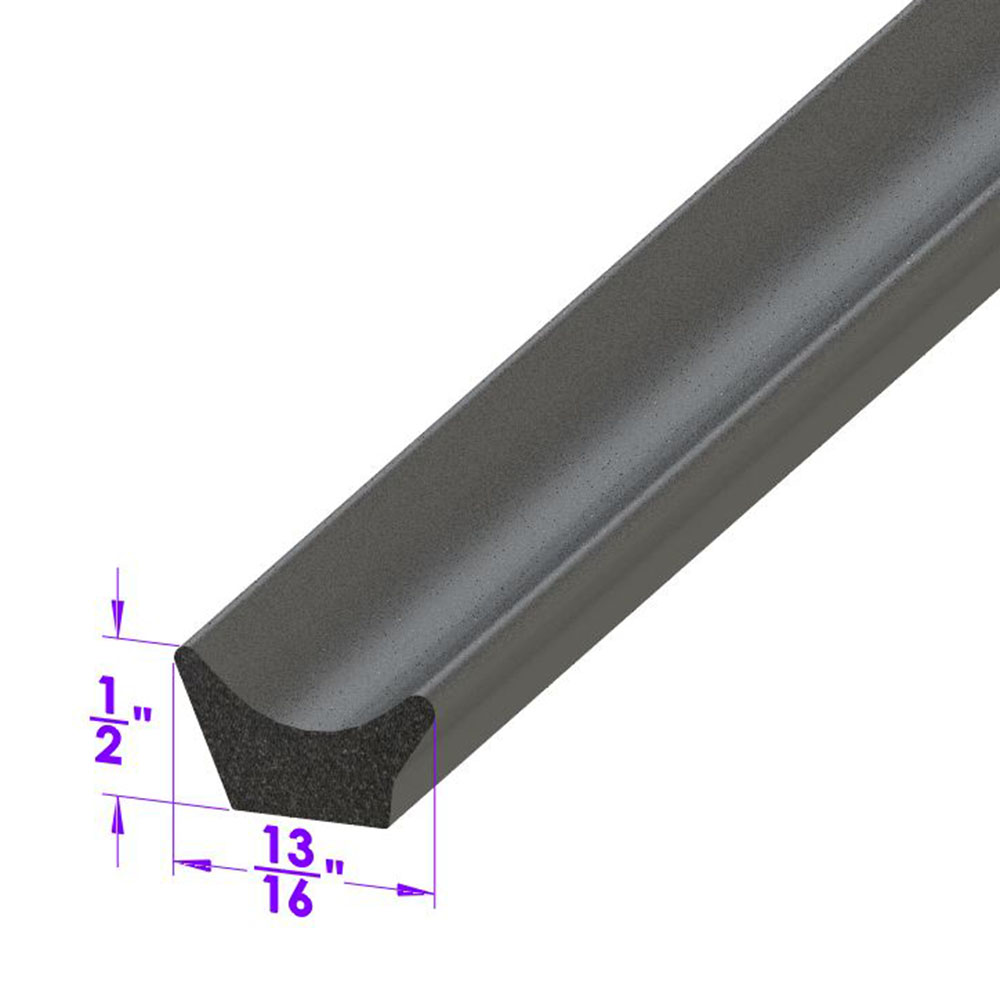 1946 Packard CLIPPER SUPER 8 Door side seal. Same as LP 40, but for a lighter seal-LP 40-ADoor side seal. Same as LP 40, but for a lighter seal. Fits many domestic passenger cars and trucks. Universal seal for street rods and customs. Used in Cobra kit cars as door weatherstrip. Per foot.
 1946 Packard CLIPPER SUPER 8 Tail-light Pads. 3-3/4" wide X 8-1/8" long. Pair R&L-MP 903-CTail-light Pads. 3-3/4" wide X 8-1/8" long. Pair R&L
 1946 Packard CLIPPER SUPER 8 Front lower rubber insulating cushion-RP 72-CFront lower rubber insulating cushion. For motor support at timing-gear cover. 2-7/16 in. wide x 3-3/8 in. long. 1-13/16 in. long center hole. Replaces OEM# 300227. Two used per car. Each.
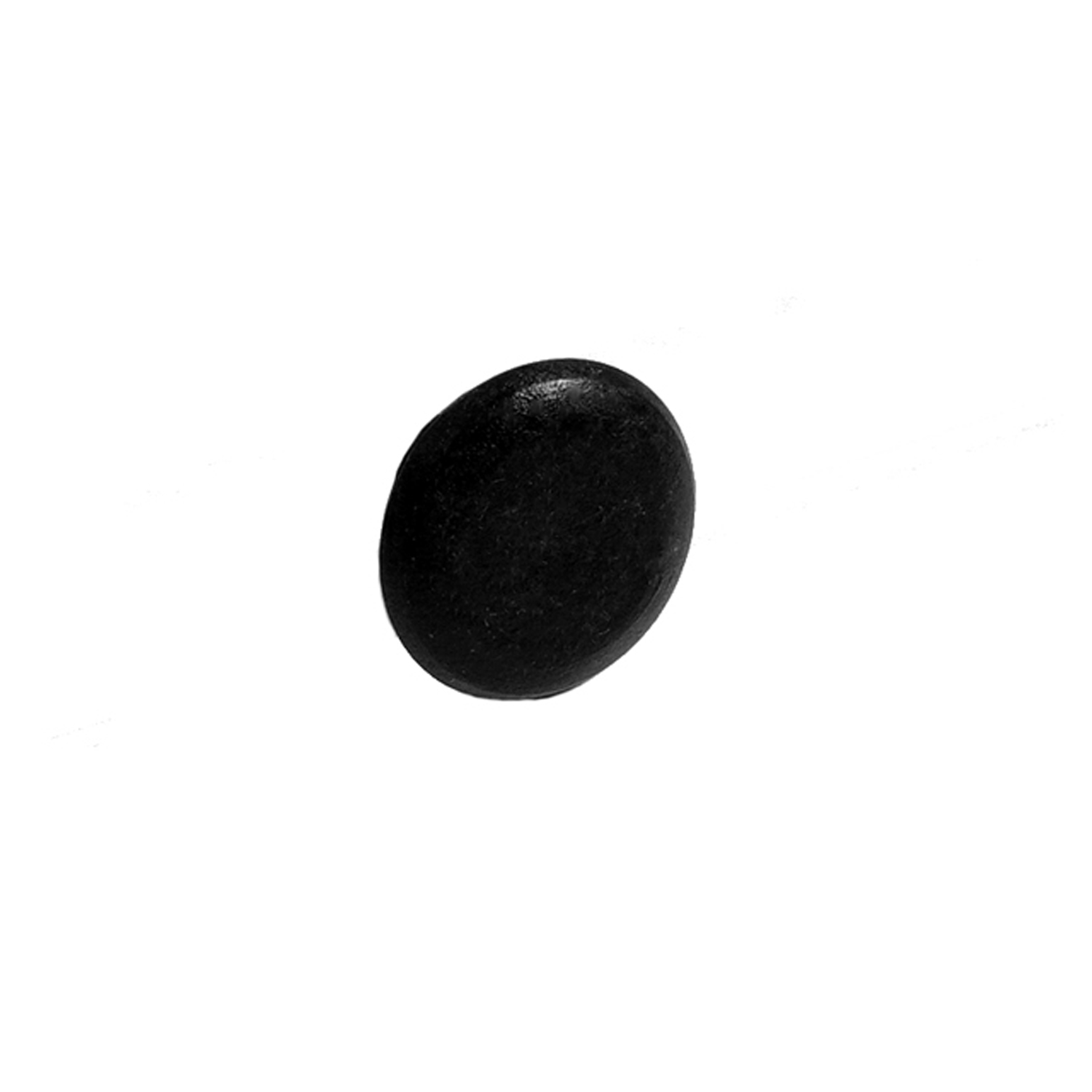 1946 Packard CLIPPER SUPER 8 Trunk Bumper. 3/4" O.D., 5/8" I.D. Each-SB 74Trunk Bumper. 3/4" O.D., 5/8" I.D. Each
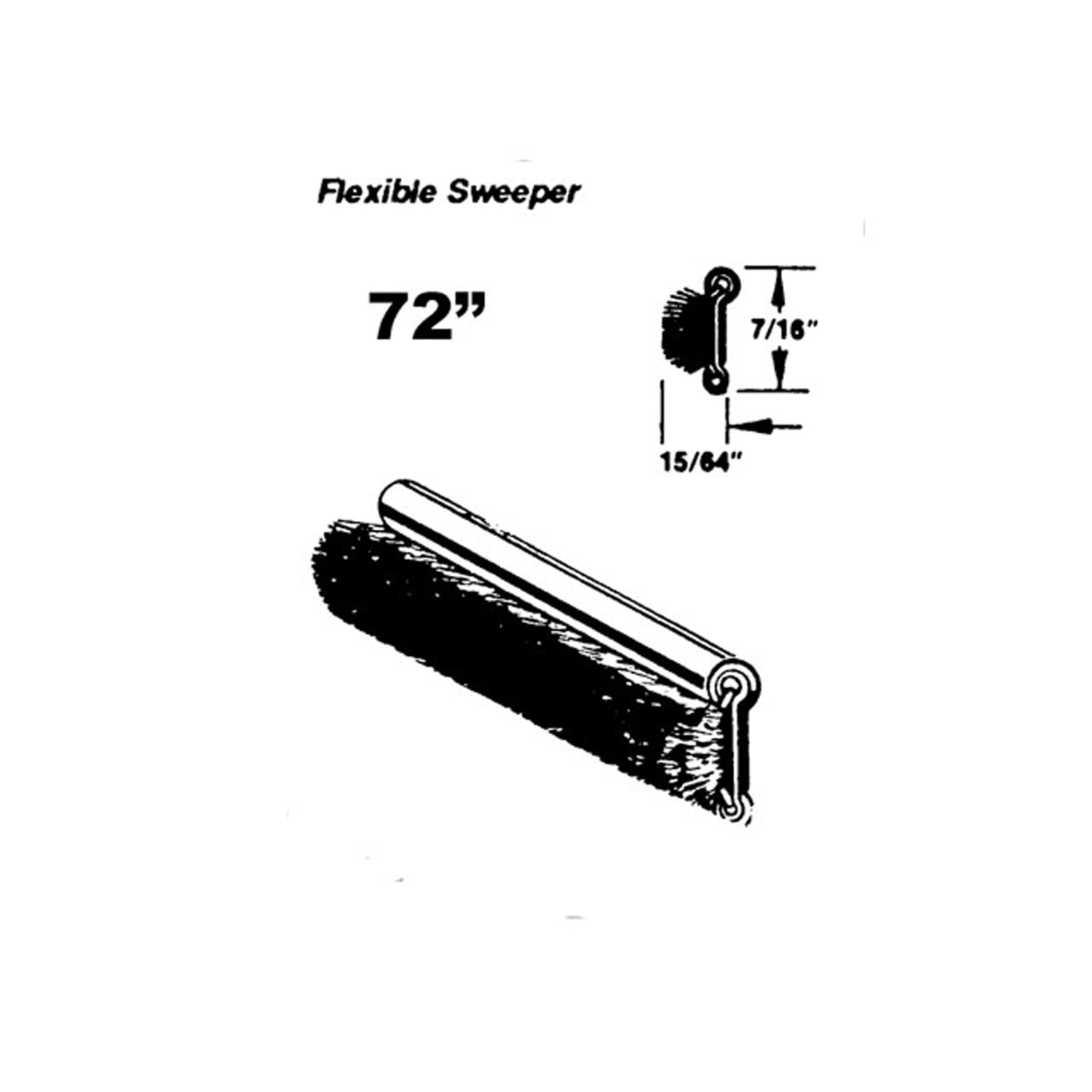 1946 Packard CLIPPER SUPER 8 Flexible sweeper. Made with stainless steel bead-WC 8-72Flexible sweeper. Made with stainless steel bead. Used on inner and outer beltlines. Also forms easily for use with sliding quarter windows. 72 in. long. Each. NOTE: $20 special shipping charge applies for domestic orders. Call or email for overseas shipping costs. Part can be sectioned into two equal lengths to reduce overseas shipping costs.
Why Choose Metro?
For over 100 years, Metro Moulded Parts has been the pinnacle of quality in classic car restoration parts. Our commitment to precision and authenticity in every component ensures a perfect fit and an OEM-level appearance.
- Expert Craftsmanship & Quality: Each part is a testament to our dedication to reliability and perfection, crafted from original designs and thoroughly tested.
- Advanced Technology: We use cutting-edge techniques to create flawless, long-lasting parts that surpass others in performance.
- SuperSoft Sponge – The Ultimate Door Seal: Not only are our door seals 30% softer than competitors', but they're also guaranteed to never leak. They effectively reduce wind and road noise, enhancing your classic car's comfort and driving experience.
- Proudly American: Our parts are a product of American craftsmanship, made in the USA with a spirit of excellence and heritage.
- Unrivaled Warranty: We back our products with a 30-year industry-leading warranty, a testament to our confidence in their quality.
Join us in preserving the legacy of classic cars with parts that are crafted for perfection, not just made.