

Image of 1947 Packard Clipper 6, Note: These illustrations use artistic license and may differ from actual historical models.
Performance Metrics
Fundamental Metrics
Emotional Appeal
MMP Rating
| Engine Specifications | |
|---|---|
| Engine: | 282 CID Straight-6 |
| Displacement: | 282 cubic inches (4.6 L) |
| Horsepower: | 125 HP |
| Torque: | Estimated 225 lb-ft |
| Compression Ratio: | 7.0:1 |
| Ignition System: | Battery and coil |
| Cooling System: | Liquid-cooled |
| Performance Specifications | |
| 0-60 Time: | Estimated 15 seconds |
| 1/4 Mile Time: | Not available |
| Top Speed: | 80 mph |
| Transmission and Drive | |
| Drive Type: | Rear-wheel drive |
| Transmission Type: | 3-speed manual |
| Fuel and Efficiency | |
| Fuel System Type: | Carburetor |
| MPG: | Estimated 15-20 MPG |
| Dimensions and Brakes | |
| Brakes: | Drum brakes |
| Wheelbase: | 127 inches |
| Weight: | 3,700 lbs |
Note: Specifications for classic cars are given to the best of our ability, considering the limited and variant data available.
1947 Packard Clipper Six: A Postwar Classic with Quiet Confidence
The 1947 Packard Clipper Six brought the graceful, streamlined look of Packard’s famous Clipper into the postwar years, pairing elegant American styling with a durable inline-six engine. Built by the Packard Motor Car Company of Detroit, Michigan, it was a more accessible member of Packard’s range, but it still delivered the thoughtful design and substantial road manners that made the marque a serious rival to Cadillac and other premium automakers.
The Clipper name first appeared in 1941, when Packard introduced a striking new design with a lower, more integrated appearance than its earlier cars. Wartime production interrupted civilian car building, and Packard resumed the Clipper line after the war. The 1947 model was part of the final pre-redesign Clipper generation. A year later, Packard would introduce a significantly updated body, making the 1947 car one of the last examples of the original Clipper shape.
There is a useful piece of context behind its postwar character: Packard had spent the war years building aircraft and marine engines rather than cars. The Clipper Six therefore represented more than a familiar model returning to showrooms. It was part of the company’s effort to reconnect with American motorists after years of wartime production.
Streamlined Clipper Styling
The Clipper Six’s design is formal without looking old-fashioned. Its long hood flows into a broad front grille, while the fenders blend into the body rather than sitting beside it as separate forms. The result is a smooth, planted profile, with rounded front and rear contours, substantial bumpers, and carefully placed chrome trim. From the side, the gently arched roof and long body give the sedan a stately look without excessive ornament.
Packard made restrained updates to the 1947 appearance, but the basic Clipper proportions remained the attraction. The car was handsome from nearly every angle: upright and dignified at the front, clean through the doors, and softly rounded at the rear. Its styling offered a more modern impression than many prewar designs while retaining the traditional presence expected of a Packard.
The Clipper Six was offered in sedan body styles, including a four-door Touring Sedan and a two-door Club Sedan. The four-door was the practical family choice and is often the most familiar version today. The Club Sedan, with its longer two-door profile, has a sportier look while still being a roomy, full-size car. Availability and production totals can vary between references, so collectors should verify a particular car’s model details and body tag.
A Comfortable, Well-Finished Cabin
Inside, the Clipper Six favored comfort over novelty. The broad bench seats, generous headroom, and large windows made it a relaxed car for passengers, while the dashboard presented its controls in a clear, straightforward layout. Upholstery and trim depended on the car’s specification, but period cloth and carefully finished interior materials helped give the cabin the quiet, substantial feel expected of a Packard.
Paint and upholstery combinations varied by year, body style, and order. Dark blue, green, maroon, gray, and black tones suited the Clipper’s formal character, while lighter colors could make its rounded bodywork appear more open and airy. Original paint codes, trim tags, and period brochures are worth consulting when assessing a restoration, since colors and equipment could differ across cars.
Engineering for Smooth, Everyday Travel
The Six was powered by Packard’s L-head, or flathead, inline-six engine, displacing approximately 245 cubic inches. It produced about 105 horsepower, delivered through a three-speed manual transmission. An overdrive unit was available on some cars, giving drivers a more relaxed cruising gear on open roads. The exact equipment on an individual example should be confirmed from its build information and components.
For a large postwar sedan, the Clipper Six was equipped with sensible, proven engineering. Independent front suspension helped the front wheels respond more individually to uneven pavement, while rear leaf springs supported the car’s substantial body. Hydraulic brakes provided the stopping force. The emphasis was not on cutting-edge gadgets, but on making a heavy automobile comfortable and dependable in ordinary use.
Packard’s streamlined body was one of the car’s most visible innovations. The Clipper helped establish a smoother, more integrated design language that became increasingly influential as American cars moved away from separate-looking fenders and upright prewar forms. It was not the only carmaker exploring these ideas, but Packard’s execution gave the Clipper a distinctive identity that still reads as modern for its period.
Road Manners and Performance
Period performance figures vary with vehicle condition, gearing, tires, and test methods. As a practical estimate, a healthy Clipper Six could reach roughly 80 to 85 mph, while acceleration from 0 to 60 mph was likely in the neighborhood of 20 seconds or more. Those figures are best understood in context: this was a comfortable full-size sedan, not a sports car, and its six-cylinder engine was designed to move the car steadily rather than deliver rapid acceleration.
On the road, the engine’s flathead design produces a subdued, low-frequency sound rather than the sharper note of a modern overhead-valve engine. The long wheelbase and soft suspension help the car glide over ordinary bumps, and the broad seat and relaxed driving position encourage an unhurried pace. On winding roads, the Clipper feels large and deliberate. It rewards smooth steering inputs and sensible cornering rather than quick direction changes.
Driving one is a hands-on experience. The manual transmission calls for deliberate shifts, and the driver needs to anticipate the car’s weight when braking or turning. With a properly maintained engine, steering system, suspension, and brakes, the Clipper feels composed and reassuring. It is especially at home on scenic roads and moderate-speed tours, where its comfort matters more than outright pace.
What Ownership Is Really Like
Today, most 1947 Clipper Sixes are used as hobby cars, show entries, or touring vehicles rather than daily transportation. Their roomy cabins and comfortable ride make them well suited to club events and weekend drives. They are not commonly associated with racing, where their size, weight, and modest power would be disadvantages.
Routine mechanical work is manageable for an owner familiar with older cars. The flathead six is a relatively straightforward engine, and many service tasks follow familiar principles. The greater challenge is often locating the right parts, finding a specialist when needed, and dealing with age-related wear. Electrical repairs can require particular care because the car uses a six-volt system, while rust, previous repairs, and poorly executed restorations deserve close inspection before purchase.
Reliability depends heavily on maintenance and storage history. A sound example with a clean cooling system, healthy fuel delivery, properly serviced brakes, and good wiring can be enjoyable to drive. A neglected car may need significant work even if its engine starts. For a long-distance touring car, condition and preparation matter far more than the badge on the hood.
Packard Clipper Six Facts and Misconceptions
The 1947 Clipper Six is part of a lineage that began before the United States entered World War II, paused during wartime, and returned to civilian life afterward. Its appearance reflects that transition: the shape was rooted in Packard’s prewar design work, yet it remained fresh enough to compete in a changing postwar market.
The Clipper Six is not generally known for a major speed record or a celebrated racing victory. Its appeal is more personal: it represents Packard’s return to automobile production and the company’s ability to build a refined, full-size car around a six-cylinder engine. It is also sometimes mistaken for a later Packard because the Clipper name continued after the 1947 body style had been replaced. Buyers should check the year and model carefully when looking at listings.
A common criticism is that the Six can feel underpowered beside Packard’s eight-cylinder models, especially when carrying passengers or climbing hills. Its size also makes tight parking and narrow roads less convenient than in a modern car. Those are fair trade-offs, but they do not diminish its strengths as a comfortable, stylish cruiser.
Rarity, Values, and Collector Appeal
Exact production figures for individual body styles can differ among published references. A reasonable working estimate is that roughly 20,000 to 25,000 Packard Clipper Sixes were built for the 1947 model year, combined across the principal sedan styles. That makes the model far from a one-off rarity when new, but surviving cars are much less common today, particularly in well-preserved or carefully restored condition.
As a broad United States market guide for 2026, a project or incomplete example might sell for around $5,000 to $12,000. A usable driver could fall in the $12,000 to $25,000 range, while a very good, presentable car may bring roughly $25,000 to $40,000. Exceptional restorations can exceed that range, but top prices depend on workmanship, documentation, originality, and buyer interest. These are estimates, not guaranteed appraisals; local markets and auction results can vary substantially.
Values tend to favor condition and presentation over dramatic short-term appreciation. The Clipper Six is generally more affordable than comparable Packard models with larger engines or more prestigious trim, which makes it an appealing entry point into Packard ownership. Like many full-size prewar and postwar classics, it is best bought for the experience rather than as a guaranteed investment.
Why the 1947 Clipper Six Still Matters
The 1947 Packard Clipper Six combines a graceful postwar shape, a practical flathead six, and the calm road manners of a substantial American sedan. Its integrated fenders and streamlined profile helped carry Packard’s design into a new era, while its comfortable cabin and straightforward mechanical layout made it a credible car for everyday travel in its own time.
It may not be the fastest Packard or the rarest, but it captures an important moment when American motoring was moving from wartime restraint toward renewed optimism. For collectors and drivers who value design, comfort, and mechanical character, the Clipper Six remains a quietly compelling reminder that elegance does not need to shout.
1947 Packard Clipper 6 Catalog of Parts
 1947 Packard CLIPPER 6 Accessory Floor Mat - 12"X17"-AC 32Accessory Floor Mat - made of high quality black rubber with molded original emblem. Also designed to be sewn into new carpets. 12"X17", Each
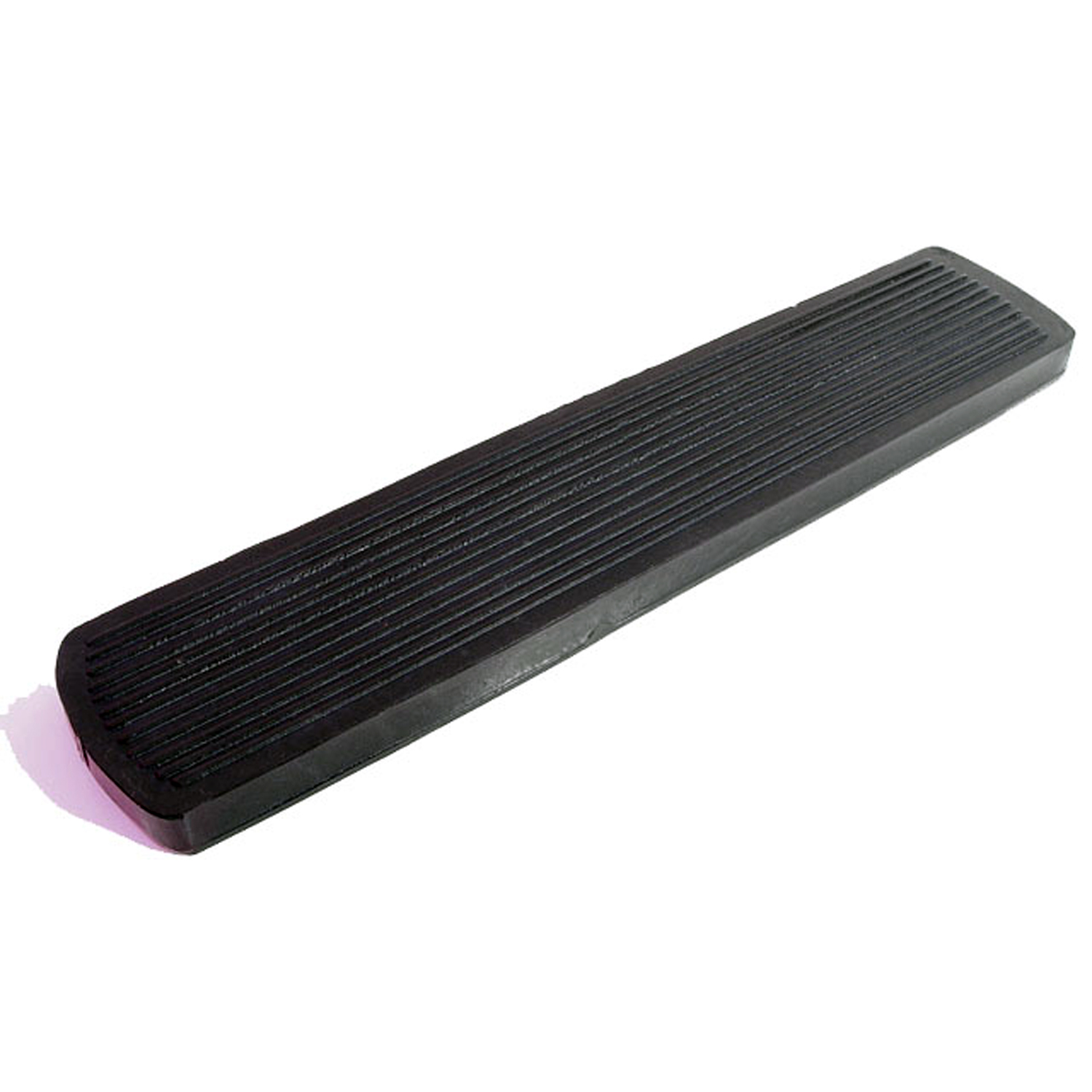 1947 Packard CLIPPER 6 Accelerator Pedal Pad. 1-7/8" X 9-3/8", Each-AP 16Accelerator Pedal Pad. 1-7/8" X 9-3/8", Each
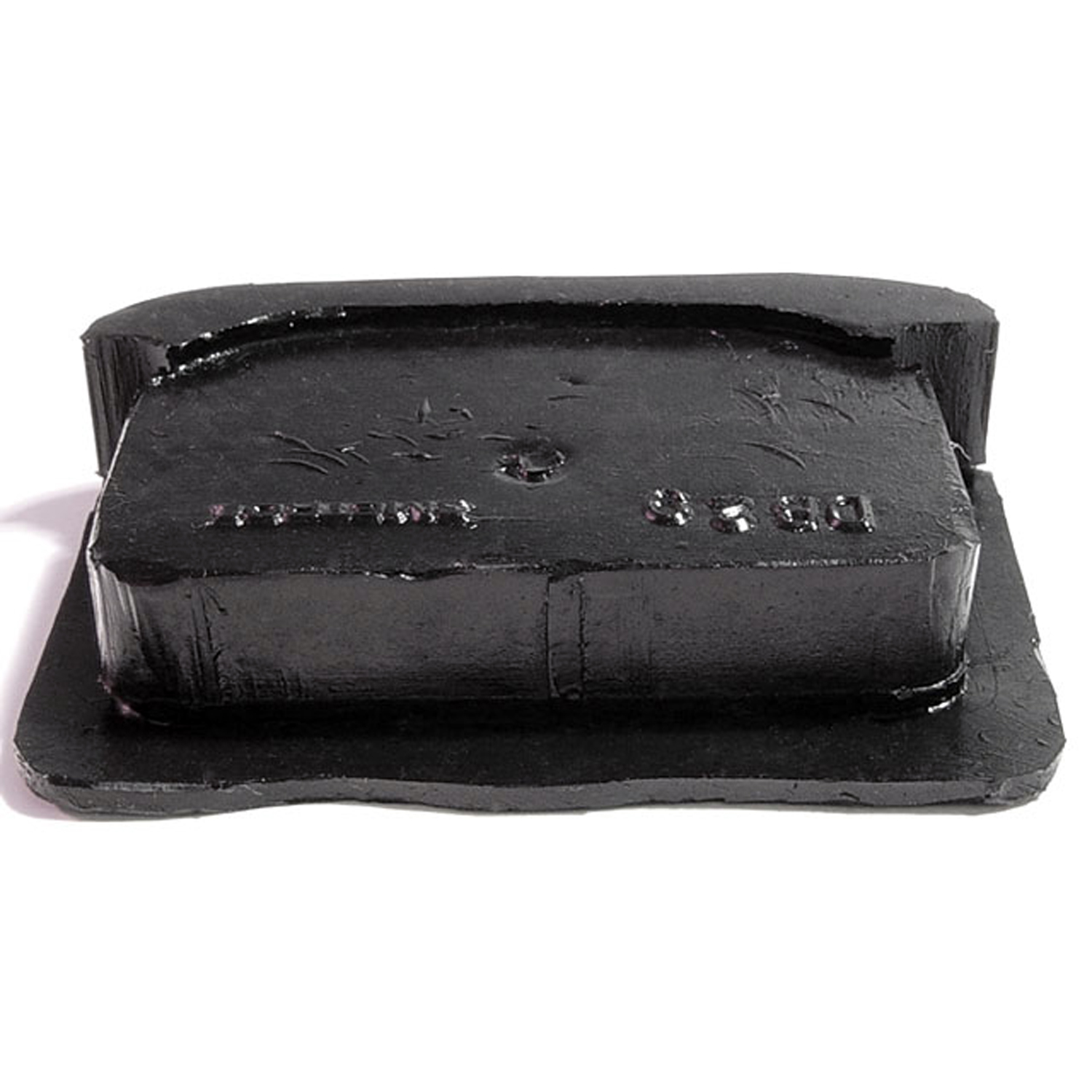 1947 Packard CLIPPER 6 Door Bumper. 1-3/8" high X 2" wide X 1/2" thick. Each-DB 29Door Bumper. 1-3/8" high X 2" wide X 1/2" thick. Each
 1947 Packard CLIPPER 6 Gas Filler Grommet. 2-1/2" I.D., 4-1/8" O.D. Each-GF 12Gas Filler Grommet. 2-1/2" I.D., 4-1/8" O.D. Each
 1947 Packard CLIPPER 6 Hood Corners. 1-3/4" to 2" corner radius-HC 14Hood Corners. 1-3/4" to 2" corner radius. Pad is 3-3/8" long. Pair
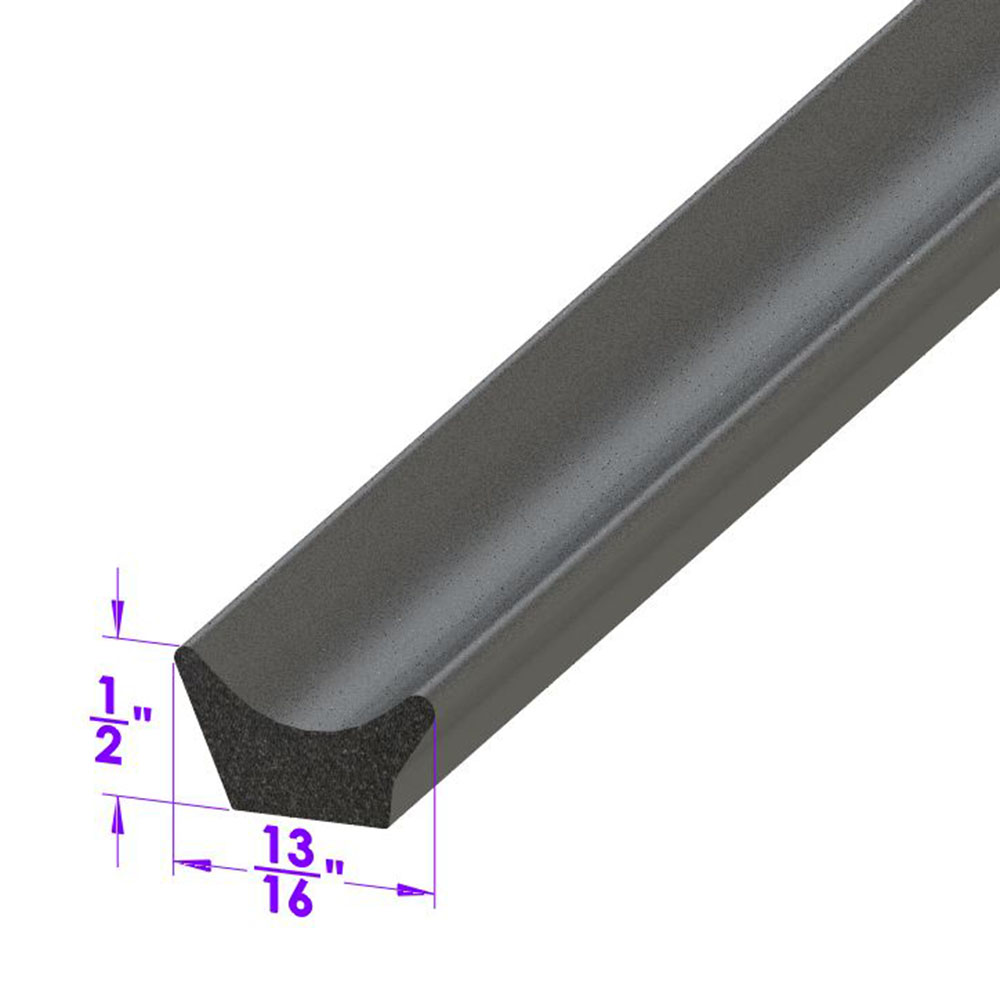 1947 Packard CLIPPER 6 Door side seal. Same as LP 40, but for a lighter seal-LP 40-ADoor side seal. Same as LP 40, but for a lighter seal. Fits many domestic passenger cars and trucks. Universal seal for street rods and customs. Used in Cobra kit cars as door weatherstrip. Per foot.
 1947 Packard CLIPPER 6 Tail-light Pads. 3-3/4" wide X 8-1/8" long. Pair R&L-MP 903-CTail-light Pads. 3-3/4" wide X 8-1/8" long. Pair R&L
 1947 Packard CLIPPER 6 Front lower rubber insulating cushion-RP 72-CFront lower rubber insulating cushion. For motor support at timing-gear cover. 2-7/16 in. wide x 3-3/8 in. long. 1-13/16 in. long center hole. Replaces OEM# 300227. Two used per car. Each.
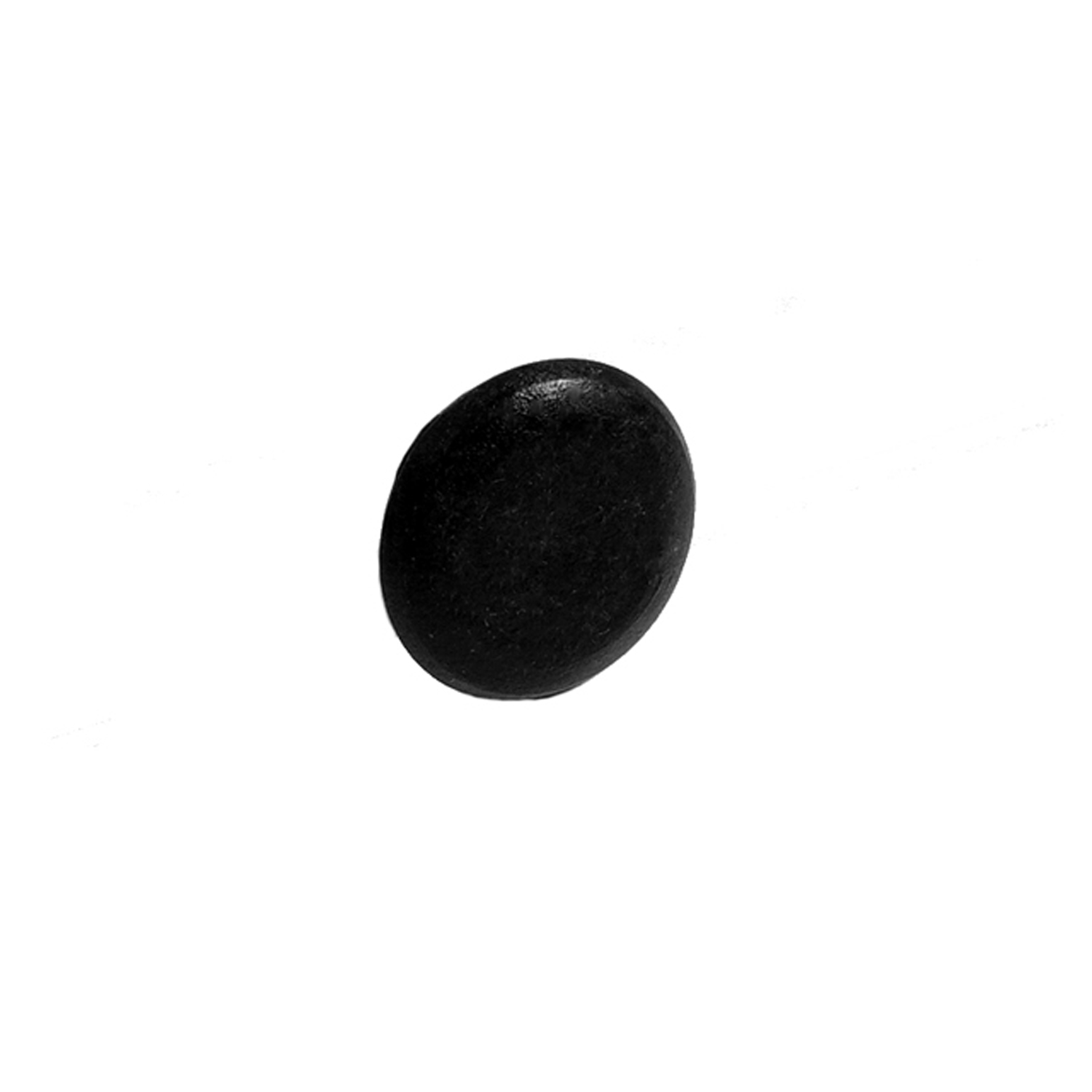 1947 Packard CLIPPER 6 Trunk Bumper. 3/4" O.D., 5/8" I.D. Each-SB 74Trunk Bumper. 3/4" O.D., 5/8" I.D. Each
 1947 Packard CLIPPER 6 Flexible sweeper. Made with stainless steel bead-WC 8-72Flexible sweeper. Made with stainless steel bead. Used on inner and outer beltlines. Also forms easily for use with sliding quarter windows. 72 in. long. Each. NOTE: $20 special shipping charge applies for domestic orders. Call or email for overseas shipping costs. Part can be sectioned into two equal lengths to reduce overseas shipping costs.
Why Choose Metro?
For over 100 years, Metro Moulded Parts has been the pinnacle of quality in classic car restoration parts. Our commitment to precision and authenticity in every component ensures a perfect fit and an OEM-level appearance.
- Expert Craftsmanship & Quality: Each part is a testament to our dedication to reliability and perfection, crafted from original designs and thoroughly tested.
- Advanced Technology: We use cutting-edge techniques to create flawless, long-lasting parts that surpass others in performance.
- SuperSoft Sponge – The Ultimate Door Seal: Not only are our door seals 30% softer than competitors', but they're also guaranteed to never leak. They effectively reduce wind and road noise, enhancing your classic car's comfort and driving experience.
- Proudly American: Our parts are a product of American craftsmanship, made in the USA with a spirit of excellence and heritage.
- Unrivaled Warranty: We back our products with a 30-year industry-leading warranty, a testament to our confidence in their quality.
Join us in preserving the legacy of classic cars with parts that are crafted for perfection, not just made.