

Image of 1947 Packard Clipper Super 8, Note: These illustrations use artistic license and may differ from actual historical models.
Performance Metrics
Fundamental Metrics
Emotional Appeal
MMP Rating
| Engine Specifications | |
|---|---|
| Engine: | Straight 8 |
| Displacement: | 356 cu in (5.8 L) |
| Horsepower: | Estimated 165 hp |
| Torque: | 225 lb-ft |
| Compression Ratio: | Estimated 6.45:1 |
| Ignition System: | Battery Ignition |
| Cooling System: | Liquid Cooled |
| Performance Specifications | |
| 0-60 Time: | Information not available |
| 1/4 Mile Time: | Information not available |
| Top Speed: | 100 mph |
| Transmission and Drive | |
| Drive Type: | Rear Wheel Drive |
| Transmission Type: | 3-speed manual |
| Fuel and Efficiency | |
| Fuel System Type: | Carburetor |
| MPG: | Information not available |
| Dimensions and Brakes | |
| Brakes: | Drum Brakes |
| Wheelbase: | 127 in |
| Weight: | Estimated 3,800 lbs |
Note: Specifications for classic cars are given to the best of our ability, considering the limited and variant data available.
1947 Packard Clipper Super Eight: A Postwar Luxury Classic
The 1947 Packard Clipper Super Eight brought prewar American luxury into a country eager to move forward. Built by the Packard Motor Car Company of Detroit, Michigan, it paired the Clipper’s sleek, integrated body with Packard’s powerful 356-cubic-inch straight-eight engine. The result was a substantial, quietly confident automobile designed for motorists who wanted comfort and engineering refinement as much as prestige.
The Super Eight arrived during a pivotal chapter for Packard. The company had devoted its facilities to wartime production, including aircraft engines, before returning to civilian automobiles after World War II. The 1947 Clipper was part of that postwar restart, but its basic design had roots in the prewar era. A particularly notable detail: 1947 was the final model year for this original Clipper body shape. Packard introduced a thoroughly revised Clipper for 1948, making the ’47 a bridge between the company’s prewar design identity and its postwar future.
Clipper Styling and Cabin Craftsmanship
The Clipper looked modern for its time without relying on excessive ornament. Its broad, horizontal grille sat low between rounded front fenders, while the fenders flowed smoothly into the body rather than appearing as separate, bulbous pieces. The long hood, gently sloping roofline, and rounded rear quarters gave the car a streamlined profile. Fine chrome accents added brightness, but the overall impression was restrained and substantial.
Inside, the Super Eight delivered the kind of hushed, well-finished environment expected of a premium Packard. Depending on body style and specification, upholstery could include quality cloth or leather, complemented by carpeting, a broad bench seat, and a carefully arranged instrument panel. Packard’s attention to trim and fit helped the cabin feel more like a comfortable lounge than a basic transportation space. The gauges were legible, the controls were within easy reach, and the large steering wheel suited the car’s generous proportions.
Factory paint choices varied by year and specification. Buyers could choose from dignified colors such as black, deep blue, maroon, gray, green, and lighter tones. Dark, formal colors remain especially popular with collectors because they suit the Super Clipper’s long, elegant body, though well-preserved cars in less common colors can be appealing finds.
Super Eight body styles centered on closed sedans, including four-door touring sedans and two-door club sedans. The four-door sedan is the familiar, practical choice, while the club sedan’s shorter roofline and more coupe-like profile give it a sportier presence. Exact offerings and trim details can vary by model specification, so buyers should check the vehicle’s serial and body records when identifying a particular car.
Engineering That Set Packard Apart
At the heart of the Super Eight was Packard’s 356-cubic-inch inline-eight, rated at about 165 horsepower. The engine’s nine main bearings helped support smooth operation, and hydraulic valve lifters reduced the need for frequent valve adjustment. Those features reflected Packard’s emphasis on refinement, not just engine size. A three-speed manual transmission was standard, with overdrive available on some cars to lower engine speed during sustained highway cruising.
The Clipper’s significance went beyond its engine. Its integrated fenders and streamlined body helped establish a more modern visual language than the separate-fender designs still common among many competitors. The 1947 car was not a clean-sheet postwar design, but it carried forward a distinctive shape that had helped Packard stand out before the war. Its blend of aerodynamic influence, traditional luxury, and substantial construction became part of the marque’s design signature.
Packard competed in a demanding luxury market that included Cadillac and Lincoln. The Super Clipper’s appeal was its combination of quiet power, comfortable appointments, and understated styling. It did not need flamboyant decoration to announce its status. That confident restraint remains one reason the Clipper is admired today.
Road Manners and Super Eight Performance
Period performance figures vary with equipment, gearing, vehicle condition, and testing methods. As a useful modern estimate, a healthy Super Eight may reach 60 mph in roughly 16 to 20 seconds, with a top speed in the neighborhood of 85 to 90 mph. Those numbers describe a large luxury car of its era, not a sports car. The Packard’s strength was relaxed, steady progress rather than rapid acceleration.
On the road, the straight-eight is known for its smooth, low-key character. It produces a muted mechanical hum and a measured exhaust note rather than a sharp, high-revving sound. The car’s considerable weight helps it settle over ordinary bumps, and its long wheelbase contributes to a composed ride on open roads. On narrow, winding routes, however, the Super Clipper feels like the full-size automobile it is. Steering effort, body lean, and braking distances all remind the driver that it predates modern power steering, disc brakes, and electronic safety systems.
Driving one is a hands-on experience. The driver manages a large steering wheel, a conventional manual transmission, and the car’s momentum, while passengers enjoy the spacious cabin and cushioned ride. With a properly tuned engine and sound suspension, the Super Eight feels calm and capable at touring speeds. It is best enjoyed at an unhurried pace, where its smoothness and road presence come into their own.
Living With a 1947 Packard
Today, the Clipper Super Eight is most often used as a show car, a weekend tourer, or a centerpiece in a collection. Some owners drive them regularly, but their age and size make them less convenient than a modern daily driver. Fuel consumption is modest by present-day standards, and a large straight-eight can be thirsty, particularly in city traffic.
The engine is robust when maintained properly, and many mechanical jobs are straightforward for an experienced vintage-car owner. Still, the car is not automatically easy to keep on the road. Its weight places demands on brakes, tires, suspension, and steering components. Electrical systems, cooling systems, seals, and aging rubber parts may need attention, while trim, glass, and model-specific body pieces can take time to locate. A Packard specialist or an active owners’ club can be invaluable for sourcing parts and confirming correct specifications.
Before buying, inspect the body and frame carefully for rust, especially around the lower body, floor sections, and structural areas. Check that the engine maintains proper oil pressure and temperature, that the transmission shifts cleanly, and that the brakes work evenly. A car that runs is not necessarily a car ready for reliable touring, so a thorough inspection is money well spent.
Packard Clipper Facts and Common Criticisms
The Clipper name first appeared before the war, when Packard introduced a more streamlined design to its range. The postwar Super Eight carried that name into a new era, but the 1947 version retained the original body concept for one final year before the redesigned 1948 models arrived. That makes it especially interesting to collectors who like transitional cars with one foot in each period.
There is no widely recognized production speed or endurance record associated with the 1947 Super Clipper. Its achievement was more understated: it helped Packard resume luxury-car production after wartime manufacturing and offered a refined, powerful alternative in a competitive market. Production totals are reported differently across sources and model classifications, but a reasonable estimate is roughly 10,000 to 15,000 Super Clipper examples for the 1947 model year across the relevant body styles. Surviving cars in excellent, original condition are considerably less common.
Common criticisms are easy to understand. The Super Eight is heavy, fuel-hungry, and not quick by modern standards. Its size can make tight parking and city driving a chore, and worn examples may demand significant mechanical or restoration work. Some owners also find that locating correct trim and body parts is more difficult than sourcing routine service items. Those drawbacks are part of the ownership calculation, not reasons to dismiss a sound, well-maintained car.
1947 Packard Clipper Super Eight Values
Collector values depend heavily on condition, originality, body style, and restoration quality. As a broad guide, a project car may sell for about $8,000 to $15,000. A usable driver or older restoration may fall around $15,000 to $30,000, while a very good, well-presented example can bring roughly $30,000 to $55,000. Exceptional concours-quality cars may reach $60,000 to $90,000 or more, though top-end results depend on the individual car and the market at the time of sale.
These are estimates rather than guaranteed values. A correct, documented restoration usually attracts more confidence than a shiny car with uncertain mechanical work, while originality can be especially desirable when the car remains complete and well preserved. Prices for classic Packards have varied with collector demand and broader economic conditions. The best examples can hold strong interest, but buyers should not assume every car will appreciate quickly. Purchase condition and the cost of restoration matter greatly.
Why the 1947 Super Clipper Still Matters
The 1947 Packard Clipper Super Eight combined smooth straight-eight power, careful cabin appointments, and streamlined styling in a form that reflected both Packard’s heritage and the optimism of the postwar years. It was not built to be a sports car or an economy choice. It was built to carry its passengers in comfort and make a quiet statement about the engineering behind it.
Nearly eight decades later, the Super Clipper remains a rewarding classic for enthusiasts who appreciate substantial prewar-inspired construction and graceful postwar design. Its story is written in the long hood, the smooth-running eight, and the final year of a body style that helped Packard look ahead. For anyone drawn to American luxury at a turning point, the 1947 Clipper Super Eight is more than a handsome old sedan. It is a rolling link between two eras.
1947 Packard Clipper Super 8 Catalog of Parts
 1947 Packard CLIPPER SUPER 8 Accessory Floor Mat - 12"X17"-AC 32Accessory Floor Mat - made of high quality black rubber with molded original emblem. Also designed to be sewn into new carpets. 12"X17", Each
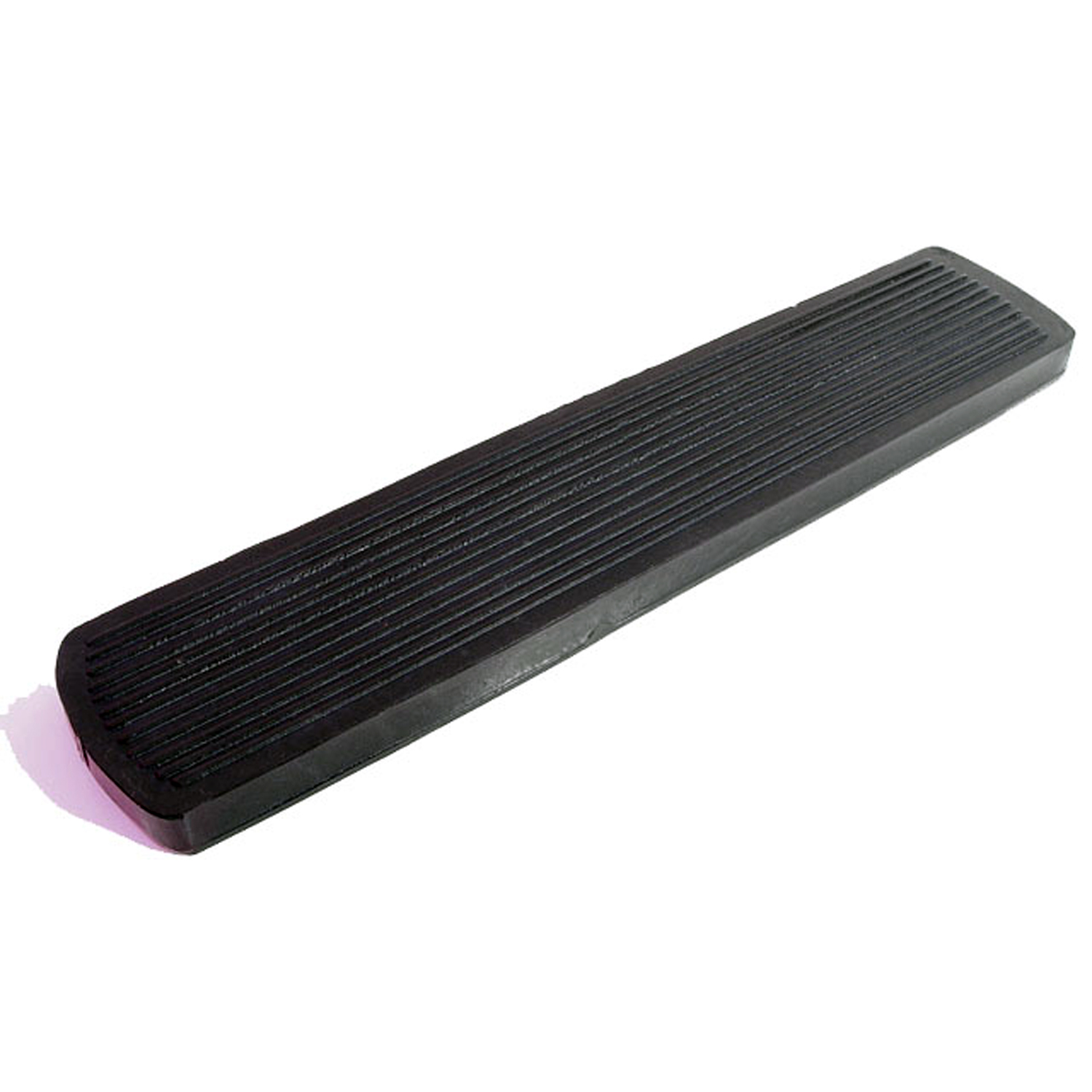 1947 Packard CLIPPER SUPER 8 Accelerator Pedal Pad. 1-7/8" X 9-3/8", Each-AP 16Accelerator Pedal Pad. 1-7/8" X 9-3/8", Each
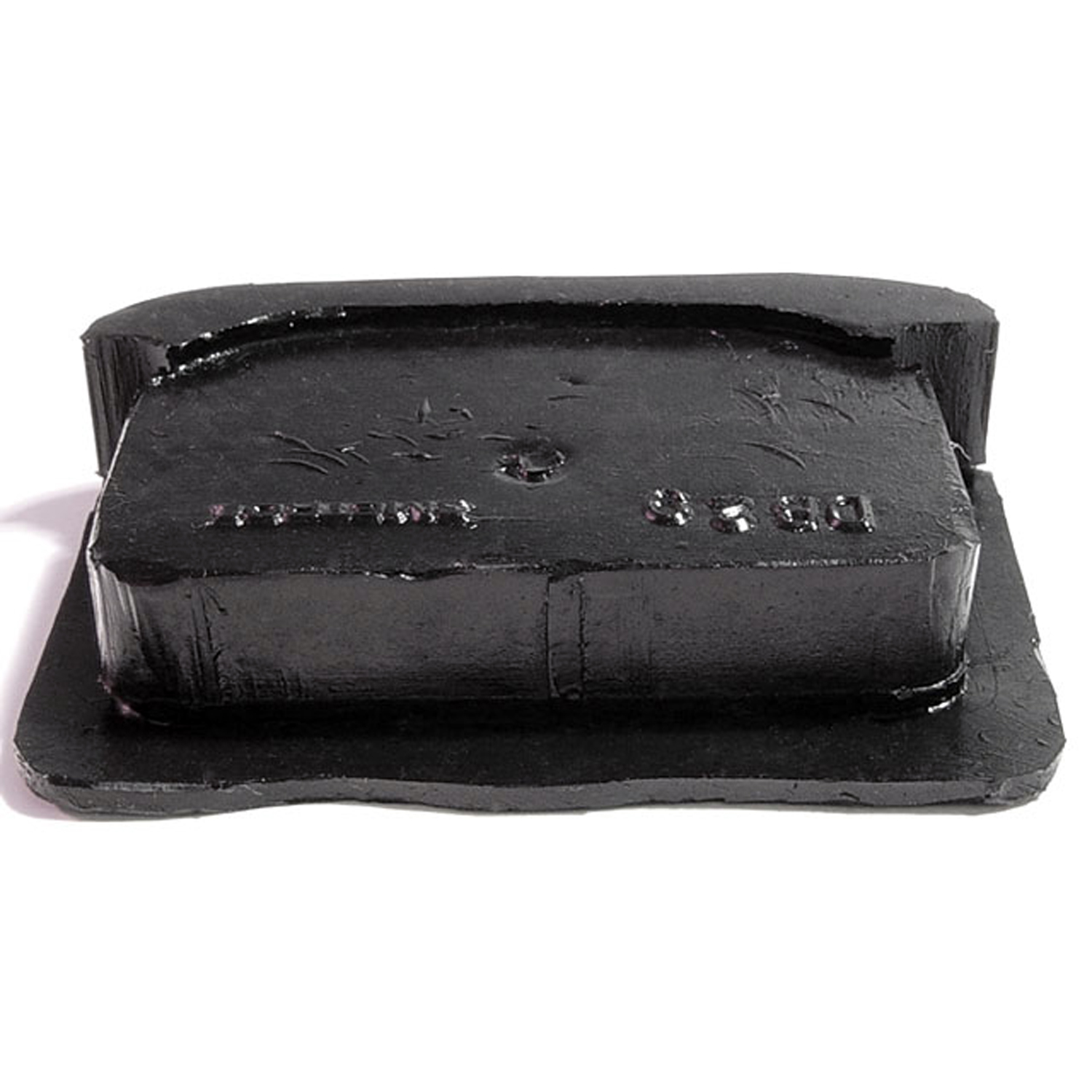 1947 Packard CLIPPER SUPER 8 Door Bumper. 1-3/8" high X 2" wide X 1/2" thick. Each-DB 29Door Bumper. 1-3/8" high X 2" wide X 1/2" thick. Each
 1947 Packard CLIPPER SUPER 8 Gas Filler Grommet. 2-1/2" I.D., 4-1/8" O.D. Each-GF 12Gas Filler Grommet. 2-1/2" I.D., 4-1/8" O.D. Each
 1947 Packard CLIPPER SUPER 8 Hood Corners. 1-3/4" to 2" corner radius-HC 14Hood Corners. 1-3/4" to 2" corner radius. Pad is 3-3/8" long. Pair
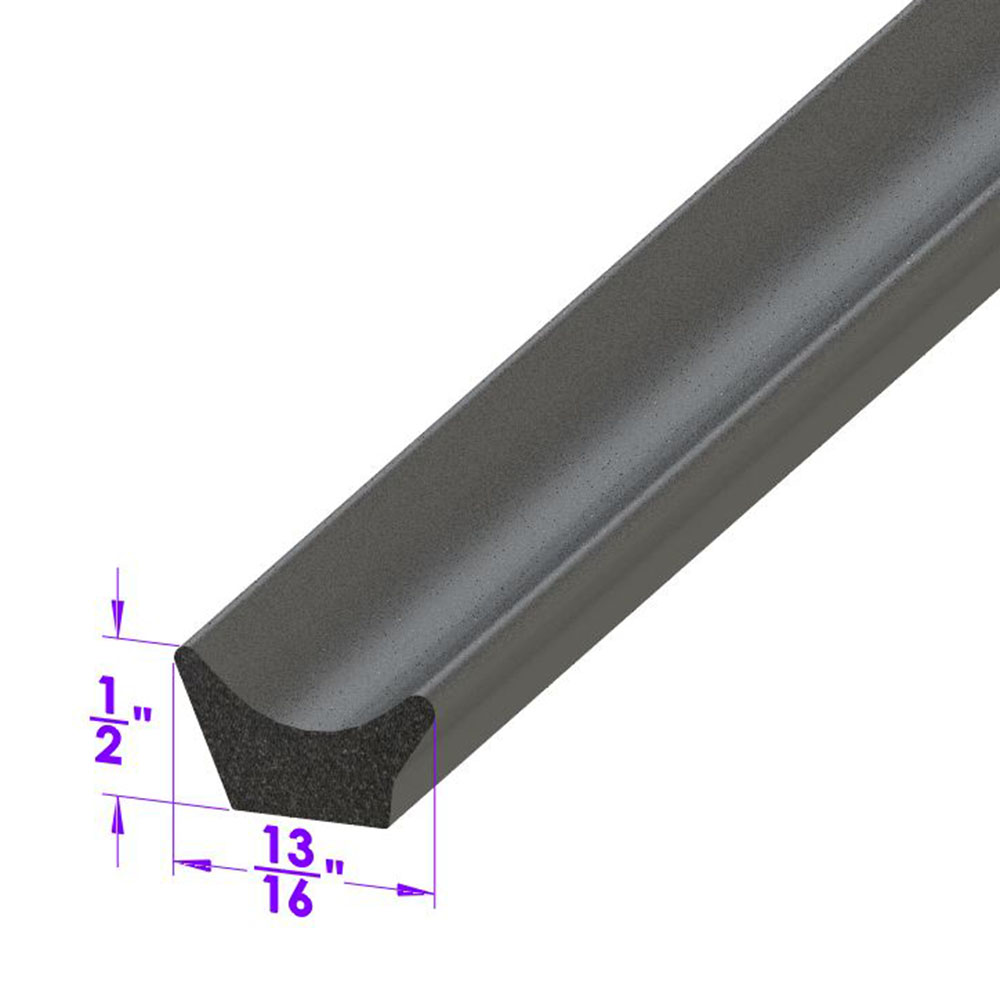 1947 Packard CLIPPER SUPER 8 Door side seal. Same as LP 40, but for a lighter seal-LP 40-ADoor side seal. Same as LP 40, but for a lighter seal. Fits many domestic passenger cars and trucks. Universal seal for street rods and customs. Used in Cobra kit cars as door weatherstrip. Per foot.
 1947 Packard CLIPPER SUPER 8 Tail-light Pads. 3-3/4" wide X 8-1/8" long. Pair R&L-MP 903-CTail-light Pads. 3-3/4" wide X 8-1/8" long. Pair R&L
 1947 Packard CLIPPER SUPER 8 Front lower rubber insulating cushion-RP 72-CFront lower rubber insulating cushion. For motor support at timing-gear cover. 2-7/16 in. wide x 3-3/8 in. long. 1-13/16 in. long center hole. Replaces OEM# 300227. Two used per car. Each.
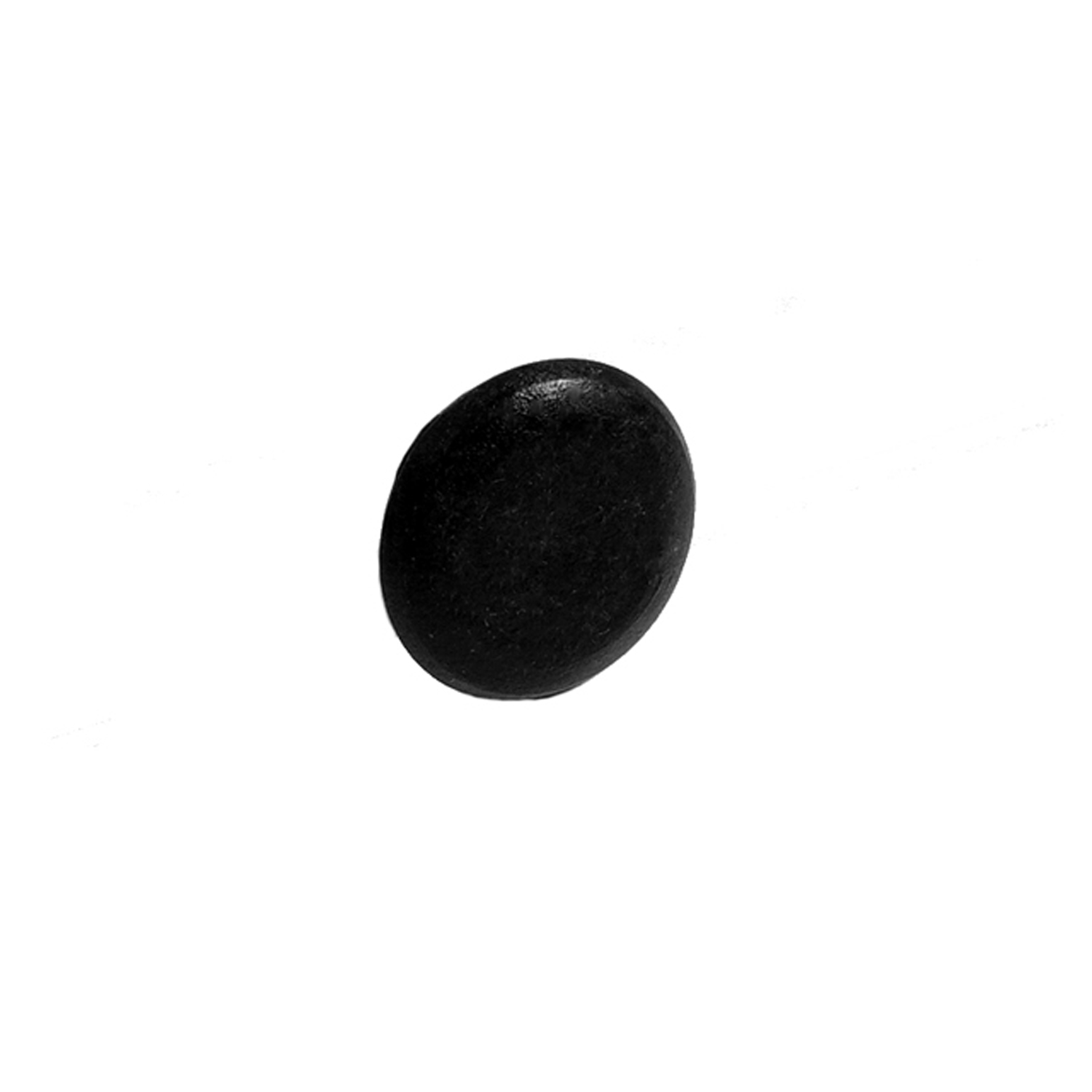 1947 Packard CLIPPER SUPER 8 Trunk Bumper. 3/4" O.D., 5/8" I.D. Each-SB 74Trunk Bumper. 3/4" O.D., 5/8" I.D. Each
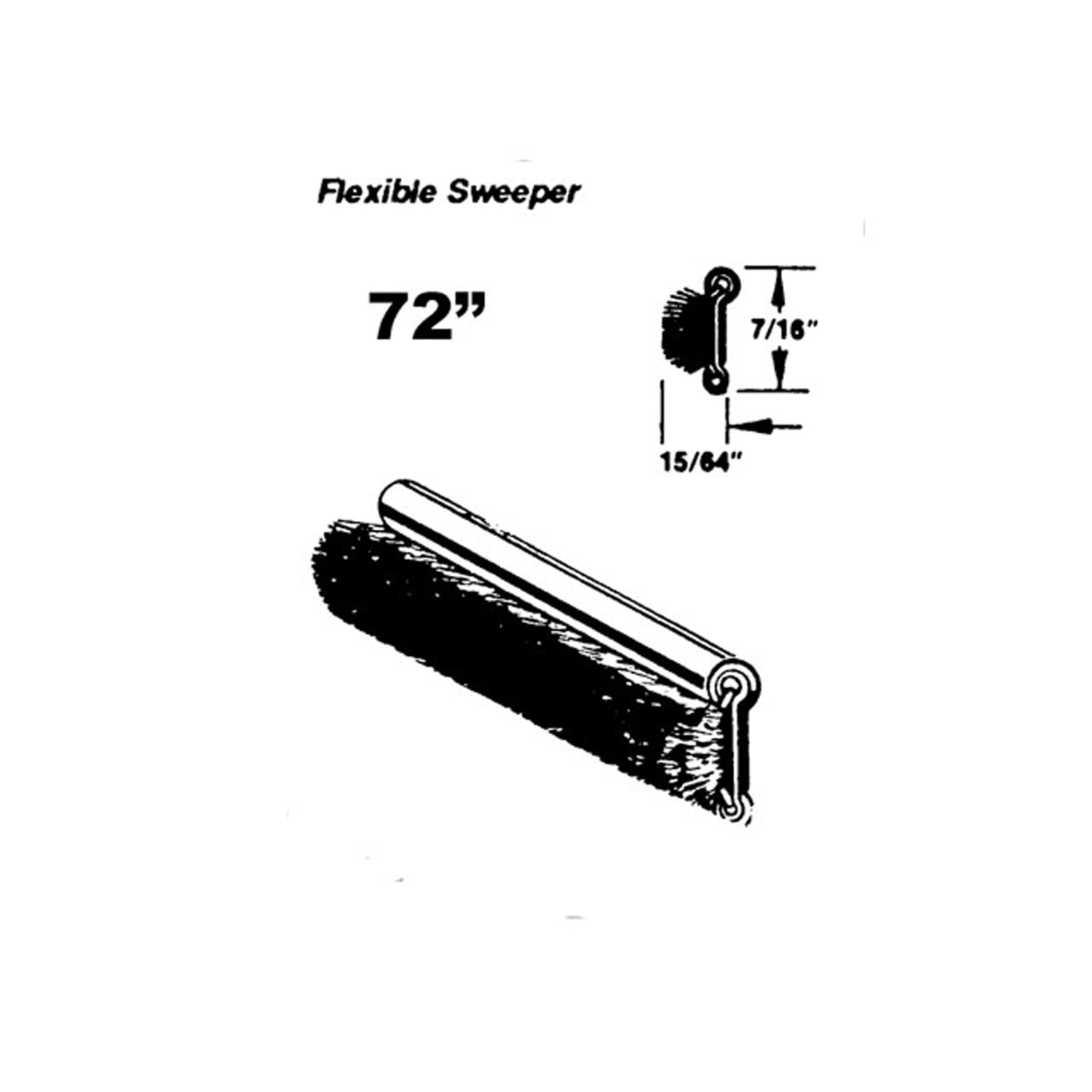 1947 Packard CLIPPER SUPER 8 Flexible sweeper. Made with stainless steel bead-WC 8-72Flexible sweeper. Made with stainless steel bead. Used on inner and outer beltlines. Also forms easily for use with sliding quarter windows. 72 in. long. Each. NOTE: $20 special shipping charge applies for domestic orders. Call or email for overseas shipping costs. Part can be sectioned into two equal lengths to reduce overseas shipping costs.
Why Choose Metro?
For over 100 years, Metro Moulded Parts has been the pinnacle of quality in classic car restoration parts. Our commitment to precision and authenticity in every component ensures a perfect fit and an OEM-level appearance.
- Expert Craftsmanship & Quality: Each part is a testament to our dedication to reliability and perfection, crafted from original designs and thoroughly tested.
- Advanced Technology: We use cutting-edge techniques to create flawless, long-lasting parts that surpass others in performance.
- SuperSoft Sponge – The Ultimate Door Seal: Not only are our door seals 30% softer than competitors', but they're also guaranteed to never leak. They effectively reduce wind and road noise, enhancing your classic car's comfort and driving experience.
- Proudly American: Our parts are a product of American craftsmanship, made in the USA with a spirit of excellence and heritage.
- Unrivaled Warranty: We back our products with a 30-year industry-leading warranty, a testament to our confidence in their quality.
Join us in preserving the legacy of classic cars with parts that are crafted for perfection, not just made.