

Image of 1948 Packard Standard Eight, Note: These illustrations use artistic license and may differ from actual historical models.
Performance Metrics
Fundamental Metrics
Emotional Appeal
MMP Rating
| Engine Specifications | |
|---|---|
| Engine: | Straight 8 |
| Displacement: | 288 cubic inches |
| Horsepower: | Estimated 130 HP |
| Torque: | 225 lb-ft |
| Compression Ratio: | Estimated 7.0:1 |
| Ignition System: | Distributor and coil |
| Cooling System: | Liquid-cooled |
| Performance Specifications | |
| 0-60 Time: | Estimated 15 seconds |
| 1/4 Mile Time: | Not available |
| Top Speed: | 100 mph |
| Transmission and Drive | |
| Drive Type: | Rear-wheel drive |
| Transmission Type: | 3-speed manual |
| Fuel and Efficiency | |
| Fuel System Type: | Carburetor |
| MPG: | Estimated 15 mpg |
| Dimensions and Brakes | |
| Brakes: | Drum brakes |
| Wheelbase: | 127 inches |
| Weight: | Estimated 3,600 lbs |
Note: Specifications for classic cars are given to the best of our ability, considering the limited and variant data available.
1948 Packard Standard Eight: A Postwar American Classic
The 1948 Packard Standard Eight brought the quiet confidence of a prewar luxury marque into a changing postwar world. Built by the Packard Motor Car Company of Detroit, Michigan, it was the entry point to Packard’s 22nd Series lineup, but “entry level” hardly meant ordinary. The Eight offered a long, carefully finished body, a smooth inline engine, and the kind of road presence that made Packard a familiar name in American motoring.
Packard had earned its reputation before the war by building refined, high-quality cars for buyers who wanted more than basic transportation. In 1948, the company was competing in a market hungry for new cars after years of wartime production limits. The Standard Eight’s rounded, full-bodied styling marked a clear break from the upright shapes of many prewar cars. It also became part of the design later nicknamed the “bathtub” Packard, a look that remains one of the most recognizable, and most debated, designs of the era.
One useful detail for shoppers and historians: “Standard Eight” is commonly used to distinguish this model from Packard’s more expensive Super Eight and Custom Eight, though the car was generally marketed simply as the Packard Eight. Its 22nd Series models were introduced in 1947 for the 1948 model year, a reminder that postwar model-year timing could be a little different from today’s.
Streamlined Styling and Packard Craftsmanship
The 1948 Packard Eight wears broad, rounded fenders that flow into the body rather than appearing as separate bolt-on shapes. Its tall, distinctive grille, hood ornament, substantial bumpers, and gently curved roofline give it a stately profile. The overall form is smooth and almost enveloping, with fewer sharp edges than the cars that had come before it. The look was intended to feel modern and substantial, and it still gives the Packard a strong presence at a show or on the road.
Inside, the Standard Eight was more restrained than the top-of-the-line Packards, but it retained the marque’s emphasis on comfort and finish. Buyers could expect a broad bench seat, generous cabin space, tasteful dashboard trim, and upholstery in durable cloth or other period-appropriate materials depending on body style and specification. Packard’s fit and finish were a point of pride, though decades of wear mean that the condition of an individual car’s interior can vary widely.
Paint choices depended on the specific model-year ordering information and market. Period Packards appeared in colors ranging from black and gray to deep blues, greens, and maroons, with lighter shades also available. Dark, formal colors suited the car’s luxury character and remain popular with restorers, while less common period colors can make a well-preserved example especially eye-catching. Two-tone finishes were available on some configurations or through later refinishing, but buyers should check original paint documentation before assuming a particular combination is factory-correct.
The Packard Eight was offered in several body styles, including four-door sedan and two-door club sedan forms, with convertible versions among the broader Eight offerings depending on the exact model and production specification. Sedans are the most familiar and generally the easiest to find. Club sedans have a sportier, more compact roofline, while a convertible is the most glamorous and typically the most valuable. Exact body-style availability can vary by series and model designation, so a car’s serial number and factory records are worth checking.
What Made the 1948 Packard Eight Significant?
The 1948 Packard Eight captures a major moment in American automotive history. Manufacturers were turning from wartime production back to civilian cars, and Packard needed designs that looked new without discarding the engineering and reputation it had built before the war. The 22nd Series gave the company a distinctive postwar identity, using rounded, integrated bodywork that stood apart from more upright competitors.
That styling divided opinion. Admirers see a coherent, carefully sculpted shape with unmistakable Packard character. Critics find the high, rounded body heavy-looking, especially beside later cars with lower rooflines and more horizontal proportions. Either way, the design is historically important because it shows how an established luxury maker tried to make a dramatic visual statement during the transition to postwar automotive styling.
The Standard Eight also helped Packard reach buyers who wanted the brand without paying for a Super Eight or Custom Eight. It was a practical part of Packard’s postwar strategy: offer the prestige and quality associated with the name across several price and equipment levels. The model’s lasting appeal rests less on a single groundbreaking invention than on the combination of distinctive styling, smooth power, and traditional American luxury.
Straight-Eight Performance and Road Manners
Power comes from Packard’s 288-cubic-inch L-head inline-eight, rated at about 130 horsepower. The engine is paired with a three-speed manual transmission, commonly operated by a column-mounted shifter. Packard’s Ultramatic automatic transmission was not yet available on the 1948 Eight; it arrived for the 1949 model year. Buyers should also remember that modern restorations may have received transmission, engine, or gearing changes over the years.
Period performance figures are best treated as estimates because test methods, body styles, gearing, mechanical condition, and tire choice all affect results. A healthy Standard Eight might reach roughly 85 to 90 mph, while acceleration from 0 to 60 mph is generally in the neighborhood of 17 to 20 seconds. Those numbers were respectable for a substantial postwar sedan, but the car was built for smooth, unhurried travel rather than quick starts or modern highway passing.
On the road, the straight-eight is known for its even, subdued delivery. Rather than a sharp burst of power, it builds speed with a steady pull and a muted mechanical note. The long wheelbase and soft suspension help the car absorb ordinary road imperfections, giving it the composed, floating ride many drivers associate with postwar American luxury cars. On a winding road, its size, steering effort, and period tires call for deliberate inputs; it rewards a relaxed pace more than aggressive cornering.
Driving one today means adjusting to its age. Braking distances are longer than in a modern car, steering can feel heavy at low speeds, and visibility and controls reflect 1940s design. A well-maintained example should feel calm and substantial, but the experience is most enjoyable when the driver leaves plenty of room, anticipates stops, and treats the Packard as a classic touring car rather than a contemporary commuter.
Living with a Packard Eight
Most 1948 Standard Eights are now used for weekend drives, club tours, local shows, and historic motoring events. A properly sorted car can cover meaningful distances, but regular daily use is less common because of fuel consumption, older safety equipment, and the need for attentive maintenance. It is not a sports car or a racing special. Its natural setting is a relaxed drive along a scenic road, where the engine’s smoothness and the cabin’s roomy comfort can be appreciated.
Routine service is straightforward for an owner or mechanic familiar with older American cars. The engine is conventional in layout, and many service tasks do not require specialized modern diagnostic equipment. However, age brings its own challenges: parts may need to be sourced through Packard specialists or enthusiast networks, and electrical, cooling, fuel, and brake systems should all be inspected carefully. Packard-specific knowledge is especially valuable when diagnosing unusual noises, sourcing trim, or restoring a car to its original specification.
Reliability depends more on condition and upkeep than on the badge alone. A car that has been driven and serviced regularly can be a dependable tourer, while one that has sat unused may need extensive recommissioning. Before purchase, check for rust, engine and transmission condition, brake function, cooling-system health, and the availability of hard-to-find interior or exterior trim. A pre-purchase inspection by a mechanic experienced with Packards is money well spent.
Packard Eight Facts and Common Complaints
The Packard Eight’s most memorable talking point is its styling. The 22nd Series body is often called the “bathtub” Packard, a nickname inspired by its rounded, enveloping shape. The label is catchy, but it can obscure how carefully the design was shaped and how distinctive it looked among the postwar cars appearing on American roads.
Another frequent point of confusion is the transmission. The 1948 car uses a three-speed manual, not Packard’s Ultramatic. That automatic transmission became available in 1949 and was an important development for the company. A car advertised as a 1948 Packard with an Ultramatic may have been modified, misidentified, or incorrectly described, so verify the model year and equipment.
There is no widely recognized speed, endurance, or production record associated specifically with the Standard Eight. Its historical interest is tied to Packard’s postwar design and manufacturing story rather than motorsport achievements. Common criticisms include the rounded styling, modest acceleration by modern standards, and the effort required to maintain a large car with aging systems. Supporters counter that the same size and soft ride are central to its charm.
Collector Values and Availability
Production totals are best treated as estimates because Packard figures are often reported by series and body style, and sources may group models differently. A reasonable working estimate is roughly 40,000 to 45,000 Standard Packard Eights across the relevant 1948 model-year lineup. That makes the model far from a one-off rarity, but surviving cars in sound, original condition are much less common than the production number suggests.
As a broad 2026 collector-market estimate, a project car or one needing substantial mechanical and cosmetic work might sell for about $5,000 to $12,000. A usable sedan in fair-to-good condition could fall around $12,000 to $25,000, while a well-restored or unusually original example may bring roughly $25,000 to $40,000 or more. Open cars, where correctly identified and in excellent condition, can command higher prices, sometimes in the $35,000 to $60,000 range. These are general estimates, not appraisals; body style, originality, restoration quality, documentation, and regional demand can move a sale considerably.
Prices for postwar Packards tend to reward quality and provenance rather than simply the cost of restoration. The market has been relatively selective: ordinary sedans can be affordable compared with their restoration bills, while exceptional examples and desirable body styles attract stronger interest. A good Standard Eight is best viewed as a car to enjoy and preserve, with appreciation a possible bonus rather than a guaranteed investment.
Why the 1948 Packard Standard Eight Still Matters
The 1948 Packard Standard Eight combines a smooth 288-cubic-inch straight-eight, roomy postwar comfort, and one of the most distinctive American designs of its era. It reflects Packard’s effort to carry a respected prewar identity into a new automotive age, while offering buyers a more accessible route into the marque. Its styling may be debated, but its character is unmistakable.
For collectors, the Standard Eight is an approachable way to experience Packard’s craftsmanship and postwar presence without stepping up to the rarer, more expensive models above it. Give it careful maintenance and an open stretch of road, and this Packard still makes a persuasive case for slow, confident motoring.
1948 Packard Standard Eight Catalog of Parts
 1948 Packard Standard Eight Accessory Floor Mat - 12"X17"-AC 32Accessory Floor Mat - made of high quality black rubber with molded original emblem. Also designed to be sewn into new carpets. 12"X17", Each
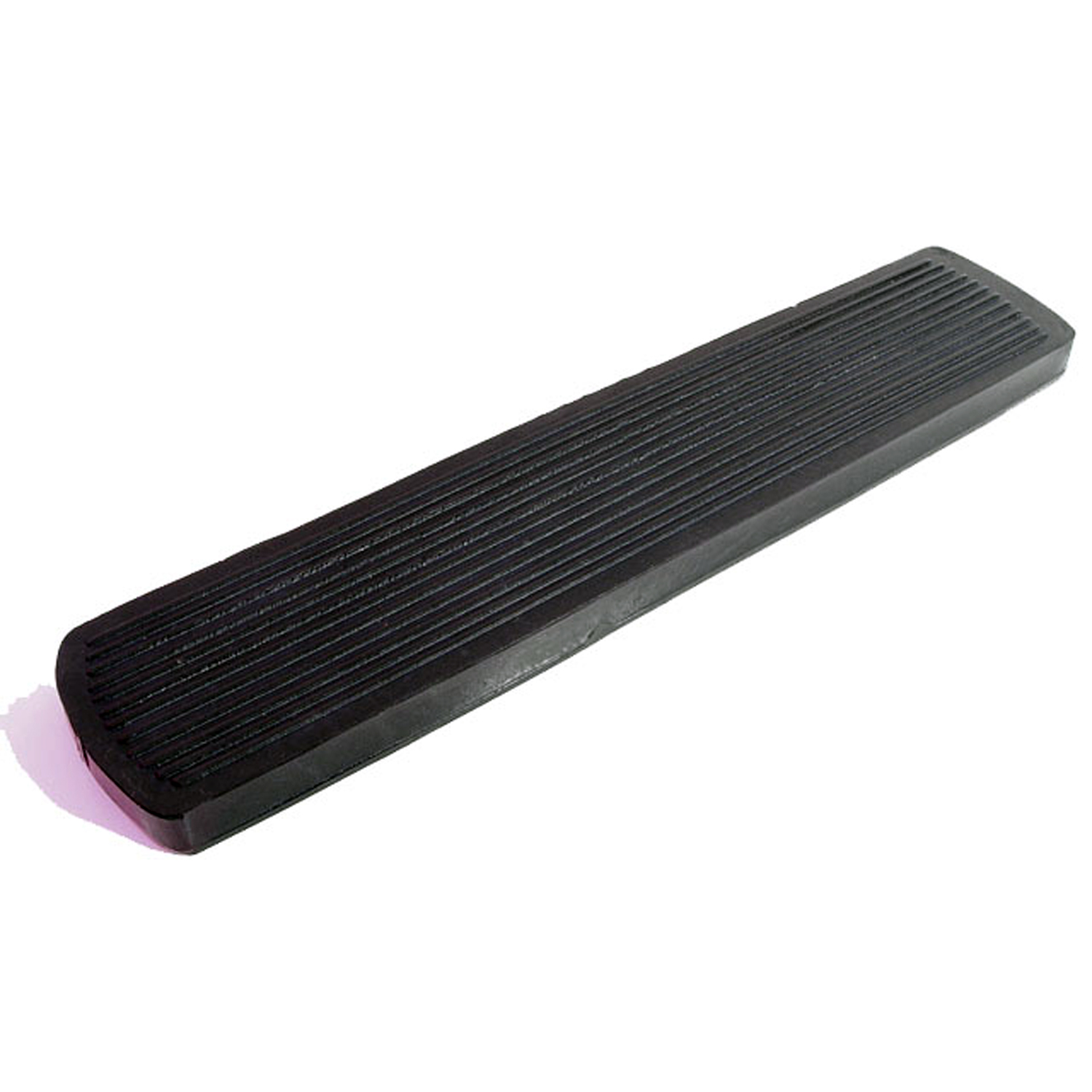 1948 Packard Standard Eight Accelerator Pedal Pad. 1-7/8" X 9-3/8", Each-AP 16Accelerator Pedal Pad. 1-7/8" X 9-3/8", Each
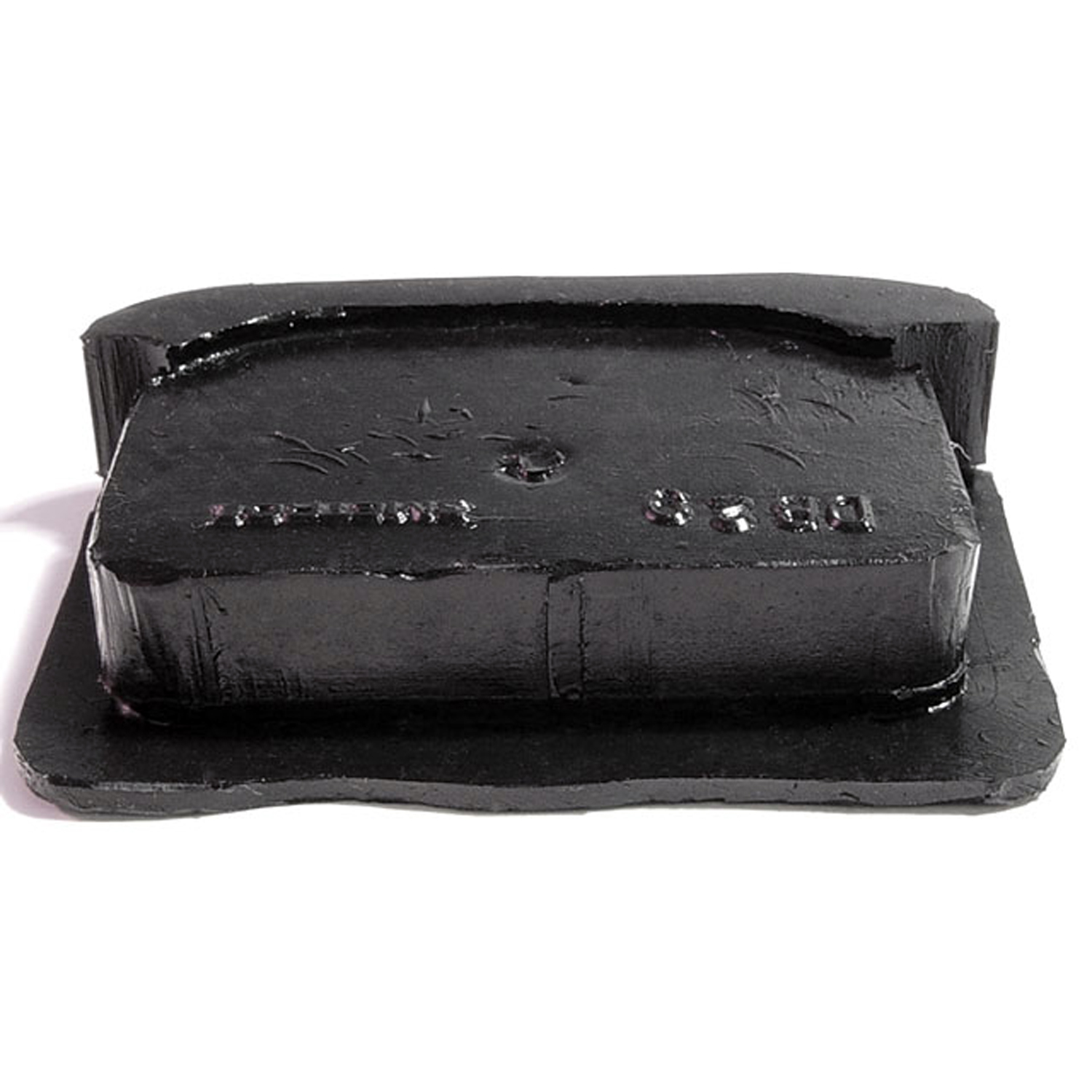 1948 Packard Standard Eight Door Bumper. 1-3/8" high X 2" wide X 1/2" thick. Each-DB 29Door Bumper. 1-3/8" high X 2" wide X 1/2" thick. Each
 1948 Packard Standard Eight Gas Filler Grommet. 2-1/2" I.D., 4-1/8" O.D. Each-GF 12Gas Filler Grommet. 2-1/2" I.D., 4-1/8" O.D. Each
 1948 Packard Standard Eight Hood Corners. 1-3/4" to 2" corner radius-HC 14Hood Corners. 1-3/4" to 2" corner radius. Pad is 3-3/8" long. Pair
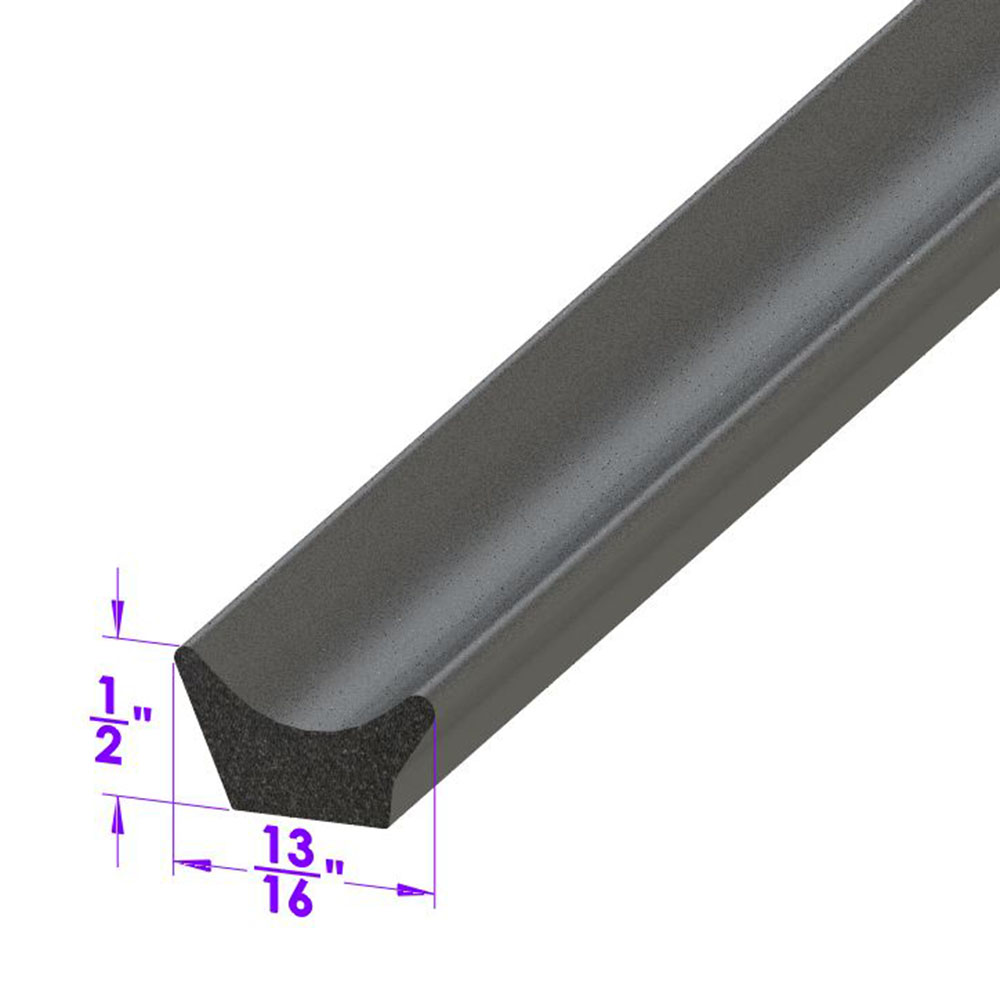 1948 Packard Standard Eight Door side seal. Same as LP 40, but for a lighter seal-LP 40-ADoor side seal. Same as LP 40, but for a lighter seal. Fits many domestic passenger cars and trucks. Universal seal for street rods and customs. Used in Cobra kit cars as door weatherstrip. Per foot.
 1948 Packard Standard Eight Tail-light Pads. 3-3/4" wide X 8-1/8" long. Pair R&L-MP 903-CTail-light Pads. 3-3/4" wide X 8-1/8" long. Pair R&L
 1948 Packard Standard Eight Tail-light Pads, for 4-Door. 5-3/8" wide X 11" long. Pair-MP 920-ATail-light Pads, for 4-Door. 5-3/8" wide X 11" long. Pair
 1948 Packard Standard Eight Front lower rubber insulating cushion-RP 72-CFront lower rubber insulating cushion. For motor support at timing-gear cover. 2-7/16 in. wide x 3-3/8 in. long. 1-13/16 in. long center hole. Replaces OEM# 300227. Two used per car. Each.
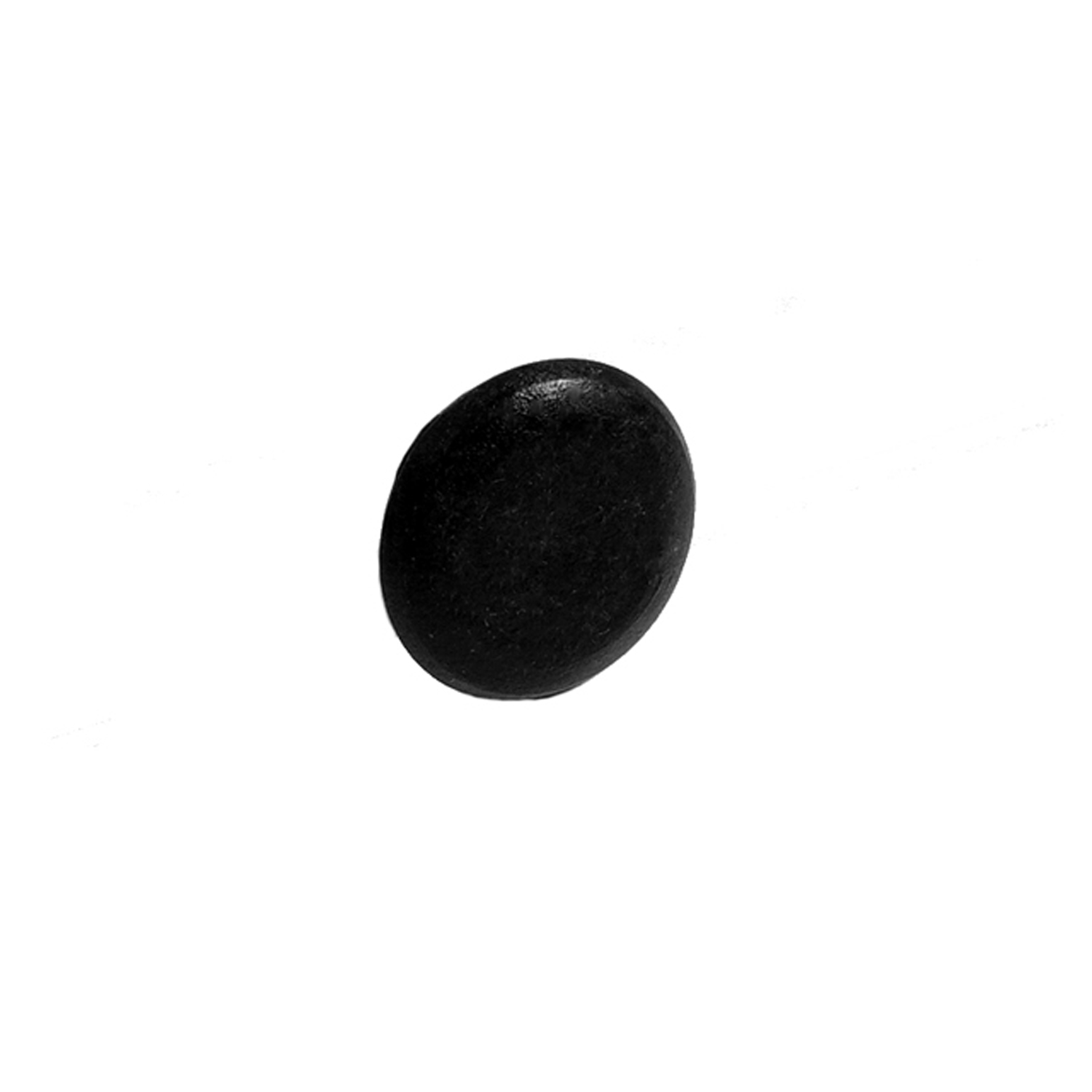 1948 Packard Standard Eight Trunk Bumper. 3/4" O.D., 5/8" I.D. Each-SB 74Trunk Bumper. 3/4" O.D., 5/8" I.D. Each
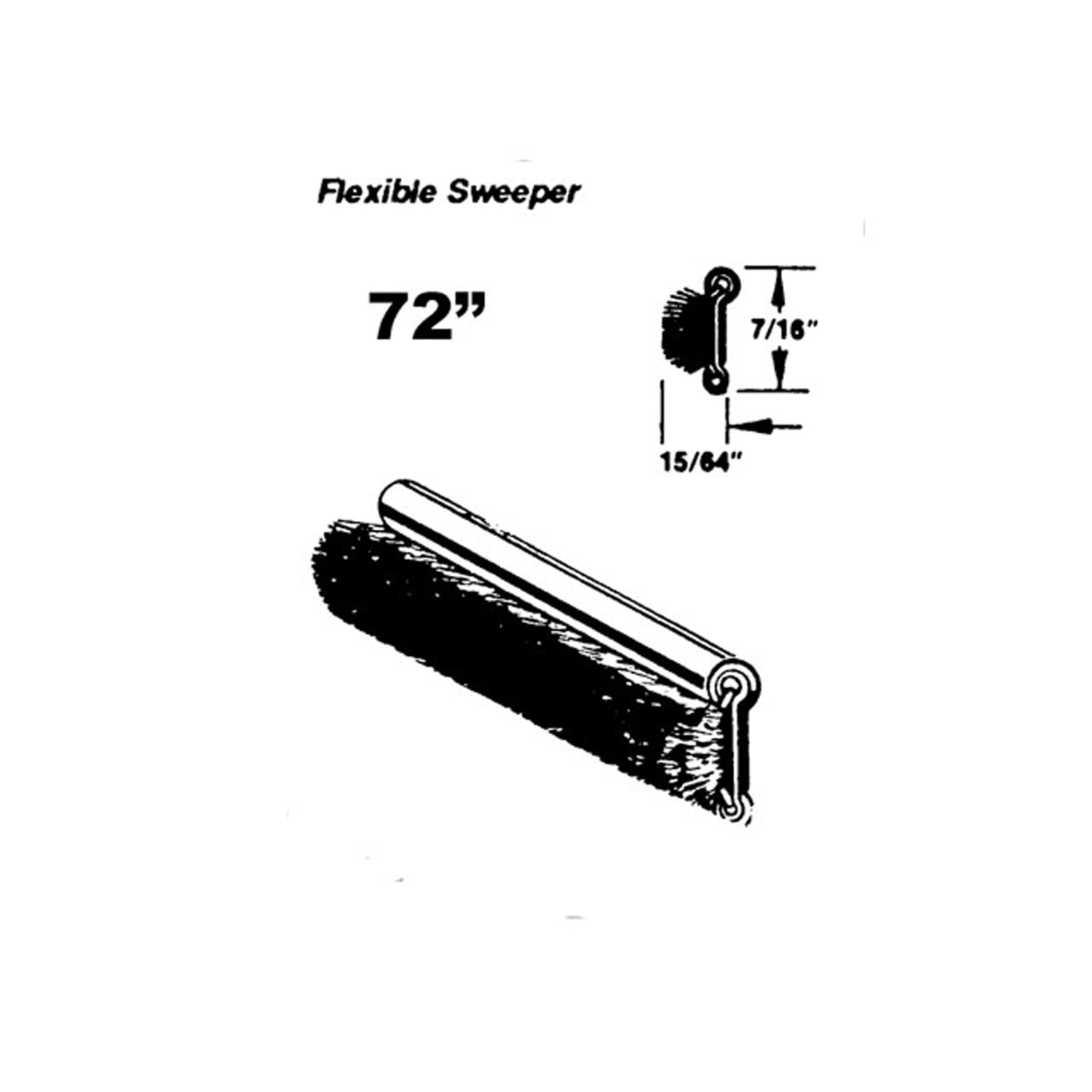 1948 Packard Standard Eight Flexible sweeper. Made with stainless steel bead-WC 8-72Flexible sweeper. Made with stainless steel bead. Used on inner and outer beltlines. Also forms easily for use with sliding quarter windows. 72 in. long. Each. NOTE: $20 special shipping charge applies for domestic orders. Call or email for overseas shipping costs. Part can be sectioned into two equal lengths to reduce overseas shipping costs.
Why Choose Metro?
For over 100 years, Metro Moulded Parts has been the pinnacle of quality in classic car restoration parts. Our commitment to precision and authenticity in every component ensures a perfect fit and an OEM-level appearance.
- Expert Craftsmanship & Quality: Each part is a testament to our dedication to reliability and perfection, crafted from original designs and thoroughly tested.
- Advanced Technology: We use cutting-edge techniques to create flawless, long-lasting parts that surpass others in performance.
- SuperSoft Sponge – The Ultimate Door Seal: Not only are our door seals 30% softer than competitors', but they're also guaranteed to never leak. They effectively reduce wind and road noise, enhancing your classic car's comfort and driving experience.
- Proudly American: Our parts are a product of American craftsmanship, made in the USA with a spirit of excellence and heritage.
- Unrivaled Warranty: We back our products with a 30-year industry-leading warranty, a testament to our confidence in their quality.
Join us in preserving the legacy of classic cars with parts that are crafted for perfection, not just made.