
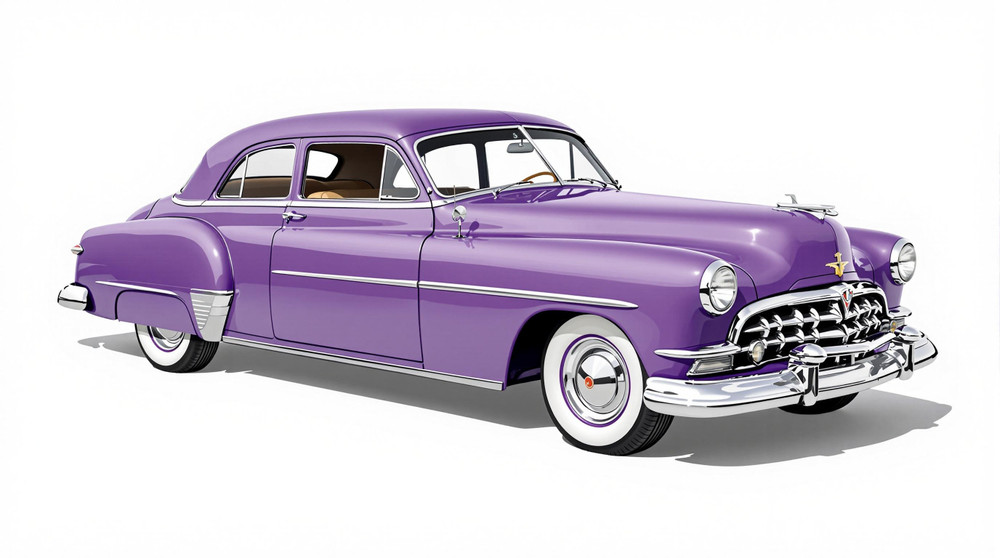
Image of 1950 Packard Standard Eight, Note: These illustrations use artistic license and may differ from actual historical models.
Performance Metrics
Fundamental Metrics
Emotional Appeal
MMP Rating
| Engine Specifications | |
|---|---|
| Engine: | Straight 8 |
| Displacement: | 327 cu in (5.4 L) |
| Horsepower: | Estimated 135-150 hp |
| Torque: | 250 lb-ft |
| Compression Ratio: | Estimated 7.0:1 |
| Ignition System: | Battery and coil |
| Cooling System: | Water-cooled |
| Performance Specifications | |
| 0-60 Time: | Estimated 15-20 seconds |
| 1/4 Mile Time: | Not available |
| Top Speed: | 100 mph |
| Transmission and Drive | |
| Drive Type: | Rear-wheel drive |
| Transmission Type: | 3-speed manual |
| Fuel and Efficiency | |
| Fuel System Type: | Carburetor |
| MPG: | Estimated 15-20 mpg |
| Dimensions and Brakes | |
| Brakes: | Drum brakes |
| Wheelbase: | 122 inches |
| Weight: | Estimated 3,600-3,800 lbs |
Note: Specifications for classic cars are given to the best of our ability, considering the limited and variant data available.
1950 Packard Standard Eight: A Postwar American Classic
The 1950 Packard Standard Eight paired a smooth-running straight-eight engine with the quiet, substantial feel that made Packard a byword for American luxury. Built by the Packard Motor Car Company in Detroit, it was the more accessible member of Packard’s postwar lineup, offering much of the marque’s refinement without the price or extra equipment of its senior models. Catalogs and enthusiasts often call it simply the Packard Eight; “Standard Eight” is a useful way to distinguish it from the more expensive Packards of the period.
The car arrived at a pivotal moment. American manufacturers were moving from wartime production back to peacetime, and buyers wanted fresh styling, comfort, and modern conveniences. Packard had introduced its rounded, envelope-like postwar design for 1948, and the 1950 Eight carried that look forward. One intriguing piece of its story is the optional Ultramatic transmission, introduced by Packard in 1949. It gave the company its own fully automatic transmission at a time when automatics were becoming one of the most desirable features in a new car.
Rounded Styling and a Refined Cabin
The Eight’s shape is unmistakably postwar Packard. Its front end is tall and upright, with a broad grille, horizontal chrome accents, and a prominent hood ornament. The front fenders flow into the body rather than standing apart as they did on many prewar cars. At the rear, the fenders are neatly blended into the bodywork, creating a smooth, rounded profile. The result is handsome and imposing, though its full, enveloping proportions earned the design less affectionate nicknames from some critics.
Inside, the emphasis is on comfort rather than flash. The cabin is spacious, with a wide front bench seat, generous legroom, and a clear, substantial dashboard. Upholstery typically used durable cloth or broadcloth, while trim and finish reflected Packard’s reputation for careful workmanship. Materials and equipment varied by body style and options, but the Standard Eight still felt thoughtfully built, not stripped down. Details such as tidy switchgear, quality carpeting, and attractive instrument trim helped make long trips feel relaxed.
Period paint choices varied, but buyers could find sober shades such as black, maroon, gray, green, and blue, alongside lighter colors depending on the year and specification. Dark colors suited the Packard’s formal character, while two-tone treatments and lighter hues brought out its flowing body lines. Exact color availability depended on the body and production details, so restoration projects should be checked against factory paint information rather than relying on a general color list.
The best-known Standard Eight body styles were the four-door sedan and two-door Club Sedan. The sedan offered practical family space and a formal look; the Club Sedan gave the car a sportier, more compact profile while retaining a roomy cabin. These straightforward closed-body versions were the core of the Eight’s appeal. Buyers could also choose equipment and transmission options to tailor the car to their preferences.
Packard’s Place in the Postwar Market
The Standard Eight helped Packard reach buyers who wanted the company’s engineering and prestige but did not need the extra appointments of its senior models. That strategy mattered. Packard had built its reputation on expensive luxury cars, but after the war it faced pressure from the Big Three, whose larger production volumes gave them an advantage in price and model variety. The Eight was one way to keep Packard within reach of a broader audience while preserving the qualities associated with the name.
Its significance lies less in a single revolutionary feature than in the way it combined established Packard strengths: a smooth straight-eight, solid construction, a quiet ride, and a polished cabin. The car also reflects a styling shift. Its integrated fenders and rounded body were very different from the separate-fender look of prewar cars, even if the design proved divisive. Packard’s postwar shape remains a distinctive example of the period’s move toward unified, aerodynamic-looking bodies.
The 1950 Eight was not a technical trendsetter in every area. Its chassis remained conventional by modern standards, with a body mounted on a frame, independent front suspension, and a live rear axle. But the blend of comfort, engineering, and restrained luxury helped sustain Packard’s identity during a difficult transition for independent automakers.
Straight-Eight Power and Easygoing Road Manners
Power came from Packard’s 288-cubic-inch L-head inline-eight, rated at about 135 horsepower. The engine delivered its strength smoothly and progressively rather than with a sharp burst of acceleration. A three-speed manual transmission was available, and the optional Ultramatic automatic made relaxed cruising easier. Figures vary with condition, gearing, and transmission, but a sound example is commonly estimated to reach 60 mph in roughly 17 to 20 seconds and to have a top speed in the neighborhood of 85 to 90 mph.
Those numbers tell only part of the story. The Eight was built for steady, comfortable travel, not stoplight contests. Its long wheelbase and substantial weight help it settle over ordinary road imperfections, while the suspension absorbs bumps with the soft, deliberate motion expected of a large American sedan. On winding roads, the car feels composed at a measured pace, but its size, period tires, and slower steering response reward anticipation. It is best driven smoothly, with room to brake and turn.
Behind the wheel, the straight-eight’s character is a major part of the experience. It runs with a mellow, even note, and its low-speed torque lets the car gather speed without needing to be hurried. The cabin is insulated from much of the engine and road noise. With a manual gearbox, the driver takes a more active role, working the column shift and matching the engine’s unhurried rhythm. Ultramatic-equipped cars feel more relaxed still, particularly in town and on open roads.
Living With a 1950 Packard
Today, most Standard Eights are used as weekend cruisers, show cars, or touring vehicles rather than daily transportation. They can cover distance comfortably, but their age brings practical considerations: modern traffic moves faster, fuel economy is modest, and a 1950 car lacks contemporary crash protection, lighting, and braking performance.
The mechanical layout is relatively straightforward, and many routine jobs are within reach of an experienced home mechanic. The straight-eight is durable when properly maintained, but it still needs regular attention to ignition, cooling, lubrication, and fuel systems. Owners should also inspect the brake hydraulics, steering and suspension components, electrical connections, and the condition of the frame and body. Parts are available through specialist suppliers and enthusiast networks, although trim, correct interior materials, and certain model-specific pieces can take patience to source.
Originality and upkeep matter more than shiny paint alone. A car with a sound body, a healthy engine, and a complete interior is usually a better prospect than a neglected project with an impressive-looking exterior. Before buying, check for rust and previous repairs, confirm the transmission type, and look for evidence that the car has been maintained rather than merely stored.
Packard Eight Facts and Common Criticisms
The Standard Eight is not known for a major speed record or a famous competition victory. Its quieter claim to interest is the Ultramatic option, which gave Packard a distinctive automatic-transmission offering during the early years of the postwar automatic boom. Packard’s transmission was an important part of the company’s engineering identity, though it also requires informed servicing today.
There is no single celebrity-owned 1950 Standard Eight or celebrated historical event that defines the model. Its appeal is more representative: it was the sort of substantial American sedan that families and professionals could use for everyday travel when new, and it now offers a tangible link to Packard’s final years as an independent luxury manufacturer.
Common criticisms include the car’s bulky appearance, modest acceleration by modern standards, and fuel consumption that can feel high compared with a contemporary vehicle. Some drivers also find the steering and braking effort unfamiliar. These are part of the ownership experience, not necessarily faults: the Eight was designed for a different pace of motoring, and it rewards drivers who appreciate its smoothness and presence more than outright performance.
Collector Values and Availability
The Standard Eight is generally more attainable than Packard’s top-tier models, but condition makes a substantial difference. As a broad 2026 market estimate, a project car might sell for about $5,000 to $10,000, while a usable driver often falls around $10,000 to $20,000. Well-presented examples may bring roughly $20,000 to $35,000, with exceptional, highly original or professionally restored cars potentially reaching $40,000 or more. Actual results vary with body style, originality, restoration quality, location, and recent market demand.
Exact production totals can be difficult to compare because Packard figures are reported by model and series, and references do not always group the cars in the same way. A reasonable estimate is that production of the 1950 Standard Eight was in the tens of thousands, perhaps around 20,000 to 30,000 cars across the principal body styles. That makes it uncommon today but not exceptionally rare among major American classics. Sedans appear on the market more often than especially unusual or highly optioned examples.
Values for sound, desirable Packards have held up better than those of many ordinary postwar sedans, but the Standard Eight has not experienced the same demand as Packard’s most prestigious models. The market tends to reward originality and excellent workmanship, while restoration costs can easily exceed a car’s eventual sale price. For buyers, that means a carefully maintained example can be a better value than a total restoration project. For owners, the strongest case is often the pleasure of using and preserving the car, rather than expecting rapid appreciation.
Why the 1950 Packard Eight Still Matters
The 1950 Packard Standard Eight is a comfortable, substantial postwar sedan with a smooth 288 straight-eight, distinctive rounded styling, and the option of Packard’s own Ultramatic transmission. It was not the fastest or most advanced car of its day, but it delivered the quiet ride, solid construction, and understated prestige that kept Packard’s name meaningful to buyers.
More than seventy years later, the Eight remains an appealing way to experience American motoring at a calmer pace. Its enduring charm is in the details: the even burble of the engine, the generous cabin, and the confident, unhurried way it covers the road. The 1950 Packard Standard Eight is not simply a handsome old sedan. It is a rolling snapshot of a proud automaker adapting to a rapidly changing industry.
1950 Packard Standard Eight Catalog of Parts
 1950 Packard Standard Eight Accessory Floor Mat - 12"X17"-AC 32Accessory Floor Mat - made of high quality black rubber with molded original emblem. Also designed to be sewn into new carpets. 12"X17", Each
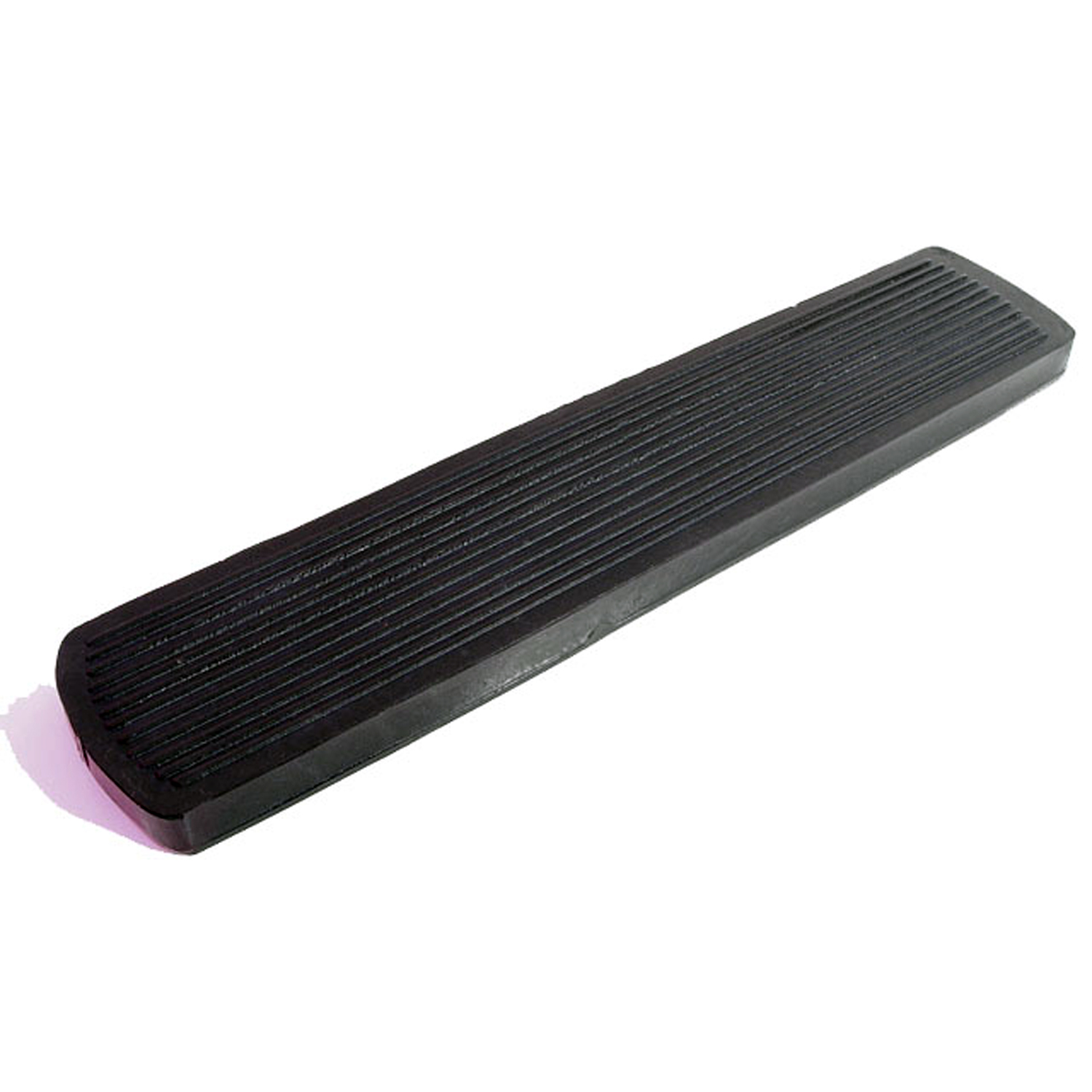 1950 Packard Standard Eight Accelerator Pedal Pad. 1-7/8" X 9-3/8", Each-AP 16Accelerator Pedal Pad. 1-7/8" X 9-3/8", Each
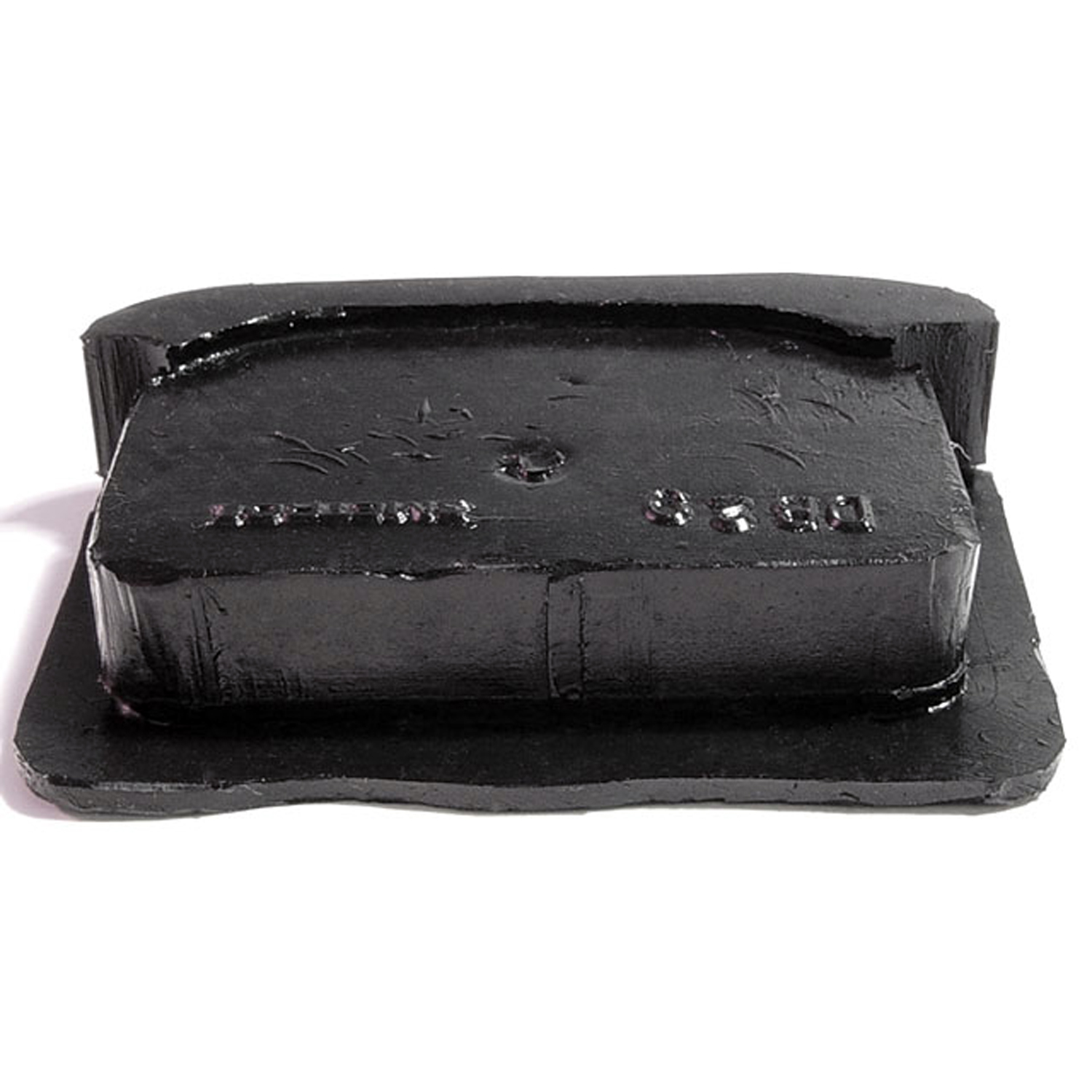 1950 Packard Standard Eight Door Bumper. 1-3/8" high X 2" wide X 1/2" thick. Each-DB 29Door Bumper. 1-3/8" high X 2" wide X 1/2" thick. Each
 1950 Packard Standard Eight Gas Filler Grommet. 2-1/2" I.D., 4-1/8" O.D. Each-GF 12Gas Filler Grommet. 2-1/2" I.D., 4-1/8" O.D. Each
 1950 Packard Standard Eight Hood Corners. 1-3/4" to 2" corner radius-HC 14Hood Corners. 1-3/4" to 2" corner radius. Pad is 3-3/8" long. Pair
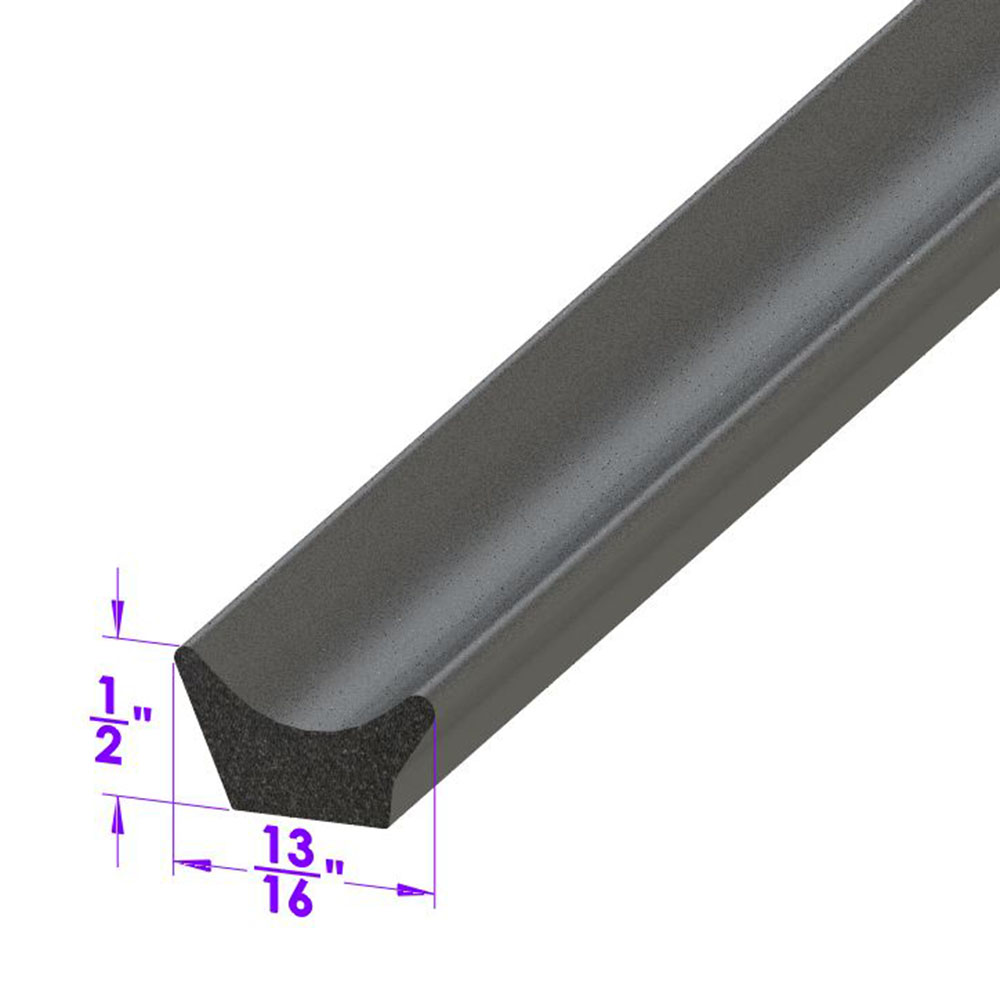 1950 Packard Standard Eight Door side seal. Same as LP 40, but for a lighter seal-LP 40-ADoor side seal. Same as LP 40, but for a lighter seal. Fits many domestic passenger cars and trucks. Universal seal for street rods and customs. Used in Cobra kit cars as door weatherstrip. Per foot.
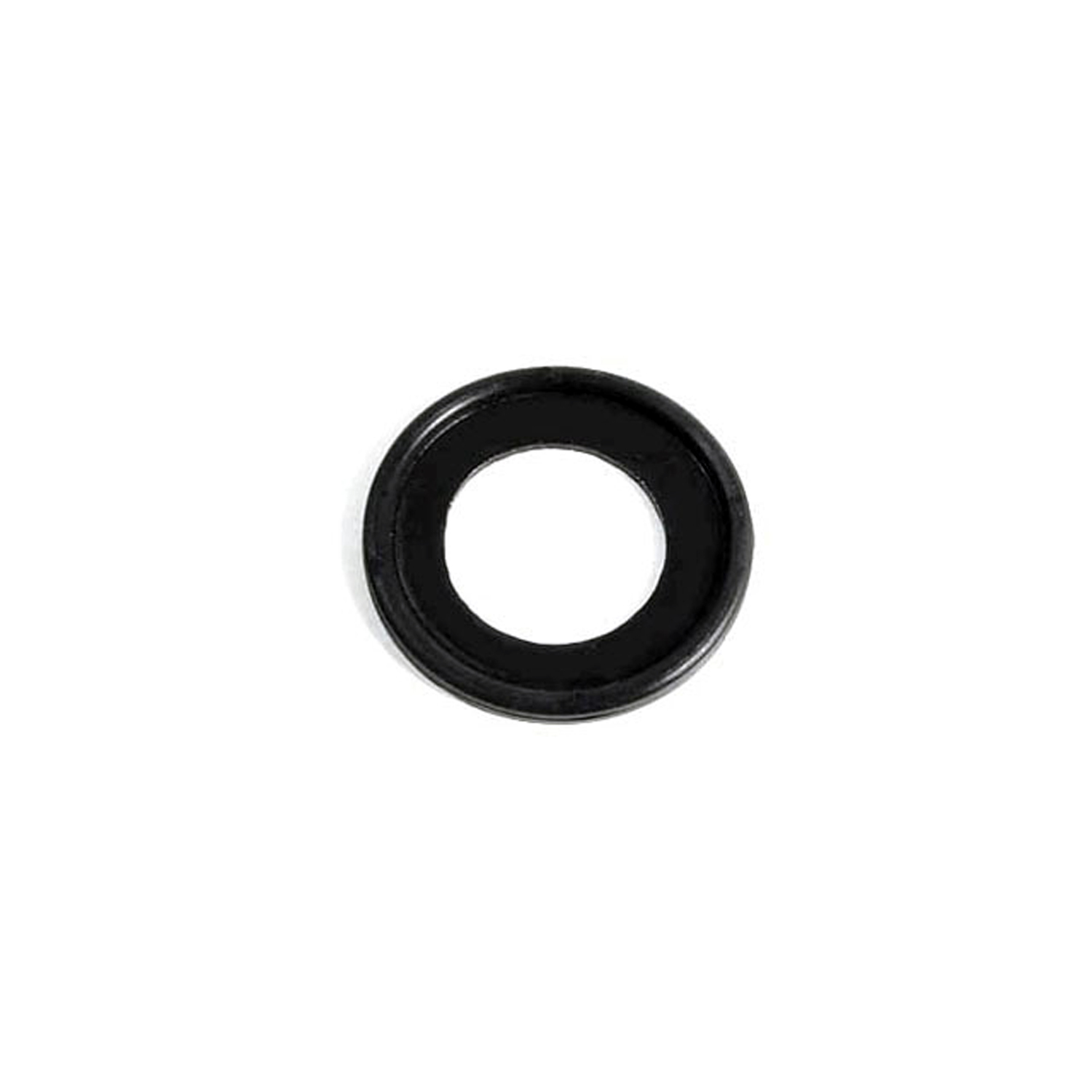 1950 Packard Standard Eight Antenna Pad. 1-7/8" O.D. Each-MP 854-AAntenna Pad. 1-7/8" O.D. Each
 1950 Packard Standard Eight Front lower rubber insulating cushion-RP 72-CFront lower rubber insulating cushion. For motor support at timing-gear cover. 2-7/16 in. wide x 3-3/8 in. long. 1-13/16 in. long center hole. Replaces OEM# 300227. Two used per car. Each.
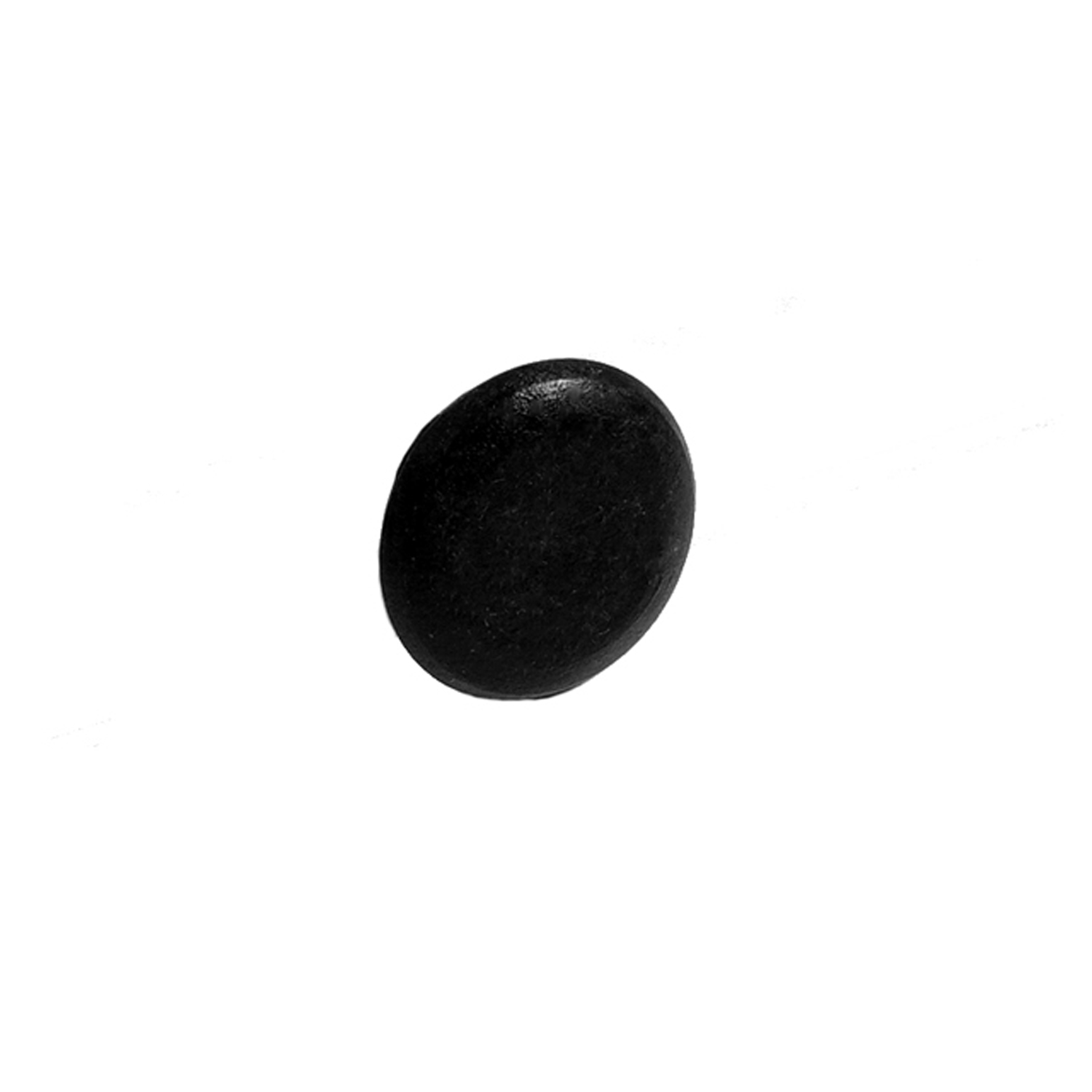 1950 Packard Standard Eight Trunk Bumper. 3/4" O.D., 5/8" I.D. Each-SB 74Trunk Bumper. 3/4" O.D., 5/8" I.D. Each
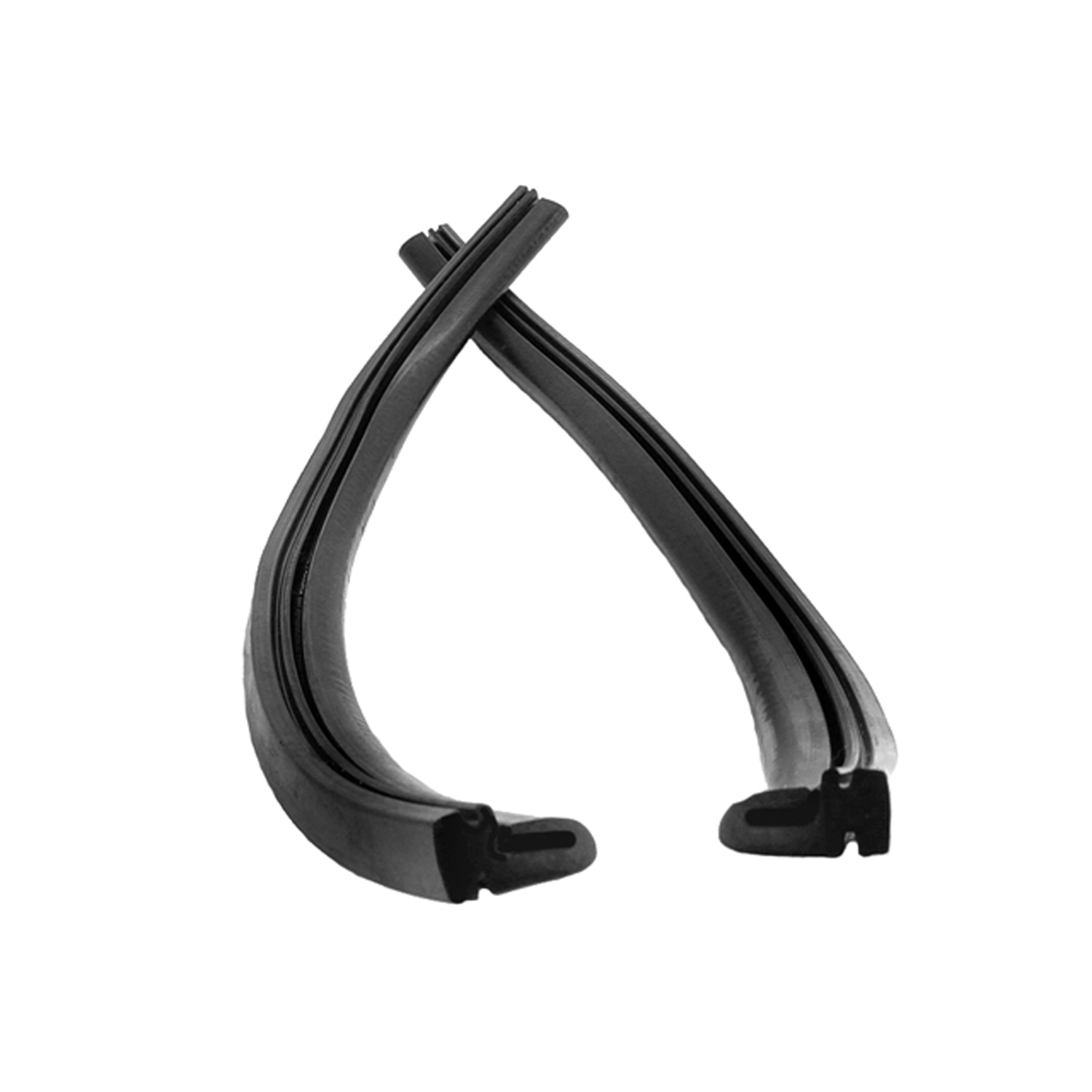 1950 Packard Standard Eight Rear Roll-up Window Seals, for Hardtops and Convertibles-VS 7Rear Roll-up Window Seals, for Hardtops and Convertibles. For leading edge of rear quarter windows. Two pieces, 17-3/4" long. Pair
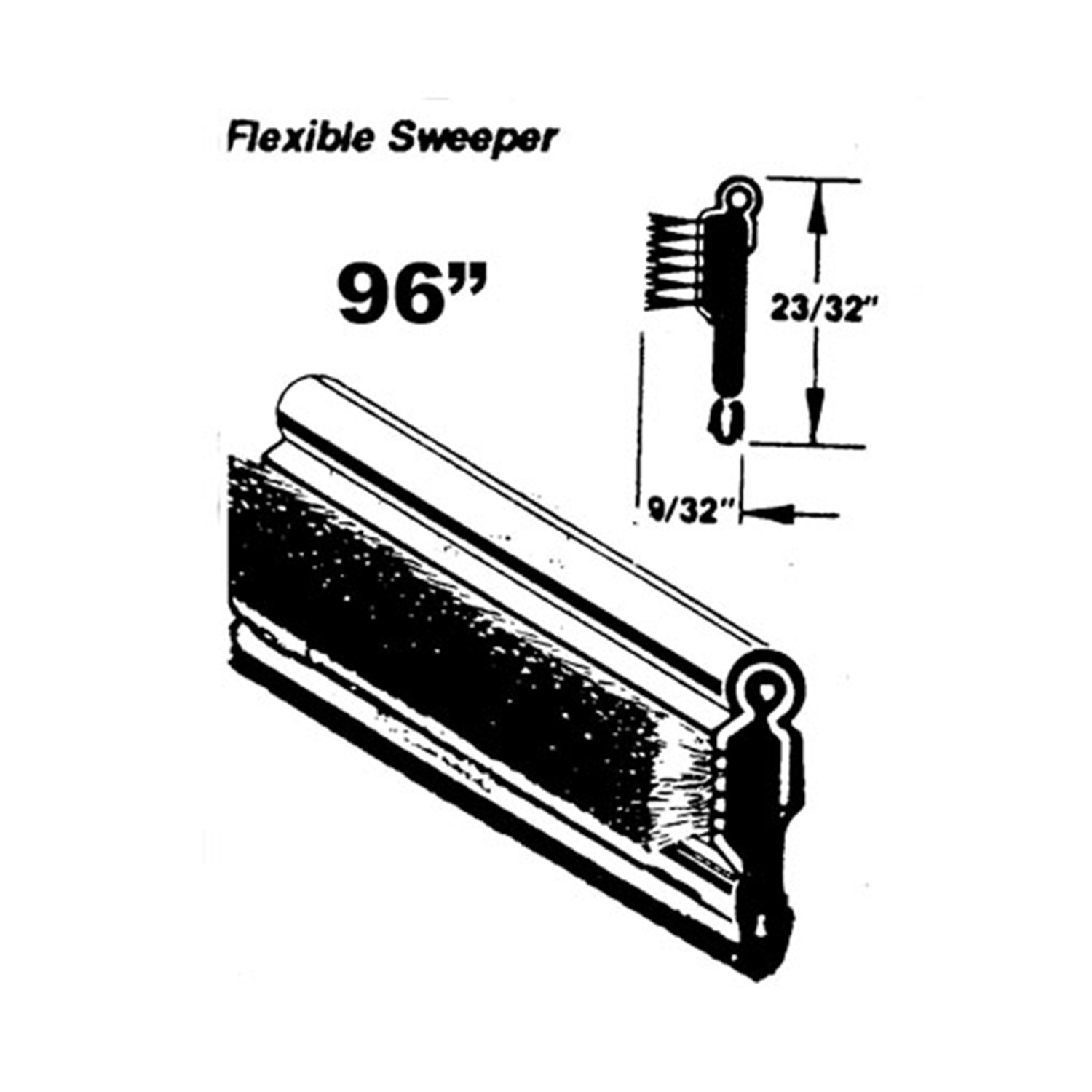 1950 Packard Standard Eight Flexible window sweeper. Made with stainless steel bead-WC 4-96Flexible window sweeper. Made with stainless steel bead. 96 in. long. Each. NOTE: $20 special shipping charge applies for domestic orders. Call or email for overseas shipping costs. Part can be sectioned in two or three equal lengths to reduce overseas shipping costs.
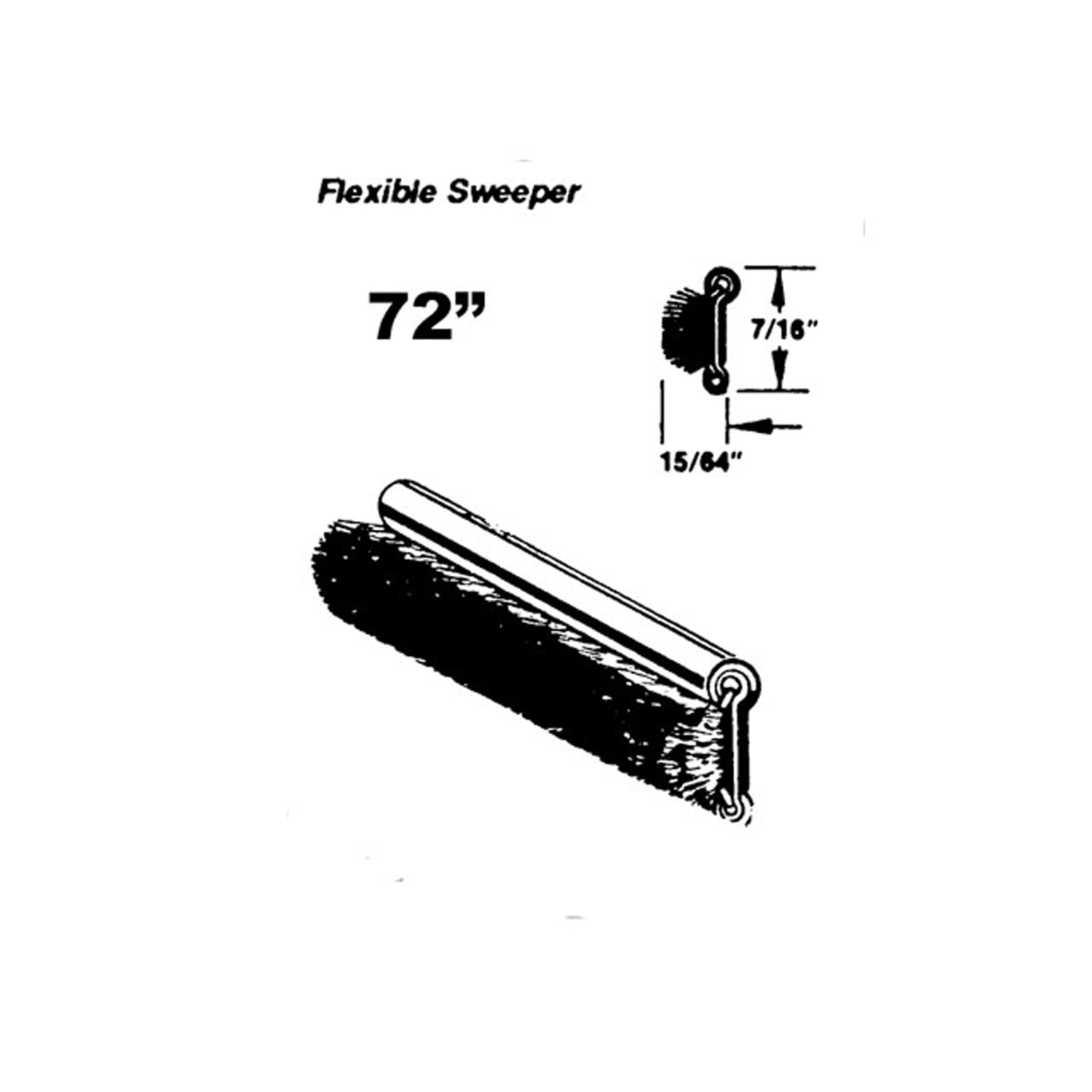 1950 Packard Standard Eight Flexible sweeper. Made with stainless steel bead-WC 8-72Flexible sweeper. Made with stainless steel bead. Used on inner and outer beltlines. Also forms easily for use with sliding quarter windows. 72 in. long. Each. NOTE: $20 special shipping charge applies for domestic orders. Call or email for overseas shipping costs. Part can be sectioned into two equal lengths to reduce overseas shipping costs.
Why Choose Metro?
For over 100 years, Metro Moulded Parts has been the pinnacle of quality in classic car restoration parts. Our commitment to precision and authenticity in every component ensures a perfect fit and an OEM-level appearance.
- Expert Craftsmanship & Quality: Each part is a testament to our dedication to reliability and perfection, crafted from original designs and thoroughly tested.
- Advanced Technology: We use cutting-edge techniques to create flawless, long-lasting parts that surpass others in performance.
- SuperSoft Sponge – The Ultimate Door Seal: Not only are our door seals 30% softer than competitors', but they're also guaranteed to never leak. They effectively reduce wind and road noise, enhancing your classic car's comfort and driving experience.
- Proudly American: Our parts are a product of American craftsmanship, made in the USA with a spirit of excellence and heritage.
- Unrivaled Warranty: We back our products with a 30-year industry-leading warranty, a testament to our confidence in their quality.
Join us in preserving the legacy of classic cars with parts that are crafted for perfection, not just made.