

Image of 1950 Packard Super Eight, Note: These illustrations use artistic license and may differ from actual historical models.
Performance Metrics
Fundamental Metrics
Emotional Appeal
MMP Rating
| Engine Specifications | |
|---|---|
| Engine: | Straight 8 |
| Displacement: | 327 cu in (5.4 L) |
| Horsepower: | 150 hp |
| Torque: | 270 lb-ft |
| Compression Ratio: | 7.0:1 |
| Ignition System: | Battery Ignition |
| Cooling System: | Liquid Cooled |
| Performance Specifications | |
| 0-60 Time: | Estimated 15 seconds |
| 1/4 Mile Time: | Not available |
| Top Speed: | 100 mph |
| Transmission and Drive | |
| Drive Type: | Rear Wheel Drive |
| Transmission Type: | 3-speed manual with optional overdrive |
| Fuel and Efficiency | |
| Fuel System Type: | Carburetor |
| MPG: | Estimated 15-20 mpg |
| Dimensions and Brakes | |
| Brakes: | Drum Brakes |
| Wheelbase: | 127 in (3226 mm) |
| Weight: | 3,800 lbs |
Note: Specifications for classic cars are given to the best of our ability, considering the limited and variant data available.
1950 Packard Super Eight: A Guide to Packard’s Postwar Luxury Sedan
The 1950 Packard Super Eight makes its entrance with the kind of quiet authority that once defined American luxury: a long hood, a broad chrome grille, and an unhurried straight-eight engine beneath the bonnet. Built by the Packard Motor Car Company, it sat between the more affordable Packard Eight and the lavish Custom Eight, giving buyers a substantial, well-appointed car without stepping all the way to Packard’s top model.
Packard began building automobiles in 1899 in Warren, Ohio, before moving its operations to Detroit. By 1950, the company had decades of prestige behind it, but it was navigating a rapidly changing postwar market dominated by larger manufacturers. The Super Eight belongs to Packard’s 23rd Series, the final year of the company’s distinctive 1948-style body before a more substantial redesign for 1951. One especially interesting detail is its optional Ultramatic transmission, introduced by Packard in 1949. It gave this independent automaker its own sophisticated automatic transmission at a time when automatic gearboxes were becoming an important luxury feature.
Distinctive Packard Styling and Cabin Craft
The Super Eight’s exterior is defined by its upright proportions and carefully balanced chrome. The tall hood leads the eye to a wide, vertically oriented grille, while bright trim outlines the windows and accents the fenders. Packard’s postwar “bathtub” styling encloses much of the rear-wheel area, creating a smooth, substantial silhouette rather than the separate, freestanding fenders of earlier cars. The result is unmistakably from the late 1940s and early 1950s: formal, rounded, and imposing without relying on excessive fins or ornament.
Inside, the Super Eight was designed to feel like a proper luxury car. Broadcloth upholstery was common, with leather available on some configurations. The bench seats were generous, the dashboard carried neatly arranged instruments, and the cabin offered the quiet, polished atmosphere Packard buyers expected. Materials and trim varied with body style and equipment, but the emphasis was on comfort and finish rather than sporty minimalism. It is a roomy car, especially in the rear, where passengers could settle in for long-distance travel.
Packard offered a range of exterior colors, with dark and restrained shades such as black, maroon, gray, and green especially in keeping with the car’s formal character. Lighter colors and two-tone combinations could also be ordered, depending on the body and production specifications. Today, deep green, rich maroon, and black examples tend to look particularly at home on the Super Eight, though the best color is ultimately the one that suits the car’s history and condition.
Super Eight body styles included four-door sedans and two-door club sedans, with availability depending on the specific catalog and market. The four-door sedan is the most familiar and practical version, while the club sedan has a lower, sportier profile. Packard’s 1950 range also included more exclusive body styles under other model designations, so it is worth checking the serial number and original model information before identifying a car by appearance alone.
Technology was a meaningful part of the package. A three-speed manual transmission was standard, and the optional Ultramatic used a torque converter with a direct-drive feature for relaxed cruising. The Super Eight also had power-assisted hydraulic brakes and independent front suspension, both valuable features in a large car intended for comfortable highway travel. Power steering was not yet part of the 1950 specification, so parking still required some muscle.
What Made the Super Eight Significant
The Super Eight’s importance lies less in a single styling breakthrough than in the way it represented Packard’s established approach to luxury: strong engineering, careful assembly, and a smooth, quiet driving character. Its straight-eight engine was a hallmark of the marque. While many competitors were moving toward V8 power, Packard’s long inline engine remained appealing for its smoothness and understated delivery.
The optional Ultramatic was another significant distinction. Packard developed it in-house, rather than simply adopting a transmission from a major supplier. It offered convenient automatic operation while retaining a direct-drive mode intended to improve cruising efficiency and reduce slippage. The transmission’s design was ambitious for its time, although age and maintenance history matter greatly on surviving examples.
The Super Eight also illustrates the challenges facing independent automakers after the war. Packard still had a prestigious name and a loyal following, but it had to compete with the scale, styling budgets, and dealer networks of the Big Three. The 1950 car represents Packard near the end of its pre-merger identity. In 1954, Packard merged with Studebaker, a major turning point in the company’s history. The Super Eight therefore has appeal as both a handsome postwar luxury car and a reminder of the final years when Packard stood on its own.
Straight-Eight Performance and Road Manners
The 1950 Super Eight used a 327-cubic-inch L-head inline-eight, commonly rated at about 150 horsepower. Exact specifications can vary by body, equipment, and published source, but that figure gives a useful sense of the car’s output. A three-speed manual was standard, with the Ultramatic automatic available as an option. Four-wheel drum brakes handled stopping duties.
Period performance figures are not as consistent as modern test data, and results vary with transmission, mechanical condition, and vehicle weight. As a practical estimate, a healthy Super Eight could reach roughly 90 to 95 mph, with a 0-to-60 mph time in the neighborhood of 16 to 19 seconds. It was built for smooth, confident progress rather than quick acceleration. The engine’s strength is its steady pull, not a dramatic rush of power.
On the road, the Super Eight feels substantial and composed. Its long wheelbase and soft suspension help it absorb pavement joints and ordinary road bumps, while the large cabin and smooth engine make long trips feel less tiring. On winding roads, its size and weight are obvious. It responds best to deliberate steering inputs and a relaxed pace, rather than quick changes of direction. Crosswinds can also make themselves felt in a tall, broad-bodied car, so a sound suspension and correctly adjusted steering are important.
The engine has a low, even straight-eight note, more muted hum than sharp exhaust bark. Behind the wheel, the experience is tactile and traditional: a broad steering wheel, a column-mounted manual shifter on standard-transmission cars, and a high seating position that gives a clear view over the long hood. The Ultramatic makes the car easier to drive in traffic, though its behavior should be assessed carefully before purchase. These cars reward smooth inputs and steady cruising.
Living with a 1950 Packard
Today, most Super Eights are enjoyed as show cars, touring cars, or occasional weekend drivers. A well-sorted example can handle local trips and relaxed highway outings, but it is not as effortless to use every day as a modern car. Its size, drum brakes, fuel consumption, and lack of contemporary safety equipment are all part of the ownership equation.
Maintenance is manageable for an experienced classic-car owner, but parts sourcing and specialist knowledge matter. Routine service includes ignition tune-ups, lubrication, cooling-system care, brake adjustment, and attention to the charging system. The straight-eight is robust when maintained, but neglected cooling systems, worn bearings, oil leaks, and tired electrical components are common concerns on cars of this age. The Ultramatic deserves particular scrutiny: correct adjustment and a history of proper service are important, and transmission repairs can be more involved than basic engine maintenance.
Packard-specific clubs and marque specialists are valuable resources for parts, technical advice, and correct identification. For an average owner, basic work is possible, but a full restoration or complicated transmission repair is best approached with help from someone familiar with postwar Packards. As with any classic, buying the best-maintained car you can afford is usually less expensive than taking on a seemingly cheap project.
Packard Super Eight Facts and Misconceptions
The Super Eight name was part of a broader Packard hierarchy, not a completely separate marque. In 1950 it identified a more upscale model than the standard Eight, while the Custom Eight occupied the top position. Because Packard model names and body designations changed over time, cars advertised simply as “Super Eight” should be checked against their serial numbers and factory documentation.
The Ultramatic is one of the car’s most talked-about features, but it is not a reason to assume every surviving Super Eight is an automatic. Many left the factory with a manual gearbox. Another common point of confusion is the later Packard 300 name: Packard’s model naming evolved, and a 1950 Super Eight should not be casually identified as a later model just because the cars share a place in the lineup.
There is no widely recognized production speed or endurance record associated with the 1950 Super Eight. Its historical distinction is quieter: it represents Packard’s effort to combine traditional straight-eight refinement with modern convenience at a time when the company was fighting to preserve its independence. Common criticisms include its modest acceleration, heavy feel by modern standards, and the complexity of keeping aged automatic transmissions in top condition. For many enthusiasts, those drawbacks are balanced by its comfort, craftsmanship, and distinctive character.
Collector Value and Rarity
Production figures can be difficult to summarize cleanly because Packard reported totals across model and body-style groupings. A reasonable working estimate for 1950 Super Eight production is around 10,000 to 12,000 cars, though individual body styles were produced in much smaller numbers. The four-door sedan is generally the easiest version to find. Better-preserved club sedans and unusual configurations can be harder to locate, while rarity alone does not guarantee a high price.
As a broad 2026 collector-market estimate, a running but tired Super Eight sedan might sell for roughly $8,000 to $15,000. A sound, presentable driver could fall around $15,000 to $30,000, while a high-quality restoration may bring approximately $30,000 to $45,000 or more, depending on originality, documentation, and market interest. Unusually desirable body styles, exceptional restorations, and cars with compelling provenance can command higher prices. These are general ranges rather than formal appraisals, and local markets vary.
Values have tended to be selective rather than spectacular. High-quality Packards remain desirable among marque enthusiasts, but restoration costs can exceed the market value of an ordinary sedan. That has kept many buyers focused on condition and authenticity instead of treating every example as a guaranteed investment. The strongest cars are those with sound structure, a well-maintained drivetrain, correct details, and a credible ownership history.
Why the 1950 Super Eight Still Matters
The 1950 Packard Super Eight combines a smooth 327-cubic-inch straight-eight, elegant postwar styling, a richly finished cabin, and the option of Packard’s own Ultramatic transmission. It is comfortable and imposing rather than fast, and it asks its driver to enjoy the journey instead of hurry through it. As one of Packard’s final independent-era luxury cars, the Super Eight captures a moment when engineering, craftsmanship, and a famous name were still central to the American luxury-car experience.
For collectors, it is more than a handsome old sedan. It is a rolling piece of Packard history, with enough presence to turn a quiet drive into an occasion.
1950 Packard Super Eight Catalog of Parts
 1950 Packard Super Eight Accessory Floor Mat - 12"X17"-AC 32Accessory Floor Mat - made of high quality black rubber with molded original emblem. Also designed to be sewn into new carpets. 12"X17", Each
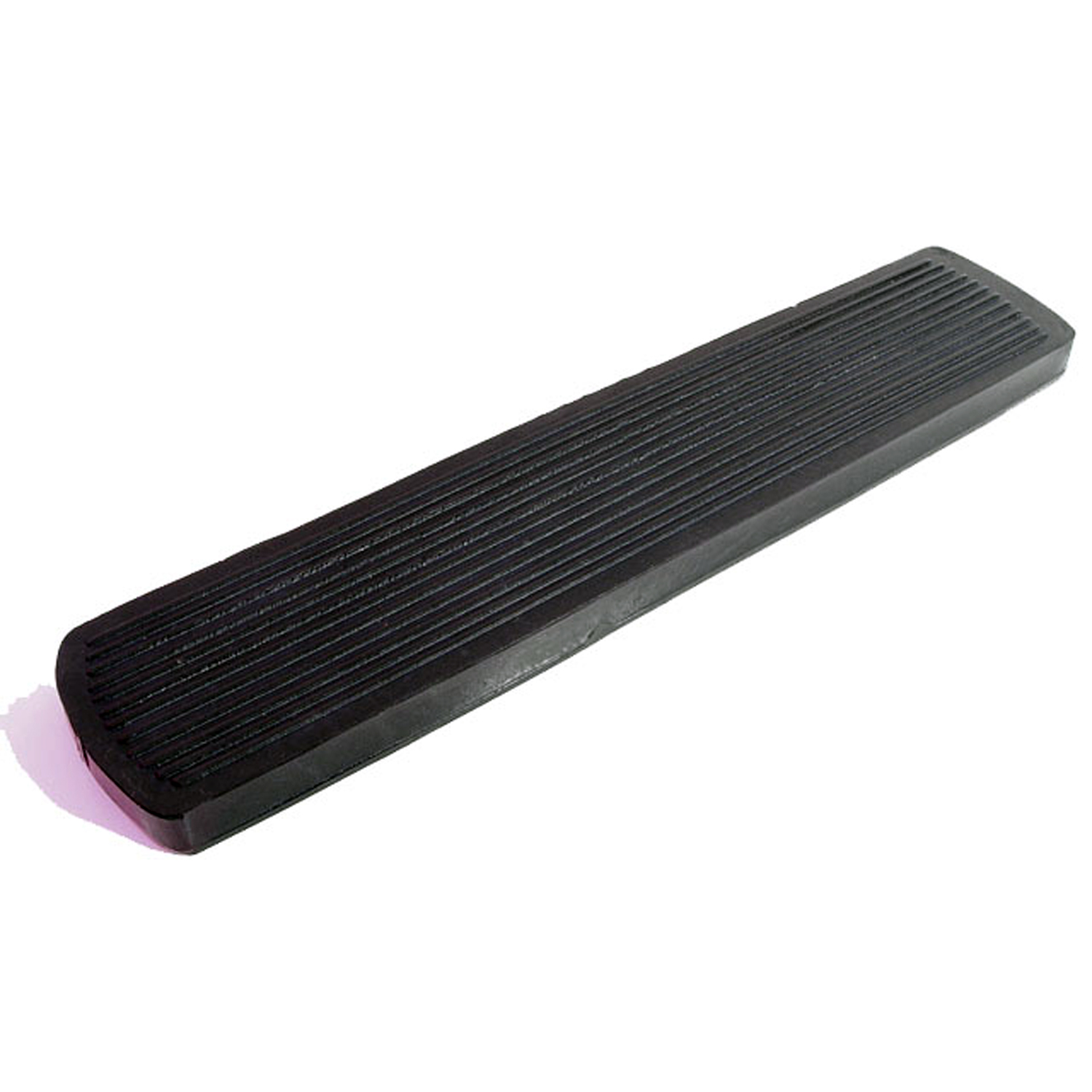 1950 Packard Super Eight Accelerator Pedal Pad. 1-7/8" X 9-3/8", Each-AP 16Accelerator Pedal Pad. 1-7/8" X 9-3/8", Each
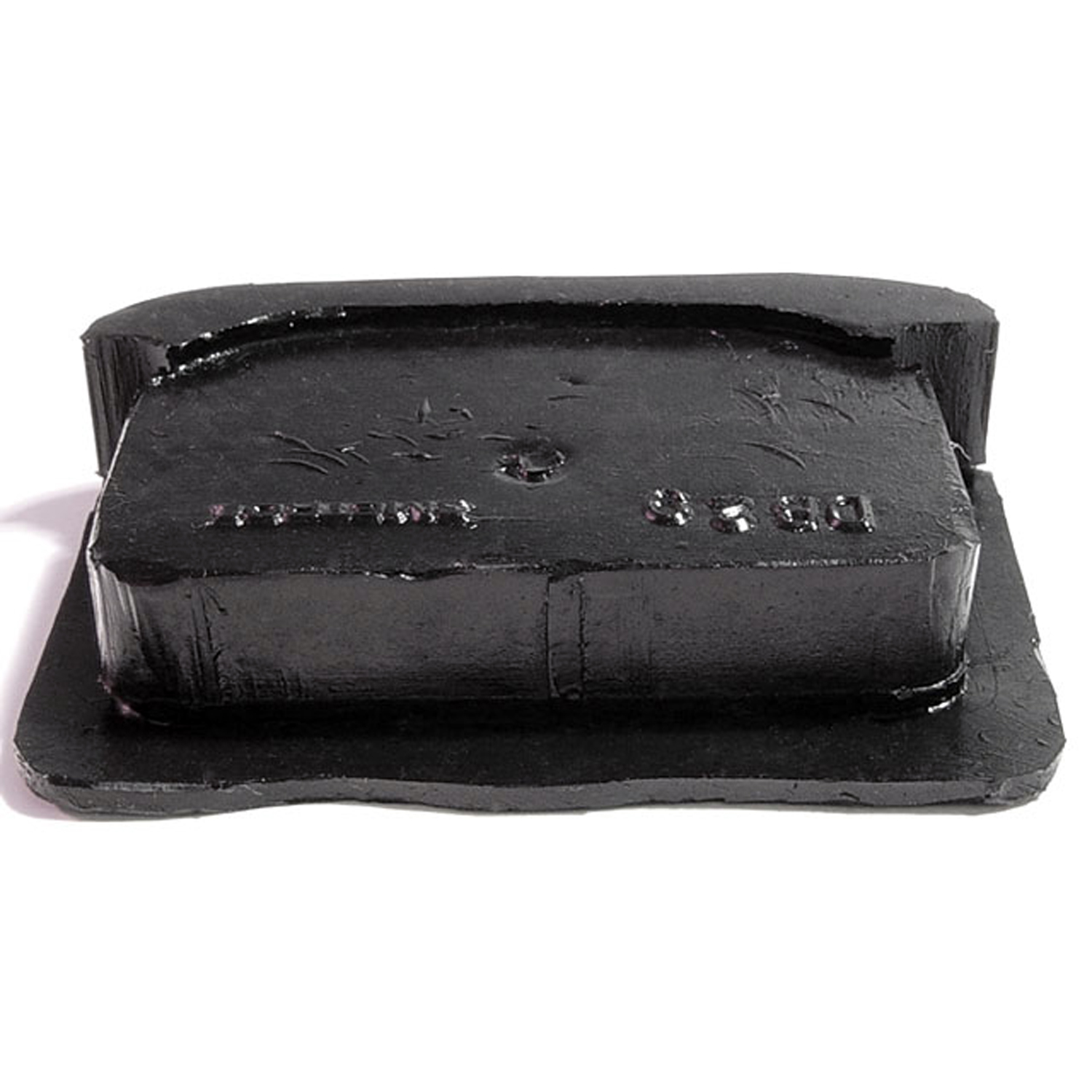 1950 Packard Super Eight Door Bumper. 1-3/8" high X 2" wide X 1/2" thick. Each-DB 29Door Bumper. 1-3/8" high X 2" wide X 1/2" thick. Each
 1950 Packard Super Eight Gas Filler Grommet. 2-1/2" I.D., 4-1/8" O.D. Each-GF 12Gas Filler Grommet. 2-1/2" I.D., 4-1/8" O.D. Each
 1950 Packard Super Eight Hood Corners. 1-3/4" to 2" corner radius-HC 14Hood Corners. 1-3/4" to 2" corner radius. Pad is 3-3/8" long. Pair
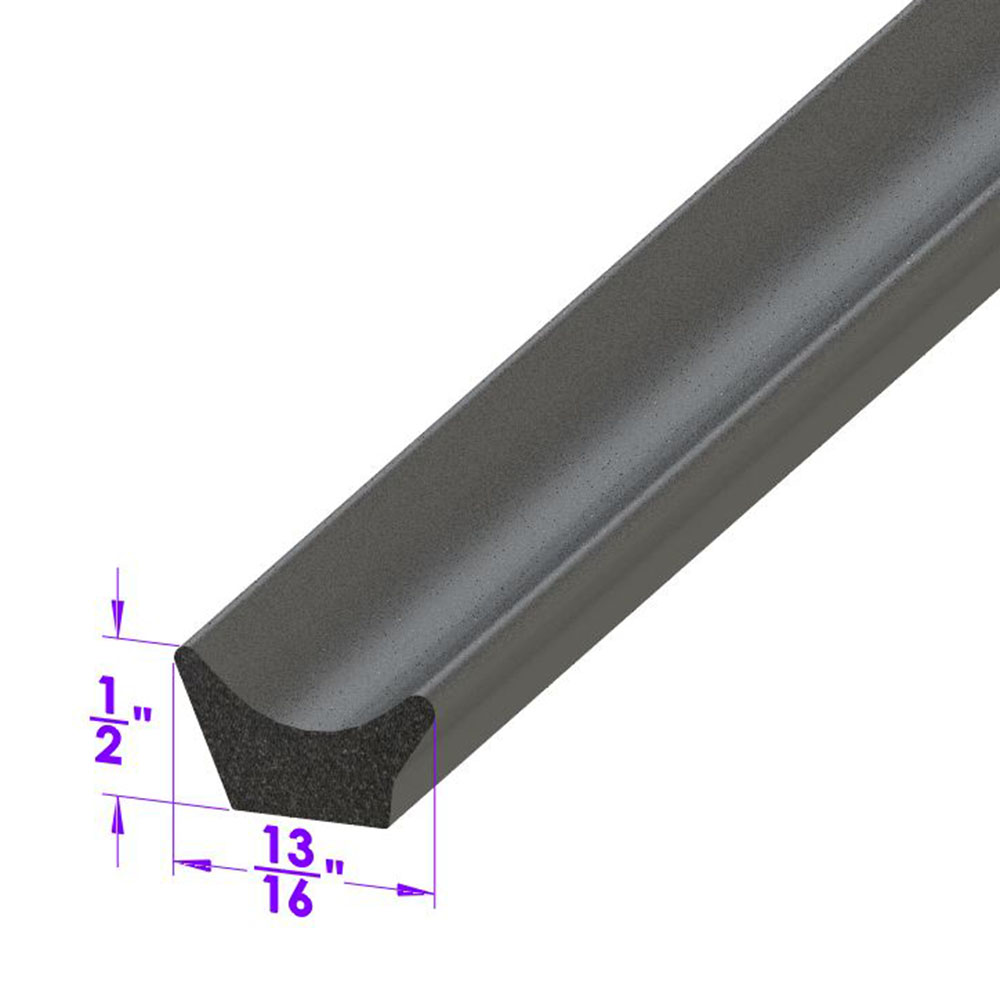 1950 Packard Super Eight Door side seal. Same as LP 40, but for a lighter seal-LP 40-ADoor side seal. Same as LP 40, but for a lighter seal. Fits many domestic passenger cars and trucks. Universal seal for street rods and customs. Used in Cobra kit cars as door weatherstrip. Per foot.
 1950 Packard Super Eight Antenna Pad. 1-7/8" O.D. Each-MP 854-AAntenna Pad. 1-7/8" O.D. Each
 1950 Packard Super Eight Front lower rubber insulating cushion-RP 72-CFront lower rubber insulating cushion. For motor support at timing-gear cover. 2-7/16 in. wide x 3-3/8 in. long. 1-13/16 in. long center hole. Replaces OEM# 300227. Two used per car. Each.
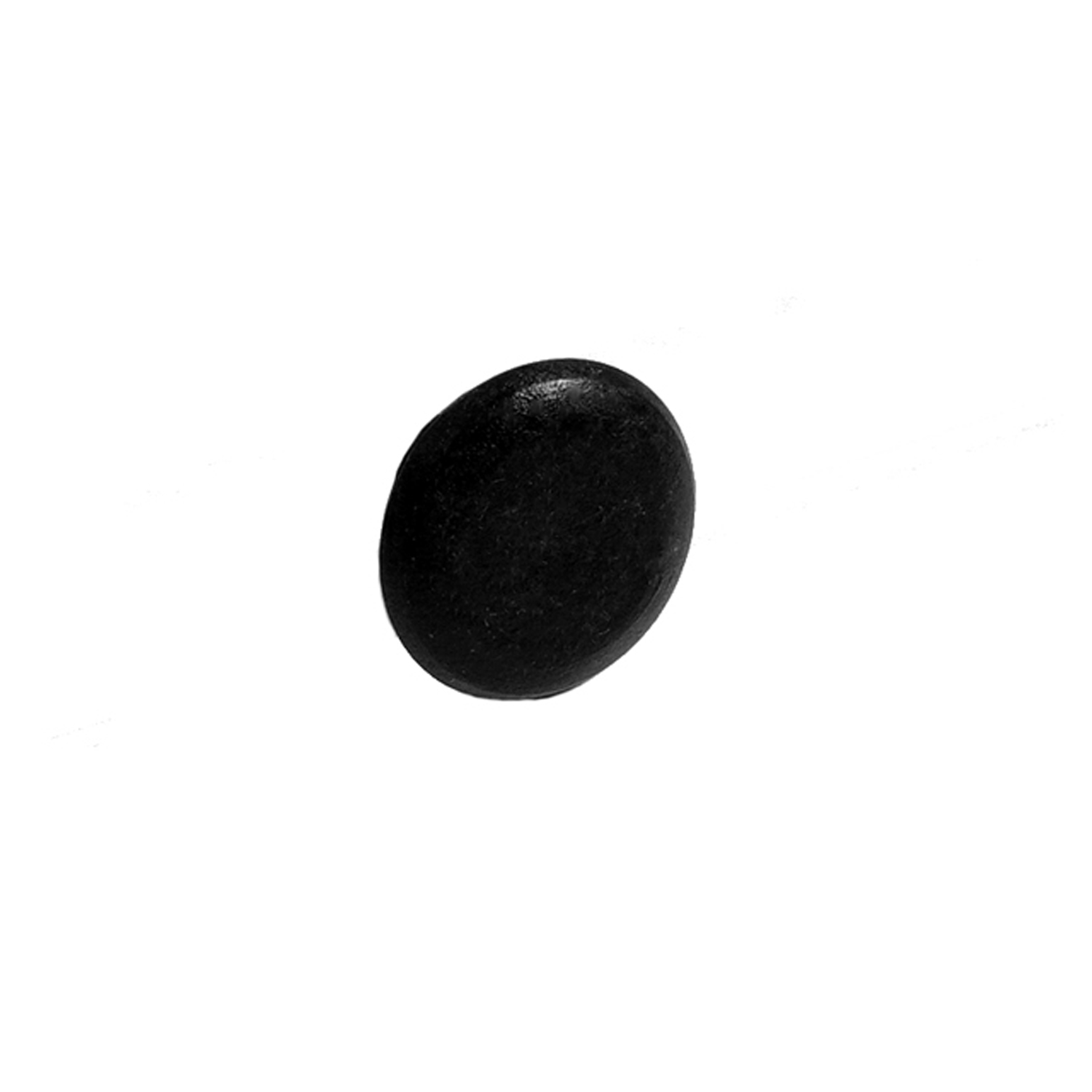 1950 Packard Super Eight Trunk Bumper. 3/4" O.D., 5/8" I.D. Each-SB 74Trunk Bumper. 3/4" O.D., 5/8" I.D. Each
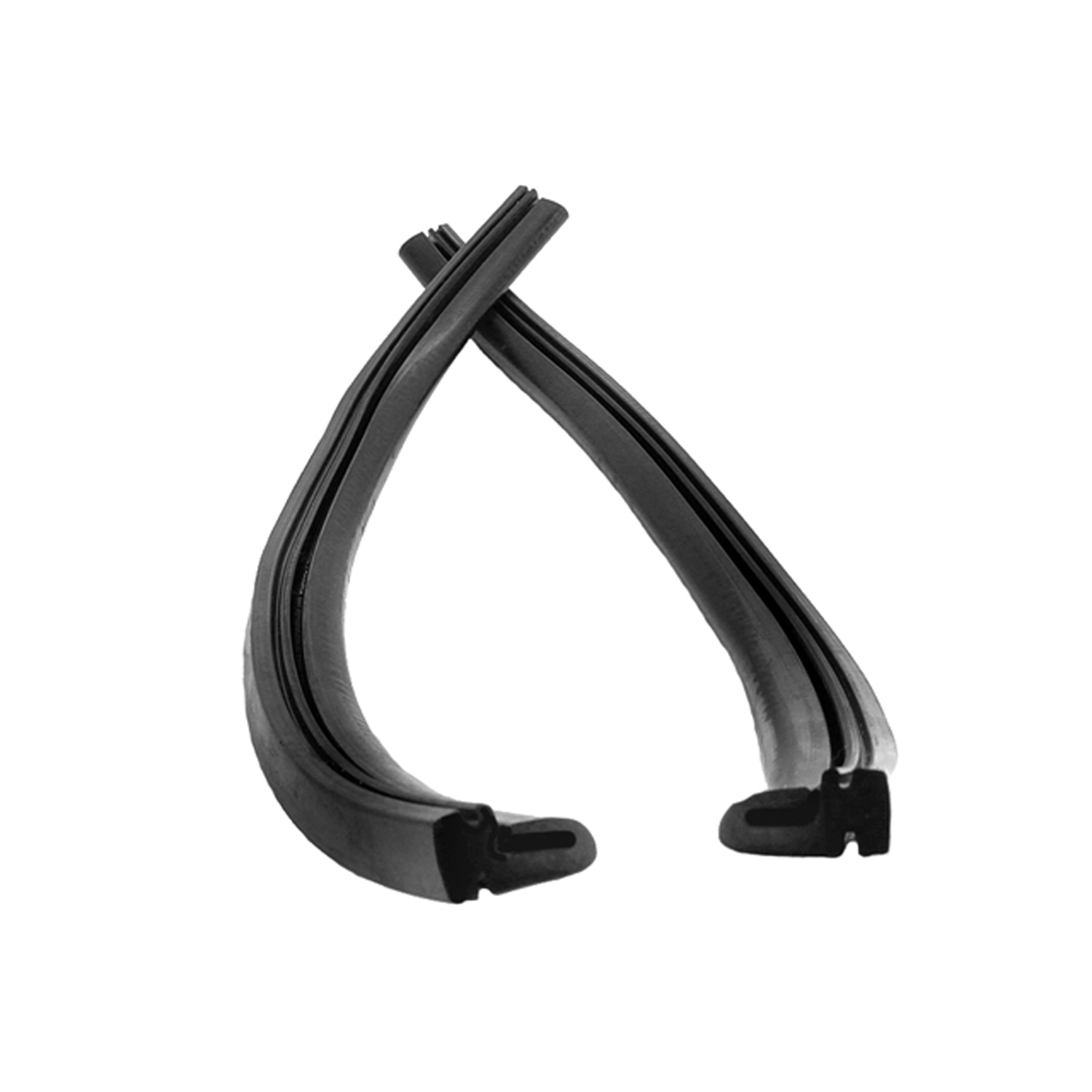 1950 Packard Super Eight Rear Roll-up Window Seals, for Hardtops and Convertibles-VS 7Rear Roll-up Window Seals, for Hardtops and Convertibles. For leading edge of rear quarter windows. Two pieces, 17-3/4" long. Pair
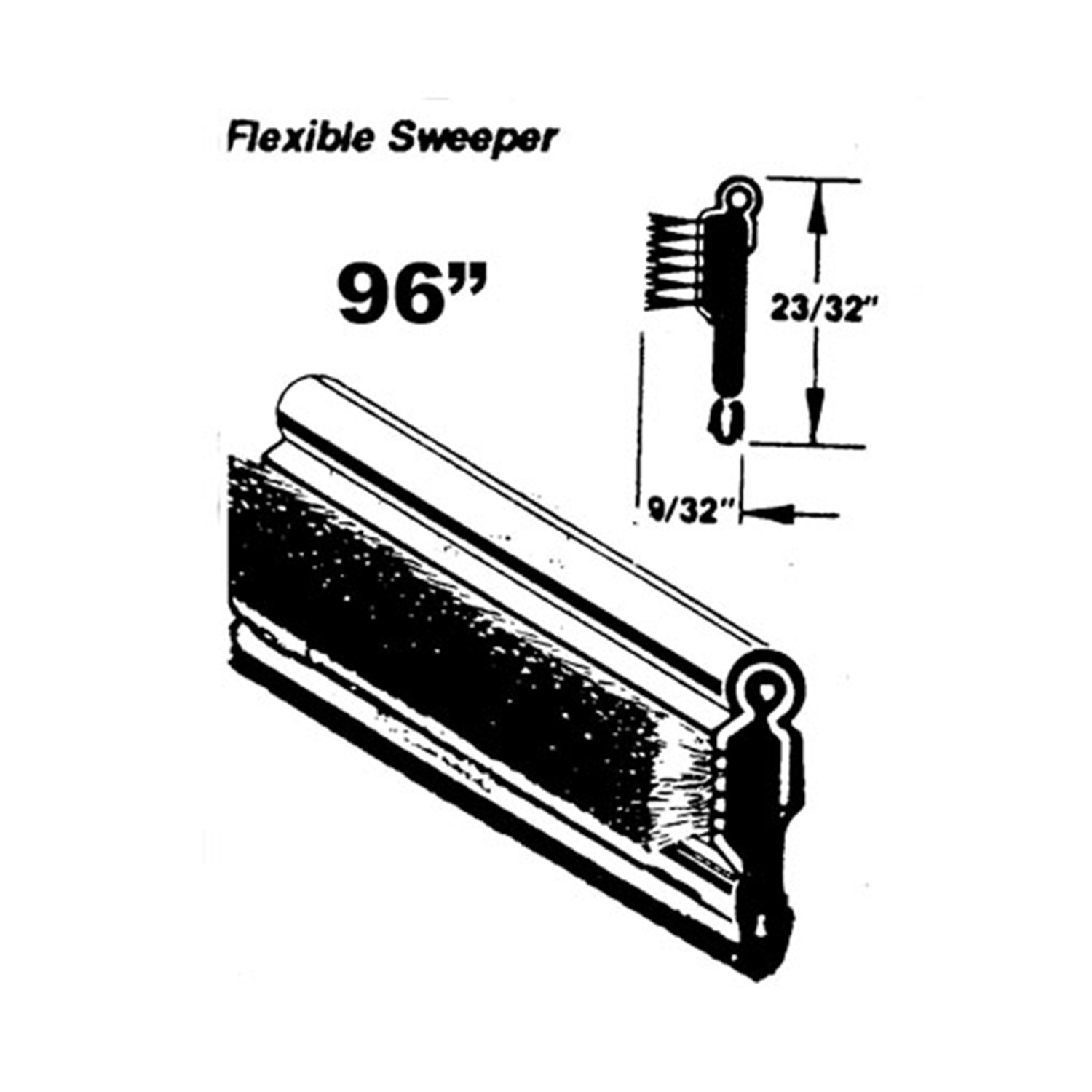 1950 Packard Super Eight Flexible window sweeper. Made with stainless steel bead-WC 4-96Flexible window sweeper. Made with stainless steel bead. 96 in. long. Each. NOTE: $20 special shipping charge applies for domestic orders. Call or email for overseas shipping costs. Part can be sectioned in two or three equal lengths to reduce overseas shipping costs.
 1950 Packard Super Eight Flexible sweeper. Made with stainless steel bead-WC 8-72Flexible sweeper. Made with stainless steel bead. Used on inner and outer beltlines. Also forms easily for use with sliding quarter windows. 72 in. long. Each. NOTE: $20 special shipping charge applies for domestic orders. Call or email for overseas shipping costs. Part can be sectioned into two equal lengths to reduce overseas shipping costs.
Why Choose Metro?
For over 100 years, Metro Moulded Parts has been the pinnacle of quality in classic car restoration parts. Our commitment to precision and authenticity in every component ensures a perfect fit and an OEM-level appearance.
- Expert Craftsmanship & Quality: Each part is a testament to our dedication to reliability and perfection, crafted from original designs and thoroughly tested.
- Advanced Technology: We use cutting-edge techniques to create flawless, long-lasting parts that surpass others in performance.
- SuperSoft Sponge – The Ultimate Door Seal: Not only are our door seals 30% softer than competitors', but they're also guaranteed to never leak. They effectively reduce wind and road noise, enhancing your classic car's comfort and driving experience.
- Proudly American: Our parts are a product of American craftsmanship, made in the USA with a spirit of excellence and heritage.
- Unrivaled Warranty: We back our products with a 30-year industry-leading warranty, a testament to our confidence in their quality.
Join us in preserving the legacy of classic cars with parts that are crafted for perfection, not just made.