

Image of 1951 Packard 200, Note: These illustrations use artistic license and may differ from actual historical models.
Performance Metrics
Fundamental Metrics
Emotional Appeal
MMP Rating
| Engine Specifications | |
|---|---|
| Engine: | Straight-8 |
| Displacement: | 327 cu in (5.4 L) |
| Horsepower: | 135-150 hp |
| Torque: | Estimated 230 lb-ft |
| Compression Ratio: | 7.0:1 |
| Ignition System: | Battery Ignition |
| Cooling System: | Liquid-cooled |
| Performance Specifications | |
| 0-60 Time: | Estimated 15 seconds |
| 1/4 Mile Time: | Not available |
| Top Speed: | 100 mph |
| Transmission and Drive | |
| Drive Type: | Rear-wheel drive |
| Transmission Type: | 3-speed manual |
| Fuel and Efficiency | |
| Fuel System Type: | Carburetor |
| MPG: | Estimated 15-20 mpg |
| Dimensions and Brakes | |
| Brakes: | Drum brakes |
| Wheelbase: | 122 in (3,099 mm) |
| Weight: | 3,600 lbs |
Note: Specifications for classic cars are given to the best of our ability, considering the limited and variant data available.
1951 Packard 200: Packard Luxury for a Wider Audience
The 1951 Packard 200 brought the comfort and craftsmanship of one of America’s most respected automakers to a more attainable price point. It was not a stripped-down economy car: the 200 still offered Packard’s smooth straight-eight power, substantial construction, and carefully finished cabin, wrapped in a completely redesigned postwar body.
Packard Motor Car Company built the 200 in Detroit as part of its 24th Series lineup. For 1951, the company replaced its earlier numerical model names with a new range that included the 200, 250, 300, and Patrician. The 200 sat at the entry level, while the higher-numbered models added more equipment, larger engines, or more prestigious trim.
The timing mattered. Packard was trying to compete in a changing market where buyers wanted modern styling, automatic transmissions, and the prestige of an established name. A notable detail is that the 200 shared the year’s fresh design language with its more expensive siblings, so the least costly Packard did not look like a separate, lesser car.
Fresh 1951 Styling and Packard Craftsmanship
The 1951 redesign gave the Packard 200 a lower, wider appearance than the cars it replaced. Its long hood and rounded body sides flowed into fully enclosed fenders, leaving behind the separate-fender look that had defined many prewar designs. At the front, a broad grille with vertical detailing and Packard’s familiar crest made the car unmistakable without relying on excessive ornament.
Chrome accents highlighted the grille, bumpers, window surrounds, and side trim. The result was substantial and formal, but less upright than earlier Packards. The 200’s proportions still suggested a traditional American luxury car, while its smoother bodywork helped it look at home in the new decade.
Inside, the 200 offered a roomy cabin with comfortable seats, quality cloth upholstery, a full-width dashboard, and bright trim. Packard paid attention to the small details: the controls were clearly arranged, the cabin materials felt durable, and the seats were built for long-distance comfort rather than sporty support. The finish was more restrained than in the top-tier Patrician, but it retained the solid, carefully assembled feel buyers expected from the marque.
Factory paint choices varied with availability and trim. Buyers could choose from conservative single colors such as black, dark blue, maroon, green, or lighter shades, while two-tone combinations added visual interest. Dark, formal colors suited the Packard’s traditional character, but lighter and contrasting finishes could make its smooth body lines especially noticeable.
Body Styles and Equipment
The Packard 200 was primarily offered as a two-door sedan and a four-door sedan, with equipment and trim packages varying across the range. The four-door sedan was the practical choice for families and chauffeurs, while the two-door appealed to buyers who wanted a more personal-looking car.
It is useful to distinguish the 200 from the related Packard 250. The 250 was a step up in the 1951 lineup and included more distinctive body styles, notably a hardtop coupe and convertible. Those models are often grouped with the 200 in casual discussion because they shared the new design, but they were separate models with their own positioning and equipment.
For a buyer seeking a classic Packard without the cost of a rare open car, the four-door 200 sedan was the sensible and representative choice. Its combination of space, comfort, and lower entry price made it one of the more accessible ways to own a postwar Packard.
Technology in a Traditional Package
Power came from Packard’s 288-cubic-inch L-head inline-eight, rated at about 135 horsepower. The flathead design was an established one, but Packard refined it for smooth, quiet operation. A three-speed manual transmission was standard, and the optional Ultramatic automatic offered a more relaxed driving experience.
Ultramatic was a significant feature for Packard. Introduced in 1949, it was among the early successful automatic transmissions developed by an independent American automaker. It used a torque converter and a two-speed transmission, with direct drive engaging at cruising speed. Its smoothness suited the Packard’s character, even if it was more complex to service than a simple manual gearbox.
The 200 also had independent front suspension, conventional rear leaf springs, and hydraulic drum brakes. These were familiar technologies, but they were well matched to the car’s mission: comfortable, steady transportation rather than sharp-edged performance. The electrical system was six-volt and positive-ground, a detail modern owners need to understand when fitting accessories or troubleshooting electrical issues.
Why the Packard 200 Mattered
The 200 helped Packard respond to the postwar shift toward broader model ranges and more modern styling. It gave buyers a lower-cost entry into the brand while keeping the visual identity and engineering character associated with Packard. In that sense, it was both a practical product and a strategic move: the company needed volume, but it also needed its affordable cars to feel like genuine Packards.
Compared with many contemporaries, the 200 stood out for its smooth straight-eight engine, quiet ride, and solid construction. Its fresh 1951 body design also marked a clear break from older prewar shapes. Yet the car remained conservative mechanically. By the early 1950s, overhead-valve V8 engines were becoming increasingly important among American competitors, and the Packard’s flathead eight was beginning to show its age in outright power and efficiency.
The 200 did not create a single lasting design feature that transformed the industry. Its significance lies more in how it represented Packard’s effort to modernize while preserving its identity. The car’s restrained styling and comfort-first engineering remain part of the appeal for enthusiasts who prefer a traditional American luxury car over a more aggressive or flamboyant one.
Straight-Eight Performance and Road Manners
With about 135 horsepower, the 288 straight-eight delivered its power smoothly rather than dramatically. Period performance and modern reference estimates vary with transmission, condition, and testing method, but a healthy Packard 200 generally needs around 18 to 22 seconds to reach 60 mph. Top speed is roughly 85 to 90 mph, although cruising at a more moderate pace is kinder to an original car.
On the road, the engine’s defining quality is its quiet, even pull. It does not have the sharp exhaust note of a high-performance V8. Instead, it produces a subdued mechanical hum that becomes part of the car’s calm, unhurried character. The manual transmission gives the driver more involvement, while Ultramatic makes city traffic and long drives easier.
The suspension favors comfort. It absorbs ordinary pavement imperfections well, and the long wheelbase helps the car feel composed on the highway. On winding roads, the 200 is best driven smoothly: its weight, relatively soft suspension, and period steering do not invite quick direction changes. Without power steering, low-speed maneuvering can take some effort. The drum brakes also require more anticipation than modern disc brakes, especially in repeated stops or steep descents.
In short, the Packard 200 rewards a relaxed driving style. It feels substantial over bumps, steady at cruising speeds, and reassuringly old-school behind the wheel. A well-maintained example can still be enjoyable on modern roads, but it is not designed to behave like a contemporary sedan.
Living With a 1951 Packard
Most 200s today are used for weekend drives, local touring, classic-car gatherings, and shows. Some owners take them on longer trips, but regular highway use calls for careful attention to cooling, tires, brakes, and the condition of the electrical system. The car’s size and period braking performance make it less convenient for dense daily traffic than a modern vehicle.
Routine maintenance is straightforward for an owner comfortable with older cars. The engine uses conventional ignition and carburetion, and many basic service tasks can be handled with ordinary mechanical tools. The harder jobs may involve finding a specialist familiar with Packard’s Ultramatic, sourcing model-specific trim, or repairing worn suspension and steering components.
Parts support remains available through classic-car suppliers and Packard clubs, though availability varies. Mechanical service items are generally easier to find than excellent body trim or interior pieces. Before buying, check for rust, previous collision repairs, overheating, oil leaks, brake condition, and evidence of poor-quality electrical modifications. A car that has sat for years may need a full recommissioning even if its engine starts.
Packard 200 Facts and Common Criticisms
The Packard 200 was part of the 1951 lineup that introduced the company’s new numerical model naming system. It also carried forward the brand’s long association with straight-eight engines, a configuration Packard continued to use in passenger cars before moving to V8 power for the 1955 model year.
There is no widely recognized speed, endurance, or racing record associated specifically with the 1951 200. Its reputation was built on comfort, refinement, and the Packard name rather than competition success. The well-known Packard slogan, “Ask the man who owns one,” reflected the company’s emphasis on owner satisfaction and prestige.
Common criticisms are fair but worth putting in context. The 200 is not quick by modern standards, the flathead engine can feel outmatched beside newer overhead-valve designs, and the car’s size makes parking less effortless than in a modern sedan. Ultramatic also deserves proper inspection because neglected or improperly repaired units can become costly. These drawbacks are balanced by the engine’s smoothness, the car’s comfortable ride, and its distinctive pre-V8 Packard character.
Collector Values and Availability
The 1951 Packard 200 was produced in meaningful numbers, and a reasonable estimate is roughly 50,000 to 60,000 examples across the series. Exact totals can vary by body style and source. That makes the 200 far from a one-off rarity, though surviving cars in excellent, original condition are much less common than the production figure might suggest.
As a broad U.S. market guide, a project car may sell for about $3,000 to $8,000, depending on completeness and rust. A usable driver often falls around $10,000 to $20,000. A well-restored example may bring roughly $25,000 to $40,000, with exceptional cars sometimes selling for more. These are estimates, not guarantees: originality, documented restoration, mechanical condition, and local demand can shift the price considerably. Related 250 hardtops and convertibles usually occupy a different value bracket because of their body styles and relative desirability.
Values for Packard 200 sedans have generally been steady to modestly stronger in nominal dollars over the long term, while inflation-adjusted gains have been less impressive. They remain attainable compared with many top-tier American classics, which can make a good example appealing to enthusiasts who value craftsmanship more than investment speculation. As with any older car, condition and maintenance history matter more than a seller’s description of rarity.
A Worthy Entry to Packard Ownership
The 1951 Packard 200 combines a smooth straight-eight, a comfortable cabin, and a clean postwar redesign in a package that once made Packard ownership more accessible. It is not a fast sports sedan or a technological showpiece, but it captures a moment when a proud American manufacturer was adapting its traditions to a new era.
For collectors who want the presence and engineering character of a classic Packard without stepping straight into the most expensive models, the 200 makes a compelling choice. Its best qualities are the ones you notice mile after mile: quiet power, an easygoing ride, and the unmistakable feeling of traveling in a car built to make the journey matter.
1951 Packard 200 Catalog of Parts
 1951 Packard 200 Accessory Floor Mat - 12"X17"-AC 32Accessory Floor Mat - made of high quality black rubber with molded original emblem. Also designed to be sewn into new carpets. 12"X17", Each
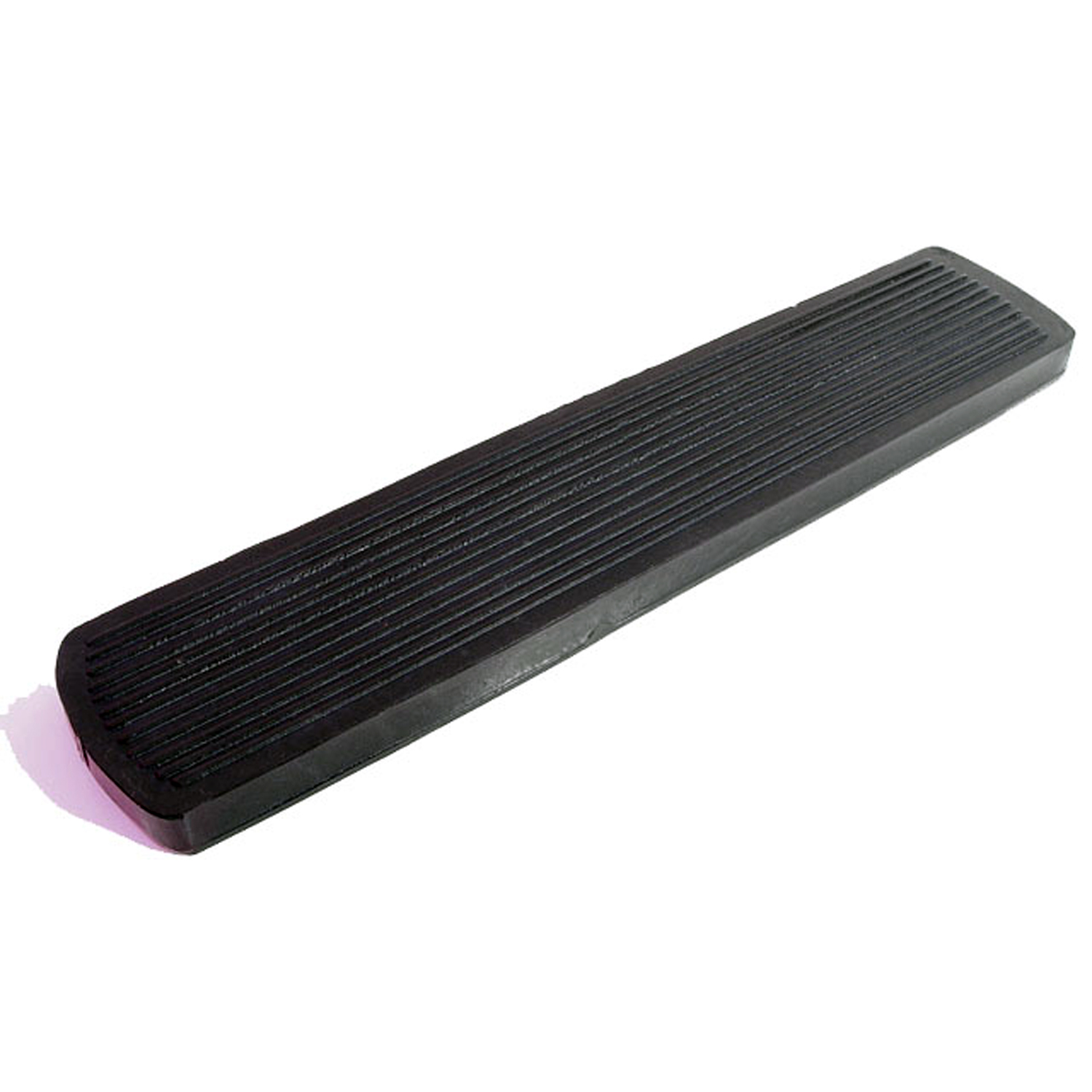 1951 Packard 200 Accelerator Pedal Pad. 1-7/8" X 9-3/8", Each-AP 16Accelerator Pedal Pad. 1-7/8" X 9-3/8", Each
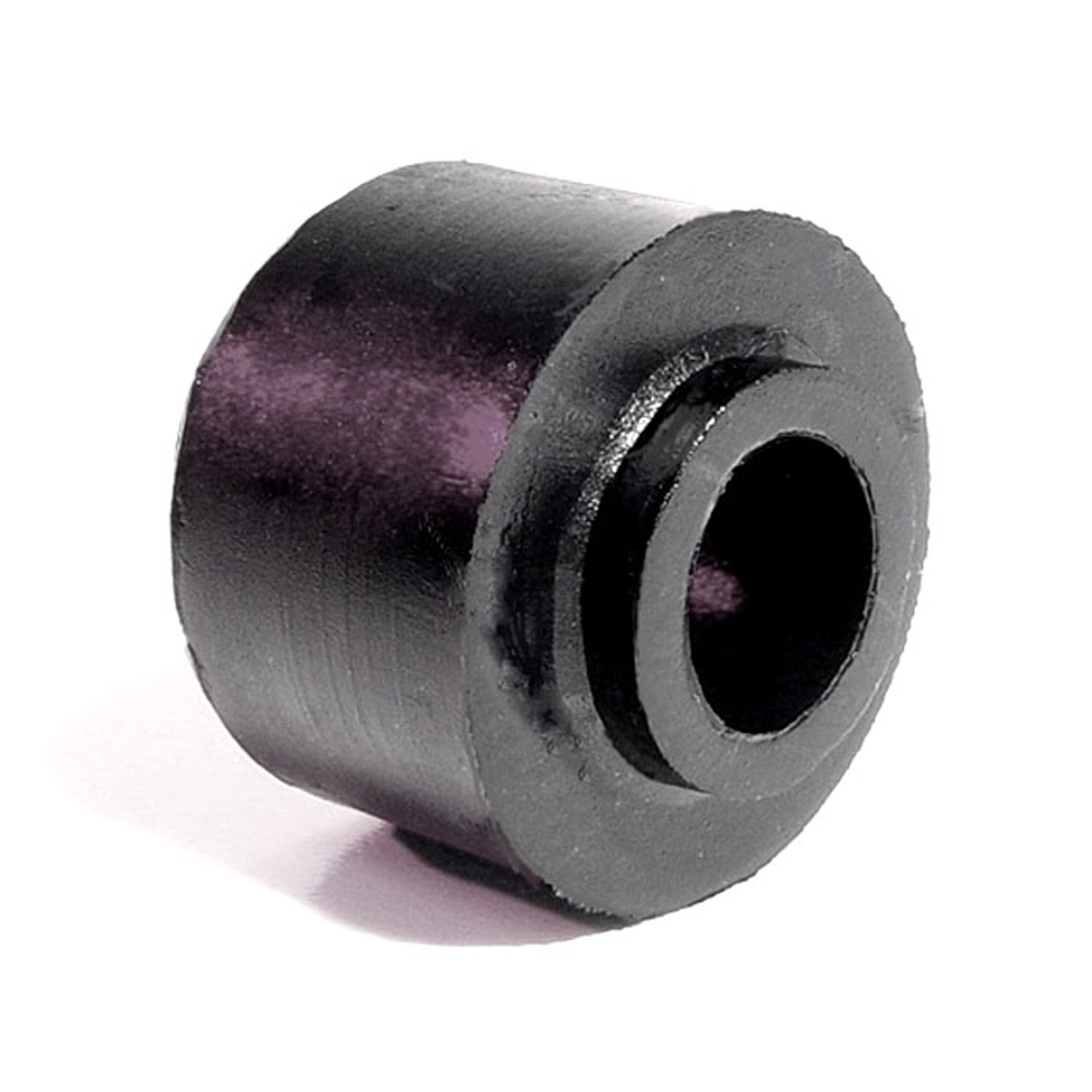 1951 Packard 200 Shock Absorber Grommet. 1" bottom O.D., 3/4" high-BN 1Shock Absorber Grommet. 1" bottom O.D., 3/4" high., with 7/16" I.D. Each
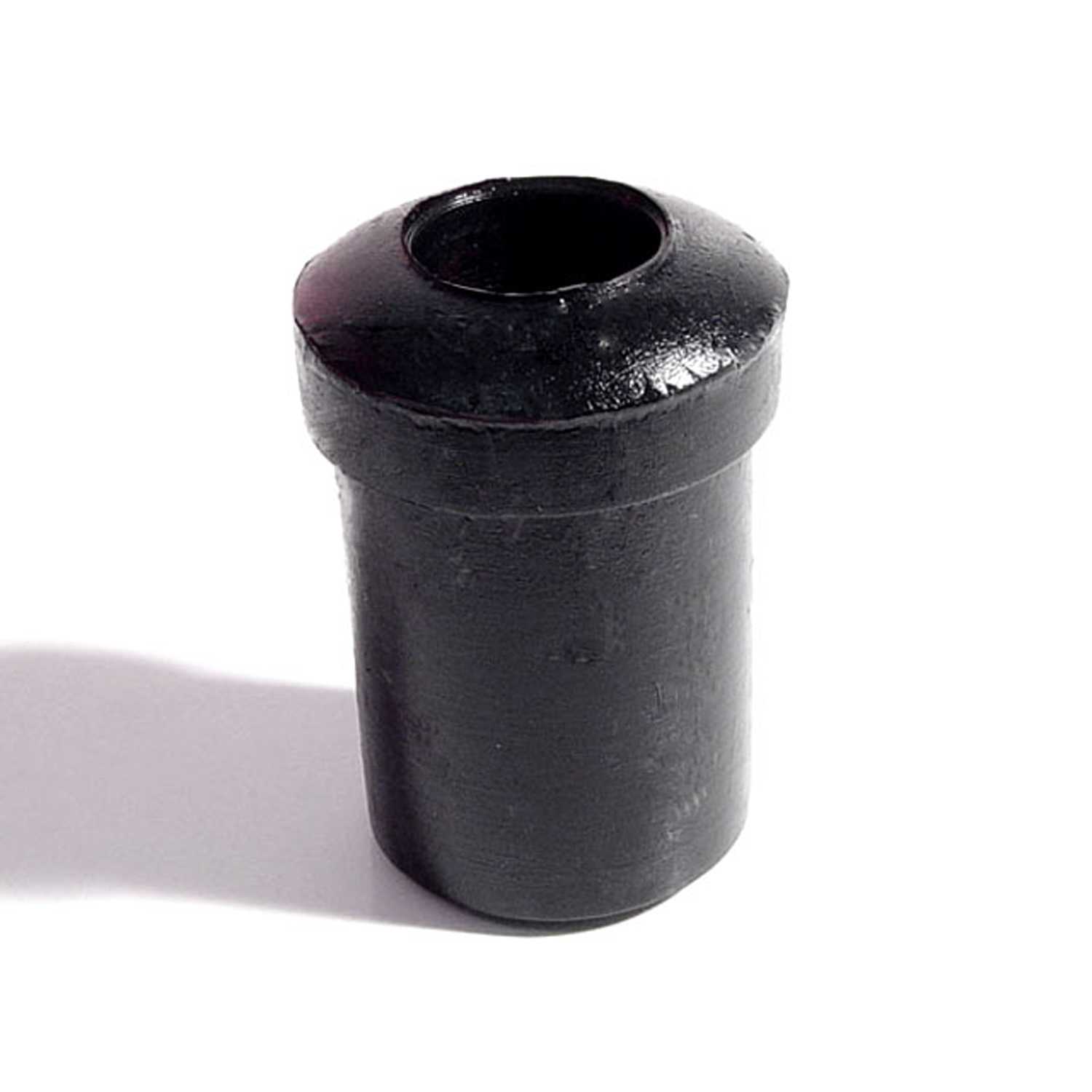 1951 Packard 200 Spring and Shackle Bushing. 1" bottom O.D-BN 20Spring and Shackle Bushing. 1" bottom O.D. X 1-5/8" high, with 9/16" I.D. Each
 1951 Packard 200 Cowl and Hood Seal. 43-5/8" long. Each-CS 1Cowl and Hood Seal. 43-5/8" long. Each
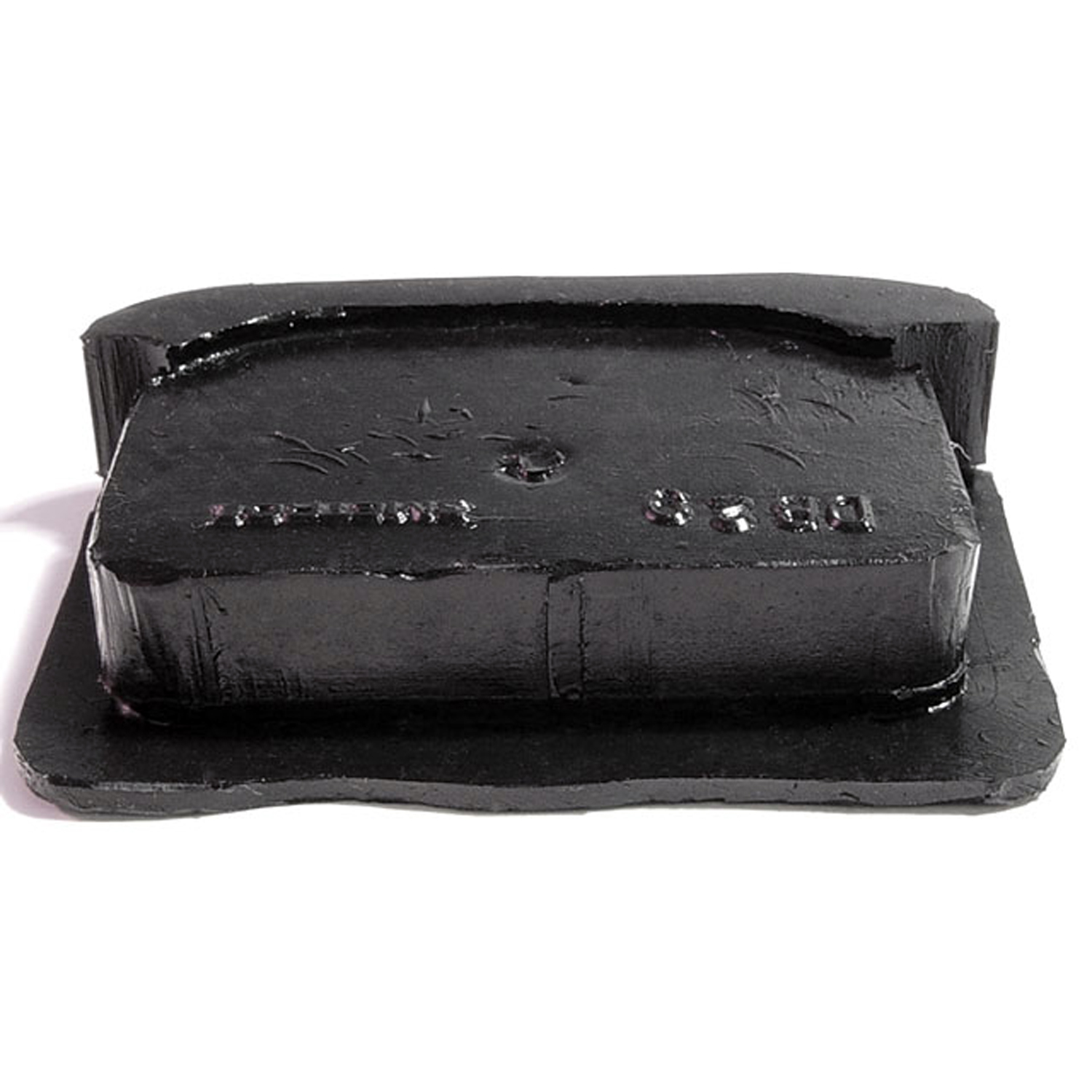 1951 Packard 200 Door Bumper. 1-3/8" high X 2" wide X 1/2" thick. Each-DB 29Door Bumper. 1-3/8" high X 2" wide X 1/2" thick. Each
 1951 Packard 200 Gas Filler Grommet. 2-1/2" I.D., 4-1/8" O.D. Each-GF 12Gas Filler Grommet. 2-1/2" I.D., 4-1/8" O.D. Each
 1951 Packard 200 Hood Corners. 1-3/4" to 2" corner radius-HC 14Hood Corners. 1-3/4" to 2" corner radius. Pad is 3-3/8" long. Pair
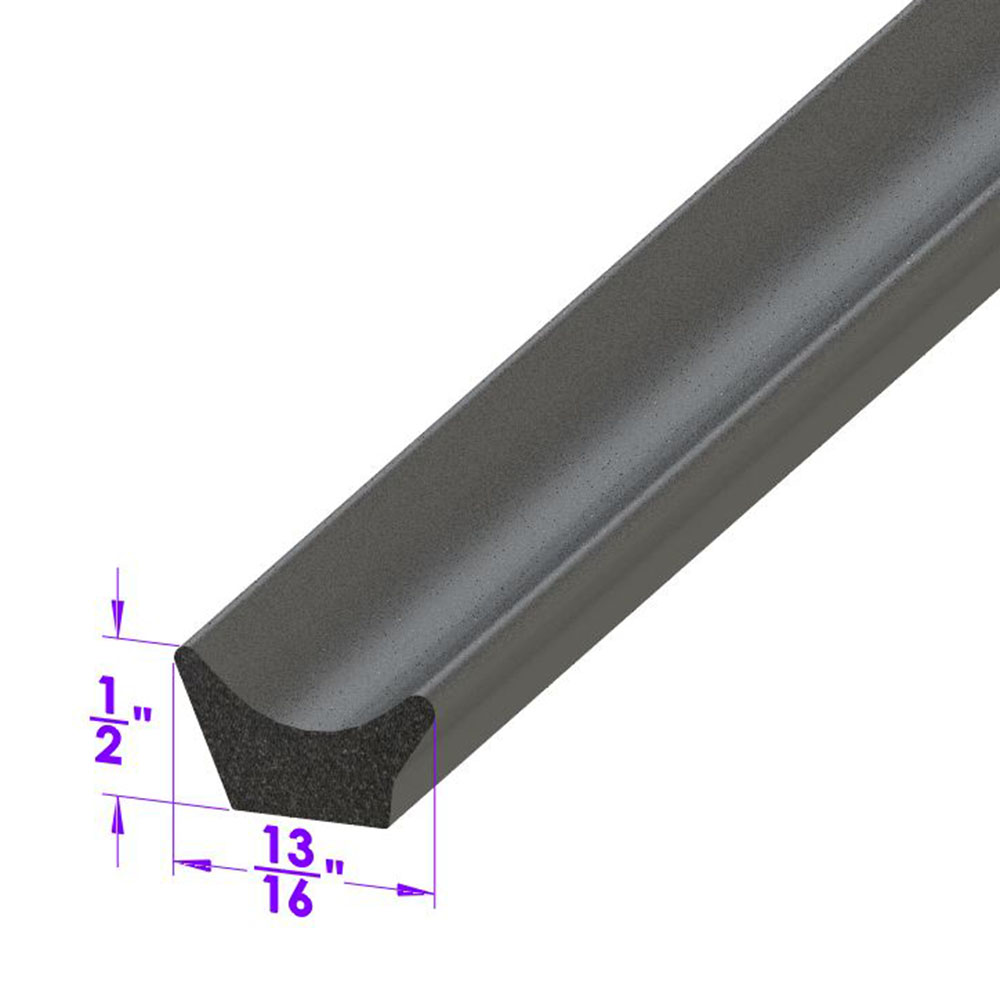 1951 Packard 200 Door side seal. Same as LP 40, but for a lighter seal-LP 40-ADoor side seal. Same as LP 40, but for a lighter seal. Fits many domestic passenger cars and trucks. Universal seal for street rods and customs. Used in Cobra kit cars as door weatherstrip. Per foot.
 1951 Packard 200 Antenna Pad. 1-7/8" O.D. Each-MP 854-AAntenna Pad. 1-7/8" O.D. Each
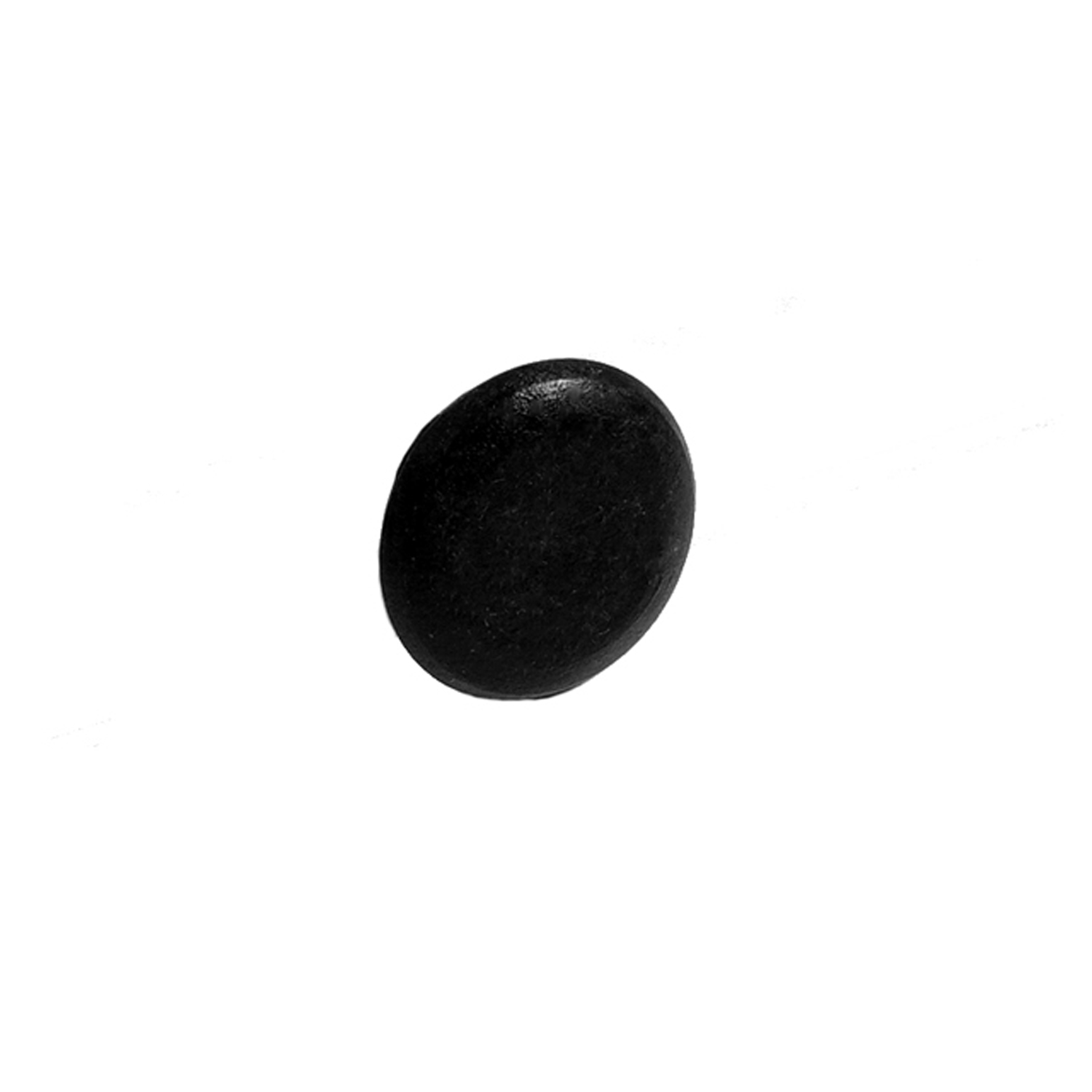 1951 Packard 200 Trunk Bumper. 3/4" O.D., 5/8" I.D. Each-SB 74Trunk Bumper. 3/4" O.D., 5/8" I.D. Each
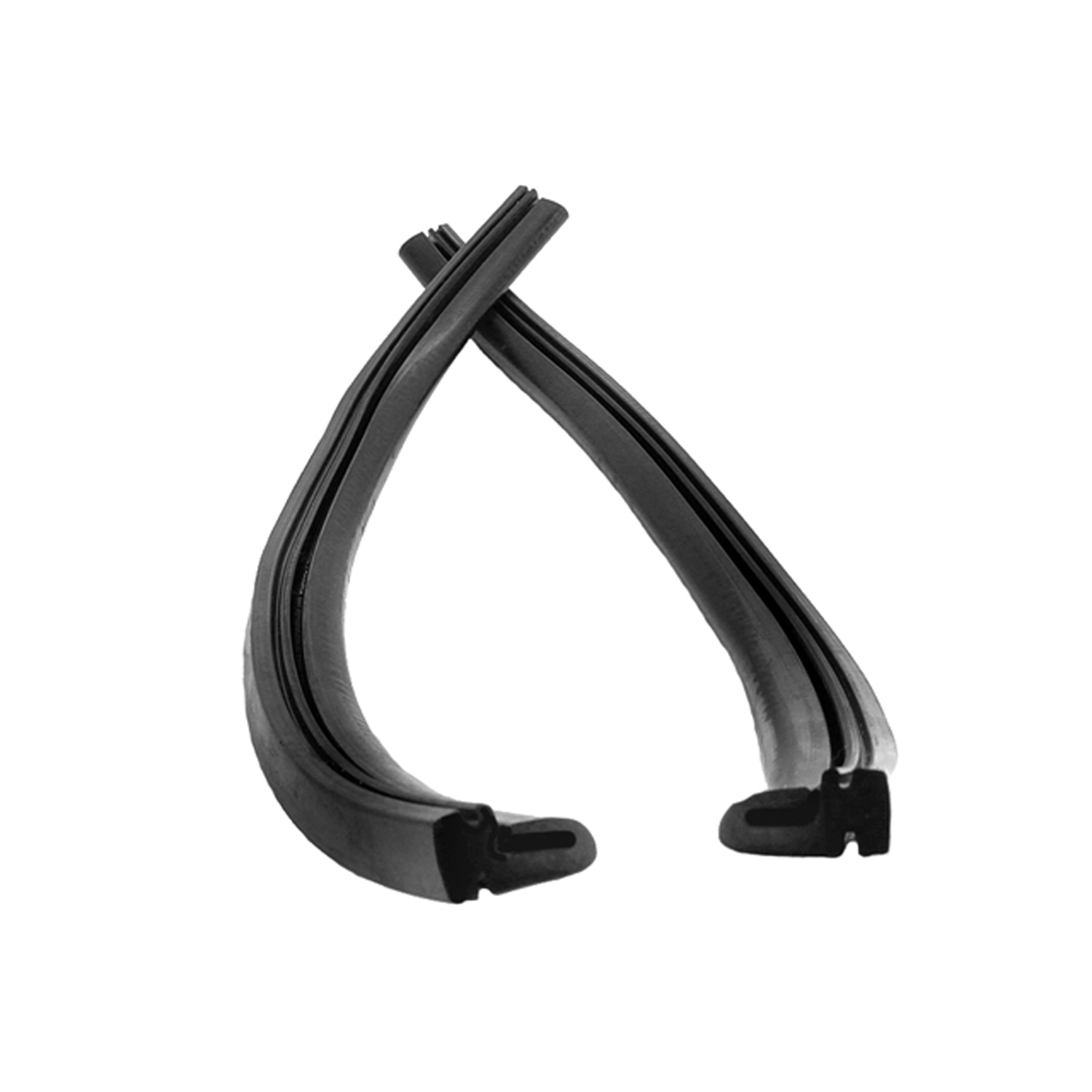 1951 Packard 200 Rear Roll-up Window Seals, for Hardtops and Convertibles-VS 7Rear Roll-up Window Seals, for Hardtops and Convertibles. For leading edge of rear quarter windows. Two pieces, 17-3/4" long. Pair
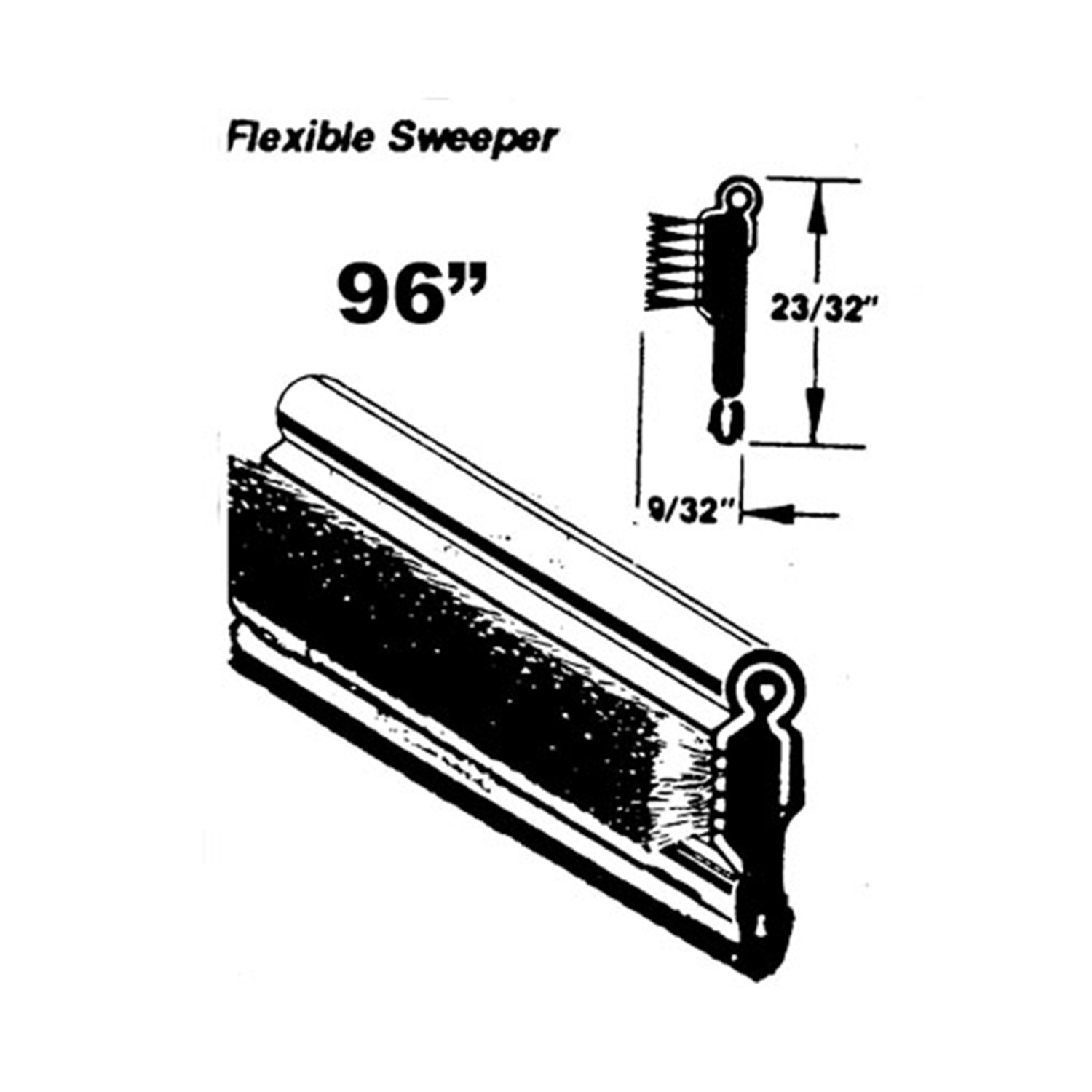 1951 Packard 200 Flexible window sweeper. Made with stainless steel bead-WC 4-96Flexible window sweeper. Made with stainless steel bead. 96 in. long. Each. NOTE: $20 special shipping charge applies for domestic orders. Call or email for overseas shipping costs. Part can be sectioned in two or three equal lengths to reduce overseas shipping costs.
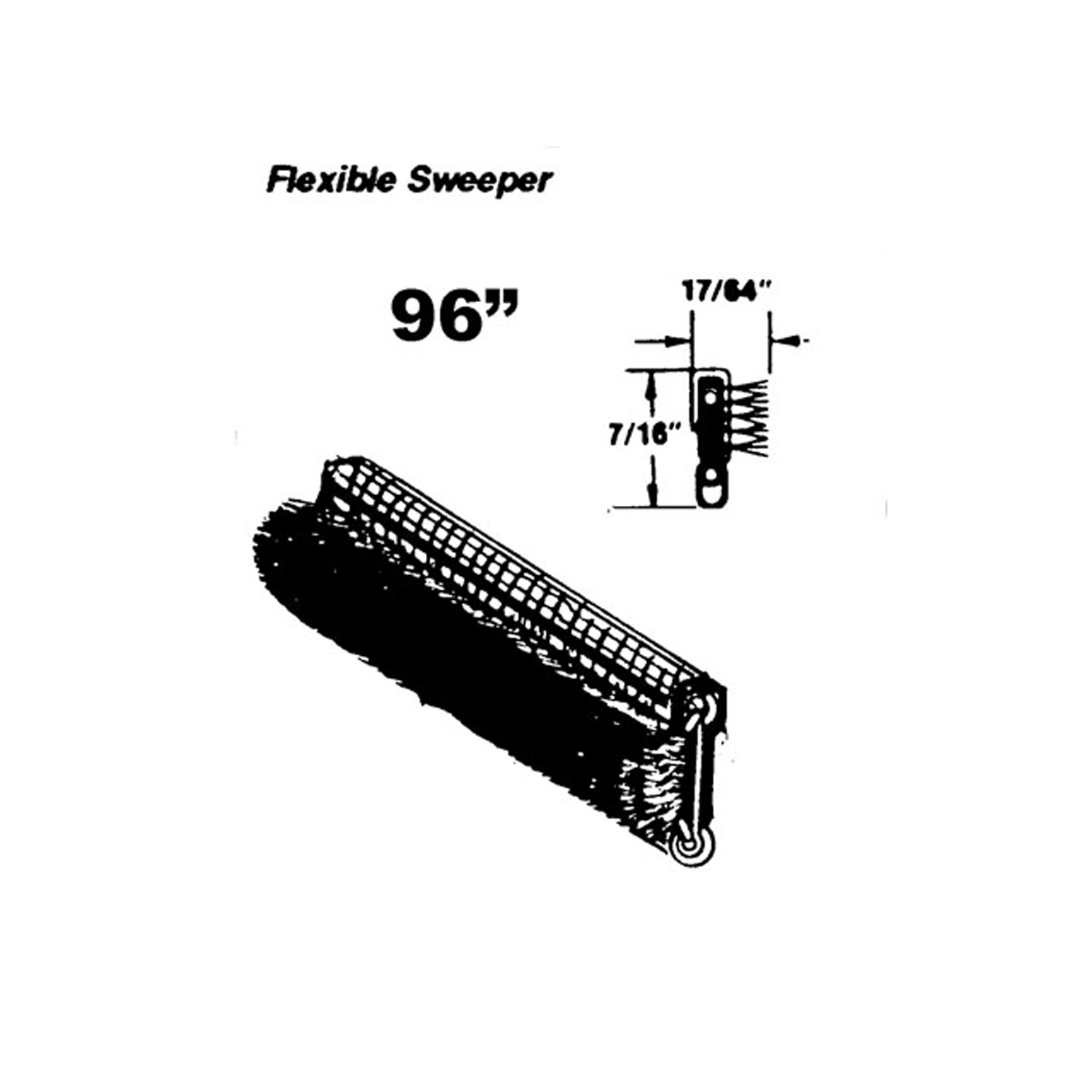 1951 Packard 200 Flexible window sweeper-WC 5-96Flexible window sweeper. Made with black electro-plated steel. 96 in. long. Each. NOTE: $20 special shipping charge applies for domestic orders. Call or email for overseas shipping costs. Part can be sectioned in two or three equal lengths to reduce overseas shipping costs.
 1951 Packard 200 Vent Window Seal. Pair-WR 2300Vent Window Seal. Pair
Why Choose Metro?
For over 100 years, Metro Moulded Parts has been the pinnacle of quality in classic car restoration parts. Our commitment to precision and authenticity in every component ensures a perfect fit and an OEM-level appearance.
- Expert Craftsmanship & Quality: Each part is a testament to our dedication to reliability and perfection, crafted from original designs and thoroughly tested.
- Advanced Technology: We use cutting-edge techniques to create flawless, long-lasting parts that surpass others in performance.
- SuperSoft Sponge – The Ultimate Door Seal: Not only are our door seals 30% softer than competitors', but they're also guaranteed to never leak. They effectively reduce wind and road noise, enhancing your classic car's comfort and driving experience.
- Proudly American: Our parts are a product of American craftsmanship, made in the USA with a spirit of excellence and heritage.
- Unrivaled Warranty: We back our products with a 30-year industry-leading warranty, a testament to our confidence in their quality.
Join us in preserving the legacy of classic cars with parts that are crafted for perfection, not just made.