

Image of 1951 Packard 250, Note: These illustrations use artistic license and may differ from actual historical models.
Performance Metrics
Fundamental Metrics
Emotional Appeal
MMP Rating
| Engine Specifications | |
|---|---|
| Engine: | Straight 8 |
| Displacement: | 327 cu in (5.4 L) |
| Horsepower: | Estimated 150 hp |
| Torque: | 270 lb-ft |
| Compression Ratio: | Estimated 7.0:1 |
| Ignition System: | Battery Ignition |
| Cooling System: | Liquid Cooled |
| Performance Specifications | |
| 0-60 Time: | Estimated 15 seconds |
| 1/4 Mile Time: | Information not available |
| Top Speed: | 100 mph |
| Transmission and Drive | |
| Drive Type: | Rear Wheel Drive |
| Transmission Type: | Ultramatic automatic transmission |
| Fuel and Efficiency | |
| Fuel System Type: | Carburetor |
| MPG: | Estimated 15-20 mpg |
| Dimensions and Brakes | |
| Brakes: | Drum Brakes |
| Wheelbase: | 122 inches |
| Weight: | Estimated 3,700 lbs |
Note: Specifications for classic cars are given to the best of our ability, considering the limited and variant data available.
1951 Packard 250: A Stylish American Grand Tourer
The 1951 Packard 250 paired the grace of an open-top cruiser with the emerging glamour of the hardtop coupe, giving Packard buyers a distinctly elegant way to enjoy the postwar boom. Built by the Packard Motor Car Company of Detroit, the 250 joined the automaker’s lineup as a more youthful, personal-luxury offering. Its most intriguing twist is that Packard gave this series two very different stars: the convertible coupe and the Mayfair, a pillarless hardtop that let passengers enjoy an open-air look with the windows raised.
Packard had made its name building prestigious cars for affluent buyers, but by 1951 the American market was changing fast. Longer, lower bodies and stylish two-door models were gaining popularity, while competition from Cadillac, Buick, and Chrysler was intensifying. The 250 was Packard’s answer: a handsome, comfortable car that retained the company’s reputation for quality without being its largest or most formal model.
Reinhart’s Low, Broad Packard Styling
The 1951 Packard wore the company’s new 24th-series styling, shaped under design chief John Reinhart. Its body looked broad and substantial, with rounded fenders flowing into the sides rather than sitting apart as separate forms. At the front, a wide chrome grille and Packard’s distinctive hood ornament gave the car a recognizable face. The overall effect was stately, but the 250’s two-door proportions made it feel less formal than a big luxury sedan.
The Mayfair hardtop was especially striking. With no fixed center roof pillar, its side glass could be lowered to create an airy, almost convertible-like profile. The convertible coupe offered the more traditional open-air experience, with a folding fabric top and a long, graceful body line. Both models had bright exterior trim, while the 250’s lower, sportier stance helped distinguish it from Packard’s more conservative sedans.
Packard offered a range of factory paint colors, including shades such as Dover White, Matador Maroon, and Persian Blue, with availability varying by production and equipment. Darker hues emphasized the car’s formal, polished character, while lighter colors showed off its curved bodywork. Two-tone paint could add extra visual contrast, though a car’s exact color and trim combination depended on its original order.
A Refined Cabin with Period Craftsmanship
Inside, the 250 put comfort ahead of austerity. The broad bench seats, generous legroom, and large windows made it a relaxed car for long drives. Depending on the model and specification, upholstery could include leather or other quality trim materials. The dashboard combined painted surfaces, polished metal details, clear instruments, and Packard’s characteristic attention to finish. It was a cabin designed to feel substantial and welcoming rather than sporty in the modern, bucket-seat sense.
Packard’s engineering also brought useful technology for the period. The 250 used the company’s independent front suspension, marketed as Safe-T-Flex, with coil springs and hydraulic shock absorbers to help smooth out rough pavement. Four-wheel hydraulic drum brakes provided stopping power. Buyers could choose Packard’s Ultramatic automatic transmission, introduced in 1949, or a conventional three-speed manual gearbox. The car retained a six-volt electrical system, typical of American vehicles of its era.
Mayfair Hardtop or Convertible Coupe?
The 250 series was offered in two body styles: the Mayfair hardtop coupe and the convertible coupe. The Mayfair suited drivers who wanted a sleek, pillarless profile and year-round practicality. The convertible was the more dramatic choice, ideal for touring, club events, and sunny-weather motoring. Both gave buyers a more personal alternative to Packard’s four-door sedans.
The Mayfair is often the 250’s most recognizable body style because it captures the postwar hardtop trend so well. The convertible, however, has the extra appeal of open-air motoring and is generally the more sought-after version among collectors today.
Packard’s Place in Postwar Automotive History
The 250 was significant not because it introduced a radical new technology, but because it showed Packard adapting its traditional strengths to a changing market. The Mayfair hardtop gave the brand a fashionable two-door model at a time when pillarless coupes were becoming symbols of American optimism and style. The 250 also helped broaden Packard’s appeal beyond buyers seeking formal, chauffeur-friendly luxury.
Its Safe-T-Flex front suspension and carefully engineered chassis reflected Packard’s emphasis on refinement. At the same time, the car remained recognizably Packard, with a smooth straight-eight engine and a composed, substantial feel. That balance of modern body styling and established mechanical character is part of its lasting appeal. The company’s later struggles and its 1954 merger with Studebaker add poignancy to the 250’s story: it represents Packard during its final years as an independent automaker.
Straight-Eight Power and Touring Manners
Power came from Packard’s 327-cubic-inch inline-eight, rated at approximately 150 horsepower. The long, smooth engine was built for quiet, steady pulling rather than high-revving performance. With the optional Ultramatic, the 250 delivered relaxed, easygoing acceleration; the manual transmission gave the driver more direct control over gear selection.
Period performance figures vary with transmission, condition, gearing, and test method, but a sound 250 is generally estimated to reach about 90 to 95 mph. Acceleration from 0 to 60 mph is commonly placed in the 16- to 18-second range. Those numbers suited a heavy luxury coupe of the early 1950s, but they are not the point of the car. The Packard feels most at home cruising at a steady pace, where its straight-eight can work smoothly and quietly.
On broken pavement, the coil-sprung front suspension helps the car absorb bumps with a supple, floating ride. The steering is substantial by modern standards, particularly at parking speeds, and the car’s size is apparent on narrow roads. On winding routes, it rewards smooth inputs rather than quick changes of direction. Behind the wheel, the engine’s muted mechanical hum, broad bench seat, and steady ride create a distinctly unhurried driving experience.
Living with a 1951 Packard 250
Today, the 250 is most often used as a show car, weekend cruiser, or touring vehicle. It can cover comfortable distances when properly maintained, but its age, size, and fuel consumption make it less practical as everyday transportation. The Mayfair hardtop is particularly appealing for owners who want classic styling without managing a folding top, while the convertible offers the full open-air experience.
Routine work is manageable for an owner familiar with older American cars. The straight-eight is durable when serviced correctly, and many basic maintenance tasks follow conventional practices: regular lubrication, ignition tuning, cooling-system care, and attention to the brakes. Parts support is available through specialist suppliers and Packard clubs, though trim pieces, body panels, and some model-specific components can take time and money to source. Ultramatic transmission repairs require more specialized knowledge than a basic service, so a prospective buyer should check its operation carefully.
Packard 250 Facts and Common Criticisms
Packard introduced the Mayfair hardtop as part of its 1951 lineup, joining the convertible in the 250 series. Commonly cited production figures are about 6,170 Mayfair hardtops and 3,939 convertibles, or roughly 10,100 cars combined. These totals make the 250 less common than many mass-market cars of the period, though it is not so rare that enthusiasts never encounter one.
The 250 was not known for setting speed or racing records. Its reputation rests instead on comfort, craftsmanship, and Packard’s smooth-running straight-eight. Common criticisms include its substantial size, modest acceleration by modern standards, and the fuel use expected of a large 1950s car. Some drivers also find the styling more restrained than the flamboyant designs offered by certain rivals. For admirers, that restraint is part of its charm.
1951 Packard 250 Collector Values
Values vary widely with body style, originality, mechanical condition, restoration quality, and documentation. As a broad current-market estimate, a project car might sell for about $10,000 to $20,000. A usable driver could fall around $25,000 to $45,000, while a well-restored example may bring roughly $50,000 to $80,000. Exceptional cars can exceed those ranges, and a particularly desirable convertible may command a premium over a comparable Mayfair hardtop.
The market for postwar Packards has been selective rather than uniformly fast-rising. The best-restored and most original examples tend to hold attention, while cars needing major body, interior, or drivetrain work can be difficult to justify financially because restoration costs add up quickly. The 250’s long-term appeal is supported by its distinctive hardtop and convertible styles, but buyers should compare recent sales and have a specialist inspect the car before making an offer.
Why the 250 Still Matters
The 1951 Packard 250 brought together elegant postwar styling, a comfortable cabin, thoughtful chassis engineering, and the smooth character of a Packard straight-eight. Its Mayfair hardtop captured a growing American love of pillarless coupes, while the convertible offered classic open-top glamour. Neither version was built to chase lap times. They were made to make distance feel effortless and arrival feel special.
More than seven decades later, the 250 remains a handsome reminder of Packard’s ability to build cars with presence and polish. It is a stylish slice of American automotive history, and one that still feels ready for a leisurely drive down the open road.
1951 Packard 250 Catalog of Parts
 1951 Packard 250 Accessory Floor Mat - 12"X17"-AC 32Accessory Floor Mat - made of high quality black rubber with molded original emblem. Also designed to be sewn into new carpets. 12"X17", Each
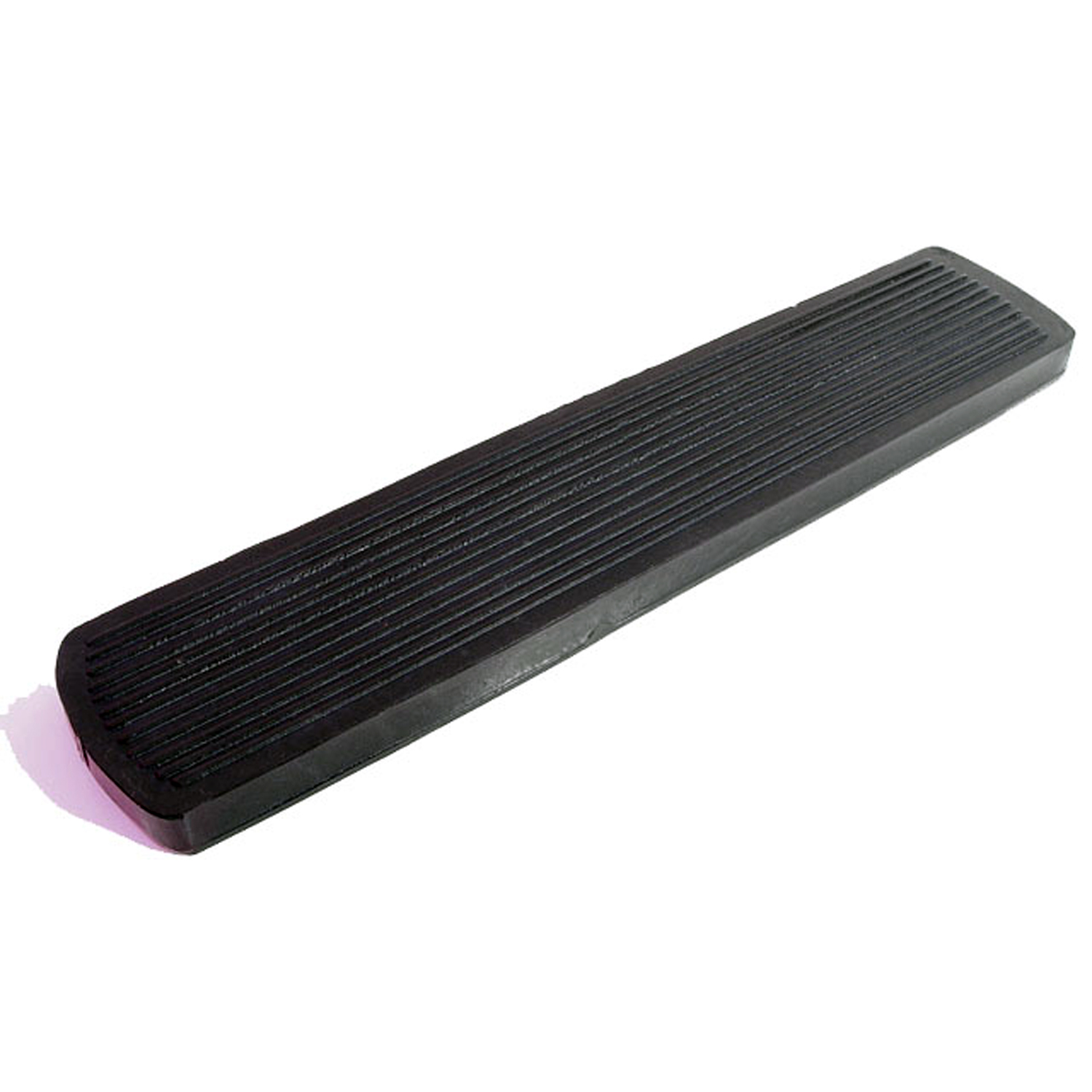 1951 Packard 250 Accelerator Pedal Pad. 1-7/8" X 9-3/8", Each-AP 16Accelerator Pedal Pad. 1-7/8" X 9-3/8", Each
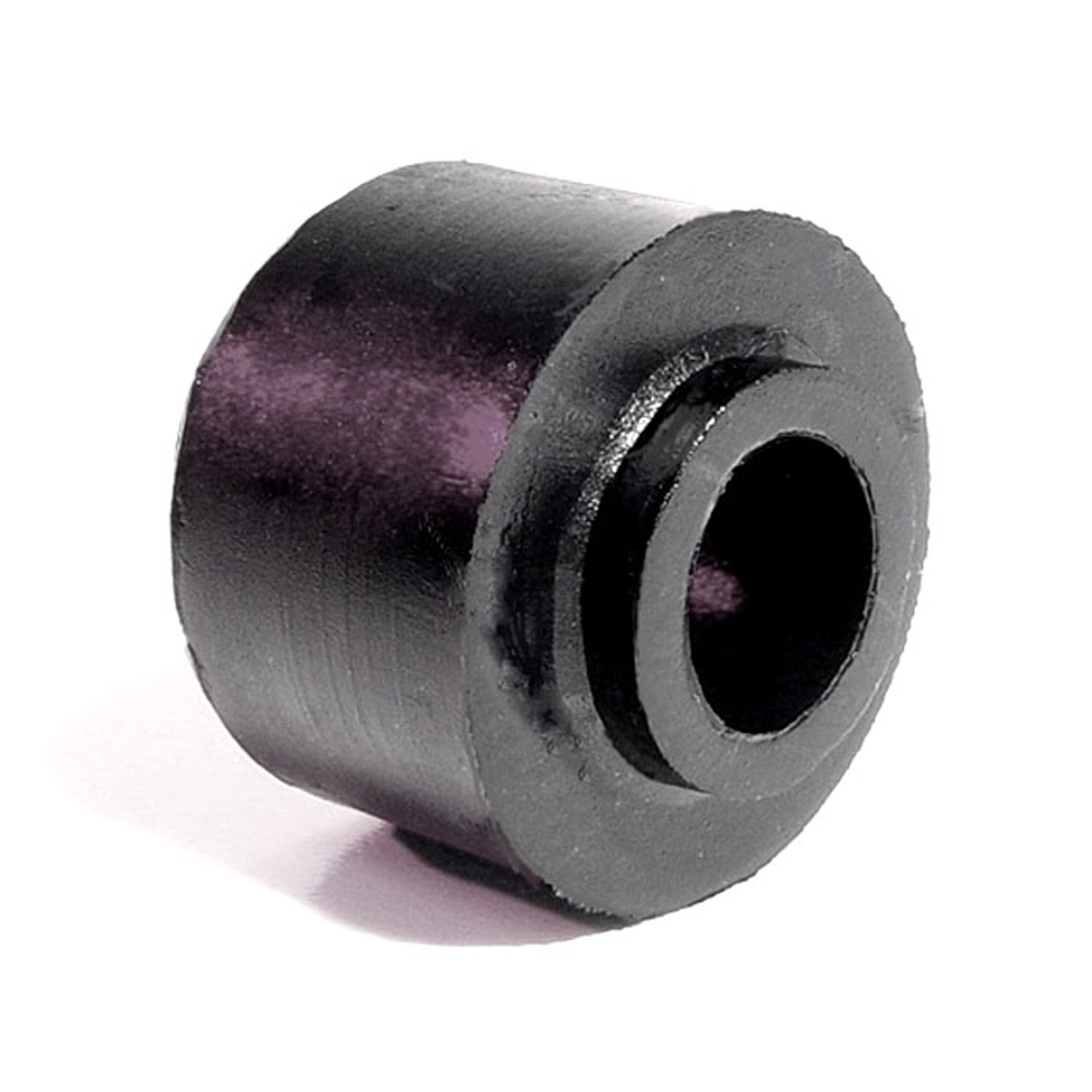 1951 Packard 250 Shock Absorber Grommet. 1" bottom O.D., 3/4" high-BN 1Shock Absorber Grommet. 1" bottom O.D., 3/4" high., with 7/16" I.D. Each
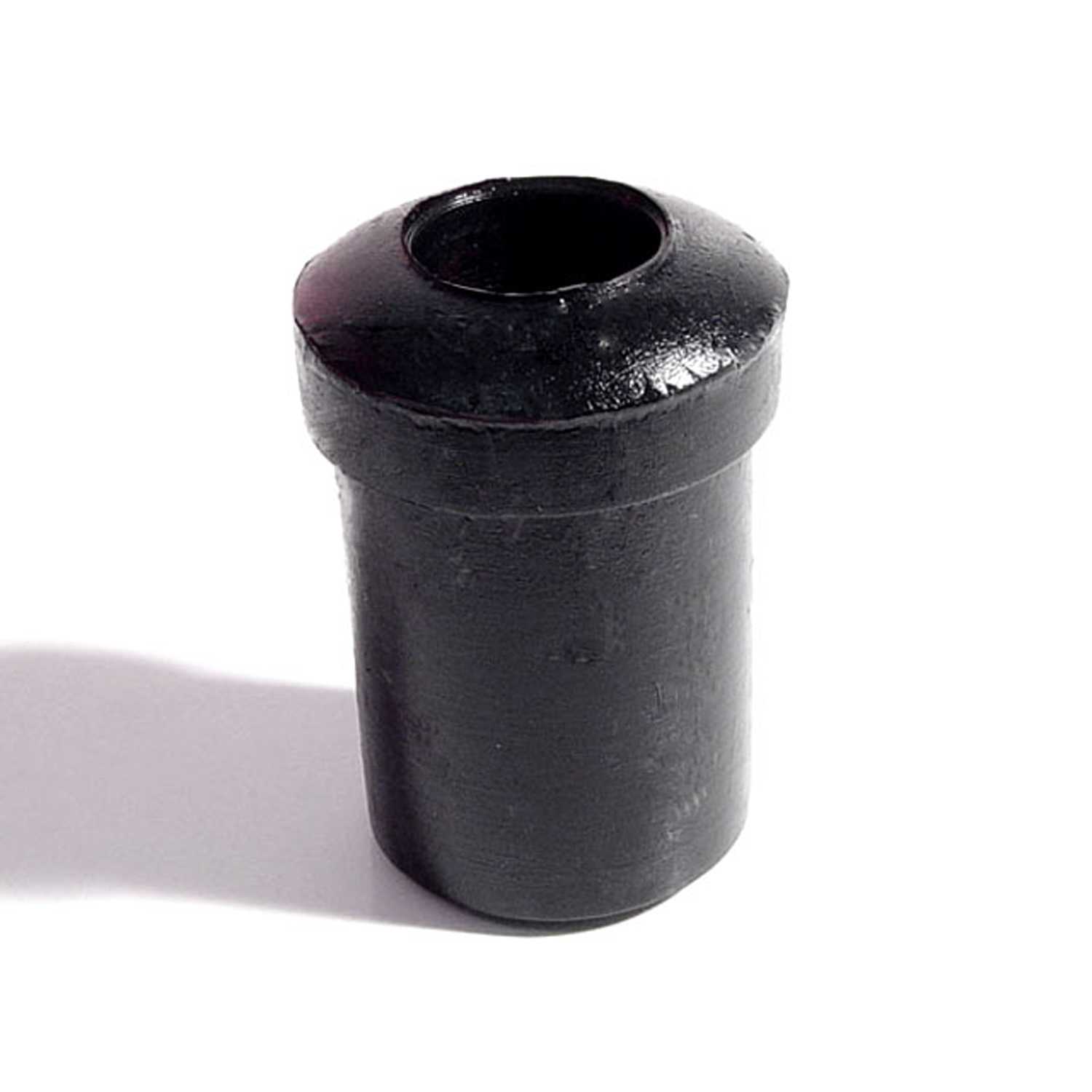 1951 Packard 250 Spring and Shackle Bushing. 1" bottom O.D-BN 20Spring and Shackle Bushing. 1" bottom O.D. X 1-5/8" high, with 9/16" I.D. Each
 1951 Packard 250 Cowl and Hood Seal. 43-5/8" long. Each-CS 1Cowl and Hood Seal. 43-5/8" long. Each
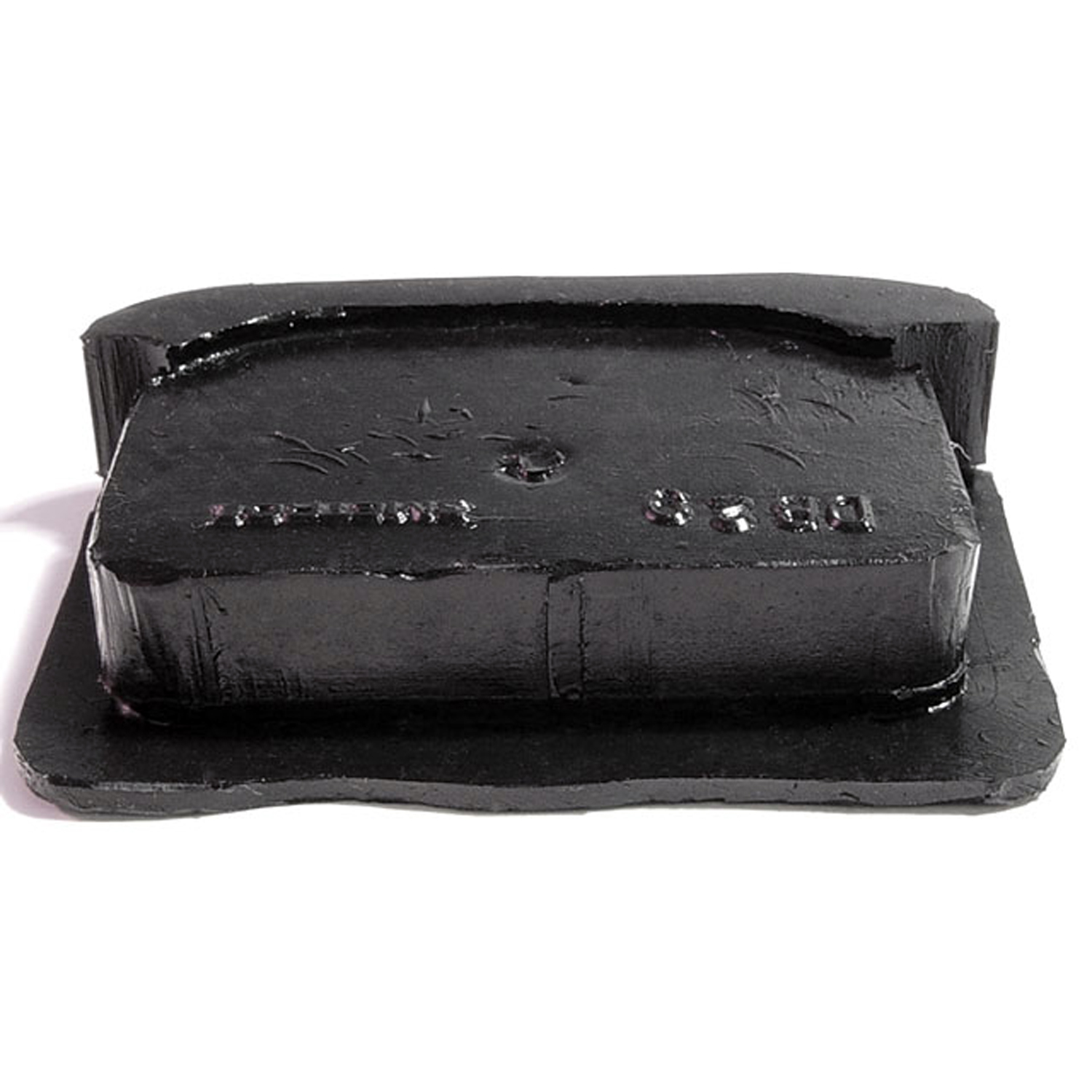 1951 Packard 250 Door Bumper. 1-3/8" high X 2" wide X 1/2" thick. Each-DB 29Door Bumper. 1-3/8" high X 2" wide X 1/2" thick. Each
 1951 Packard 250 Gas Filler Grommet. 2-1/2" I.D., 4-1/8" O.D. Each-GF 12Gas Filler Grommet. 2-1/2" I.D., 4-1/8" O.D. Each
 1951 Packard 250 Hood Corners. 1-3/4" to 2" corner radius-HC 14Hood Corners. 1-3/4" to 2" corner radius. Pad is 3-3/8" long. Pair
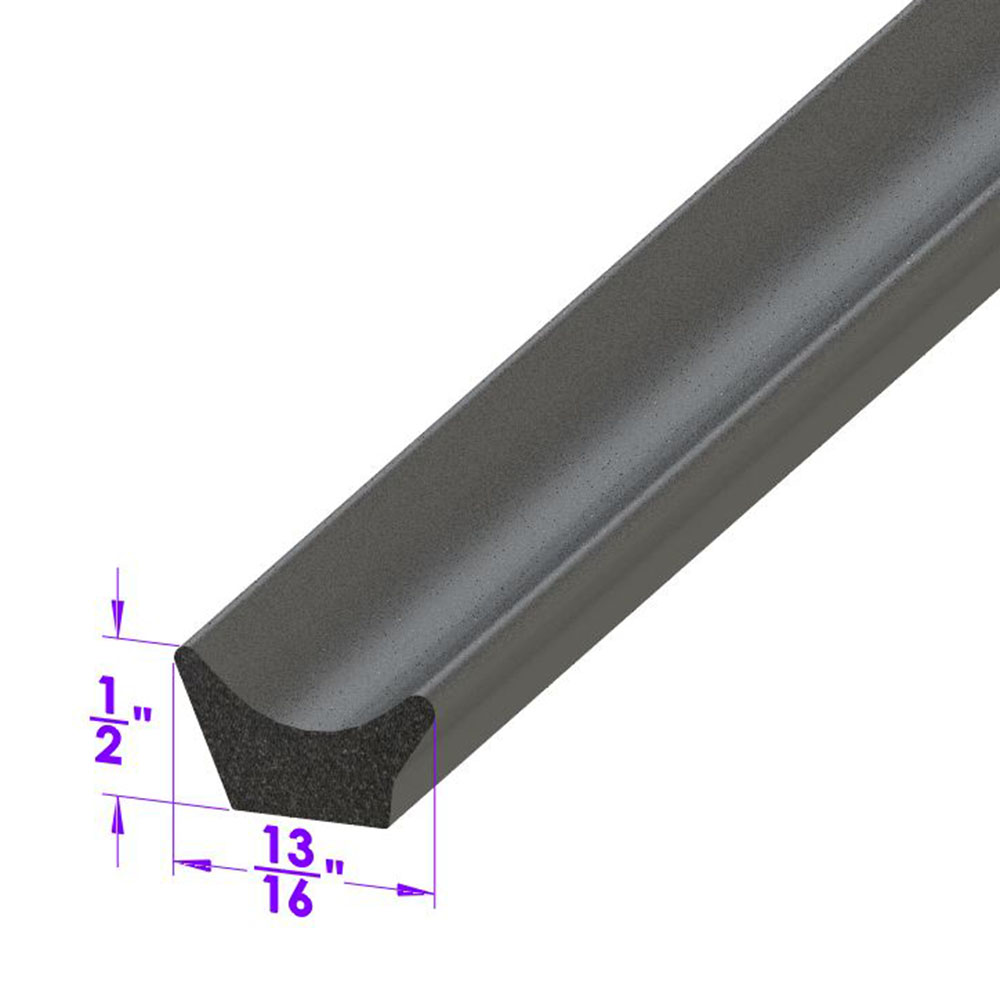 1951 Packard 250 Door side seal. Same as LP 40, but for a lighter seal-LP 40-ADoor side seal. Same as LP 40, but for a lighter seal. Fits many domestic passenger cars and trucks. Universal seal for street rods and customs. Used in Cobra kit cars as door weatherstrip. Per foot.
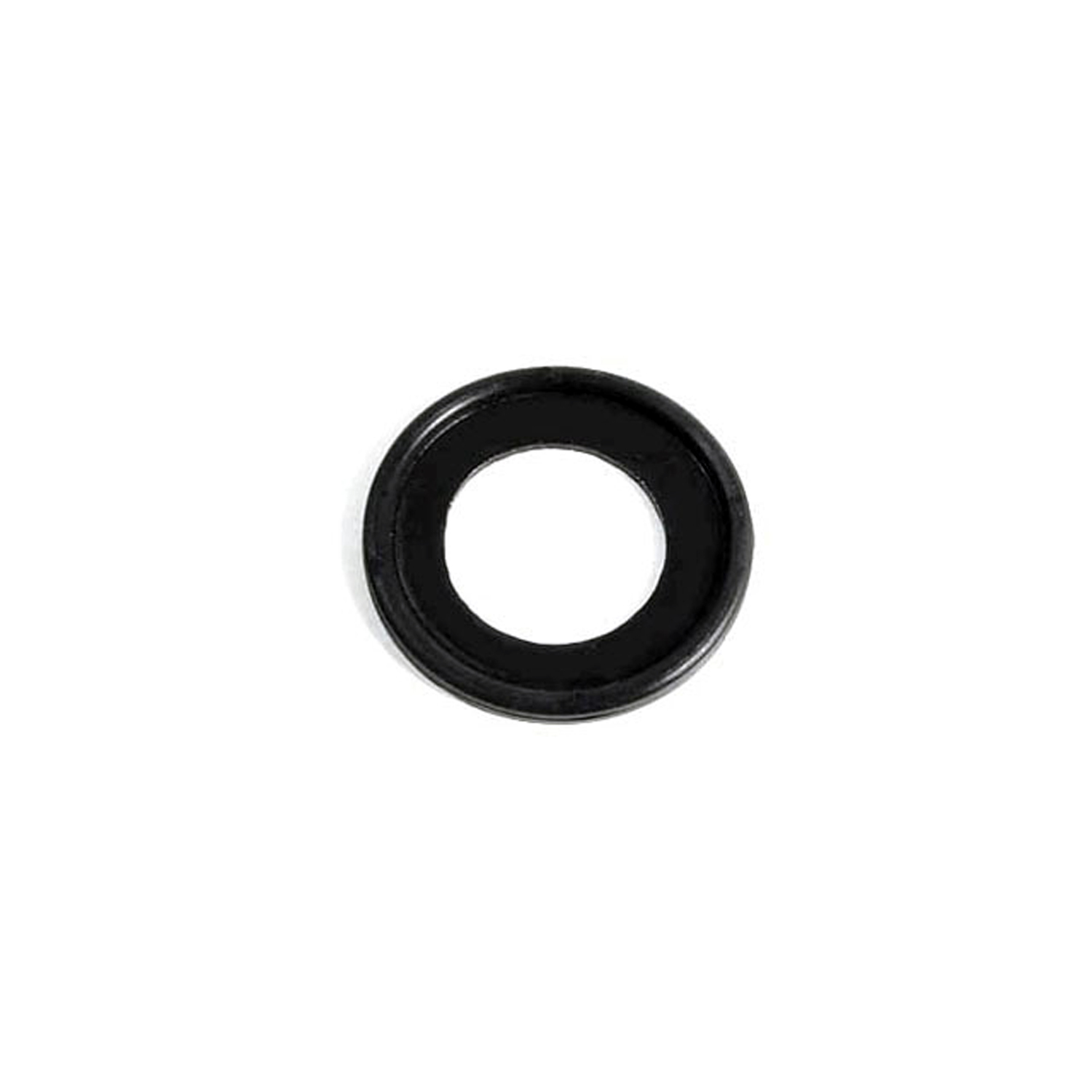 1951 Packard 250 Antenna Pad. 1-7/8" O.D. Each-MP 854-AAntenna Pad. 1-7/8" O.D. Each
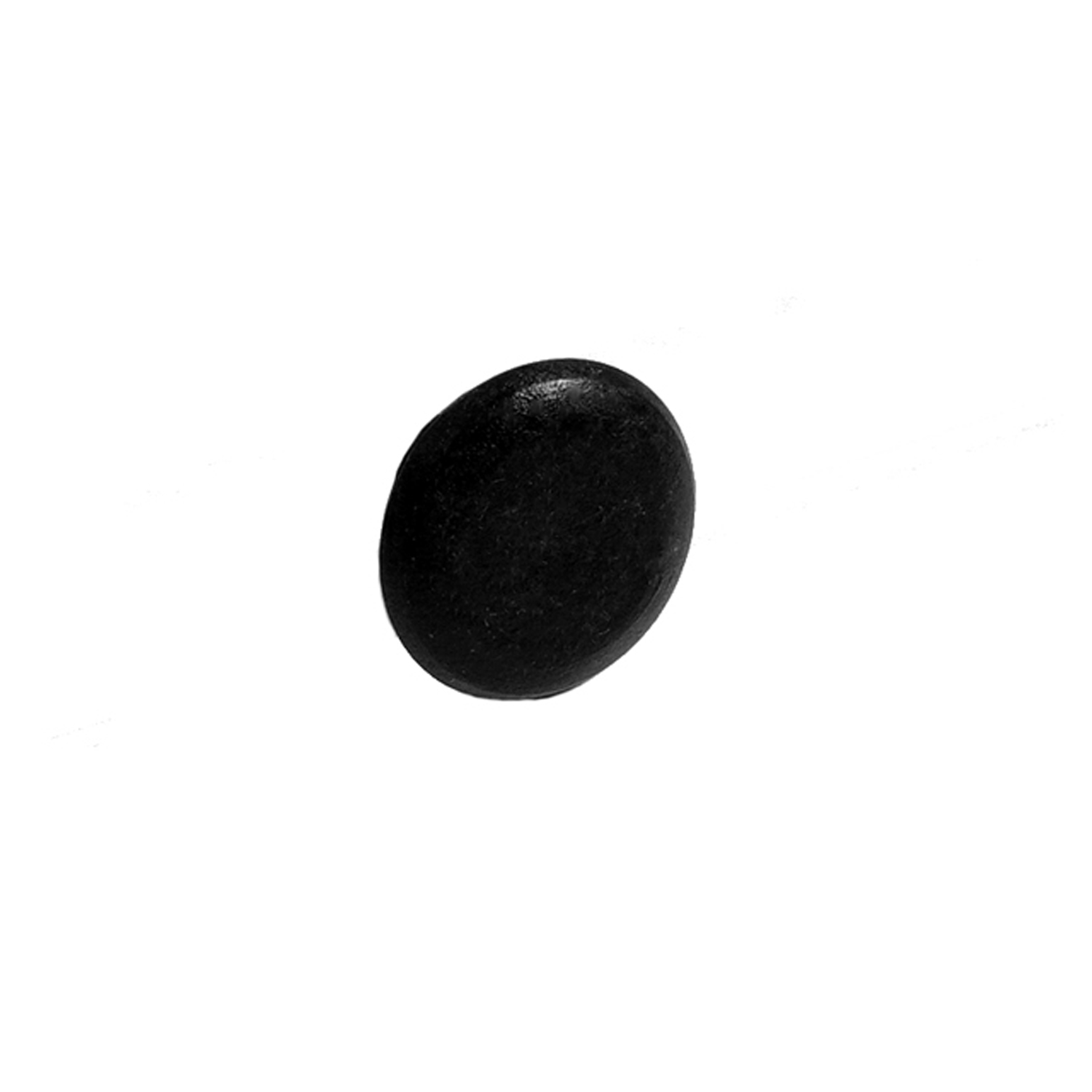 1951 Packard 250 Trunk Bumper. 3/4" O.D., 5/8" I.D. Each-SB 74Trunk Bumper. 3/4" O.D., 5/8" I.D. Each
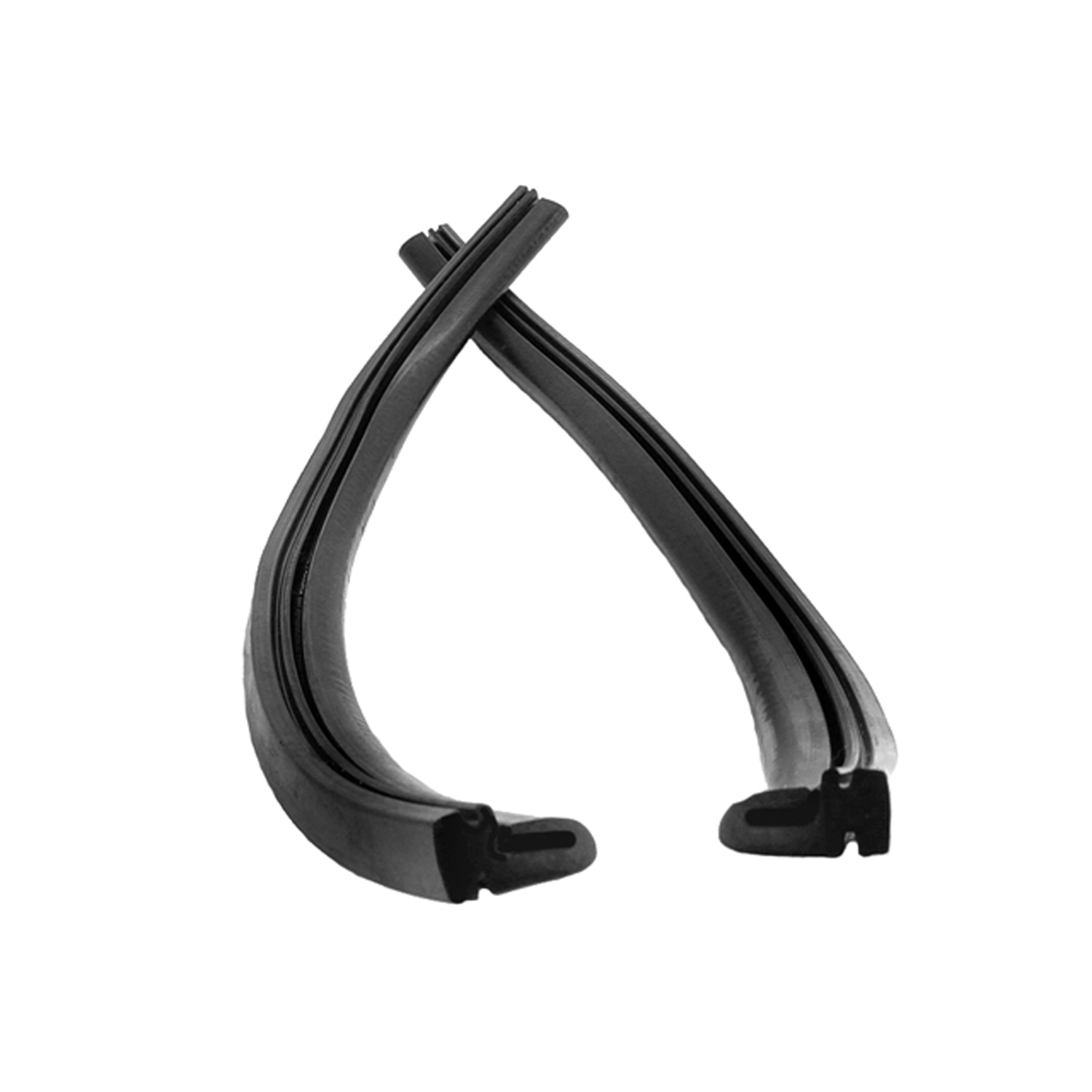 1951 Packard 250 Rear Roll-up Window Seals, for Hardtops and Convertibles-VS 7Rear Roll-up Window Seals, for Hardtops and Convertibles. For leading edge of rear quarter windows. Two pieces, 17-3/4" long. Pair
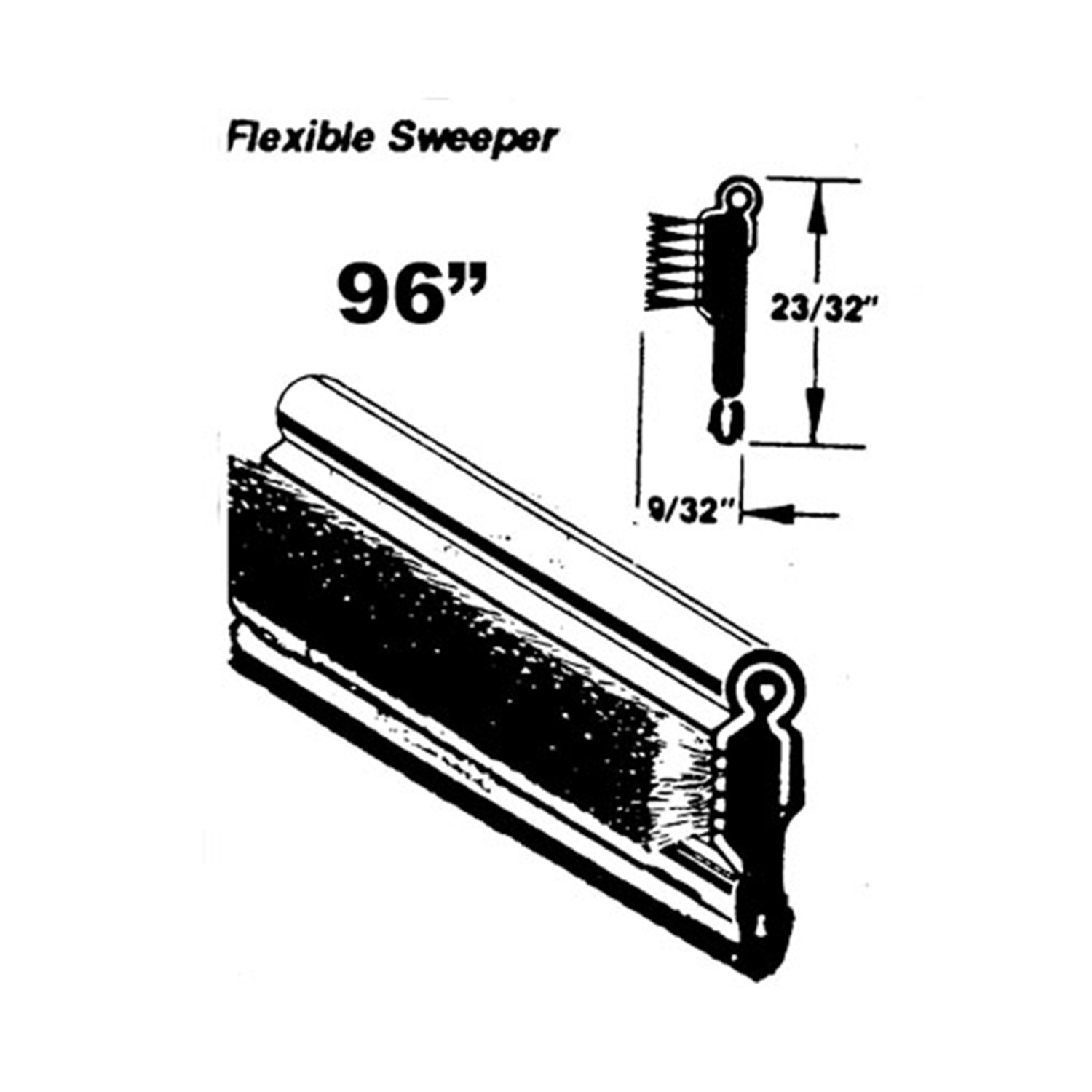 1951 Packard 250 Flexible window sweeper. Made with stainless steel bead-WC 4-96Flexible window sweeper. Made with stainless steel bead. 96 in. long. Each. NOTE: $20 special shipping charge applies for domestic orders. Call or email for overseas shipping costs. Part can be sectioned in two or three equal lengths to reduce overseas shipping costs.
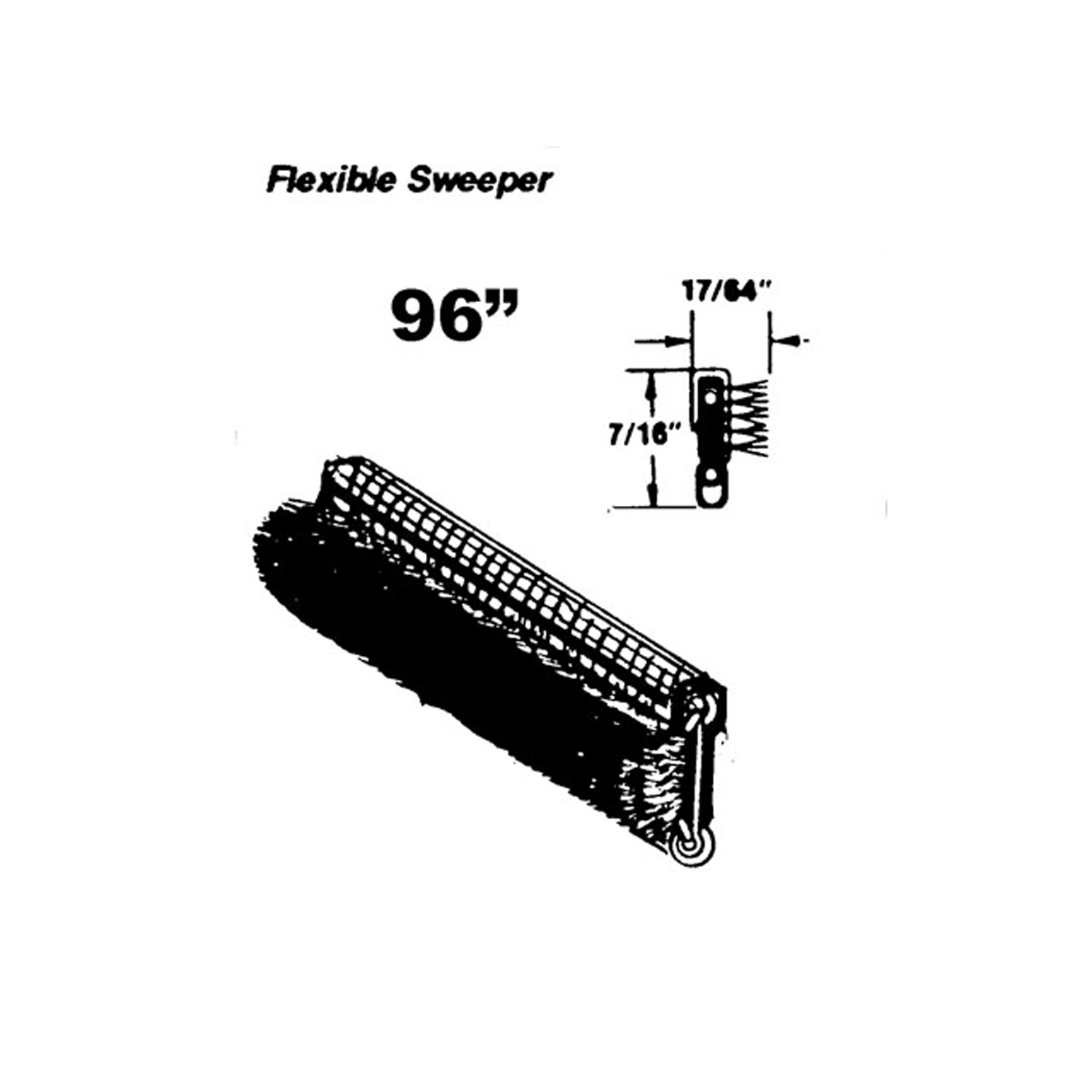 1951 Packard 250 Flexible window sweeper-WC 5-96Flexible window sweeper. Made with black electro-plated steel. 96 in. long. Each. NOTE: $20 special shipping charge applies for domestic orders. Call or email for overseas shipping costs. Part can be sectioned in two or three equal lengths to reduce overseas shipping costs.
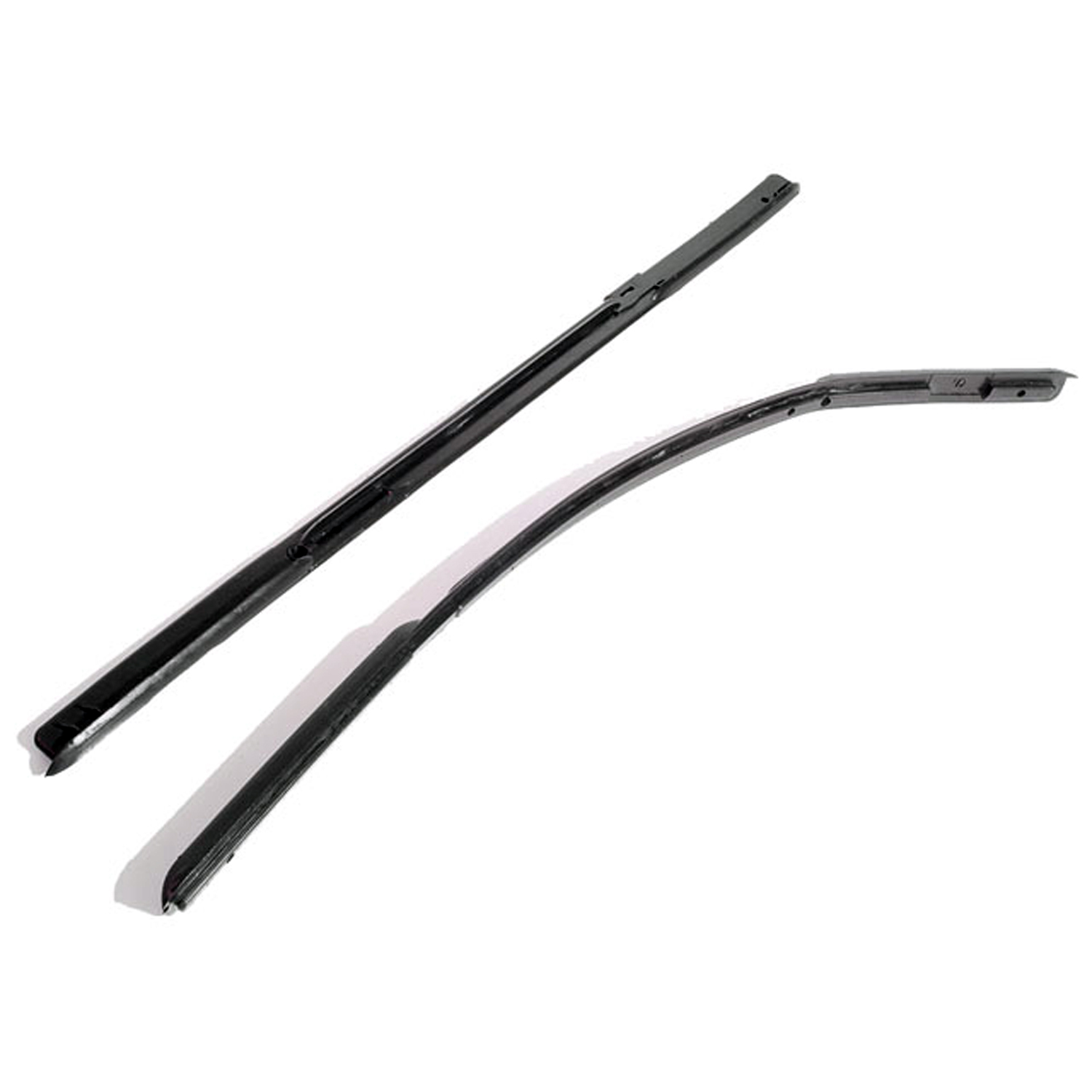 1951 Packard 250 Vent Window Seal. Pair-WR 2300Vent Window Seal. Pair
Why Choose Metro?
For over 100 years, Metro Moulded Parts has been the pinnacle of quality in classic car restoration parts. Our commitment to precision and authenticity in every component ensures a perfect fit and an OEM-level appearance.
- Expert Craftsmanship & Quality: Each part is a testament to our dedication to reliability and perfection, crafted from original designs and thoroughly tested.
- Advanced Technology: We use cutting-edge techniques to create flawless, long-lasting parts that surpass others in performance.
- SuperSoft Sponge – The Ultimate Door Seal: Not only are our door seals 30% softer than competitors', but they're also guaranteed to never leak. They effectively reduce wind and road noise, enhancing your classic car's comfort and driving experience.
- Proudly American: Our parts are a product of American craftsmanship, made in the USA with a spirit of excellence and heritage.
- Unrivaled Warranty: We back our products with a 30-year industry-leading warranty, a testament to our confidence in their quality.
Join us in preserving the legacy of classic cars with parts that are crafted for perfection, not just made.