
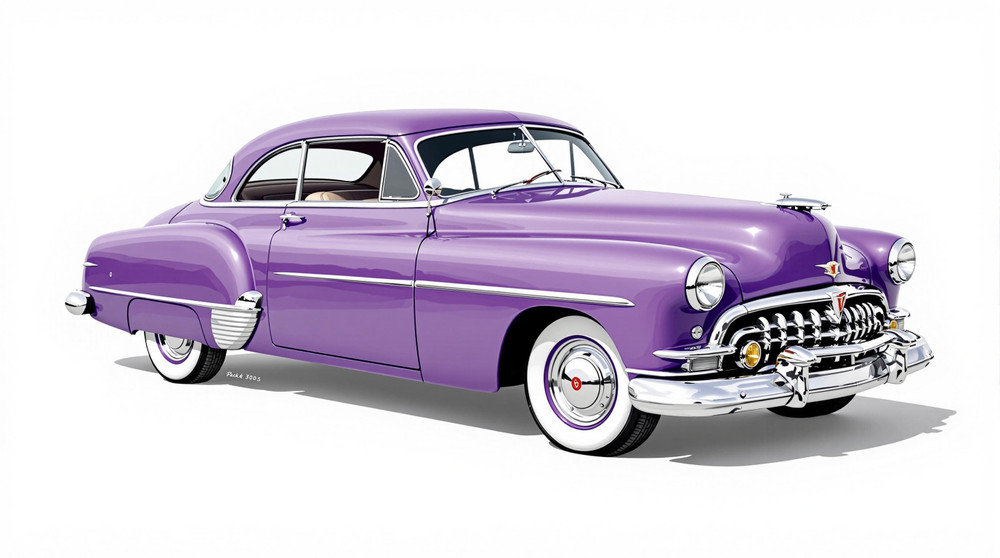
Image of 1951 Packard 300, Note: These illustrations use artistic license and may differ from actual historical models.
Performance Metrics
Fundamental Metrics
Emotional Appeal
MMP Rating
| Engine Specifications | |
|---|---|
| Engine: | Straight 8 |
| Displacement: | 327 cu in (5.4 L) |
| Horsepower: | Estimated 150 hp |
| Torque: | 270 lb-ft |
| Compression Ratio: | Estimated 7.0:1 |
| Ignition System: | Battery Ignition |
| Cooling System: | Liquid Cooled |
| Performance Specifications | |
| 0-60 Time: | Estimated 15 seconds |
| 1/4 Mile Time: | Not available |
| Top Speed: | 100 mph |
| Transmission and Drive | |
| Drive Type: | Rear Wheel Drive |
| Transmission Type: | 3-speed manual |
| Fuel and Efficiency | |
| Fuel System Type: | Carburetor |
| MPG: | Estimated 15 mpg |
| Dimensions and Brakes | |
| Brakes: | Drum Brakes |
| Wheelbase: | 122 inches |
| Weight: | Estimated 3,700 lbs |
Note: Specifications for classic cars are given to the best of our ability, considering the limited and variant data available.
1951 Packard 300: A Classic American Luxury Sedan
The 1951 Packard 300 brought big-car comfort and Packard engineering into a freshly redesigned package, with the poised presence of a luxury car and a price below the marque’s flagship Patrician. Built by the Packard Motor Car Company in Detroit, it belonged to a new generation of postwar Packards shaped by designer John Reinhart. Its signature mechanical feature was the optional Ultramatic, Packard’s own automatic transmission, which could couple smooth torque-converter operation with a direct-drive cruising mode.
The 300 arrived at a pivotal moment. Packard was still an independent automaker with a loyal following, but Detroit’s larger manufacturers were investing heavily in new designs and engines. The 1951 models represented a substantial styling reset for Packard, and the 300 became an important choice for buyers who wanted an upscale American sedan without stepping up to the most expensive model in the range.
Packard’s 1951 Design Refresh
The 1951 Packard looked cleaner and more modern than the rounded postwar cars it replaced. Its long hood flowed into a broad, upright grille, while the front fenders blended into the body instead of appearing as separate, bulbous forms. The grille’s horizontal bars, bright bumper trim, and carefully placed chrome gave the car a formal face without making it look overly ornate. From the side, a long beltline and restrained trim emphasized the 300’s length and low, steady stance.
Inside, the sedan offered the quiet, substantial atmosphere expected of a Packard. Broadcloth upholstery, carefully finished door panels, a wide bench seat, and a well-laid-out instrument panel made the cabin comfortable for long trips. Materials and details could vary with equipment and upholstery choices, and surviving cars may have been re-trimmed over the decades. Original examples are valued for their period-correct fabrics, trim, and dashboard finishes.
Packard offered the 300 in a selection of solid and two-tone paint combinations, with colors ranging from conservative dark shades to lighter cream, gray, and green tones. Black and deep maroon are especially familiar on surviving cars, though availability depended on the factory’s color offerings and individual orders. For a restoration, a factory color chart tied to the car’s build information is the best way to confirm its original finish.
The 300’s defining body style was the four-door Touring Sedan. It shared its 127-inch wheelbase with the more expensive Patrician, but had its own trim and equipment level. Buyers looking for a two-door hardtop or convertible had to look elsewhere in the Packard lineup, particularly to the 250 series. That makes the 300 a distinctly traditional choice: a roomy, formal sedan built for four-door practicality.
Engineering and Historical Significance
Packard’s reputation rested on more than chrome and upholstery. The 300 used a 327-cubic-inch L-head straight-eight engine, rated at about 150 horsepower. Its long, smooth-running layout was a hallmark of Packard engineering. A three-speed manual gearbox was standard, while the optional Ultramatic gave buyers a modern automatic alternative.
Ultramatic was a notable achievement for an independent manufacturer. It used a torque converter for smooth starts and included a direct-drive clutch that could engage at cruising speed, reducing converter slip. It was more complex than a simple two-speed transmission, and proper adjustment and maintenance matter, but it offered Packard owners a distinctive mix of smoothness and highway efficiency for its time.
The 300 was not a radical technical departure from every rival, nor did it introduce a single innovation that reshaped the entire industry. Its significance lies in how it brought Packard’s established engineering and luxury-car character into a more contemporary 1951 design. It also sits near the end of the marque’s independent era. Packard continued to build cars after 1951, but growing competition, high development costs, and changing customer expectations would make the following years increasingly difficult.
327 Straight-Eight Performance
With roughly 150 horsepower moving a substantial sedan, the 300 was built for relaxed progress rather than quick launches. Period road-test results and modern estimates vary with transmission, vehicle condition, tire choice, and test method, but a sound example is generally capable of reaching 60 mph in about 15 to 17 seconds. Top speed is commonly estimated at roughly 90 to 100 mph. Those figures are best understood as ballpark performance, not promises for every surviving car.
On the road, the straight-eight is known for a smooth, measured delivery. It produces a subdued mechanical hum rather than the sharper exhaust note of a modern V8. The car’s weight and soft suspension give it a comfortable ride over broken pavement, while its long wheelbase helps it feel settled on the highway. On a tight, winding road, the 300 feels like a large sedan: it rewards steady inputs and anticipation rather than fast cornering.
Steering and braking are entirely of their period, so a driver should leave generous following distance and avoid expecting modern precision. The cabin feels spacious, the bench seat encourages an upright touring posture, and the broad hood makes the car’s size clear from behind the wheel. In good condition, the 300 is most enjoyable at a calm cruising pace, where the engine’s smoothness and suspension comfort come into their own.
Living With a 1951 Packard 300
Today, the 300 is most often used for weekend touring, club events, and car shows. Some owners keep them as occasional drivers, but regular use calls for careful upkeep and a willingness to work with an older car’s needs. A well-sorted example can be dependable for local trips and planned journeys, though age-related concerns such as worn wiring, cooling-system problems, tired suspension components, and brake wear deserve attention.
The straight-eight is mechanically understandable to a knowledgeable vintage-car mechanic, and many routine service tasks are straightforward. The Ultramatic requires more specialized familiarity than a conventional manual gearbox, so buyers should check its operation and service history rather than assume it is healthy. Parts support is available through Packard specialists and owner clubs, but some trim, body, and transmission components can take time to find. As with most classic cars, condition and previous repairs matter more than a seller’s claim that it “just needs a little work.”
Packard 300 Facts and Common Criticisms
The 300 carried forward Packard’s famous slogan, “Ask the Man Who Owns One,” a phrase that emphasized owner satisfaction and the marque’s reputation. Another point of interest is the Ultramatic: it was not merely an off-the-shelf transmission from a larger competitor, but a Packard-developed system with its own driving character and maintenance requirements.
The 1951 Packard 300 was not a record-setting race car, and no widely recognized production speed or endurance record defines the model. Its historical appeal is instead tied to Packard’s engineering identity, its fresh postwar styling, and its place in the company’s final decade as an independent automaker. It is also sometimes criticized for retaining a flathead straight-eight while several rivals were moving toward modern overhead-valve V8 engines. That choice reflects Packard’s established engineering approach, but it could make the car seem less cutting-edge to buyers focused on horsepower and new technology.
1951 Packard 300 Values and Rarity
Packard production summaries commonly put 1951 Model 300 output at about 15,300 cars, predominantly the four-door Touring Sedan. That makes the 300 uncommon compared with mass-market cars of the era, but not exceptionally rare among collectible Packards. Survivors vary widely in condition, and the number of cars on the market at any one time is limited.
As a broad U.S. market estimate for 2026, a project car might sell for roughly $5,000 to $15,000, while a presentable driver could fall around $15,000 to $35,000. Well-restored examples may bring approximately $35,000 to $60,000, with exceptional, highly original, or concours-quality cars potentially reaching $65,000 to $90,000 or more. These are general ranges, not appraisals: originality, restoration quality, mechanical condition, documentation, and location can shift a sale substantially.
Values have generally been selective rather than explosive. Strong, correctly restored cars remain attractive to Packard enthusiasts, while average examples can be harder to sell at ambitious prices. In inflation-adjusted terms, many cars in this category have not climbed as dramatically as the most sought-after muscle cars or prewar classics. Buyers should focus on condition and history, and sellers should price according to comparable cars rather than restoration costs alone.
Why the 1951 Packard 300 Still Matters
The 1951 Packard 300 combines a distinctive postwar design, a smooth 327 straight-eight, a comfortable four-door body, and the engineering personality of Packard’s Ultramatic transmission. It was not the company’s top-of-the-line model, but it delivered much of Packard’s formal luxury and long-distance comfort in a more attainable package. For today’s enthusiast, it is a rewarding reminder of a time when a full-size American sedan could feel carefully engineered as well as impressively appointed. The 300’s quiet strength is its lasting appeal: it was built to make the miles feel easy.
1951 Packard 300 Catalog of Parts
 1951 Packard 300 Accessory Floor Mat - 12"X17"-AC 32Accessory Floor Mat - made of high quality black rubber with molded original emblem. Also designed to be sewn into new carpets. 12"X17", Each
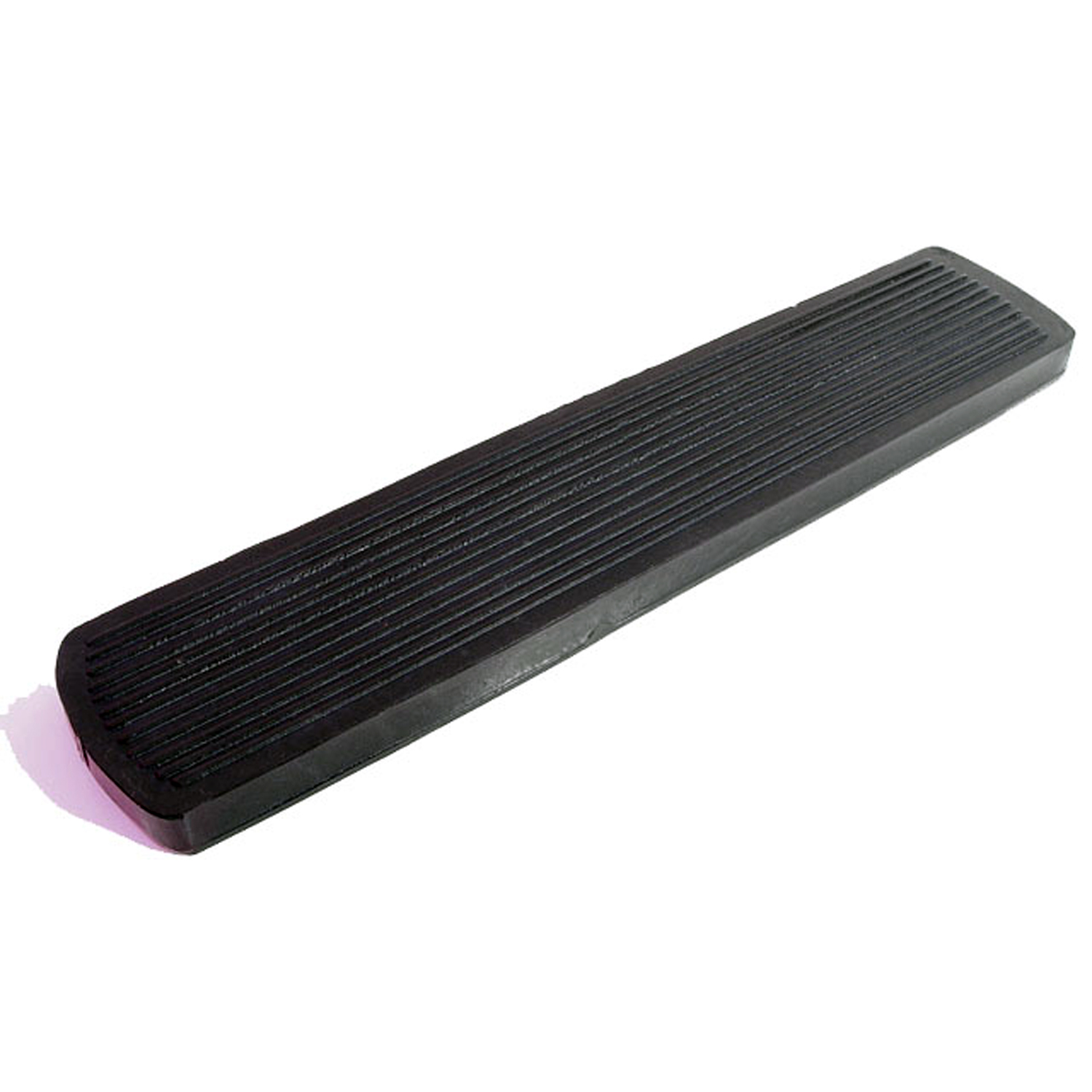 1951 Packard 300 Accelerator Pedal Pad. 1-7/8" X 9-3/8", Each-AP 16Accelerator Pedal Pad. 1-7/8" X 9-3/8", Each
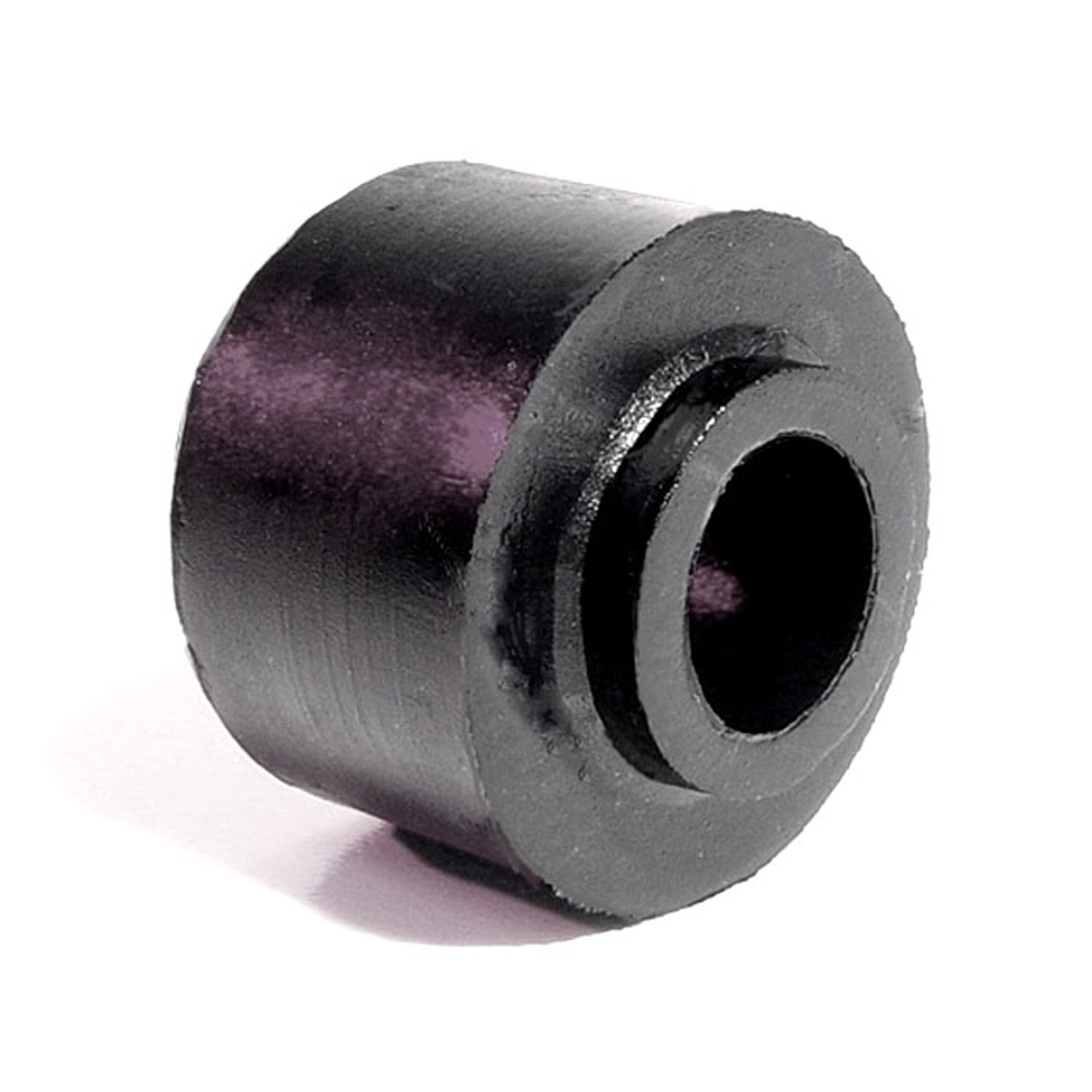 1951 Packard 300 Shock Absorber Grommet. 1" bottom O.D., 3/4" high-BN 1Shock Absorber Grommet. 1" bottom O.D., 3/4" high., with 7/16" I.D. Each
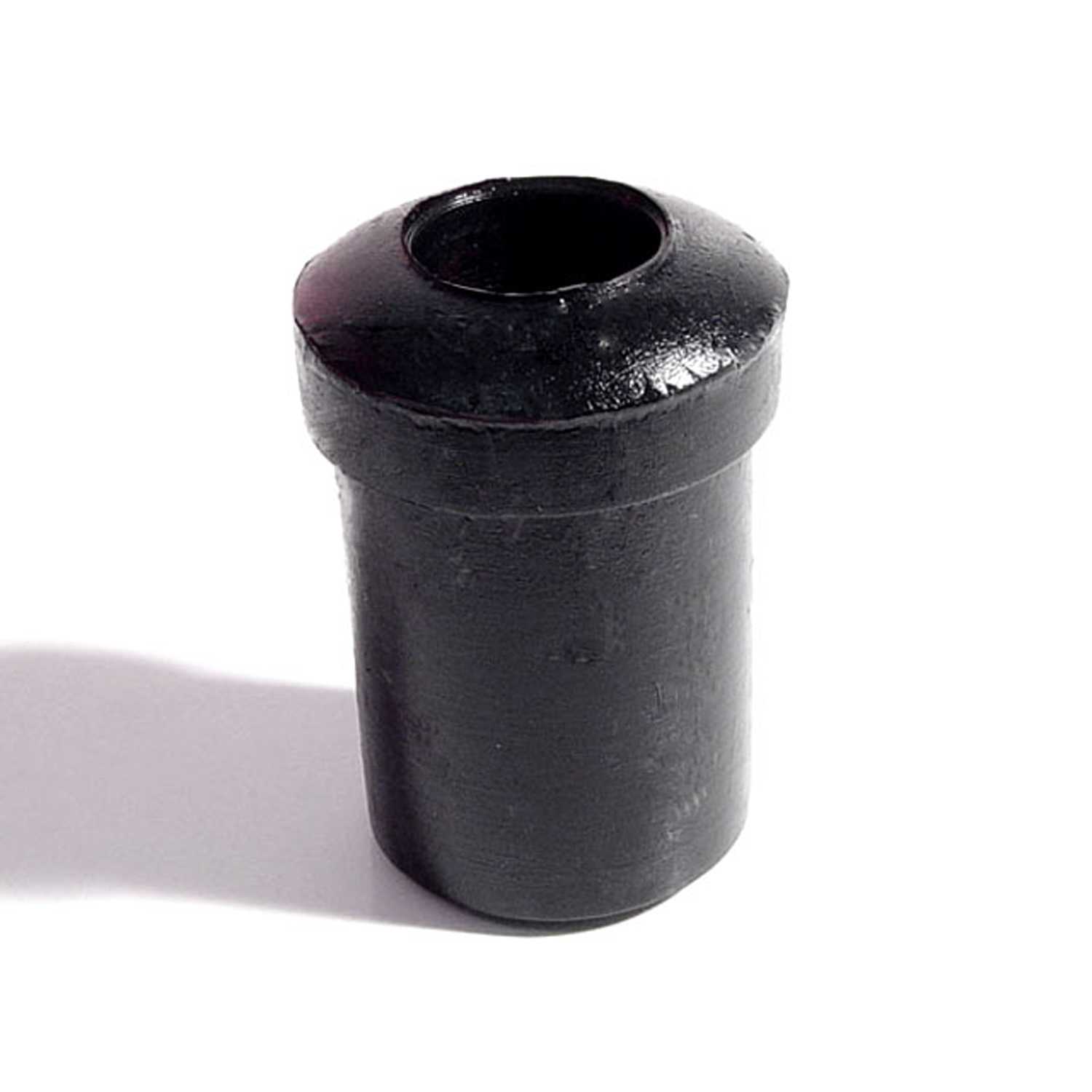 1951 Packard 300 Spring and Shackle Bushing. 1" bottom O.D-BN 20Spring and Shackle Bushing. 1" bottom O.D. X 1-5/8" high, with 9/16" I.D. Each
 1951 Packard 300 Cowl and Hood Seal. 43-5/8" long. Each-CS 1Cowl and Hood Seal. 43-5/8" long. Each
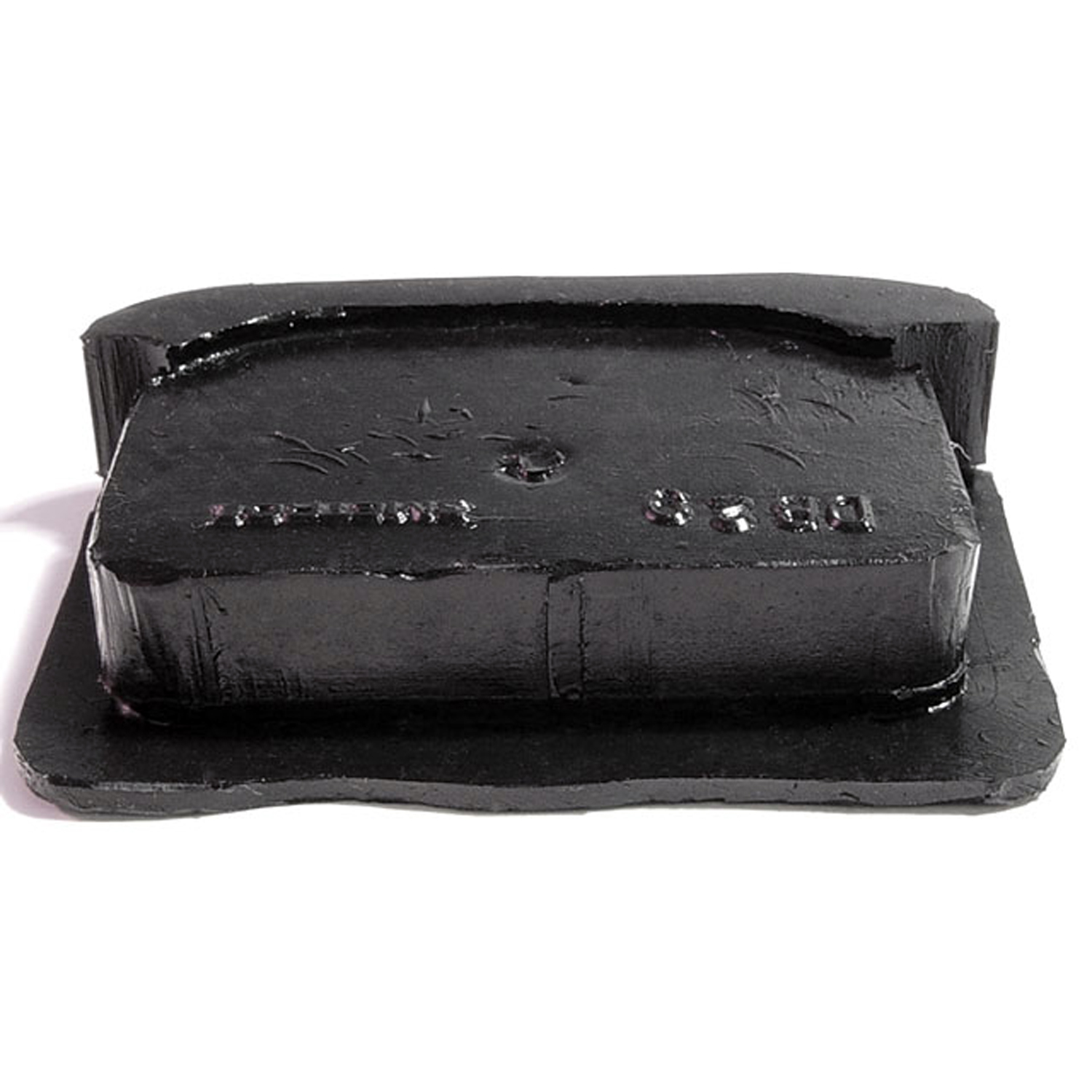 1951 Packard 300 Door Bumper. 1-3/8" high X 2" wide X 1/2" thick. Each-DB 29Door Bumper. 1-3/8" high X 2" wide X 1/2" thick. Each
 1951 Packard 300 Gas Filler Grommet. 2-1/2" I.D., 4-1/8" O.D. Each-GF 12Gas Filler Grommet. 2-1/2" I.D., 4-1/8" O.D. Each
 1951 Packard 300 Hood Corners. 1-3/4" to 2" corner radius-HC 14Hood Corners. 1-3/4" to 2" corner radius. Pad is 3-3/8" long. Pair
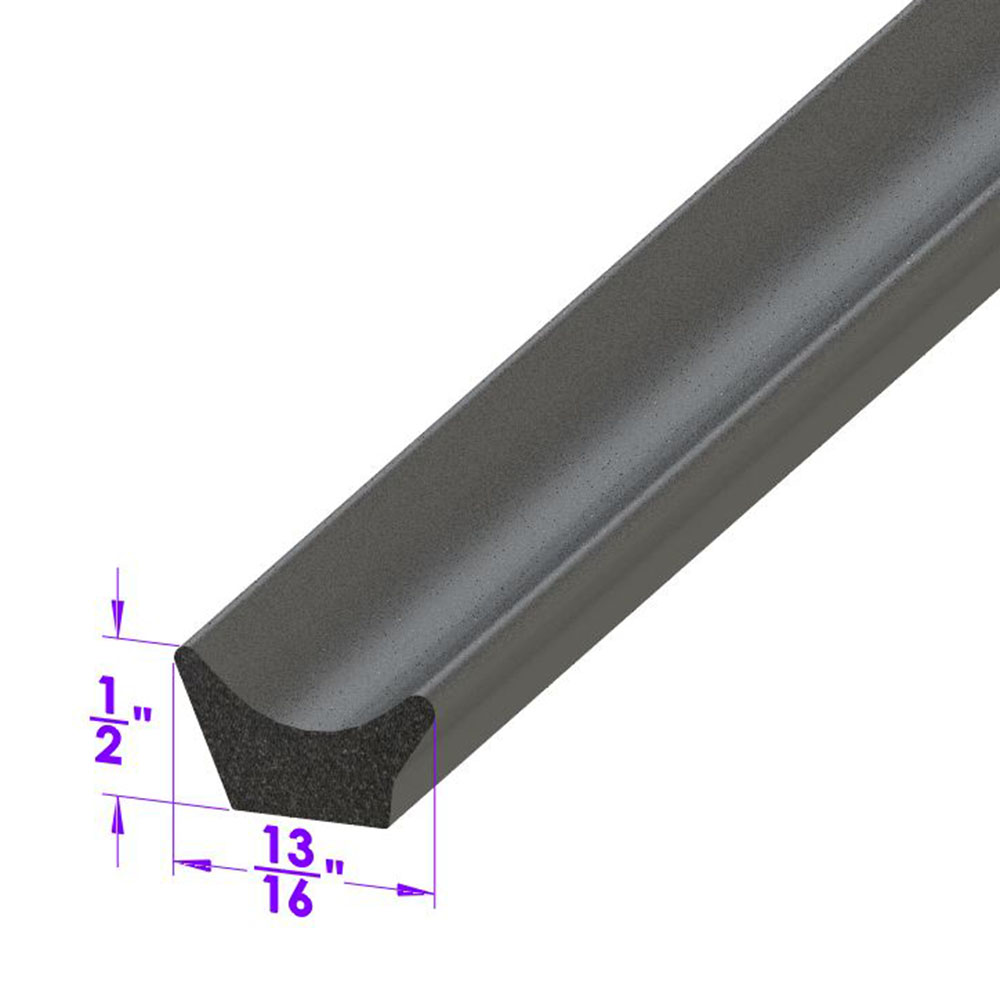 1951 Packard 300 Door side seal. Same as LP 40, but for a lighter seal-LP 40-ADoor side seal. Same as LP 40, but for a lighter seal. Fits many domestic passenger cars and trucks. Universal seal for street rods and customs. Used in Cobra kit cars as door weatherstrip. Per foot.
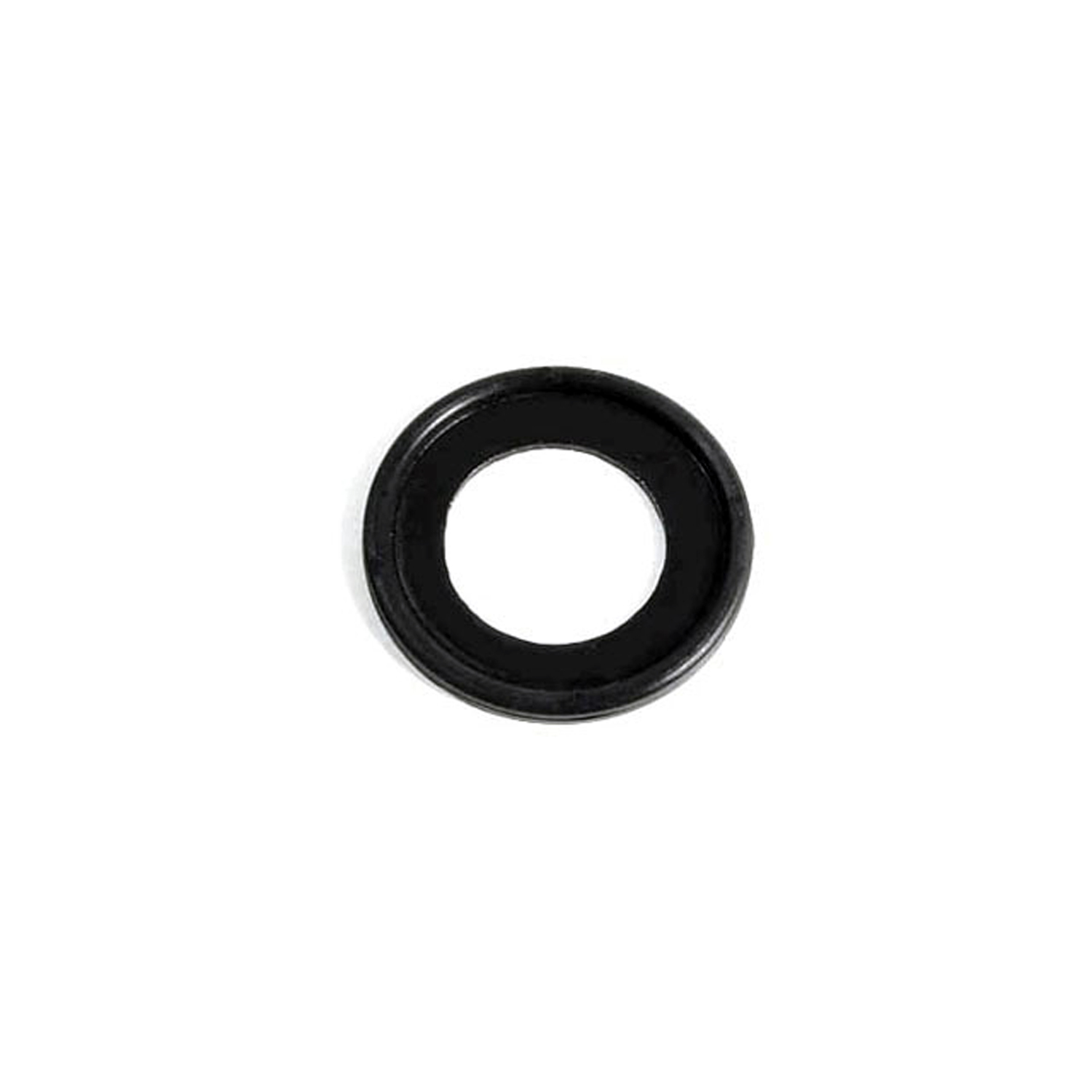 1951 Packard 300 Antenna Pad. 1-7/8" O.D. Each-MP 854-AAntenna Pad. 1-7/8" O.D. Each
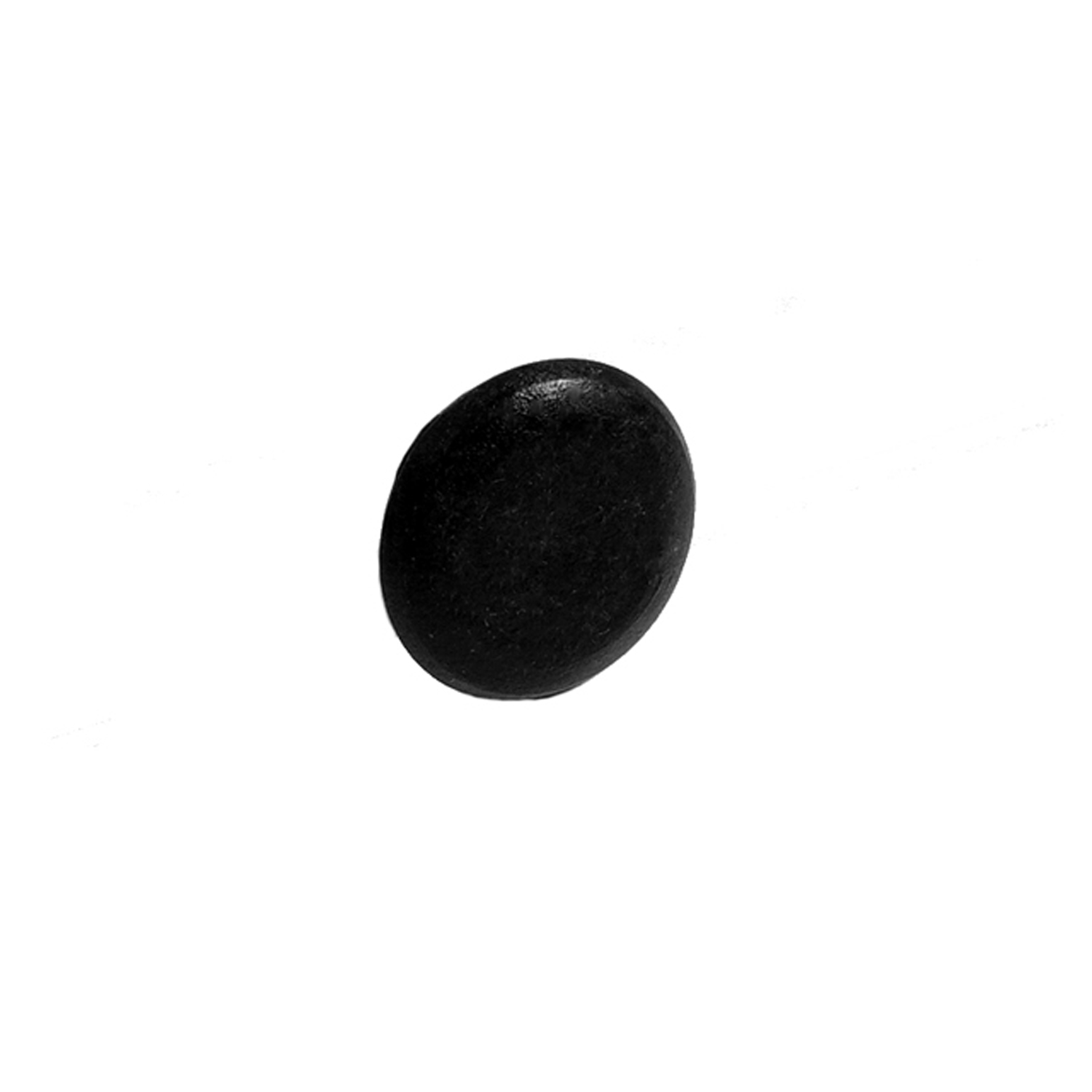 1951 Packard 300 Trunk Bumper. 3/4" O.D., 5/8" I.D. Each-SB 74Trunk Bumper. 3/4" O.D., 5/8" I.D. Each
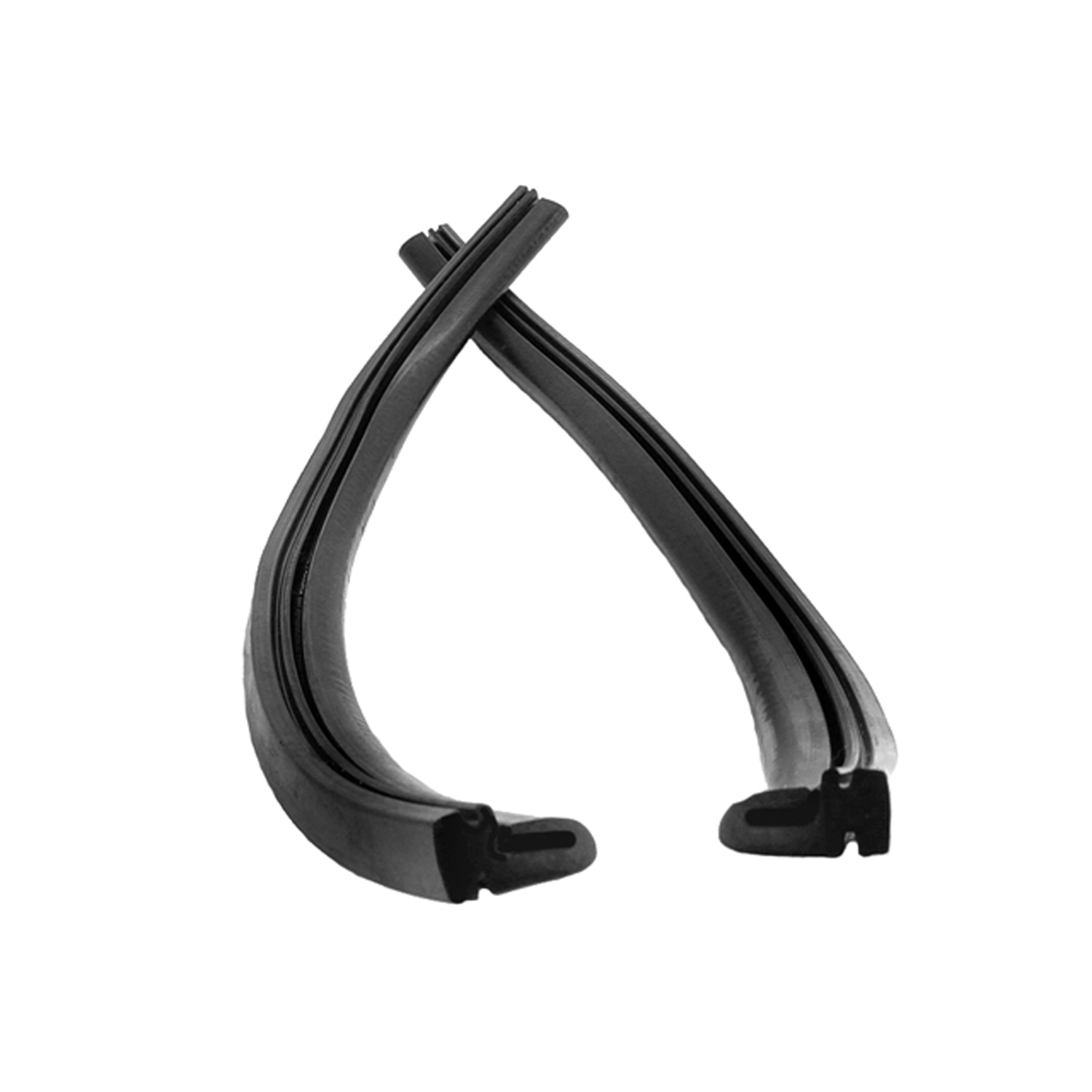 1951 Packard 300 Rear Roll-up Window Seals, for Hardtops and Convertibles-VS 7Rear Roll-up Window Seals, for Hardtops and Convertibles. For leading edge of rear quarter windows. Two pieces, 17-3/4" long. Pair
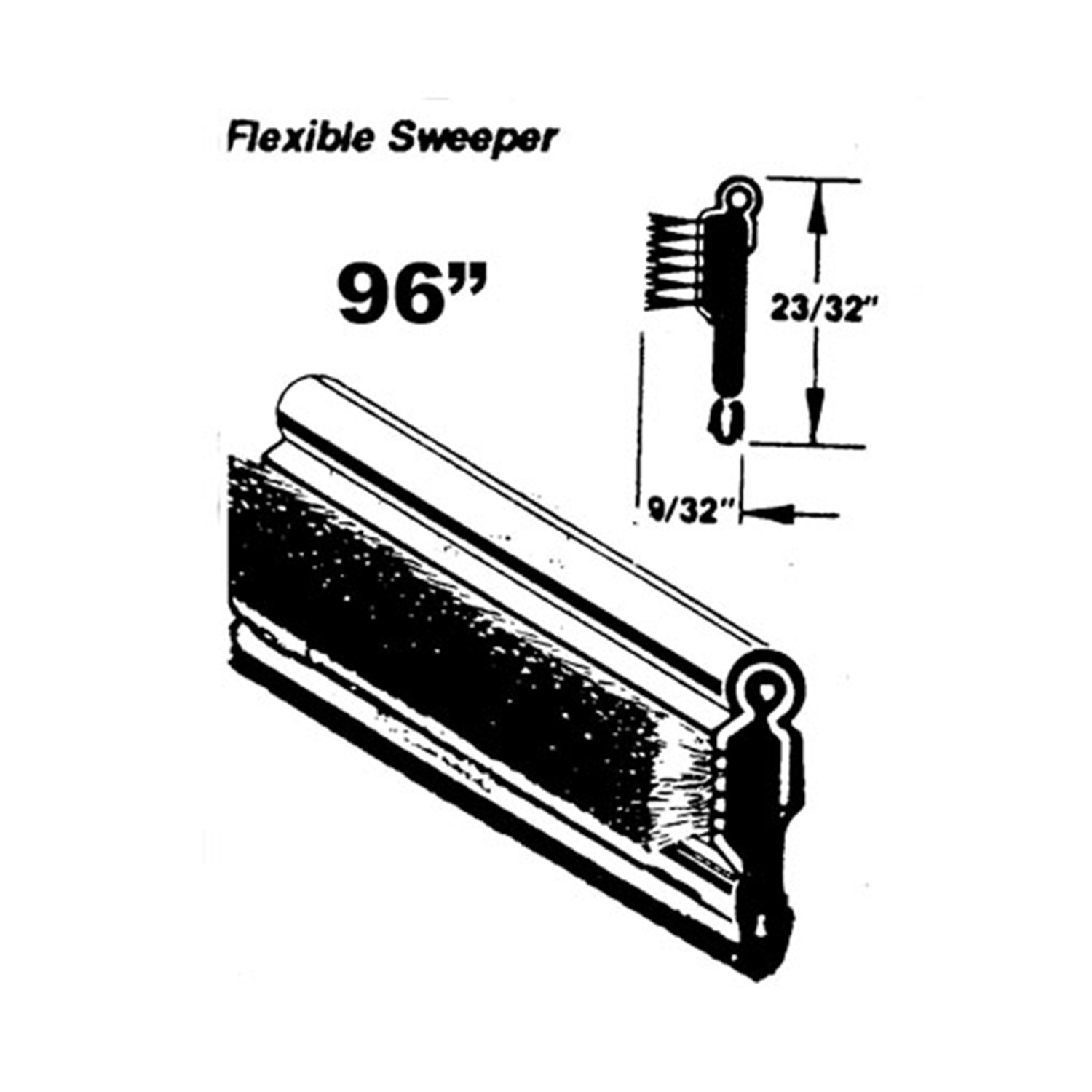 1951 Packard 300 Flexible window sweeper. Made with stainless steel bead-WC 4-96Flexible window sweeper. Made with stainless steel bead. 96 in. long. Each. NOTE: $20 special shipping charge applies for domestic orders. Call or email for overseas shipping costs. Part can be sectioned in two or three equal lengths to reduce overseas shipping costs.
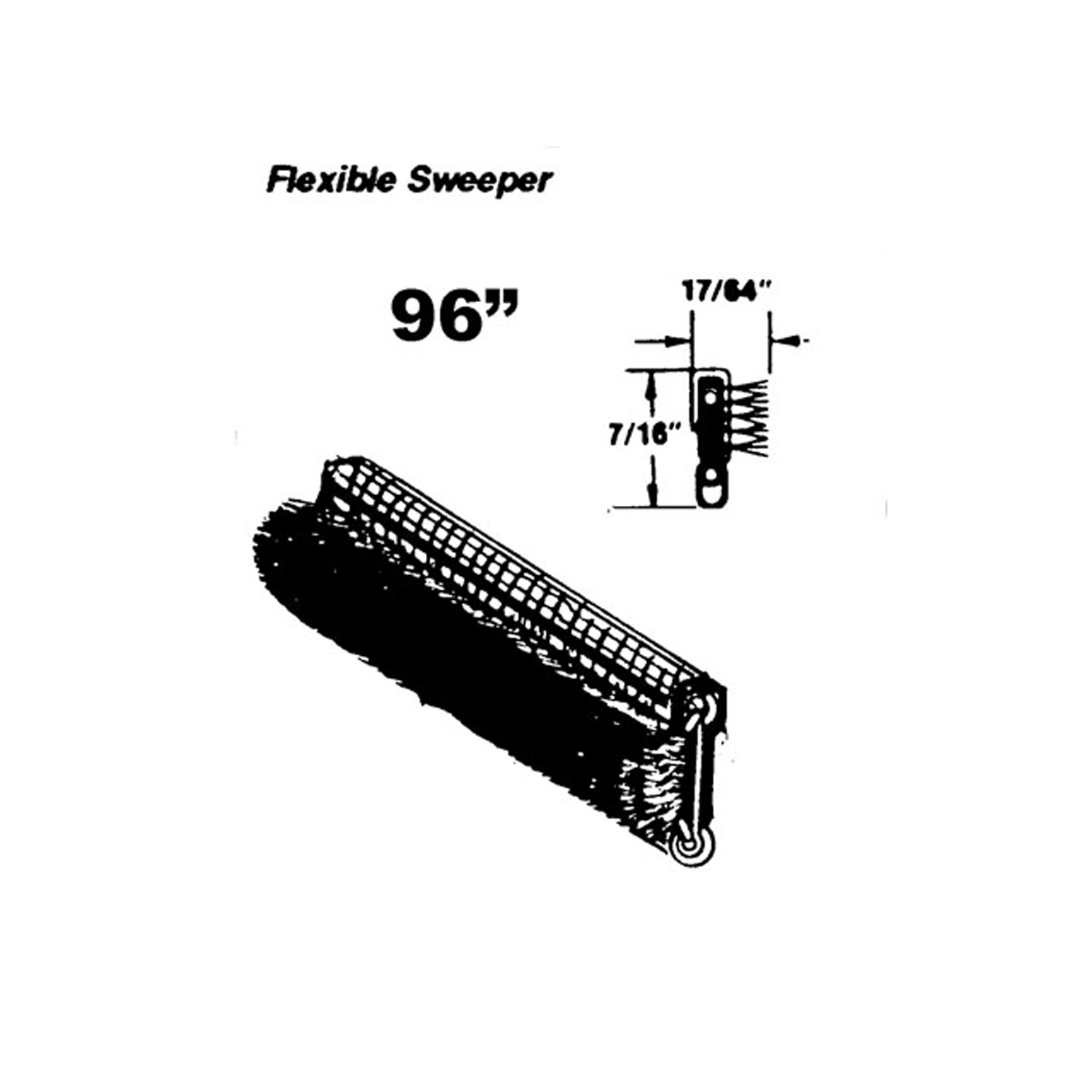 1951 Packard 300 Flexible window sweeper-WC 5-96Flexible window sweeper. Made with black electro-plated steel. 96 in. long. Each. NOTE: $20 special shipping charge applies for domestic orders. Call or email for overseas shipping costs. Part can be sectioned in two or three equal lengths to reduce overseas shipping costs.
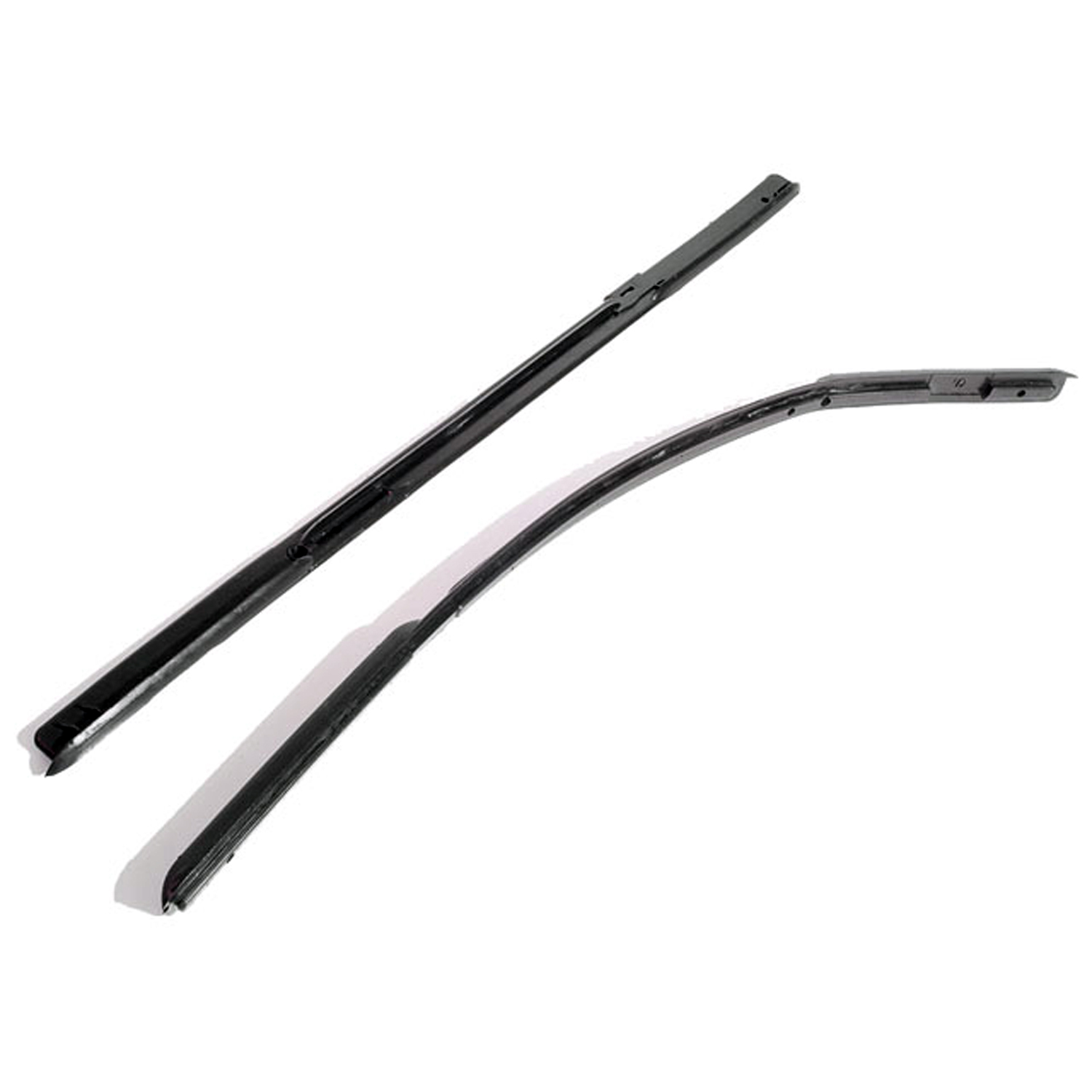 1951 Packard 300 Vent Window Seal. Pair-WR 2300Vent Window Seal. Pair
Why Choose Metro?
For over 100 years, Metro Moulded Parts has been the pinnacle of quality in classic car restoration parts. Our commitment to precision and authenticity in every component ensures a perfect fit and an OEM-level appearance.
- Expert Craftsmanship & Quality: Each part is a testament to our dedication to reliability and perfection, crafted from original designs and thoroughly tested.
- Advanced Technology: We use cutting-edge techniques to create flawless, long-lasting parts that surpass others in performance.
- SuperSoft Sponge – The Ultimate Door Seal: Not only are our door seals 30% softer than competitors', but they're also guaranteed to never leak. They effectively reduce wind and road noise, enhancing your classic car's comfort and driving experience.
- Proudly American: Our parts are a product of American craftsmanship, made in the USA with a spirit of excellence and heritage.
- Unrivaled Warranty: We back our products with a 30-year industry-leading warranty, a testament to our confidence in their quality.
Join us in preserving the legacy of classic cars with parts that are crafted for perfection, not just made.