

Image of 1952 Packard 200, Note: These illustrations use artistic license and may differ from actual historical models.
Performance Metrics
Fundamental Metrics
Emotional Appeal
MMP Rating
| Engine Specifications | |
|---|---|
| Engine: | Straight-6, Straight-8 |
| Displacement: | 288 cu in (4.7 L) for Straight-6, 327 cu in (5.4 L) for Straight-8 |
| Horsepower: | 135 hp for Straight-6, 150 hp for Straight-8 |
| Torque: | Estimated 210 lb-ft for Straight-6, 235 lb-ft for Straight-8 |
| Compression Ratio: | 7.0:1 |
| Ignition System: | Distributor and coil |
| Cooling System: | Liquid-cooled |
| Performance Specifications | |
| 0-60 Time: | Estimated 15 seconds |
| 1/4 Mile Time: | Estimated 20 seconds |
| Top Speed: | 90 mph |
| Transmission and Drive | |
| Drive Type: | Rear-wheel drive |
| Transmission Type: | 3-speed manual, 4-speed automatic |
| Fuel and Efficiency | |
| Fuel System Type: | Carburetor |
| MPG: | Estimated 15-20 mpg |
| Dimensions and Brakes | |
| Brakes: | Drum brakes |
| Wheelbase: | 122 inches |
| Weight: | 3,400 lbs |
Note: Specifications for classic cars are given to the best of our ability, considering the limited and variant data available.
1952 Packard 200: A Classic Packard for More Drivers
The 1952 Packard 200 brought the dignity of a Packard within reach of more American families, wrapping a smooth straight-eight engine and carefully finished cabin in handsome postwar styling. Built by the Packard Motor Car Company of Detroit, Michigan, it sat at the accessible end of Packard’s lineup, below the 300 and top-of-the-line Patrician. Its appeal was not bargain-basement simplicity: the 200 still offered the quiet, substantial feel that buyers expected from the marque.
The 200 name arrived with Packard’s revised model range for 1951, replacing the older 110 and 120 names with a simpler numerical hierarchy. That makes the 1952 car part of a brief but important period when Packard was trying to balance its luxury-car reputation with the need to sell more vehicles. A notable detail is that the 200 could be ordered with Packard’s own Ultramatic automatic transmission, introduced in 1949. It gave buyers a homegrown automatic option at a time when many independent manufacturers were competing to match the convenience of Detroit’s largest automakers.
1952 Packard 200 Styling and Cabin
The 1952 Packard 200 carried forward the broad-shouldered design introduced for 1951. Its long hood, rounded fenders and upright proportions gave it a formal, unmistakably Packard presence. At the front, a tall grille with closely spaced horizontal bars sat beneath a prominent hood ornament. The headlamps were integrated into the front fenders, while bright side trim and generous chrome details added visual polish without making the car look as ornate as a senior-series Packard.
Inside, the emphasis was on space and comfort rather than sports-car flair. The wide bench seats, generous headroom and large windows made the 200 a relaxed family and touring car. Upholstery varied with body style and trim, with cloth and patterned fabrics common in sedans and richer materials available on better-equipped versions. The dashboard was broad and clearly arranged, with a large steering wheel, conventional gauges and durable trim designed for everyday use. Packard’s reputation for thoughtful finish was evident in the cabin’s fit, upholstery and substantial controls.
Buyers could choose from a range of factory paint colors, including restrained dark shades, lighter tones and metallic finishes, with two-tone combinations available on some configurations. Black, maroon, white and blue or green shades suited the car’s formal character particularly well. Exact colors and combinations depended on the body and trim, so surviving paint codes and original sales literature are useful references for restorers.
Body Styles and Equipment
The Packard 200 was principally offered as a four-door sedan and a two-door sedan, often called a club sedan. The four-door was the practical choice for families and formal transport, while the club sedan’s longer-looking two-door profile gave it a slightly sportier air. A Deluxe version added trim and equipment distinctions, depending on configuration.
It is useful to separate the 200 from the closely related Packard 250. The 250 occupied a step above the 200 and included more specialized body styles, notably a convertible and a hardtop coupe. Those cars are sometimes grouped together in casual descriptions because they shared much of the same basic design, but a 250 is not simply a 200 with a different roof. The 200’s most familiar and widely produced form remains the four-door sedan.
Packard 200 Engineering and Historical Importance
The 200 was not designed to introduce a dramatic new technology. Its significance lay in how it carried Packard’s engineering and luxury identity into a more accessible price class. In the early 1950s, Packard faced intense competition from Buick, Oldsmobile and other manufacturers whose larger sales networks and broad model ranges made it difficult for an independent company to compete. The 200 helped Packard reach customers who wanted a prestigious name and a refined driving experience without stepping up to the larger, more expensive senior models.
Under the hood was Packard’s 288-cubic-inch L-head inline-eight, rated at approximately 135 horsepower. The engine’s long, smooth power delivery suited the car’s mission: steady, quiet progress rather than high-revving performance. Buyers could pair it with a three-speed manual transmission, with overdrive available in some configurations, or Packard’s optional Ultramatic automatic. The Ultramatic was notable as a transmission developed by Packard itself. In cruising conditions, its direct-drive feature helped reduce the slipping sensation associated with some early automatics.
The 200 also illustrates a broader turning point for Packard. The company was still capable of building comfortable, well-engineered cars, but the market was moving toward larger production volumes, frequent styling changes and the resources of the major automakers. The 200 helped keep Packard competitive for a time, yet it could not by itself resolve the company’s growing business challenges.
Performance and Road Manners
With roughly 135 horsepower moving a substantial sedan, the Packard 200 was built for unhurried touring rather than quick acceleration. Period performance and modern test figures vary with transmission, body style, mechanical condition and test method, but a 0-to-60-mph time in the neighborhood of 18 to 20 seconds is a reasonable expectation for a typical example. A sound car could reach roughly 85 to 90 mph, although sustained high-speed driving is not where this 1950s sedan feels most at home.
The chassis combines independent front suspension with coil springs and a solid rear axle supported by leaf springs. On ordinary roads, the car’s long wheelbase and soft suspension take the sting out of broken pavement, while the heavy body settles into a comfortable, steady ride. On a winding road, the 200 feels more like a traditional full-size American sedan than a nimble modern car. It responds predictably, but its weight, steering effort and body movement encourage smooth inputs rather than sharp cornering.
From behind the wheel, the straight-eight is the star. It produces a muted, even burble at idle and a subdued mechanical hum as speed builds. The broad bench seat, large steering wheel and relatively upright driving position give the driver a commanding view. With Ultramatic, the car is especially relaxed in traffic; with the manual transmission, the driver has more involvement but must work through the gears of a sizeable sedan. Either way, the experience is about composure and comfort, not speed.
Living With a 1952 Packard 200
Today, most 200s are used as weekend cruisers, touring cars or show vehicles rather than daily transportation. A well-sorted example can handle local drives and club events comfortably, but its age brings practical considerations: drum brakes, six-volt electrical equipment, period tires and limited modern safety features. Owners should leave extra stopping distance and plan routes around the car’s pace and condition.
Mechanical work is generally approachable for an experienced classic-car owner. The straight-eight is a conventional design, and many routine service tasks are straightforward for a shop familiar with vintage American cars. The biggest challenge is often locating the right parts, trim pieces and body-specific components, rather than understanding the basic mechanics. Packard clubs and marque specialists are valuable resources for technical advice, parts sourcing and confirming original specifications.
Reliability depends heavily on maintenance and restoration quality. Cooling-system condition, fuel delivery, ignition parts, brakes and the charging system deserve particular attention before regular driving. Ultramatic transmissions should be inspected by someone familiar with Packard units; improper adjustment or neglected service can turn a desirable feature into an expensive repair. A careful pre-purchase inspection is especially important because attractive paint can hide deferred mechanical work or corrosion.
Packard 200 Trivia and Common Criticisms
The 200 is a useful reminder that the word “junior” in Packard’s model hierarchy referred to price and position, not to an economy-car level of finish. It still offered a straight-eight, substantial construction and a formal cabin. Another interesting distinction is the Ultramatic: Packard did not simply buy an automatic transmission from a supplier and install it. The company developed its own system, making the option part of Packard’s engineering identity.
The 1952 Packard 200 is not known for a major speed record, endurance victory or a single defining celebrity association. Its historical interest is quieter: it represents Packard’s effort to remain a serious luxury-car maker in a market increasingly shaped by high-volume rivals. The model’s most common criticisms are its modest acceleration, heavy feel by modern standards and styling that some observers find less graceful than earlier Packards. Its lower position in the lineup also means it does not always command the same collector attention as a Patrician or a rarer senior-series model.
Production, Rarity and Collector Values
Exact production totals can vary between reference sources and may be reported differently by body style or trim. A reasonable working estimate is that roughly 40,000 to 45,000 Packard 200 and 200 Deluxe cars were built for the 1952 model year combined. That makes the 200 far from a one-off rarity, but surviving cars in original, complete condition are much less common than the production figure suggests. Sedans appear on the market periodically, while especially well-preserved or correctly restored examples take more patience to find.
As a broad U.S. market guide in 2026, a project car may sell for around $5,000 to $12,000, depending on completeness and rust. A usable driver often falls in the $12,000 to $25,000 range, while a very good restored or unusually well-preserved car may bring approximately $25,000 to $45,000. Exceptional examples can exceed that range, but the 200 generally remains less expensive than comparable senior Packards. These are estimates, not appraisals, and condition, originality, body style, location and documentation can shift the price substantially.
Values have tended to be steadier than spectacular. Good cars remain appealing to Packard enthusiasts and buyers seeking a handsome, usable postwar sedan, but the 200’s less-exclusive status limits the premium it can command. In nominal dollars, quality examples may appreciate gradually; after inflation, many have been closer to stable or soft than to a strong investment performer. Buyers usually do best by choosing a solid, well-maintained car rather than expecting a quick financial return.
Why the 1952 Packard 200 Still Matters
The 1952 Packard 200 combines a smooth straight-eight, a comfortable ride and a carefully finished cabin in a package that reflects Packard’s attempt to broaden its audience without abandoning its standards. It was not the fastest Packard or the rarest, but it offered an appealing balance of prestige, practicality and period character.
For today’s enthusiast, the 200 is a welcoming way into the Packard world: substantial enough to feel special, common enough to be enjoyed on the road, and distinctive enough to turn an ordinary drive into a small piece of automotive history.
1952 Packard 200 Catalog of Parts
 1952 Packard 200 Accessory Floor Mat - 12"X17"-AC 32Accessory Floor Mat - made of high quality black rubber with molded original emblem. Also designed to be sewn into new carpets. 12"X17", Each
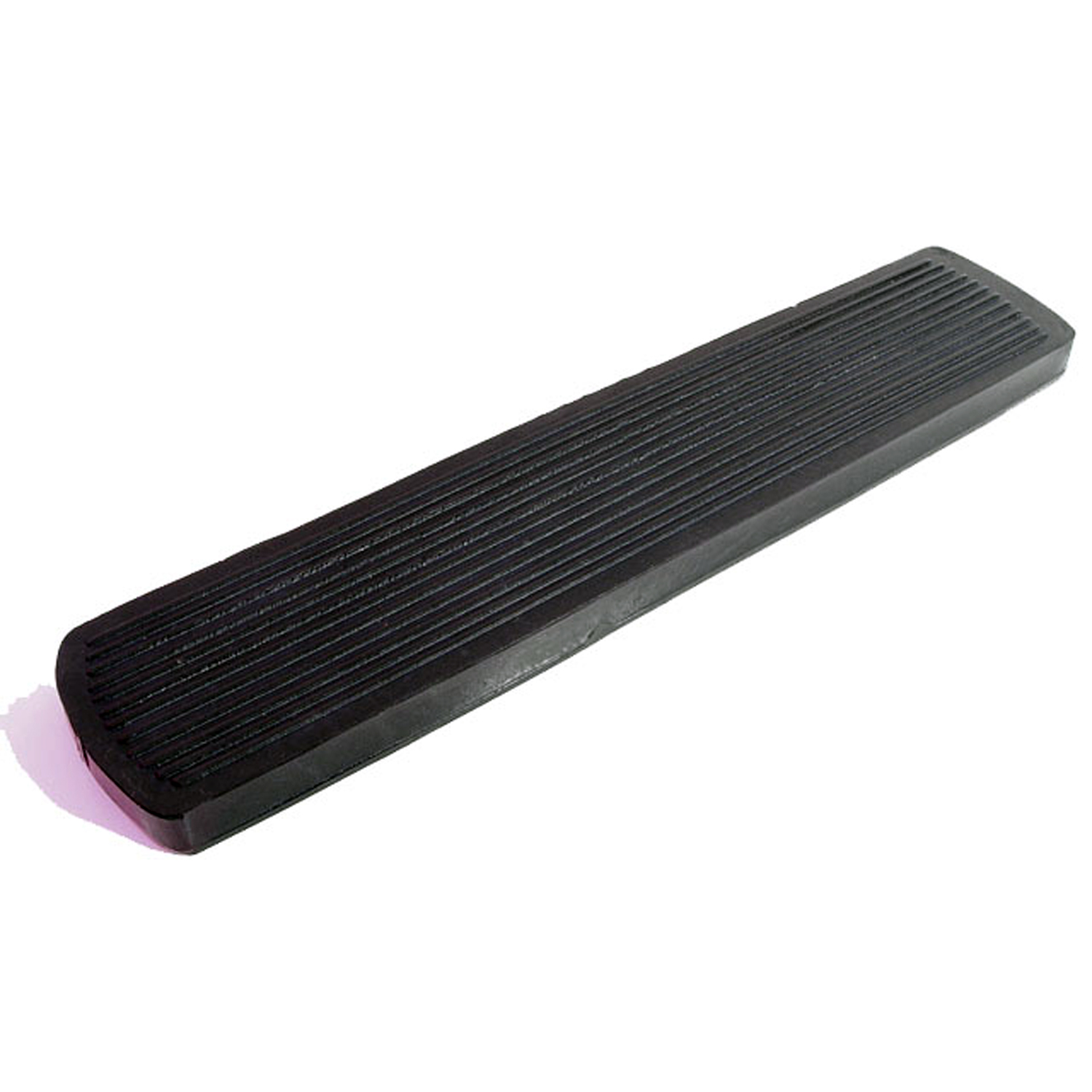 1952 Packard 200 Accelerator Pedal Pad. 1-7/8" X 9-3/8", Each-AP 16Accelerator Pedal Pad. 1-7/8" X 9-3/8", Each
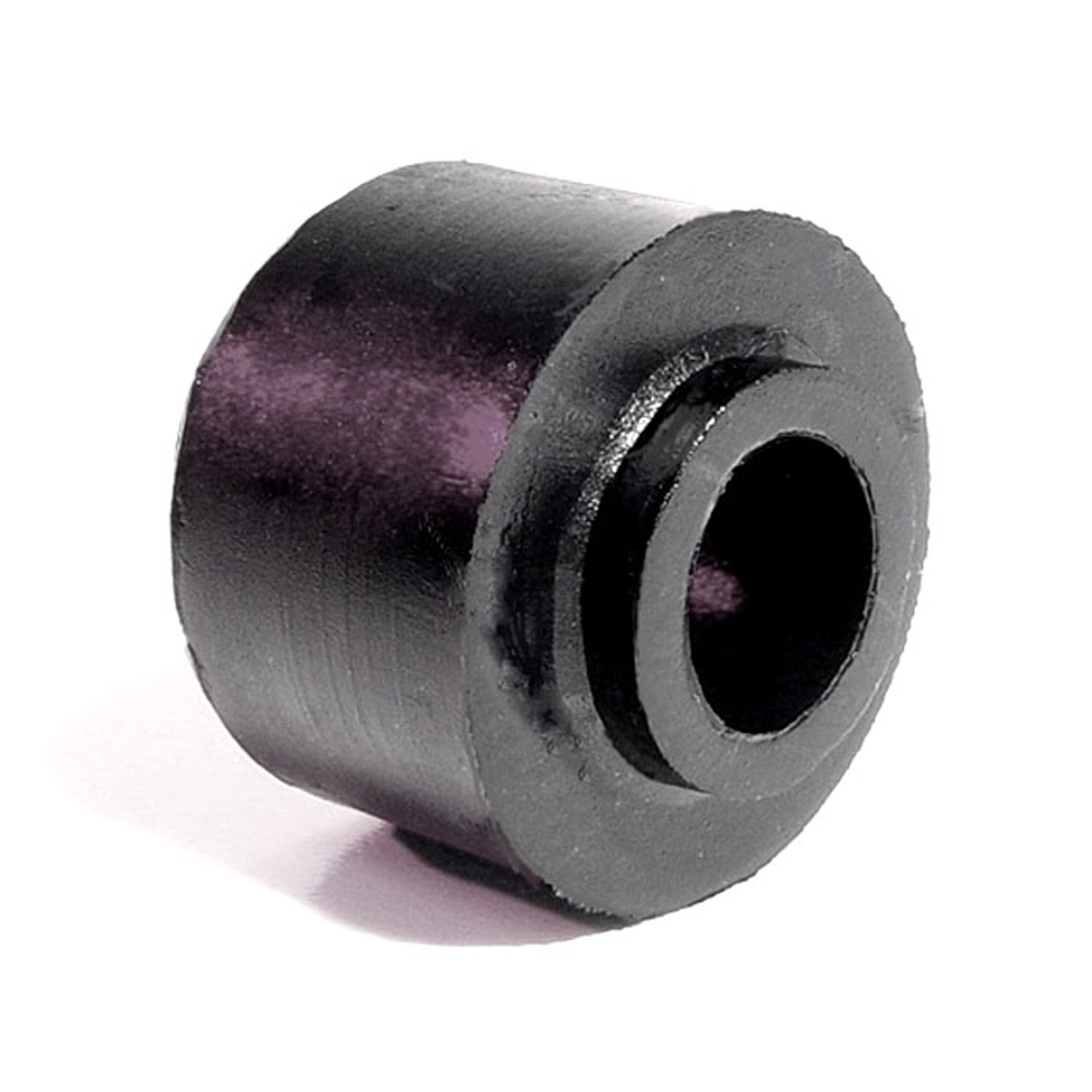 1952 Packard 200 Shock Absorber Grommet. 1" bottom O.D., 3/4" high-BN 1Shock Absorber Grommet. 1" bottom O.D., 3/4" high., with 7/16" I.D. Each
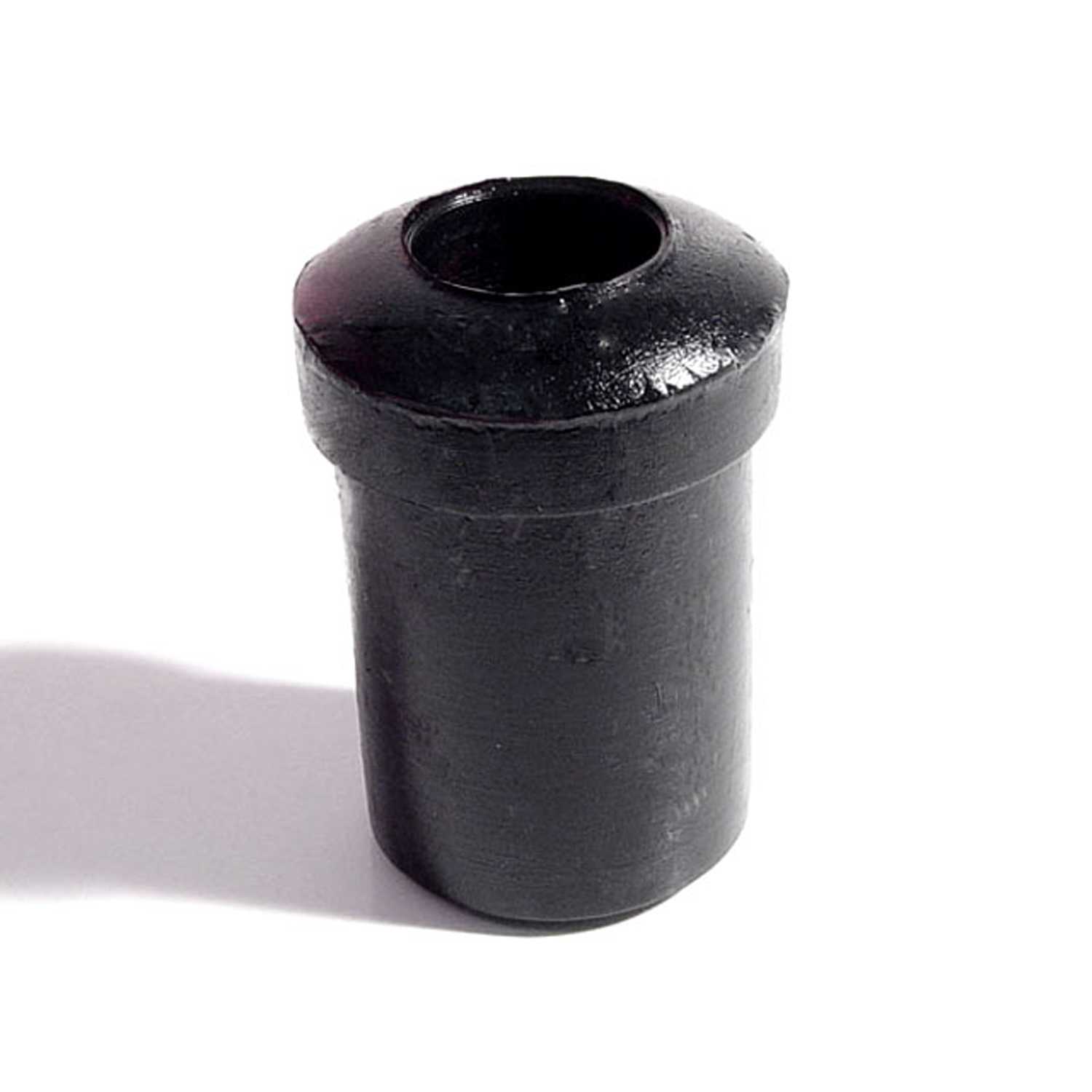 1952 Packard 200 Spring and Shackle Bushing. 1" bottom O.D-BN 20Spring and Shackle Bushing. 1" bottom O.D. X 1-5/8" high, with 9/16" I.D. Each
 1952 Packard 200 Cowl and Hood Seal. 43-5/8" long. Each-CS 1Cowl and Hood Seal. 43-5/8" long. Each
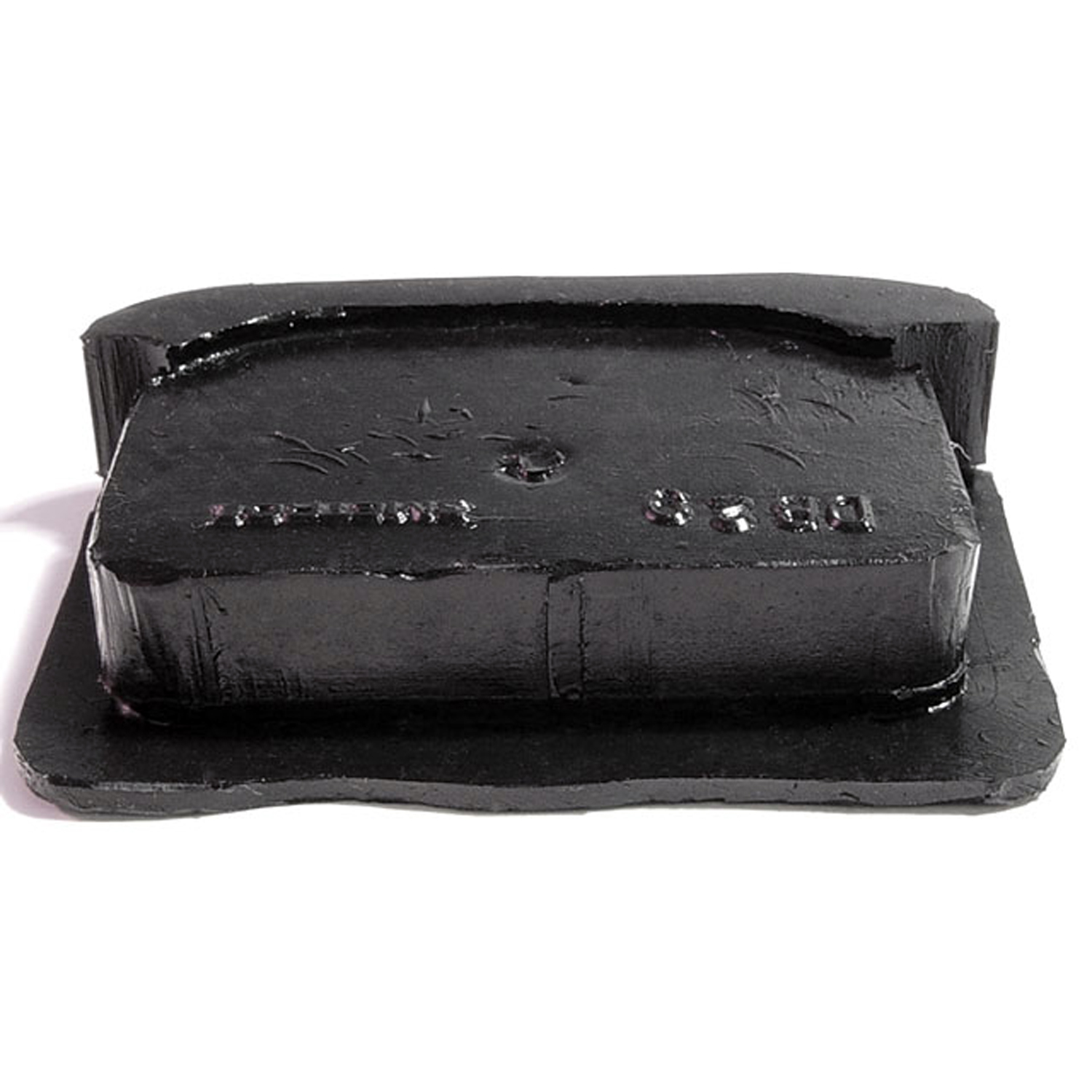 1952 Packard 200 Door Bumper. 1-3/8" high X 2" wide X 1/2" thick. Each-DB 29Door Bumper. 1-3/8" high X 2" wide X 1/2" thick. Each
 1952 Packard 200 Gas Filler Grommet. 2-1/2" I.D., 4-1/8" O.D. Each-GF 12Gas Filler Grommet. 2-1/2" I.D., 4-1/8" O.D. Each
 1952 Packard 200 Hood Corners. 1-3/4" to 2" corner radius-HC 14Hood Corners. 1-3/4" to 2" corner radius. Pad is 3-3/8" long. Pair
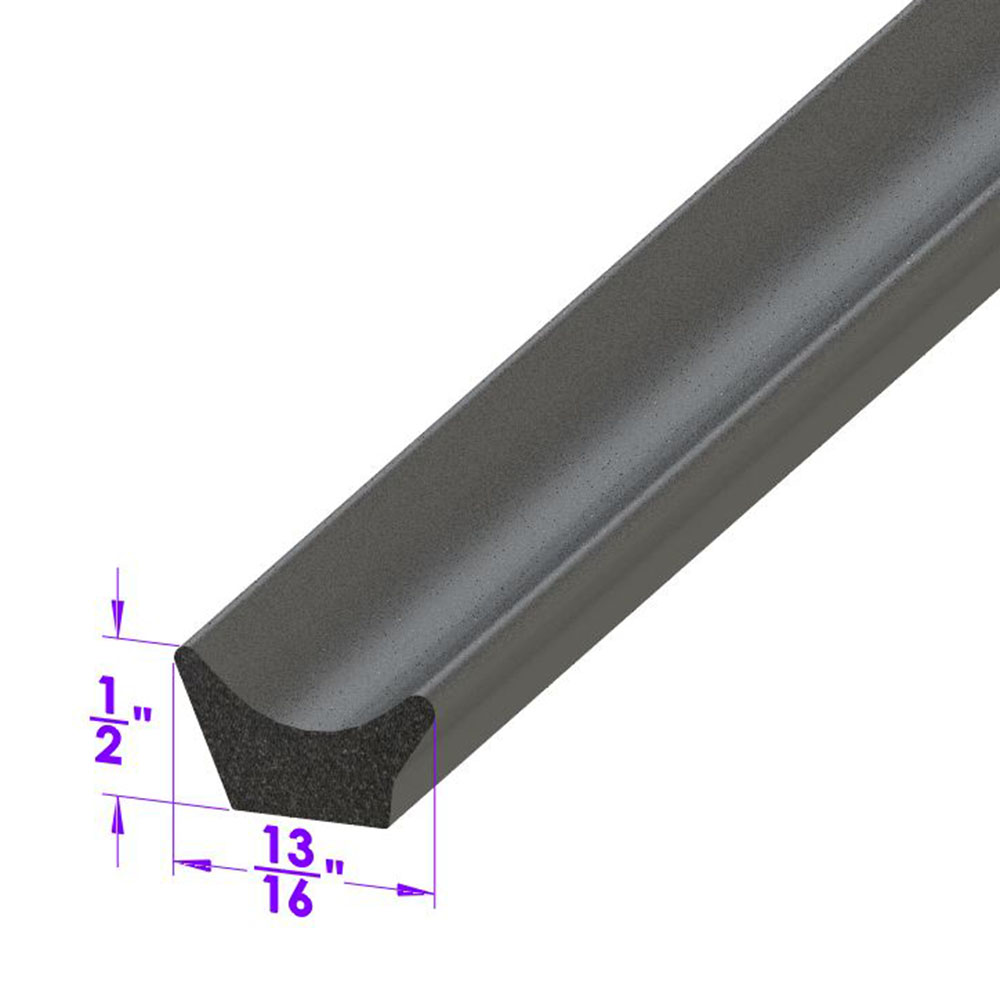 1952 Packard 200 Door side seal. Same as LP 40, but for a lighter seal-LP 40-ADoor side seal. Same as LP 40, but for a lighter seal. Fits many domestic passenger cars and trucks. Universal seal for street rods and customs. Used in Cobra kit cars as door weatherstrip. Per foot.
 1952 Packard 200 Antenna Pad. 1-7/8" O.D. Each-MP 854-AAntenna Pad. 1-7/8" O.D. Each
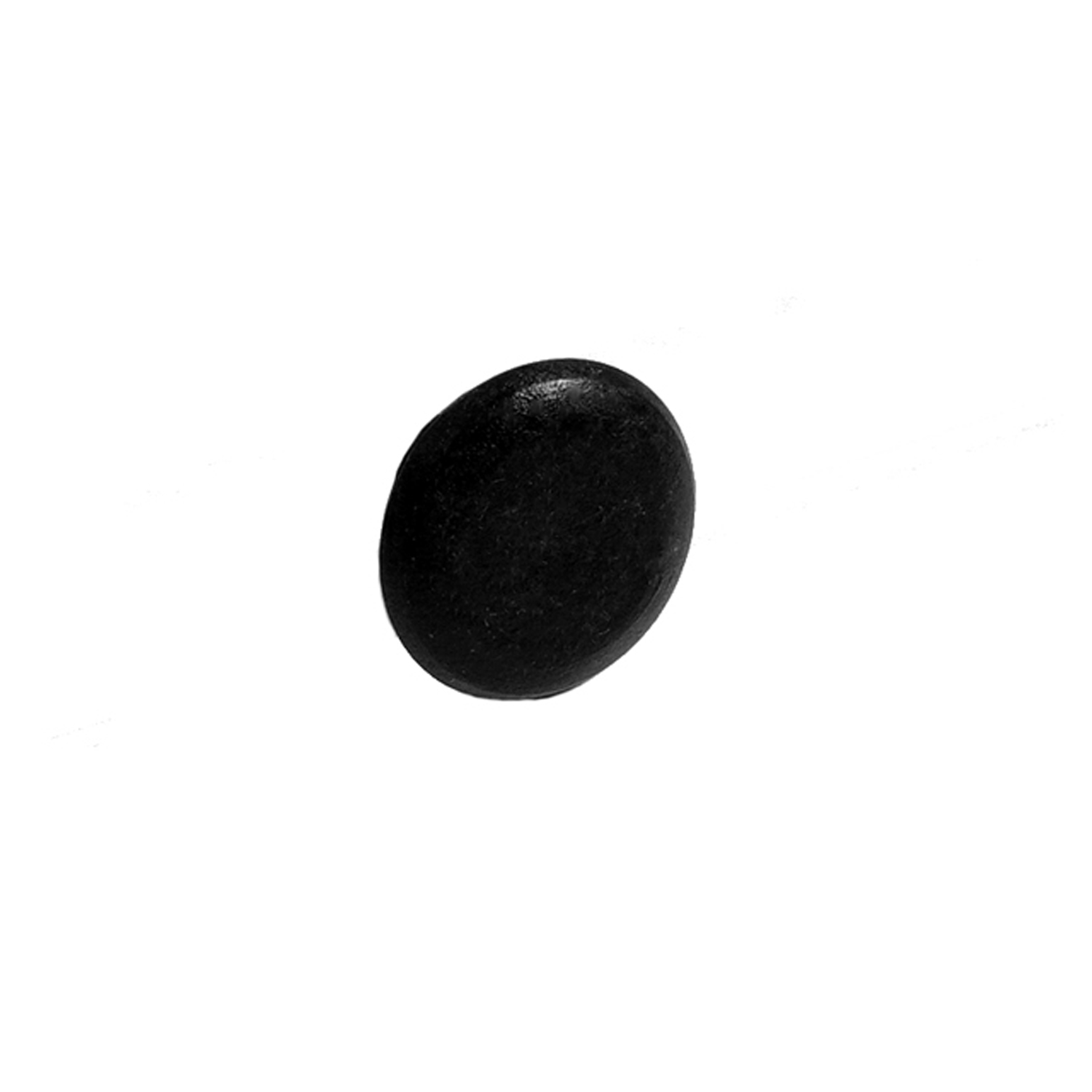 1952 Packard 200 Trunk Bumper. 3/4" O.D., 5/8" I.D. Each-SB 74Trunk Bumper. 3/4" O.D., 5/8" I.D. Each
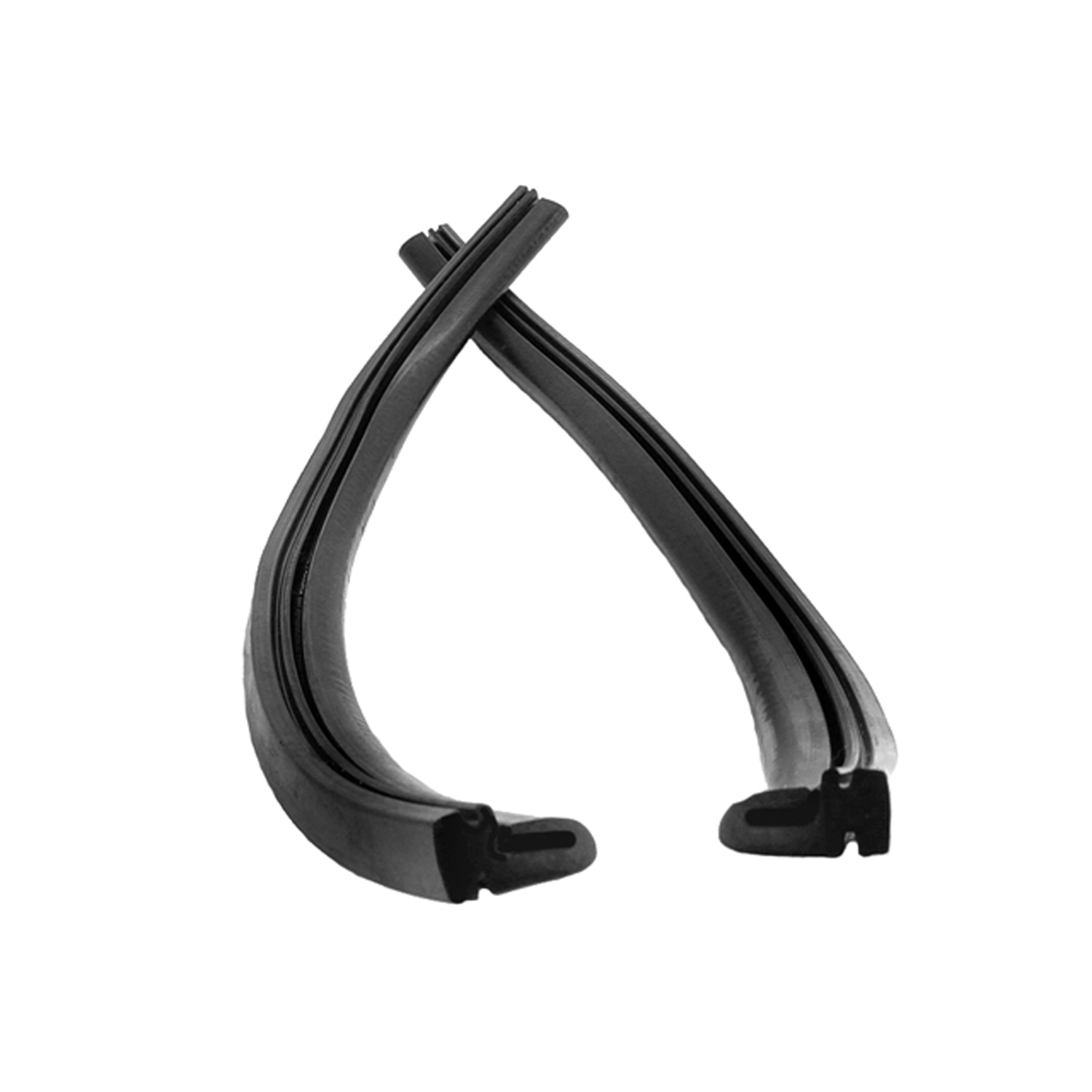 1952 Packard 200 Rear Roll-up Window Seals, for Hardtops and Convertibles-VS 7Rear Roll-up Window Seals, for Hardtops and Convertibles. For leading edge of rear quarter windows. Two pieces, 17-3/4" long. Pair
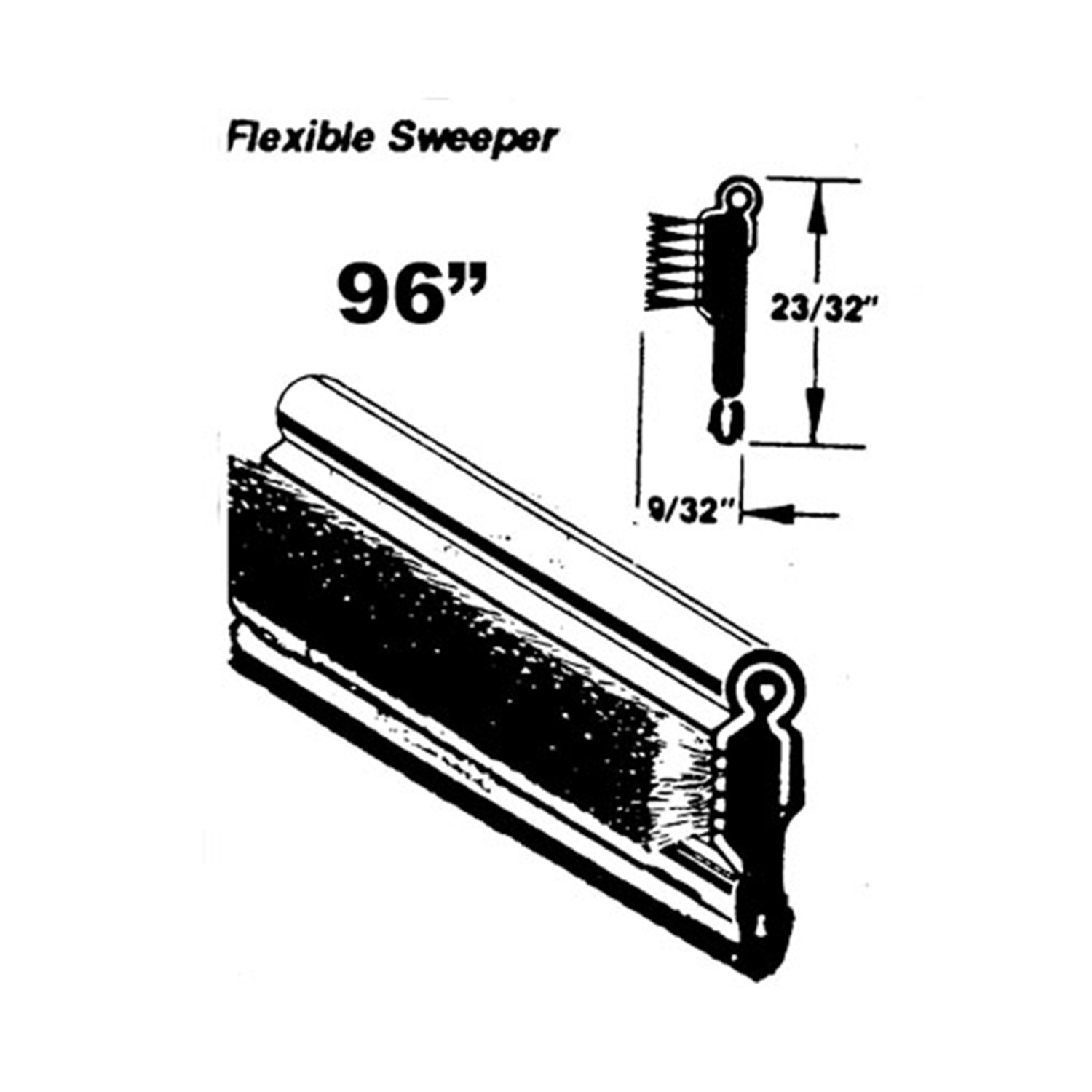 1952 Packard 200 Flexible window sweeper. Made with stainless steel bead-WC 4-96Flexible window sweeper. Made with stainless steel bead. 96 in. long. Each. NOTE: $20 special shipping charge applies for domestic orders. Call or email for overseas shipping costs. Part can be sectioned in two or three equal lengths to reduce overseas shipping costs.
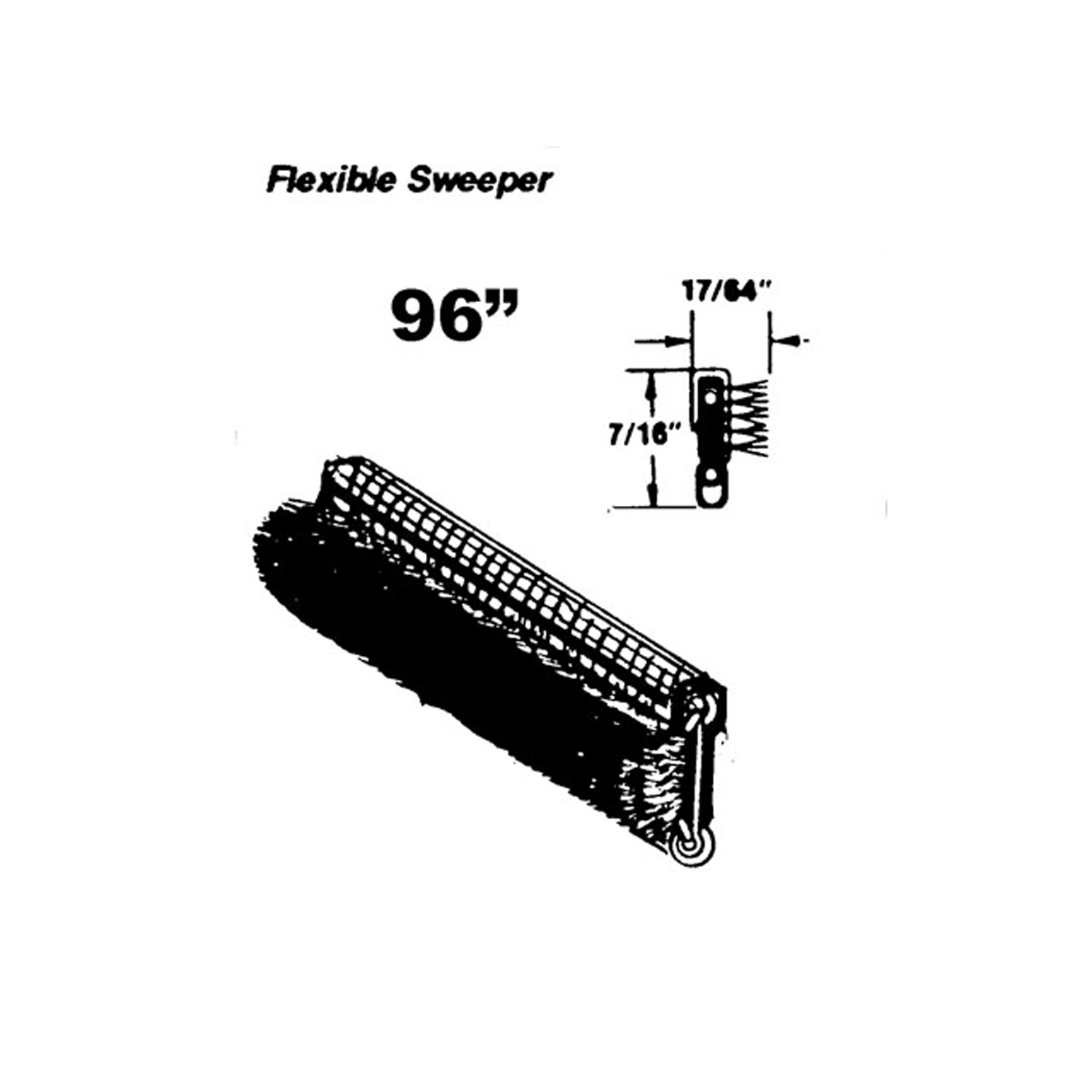 1952 Packard 200 Flexible window sweeper-WC 5-96Flexible window sweeper. Made with black electro-plated steel. 96 in. long. Each. NOTE: $20 special shipping charge applies for domestic orders. Call or email for overseas shipping costs. Part can be sectioned in two or three equal lengths to reduce overseas shipping costs.
 1952 Packard 200 Vent Window Seal. Pair-WR 2300Vent Window Seal. Pair
Why Choose Metro?
For over 100 years, Metro Moulded Parts has been the pinnacle of quality in classic car restoration parts. Our commitment to precision and authenticity in every component ensures a perfect fit and an OEM-level appearance.
- Expert Craftsmanship & Quality: Each part is a testament to our dedication to reliability and perfection, crafted from original designs and thoroughly tested.
- Advanced Technology: We use cutting-edge techniques to create flawless, long-lasting parts that surpass others in performance.
- SuperSoft Sponge – The Ultimate Door Seal: Not only are our door seals 30% softer than competitors', but they're also guaranteed to never leak. They effectively reduce wind and road noise, enhancing your classic car's comfort and driving experience.
- Proudly American: Our parts are a product of American craftsmanship, made in the USA with a spirit of excellence and heritage.
- Unrivaled Warranty: We back our products with a 30-year industry-leading warranty, a testament to our confidence in their quality.
Join us in preserving the legacy of classic cars with parts that are crafted for perfection, not just made.