

Image of 1952 Packard 250, Note: These illustrations use artistic license and may differ from actual historical models.
Performance Metrics
Fundamental Metrics
Emotional Appeal
MMP Rating
| Engine Specifications | |
|---|---|
| Engine: | Straight 8 |
| Displacement: | 327 cu in (5.4 L) |
| Horsepower: | 150 hp |
| Torque: | 270 lb-ft |
| Compression Ratio: | 7.0:1 |
| Ignition System: | Battery Ignition |
| Cooling System: | Liquid Cooled |
| Performance Specifications | |
| 0-60 Time: | Estimated 15 seconds |
| 1/4 Mile Time: | Not available |
| Top Speed: | 100 mph |
| Transmission and Drive | |
| Drive Type: | Rear Wheel Drive |
| Transmission Type: | Ultramatic automatic transmission |
| Fuel and Efficiency | |
| Fuel System Type: | Carburetor |
| MPG: | Estimated 15-20 mpg |
| Dimensions and Brakes | |
| Brakes: | Drum Brakes |
| Wheelbase: | 122 inches |
| Weight: | 3,700 lbs |
Note: Specifications for classic cars are given to the best of our ability, considering the limited and variant data available.
1952 Packard 250: An American Luxury Car with Style
The 1952 Packard 250 paired the grace of a pillarless hardtop or open-air convertible with the smooth pull of a Packard straight-eight. Built by the Packard Motor Car Company in Detroit, it sat below the more expensive Packard 300 and 400 in the company’s lineup, offering a more accessible route into Packard ownership without giving up the marque’s distinctive presence.
The 250 belonged to Packard’s redesigned postwar generation, introduced for 1951 under the direction of styling chief John Reinhart. At a time when America’s independent automakers were competing with the expanding model ranges of General Motors, Ford, and Chrysler, Packard needed cars that looked fresh while retaining the dignity associated with its name. One intriguing detail: the 250 came in two of the most visually appealing body styles of the era, a convertible and the Mayfair hardtop, whose open side profile looked much like a convertible even with the roof in place.
Packard 250 Styling and Interior
The 250 had the substantial, unmistakably Packard appearance of the early 1950s. Its long hood, broad shoulders, and rounded fenders gave it a formal profile, while the wide grille, horizontal brightwork, and prominent Packard crest supplied a recognizable face. The body was smooth and restrained rather than covered in chrome, a look that made the car feel elegant instead of flashy. The Mayfair’s frameless side glass and lack of a fixed center pillar created an especially clean roofline with the windows lowered.
Inside, the 250 delivered a comfortable, carefully finished cabin. Broad bench seats, quality upholstery, generous trim, and a substantial dashboard made the car feel suited to long-distance touring. Convertibles were commonly fitted with leather upholstery, while Mayfair interiors could combine leather and patterned fabric, depending on equipment and specification. The dashboard put the main instruments and controls within easy reach, with polished trim adding a suitably upscale touch. As with any surviving classic, upholstery and trim can differ from the factory specification after decades of restoration or replacement.
Packard offered the 250 in a range of solid colors, with two-tone combinations especially attractive on the Mayfair hardtop. Period color availability varied, but choices included shades such as dark blue, maroon, green, black, and white. Deep, formal colors suited the car’s luxury image, while lighter or contrasting combinations highlighted the Mayfair’s long roofline and brightwork.
The 250 name covered two body styles for 1952: the two-door Mayfair hardtop coupe and the two-door convertible. Both used Packard’s shorter 122-inch wheelbase, shared with the lower-priced 200 series. The Mayfair was the more practical choice for year-round cruising, while the convertible remains the most evocative and sought-after version today.
Engineering and Historical Significance
The 250’s place in Packard history is part of its appeal. It brought the company’s new-for-1951 styling to customers who wanted a distinctive coupe or convertible without stepping up to the larger, costlier senior models. Its formula was not radically new, but it reflected an important postwar shift: American buyers increasingly wanted stylish personal cars that could serve as everyday transportation as well as symbols of success.
Under the hood was Packard’s 327-cubic-inch L-head straight-eight, rated at approximately 150 horsepower. The engine’s long, smooth power delivery suited the 250’s relaxed character. Buyers could choose a three-speed manual transmission or Packard’s Ultramatic Drive automatic. Introduced earlier, Ultramatic was notable as one of the first automatic transmissions developed by an American manufacturer. It used a torque converter and could engage a direct-drive lockup at cruising speed, helping reduce engine revs on the open road.
The 250 did not introduce a revolutionary chassis or establish a new performance benchmark. Its significance lies in how it represented Packard’s attempt to balance prestige, modern styling, and attainable pricing at a challenging time for independent carmakers. Packard remained an independent company until its 1954 merger with Studebaker, and the 250 is a reminder of the marque’s final years as a standalone Detroit luxury manufacturer.
1952 Packard 250 Performance and Driving Feel
With about 150 horsepower from its 327 straight-eight, the 250 had enough strength for confident highway travel, but it was built for smoothness rather than quick acceleration. Depending on transmission, vehicle condition, and test method, a 0-to-60-mph run typically takes roughly 16 to 19 seconds. A healthy example can reach around 90 to 100 mph, though gearing, tires, and the car’s age make top-speed estimates approximate. The Packard’s natural pace is comfortable cruising, not repeated hard launches.
The straight-eight is one of the car’s defining pleasures. It produces a muted, even rumble rather than the sharper exhaust note of a V8, and its smooth pull makes acceleration feel steady and unhurried. The manual transmission gives the driver a more involved experience, while Ultramatic suits relaxed driving and period-correct luxury. The 250’s six-volt electrical system and controls feel distinctly of their time, so operating one involves more mechanical interaction than driving a modern car.
On ordinary roads, the long wheelbase and soft suspension help the Packard absorb bumps and broken pavement with composure. The ride is plush, though not as isolated or controlled as a modern luxury car. On winding roads, its weight and period steering encourage a measured approach. It can follow a curving road comfortably, but it is not a sports coupe: body lean, slower steering response, and vintage brakes reward anticipation and smooth inputs. Crosswinds and rough pavement are best handled with both hands on the wheel and sensible speeds.
Living with a 1952 Packard 250
Today, most 250s are used as weekend cruisers, show cars, or participants in classic-car tours rather than as daily drivers. A well-sorted example can cover real road miles, but the age of its brakes, wiring, tires, and fuel system matters more than its original reputation for quality. A pre-purchase inspection by a mechanic familiar with postwar Packards is a smart investment, especially for a car that has been stored for a long time.
The straight-eight is mechanically straightforward by modern standards, and routine service tasks are within reach of a capable home mechanic. However, parts availability is not as easy as it is for high-volume Chevrolet or Ford models. Specialist suppliers and Packard clubs are valuable resources for engine, trim, and restoration parts. The Ultramatic deserves particular attention: a properly maintained unit can provide smooth service, but transmission trouble may require specialist knowledge and can be costly to repair.
Common ownership jobs include checking the cooling system, maintaining the carburetor and ignition, inspecting the brakes, and keeping the electrical connections in good condition. Originality also affects restoration difficulty. A complete car with its correct trim and components is often a better starting point than a cheaper project missing hard-to-find pieces.
Packard 250 Facts and Common Criticisms
The Mayfair name gave Packard’s hardtop a distinct identity, while the 250 series offered a choice between the enclosed elegance of the hardtop and the open-air appeal of the convertible. Production figures commonly cited for 1952 put Mayfair output at about 3,300 cars and convertible output at about 1,600, for an estimated total near 4,900. These figures make either body style uncommon today, with convertibles generally harder to find and more valuable.
The 250 was not a major racing car and is not known for a record-setting speed or endurance achievement. Its story is more closely tied to American luxury-car design and Packard’s effort to remain competitive. A frequent criticism is that the 250’s 150-horsepower straight-eight feels modest beside the increasingly popular V8 engines of the period. Its acceleration is indeed leisurely, but the smooth engine, comfortable ride, and distinctive styling were central to its appeal.
Another practical criticism is the challenge of finding parts and experienced service. Packard specialists can help, but restoration may take longer and cost more than work on a more common classic. That trade-off is part of ownership: the 250 offers a less familiar, more individual presence, but it asks owners to plan ahead.
1952 Packard 250 Values and Rarity
Collector values depend heavily on body style, originality, restoration quality, and mechanical condition. As a broad current-market estimate, a project or non-running car might sell for about $5,000 to $12,000. A usable, presentable Mayfair hardtop often falls in the $15,000 to $35,000 range, while a well-restored example can reach roughly $40,000 or more. Convertibles generally command a premium: driver-quality cars may bring around $30,000 to $60,000, with exceptional restorations sometimes reaching $70,000 to $90,000 or higher.
These are guide ranges, not guarantees. A documented, highly original car can attract a different buyer from a freshly restored example, and auction results vary with region, season, and condition. The 250’s market has tended to reward top-quality convertibles more strongly than ordinary hardtops. Overall, values are best described as selective and relatively steady, with the finest examples holding attention while rough projects remain price-sensitive. Buyers should budget for mechanical sorting and parts sourcing rather than assume that purchase price reflects the full cost of ownership.
Why the 1952 Packard 250 Still Matters
The 1952 Packard 250 combined refined postwar styling, a smooth straight-eight, and two appealing body styles in a package that carried genuine Packard character. It was not the fastest car of its day, nor did it introduce a headline-grabbing technical breakthrough. Its strengths were subtler: elegant proportions, a comfortable ride, thoughtful engineering, and the distinct personality of a respected independent automaker.
More than seven decades later, the 250 remains an engaging classic for drivers who value presence and craftsmanship over outright speed. Whether seen with the Mayfair’s windows lowered or the convertible’s top folded away, it captures a memorable chapter in American luxury-car history.
1952 Packard 250 Catalog of Parts
 1952 Packard 250 Accessory Floor Mat - 12"X17"-AC 32Accessory Floor Mat - made of high quality black rubber with molded original emblem. Also designed to be sewn into new carpets. 12"X17", Each
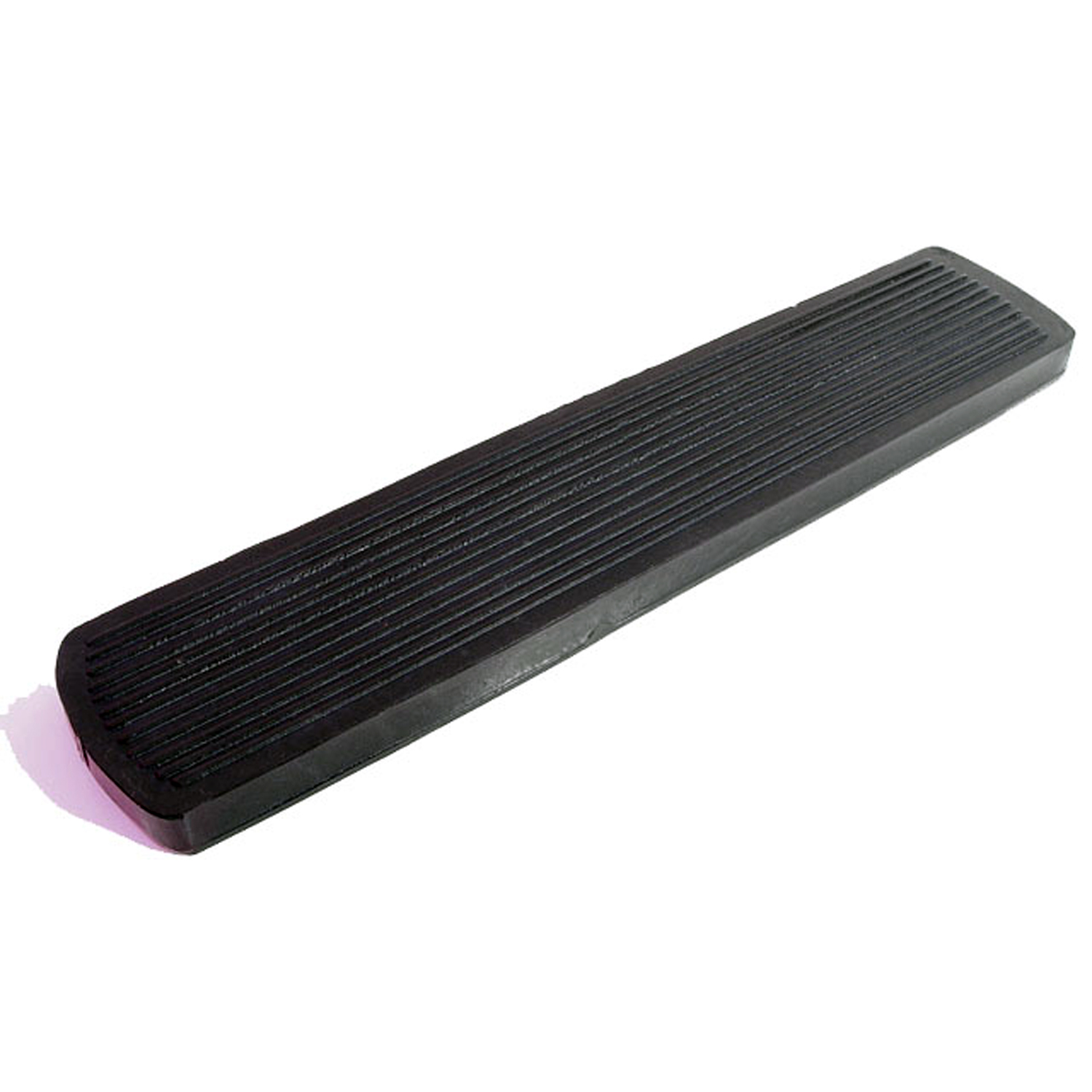 1952 Packard 250 Accelerator Pedal Pad. 1-7/8" X 9-3/8", Each-AP 16Accelerator Pedal Pad. 1-7/8" X 9-3/8", Each
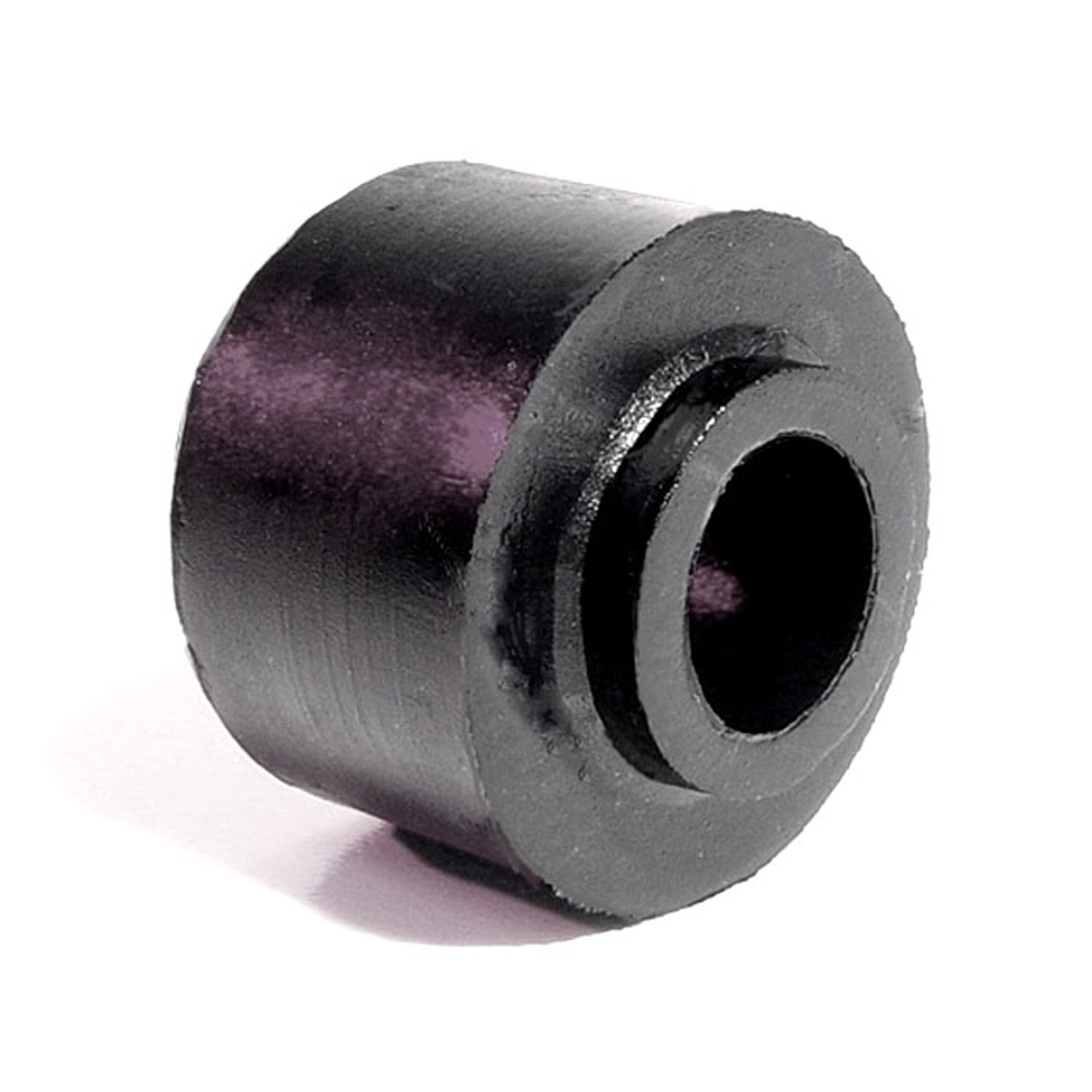 1952 Packard 250 Shock Absorber Grommet. 1" bottom O.D., 3/4" high-BN 1Shock Absorber Grommet. 1" bottom O.D., 3/4" high., with 7/16" I.D. Each
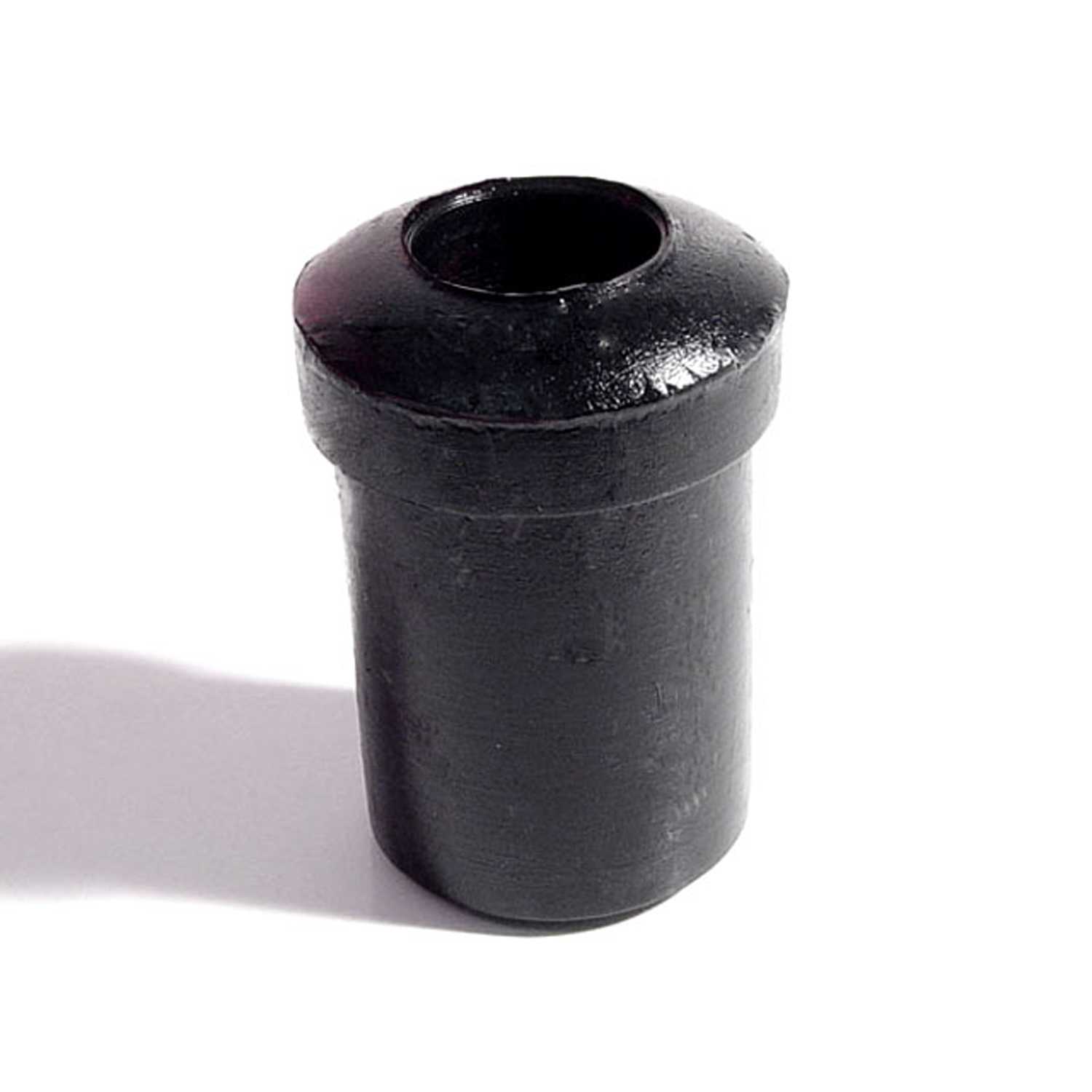 1952 Packard 250 Spring and Shackle Bushing. 1" bottom O.D-BN 20Spring and Shackle Bushing. 1" bottom O.D. X 1-5/8" high, with 9/16" I.D. Each
 1952 Packard 250 Cowl and Hood Seal. 43-5/8" long. Each-CS 1Cowl and Hood Seal. 43-5/8" long. Each
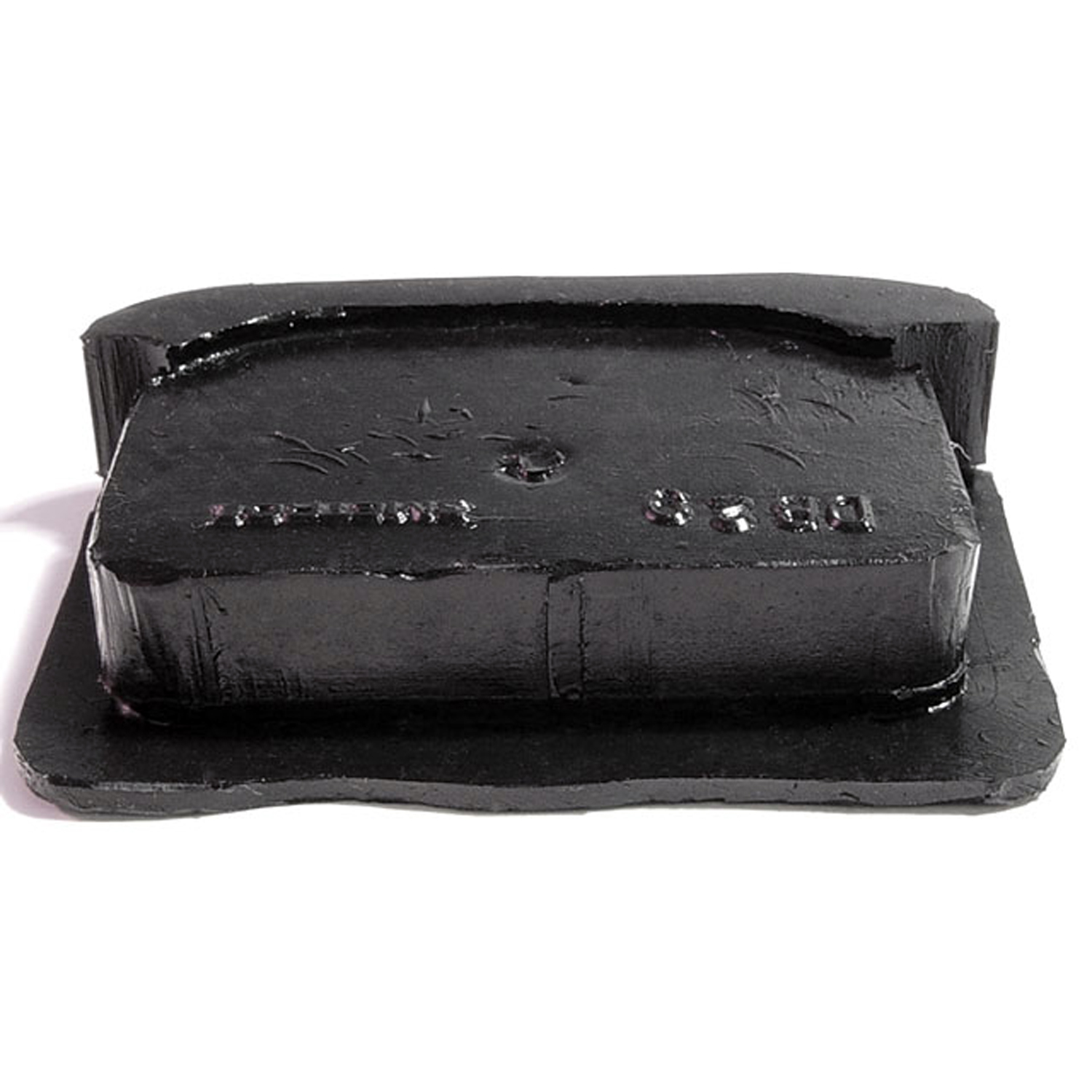 1952 Packard 250 Door Bumper. 1-3/8" high X 2" wide X 1/2" thick. Each-DB 29Door Bumper. 1-3/8" high X 2" wide X 1/2" thick. Each
 1952 Packard 250 Gas Filler Grommet. 2-1/2" I.D., 4-1/8" O.D. Each-GF 12Gas Filler Grommet. 2-1/2" I.D., 4-1/8" O.D. Each
 1952 Packard 250 Hood Corners. 1-3/4" to 2" corner radius-HC 14Hood Corners. 1-3/4" to 2" corner radius. Pad is 3-3/8" long. Pair
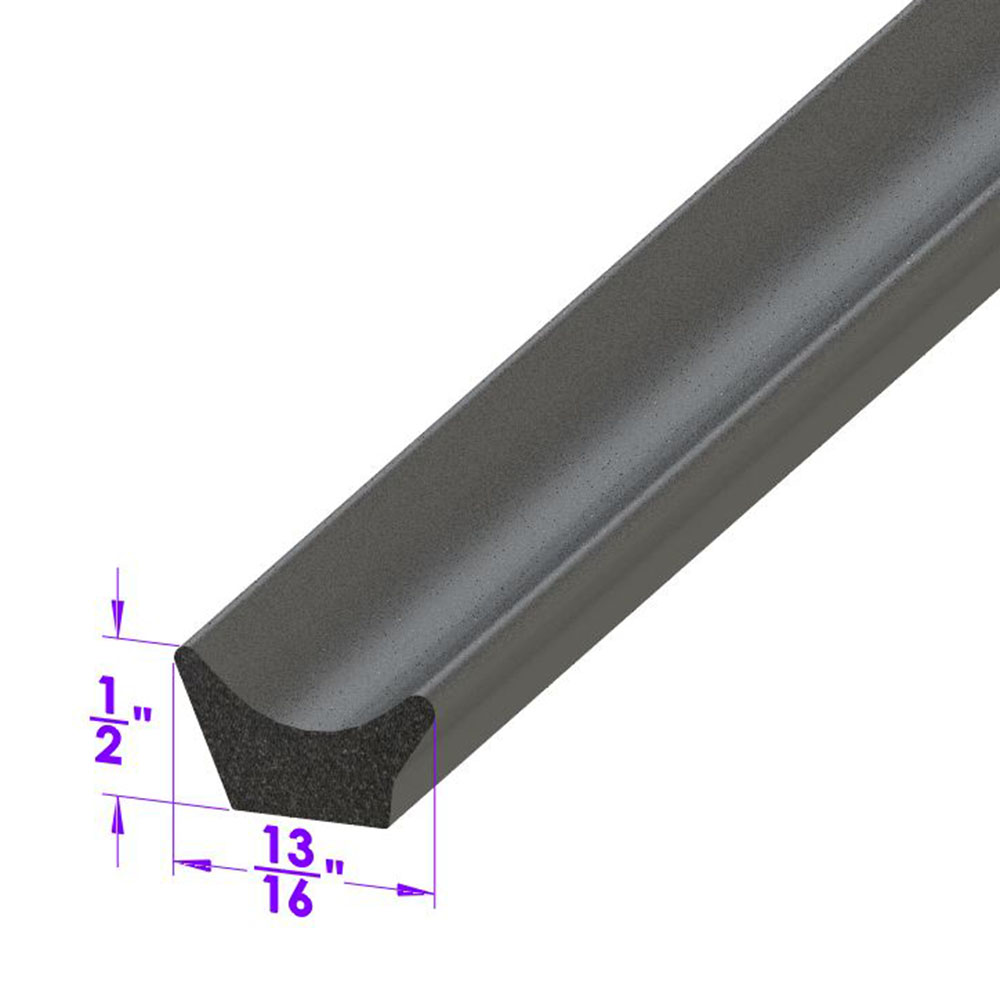 1952 Packard 250 Door side seal. Same as LP 40, but for a lighter seal-LP 40-ADoor side seal. Same as LP 40, but for a lighter seal. Fits many domestic passenger cars and trucks. Universal seal for street rods and customs. Used in Cobra kit cars as door weatherstrip. Per foot.
 1952 Packard 250 Antenna Pad. 1-7/8" O.D. Each-MP 854-AAntenna Pad. 1-7/8" O.D. Each
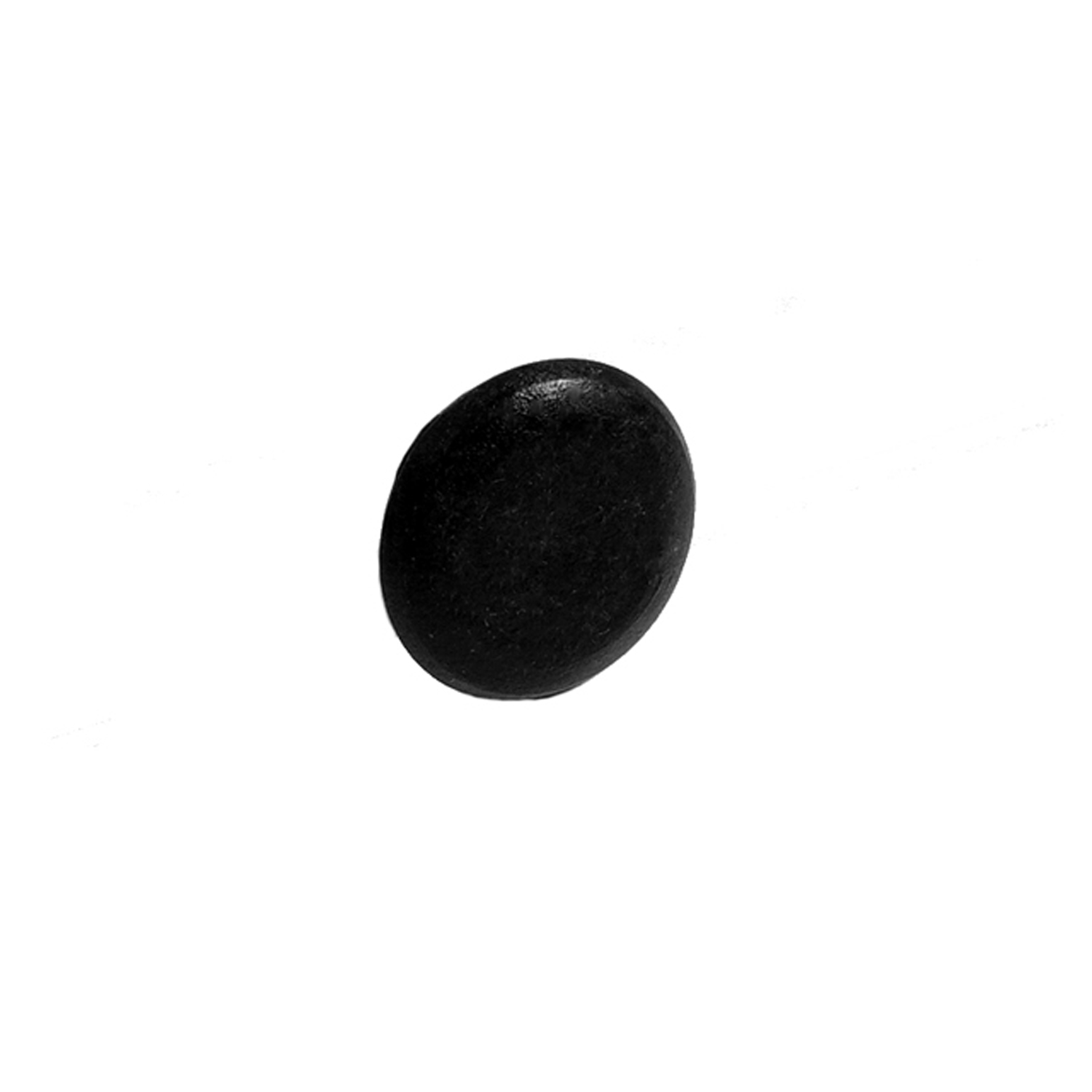 1952 Packard 250 Trunk Bumper. 3/4" O.D., 5/8" I.D. Each-SB 74Trunk Bumper. 3/4" O.D., 5/8" I.D. Each
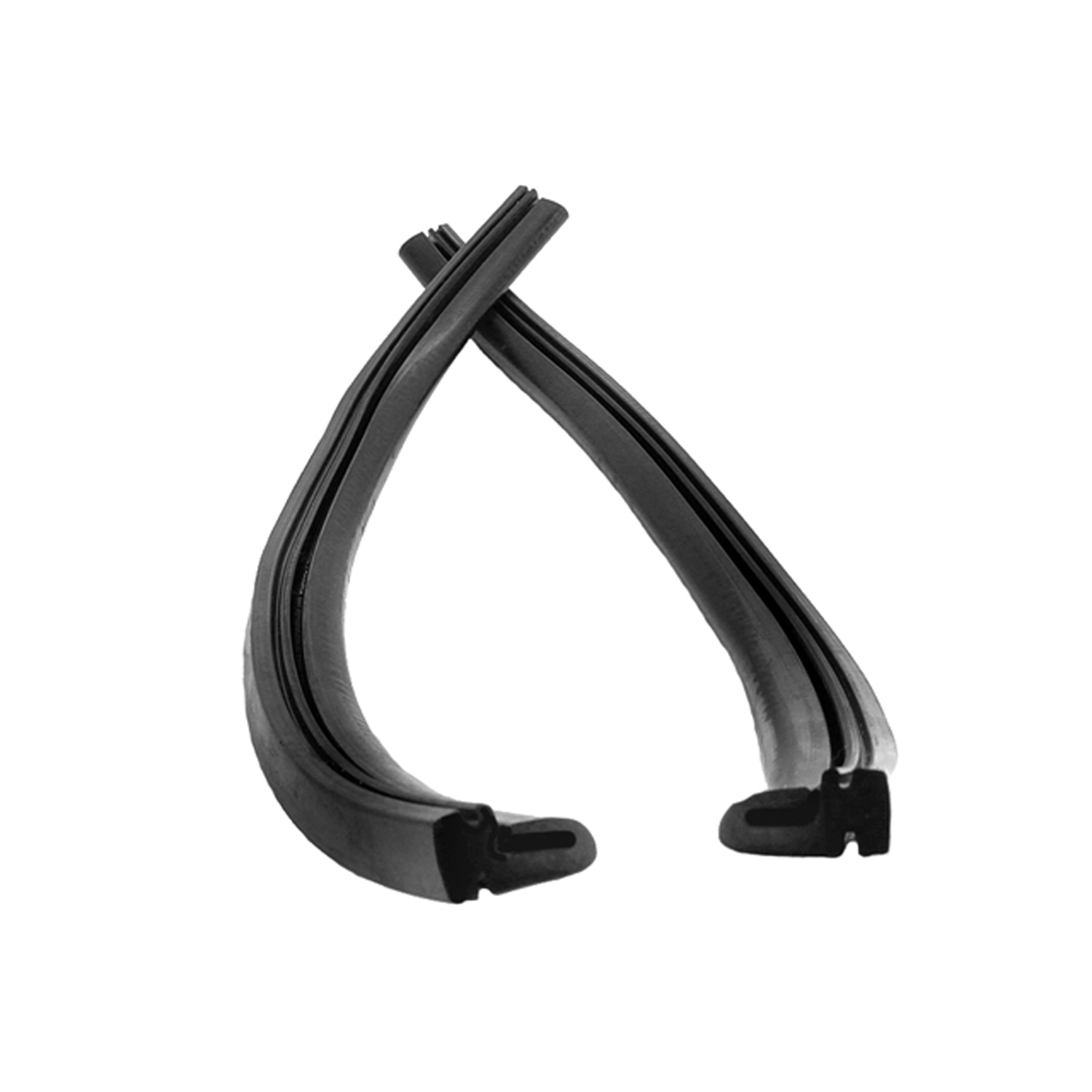 1952 Packard 250 Rear Roll-up Window Seals, for Hardtops and Convertibles-VS 7Rear Roll-up Window Seals, for Hardtops and Convertibles. For leading edge of rear quarter windows. Two pieces, 17-3/4" long. Pair
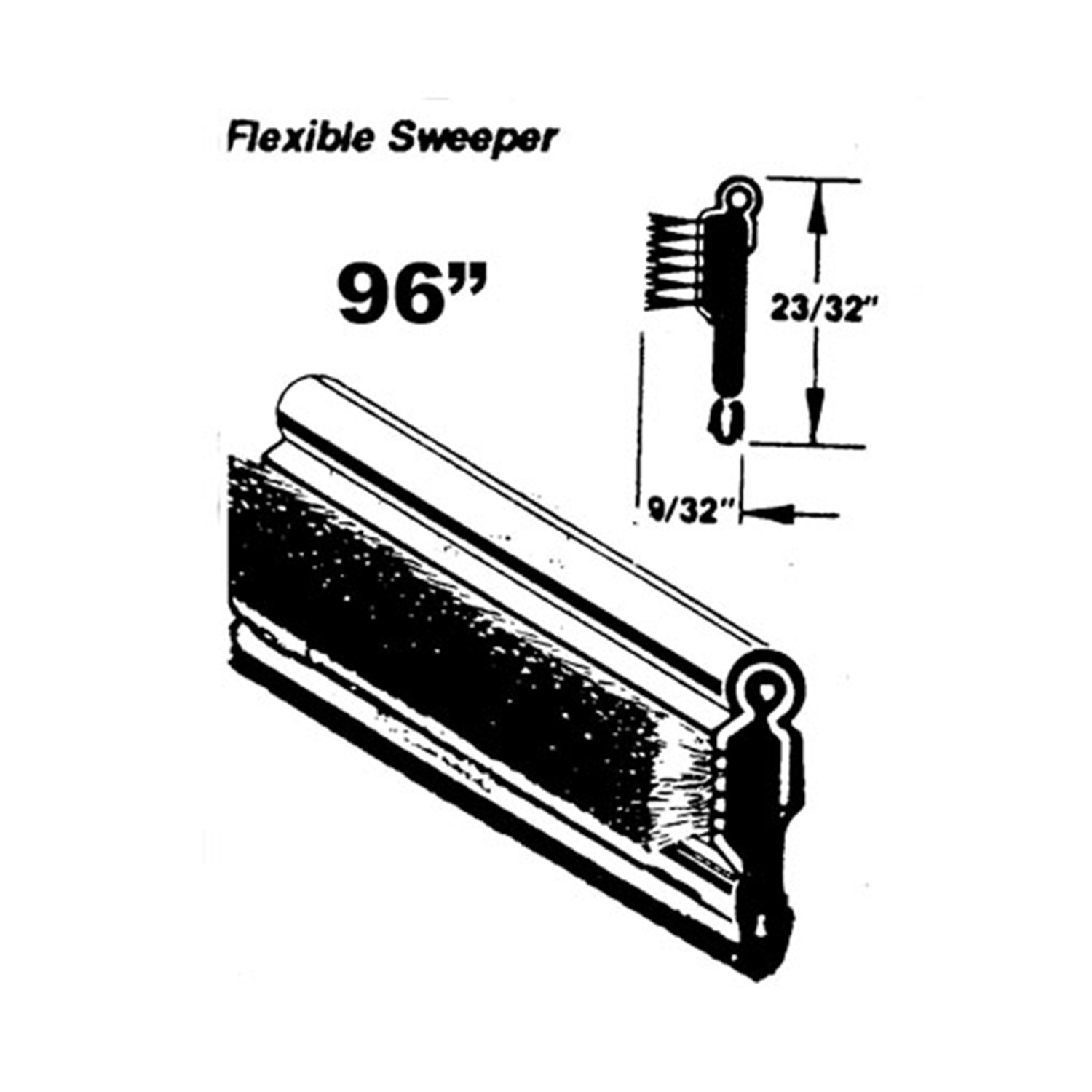 1952 Packard 250 Flexible window sweeper. Made with stainless steel bead-WC 4-96Flexible window sweeper. Made with stainless steel bead. 96 in. long. Each. NOTE: $20 special shipping charge applies for domestic orders. Call or email for overseas shipping costs. Part can be sectioned in two or three equal lengths to reduce overseas shipping costs.
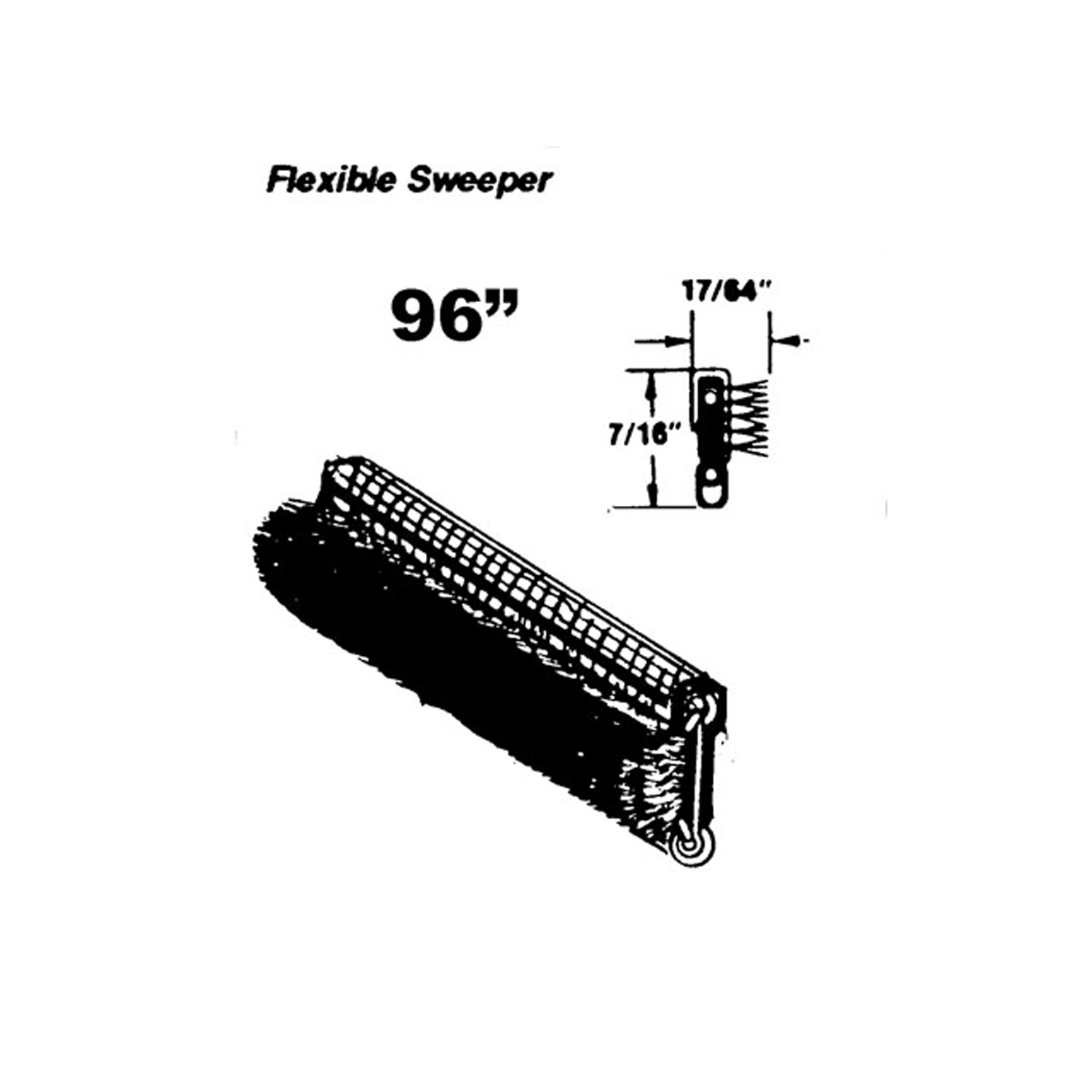 1952 Packard 250 Flexible window sweeper-WC 5-96Flexible window sweeper. Made with black electro-plated steel. 96 in. long. Each. NOTE: $20 special shipping charge applies for domestic orders. Call or email for overseas shipping costs. Part can be sectioned in two or three equal lengths to reduce overseas shipping costs.
 1952 Packard 250 Vent Window Seal. Pair-WR 2300Vent Window Seal. Pair
Why Choose Metro?
For over 100 years, Metro Moulded Parts has been the pinnacle of quality in classic car restoration parts. Our commitment to precision and authenticity in every component ensures a perfect fit and an OEM-level appearance.
- Expert Craftsmanship & Quality: Each part is a testament to our dedication to reliability and perfection, crafted from original designs and thoroughly tested.
- Advanced Technology: We use cutting-edge techniques to create flawless, long-lasting parts that surpass others in performance.
- SuperSoft Sponge – The Ultimate Door Seal: Not only are our door seals 30% softer than competitors', but they're also guaranteed to never leak. They effectively reduce wind and road noise, enhancing your classic car's comfort and driving experience.
- Proudly American: Our parts are a product of American craftsmanship, made in the USA with a spirit of excellence and heritage.
- Unrivaled Warranty: We back our products with a 30-year industry-leading warranty, a testament to our confidence in their quality.
Join us in preserving the legacy of classic cars with parts that are crafted for perfection, not just made.