

Image of 1953 Packard Cavalier, Note: These illustrations use artistic license and may differ from actual historical models.
Performance Metrics
Fundamental Metrics
Emotional Appeal
MMP Rating
| Engine Specifications | |
|---|---|
| Engine: | 327 cu in (5.4 L) L-head Straight 8 |
| Displacement: | 327 cu in (5.4 L) |
| Horsepower: | 180 hp |
| Torque: | 300 lb-ft |
| Compression Ratio: | 8.0:1 |
| Ignition System: | Battery Ignition |
| Cooling System: | Liquid Cooled |
| Performance Specifications | |
| 0-60 Time: | Estimated 12 seconds |
| 1/4 Mile Time: | Estimated 18 seconds |
| Top Speed: | 100 mph |
| Transmission and Drive | |
| Drive Type: | Rear Wheel Drive |
| Transmission Type: | Ultramatic automatic transmission |
| Fuel and Efficiency | |
| Fuel System Type: | Carburetor |
| MPG: | Estimated 15 mpg |
| Dimensions and Brakes | |
| Brakes: | Drum Brakes |
| Wheelbase: | 127 in (3,226 mm) |
| Weight: | 4,200 lbs |
Note: Specifications for classic cars are given to the best of our ability, considering the limited and variant data available.
1953 Packard Cavalier: A Refined American Luxury Sedan
The 1953 Packard Cavalier brought the grace and engineering polish of a classic Packard to buyers who wanted something less costly than the marque’s flagship Patrician. Built by the Packard Motor Car Company in Detroit, the Cavalier was a well-appointed four-door sedan with a smooth straight-eight engine, a spacious cabin, and the unmistakable presence of a postwar American luxury car.
Packard was an independent automaker in 1953, competing against much larger manufacturers such as Cadillac and Lincoln. The Cavalier sat in the middle of Packard’s senior-car range, offering more luxury than a Clipper while stopping short of the top-tier Patrician. Its timing adds historical interest: it was part of Packard’s final years as an independent company before the 1954 merger with Studebaker.
One detail worth remembering is that the Cavalier name referred to a single body style for 1953: a four-door sedan. It was not a convertible or a hardtop, but it still carried the measured proportions and formal character that made Packard sedans admired in their day.
Packard Styling and Cabin Craftsmanship
The Cavalier wears the substantial, upright look associated with early-1950s Packards. Its long hood, broad front fenders, formal roofline, and generous chrome trim give it a poised rather than flashy appearance. At the front, a broad grille and sculpted hood establish the car’s face, while Packard’s signature hood ornament adds a distinctive finishing touch. The overall shape is clean and balanced, with restrained curves rather than the dramatic tailfins that would become common later in the decade.
Inside, the Cavalier offered the comfort expected of a premium sedan. The bench seats were broad, the cabin was roomy, and the dashboard combined clear instrumentation with polished trim. Upholstery materials and interior finishes could vary with equipment and order, but Packard emphasized quality fabrics, careful fit, and a quieter, more substantial feel than an ordinary family car. Buyers could select from a range of exterior colors, including solid and two-tone combinations depending on the paint scheme. Period shades included restrained dark tones as well as brighter blues, greens, and creams; color availability varied by production and specification.
The Cavalier’s four-door sedan body was its defining configuration. That straightforward shape made it practical for family use and chauffeur-driven service alike. Buyers could choose a manual transmission or Packard’s Ultramatic automatic, along with comfort and convenience options that varied by car. Power steering was among the notable new conveniences offered by Packard for 1953, though equipment differed from one example to another.
Engineering Features for 1953
Under the hood, the Cavalier used Packard’s 327-cubic-inch inline eight-cylinder engine. In typical 1953 specification, it produced about 150 horsepower. The long, smooth-running engine suited the car’s relaxed luxury mission, delivering its power with a steady, even character rather than a high-revving sporting feel.
Packard’s Ultramatic Drive was a major piece of the company’s engineering identity. Introduced in 1949, it was an early automatic transmission developed by an independent American manufacturer. In the Cavalier, an Ultramatic-equipped car offered easy, low-effort motoring, while a three-speed manual transmission remained available. The car also used conventional hydraulic drum brakes and a traditional suspension layout, with independent front suspension and a live rear axle. It did not yet have Packard’s later Torsion-Level suspension, which arrived for 1955.
Why the Cavalier Mattered
The Cavalier’s significance lies less in a single groundbreaking feature than in how it represented Packard’s strengths: refined powertrains, careful construction, and a reputation for quiet, comfortable travel. It gave buyers a way into Packard’s senior range without the cost of a Patrician, helping the company serve a broader luxury market.
Against contemporaries, the Cavalier stood out for its smooth straight-eight engine and understated design. Cadillac was building a powerful image around bold styling and status, while Packard continued to lean on engineering credibility and dignified presentation. The Cavalier did not start a major styling trend, but it helped preserve the traditional American luxury sedan at a time when the market was moving toward more dramatic shapes and increasingly powerful V8 engines.
It also captures a turning point in Packard history. The company was facing rising costs and intense competition, and the Cavalier belonged to the final chapter before Packard’s corporate merger. For enthusiasts, that gives the car a particular appeal: it is both a polished example of Packard’s postwar approach and a reminder of the challenges facing independent automakers in the 1950s.
Performance and Road Manners
Performance figures depend on transmission, condition, gearing, and test method. Period-style estimates place a 1953 Cavalier’s top speed around 95 to 100 mph, with a 0-to-60-mph time in roughly the 16-to-18-second range. Those figures are estimates, not guarantees for a surviving car. The Cavalier was a substantial sedan, and its straight-eight was tuned for smooth, dependable progress rather than quick acceleration.
On the road, the engine’s long, even pull suits relaxed cruising. With Ultramatic, the car moves away smoothly and asks little of the driver in ordinary traffic. The suspension favors comfort: it softens the impact of uneven pavement and expansion joints, though the car’s weight and period tire technology mean it will not feel as tightly controlled as a modern sedan. On winding roads, the Cavalier is best driven with a measured hand. Its size and steering feel reward a calm pace rather than sharp, aggressive inputs.
From behind the wheel, the experience is defined by scale and ease. The straight-eight produces a subdued mechanical hum, the broad seat encourages an upright posture, and the long hood makes the car feel stately on the road. A manual-transmission example involves more driver participation, while Ultramatic models offer a smoother, more effortless touring character.
Living With a 1953 Cavalier
Today, most Cavaliers are used as show cars, weekend cruisers, or carefully maintained touring cars rather than daily transportation. Their comfortable seating and relaxed highway manners make them enjoyable for local events and scenic drives, but age, fuel consumption, and the need to protect original components make routine commuting less practical.
Many mechanical repairs are approachable for an experienced classic-car owner. The straight-eight is robust, and its basic systems are understandable to a mechanic familiar with vintage American cars. However, some parts are less readily available than those for high-volume Chevrolet or Ford models. Ultramatic transmissions, electrical components, trim pieces, and body-specific items can require specialist knowledge or patient sourcing. Before buying, check for rust, cooling-system problems, worn suspension components, brake condition, and transmission behavior. A complete, well-documented car is often a better purchase than a cheaper example with missing trim and unknown mechanical issues.
Packard Cavalier Facts and Common Criticisms
The Cavalier shares an important piece of Packard heritage through the Ultramatic, an automatic transmission developed in-house by the company. Packard’s engineering independence was a point of pride, and the transmission helped distinguish the marque from many competitors relying on outside suppliers.
There is no widely recognized 1953 Cavalier speed or endurance record, and the model was not a dedicated racing car. Its strengths were comfort, refinement, and road presence. Nor is the Cavalier generally associated with a famous celebrity owner or a single headline-making historical event. Its appeal is more representative than sensational: it shows what a well-equipped American sedan looked like during Packard’s final independent years.
Common criticisms are familiar to anyone considering a large 1950s luxury car. The Cavalier is heavy, fuel economy is modest by modern standards, and its acceleration is leisurely. Some buyers also prefer the more prestigious Patrician or the sportier personality of other Packard models. On the other hand, those same traditional qualities are part of the Cavalier’s charm for enthusiasts who value a smooth straight-eight and formal styling.
1953 Packard Cavalier Values and Rarity
A reasonable production estimate for the 1953 Cavalier is around 8,000 cars, though surviving totals are much lower and exact model counts can vary among reference sources. It is not as scarce as a low-production specialty model, but clean, original examples do not appear as often as more common mass-market classics. Availability depends heavily on condition, location, and whether the car has been restored.
As a broad current-market guide, a project or rough driver might sell for about $7,000 to $12,000. A solid, usable car with sound mechanics and presentable cosmetics may fall around $15,000 to $28,000. High-quality restorations or particularly well-preserved examples can reach roughly $30,000 to $45,000, with exceptional cars occasionally exceeding that range. These are estimates, not appraisals; originality, restoration quality, documentation, and buyer demand make a substantial difference.
Values for the Cavalier tend to move gradually rather than surge. Interest in postwar American cars supports the market, but the model has a narrower audience than the most famous Cadillac and Chevrolet offerings. A good example may hold its value or appreciate modestly over time, while restoration costs can easily exceed the eventual sale price. Buying the best car you can afford is usually the soundest approach.
Why the 1953 Packard Cavalier Still Appeals
The 1953 Packard Cavalier combines a smooth 327-cubic-inch straight eight, a spacious and carefully finished cabin, and formal styling with an important place in Packard’s final years as an independent automaker. It is not a sports sedan or a technological revolution, but it delivers the quiet confidence and craftsmanship that made the Packard name special.
For collectors, the Cavalier offers a compelling way to experience postwar Packard luxury without stepping straight into the rarer or more expensive flagship models. Its long hood and steady engine still make an impression, and every drive recalls a time when refinement was measured in smoothness, space, and thoughtful engineering.
1953 Packard Cavalier Catalog of Parts
 1953 Packard Cavalier Accessory Floor Mat - 12"X17"-AC 32Accessory Floor Mat - made of high quality black rubber with molded original emblem. Also designed to be sewn into new carpets. 12"X17", Each
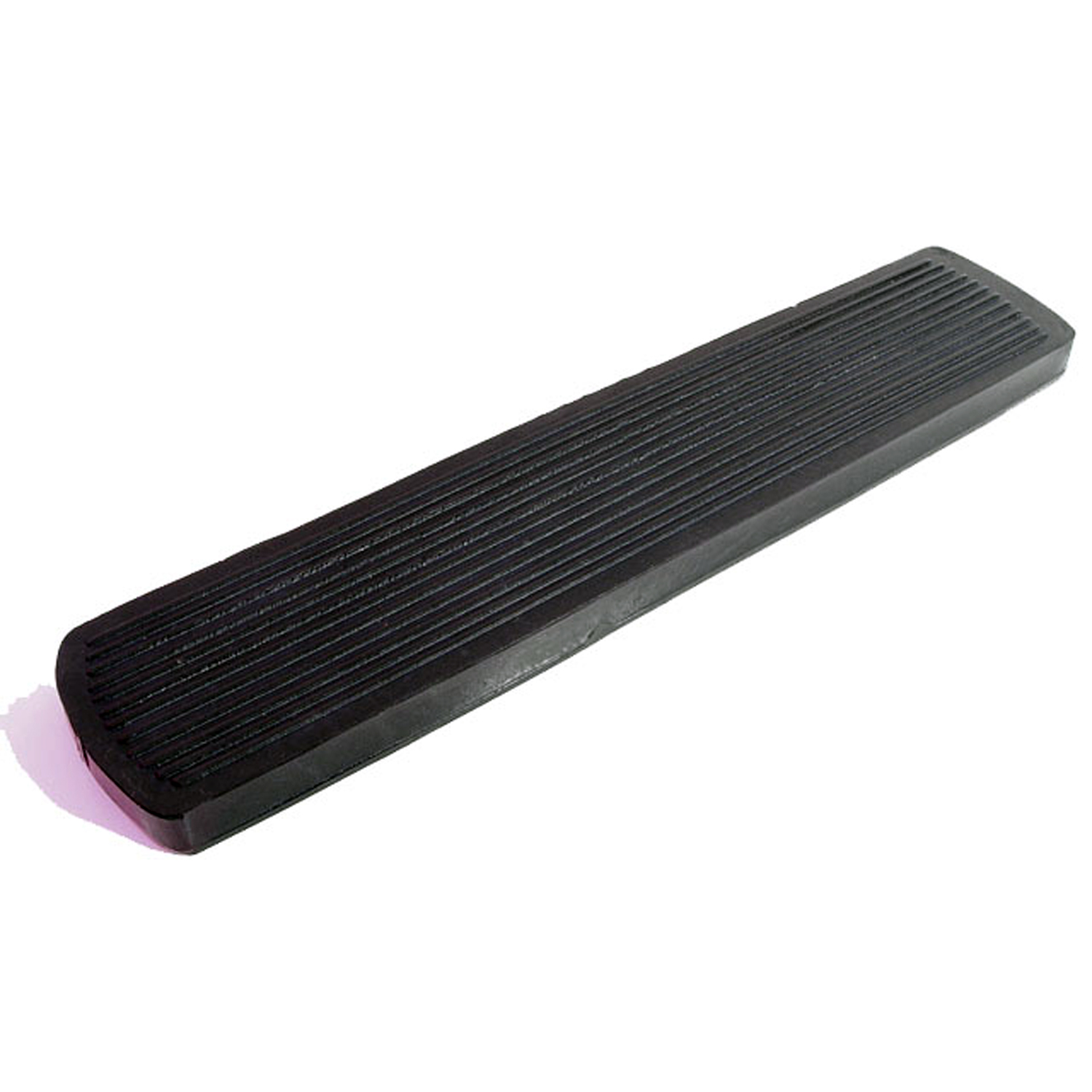 1953 Packard Cavalier Accelerator Pedal Pad. 1-7/8" X 9-3/8", Each-AP 16Accelerator Pedal Pad. 1-7/8" X 9-3/8", Each
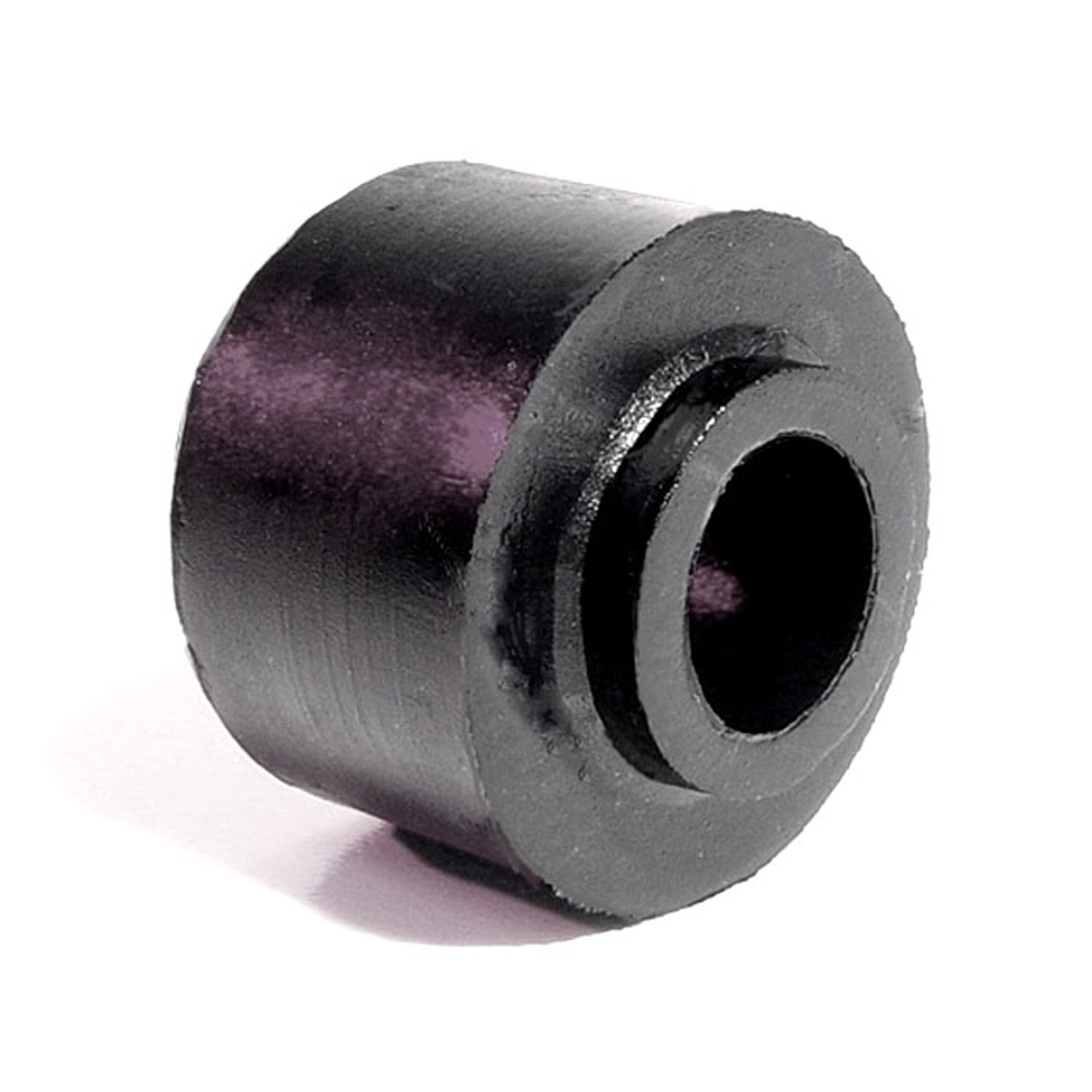 1953 Packard Cavalier Shock Absorber Grommet. 1" bottom O.D., 3/4" high-BN 1Shock Absorber Grommet. 1" bottom O.D., 3/4" high., with 7/16" I.D. Each
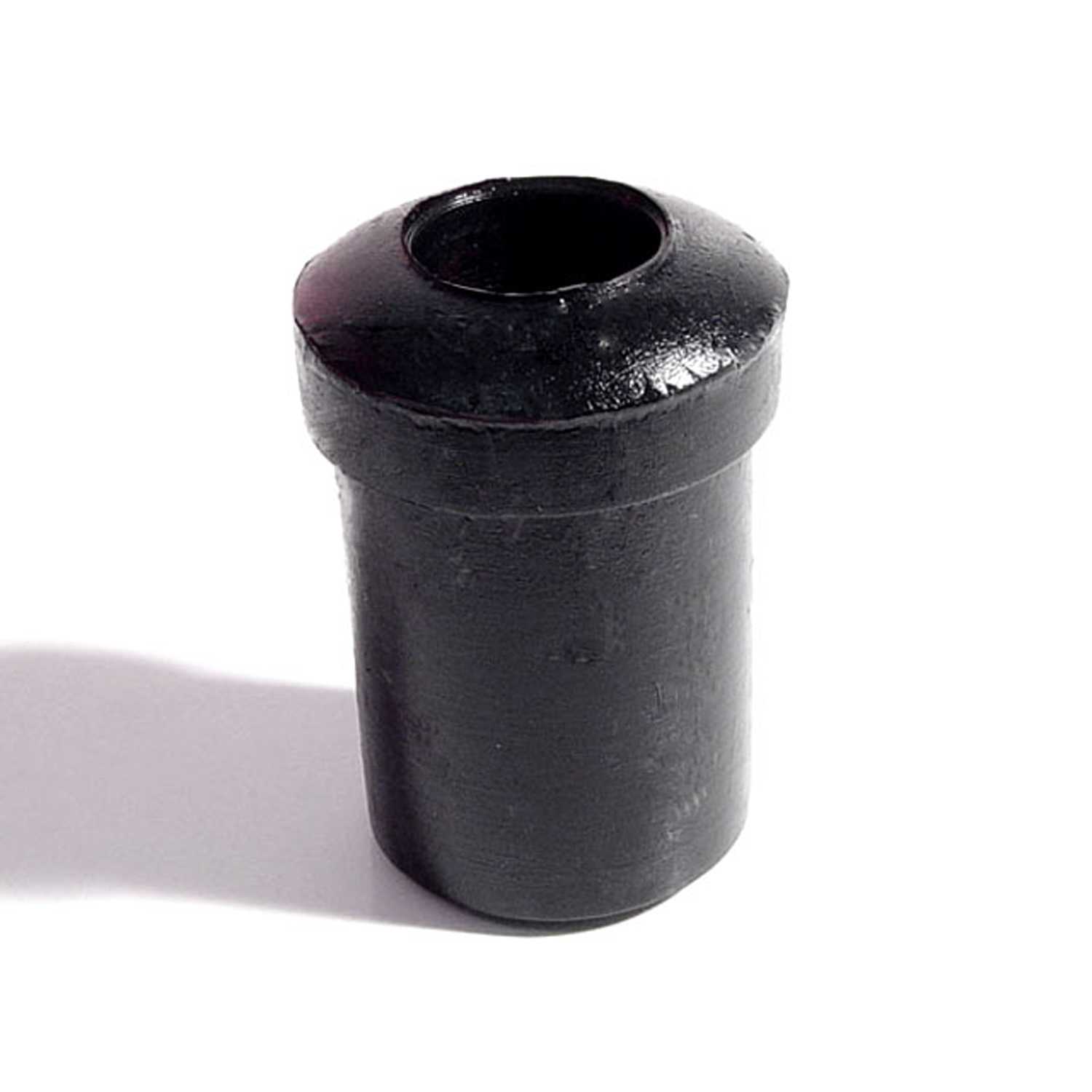 1953 Packard Cavalier Spring and Shackle Bushing. 1" bottom O.D-BN 20Spring and Shackle Bushing. 1" bottom O.D. X 1-5/8" high, with 9/16" I.D. Each
 1953 Packard Cavalier Cowl and Hood Seal. 43-5/8" long. Each-CS 1Cowl and Hood Seal. 43-5/8" long. Each
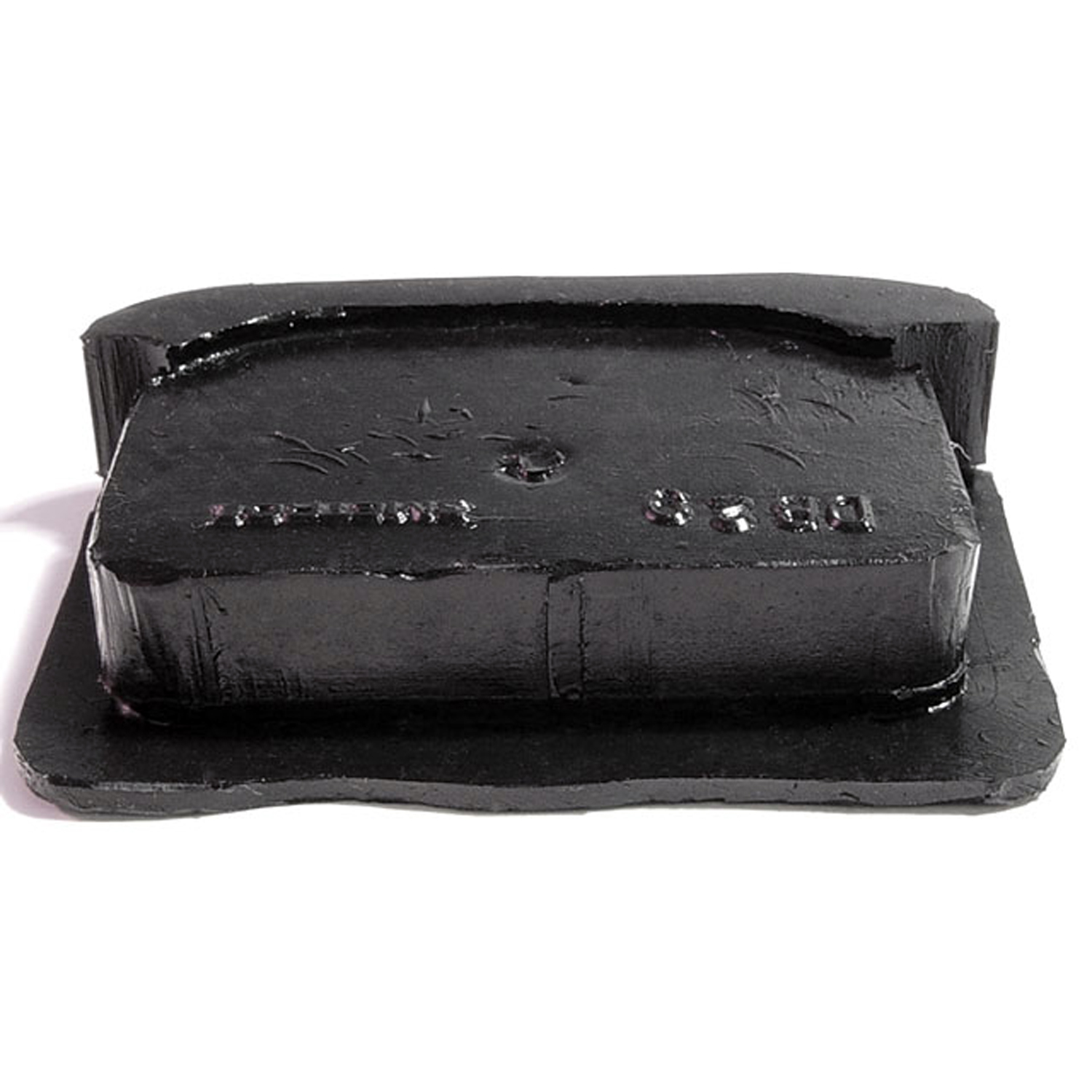 1953 Packard Cavalier Door Bumper. 1-3/8" high X 2" wide X 1/2" thick. Each-DB 29Door Bumper. 1-3/8" high X 2" wide X 1/2" thick. Each
 1953 Packard Cavalier Gas Filler Grommet. 2-1/2" I.D., 4-1/8" O.D. Each-GF 12Gas Filler Grommet. 2-1/2" I.D., 4-1/8" O.D. Each
 1953 Packard Cavalier Hood Corners. 1-3/4" to 2" corner radius-HC 14Hood Corners. 1-3/4" to 2" corner radius. Pad is 3-3/8" long. Pair
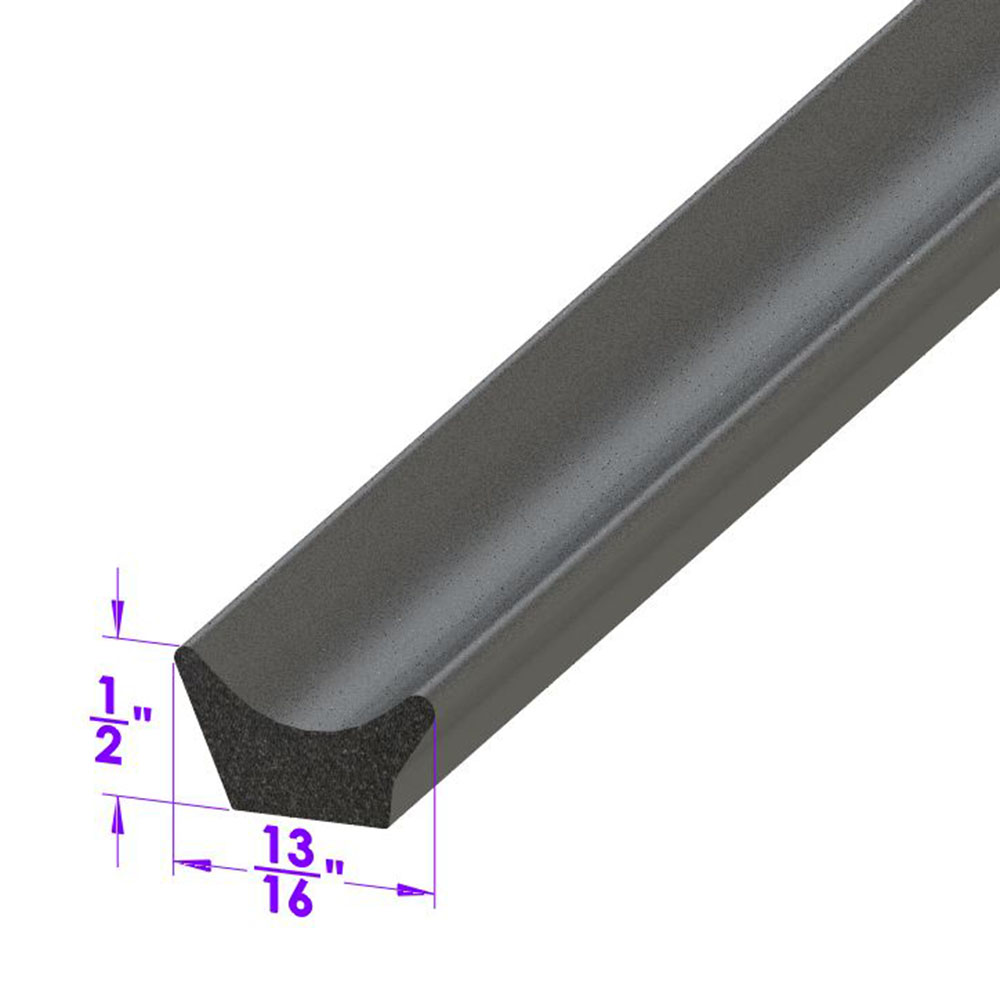 1953 Packard Cavalier Door side seal. Same as LP 40, but for a lighter seal-LP 40-ADoor side seal. Same as LP 40, but for a lighter seal. Fits many domestic passenger cars and trucks. Universal seal for street rods and customs. Used in Cobra kit cars as door weatherstrip. Per foot.
 1953 Packard Cavalier Antenna Pad. 1-7/8" O.D. Each-MP 854-AAntenna Pad. 1-7/8" O.D. Each
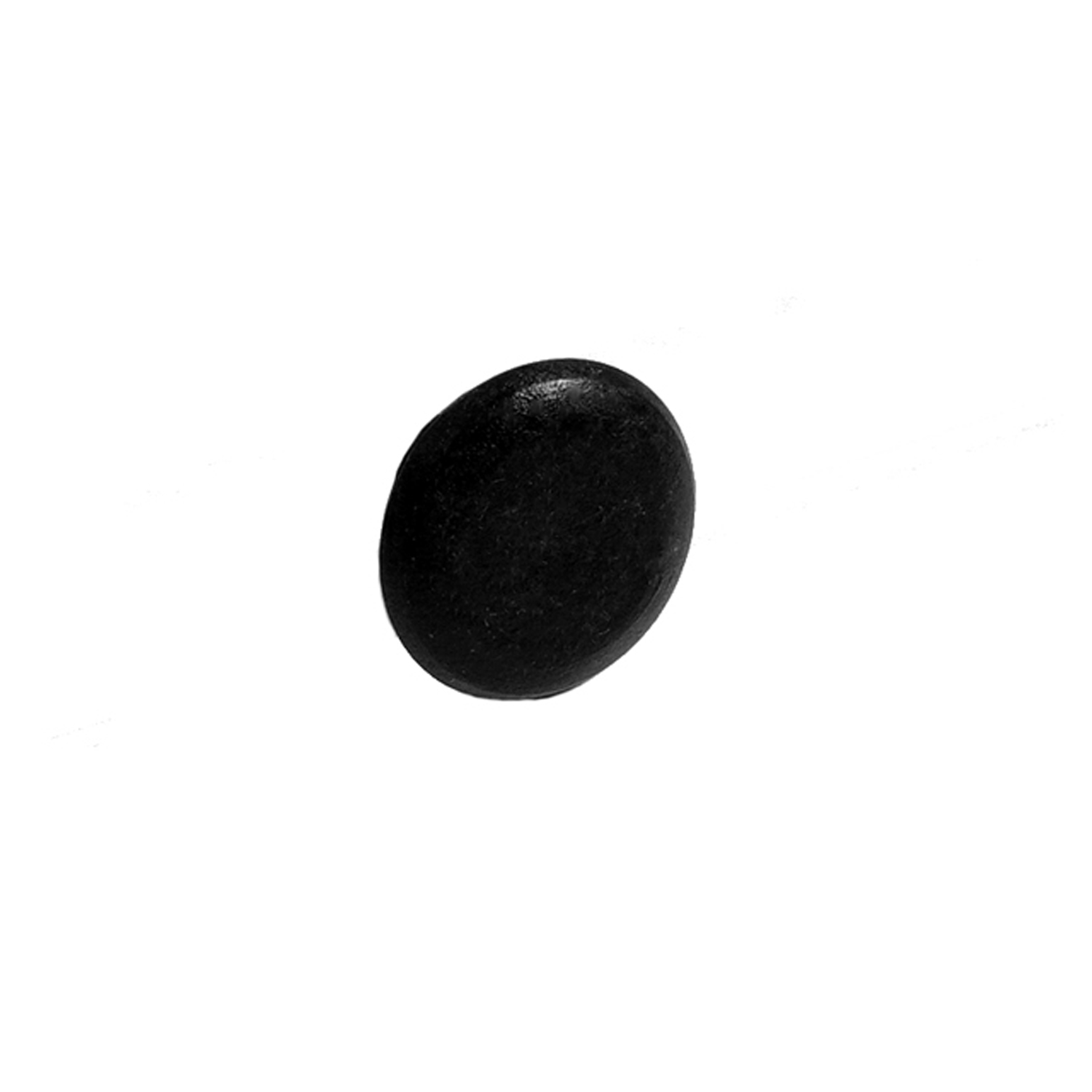 1953 Packard Cavalier Trunk Bumper. 3/4" O.D., 5/8" I.D. Each-SB 74Trunk Bumper. 3/4" O.D., 5/8" I.D. Each
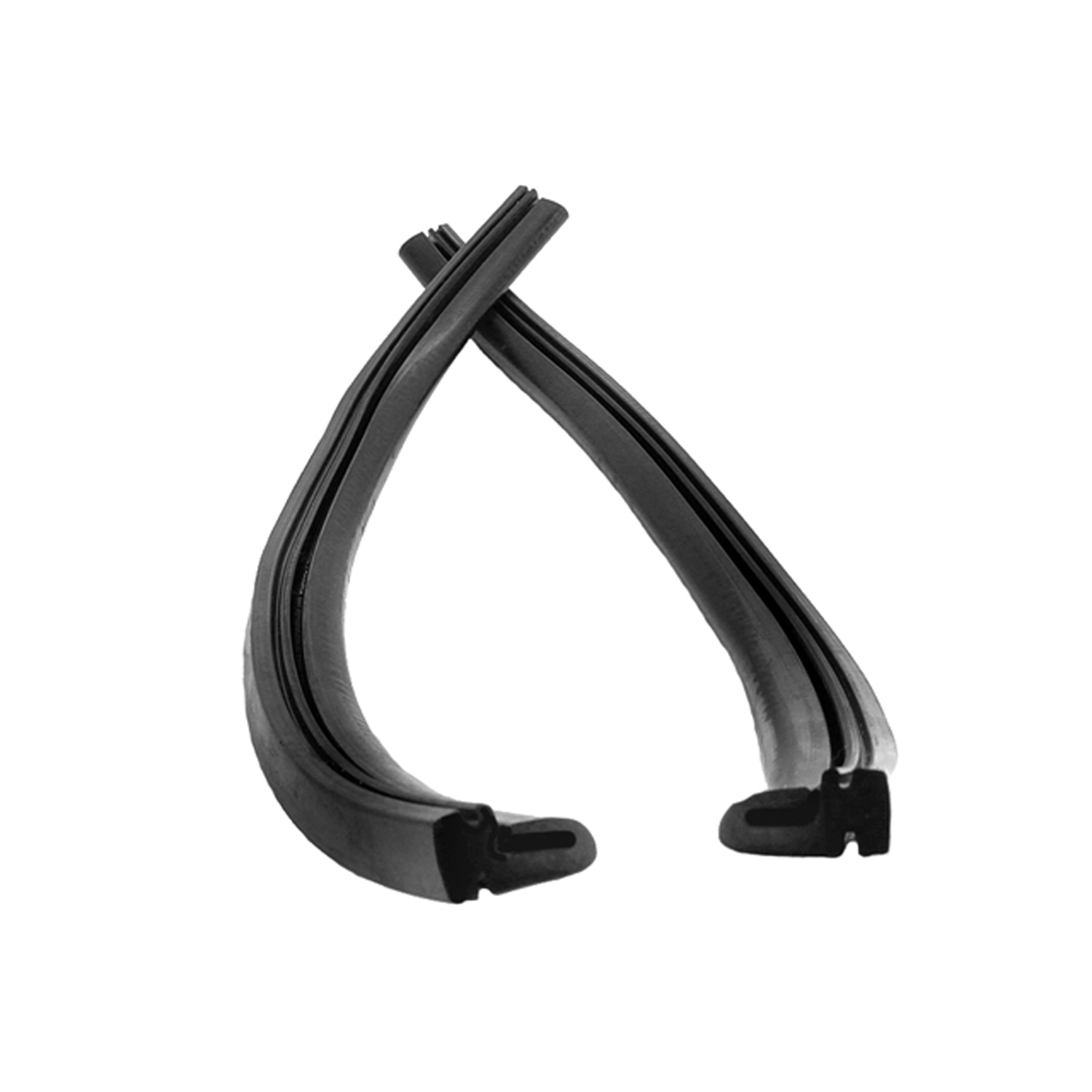 1953 Packard Cavalier Rear Roll-up Window Seals, for Hardtops and Convertibles-VS 7Rear Roll-up Window Seals, for Hardtops and Convertibles. For leading edge of rear quarter windows. Two pieces, 17-3/4" long. Pair
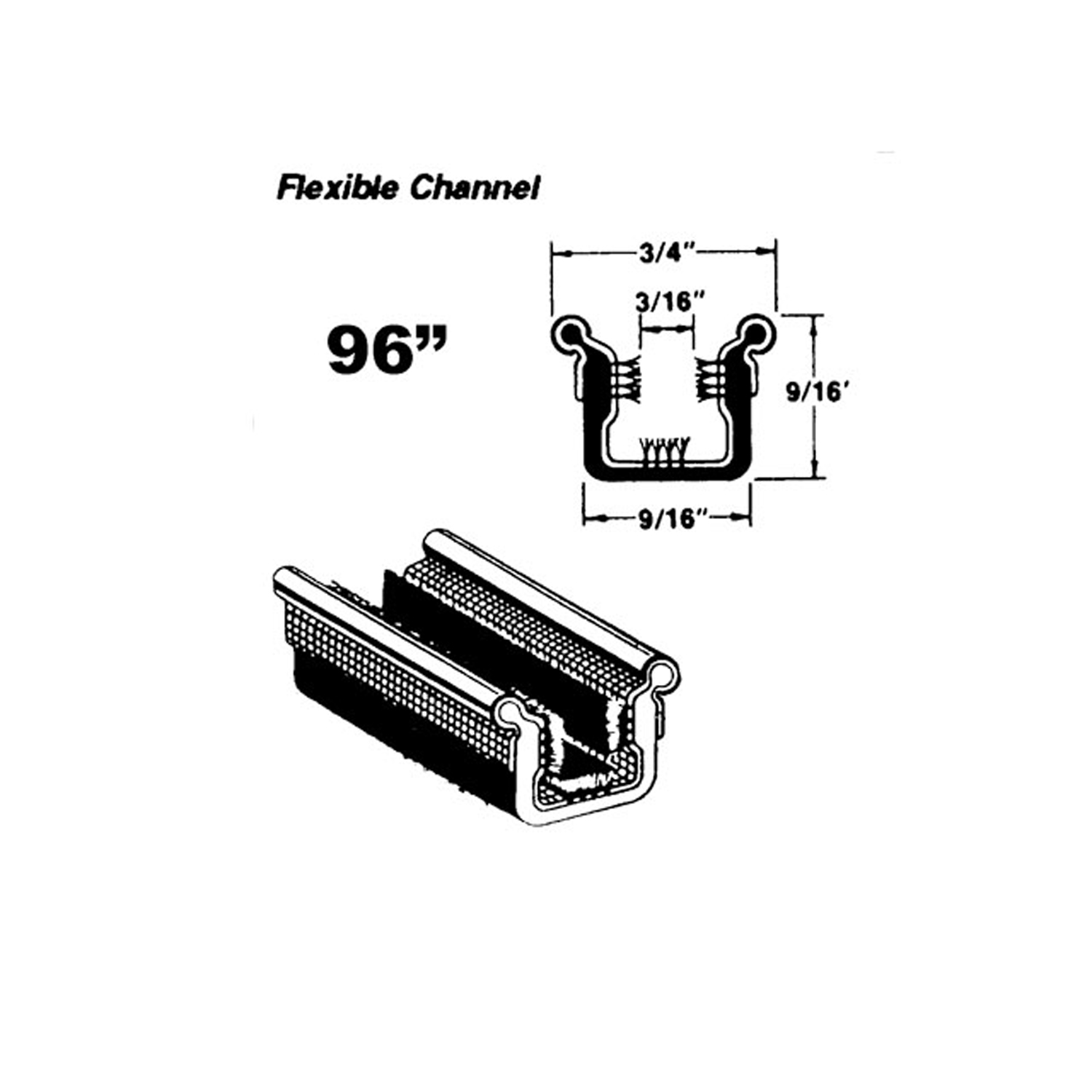 1953 Packard Cavalier Flexible window channel-WC 10-96Flexible window channel. Rubber covered with mohair lining and stainless steel bead. 96 in. long. Each. NOTE: $20 special shipping charge applies for domestic orders. Call or email for overseas shipping costs. Part can be sectioned in two or three equal lengths to reduce overseas shipping costs.
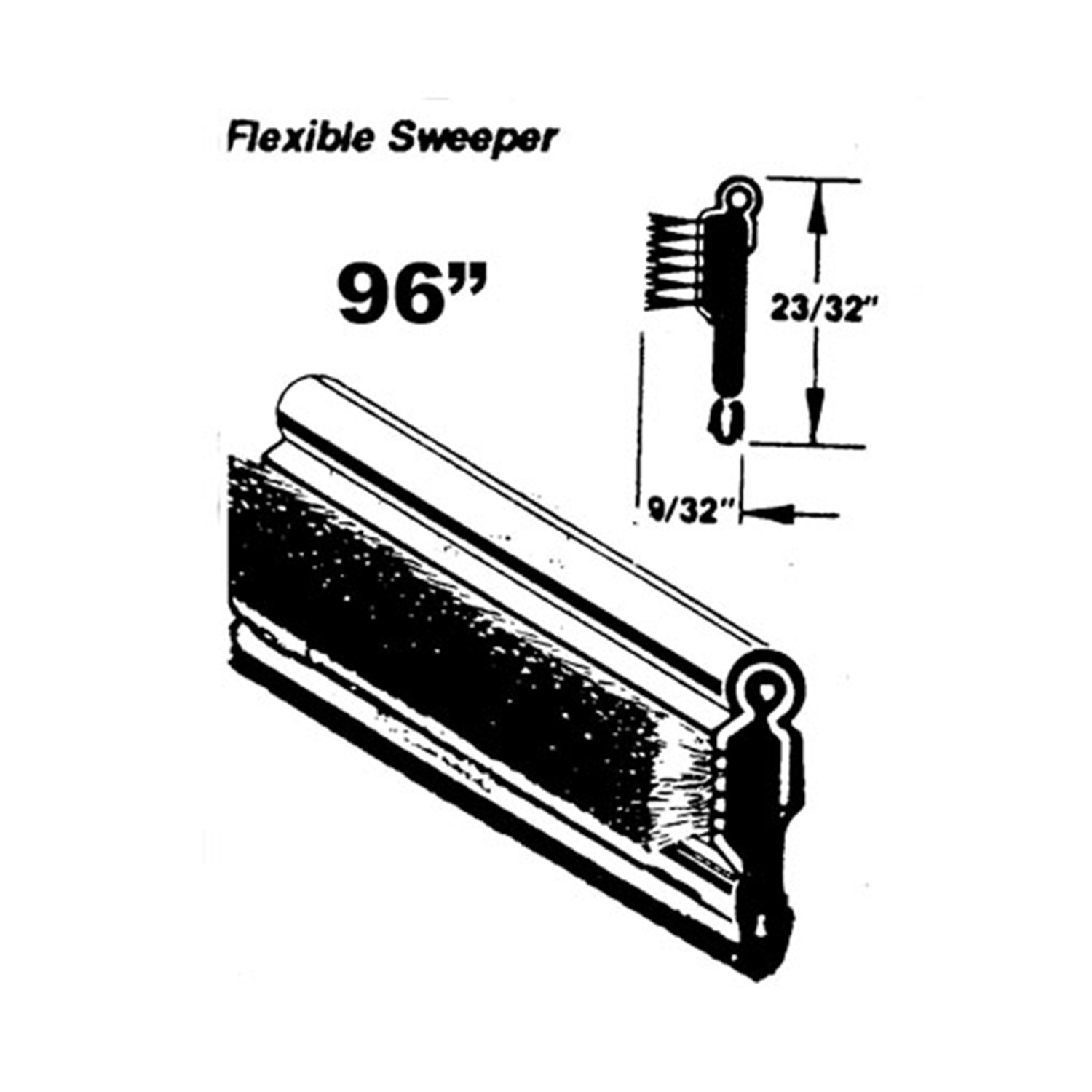 1953 Packard Cavalier Flexible window sweeper. Made with stainless steel bead-WC 4-96Flexible window sweeper. Made with stainless steel bead. 96 in. long. Each. NOTE: $20 special shipping charge applies for domestic orders. Call or email for overseas shipping costs. Part can be sectioned in two or three equal lengths to reduce overseas shipping costs.
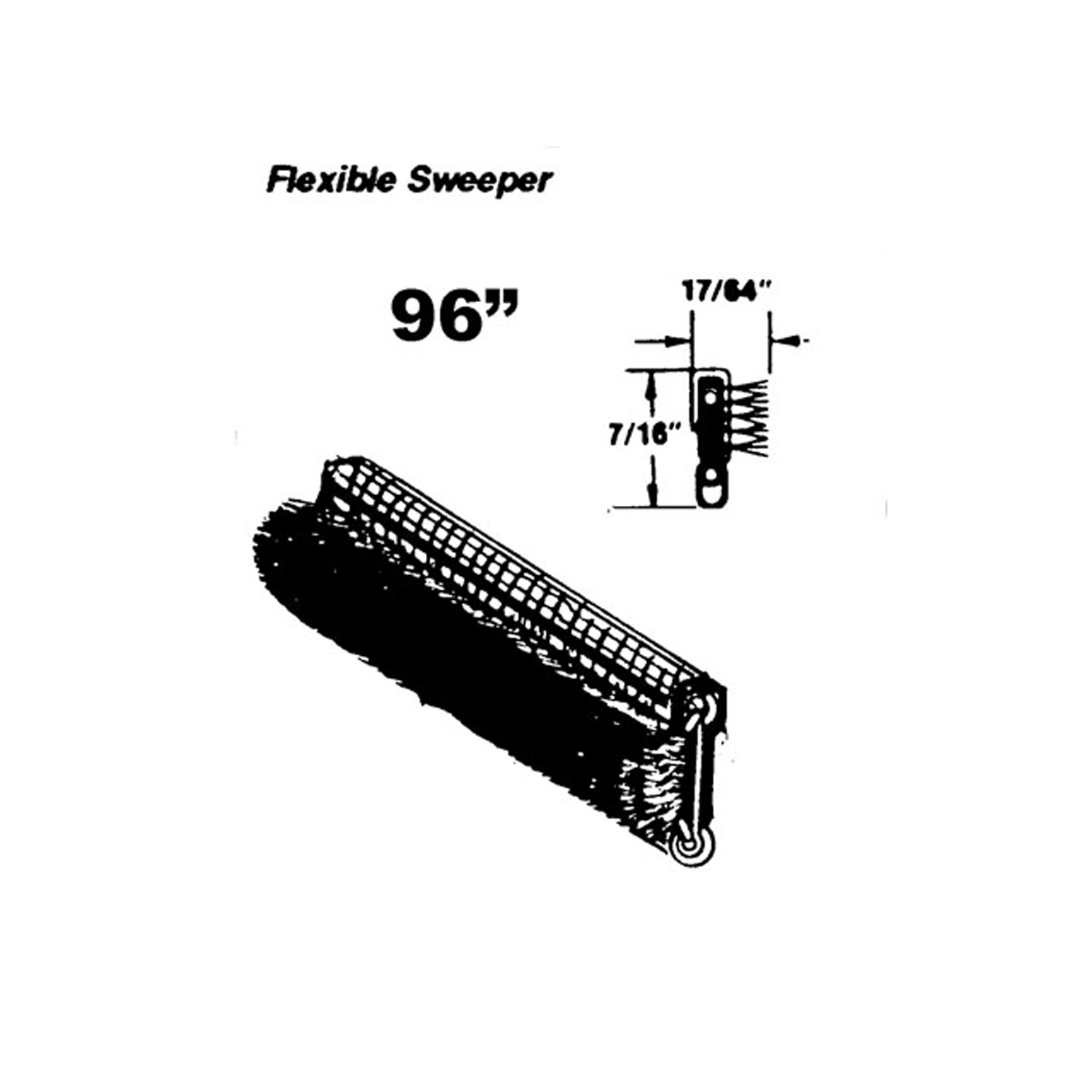 1953 Packard Cavalier Flexible window sweeper-WC 5-96Flexible window sweeper. Made with black electro-plated steel. 96 in. long. Each. NOTE: $20 special shipping charge applies for domestic orders. Call or email for overseas shipping costs. Part can be sectioned in two or three equal lengths to reduce overseas shipping costs.
 1953 Packard Cavalier Vent Window Seal. Pair-WR 2300Vent Window Seal. Pair
Why Choose Metro?
For over 100 years, Metro Moulded Parts has been the pinnacle of quality in classic car restoration parts. Our commitment to precision and authenticity in every component ensures a perfect fit and an OEM-level appearance.
- Expert Craftsmanship & Quality: Each part is a testament to our dedication to reliability and perfection, crafted from original designs and thoroughly tested.
- Advanced Technology: We use cutting-edge techniques to create flawless, long-lasting parts that surpass others in performance.
- SuperSoft Sponge – The Ultimate Door Seal: Not only are our door seals 30% softer than competitors', but they're also guaranteed to never leak. They effectively reduce wind and road noise, enhancing your classic car's comfort and driving experience.
- Proudly American: Our parts are a product of American craftsmanship, made in the USA with a spirit of excellence and heritage.
- Unrivaled Warranty: We back our products with a 30-year industry-leading warranty, a testament to our confidence in their quality.
Join us in preserving the legacy of classic cars with parts that are crafted for perfection, not just made.