
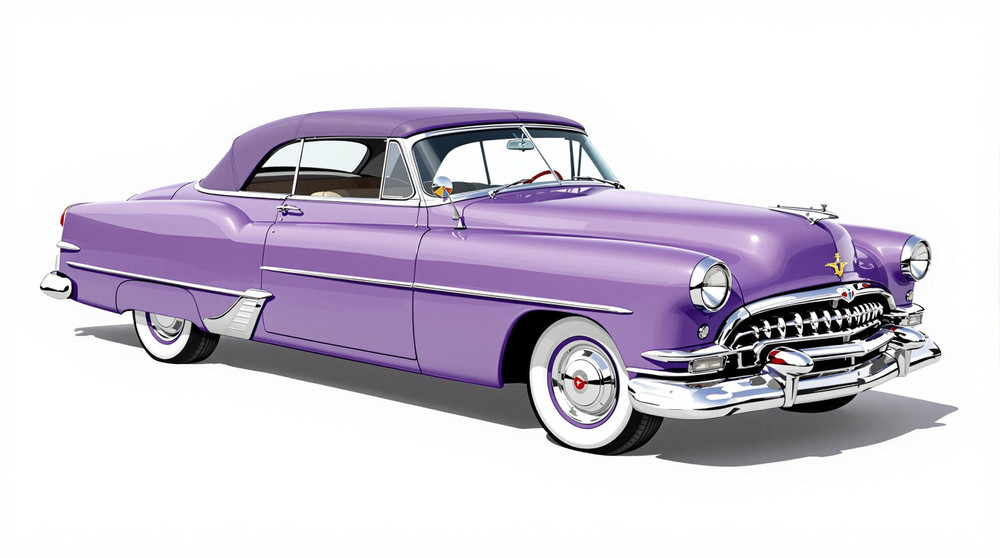
Image of 1953 Packard Clipper, Note: These illustrations use artistic license and may differ from actual historical models.
Performance Metrics
Fundamental Metrics
Emotional Appeal
MMP Rating
| Engine Specifications | |
|---|---|
| Engine: | Straight-8 |
| Displacement: | 327 cu in (5.4 L) |
| Horsepower: | 150 HP |
| Torque: | 270 lb-ft |
| Compression Ratio: | 7.0:1 |
| Ignition System: | Battery Ignition |
| Cooling System: | Liquid Cooled |
| Performance Specifications | |
| 0-60 Time: | 15 seconds |
| 1/4 Mile Time: | Estimated 20 seconds |
| Top Speed: | 100 mph |
| Transmission and Drive | |
| Drive Type: | Rear Wheel Drive |
| Transmission Type: | 3-speed manual, 2-speed Ultramatic automatic optional |
| Fuel and Efficiency | |
| Fuel System Type: | Carburetor |
| MPG: | 15 MPG |
| Dimensions and Brakes | |
| Brakes: | Drum Brakes |
| Wheelbase: | 122 inches |
| Weight: | 3,700 lbs |
Note: Specifications for classic cars are given to the best of our ability, considering the limited and variant data available.
1953 Packard Clipper: A Classic Packard at a Turning Point
The 1953 Packard Clipper paired elegant postwar styling with the smooth, unhurried character of Packard’s famous straight-eight engines. Built by the Packard Motor Car Company in Detroit, it was the marque’s more accessible full-size car, positioned below senior models such as the Cavalier, Patrician, and Caribbean. It offered a taste of Packard comfort and craftsmanship at a lower price, just as the independent automaker faced an increasingly difficult fight against Detroit’s largest manufacturers.
The Clipper name had a longer history than the 1953 model itself. Packard introduced it in 1941 for a streamlined new body style, and it became one of the company’s best-known names. In 1953, Clipper was a distinct series in Packard’s lineup. The year also marked Packard’s 55th anniversary, giving the car a place in the story of a company that had earned a reputation for engineering, refinement, and prestige.
A notable piece of Clipper history is that the name would soon carry even more weight. As Packard’s model range narrowed, the Clipper became increasingly central to the company’s identity. The 1953 version therefore represents both a handsome, usable classic and a snapshot of Packard during its final years as an independent automaker.
Clipper Styling and Cabin Comfort
The 1953 Clipper had the broad, low proportions expected of a full-size American car, but its details were more restrained than the chrome-heavy styling that was becoming common across the industry. At the front, a distinctive Packard grille sat between hooded headlamps, with a long hood and rounded fenders giving the car a substantial, confident stance. Bright trim emphasized the body’s length without overwhelming its clean lines. Around back, carefully shaped rear fenders and prominent taillights completed the formal look.
Inside, the Clipper delivered the kind of comfortable, substantial cabin that Packard buyers expected. The dashboard used clear instruments and tasteful brightwork, while broad seats and generous interior space made the car well suited to long trips. Upholstery materials varied by model and trim, with cloth and vinyl combinations common in sedans and richer fabrics available on better-equipped examples. The overall impression was durable and inviting rather than sporty or minimal.
Packard offered a wide palette of factory colors, including dark blues and greens, maroon, black, and lighter ivory tones. Two-tone combinations gave the long body extra visual definition and are particularly attractive to many collectors today. Exact paint choices depended on series and production configuration, so original paint and trim codes are worth checking when evaluating a car.
The Clipper was offered as a two-door Club Sedan and a four-door sedan, with availability and trim depending on the Clipper series. The four-door was the practical family choice, while the Club Sedan’s uninterrupted side profile gives it a particularly graceful look. There was no Clipper convertible in the 1953 range; buyers seeking an open Packard had to look to the more exclusive Caribbean.
Engineering in the 1953 Packard
Power came from Packard’s L-head, or flathead, inline-eight engines. Clipper models generally used a 288-cubic-inch engine, while higher-trim Clipper versions could be equipped with a 327-cubic-inch straight-eight. Output depended on engine and equipment, but the smaller engine was rated at about 150 horsepower, with 327-equipped cars offering a similar or somewhat higher figure depending on specification. These engines were designed for smooth, steady progress rather than high-revving performance.
A three-speed manual transmission was available, and Packard’s Ultramatic automatic was a popular option. Ultramatic was notable for its torque-converter operation and direct-drive feature, which could reduce slippage at cruising speed. It gave the Clipper a relaxed, refined character, although a well-maintained unit is important: neglected transmissions can require specialist attention.
Other available equipment could include power steering, power brakes, a radio, heater, and power-operated accessories. Such features helped make the Clipper feel modern and luxurious, even though the car retained traditional body-on-frame construction and a conventional front-engine, rear-wheel-drive layout. Packard’s emphasis was not on novelty for its own sake. It was on making a large car feel comfortable, quiet, and easy to live with.
Why the Clipper Mattered
The 1953 Clipper was not a radical engineering breakthrough, but its significance lies in how it carried Packard’s design and reputation into the postwar market. Packard had to compete with the scale, advertising budgets, and frequent styling updates of General Motors, Ford, and Chrysler. The Clipper gave the company a more attainable entry point while preserving the marque’s emphasis on solid construction and smooth power.
Its restrained appearance set it apart from contemporaries that increasingly relied on elaborate chrome, dramatic tailfins, and frequent annual redesigns. The Clipper looked substantial without being flamboyant. Its proportions and carefully controlled ornamentation still read as distinctly Packard, especially at the grille and in the long, formal profile.
The car also belongs to a pivotal period in Packard history. The company was working to remain competitive as the cost of developing new cars rose and the independent manufacturers faced mounting pressure. Packard merged with Studebaker in 1954, and later Packard-badged cars were based on a different direction for the combined company. A 1953 Clipper therefore represents one of the final full seasons of the traditional Detroit-built Packard era.
Performance, Ride, and Road Manners
Performance figures vary with engine, transmission, gearing, and vehicle condition. As a useful period-car estimate, a 288-powered Clipper typically reaches 0 to 60 mph in roughly 16 to 18 seconds, with a top speed in the neighborhood of 90 mph. A 327-equipped car can be somewhat quicker. Those numbers are modest by modern standards, but they suit the Clipper’s purpose: effortless cruising rather than stoplight competition.
On the road, the straight-eight delivers a muted, even note, especially at moderate engine speeds. Acceleration builds smoothly, and the car feels most at home settling into a steady highway pace. The suspension is tuned for comfort, so it takes ordinary bumps and broken pavement in a composed, cushioned manner. On winding roads, the Clipper’s size and soft ride are more apparent. It prefers a measured pace, with deliberate steering inputs, rather than quick changes of direction.
Behind the wheel, the experience is tactile and relaxed. The large steering wheel, broad hood, and generous cabin make the car feel substantial. Power steering, when fitted, eases low-speed maneuvering; without it, parking requires more effort. The Ultramatic suits the car’s calm character, while a manual-transmission example offers a more involved drive. In either case, the Clipper rewards smooth inputs and gives its driver a sense of traveling in a well-built automobile from another era.
Living With a 1953 Clipper
Today, most Clippers serve as weekend drivers, touring cars, or show vehicles rather than everyday transportation. A properly sorted example can handle local trips and relaxed highway outings, but age brings practical considerations: brakes, tires, fuel-system components, cooling systems, wiring, and suspension parts all deserve close inspection. A car that has been stored for years should be recommissioned carefully before regular use.
The straight-eight is robust when maintained, and many routine service tasks are approachable for an experienced home mechanic. The car’s size, age, and less-common Packard-specific components make some repairs more involved than they would be on a more popular 1950s Chevrolet or Ford. Ultramatic transmission work, trim restoration, and sourcing correct interior pieces may call for a Packard specialist or help from an owners’ club. Mechanical condition and the quality of previous repairs matter far more than a shiny paint job.
Packard Clipper Facts and Common Criticisms
The Clipper name began in 1941, well before the 1953 model year, and its continued use reflects how strongly the name connected with Packard buyers. The 1953 Clipper was also part of Packard’s 55th-anniversary year. While the Clipper is sometimes overshadowed by rarer senior Packards and the glamorous Caribbean, it gives collectors a more accessible way to experience the marque’s postwar engineering and styling.
There is no single celebrated racing record or widely documented celebrity association that defines the 1953 Clipper. Its appeal is quieter: it was a serious, comfortable production car built by a company with a long engineering tradition. Common criticisms include its leisurely acceleration, large footprint, and the potential expense of repairing a neglected Ultramatic. Some buyers also find its conservative styling less dramatic than the flashier designs of its rivals. For enthusiasts who value proportion and restraint, those same qualities are part of its charm.
Collector Values and Availability
As a broad 2026 guide, a project-grade 1953 Clipper may sell for about $3,000 to $8,000, while a usable driver often falls around $8,000 to $18,000. A well-restored, highly presentable example can bring roughly $20,000 to $30,000 or more, depending on series, engine, originality, restoration quality, and documentation. These are general ranges rather than fixed prices; local demand and the condition of the car can move a sale substantially.
Clipper production is best treated as an estimate because totals vary by model and series. A reasonable estimate for the combined 1953 Clipper range is roughly 50,000 to 60,000 cars. That makes the Clipper far from a one-off rarity, but surviving examples are less common than the original production numbers suggest. Good cars appear on the market regularly enough for patient buyers, though finding one with sound structure, correct trim, and a healthy drivetrain takes care.
Values have generally been steadier than those of headline-grabbing convertibles and senior Packards. The Clipper’s relative affordability gives it room to attract new collectors, but condition and originality drive prices more than broad market trends. A carefully maintained, correctly restored car is likely to hold its appeal better than an inexpensive example requiring extensive work.
A Lasting Packard Classic
The 1953 Packard Clipper combines handsome, understated styling with a smooth straight-eight, comfortable road manners, and the thoughtful engineering that helped define Packard. It was not the fastest or rarest car of its era, but it offered genuine presence and refinement while its maker stood at a crossroads. For collectors seeking a classic Packard that can still be enjoyed on the road, the Clipper is a compelling reminder that automotive character is about more than speed or chrome.
1953 Packard Clipper Catalog of Parts
 1953 Packard Clipper Accessory Floor Mat - 12"X17"-AC 32Accessory Floor Mat - made of high quality black rubber with molded original emblem. Also designed to be sewn into new carpets. 12"X17", Each
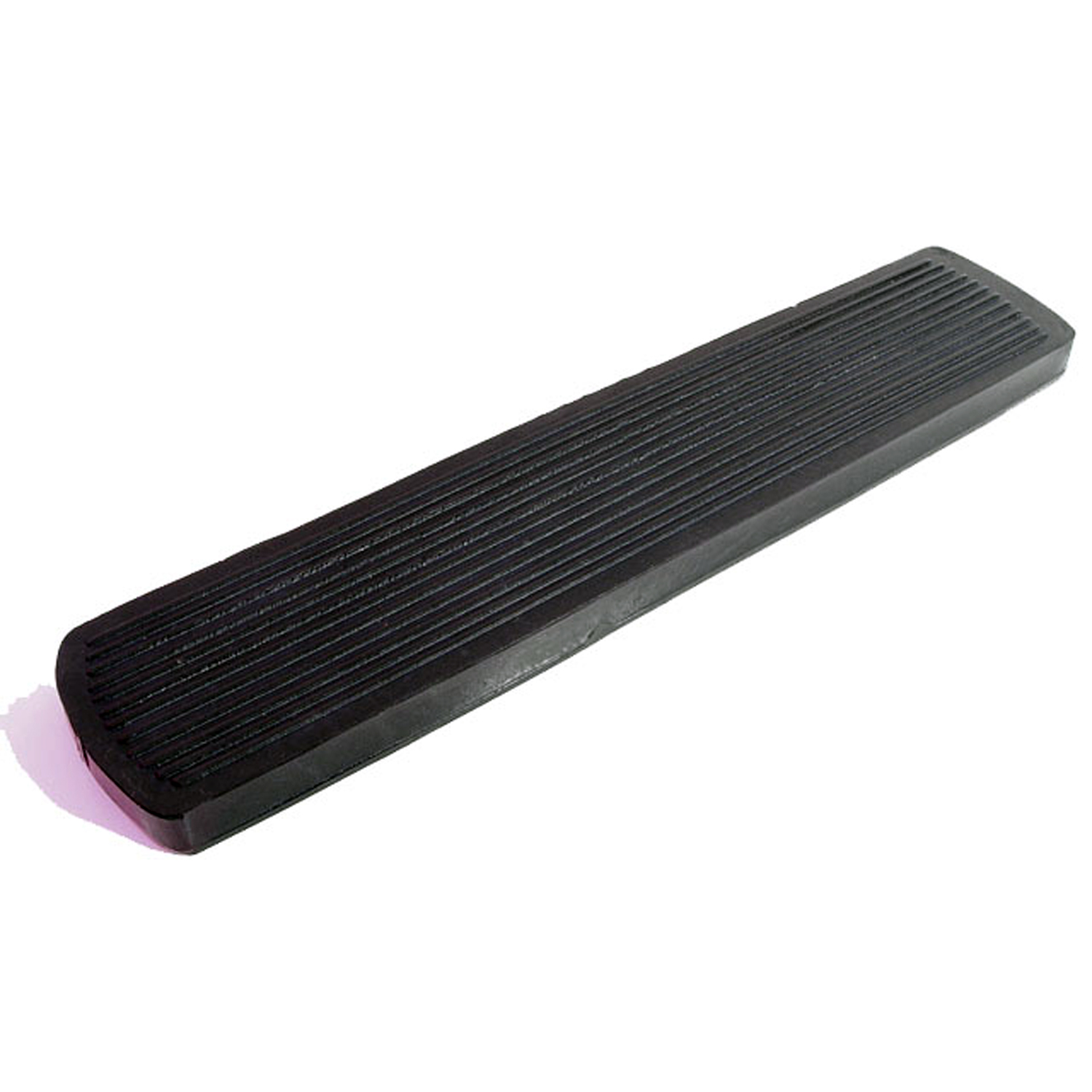 1953 Packard Clipper Accelerator Pedal Pad. 1-7/8" X 9-3/8", Each-AP 16Accelerator Pedal Pad. 1-7/8" X 9-3/8", Each
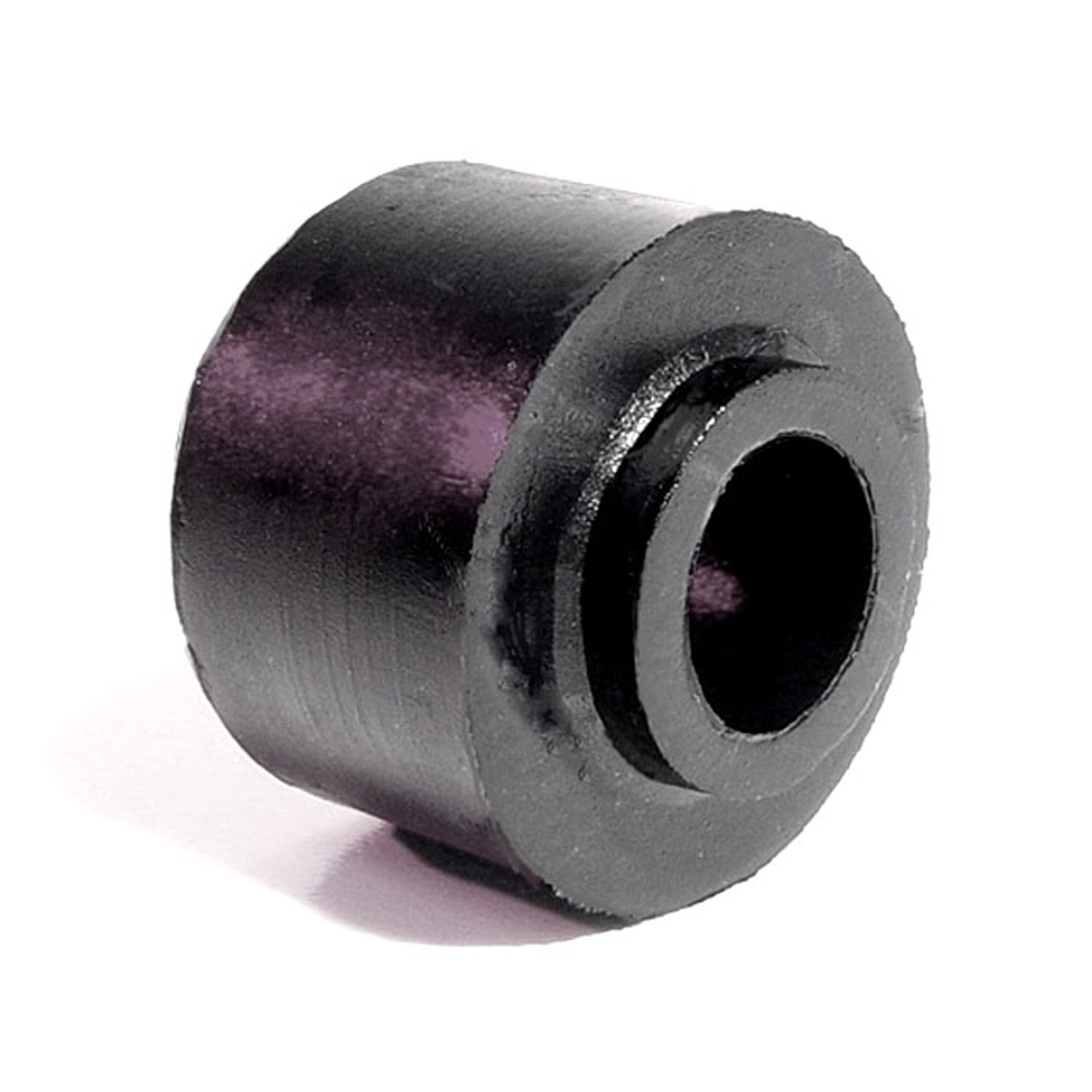 1953 Packard Clipper Shock Absorber Grommet. 1" bottom O.D., 3/4" high-BN 1Shock Absorber Grommet. 1" bottom O.D., 3/4" high., with 7/16" I.D. Each
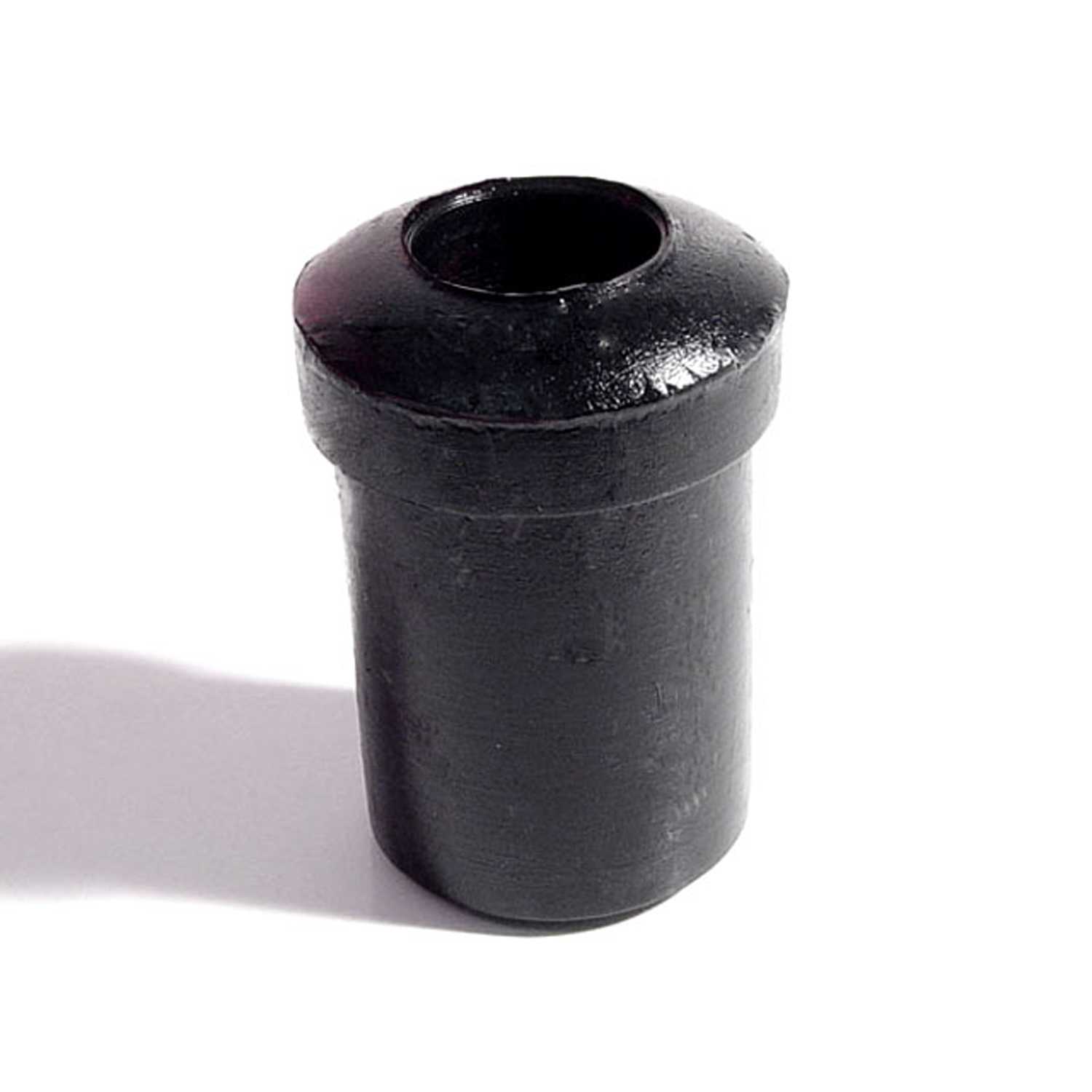 1953 Packard Clipper Spring and Shackle Bushing. 1" bottom O.D-BN 20Spring and Shackle Bushing. 1" bottom O.D. X 1-5/8" high, with 9/16" I.D. Each
 1953 Packard Clipper Cowl and Hood Seal. 43-5/8" long. Each-CS 1Cowl and Hood Seal. 43-5/8" long. Each
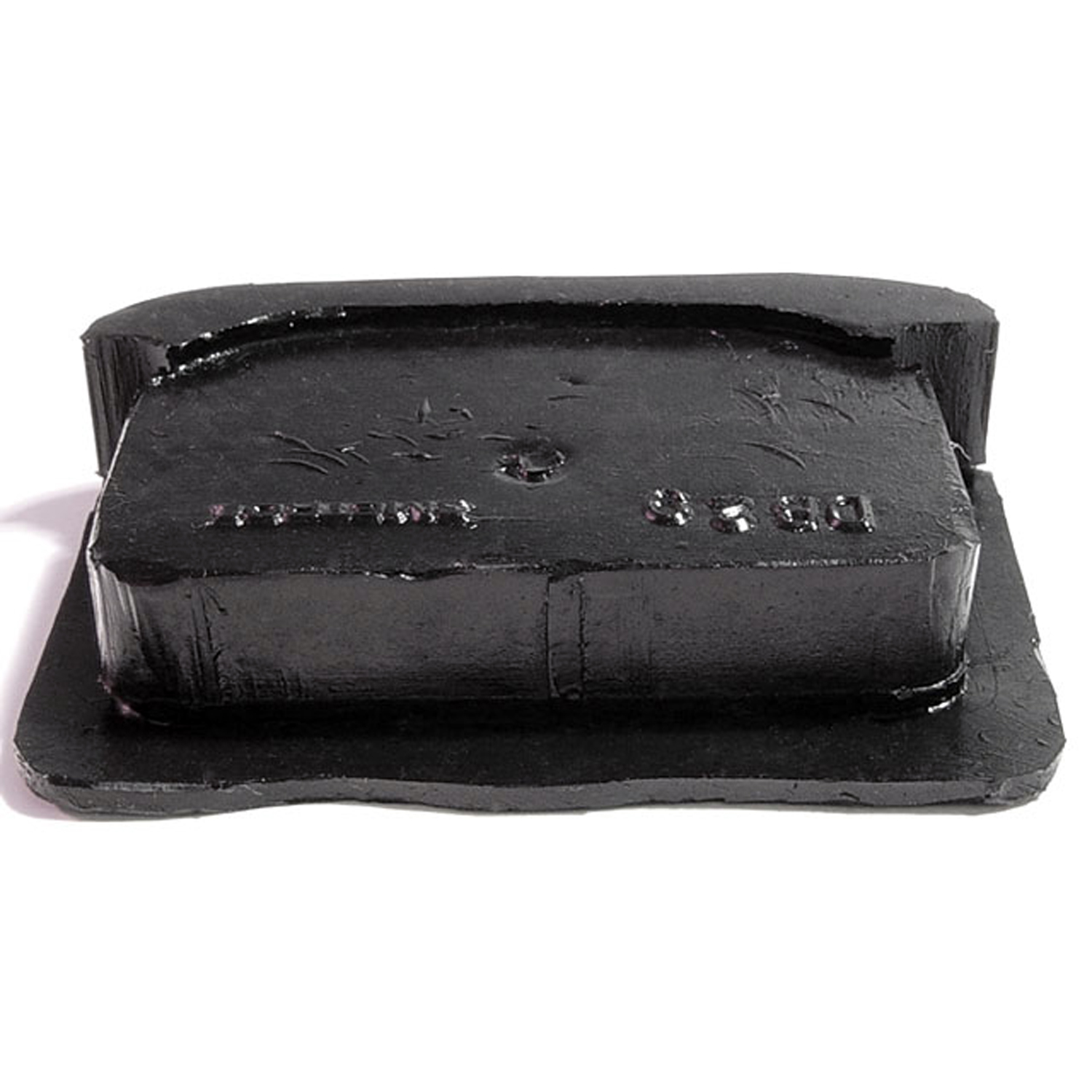 1953 Packard Clipper Door Bumper. 1-3/8" high X 2" wide X 1/2" thick. Each-DB 29Door Bumper. 1-3/8" high X 2" wide X 1/2" thick. Each
 1953 Packard Clipper Gas Filler Grommet. 2-1/2" I.D., 4-1/8" O.D. Each-GF 12Gas Filler Grommet. 2-1/2" I.D., 4-1/8" O.D. Each
 1953 Packard Clipper Hood Corners. 1-3/4" to 2" corner radius-HC 14Hood Corners. 1-3/4" to 2" corner radius. Pad is 3-3/8" long. Pair
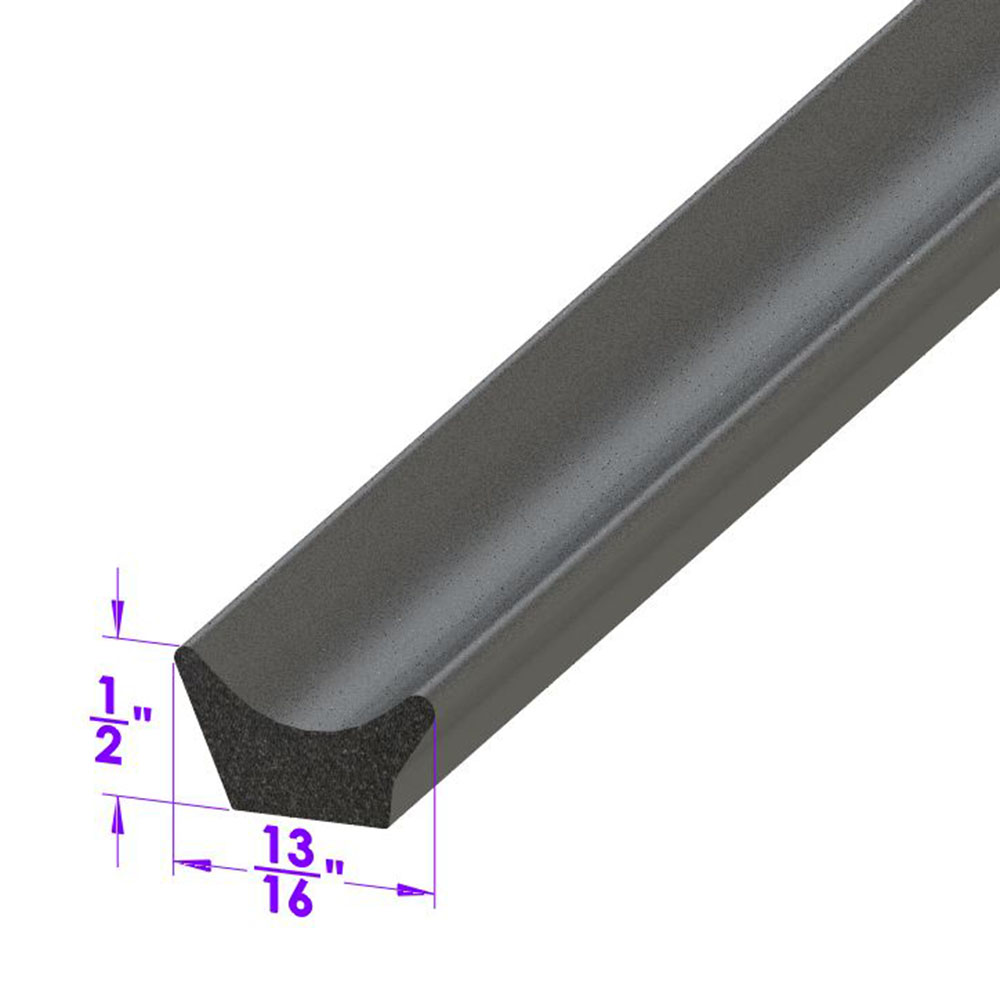 1953 Packard Clipper Door side seal. Same as LP 40, but for a lighter seal-LP 40-ADoor side seal. Same as LP 40, but for a lighter seal. Fits many domestic passenger cars and trucks. Universal seal for street rods and customs. Used in Cobra kit cars as door weatherstrip. Per foot.
 1953 Packard Clipper Antenna Pad. 1-7/8" O.D. Each-MP 854-AAntenna Pad. 1-7/8" O.D. Each
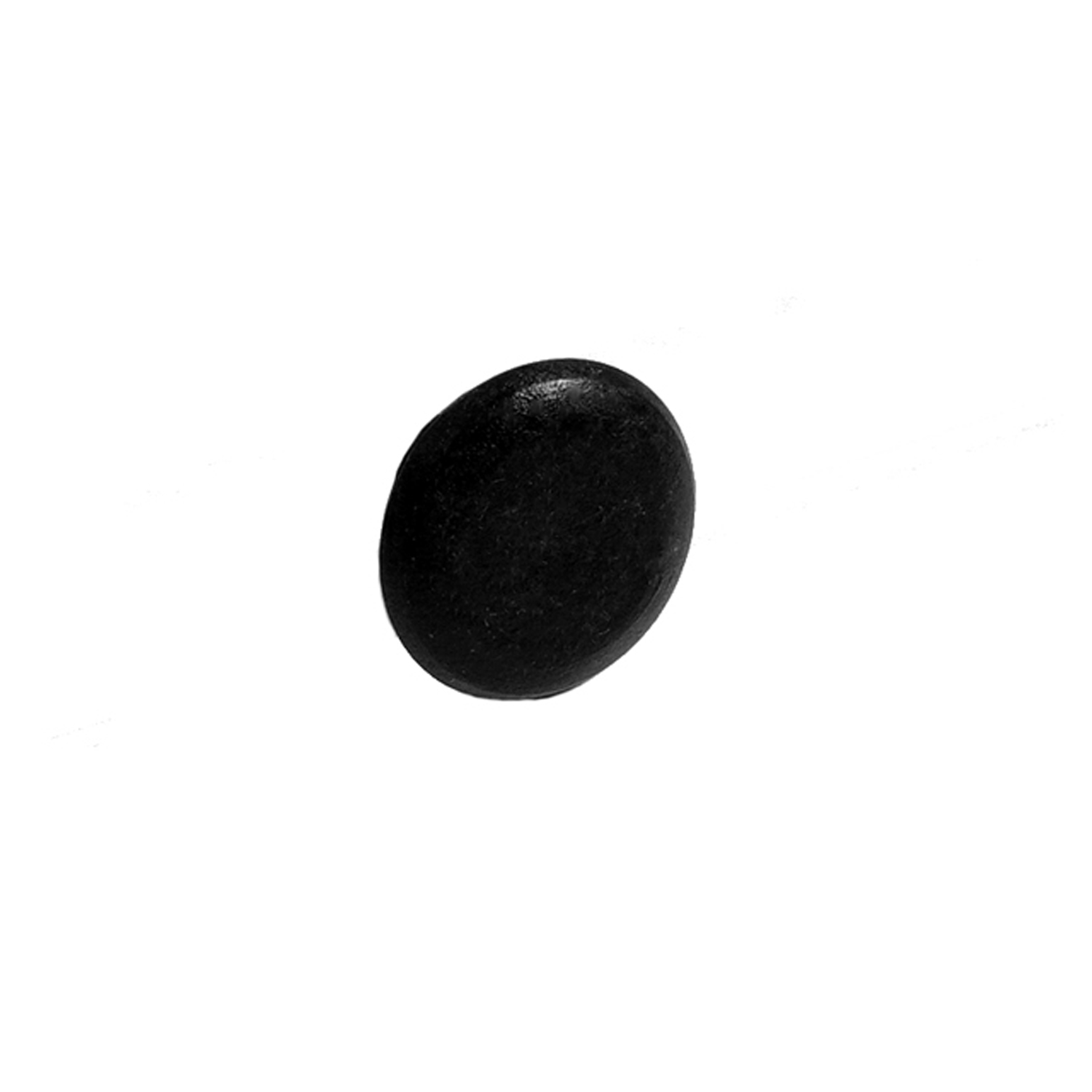 1953 Packard Clipper Trunk Bumper. 3/4" O.D., 5/8" I.D. Each-SB 74Trunk Bumper. 3/4" O.D., 5/8" I.D. Each
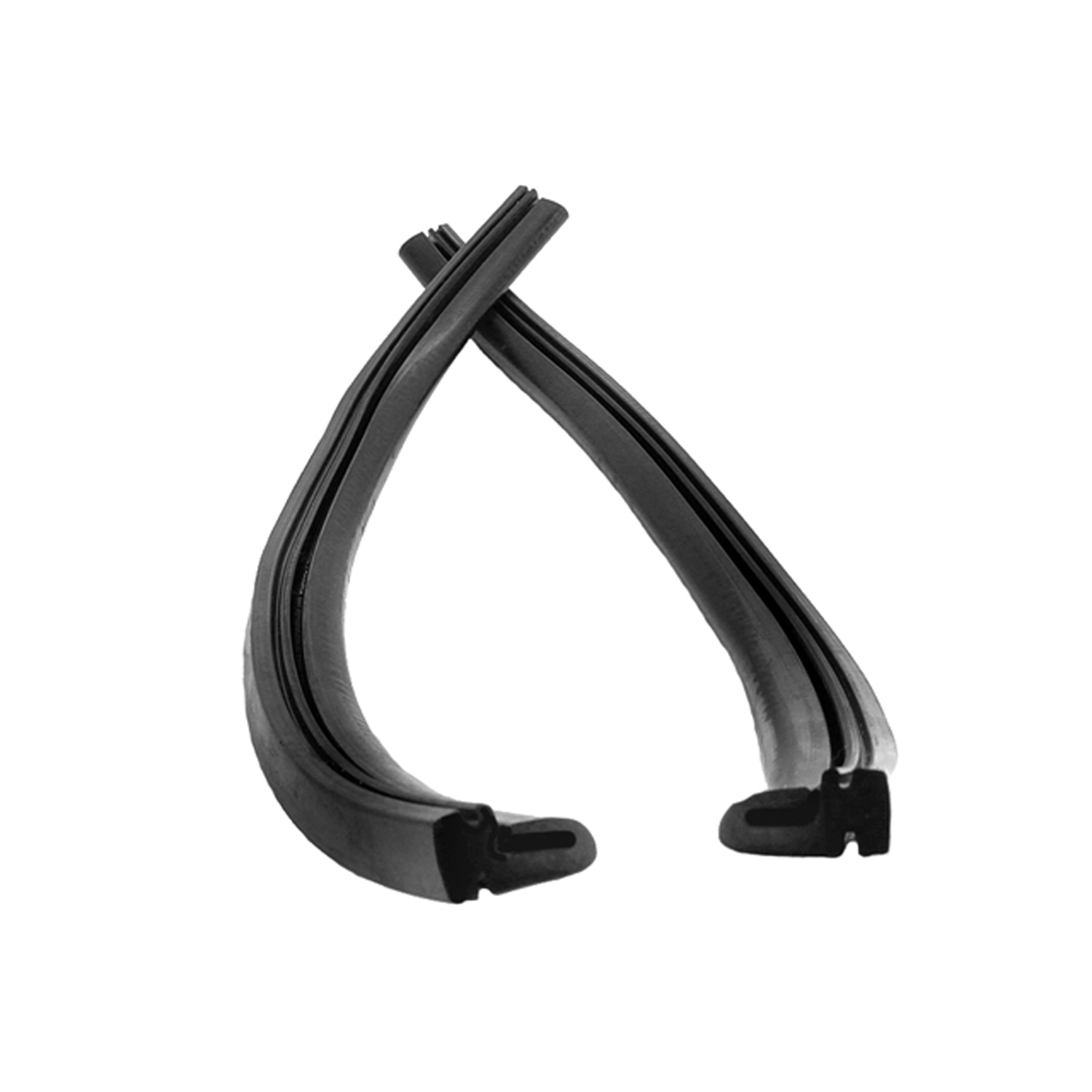 1953 Packard Clipper Rear Roll-up Window Seals, for Hardtops and Convertibles-VS 7Rear Roll-up Window Seals, for Hardtops and Convertibles. For leading edge of rear quarter windows. Two pieces, 17-3/4" long. Pair
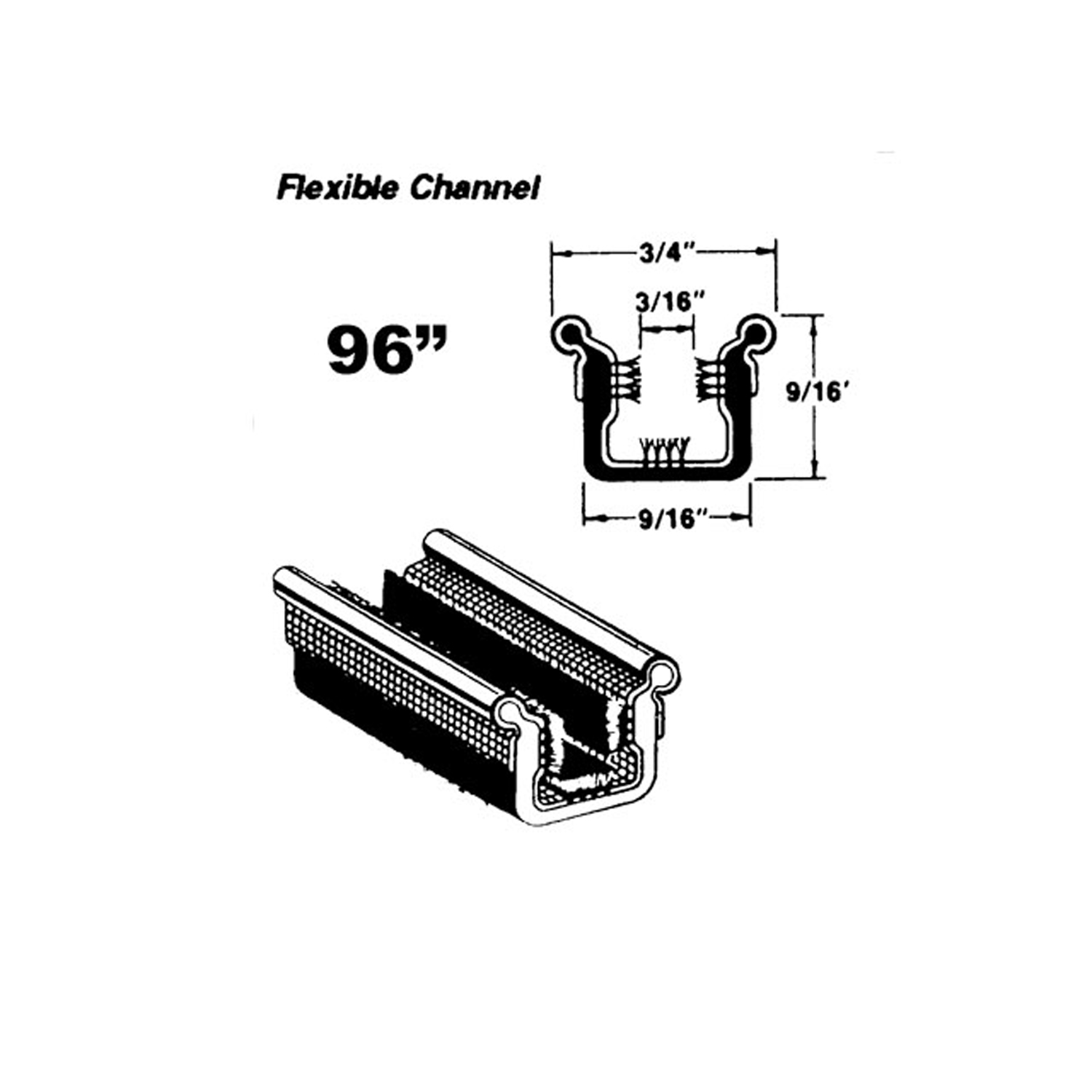 1953 Packard Clipper Flexible window channel-WC 10-96Flexible window channel. Rubber covered with mohair lining and stainless steel bead. 96 in. long. Each. NOTE: $20 special shipping charge applies for domestic orders. Call or email for overseas shipping costs. Part can be sectioned in two or three equal lengths to reduce overseas shipping costs.
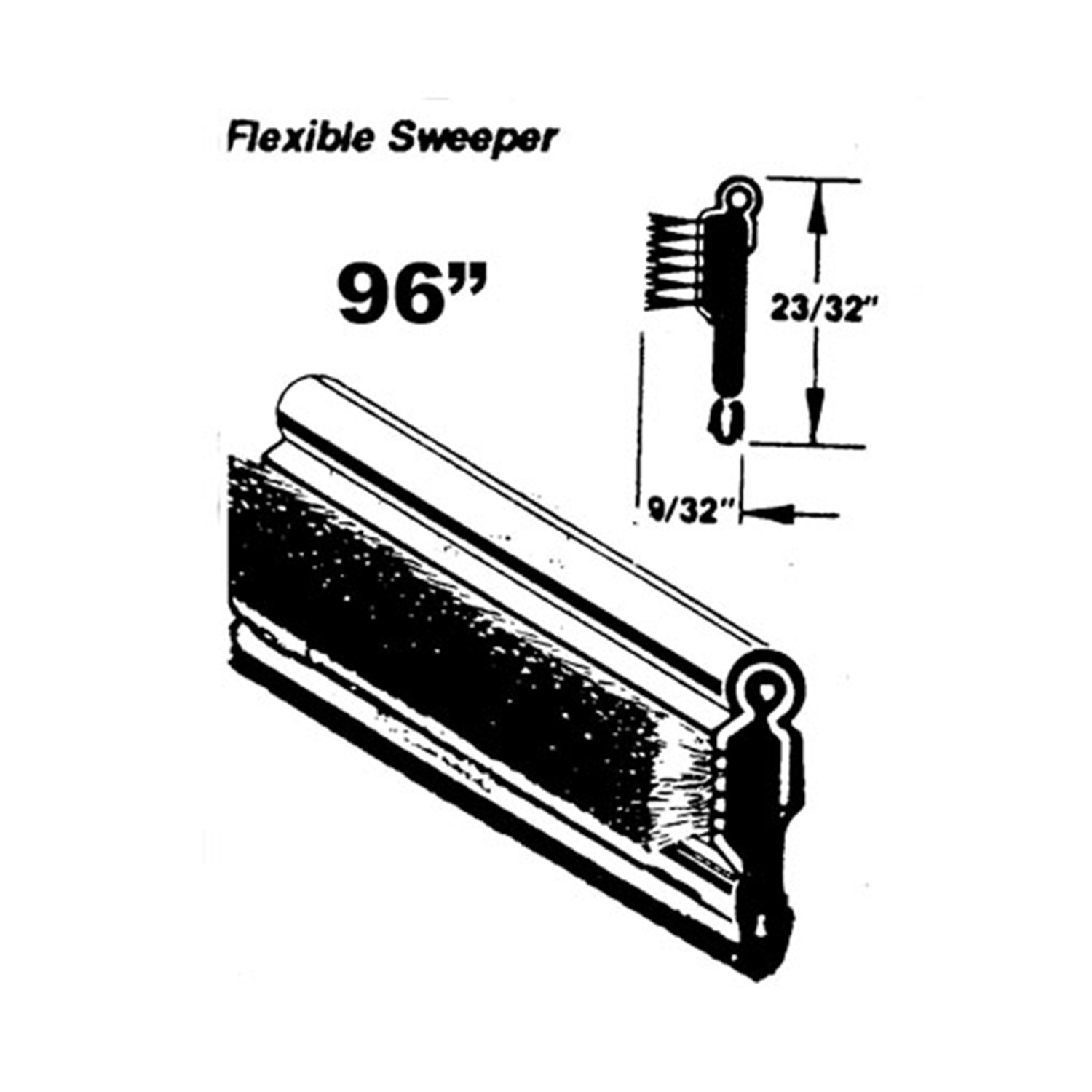 1953 Packard Clipper Flexible window sweeper. Made with stainless steel bead-WC 4-96Flexible window sweeper. Made with stainless steel bead. 96 in. long. Each. NOTE: $20 special shipping charge applies for domestic orders. Call or email for overseas shipping costs. Part can be sectioned in two or three equal lengths to reduce overseas shipping costs.
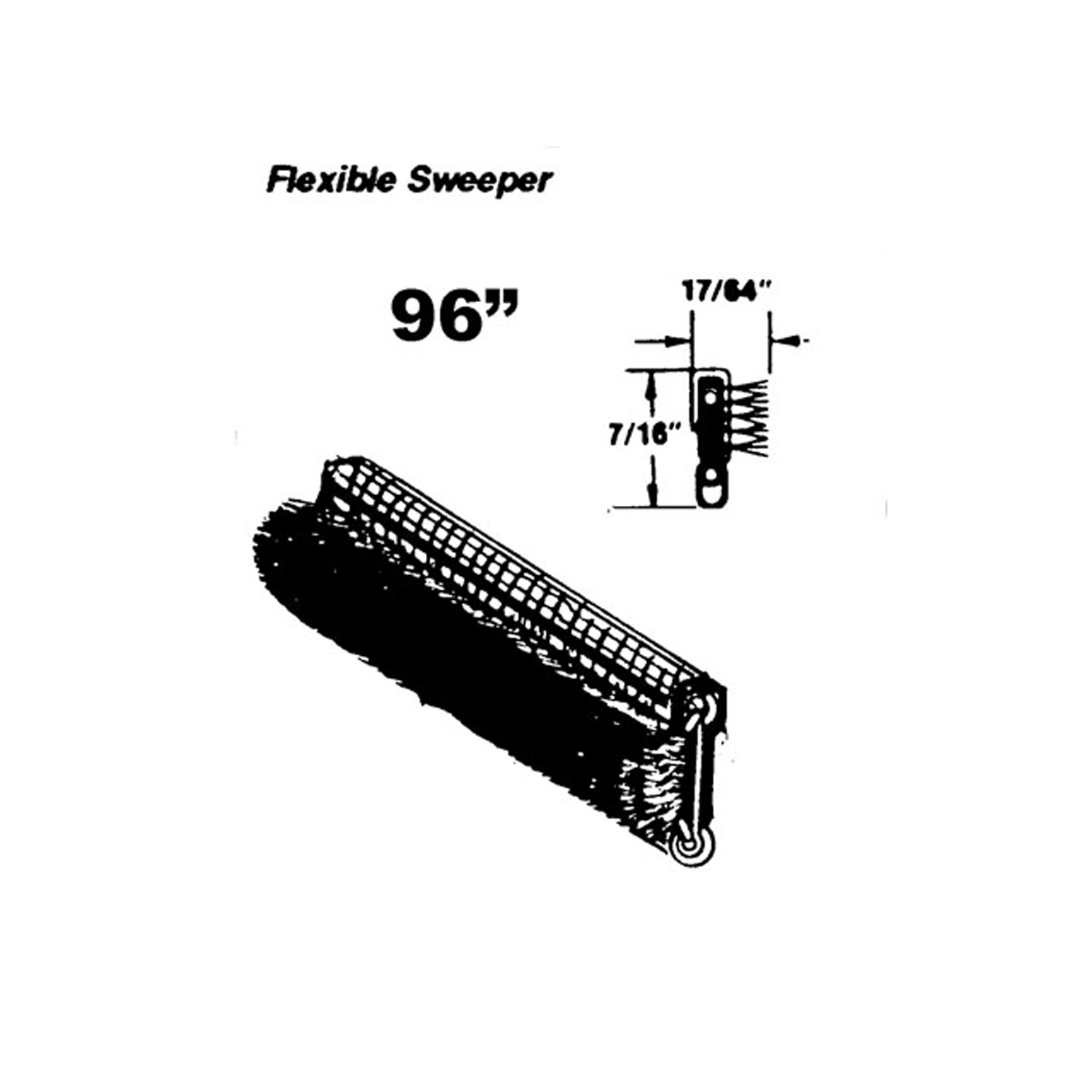 1953 Packard Clipper Flexible window sweeper-WC 5-96Flexible window sweeper. Made with black electro-plated steel. 96 in. long. Each. NOTE: $20 special shipping charge applies for domestic orders. Call or email for overseas shipping costs. Part can be sectioned in two or three equal lengths to reduce overseas shipping costs.
 1953 Packard Clipper Vent Window Seal. Pair-WR 2300Vent Window Seal. Pair
Why Choose Metro?
For over 100 years, Metro Moulded Parts has been the pinnacle of quality in classic car restoration parts. Our commitment to precision and authenticity in every component ensures a perfect fit and an OEM-level appearance.
- Expert Craftsmanship & Quality: Each part is a testament to our dedication to reliability and perfection, crafted from original designs and thoroughly tested.
- Advanced Technology: We use cutting-edge techniques to create flawless, long-lasting parts that surpass others in performance.
- SuperSoft Sponge – The Ultimate Door Seal: Not only are our door seals 30% softer than competitors', but they're also guaranteed to never leak. They effectively reduce wind and road noise, enhancing your classic car's comfort and driving experience.
- Proudly American: Our parts are a product of American craftsmanship, made in the USA with a spirit of excellence and heritage.
- Unrivaled Warranty: We back our products with a 30-year industry-leading warranty, a testament to our confidence in their quality.
Join us in preserving the legacy of classic cars with parts that are crafted for perfection, not just made.