

Image of 1953 Packard Patrician, Note: These illustrations use artistic license and may differ from actual historical models.
Performance Metrics
Fundamental Metrics
Emotional Appeal
MMP Rating
| Engine Specifications | |
|---|---|
| Engine: | Straight 8 |
| Displacement: | 327 cu in (5.4 L) |
| Horsepower: | 180 hp |
| Torque: | 300 lb-ft |
| Compression Ratio: | 7.8:1 |
| Ignition System: | Points and condenser |
| Cooling System: | Liquid-cooled |
| Performance Specifications | |
| 0-60 Time: | 12 seconds |
| 1/4 Mile Time: | Estimated 18 seconds |
| Top Speed: | 100 mph |
| Transmission and Drive | |
| Drive Type: | Rear-wheel drive |
| Transmission Type: | Ultramatic automatic |
| Fuel and Efficiency | |
| Fuel System Type: | Carburetor |
| MPG: | 15 mpg |
| Dimensions and Brakes | |
| Brakes: | Drum brakes |
| Wheelbase: | 127 in (3,226 mm) |
| Weight: | 4,200 lbs |
Note: Specifications for classic cars are given to the best of our ability, considering the limited and variant data available.
1953 Packard Patrician: A Lasting American Luxury Sedan
The 1953 Packard Patrician made its entrance with the kind of quiet confidence that once defined American luxury: a long hood, a proud chrome grille, and a smooth straight-eight engine beneath the bonnet. Built by Packard, the prestigious Detroit automaker founded by James Ward Packard and his brothers in 1899, the Patrician was the company’s top regular-production sedan for 1953.
Packard had earned a reputation for engineering and craftsmanship, but by the early 1950s it faced mounting pressure from larger rivals with greater production resources. The Patrician represented the independent company at its most ambitious, pairing traditional luxury with useful modern equipment. It also belongs to a pivotal period: Packard joined with Studebaker in 1954, making the 1953 model part of the final chapter before that merger.
One detail that makes the car especially appealing to enthusiasts is its place in Packard’s long line of senior models. “Patrician” was not a one-year nameplate, but in 1953 it crowned the brand’s sedan range, above the more modest Clipper models. It was a statement car designed for buyers who valued comfort, presence, and mechanical refinement over flashy novelty.
Packard Styling and Cabin Craftsmanship
The Patrician’s exterior is formal without being dull. Its long, broad hood leads to a tall grille, where closely spaced vertical bars and bright trim create the unmistakable face of a postwar Packard. The grille’s upright shape gives the front end a dignified, almost architectural look. Hooded headlamps, substantial bumpers, and carefully placed chrome accents complete the effect without overwhelming the car’s clean body lines.
From the side, the sedan’s 127-inch wheelbase gives it a stretched, substantial stance. The roofline is conservative, the doors are generously proportioned, and the rear fenders flow neatly into the body rather than appearing as separate, exaggerated pods. At roughly 215 inches long, the Patrician is unmistakably a full-size luxury car, but its styling feels composed rather than over-decorated.
Inside, Packard emphasized comfort and finish. Broadcloth upholstery, plush carpeting, and polished trim gave the cabin a tailored atmosphere. Depending on specification, buyers could choose upgraded upholstery and equipment, including leather trim. The wide front seat and generous legroom suited the car’s role as a long-distance cruiser, while the dashboard brought together clear instruments and bright detailing in a restrained layout.
Factory paint choices varied, with both single-tone and two-tone finishes available. Dark shades such as black, deep green, and maroon suit the Patrician’s formal character, while lighter colors and contrasting roof treatments bring out its long, flowing profile. There was no single color that defined every Patrician, but well-chosen two-tone combinations are especially popular with collectors today.
The 1953 Patrician was offered as a four-door sedan only. That makes it less body-style-diverse than some luxury rivals, but the sedan was the model’s most practical and emblematic form. Buyers could personalize the car with available convenience and comfort options, including power-assisted features on suitably equipped examples.
Engineering in a Changing Luxury Market
The Patrician’s strongest technical feature was its 327-cubic-inch inline-eight engine. In 1953 Patrician specification, the engine produced about 180 horsepower and delivered the steady, low-speed pulling power expected of a large luxury car. Packard’s straight-eight layout had a long history, and its smoothness remained one of the marque’s calling cards even as V8 engines were becoming increasingly popular among competitors.
Most Patricians were equipped with Packard’s Ultramatic Drive, an automatic transmission introduced several years earlier. It used a torque converter and a direct-drive arrangement to provide relaxed cruising. Ultramatic was a distinctive Packard solution rather than a copy of the increasingly common conventional automatic, and it gave the car an easygoing character suited to boulevard and highway travel.
The Patrician did not introduce a revolutionary new body structure or suspension system for 1953. Its significance lies instead in how it carried Packard’s engineering identity into a difficult era. The company continued to offer a refined straight-eight, a distinctive automatic transmission, careful trim, and a high level of cabin comfort while larger manufacturers could spread development costs across far greater production volumes.
Performance, Ride, and Road Manners
With about 180 horsepower moving a car weighing roughly two tons, the Patrician was built for smooth progress rather than quick launches. Period figures and modern estimates vary with vehicle condition, gearing, and test method, but a healthy example is generally expected to reach 60 mph in around 15 to 17 seconds. Top speed is approximately 95 to 100 mph, although sustained high-speed running is not the car’s main appeal.
On ordinary roads, the Patrician feels solid and unhurried. Its long wheelbase helps it glide over patched pavement and broad dips, while the soft suspension favors comfort over sharp cornering. On a winding road, the car’s weight and size are always present. It can be guided confidently at a sensible pace, but it rewards smooth steering inputs rather than sudden changes of direction.
Behind the wheel, the straight-eight delivers a muted, even burble rather than the sharper note of a V8. Acceleration builds steadily, and the Ultramatic helps keep the drive relaxed. Depending on equipment, power steering and power brakes can reduce the effort needed in town, though an unassisted car asks more of its driver at low speeds. The overall sensation is one of measured, quiet travel, with the road softened rather than erased.
Living with a 1953 Patrician
Today, most Patricians are used as collector cars, show vehicles, or occasional weekend cruisers rather than everyday transportation. A sound example can handle scenic drives and club events well, but its size, fuel consumption, older safety equipment, and period electrical system make modern daily use less convenient. Like many American cars of the era, it uses a six-volt electrical system, so good wiring, clean connections, and a healthy battery matter.
Routine work is within reach for an experienced owner who is comfortable with older cars. The straight-eight is mechanically accessible, and many standard service tasks are straightforward. However, parts availability varies: wear items and some reproduction parts can be found through specialist suppliers, while trim pieces, transmission components, and model-specific details may take time to source. Ultramatic service is best approached by a mechanic familiar with Packard transmissions.
Reliability depends heavily on maintenance and restoration quality. Cooling-system condition, fuel delivery, brakes, wiring, and transmission adjustment deserve careful inspection before regular driving. A neglected car can quickly become an expensive project, and cosmetic restoration, especially of chrome and interior materials, can cost more than an owner expects.
Patrician Trivia and Common Criticisms
Packard built approximately 7,325 Patrician sedans for the 1953 model year. That production figure makes the car uncommon today, but not impossibly rare. Survivors are encountered at marque gatherings and online, although condition and completeness vary considerably.
The Patrician has no widely recognized production speed or endurance record attached to it. Its claim to distinction is quieter: it represents Packard’s effort to remain a serious luxury manufacturer during a period when the American market was consolidating around much larger companies. The following year, the Packard and Studebaker organizations merged, a move that reflected the financial challenges confronting independent automakers.
Common criticisms are familiar to anyone comparing a 1953 Packard with newer luxury cars. The straight-eight was smooth but increasingly old-fashioned beside modern V8 competition, and the car’s mass limited acceleration and agility. Packard also lacked the production scale and marketing reach of its biggest rivals. For enthusiasts, those limitations are part of the story, but they are worth considering when choosing one to drive regularly.
Collector Values and Availability
As a broad 2026 U.S. market estimate, a Patrician needing substantial work may sell for roughly $8,000 to $18,000. A solid, roadworthy driver is often in the $18,000 to $35,000 range, while a carefully restored example can bring about $35,000 to $60,000 or more. Exceptional originality, documented history, high-quality restoration, and desirable equipment can raise the price. These figures are estimates rather than guaranteed appraisals, and local market conditions matter.
Values have generally been steady to moderately variable rather than part of a rapid collector-car boom. Patricians appeal to Packard loyalists and buyers seeking a distinctive postwar luxury sedan, but they do not have the broadest audience in the classic-car market. As a result, condition often matters more than ambitious asking prices. Restoration costs can also exceed a car’s eventual resale value, so a well-maintained, complete example is frequently the smartest purchase.
With roughly 7,325 built, the 1953 Patrician is scarce enough to feel special, but surviving cars appear on the market with some regularity. Buyers should look closely at rust, chrome condition, interior completeness, engine health, and Ultramatic operation before committing.
Why the 1953 Packard Patrician Still Matters
The 1953 Packard Patrician combines formal styling, a beautifully smooth straight-eight, a distinctive automatic transmission, and the careful presentation expected of a senior Packard. It was not the quickest or most technologically radical luxury car of its day, but it offered a character all its own at a turning point in the company’s history.
For collectors, the Patrician is more than a handsome old sedan. It is a substantial, comfortable reminder of Packard’s independent spirit, built just before the marque entered a new and uncertain era. Take the time to find a sound one, and its quiet road manners and unmistakable presence make a compelling case for why Packard still inspires devotion.
1953 Packard Patrician Catalog of Parts
 1953 Packard Patrician Accessory Floor Mat - 12"X17"-AC 32Accessory Floor Mat - made of high quality black rubber with molded original emblem. Also designed to be sewn into new carpets. 12"X17", Each
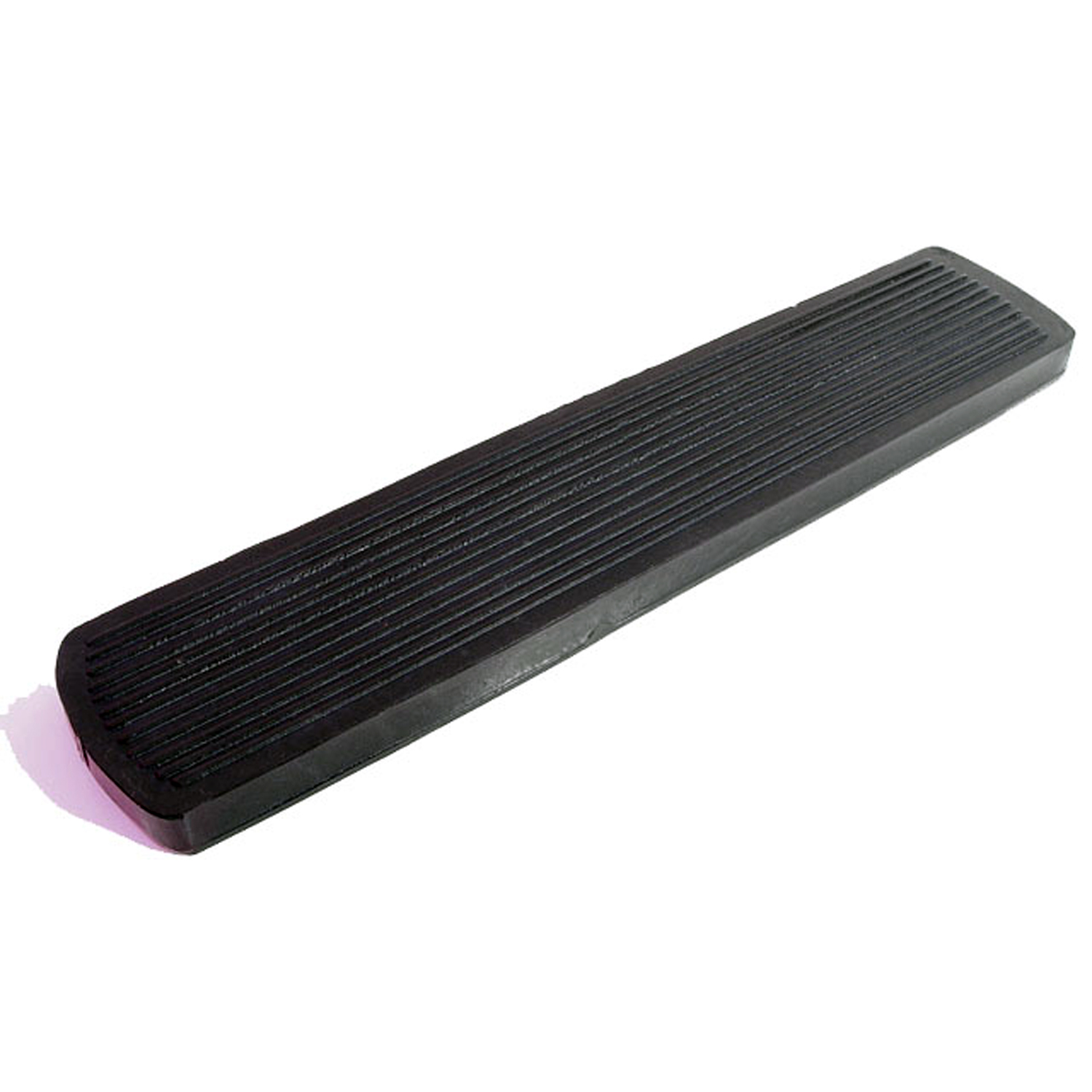 1953 Packard Patrician Accelerator Pedal Pad. 1-7/8" X 9-3/8", Each-AP 16Accelerator Pedal Pad. 1-7/8" X 9-3/8", Each
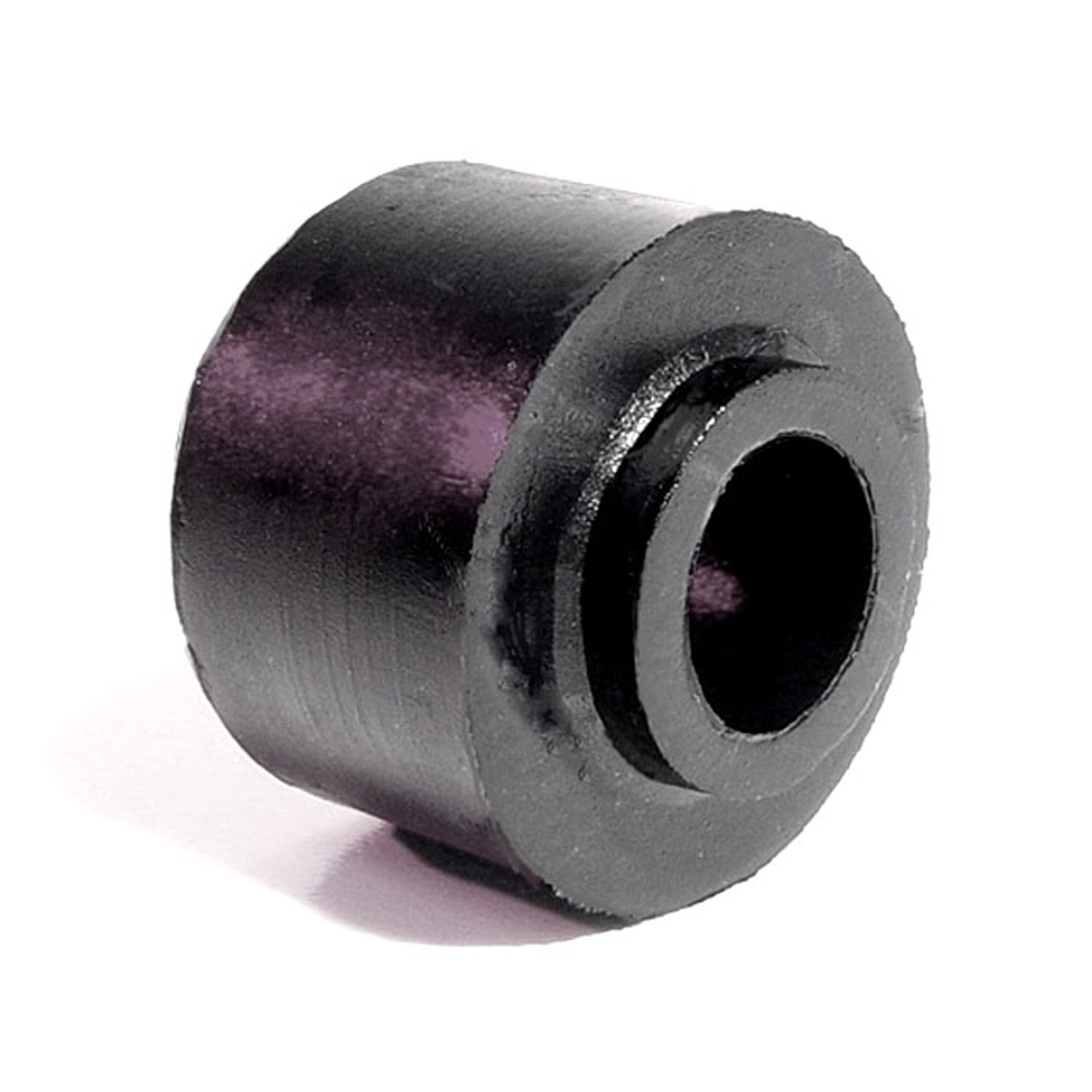 1953 Packard Patrician Shock Absorber Grommet. 1" bottom O.D., 3/4" high-BN 1Shock Absorber Grommet. 1" bottom O.D., 3/4" high., with 7/16" I.D. Each
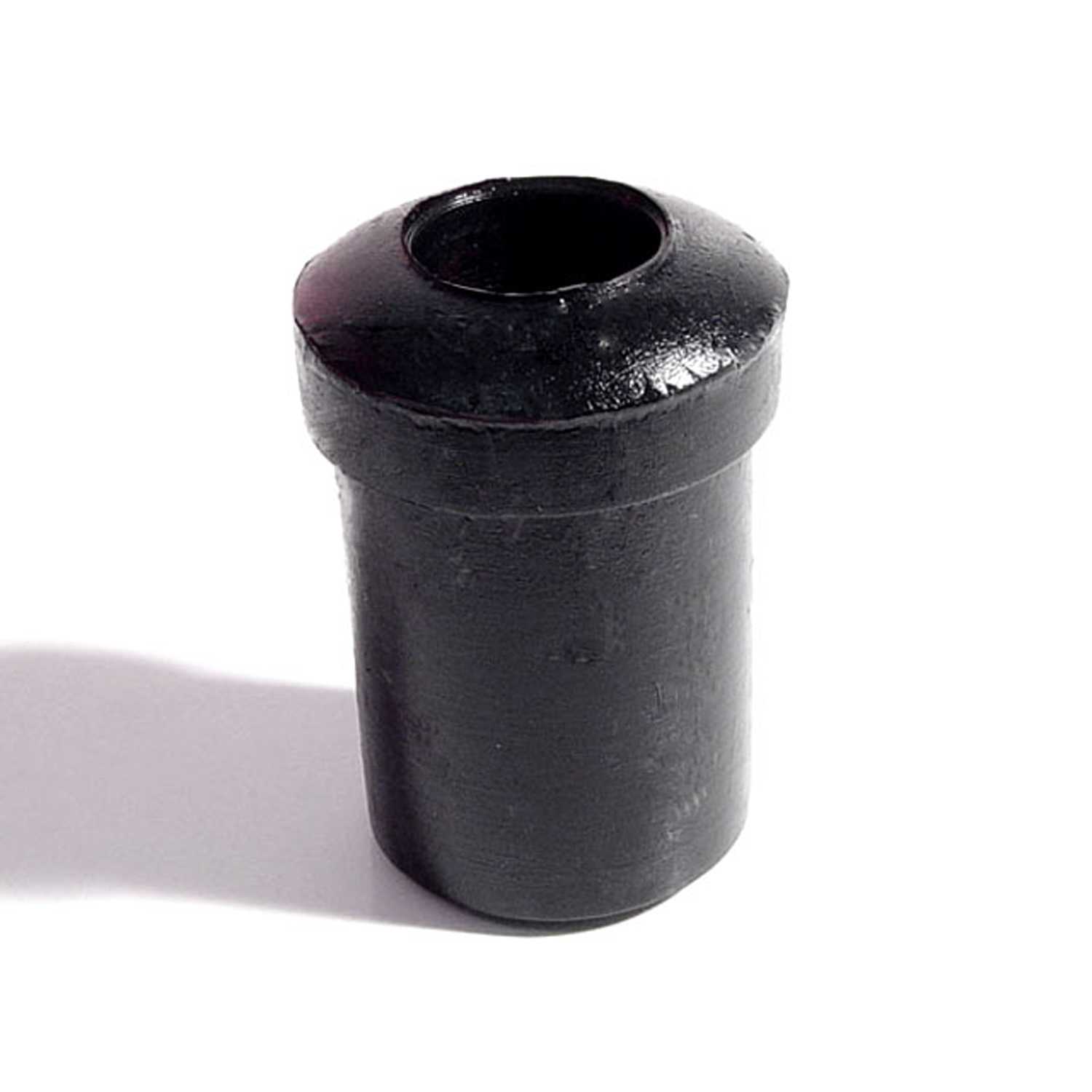 1953 Packard Patrician Spring and Shackle Bushing. 1" bottom O.D-BN 20Spring and Shackle Bushing. 1" bottom O.D. X 1-5/8" high, with 9/16" I.D. Each
 1953 Packard Patrician Cowl and Hood Seal. 43-5/8" long. Each-CS 1Cowl and Hood Seal. 43-5/8" long. Each
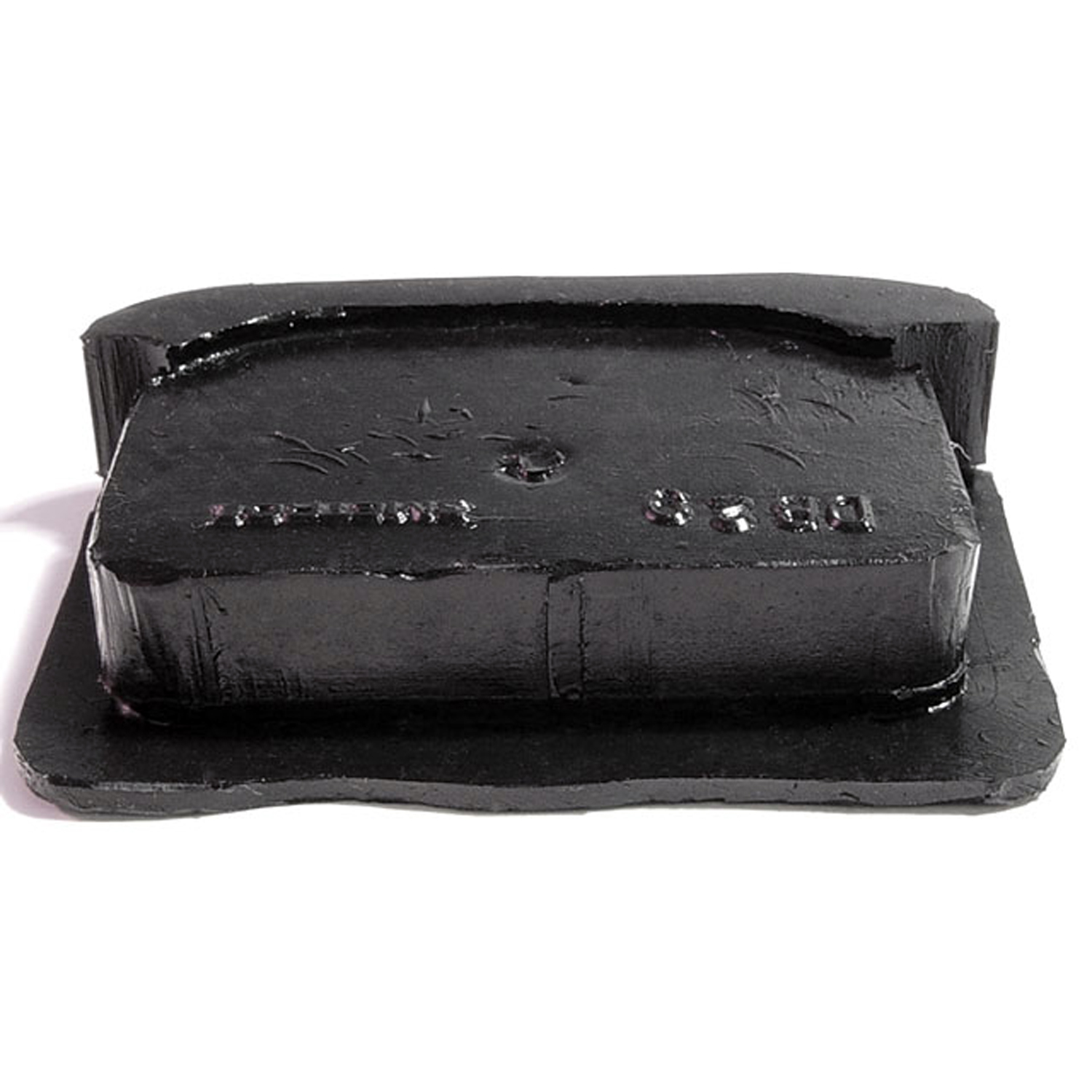 1953 Packard Patrician Door Bumper. 1-3/8" high X 2" wide X 1/2" thick. Each-DB 29Door Bumper. 1-3/8" high X 2" wide X 1/2" thick. Each
 1953 Packard Patrician Gas Filler Grommet. 2-1/2" I.D., 4-1/8" O.D. Each-GF 12Gas Filler Grommet. 2-1/2" I.D., 4-1/8" O.D. Each
 1953 Packard Patrician Hood Corners. 1-3/4" to 2" corner radius-HC 14Hood Corners. 1-3/4" to 2" corner radius. Pad is 3-3/8" long. Pair
 1953 Packard Patrician Door side seal. Same as LP 40, but for a lighter seal-LP 40-ADoor side seal. Same as LP 40, but for a lighter seal. Fits many domestic passenger cars and trucks. Universal seal for street rods and customs. Used in Cobra kit cars as door weatherstrip. Per foot.
 1953 Packard Patrician Antenna Pad. 1-7/8" O.D. Each-MP 854-AAntenna Pad. 1-7/8" O.D. Each
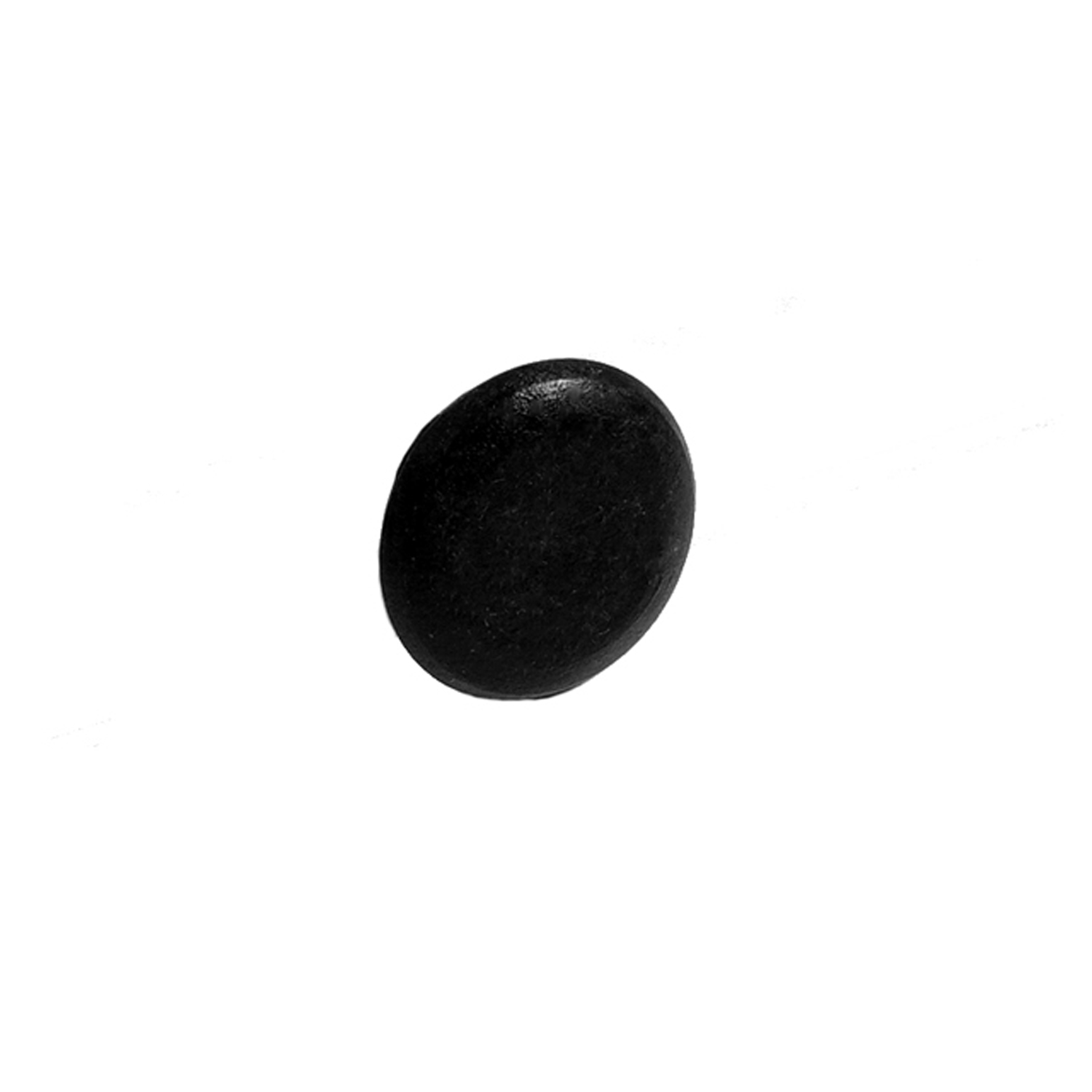 1953 Packard Patrician Trunk Bumper. 3/4" O.D., 5/8" I.D. Each-SB 74Trunk Bumper. 3/4" O.D., 5/8" I.D. Each
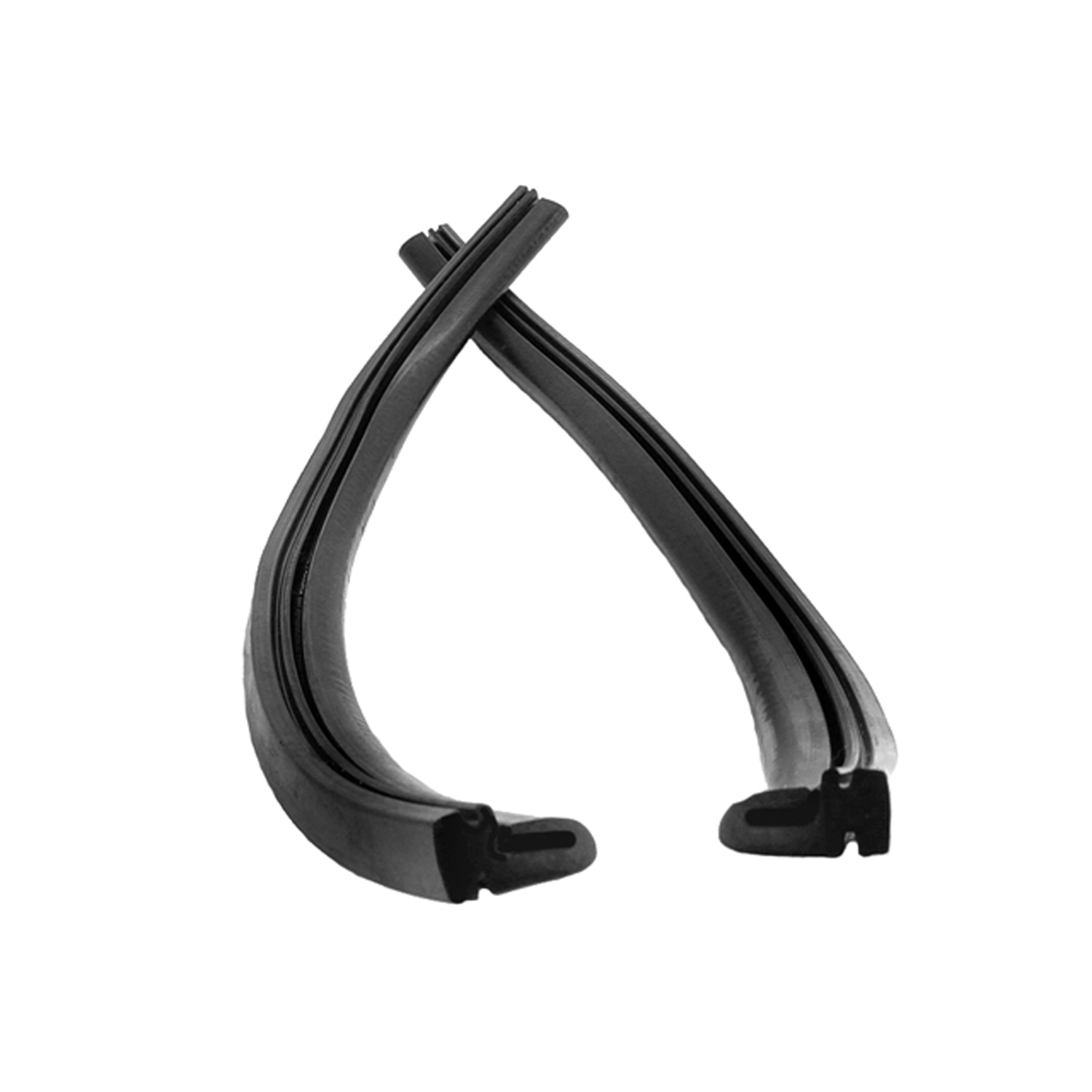 1953 Packard Patrician Rear Roll-up Window Seals, for Hardtops and Convertibles-VS 7Rear Roll-up Window Seals, for Hardtops and Convertibles. For leading edge of rear quarter windows. Two pieces, 17-3/4" long. Pair
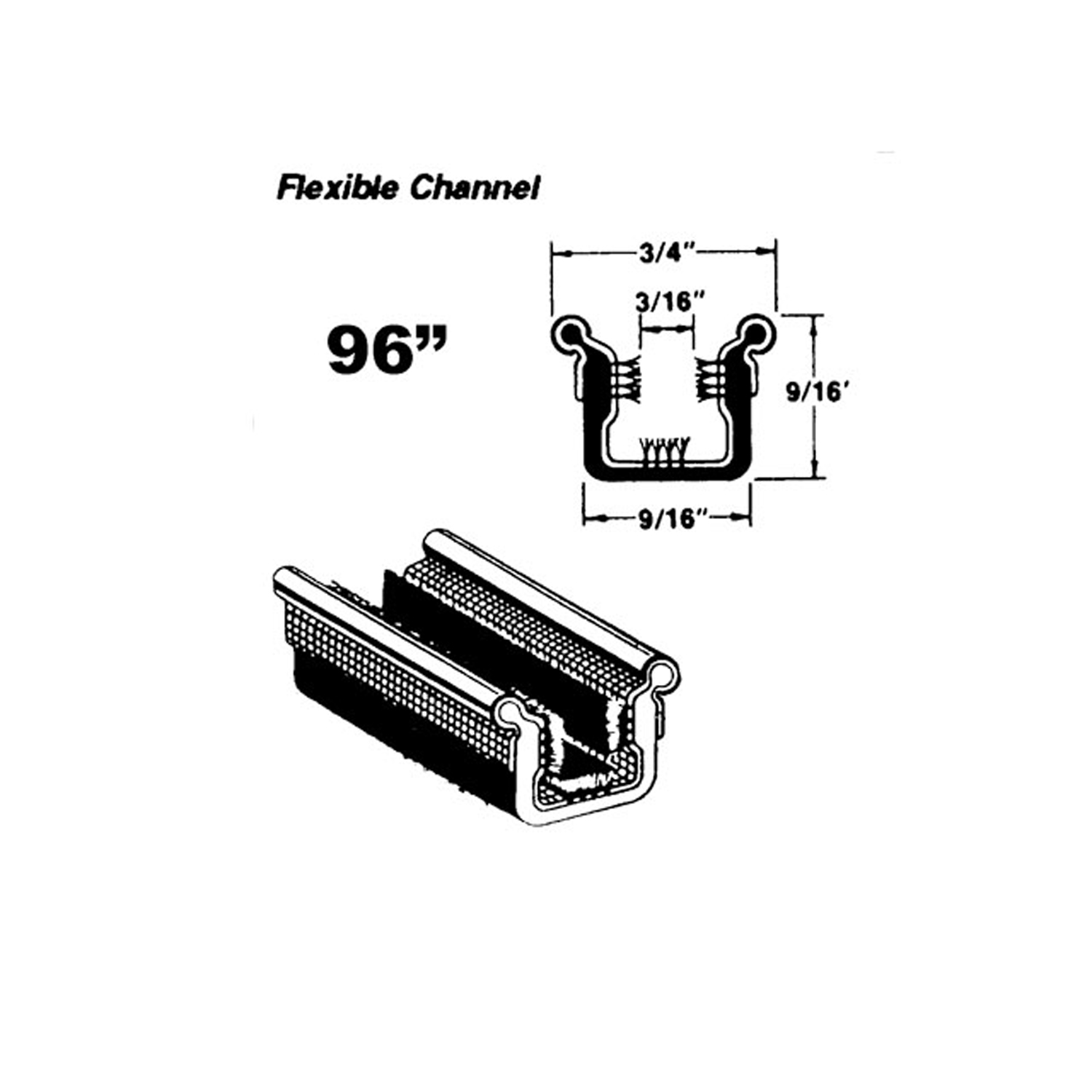 1953 Packard Patrician Flexible window channel-WC 10-96Flexible window channel. Rubber covered with mohair lining and stainless steel bead. 96 in. long. Each. NOTE: $20 special shipping charge applies for domestic orders. Call or email for overseas shipping costs. Part can be sectioned in two or three equal lengths to reduce overseas shipping costs.
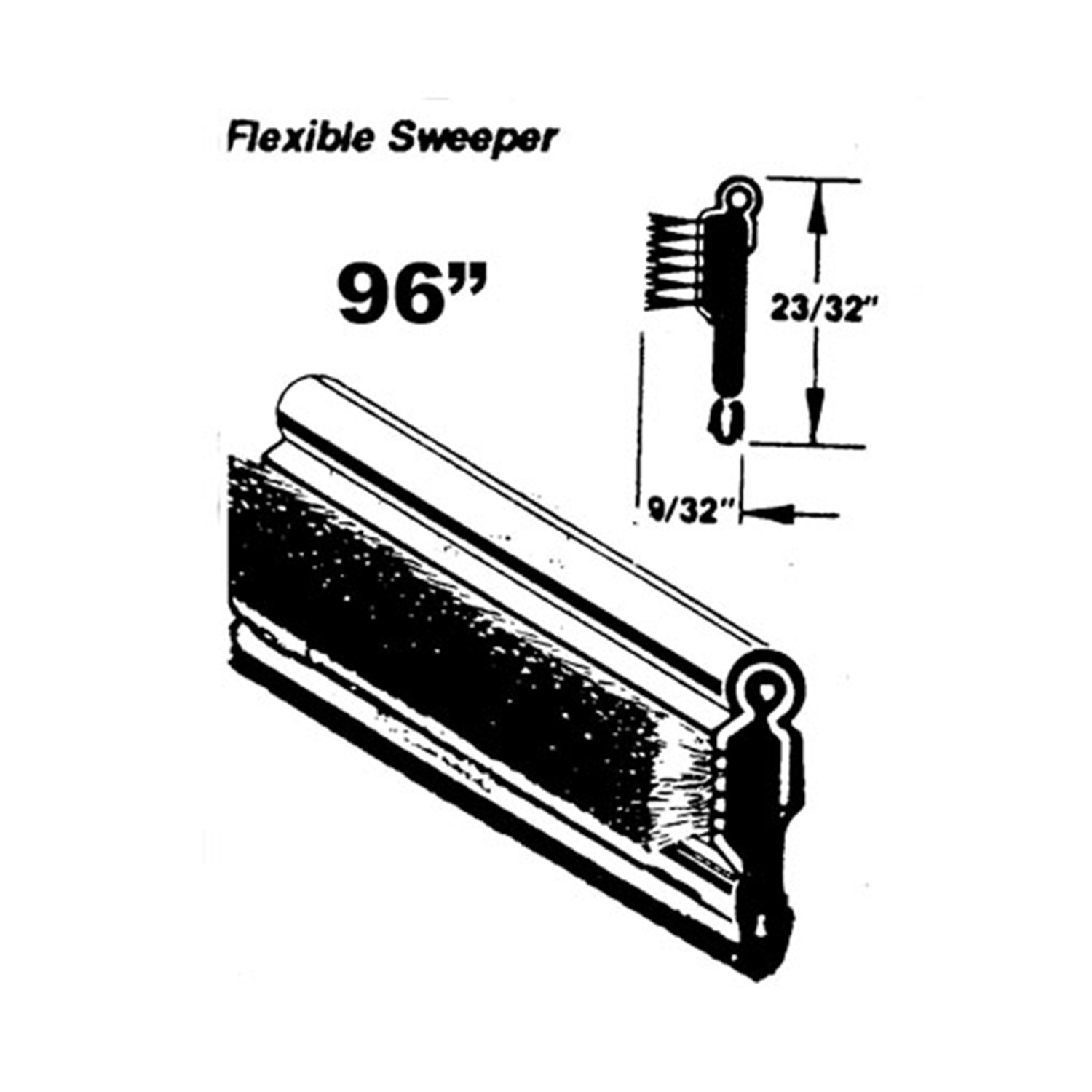 1953 Packard Patrician Flexible window sweeper. Made with stainless steel bead-WC 4-96Flexible window sweeper. Made with stainless steel bead. 96 in. long. Each. NOTE: $20 special shipping charge applies for domestic orders. Call or email for overseas shipping costs. Part can be sectioned in two or three equal lengths to reduce overseas shipping costs.
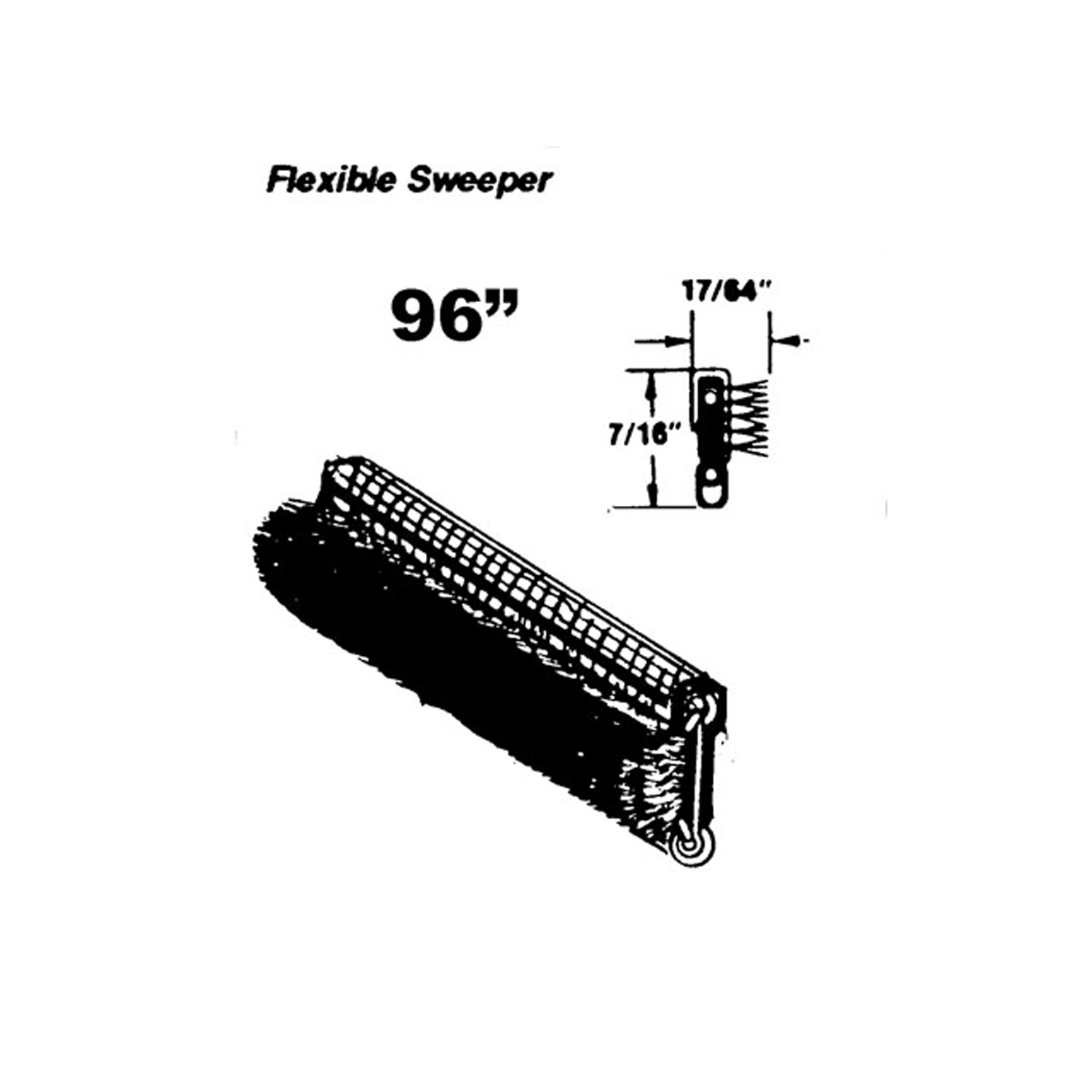 1953 Packard Patrician Flexible window sweeper-WC 5-96Flexible window sweeper. Made with black electro-plated steel. 96 in. long. Each. NOTE: $20 special shipping charge applies for domestic orders. Call or email for overseas shipping costs. Part can be sectioned in two or three equal lengths to reduce overseas shipping costs.
 1953 Packard Patrician Vent Window Seal. Pair-WR 2300Vent Window Seal. Pair
Why Choose Metro?
For over 100 years, Metro Moulded Parts has been the pinnacle of quality in classic car restoration parts. Our commitment to precision and authenticity in every component ensures a perfect fit and an OEM-level appearance.
- Expert Craftsmanship & Quality: Each part is a testament to our dedication to reliability and perfection, crafted from original designs and thoroughly tested.
- Advanced Technology: We use cutting-edge techniques to create flawless, long-lasting parts that surpass others in performance.
- SuperSoft Sponge – The Ultimate Door Seal: Not only are our door seals 30% softer than competitors', but they're also guaranteed to never leak. They effectively reduce wind and road noise, enhancing your classic car's comfort and driving experience.
- Proudly American: Our parts are a product of American craftsmanship, made in the USA with a spirit of excellence and heritage.
- Unrivaled Warranty: We back our products with a 30-year industry-leading warranty, a testament to our confidence in their quality.
Join us in preserving the legacy of classic cars with parts that are crafted for perfection, not just made.