
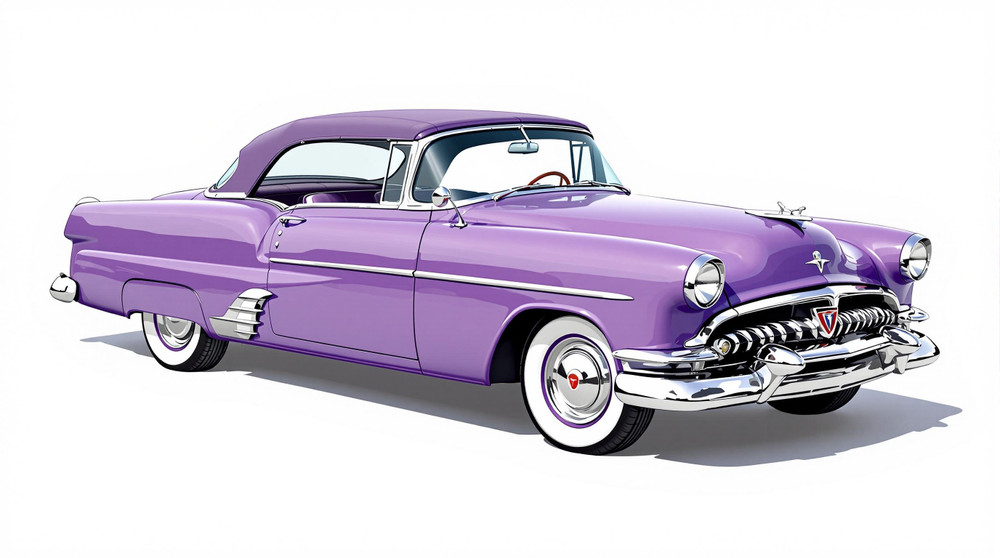
Image of 1954 Packard Cavalier, Note: These illustrations use artistic license and may differ from actual historical models.
Performance Metrics
Fundamental Metrics
Emotional Appeal
MMP Rating
| Engine Specifications | |
|---|---|
| Engine: | 327 cu in (5.4 L) L-head Straight-8 |
| Displacement: | 327 cu in (5.4 L) |
| Horsepower: | 185 hp |
| Torque: | 305 lb-ft |
| Compression Ratio: | 7.8:1 |
| Ignition System: | Battery and coil |
| Cooling System: | Water-cooled |
| Performance Specifications | |
| 0-60 Time: | Estimated 12 seconds |
| 1/4 Mile Time: | Not available |
| Top Speed: | 100 mph |
| Transmission and Drive | |
| Drive Type: | Rear-wheel drive |
| Transmission Type: | Ultramatic automatic |
| Fuel and Efficiency | |
| Fuel System Type: | Carburetor |
| MPG: | Estimated 10-12 mpg |
| Dimensions and Brakes | |
| Brakes: | Drum brakes |
| Wheelbase: | 122 in (3,099 mm) |
| Weight: | 4,200 lbs |
Note: Specifications for classic cars are given to the best of our ability, considering the limited and variant data available.
1954 Packard Cavalier: The Last-Era Packard Sedan
The 1954 Packard Cavalier brought traditional American luxury into a year of major change for its maker. Built by the Packard Motor Car Company of Detroit, the Cavalier was a well-appointed four-door sedan positioned below the more expensive Patrician, but it still carried the long hood, substantial chrome, and smooth straight-eight power that defined a Packard.
Packard had built its reputation on careful engineering and high-quality automobiles since the company’s founding in 1899. By 1954, however, it faced mounting financial pressure and intense competition from Cadillac, Buick, and Chrysler. That year Packard merged with Studebaker, creating the Studebaker-Packard Corporation. The Cavalier is especially notable as one of the final Packards powered by the company’s celebrated straight-eight engine. Packard introduced its first V8 for the 1955 model year.
One intriguing detail is that the Cavalier offered an upper-middle rung in Packard’s lineup without giving up the marque’s signature character. It was more attainable than a Patrician or Caribbean, yet it remained a substantial, formal sedan rather than a stripped-down economy model.
Packard Cavalier Styling and Cabin
The Cavalier’s proportions are unmistakably early-1950s Packard: a long, nearly level hood, a broad body, and a tall greenhouse that gives the sedan a dignified, upright stance. Its 1954 front end features a prominent chrome grille with vertical elements, flanked by rounded headlamps. A crest on the hood and brightwork along the body add ceremony without making the car look as flamboyant as some of its rivals.
Packard updated its styling for 1954, but the Cavalier retained the clean, formal shape introduced earlier in the decade. Chrome accents highlight the beltline, wheel openings, and bumpers. The result is handsome and restrained, with just enough ornament to make its status clear. Factory color choices varied by production and trim, and buyers could choose from solid finishes as well as two-tone combinations. Dark greens, blues, maroons, and traditional black look particularly at home on the car, while lighter upper-body colors could make a two-tone example stand out at a show.
Inside, the Cavalier was designed for comfortable long-distance travel. Broad bench seats, generous legroom, and a wide dashboard give the cabin a relaxed, spacious feel. Upholstery was typically cloth or patterned fabric, with trim and material choices depending on the car’s specification. The finish was more modest than the richest Patrician interiors, but the cabin still conveyed Packard quality through its substantial fittings, polished details, and careful assembly.
For its time, the Cavalier could be equipped with useful convenience features such as power steering, power brakes, a radio, and air conditioning. Equipment varied from car to car, so buyers today should check what is actually present rather than assume every Cavalier left the factory with the same options. Packard’s Ultramatic automatic transmission was a key feature on the model, while a three-speed manual transmission was also available in some configurations.
The Cavalier was offered as a four-door sedan, not as a coupe or convertible. That single body style suited its role as a comfortable family and executive car. Buyers seeking open-air glamour or a sportier profile had to look elsewhere in the Packard range, particularly to the Caribbean convertible or the two-door Pacific and Mayfair models.
Why the 1954 Cavalier Matters
The Cavalier did not introduce a revolutionary new body or a headline-grabbing technical breakthrough. Its importance lies in how it represented Packard near the end of an era. The company had spent decades building cars known for refined engines, robust construction, and a premium driving experience. In 1954, it was trying to preserve that identity while fighting larger rivals with greater production scale and marketing power.
The Cavalier’s straight-eight engine is central to its appeal. Packard’s long-running inline-eight design was smooth and well suited to a large sedan, delivering power in a relaxed, unhurried manner. The 1954 car also reflects the transition in American motoring from traditional, low-revving engines and body-on-frame construction toward the V8-powered, increasingly modern cars that would dominate the next decade.
Its historical significance is therefore less about a single innovation and more about continuity. The Cavalier carried Packard’s familiar engineering and styling into the company’s final straight-eight model year. It also illustrates the challenge facing independent manufacturers in the 1950s: a fine car was not always enough to compete with the scale, dealer networks, and advertising budgets of Detroit’s largest firms.
Engine, Speed, and Road Manners
The 1954 Cavalier used a 327-cubic-inch (5.4-liter) overhead-valve inline-eight rated at approximately 185 horsepower. The engine’s strength was its smooth, steady delivery rather than dramatic high-speed performance. With the Ultramatic automatic, the car was built to gather speed progressively and cruise comfortably, not to sprint away from a stoplight.
Period performance depended on transmission, condition, gearing, and test method. A reasonable modern estimate is a 0-to-60-mph time in the 14-to-16-second range, with a top speed around 90 to 100 mph in a healthy, properly maintained example. These are approximate figures rather than a guarantee for every surviving car. Age, engine wear, tires, and tuning can make a major difference.
On the road, the Cavalier feels substantial. Its suspension is tuned for comfort, soaking up ordinary pavement imperfections and giving the car a calm, floating quality compared with a modern sedan. Large bumps and rough roads still make their presence known, and the car’s weight is noticeable when braking or changing direction. On winding roads, it prefers smooth inputs and a measured pace to quick cornering.
The straight-eight produces a low, even mechanical hum, especially at cruising speed. The steering and brakes require more effort than those of a contemporary car without power assistance, and the 1954 Cavalier uses a six-volt electrical system. Drivers accustomed to modern vehicles will notice the slower responses and broad turning circle. For a classic-car enthusiast, though, the experience is part of the appeal: the driver feels connected to a large, carefully engineered machine rather than insulated from it.
Living With a 1954 Packard
Today, the Cavalier is best suited to weekend drives, classic-car tours, and local shows. It can be used regularly if it has been properly restored and maintained, but most owners treat a car of this age as a hobby vehicle rather than dependable daily transport. Long-distance touring is possible, especially with a well-sorted cooling system, brakes, tires, and electrical system.
The straight-eight is durable when maintained, and many routine mechanical jobs are manageable for an experienced home mechanic. The engine bay is roomy, and basic service work does not require modern diagnostic equipment. The main challenge is finding the right parts and expertise. Mechanical components are generally easier to source than model-specific trim, upholstery details, or some body parts.
The Ultramatic deserves particular attention. A properly working unit makes the car pleasant to drive, but neglected or incorrectly serviced examples can become expensive problems. A pre-purchase inspection by a mechanic familiar with Packards is wise. Buyers should also look for rust, old repairs, cooling-system issues, brake wear, and electrical modifications. Because the car is six-volt and positive-ground, accessories or repairs designed for modern 12-volt systems need to be handled carefully.
Packard Cavalier Facts and Common Criticisms
The 1954 Cavalier is commonly listed as a four-door sedan with production of about 6,117 cars. That makes it uncommon today, but not as rare as the low-production Caribbean. As with any 70-year-old automobile, surviving numbers are lower than original production figures, and condition varies widely.
The Cavalier was not built as a racing car and is not known for a major speed, sales, or endurance record. Its appeal is more understated: it delivers a traditional Packard experience in a model that is less costly and less scarce than the marque’s most celebrated versions. There is no single famous celebrity ownership or landmark event that defines the model’s story.
Common criticisms include its size, leisurely acceleration, and the difficulty of finding certain trim pieces. Some observers also consider the 1954 styling less distinctive than Packard’s best prewar designs or the more dramatic cars of the late 1950s. Still, the Cavalier’s formal shape and restrained chrome have aged well for buyers who prefer elegance over excess.
1954 Packard Cavalier Value and Collectibility
Values depend heavily on originality, rust, restoration quality, and mechanical condition. As a broad current-market estimate, a project or rough driver might sell for about $5,000 to $12,000. A solid, usable example commonly falls around $12,000 to $25,000, while a very well-restored car may reach roughly $25,000 to $40,000 or more. Exceptional examples with documented restoration and strong originality can exceed that range, though asking prices do not always match final sale prices.
The Cavalier is generally more attainable than a Caribbean or a top-level Patrician, which can make it an appealing entry point for Packard collectors. Its four-door configuration limits demand among buyers seeking sporty or open cars, but it also gives the model a practical, period-correct character. Values have tended to be steady to moderately firm for good examples rather than rising dramatically. Well-preserved cars and quality restorations are likely to hold interest better than incomplete projects.
A Worthy Final Chapter for the Straight-Eight
The 1954 Packard Cavalier combines a smooth 185-horsepower straight-eight, a comfortable and well-finished cabin, and the formal styling of a respected American marque. It is not the fastest or rarest Packard, but it captures an important moment when the company was trying to defend its place in a rapidly changing industry.
For collectors, the Cavalier offers a distinctive way to experience Packard’s final straight-eight era without stepping up to the price of its most famous models. Its appeal is simple and enduring: a substantial, carefully made sedan that reminds us why Packard once stood among America’s great automotive names.
1954 Packard Cavalier Catalog of Parts
 1954 Packard Cavalier Accessory Floor Mat - 12"X17"-AC 32Accessory Floor Mat - made of high quality black rubber with molded original emblem. Also designed to be sewn into new carpets. 12"X17", Each
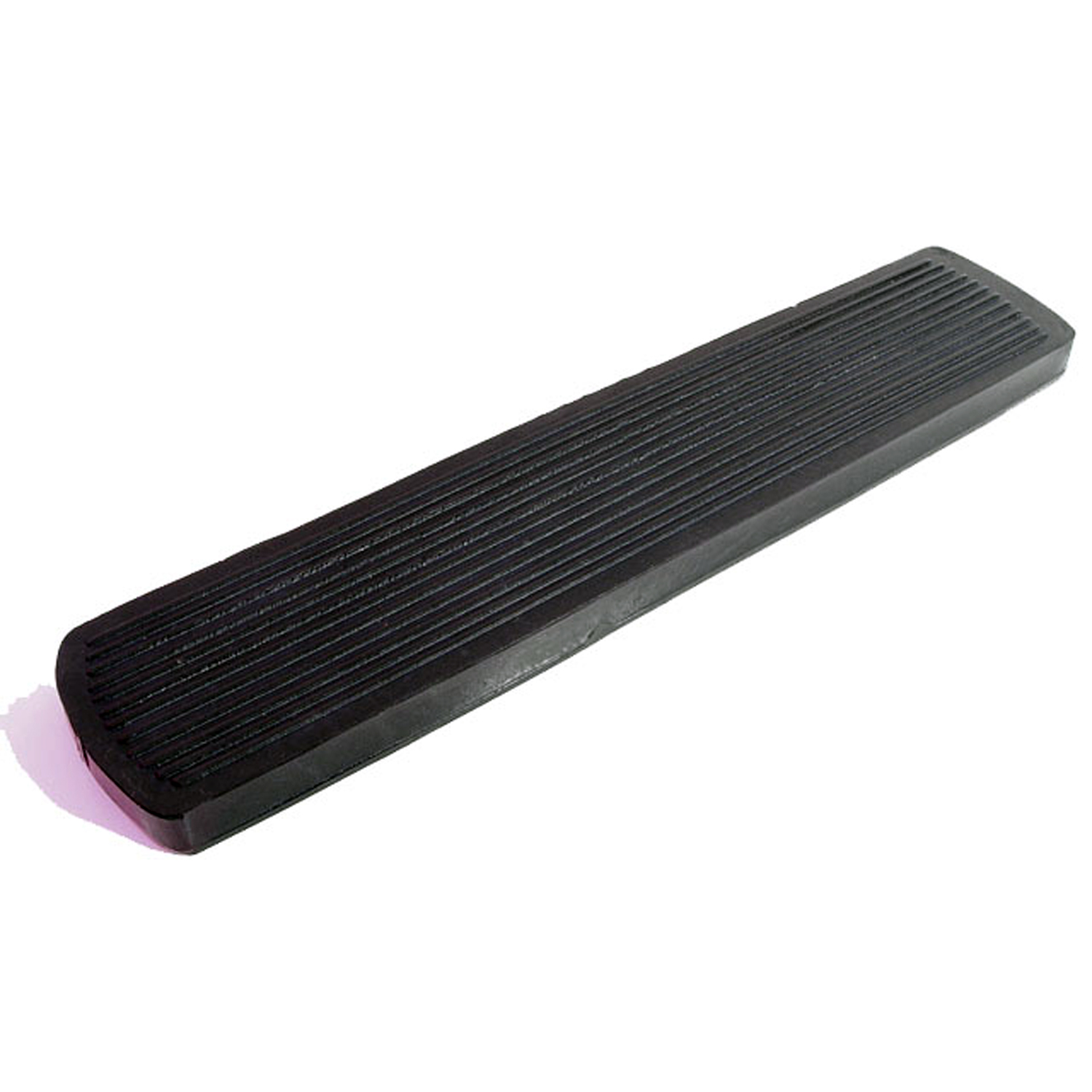 1954 Packard Cavalier Accelerator Pedal Pad. 1-7/8" X 9-3/8", Each-AP 16Accelerator Pedal Pad. 1-7/8" X 9-3/8", Each
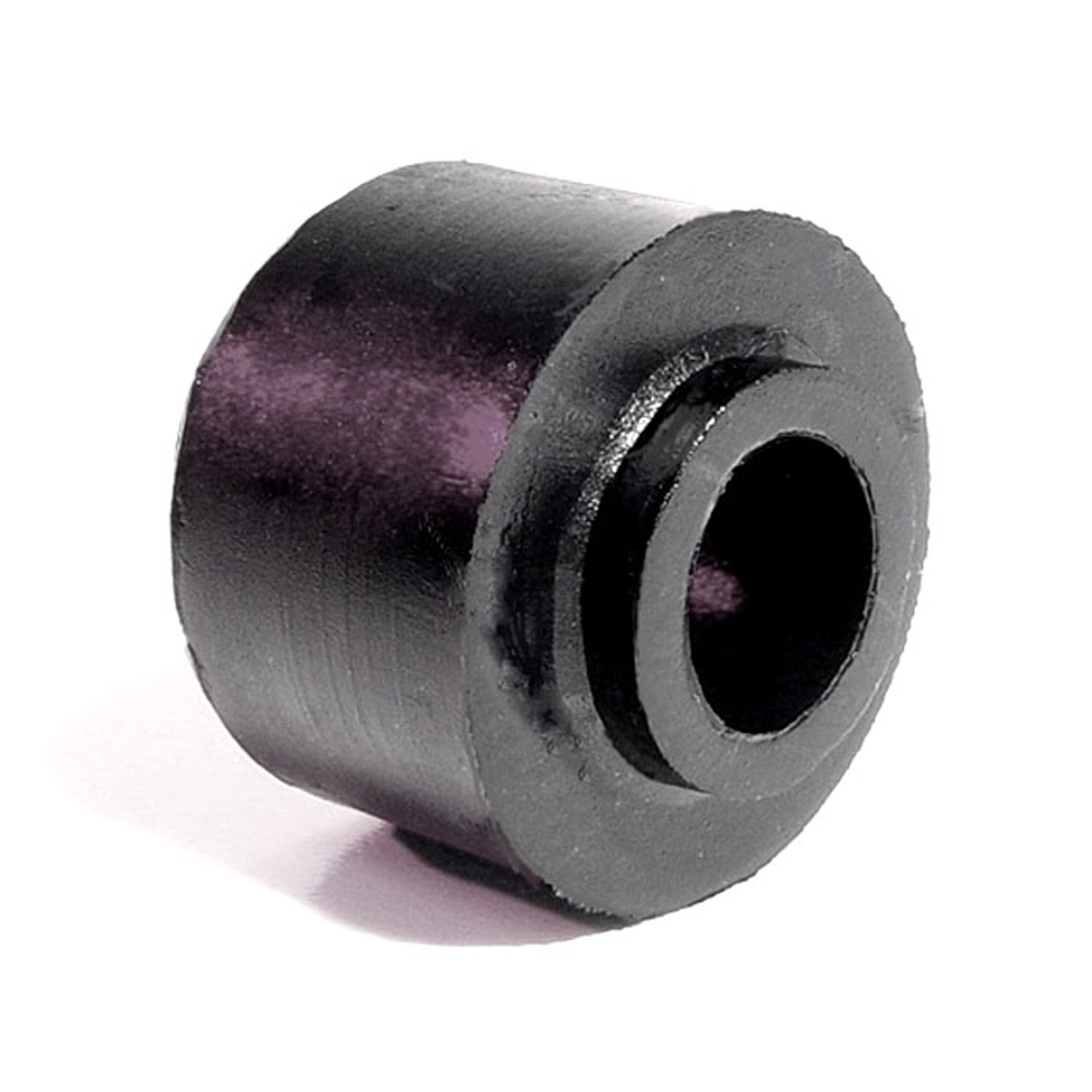 1954 Packard Cavalier Shock Absorber Grommet. 1" bottom O.D., 3/4" high-BN 1Shock Absorber Grommet. 1" bottom O.D., 3/4" high., with 7/16" I.D. Each
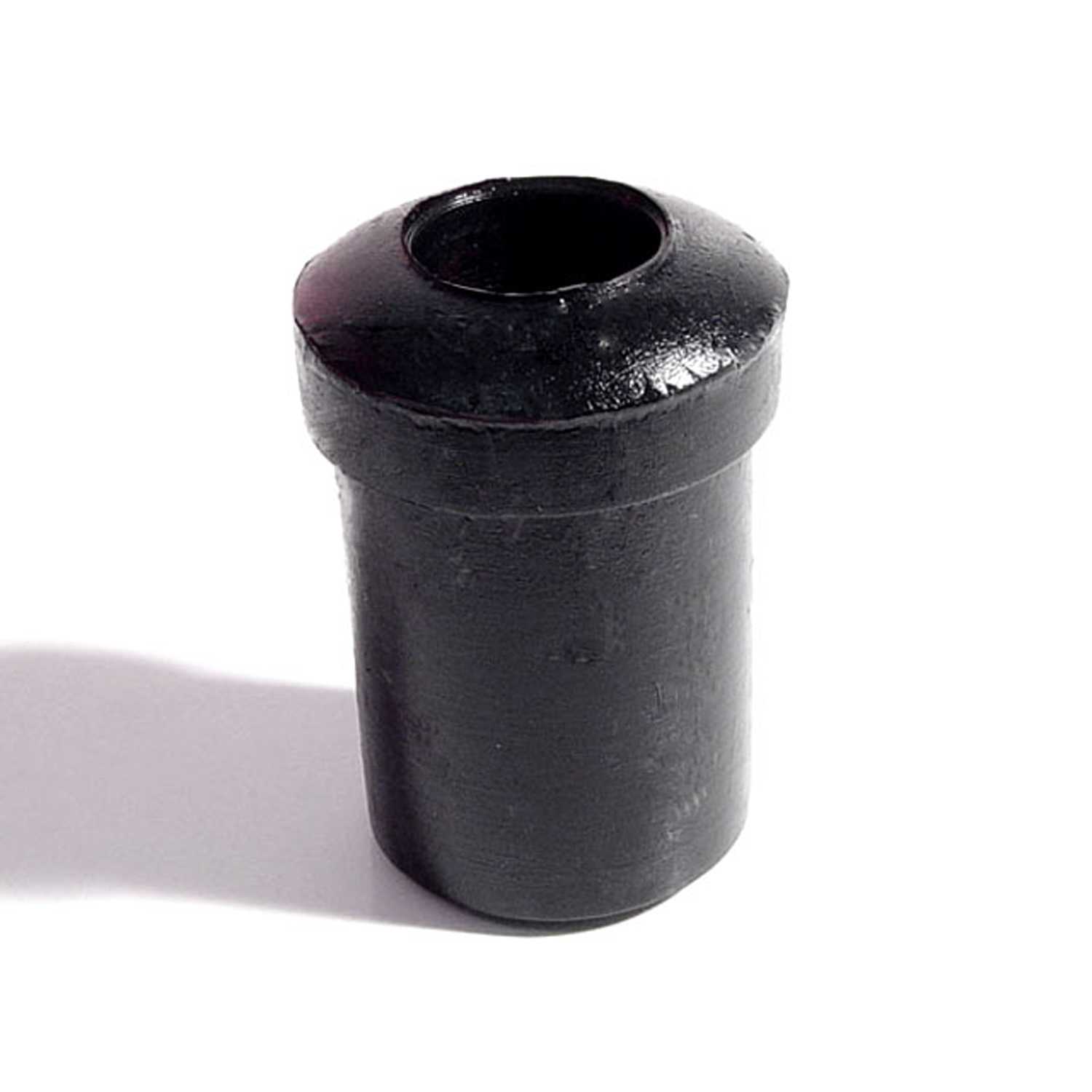 1954 Packard Cavalier Spring and Shackle Bushing. 1" bottom O.D-BN 20Spring and Shackle Bushing. 1" bottom O.D. X 1-5/8" high, with 9/16" I.D. Each
 1954 Packard Cavalier Cowl and Hood Seal. 43-5/8" long. Each-CS 1Cowl and Hood Seal. 43-5/8" long. Each
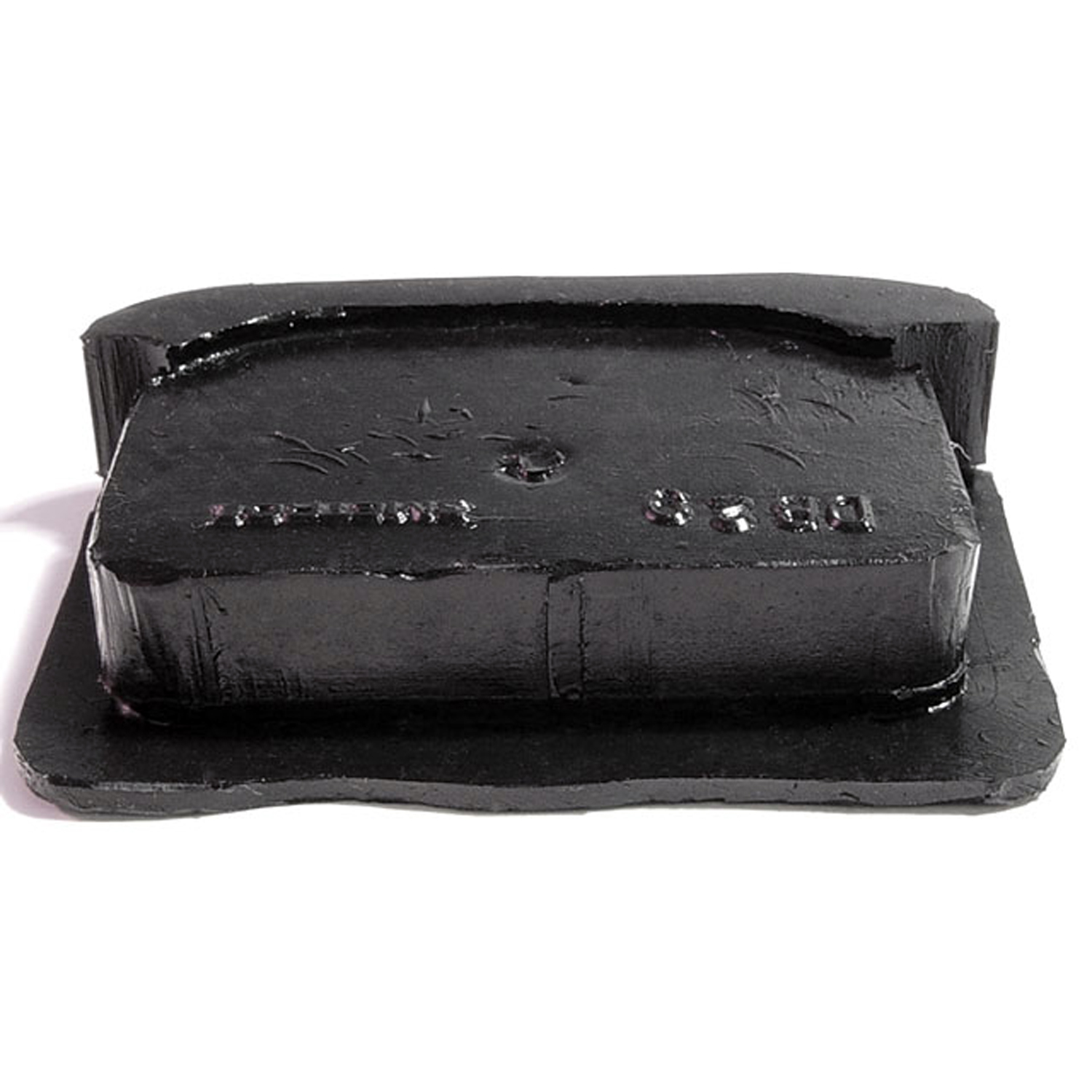 1954 Packard Cavalier Door Bumper. 1-3/8" high X 2" wide X 1/2" thick. Each-DB 29Door Bumper. 1-3/8" high X 2" wide X 1/2" thick. Each
 1954 Packard Cavalier Gas Filler Grommet. 2-1/2" I.D., 4-1/8" O.D. Each-GF 12Gas Filler Grommet. 2-1/2" I.D., 4-1/8" O.D. Each
 1954 Packard Cavalier Hood Corners. 1-3/4" to 2" corner radius-HC 14Hood Corners. 1-3/4" to 2" corner radius. Pad is 3-3/8" long. Pair
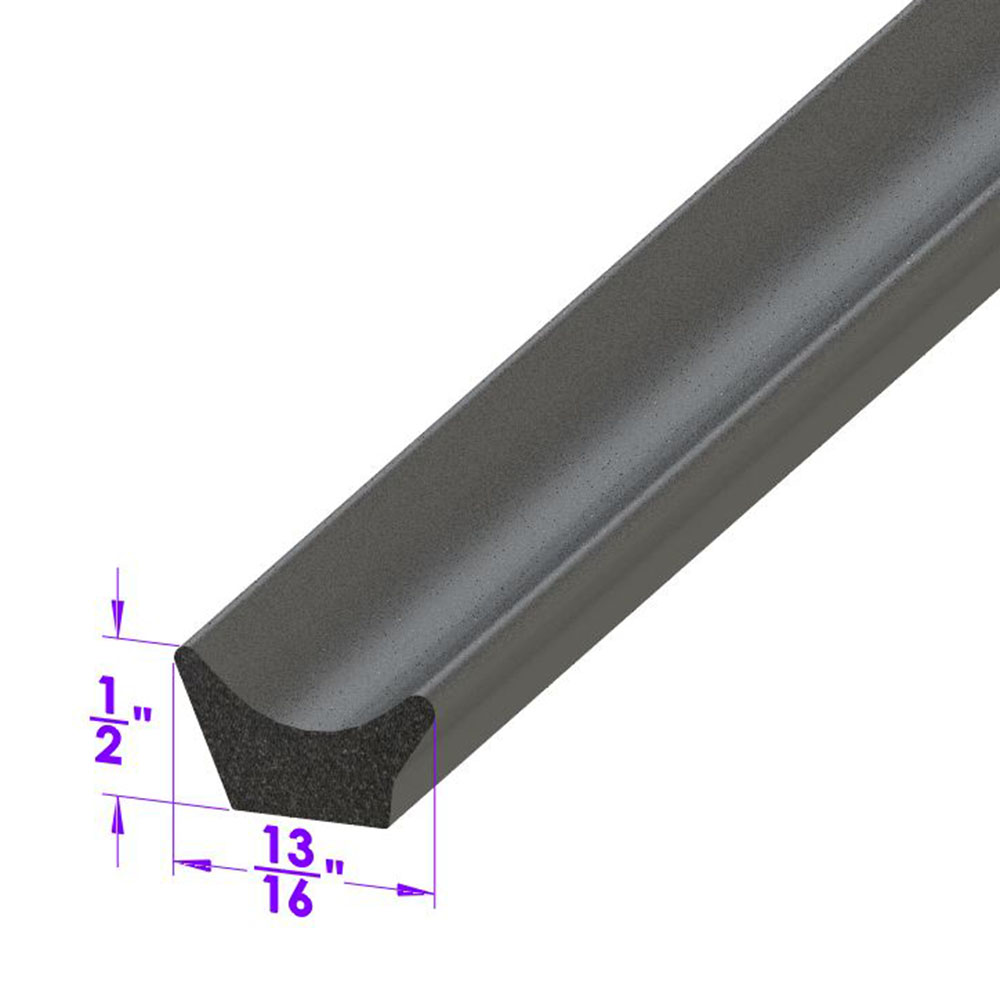 1954 Packard Cavalier Door side seal. Same as LP 40, but for a lighter seal-LP 40-ADoor side seal. Same as LP 40, but for a lighter seal. Fits many domestic passenger cars and trucks. Universal seal for street rods and customs. Used in Cobra kit cars as door weatherstrip. Per foot.
 1954 Packard Cavalier Antenna Pad. 1-7/8" O.D. Each-MP 854-AAntenna Pad. 1-7/8" O.D. Each
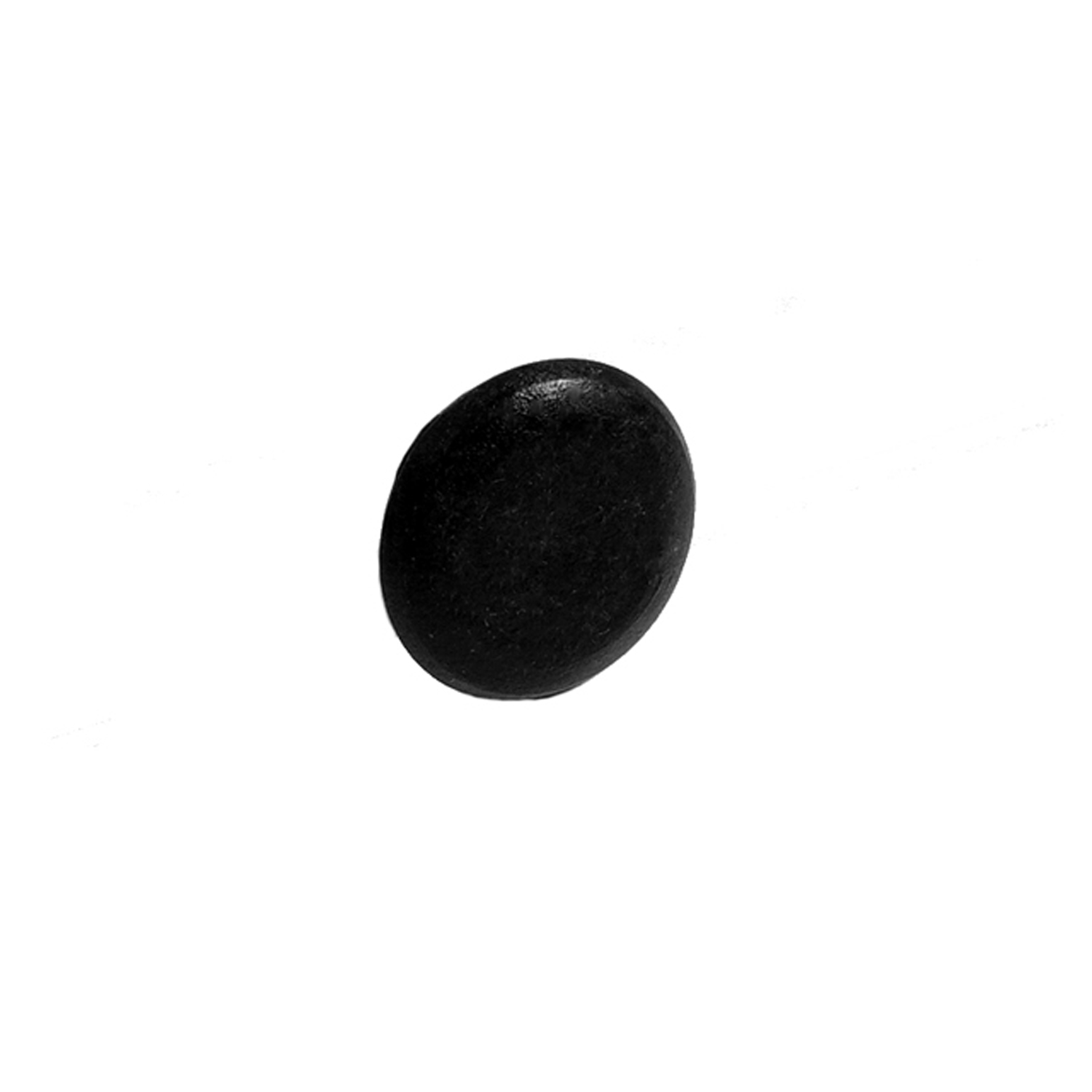 1954 Packard Cavalier Trunk Bumper. 3/4" O.D., 5/8" I.D. Each-SB 74Trunk Bumper. 3/4" O.D., 5/8" I.D. Each
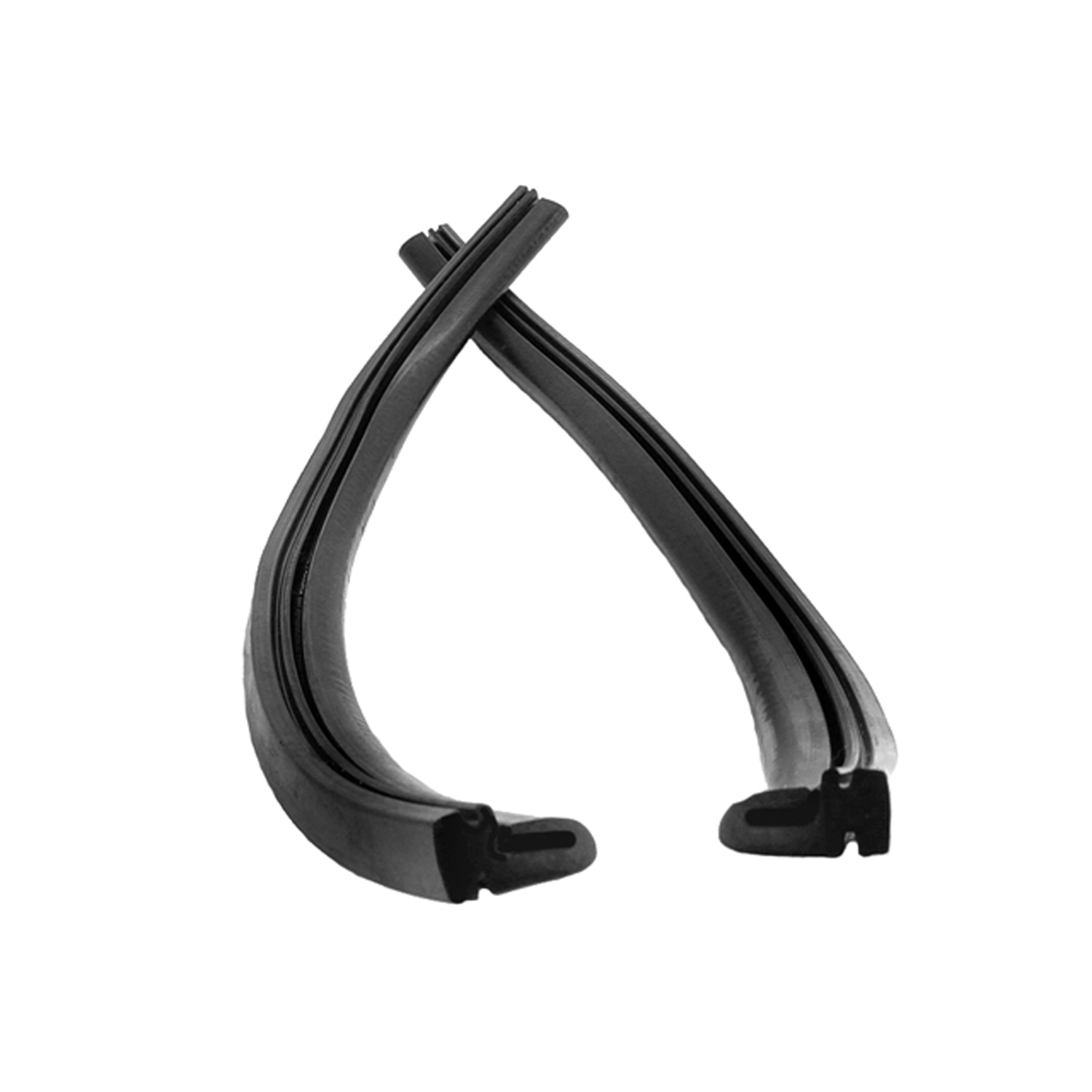 1954 Packard Cavalier Rear Roll-up Window Seals, for Hardtops and Convertibles-VS 7Rear Roll-up Window Seals, for Hardtops and Convertibles. For leading edge of rear quarter windows. Two pieces, 17-3/4" long. Pair
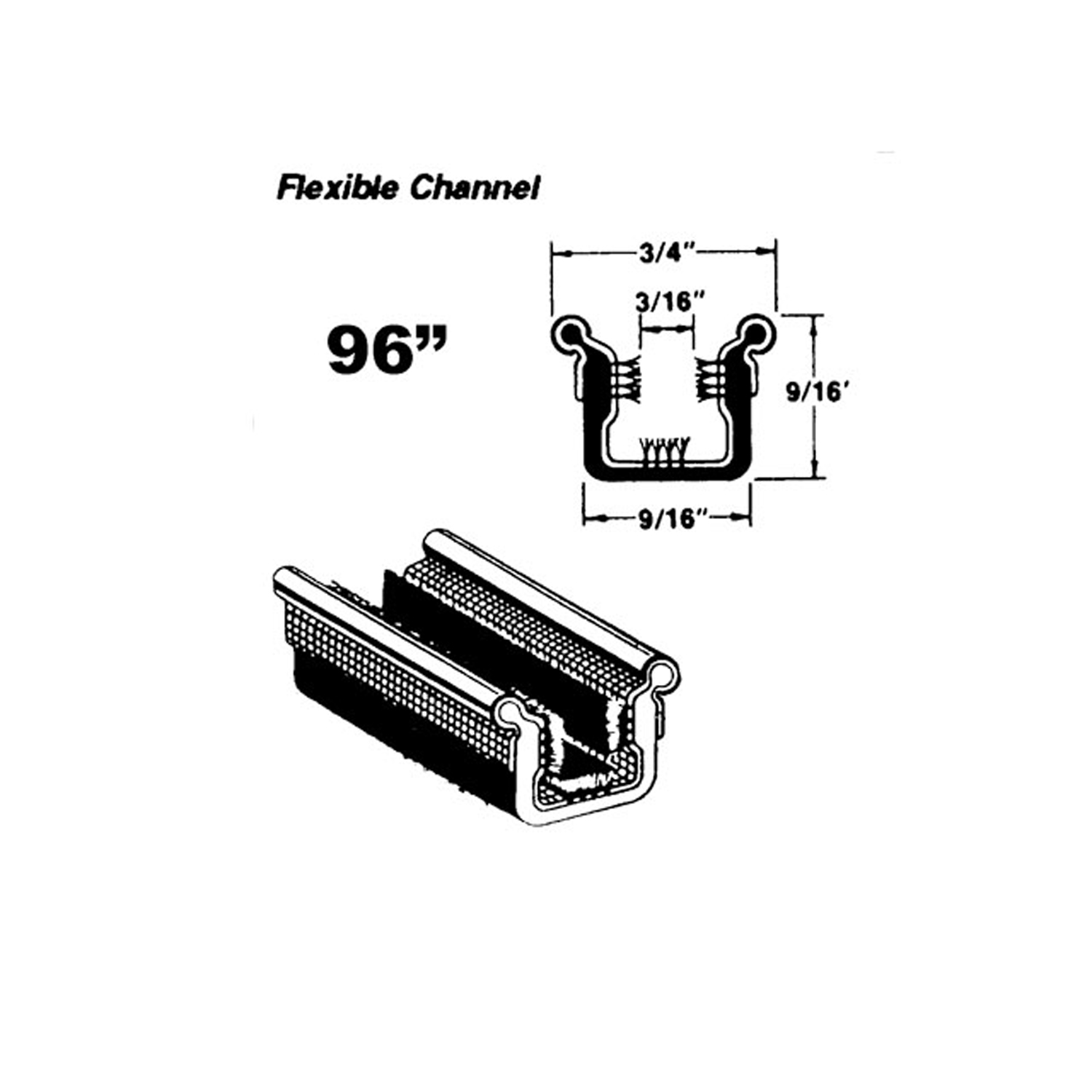 1954 Packard Cavalier Flexible window channel-WC 10-96Flexible window channel. Rubber covered with mohair lining and stainless steel bead. 96 in. long. Each. NOTE: $20 special shipping charge applies for domestic orders. Call or email for overseas shipping costs. Part can be sectioned in two or three equal lengths to reduce overseas shipping costs.
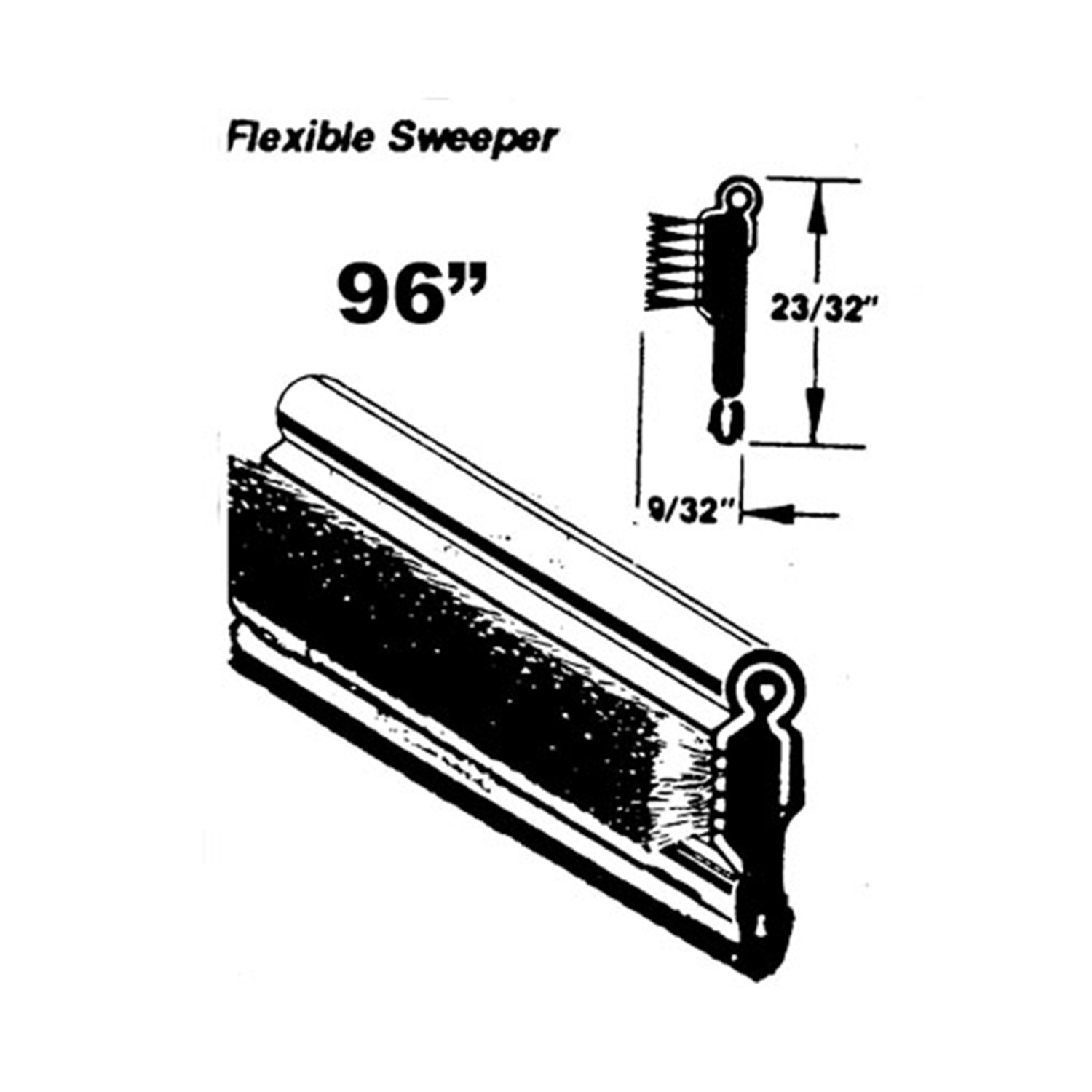 1954 Packard Cavalier Flexible window sweeper. Made with stainless steel bead-WC 4-96Flexible window sweeper. Made with stainless steel bead. 96 in. long. Each. NOTE: $20 special shipping charge applies for domestic orders. Call or email for overseas shipping costs. Part can be sectioned in two or three equal lengths to reduce overseas shipping costs.
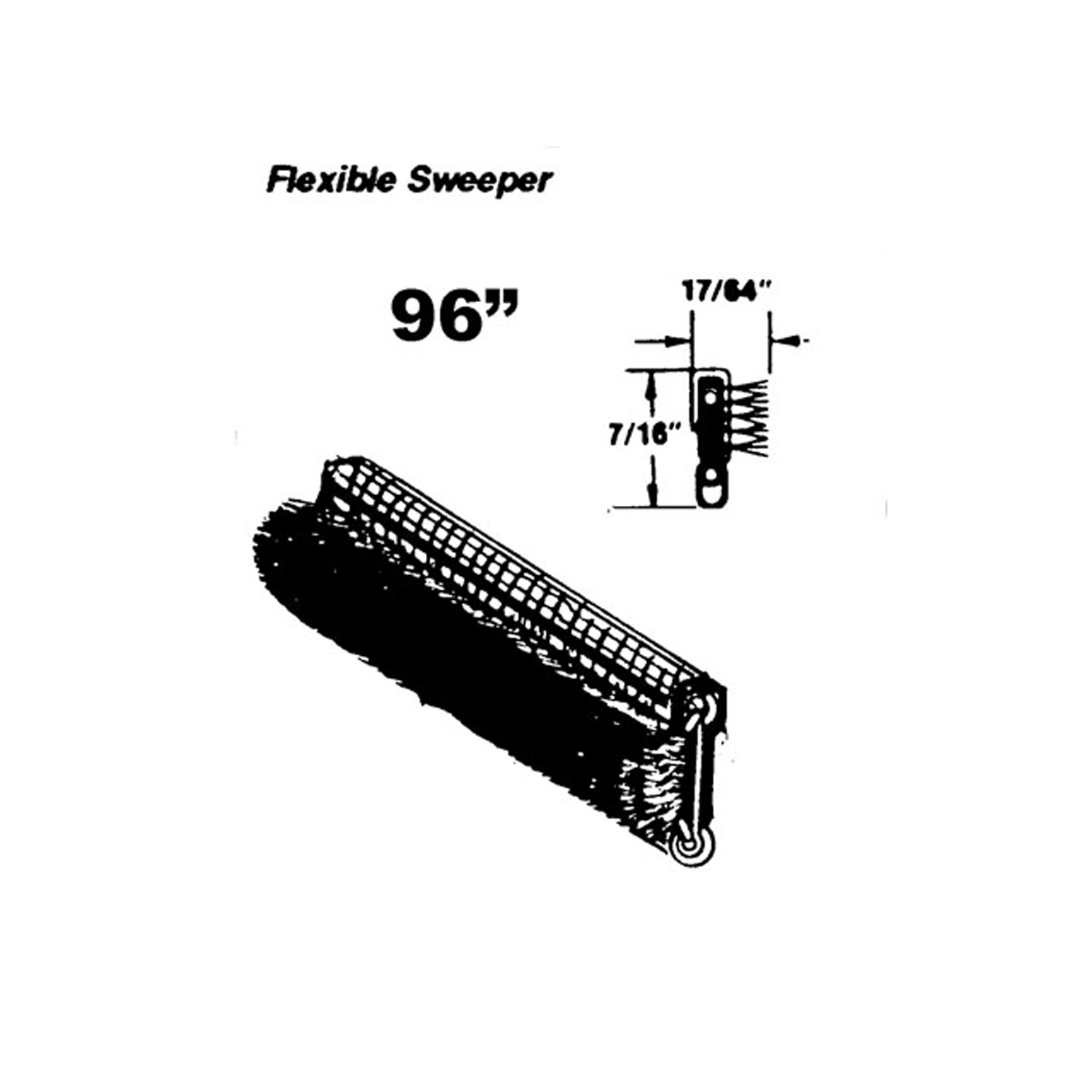 1954 Packard Cavalier Flexible window sweeper-WC 5-96Flexible window sweeper. Made with black electro-plated steel. 96 in. long. Each. NOTE: $20 special shipping charge applies for domestic orders. Call or email for overseas shipping costs. Part can be sectioned in two or three equal lengths to reduce overseas shipping costs.
 1954 Packard Cavalier Vent Window Seal. Pair-WR 2300Vent Window Seal. Pair
Why Choose Metro?
For over 100 years, Metro Moulded Parts has been the pinnacle of quality in classic car restoration parts. Our commitment to precision and authenticity in every component ensures a perfect fit and an OEM-level appearance.
- Expert Craftsmanship & Quality: Each part is a testament to our dedication to reliability and perfection, crafted from original designs and thoroughly tested.
- Advanced Technology: We use cutting-edge techniques to create flawless, long-lasting parts that surpass others in performance.
- SuperSoft Sponge – The Ultimate Door Seal: Not only are our door seals 30% softer than competitors', but they're also guaranteed to never leak. They effectively reduce wind and road noise, enhancing your classic car's comfort and driving experience.
- Proudly American: Our parts are a product of American craftsmanship, made in the USA with a spirit of excellence and heritage.
- Unrivaled Warranty: We back our products with a 30-year industry-leading warranty, a testament to our confidence in their quality.
Join us in preserving the legacy of classic cars with parts that are crafted for perfection, not just made.