

Image of 1954 Packard Clipper, Note: These illustrations use artistic license and may differ from actual historical models.
Performance Metrics
Fundamental Metrics
Emotional Appeal
MMP Rating
| Engine Specifications | |
|---|---|
| Engine: | Straight 8 |
| Displacement: | 327 cu in (5.4 L) |
| Horsepower: | 150-160 hp |
| Torque: | 270 lb-ft |
| Compression Ratio: | 7.0:1 |
| Ignition System: | Battery Ignition |
| Cooling System: | Liquid Cooled |
| Performance Specifications | |
| 0-60 Time: | Estimated 12-14 seconds |
| 1/4 Mile Time: | Information not available |
| Top Speed: | 100 mph |
| Transmission and Drive | |
| Drive Type: | Rear Wheel Drive |
| Transmission Type: | 3-speed manual, 2-speed Ultramatic automatic optional |
| Fuel and Efficiency | |
| Fuel System Type: | Carburetor |
| MPG: | Estimated 10-12 mpg |
| Dimensions and Brakes | |
| Brakes: | Drum Brakes |
| Wheelbase: | 122 inches |
| Weight: | 3,700 lbs |
Note: Specifications for classic cars are given to the best of our ability, considering the limited and variant data available.
1954 Packard Clipper: A Classic Packard at a Turning Point
The 1954 Packard Clipper brought the marque’s traditional comfort and straight-eight character to a more attainable price, just as the company faced one of the most consequential turning points in its history. Built by the Packard Motor Car Company in Detroit, the Clipper was the brand’s entry-level model line, but it was no ordinary economy car: it offered substantial road presence, a carefully finished cabin, and the smooth, quiet manners Packard buyers expected.
The Clipper name had first appeared in 1941 and returned as a separate model line for 1953. By 1954, Packard was trying to attract more customers in a crowded market dominated by large, stylish American cars. That year proved pivotal: Packard and Studebaker merged in October 1954, forming Studebaker-Packard Corporation. The Clipper therefore belongs to the final chapter of Packard’s independent era.
One detail that makes the 1954 model especially interesting is its place between two very different eras of Packard engineering. It retained the brand’s established straight-eight engines and conventional suspension, while the company was preparing major changes for 1955, including its famous Torsion-Level suspension. The ’54 Clipper is both a polished postwar cruiser and a snapshot of Packard on the brink of change.
Exterior Design and Clipper Styling
The 1954 Clipper has the long, low proportions that defined American cars of the period. Its broad hood leads into a prominent front end, with a wide grille, substantial bumpers, and round headlamps set into the front fenders. Side trim emphasizes the car’s length, while the rear fenders sweep into a broad tail that gives the car a solid, planted look. It is less ornate than some of Packard’s more expensive models, but it still carries a distinctly upscale presence.
Packard’s styling changes for 1954 gave the Clipper a fresh face without abandoning its recognizable shape. The overall design was restrained compared with the dramatic fins and chrome-heavy detailing appearing on some competitors. Fans appreciate that balance; critics sometimes find the front styling more conservative than the flashier cars from General Motors or Chrysler.
Factory paint choices varied by trim and production run, with a range of solid colors and two-tone combinations available. Cream, white, blue, green, red, and darker formal shades all suited the car’s broad panels. Two-tone paint was a particularly popular way to highlight the Clipper’s length and side trim, with light upper colors paired with darker lower bodies. Exact combinations depended on the series and order.
Body Styles, Trim, and Cabin Comfort
The Clipper range was offered in several sedan configurations. The Special and Deluxe were available as two-door and four-door sedans, while the better-equipped Super added further trim choices and a two-door hardtop, commonly known as the Clipper Super Panama. The hardtop’s pillarless side profile gives it a particularly elegant look with the windows lowered, and it is often the most visually distinctive Clipper body style.
Inside, the Clipper prioritized space and comfort over sporty detailing. The wide front bench seat, generous headroom, and broad dashboard made it well suited to long trips. Depending on trim and equipment, upholstery included patterned cloth and vinyl, with richer materials and additional finishes available on better-equipped versions. The cabin’s design was straightforward, but the materials and fit reflected Packard’s ambitions as a premium American manufacturer.
Available conveniences could include power steering, power brakes, power windows, a power seat, overdrive, and Packard’s Ultramatic automatic transmission. Air conditioning was also available, though it was an expensive and relatively uncommon option in the mid-1950s. These features were not standard on every Clipper, so buyers comparing cars today should check the equipment on the individual vehicle rather than assume every example has the same specification.
Engineering and Historical Significance
The 1954 Clipper mattered because it helped Packard compete in the high-volume portion of the market without giving up the mechanical character that distinguished the brand. While many rivals were adopting V8 engines, the Clipper continued with Packard’s smooth inline-eight. Its long-stroke design favored quiet, even power delivery rather than high-revving performance, a quality that suited the car’s role as a comfortable touring sedan.
Depending on series and specification, the Clipper used a 288- or 327-cubic-inch straight-eight. Output was approximately 150 horsepower for the 288 and about 165 horsepower for many 327-equipped versions, with ratings varying by engine and equipment. A three-speed manual transmission was offered, with overdrive available on some configurations. The Ultramatic automatic was a notable Packard feature, using a torque converter and offering a relaxed, smooth style of operation.
The Clipper was not a breakthrough design in the way that some later Packards would be remembered, but it illustrates the company’s strengths: solid construction, smooth powertrains, and a strong emphasis on ride comfort. It also represents Packard’s effort to broaden its customer base at a time when sales pressure and rising development costs were becoming increasingly difficult to manage.
Performance and Road Manners
A 1954 Clipper is best understood as a highway cruiser, not a performance car. Depending on engine, transmission, condition, and test method, period-style estimates put 0-to-60 mph acceleration in roughly the 14-to-18-second range. Top speed is generally estimated at about 90 to 100 mph for a healthy car, although sustained high-speed driving is not what most owners seek from a vintage example.
On the road, the straight-eight delivers a smooth, steady pull accompanied by a subdued mechanical murmur. The steering is lighter with power assistance, but a car without it requires more effort during parking and low-speed turns. The suspension is tuned for comfort, so it absorbs ordinary road imperfections well. On rough pavement, the car feels substantial and composed, though its age and conventional suspension mean it will not isolate occupants like a modern luxury sedan.
On winding roads, the Clipper’s size and soft ride encourage a measured pace. It can travel confidently through sweeping bends, but its weight, period tires, and slower steering response call for anticipation rather than quick changes of direction. Braking and handling are also strongly affected by maintenance, tire quality, and whether the car retains its original components. A well-sorted example feels reassuring and relaxed; a neglected one can feel loose, noisy, or less predictable.
What It Is Like to Own a 1954 Clipper
Most Clippers today are used as weekend drivers, tour cars, or show vehicles. Their roomy cabins and comfortable ride make them pleasant on club outings and scenic drives, while their size and vintage character give them plenty of presence at local shows. They are not commonly chosen for racing, and using one as a daily driver requires patience with older-car performance, fuel consumption, and safety equipment.
Routine maintenance is manageable for an owner comfortable with classic-car basics. The straight-eight is sturdy when properly maintained, and many service tasks are straightforward for a mechanic familiar with older American cars. The main challenge is often not basic repair but sourcing the right parts, especially trim, interior pieces, and model-specific body components. Packard clubs and specialist suppliers can be valuable resources.
Before buying, inspect the body and frame for rust, check the cooling system and engine oil pressure, and confirm that the transmission operates correctly. Ultramatic transmissions deserve particular attention from a mechanic who knows Packard units. Also check the brakes, wiring, steering, and suspension rather than assuming that a clean paint job means the car is mechanically sound. A thorough pre-purchase inspection can prevent an attractive project from becoming an expensive one.
Packard Clipper Facts and Common Criticisms
The Clipper name originally evoked the sleek clipper ships of the nineteenth century, an apt image for a model intended to look fast and streamlined. The 1954 car also has a useful historical distinction: it was produced in the year Packard entered its corporate merger with Studebaker, making it one of the last Clippers built before the company’s new structure took hold.
There is no widely recognized speed or endurance record associated with the 1954 Clipper, and it was not a major competition model. Its appeal is instead rooted in its engineering, comfort, and connection to Packard’s final independent years. Claims of famous ownership should be checked carefully, since celebrity stories are often repeated without reliable documentation.
Common criticisms include the car’s modest acceleration compared with V8-powered rivals, its substantial fuel appetite by modern standards, and styling that some shoppers considered conservative. The Clipper also sits below the most prestigious Packard models in the company’s range, so it does not always receive the same attention as a Caribbean or Patrician. For many owners, that relative lack of spotlight is part of its appeal: it offers Packard character without the price or attention commanded by the rarest models.
Collector Value and Availability
Production figures are commonly reported by individual series and body style, and totals can vary among references. A reasonable estimate is that Packard built roughly 17,000 to 19,000 Clippers for the 1954 model year across the available series and body styles. That makes the car far from one-off rare, but surviving examples in excellent condition are not easy to find, particularly when buyers want a specific hardtop, color combination, or factory option package.
As a broad current-market estimate, a running but worn sedan might sell for around $8,000 to $15,000. A clean, usable car could fall in the $15,000 to $30,000 range, while a high-quality restoration or especially attractive hardtop may reach roughly $30,000 to $50,000 or more. Condition, originality, documentation, regional demand, and the quality of any restoration have a major effect on price. These figures are general estimates, not a substitute for comparing recent sales of similar cars.
Clipper values have generally remained below those of Packard’s top-tier models. The best examples have shown steady interest, and exceptional cars can command stronger prices, but the model as a whole has not been a guaranteed rapid-appreciation investment. Buyers are often drawn by the opportunity to own a genuine Packard at a more approachable price. Over the long term, condition and careful maintenance are likely to matter more than speculation about short-term market movements.
Why the 1954 Packard Clipper Still Matters
The 1954 Packard Clipper combines a spacious, carefully finished cabin, smooth straight-eight power, and the relaxed ride expected of a traditional American touring car. Its range of sedan and hardtop body styles gave buyers useful choices, while features such as Ultramatic and available power accessories kept it competitive in a rapidly changing market.
Most of all, the Clipper captures Packard at a crossroads. It is not the rarest or most powerful Packard, but it carries the company’s distinctive approach to comfort and engineering into the final year of its independent era. For collectors seeking a substantial, characterful 1950s car with a compelling story, the 1954 Clipper remains a memorable way to experience the last miles of Packard’s own road.
1954 Packard Clipper Catalog of Parts
 1954 Packard Clipper Accessory Floor Mat - 12"X17"-AC 32Accessory Floor Mat - made of high quality black rubber with molded original emblem. Also designed to be sewn into new carpets. 12"X17", Each
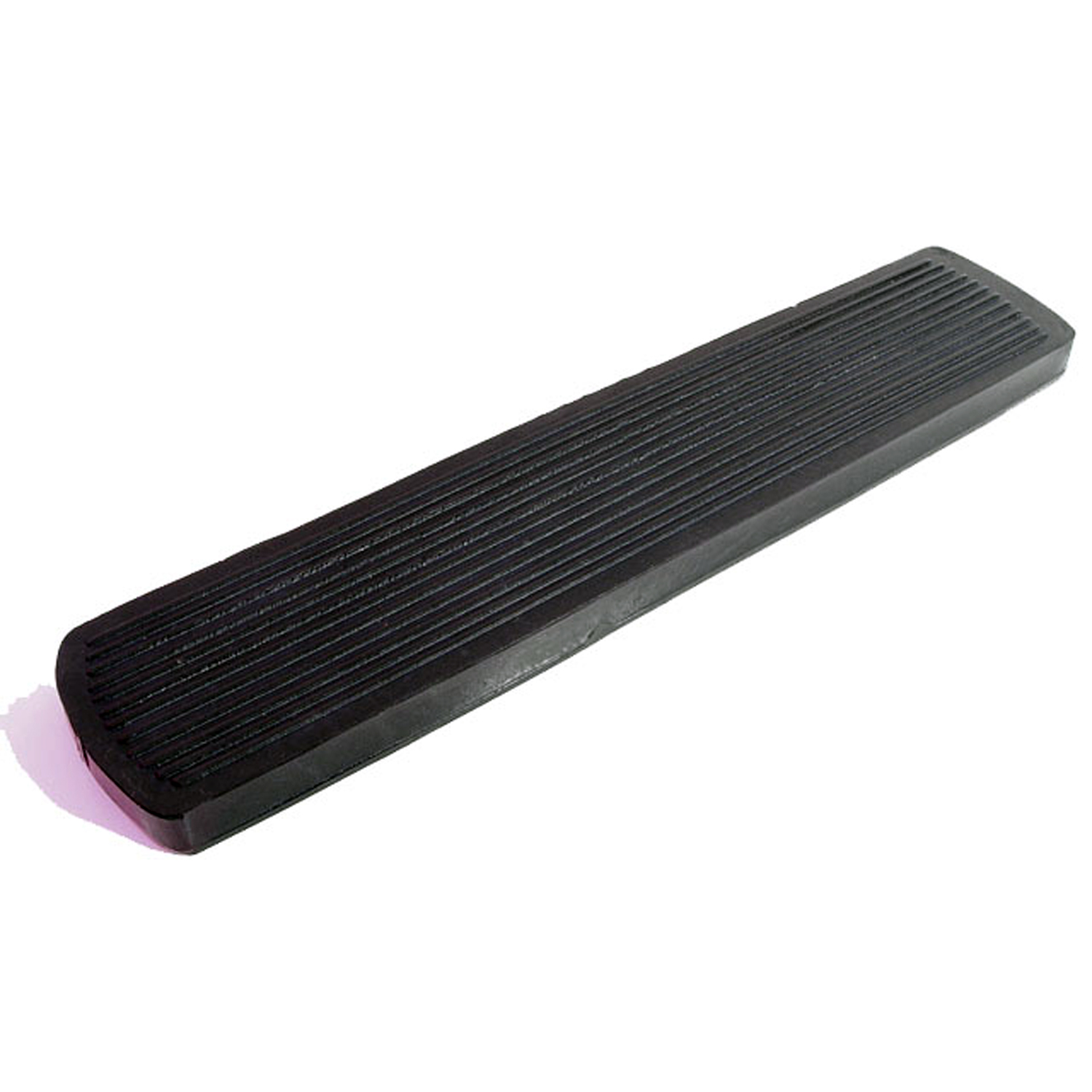 1954 Packard Clipper Accelerator Pedal Pad. 1-7/8" X 9-3/8", Each-AP 16Accelerator Pedal Pad. 1-7/8" X 9-3/8", Each
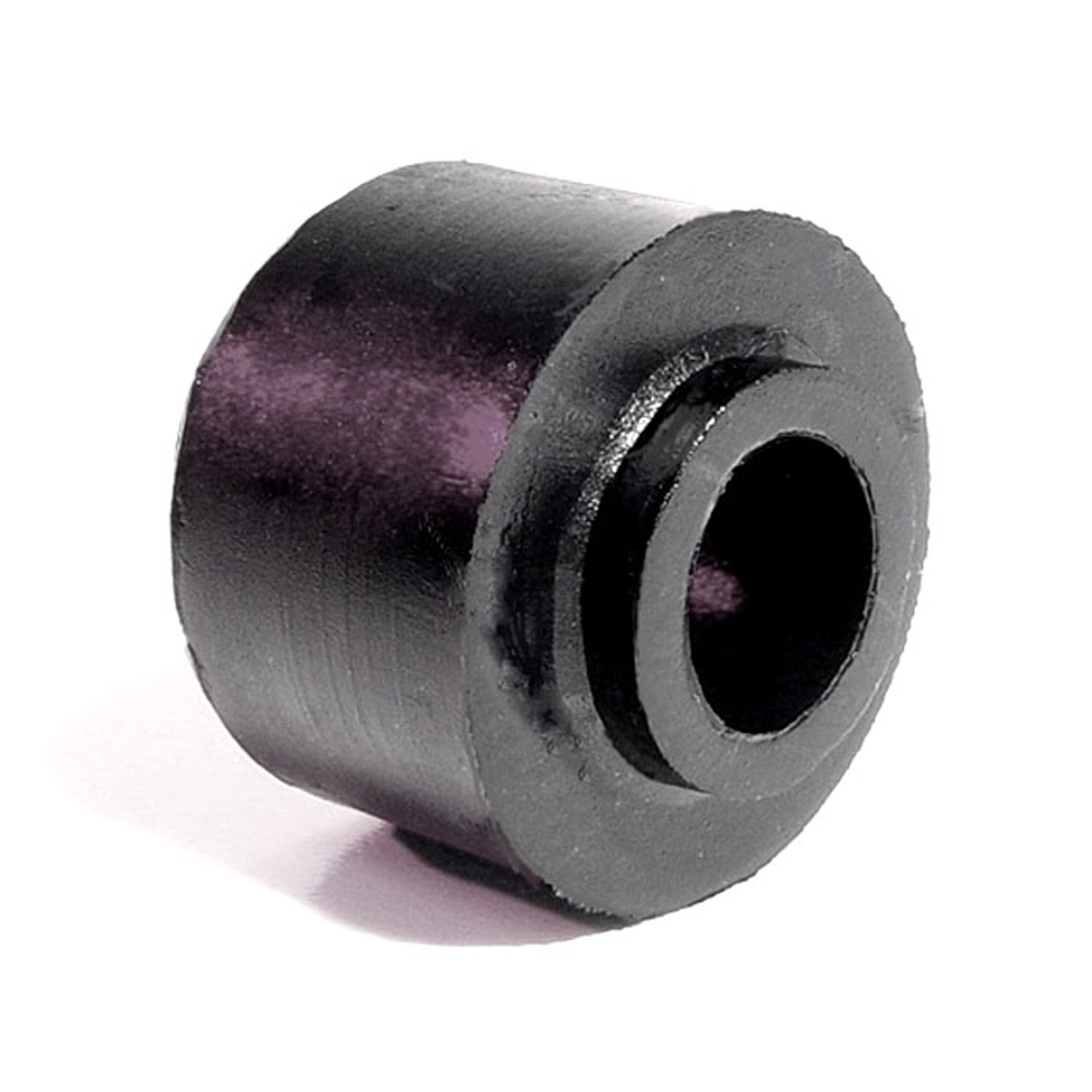 1954 Packard Clipper Shock Absorber Grommet. 1" bottom O.D., 3/4" high-BN 1Shock Absorber Grommet. 1" bottom O.D., 3/4" high., with 7/16" I.D. Each
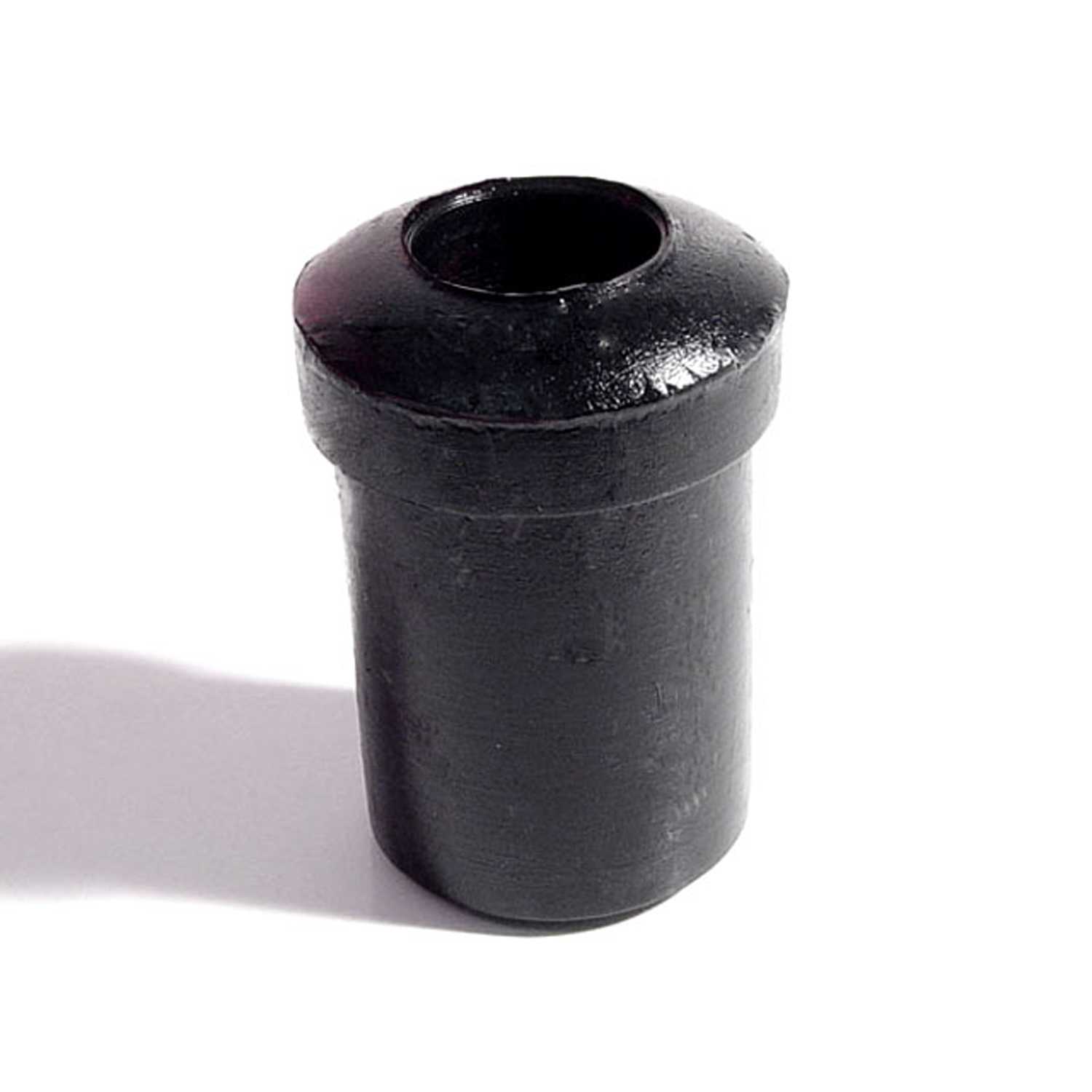 1954 Packard Clipper Spring and Shackle Bushing. 1" bottom O.D-BN 20Spring and Shackle Bushing. 1" bottom O.D. X 1-5/8" high, with 9/16" I.D. Each
 1954 Packard Clipper Cowl and Hood Seal. 43-5/8" long. Each-CS 1Cowl and Hood Seal. 43-5/8" long. Each
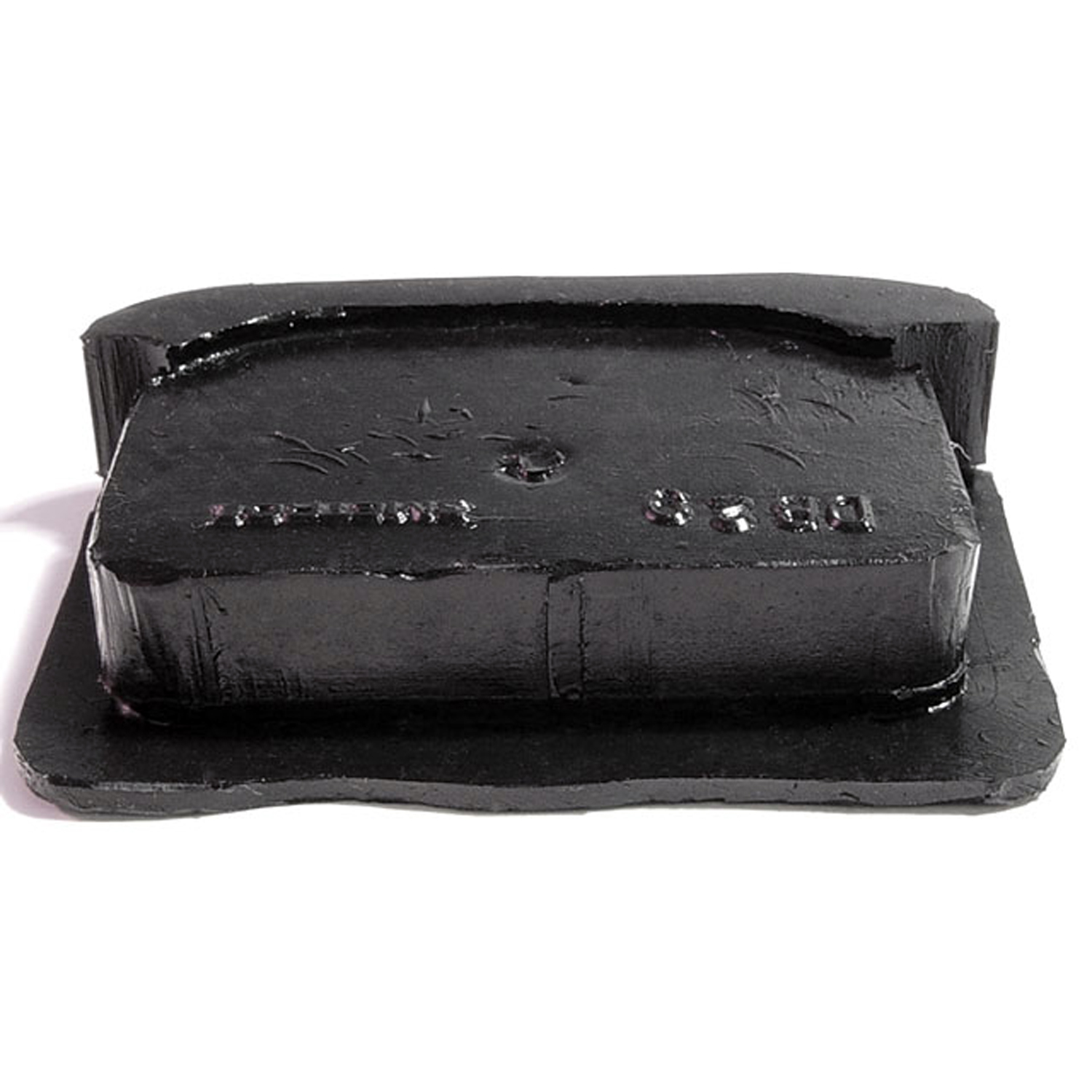 1954 Packard Clipper Door Bumper. 1-3/8" high X 2" wide X 1/2" thick. Each-DB 29Door Bumper. 1-3/8" high X 2" wide X 1/2" thick. Each
 1954 Packard Clipper Gas Filler Grommet. 2-1/2" I.D., 4-1/8" O.D. Each-GF 12Gas Filler Grommet. 2-1/2" I.D., 4-1/8" O.D. Each
 1954 Packard Clipper Hood Corners. 1-3/4" to 2" corner radius-HC 14Hood Corners. 1-3/4" to 2" corner radius. Pad is 3-3/8" long. Pair
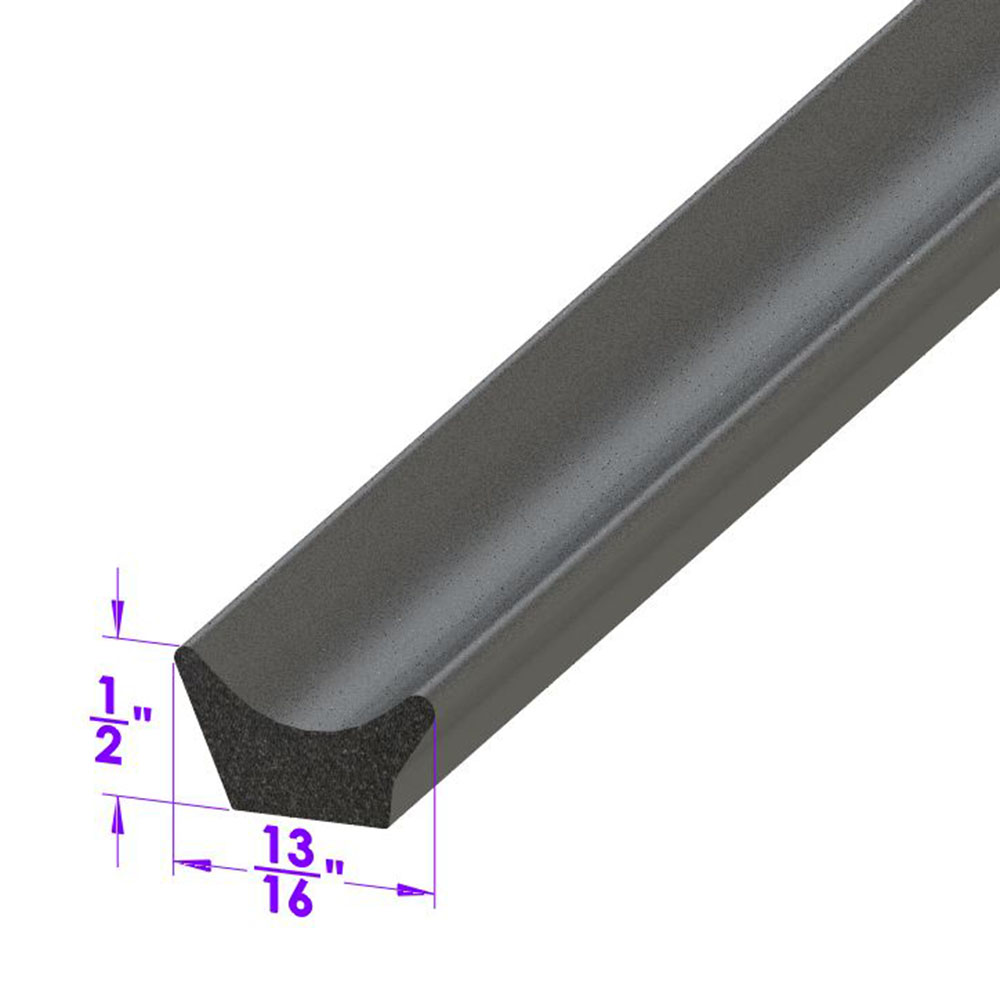 1954 Packard Clipper Door side seal. Same as LP 40, but for a lighter seal-LP 40-ADoor side seal. Same as LP 40, but for a lighter seal. Fits many domestic passenger cars and trucks. Universal seal for street rods and customs. Used in Cobra kit cars as door weatherstrip. Per foot.
 1954 Packard Clipper Antenna Pad. 1-7/8" O.D. Each-MP 854-AAntenna Pad. 1-7/8" O.D. Each
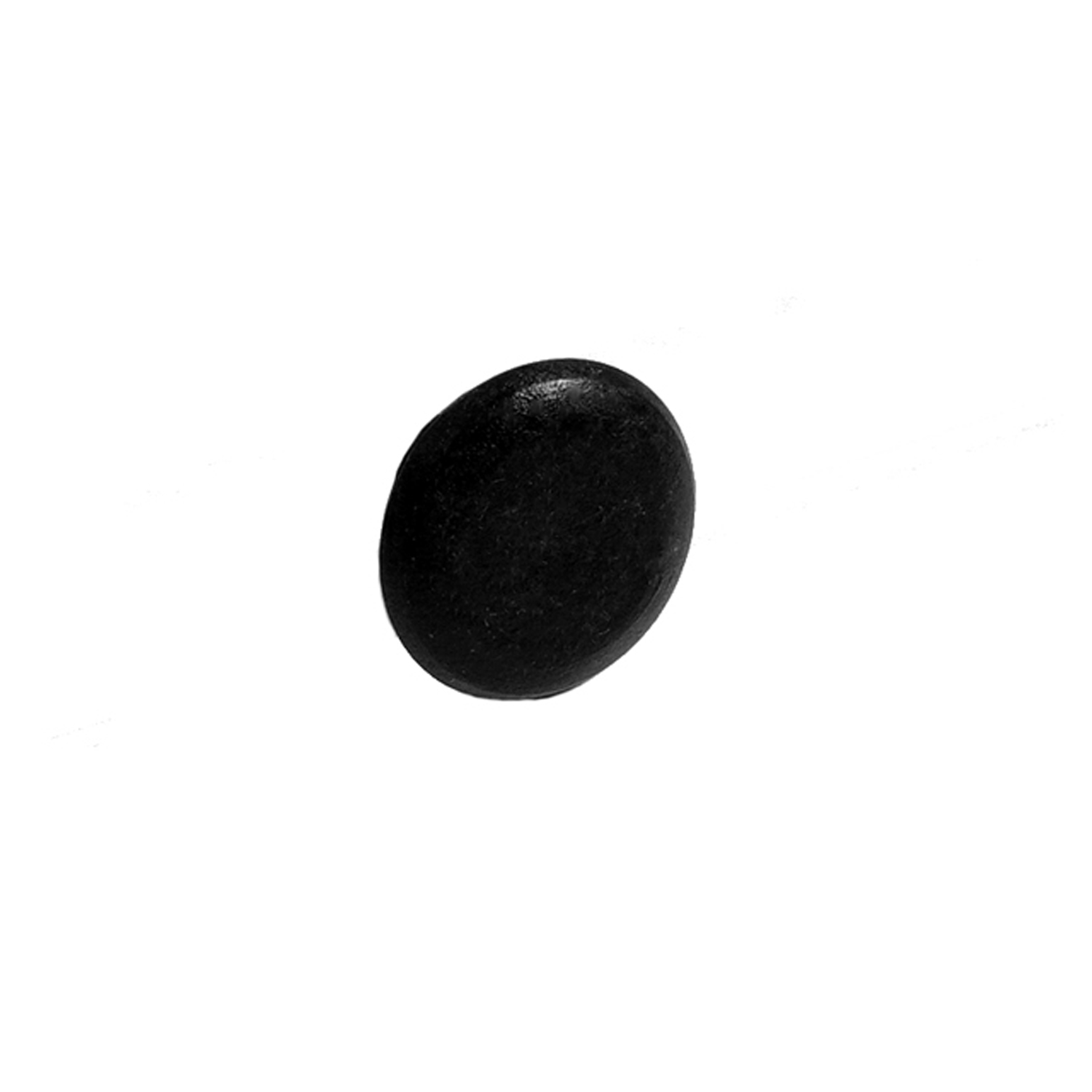 1954 Packard Clipper Trunk Bumper. 3/4" O.D., 5/8" I.D. Each-SB 74Trunk Bumper. 3/4" O.D., 5/8" I.D. Each
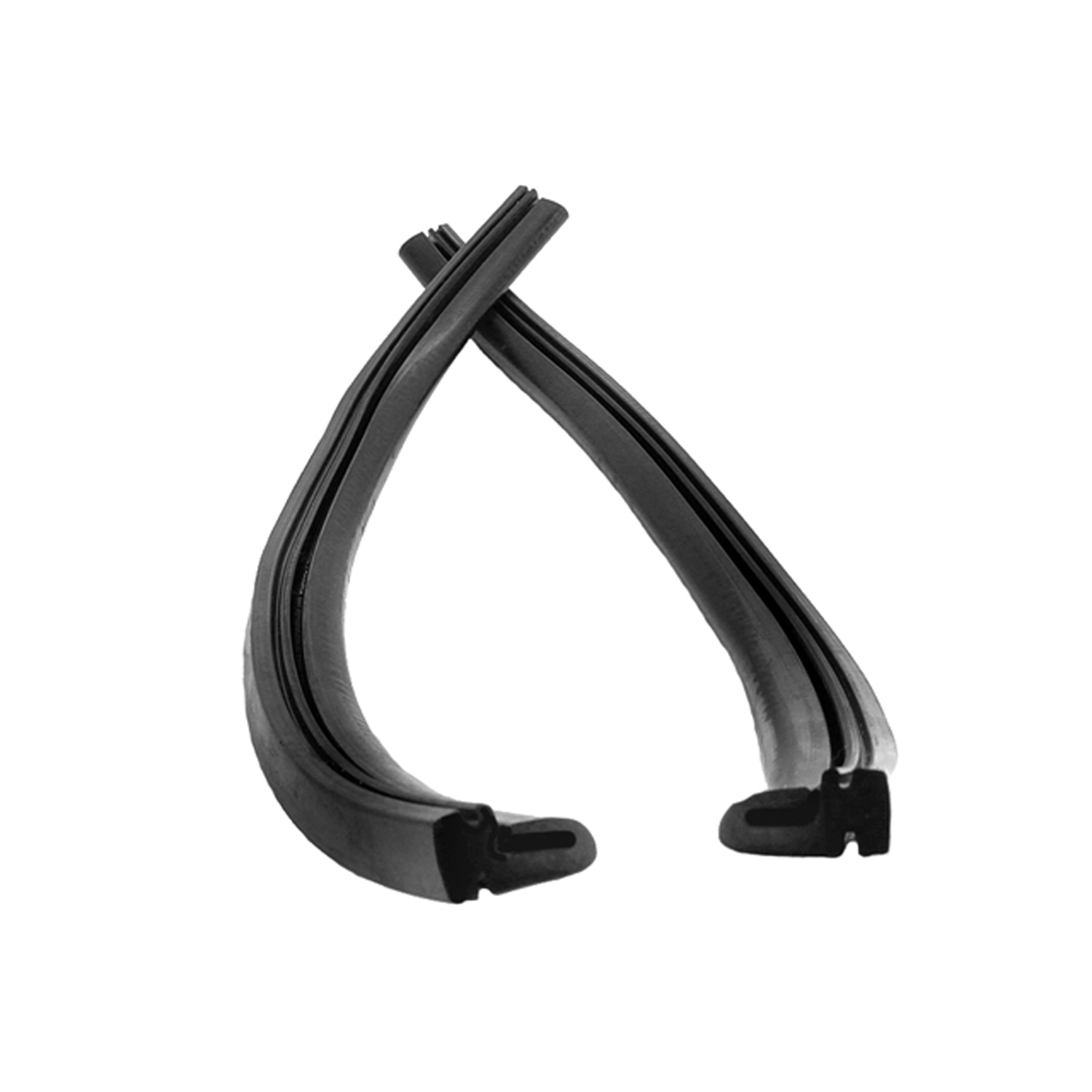 1954 Packard Clipper Rear Roll-up Window Seals, for Hardtops and Convertibles-VS 7Rear Roll-up Window Seals, for Hardtops and Convertibles. For leading edge of rear quarter windows. Two pieces, 17-3/4" long. Pair
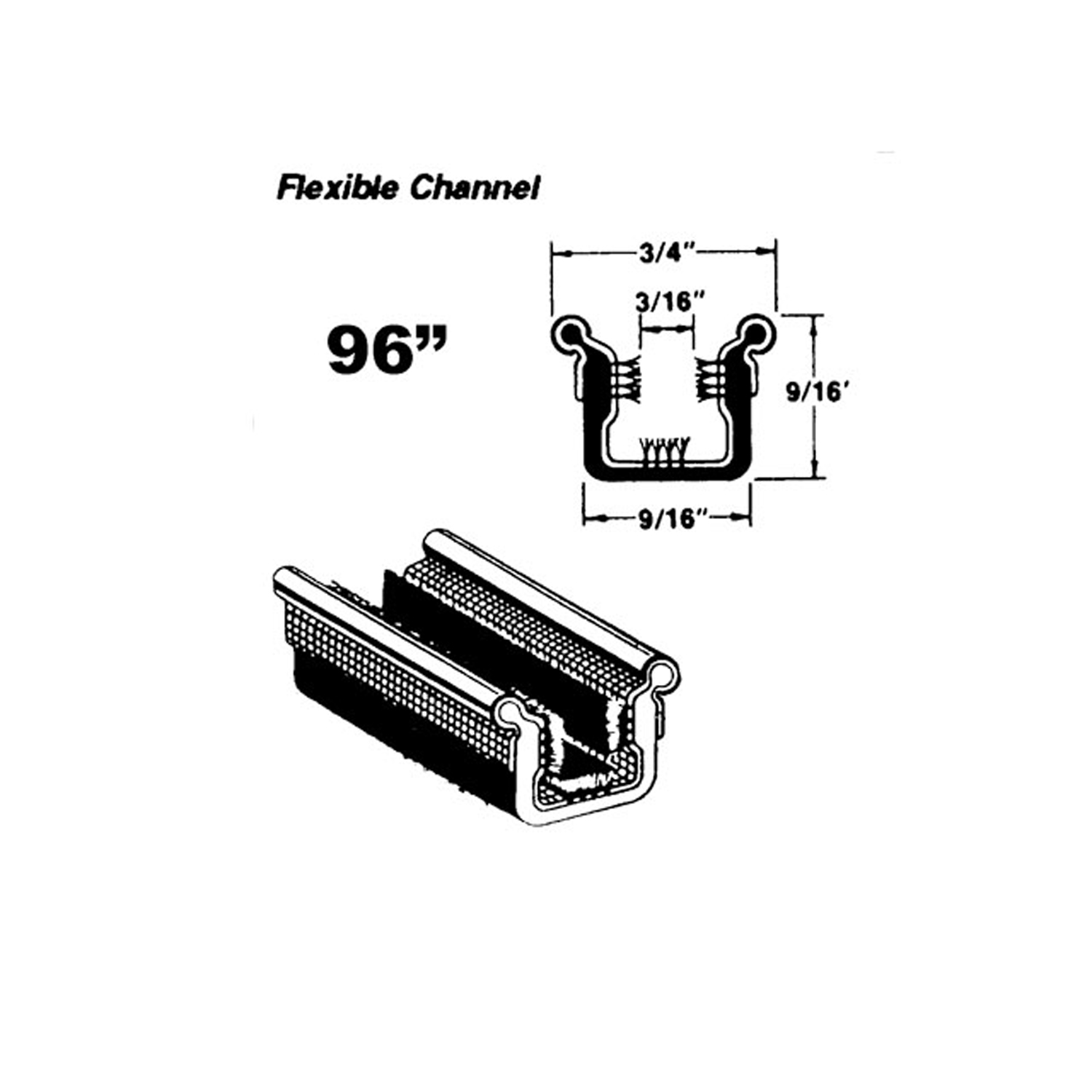 1954 Packard Clipper Flexible window channel-WC 10-96Flexible window channel. Rubber covered with mohair lining and stainless steel bead. 96 in. long. Each. NOTE: $20 special shipping charge applies for domestic orders. Call or email for overseas shipping costs. Part can be sectioned in two or three equal lengths to reduce overseas shipping costs.
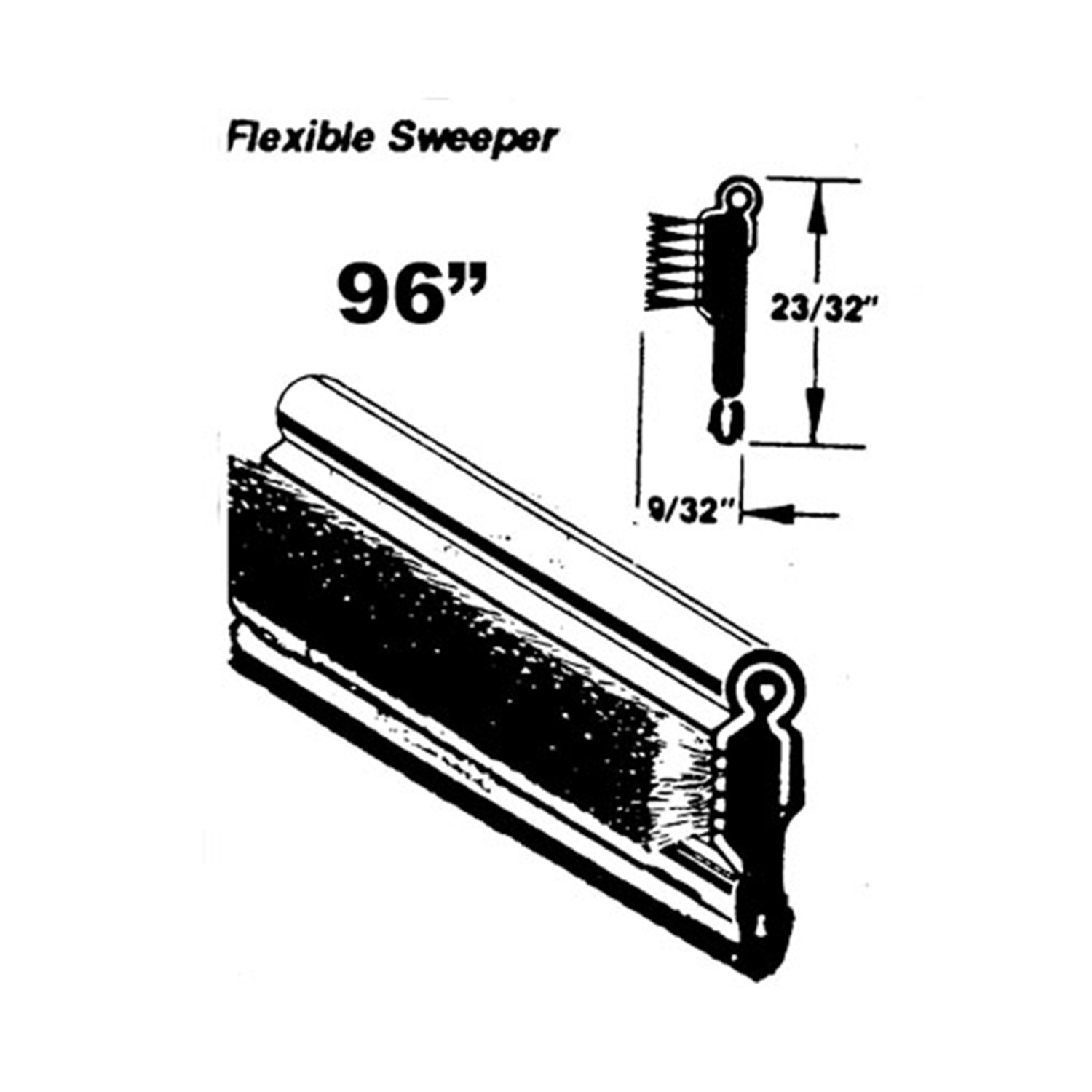 1954 Packard Clipper Flexible window sweeper. Made with stainless steel bead-WC 4-96Flexible window sweeper. Made with stainless steel bead. 96 in. long. Each. NOTE: $20 special shipping charge applies for domestic orders. Call or email for overseas shipping costs. Part can be sectioned in two or three equal lengths to reduce overseas shipping costs.
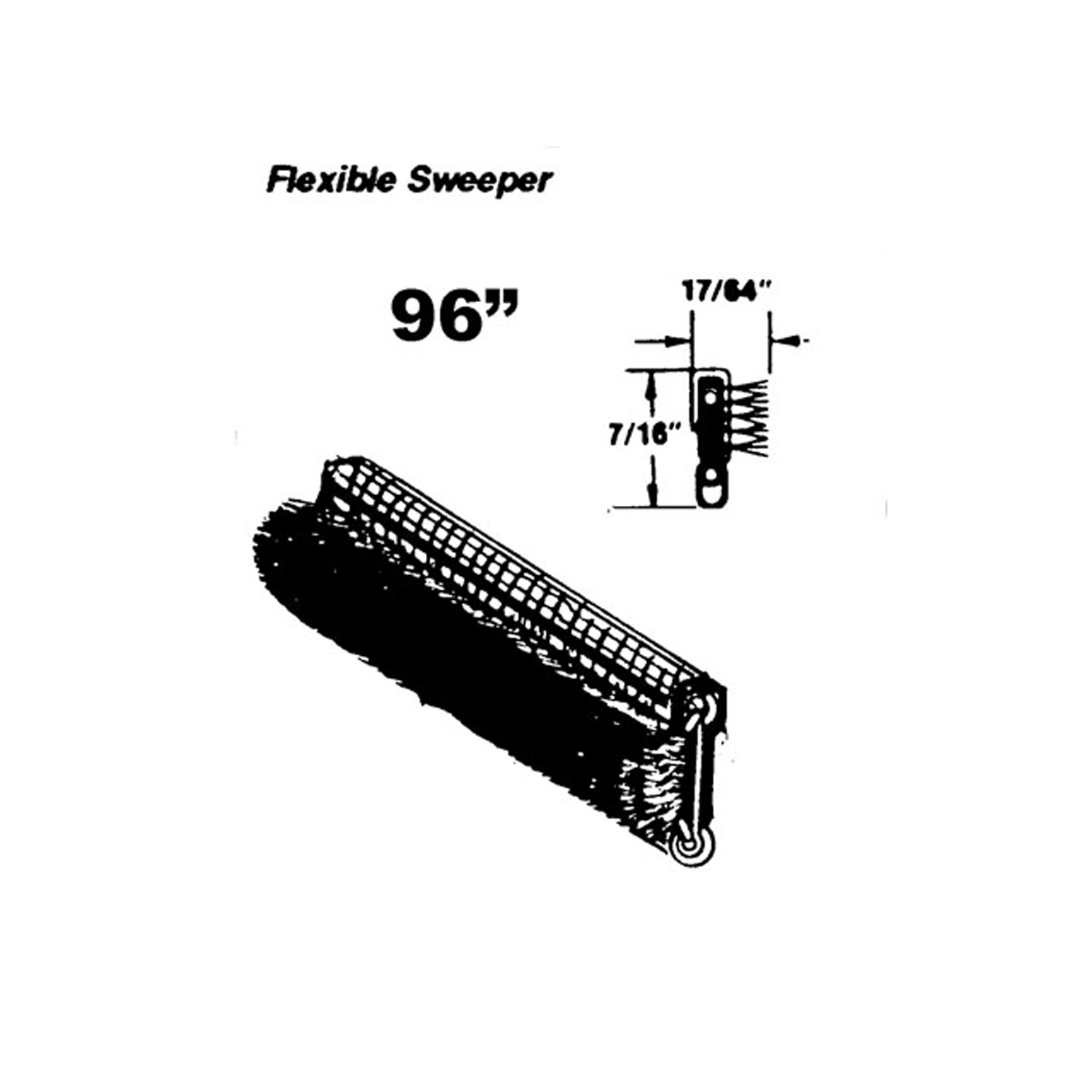 1954 Packard Clipper Flexible window sweeper-WC 5-96Flexible window sweeper. Made with black electro-plated steel. 96 in. long. Each. NOTE: $20 special shipping charge applies for domestic orders. Call or email for overseas shipping costs. Part can be sectioned in two or three equal lengths to reduce overseas shipping costs.
 1954 Packard Clipper Vent Window Seal. Pair-WR 2300Vent Window Seal. Pair
Why Choose Metro?
For over 100 years, Metro Moulded Parts has been the pinnacle of quality in classic car restoration parts. Our commitment to precision and authenticity in every component ensures a perfect fit and an OEM-level appearance.
- Expert Craftsmanship & Quality: Each part is a testament to our dedication to reliability and perfection, crafted from original designs and thoroughly tested.
- Advanced Technology: We use cutting-edge techniques to create flawless, long-lasting parts that surpass others in performance.
- SuperSoft Sponge – The Ultimate Door Seal: Not only are our door seals 30% softer than competitors', but they're also guaranteed to never leak. They effectively reduce wind and road noise, enhancing your classic car's comfort and driving experience.
- Proudly American: Our parts are a product of American craftsmanship, made in the USA with a spirit of excellence and heritage.
- Unrivaled Warranty: We back our products with a 30-year industry-leading warranty, a testament to our confidence in their quality.
Join us in preserving the legacy of classic cars with parts that are crafted for perfection, not just made.