

Image of 1954 Packard Packard, Note: These illustrations use artistic license and may differ from actual historical models.
Performance Metrics
Fundamental Metrics
Emotional Appeal
MMP Rating
| Engine Specifications | |
|---|---|
| Engine: | 359 cu in (5.9 L) I8 |
| Displacement: | 327-359 cu in |
| Horsepower: | 212-275 hp |
| Torque: | 330 lb-ft |
| Compression Ratio: | 7.8:1 |
| Ignition System: | Battery Ignition |
| Cooling System: | Liquid Cooled |
| Performance Specifications | |
| 0-60 Time: | 12 seconds |
| 1/4 Mile Time: | Estimated 18 seconds |
| Top Speed: | 100 mph |
| Transmission and Drive | |
| Drive Type: | Rear Wheel Drive |
| Transmission Type: | Ultramatic automatic |
| Fuel and Efficiency | |
| Fuel System Type: | Carburetor |
| MPG: | 10-12 mpg |
| Dimensions and Brakes | |
| Brakes: | Drum Brakes |
| Wheelbase: | 122 inches |
| Weight: | 4100 lbs |
Note: Specifications for classic cars are given to the best of our ability, considering the limited and variant data available.
1954 Packard: A Turning Point in American Luxury
The 1954 Packard could glide past in polished chrome and quiet confidence, but beneath its dignified styling was a company approaching a crossroads. Built by the Packard Motor Car Company of Detroit, Michigan, it represented the final season of Packard’s traditional, pre-merger identity before the company’s 1954 merger with Studebaker reshaped its future.
Packard had earned its reputation through carefully finished luxury cars, powerful engines, and engineering that often favored refinement over flash. The 1954 lineup included both the more accessible Clipper range and premium Packard models such as the Patrician and Caribbean. One especially notable detail: the 1954 Caribbean convertible was a rare, hand-finished halo model, with only about 400 built. It is now one of the most recognizable Packards of the decade.
The timing was difficult. The Big Three automakers were expanding their model ranges and pouring money into styling and production, while Packard faced high costs and shrinking sales. The 1954 car therefore carries two stories at once: it is a polished example of classic Packard craftsmanship and a reminder of how challenging it had become for an independent luxury manufacturer to compete.
Packard Styling and Craftsmanship
Packard’s exterior design was formal rather than flamboyant. A broad hood led to the marque’s familiar upright grille, framed by round headlamps and substantial chrome bumpers. Clean side panels, restrained trim, and a carefully shaped roofline gave the cars a substantial, tailored appearance. The look was unmistakably American luxury, with presence rather than speed-inspired aggression as its main aim.
Inside, the emphasis was on comfort and finish. Depending on model and trim, buyers found broadcloth or leather upholstery, patterned fabrics, generous carpeting, and a wide dashboard with legible instruments. The senior models offered a more lavish atmosphere, while the Caribbean convertible combined leather-trimmed seating with extra brightwork and distinctive cabin details. Packard’s reputation for careful assembly was a selling point: these cars were designed to feel solid and hushed, not merely look expensive.
Factory paint choices varied by model and included conservative dark shades, metallic finishes, and lighter colors. Two-tone combinations were especially eye-catching on hardtops and convertibles. Caribbean buyers could choose striking combinations that emphasized the car’s long body and made it stand out from the more restrained sedans.
1954 Packard Models and Body Styles
The range covered several price points and purposes. The Clipper was Packard’s more affordable line, offered in sedan and hardtop forms, with trim and equipment varying across the series. Above it sat senior Packards including the Cavalier, Patrician, and Pacific hardtop. The Caribbean convertible occupied the top of the glamour ladder, while the Patrician was the flagship choice for buyers who wanted a richly appointed four-door sedan.
For most buyers, the four-door sedan was the practical and familiar choice. For collectors, the Caribbean is the most iconic 1954 body style because of its low production, upscale detailing, and open-air appeal. Hardtops such as the Pacific also capture the era’s taste for pillarless, coupe-like styling without giving up a roomy cabin.
Engineering in a Changing Era
Packard’s engineering credentials were an important part of its identity. Depending on model, the 1954 lineup used straight-eight engines displacing 288, 327, or 359 cubic inches. The largest 359-cubic-inch engine, fitted to selected senior models, produced a quoted 212 horsepower in factory gross ratings. Some 359-equipped cars could also be ordered with an aluminum cylinder head, an unusual feature for a production American car of the period.
Buyers could choose a three-speed manual transmission or Packard’s Ultramatic automatic, depending on model and specification. Introduced earlier, Ultramatic helped Packard establish a place in the growing automatic-transmission market. Power steering and power brakes were available, along with convenience features such as power windows on suitably equipped cars. These amenities made a large Packard easier to manage in town and more relaxing on long trips.
The 1954 cars did not introduce a revolutionary new design language. Their significance lies more in how they refined Packard’s established formula at a moment when the company was under pressure to modernize. The following year brought a major change in direction, including Packard’s first V8 engine and its Torsion-Level suspension system, making the 1954 straight-eight cars a clear closing chapter in the marque’s earlier engineering tradition.
How the 1954 Packard Drives
Performance varies considerably by engine, body style, transmission, and mechanical condition. A 359-powered senior Packard could reach roughly 100 mph in favorable conditions. Period-style estimates put 0-to-60-mph acceleration in the neighborhood of 14 to 17 seconds for many larger models, while cars with smaller engines could take longer. These are broad estimates rather than guaranteed figures: gearing, tuning, tire condition, and the particular car make a real difference.
The straight-eight delivers its power smoothly, with a low, unhurried burble rather than the sharp exhaust note of a modern performance car. Ultramatic-equipped examples suit the car’s relaxed character, encouraging steady acceleration instead of constant gear changes. On the road, the Packard feels big and composed. Its soft suspension absorbs ordinary pavement bumps well, although its size and period tires mean it is not as nimble on tight, winding roads as a smaller car.
Behind the wheel, the experience is about measured progress. The hood stretches ahead, the steering is less quick than that of a modern vehicle, and the ride favors comfort. A well-maintained example can feel remarkably smooth, but it still requires a driver to plan braking distances, allow room for its broad body, and respect the limitations of 1950s tires and safety equipment.
Living With a 1954 Packard
Today, most 1954 Packards serve as show cars, weekend cruisers, or carefully maintained touring cars rather than everyday transportation. A sound sedan can handle occasional trips, but regular use demands attention to cooling, brakes, electrical connections, tires, and fuel-system condition. Original parts and specialist knowledge are available through marque clubs and vintage-car suppliers, though some components take more effort to locate than parts for a mass-market Chevrolet or Ford.
Routine service is within reach for an experienced home mechanic. The straight-eight is mechanically straightforward by modern standards, and many common service tasks do not require specialized electronics or diagnostic equipment. However, body and trim restoration can be costly, and work on Ultramatic transmissions is best entrusted to a mechanic familiar with Packard units. Before buying, inspect for rust, incomplete restoration work, worn suspension parts, and evidence that the cooling and lubrication systems have been properly maintained.
Packard Facts and Common Criticisms
The 1954 Caribbean is the headline rarity, with production commonly cited at about 400 cars. Its low build count, special trim, and position at the top of the range give it a much stronger collector profile than an ordinary sedan. Across the full 1954 Packard and Clipper lineup, a commonly cited overall production figure is about 89,796 cars, though exact totals can vary with how production is counted.
There is no widely recognized speed or endurance record that defines the 1954 Packard. Its historical importance is instead tied to Packard’s place among America’s independent luxury automakers and to the merger with Studebaker announced that year. The car also stands as one of the last Packards powered by the company’s long-running straight-eight before the V8 era began in 1955.
Common criticisms include styling that some shoppers considered conservative beside the newest offerings from General Motors and Ford, along with the challenge of supporting a smaller manufacturer’s parts network. Ultramatic transmissions also need proper maintenance and knowledgeable repair. These concerns are part of the ownership picture, but they do not erase the car’s strengths: a distinctive powertrain, a comfortable ride, and craftsmanship that feels different from a high-volume contemporary.
1954 Packard Collector Values
Values depend heavily on model, originality, condition, and restoration quality. As a broad 2026-market guide, a project or rough-running Clipper might sell for roughly $5,000 to $12,000. A usable, presentable Clipper or standard sedan may fall around $15,000 to $35,000, while an exceptional restoration can bring more. Senior models such as a Patrician or Pacific often occupy a higher range, commonly around $20,000 to $50,000, with outstanding examples potentially exceeding it.
The Caribbean sits in a different market. A driver-quality example may be valued around $80,000 to $140,000, while a highly restored, well-documented car can reach approximately $150,000 to $250,000 or more. These are broad estimates, not appraisals; auction results, originality, provenance, and the quality of restoration can move prices substantially.
Standard Packards have generally seen steadier, more modest price movement than rare prestige models, and the wider market for large postwar American cars can rise or soften with collector demand. The Caribbean’s low production and strong recognition help support its value, while ordinary sedans remain a more affordable entry into Packard ownership. Buyers should prioritize condition and documentation over assuming every example will appreciate quickly.
Why the 1954 Packard Still Matters
The 1954 Packard brings together the qualities that made the marque special: formal styling, a carefully finished cabin, smooth straight-eight power, and a comfort-first approach to driving. Its range offered everything from practical Clipper sedans to the rare Caribbean convertible, while its place in Packard history gives it significance beyond its sheet metal.
For collectors, it is both a rewarding classic and a snapshot of a pivotal year. The 1954 Packard may not have changed the entire direction of automotive design, but it captures the final confidence of an independent American luxury maker just before the road ahead became much harder.
1954 Packard Packard Catalog of Parts
 1954 Packard Packard Accessory Floor Mat - 12"X17"-AC 32Accessory Floor Mat - made of high quality black rubber with molded original emblem. Also designed to be sewn into new carpets. 12"X17", Each
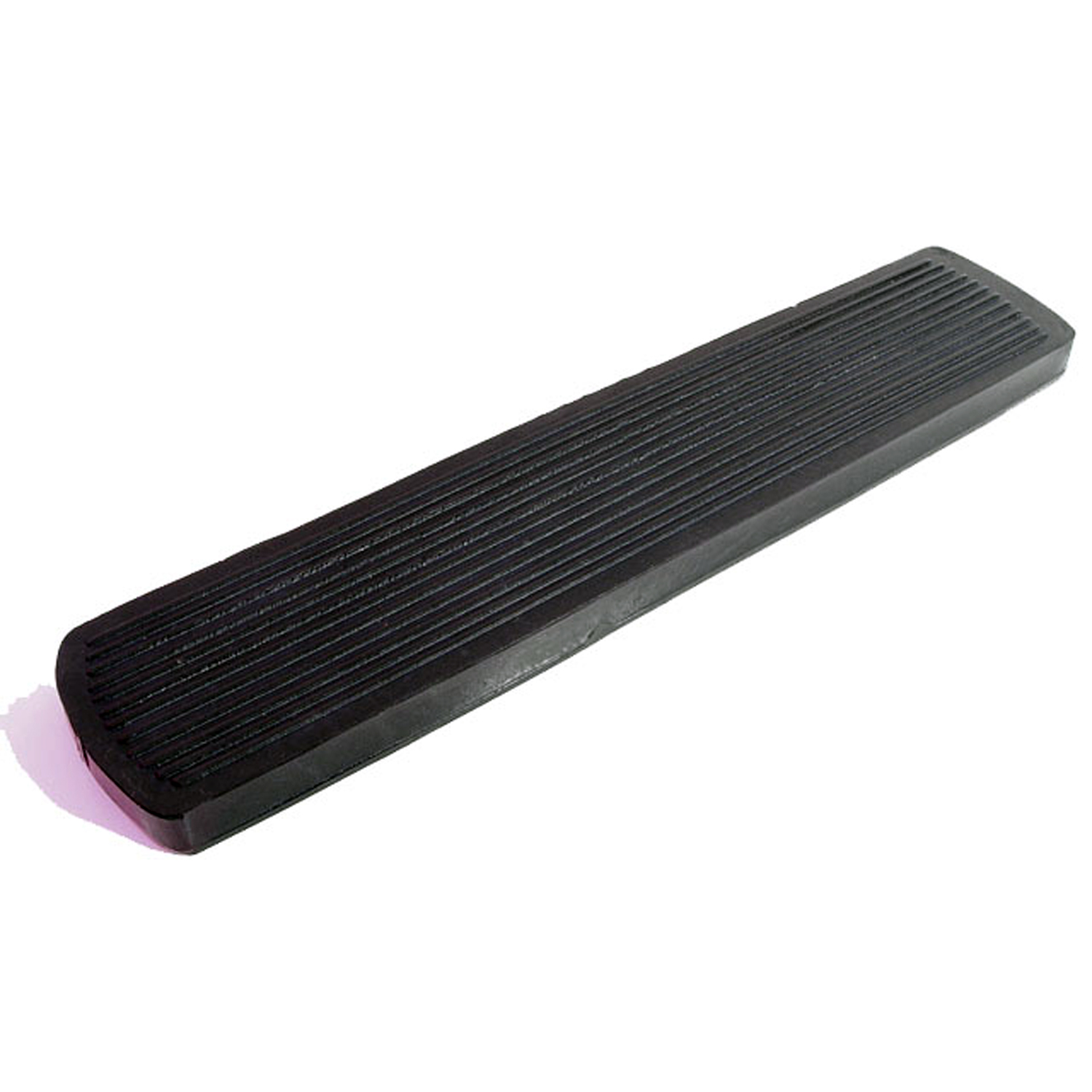 1954 Packard Packard Accelerator Pedal Pad. 1-7/8" X 9-3/8", Each-AP 16Accelerator Pedal Pad. 1-7/8" X 9-3/8", Each
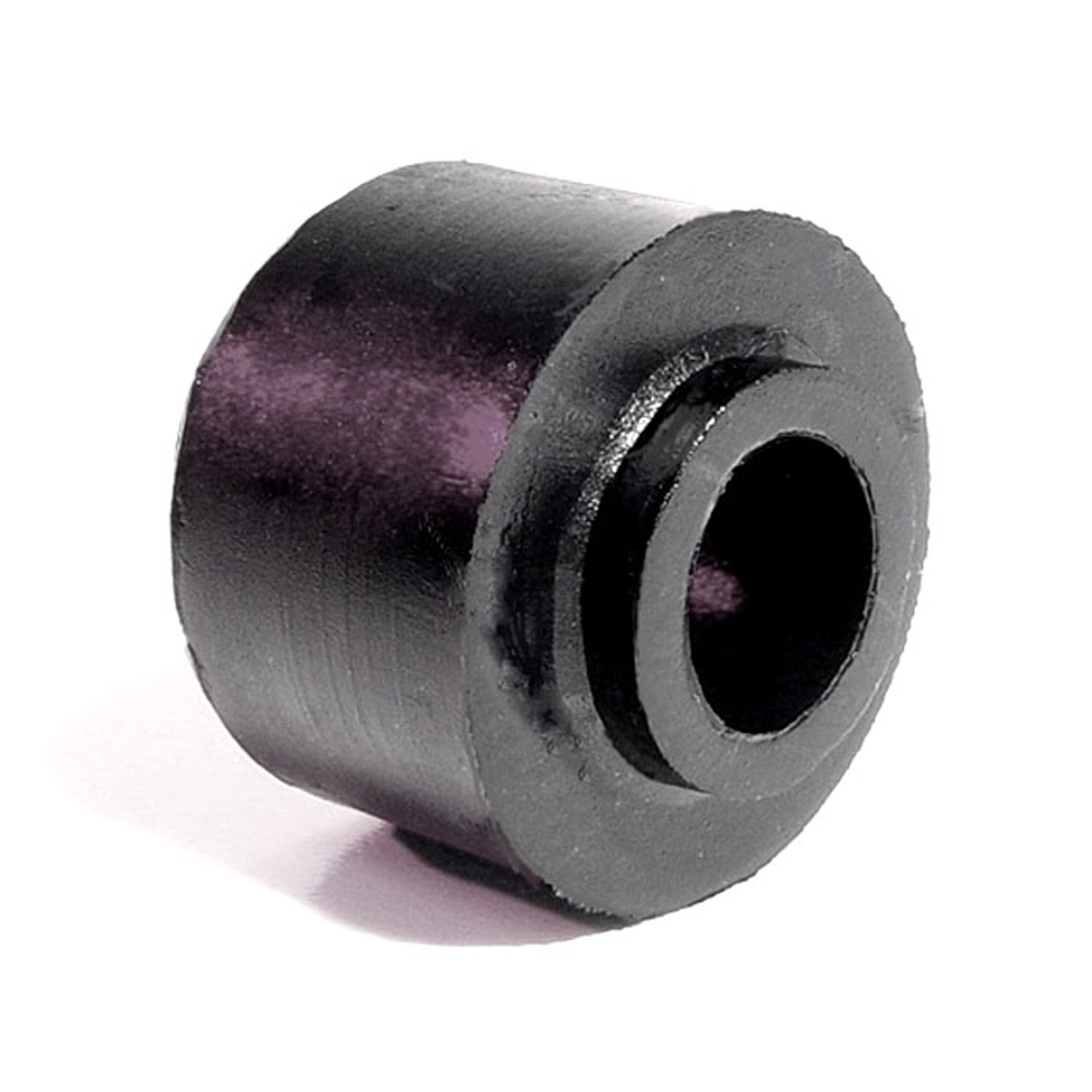 1954 Packard Packard Shock Absorber Grommet. 1" bottom O.D., 3/4" high-BN 1Shock Absorber Grommet. 1" bottom O.D., 3/4" high., with 7/16" I.D. Each
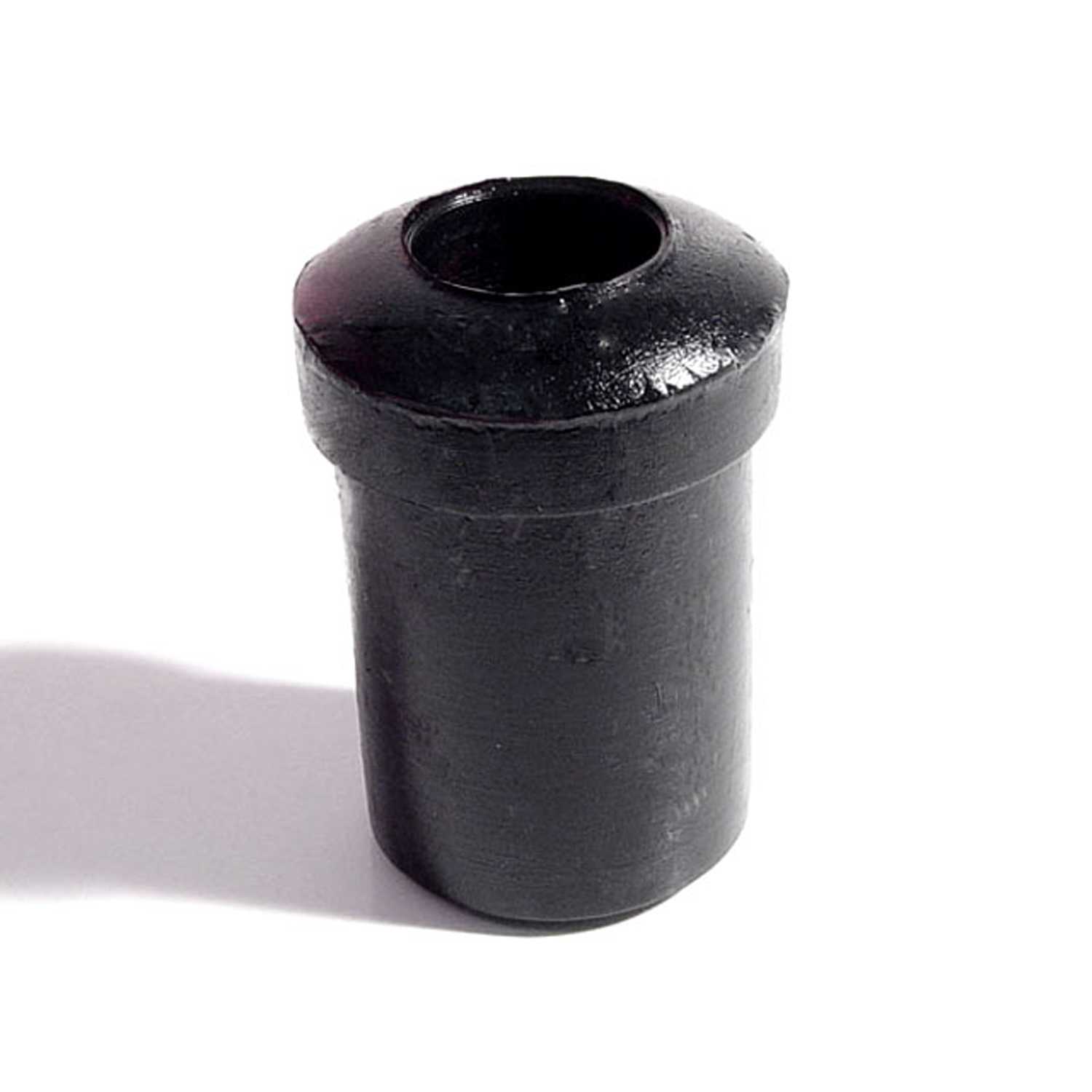 1954 Packard Packard Spring and Shackle Bushing. 1" bottom O.D-BN 20Spring and Shackle Bushing. 1" bottom O.D. X 1-5/8" high, with 9/16" I.D. Each
 1954 Packard Packard Cowl and Hood Seal. 43-5/8" long. Each-CS 1Cowl and Hood Seal. 43-5/8" long. Each
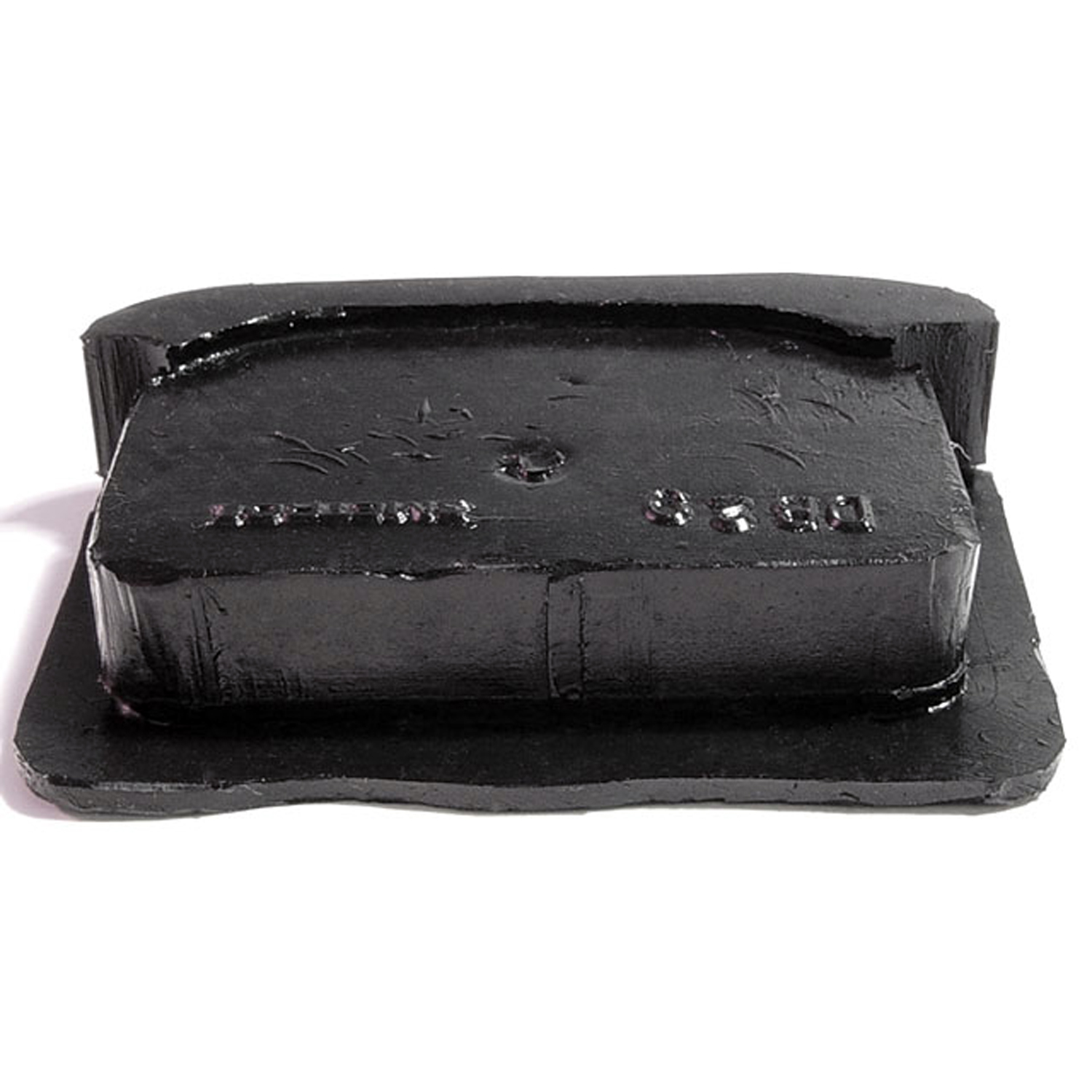 1954 Packard Packard Door Bumper. 1-3/8" high X 2" wide X 1/2" thick. Each-DB 29Door Bumper. 1-3/8" high X 2" wide X 1/2" thick. Each
 1954 Packard Packard Gas Filler Grommet. 2-1/2" I.D., 4-1/8" O.D. Each-GF 12Gas Filler Grommet. 2-1/2" I.D., 4-1/8" O.D. Each
 1954 Packard Packard Hood Corners. 1-3/4" to 2" corner radius-HC 14Hood Corners. 1-3/4" to 2" corner radius. Pad is 3-3/8" long. Pair
 1954 Packard Packard Door side seal. Same as LP 40, but for a lighter seal-LP 40-ADoor side seal. Same as LP 40, but for a lighter seal. Fits many domestic passenger cars and trucks. Universal seal for street rods and customs. Used in Cobra kit cars as door weatherstrip. Per foot.
 1954 Packard Packard Antenna Pad. 1-7/8" O.D. Each-MP 854-AAntenna Pad. 1-7/8" O.D. Each
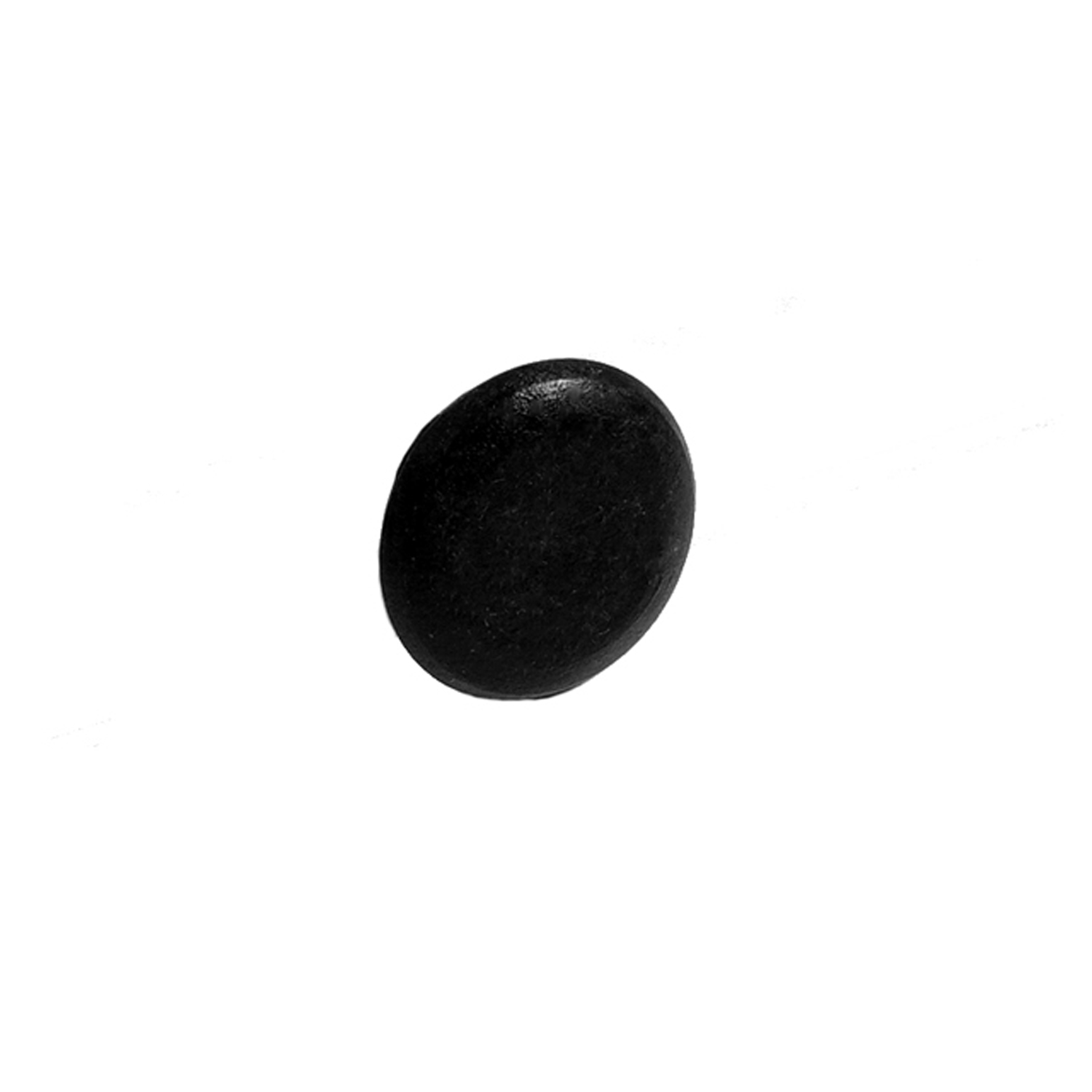 1954 Packard Packard Trunk Bumper. 3/4" O.D., 5/8" I.D. Each-SB 74Trunk Bumper. 3/4" O.D., 5/8" I.D. Each
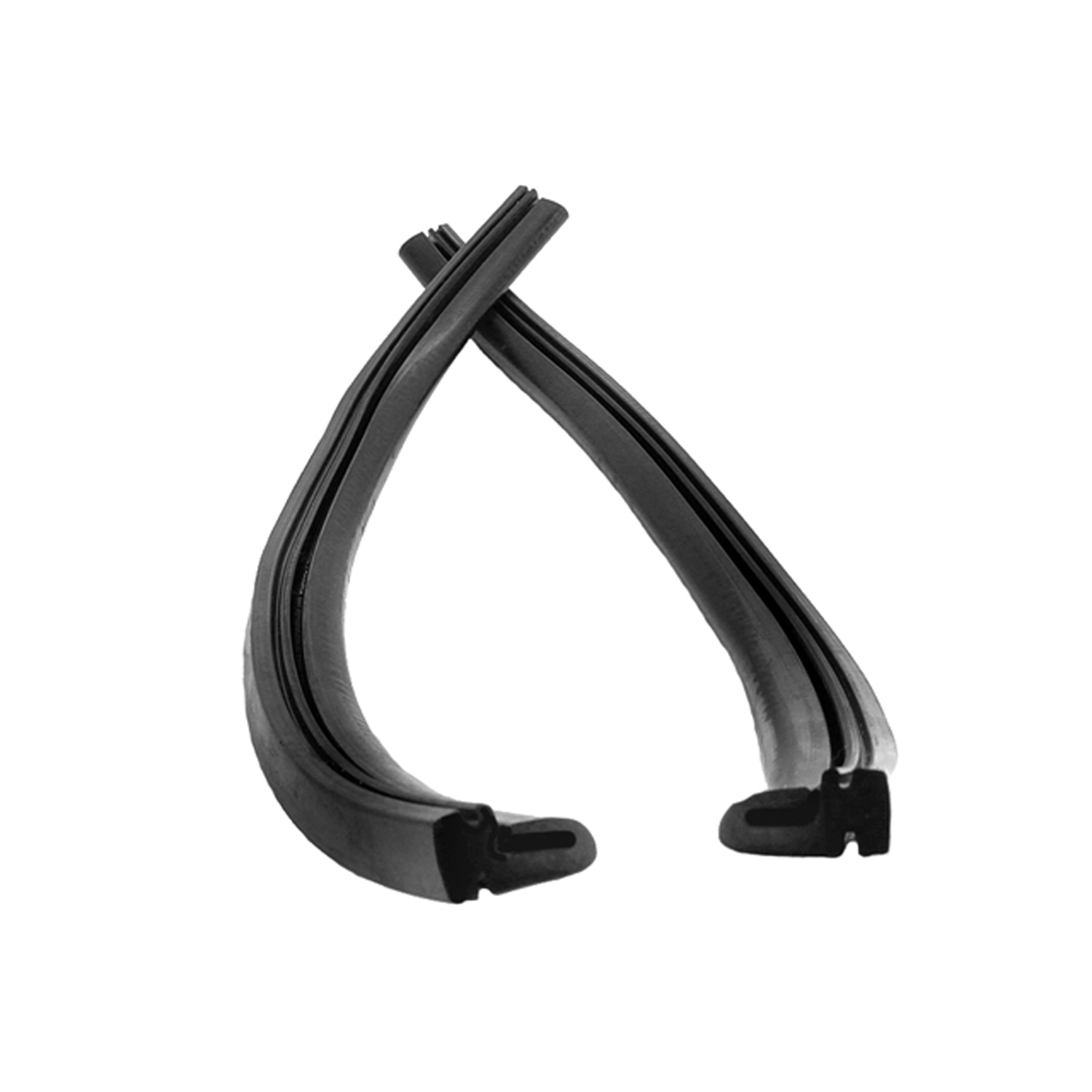 1954 Packard Packard Rear Roll-up Window Seals, for Hardtops and Convertibles-VS 7Rear Roll-up Window Seals, for Hardtops and Convertibles. For leading edge of rear quarter windows. Two pieces, 17-3/4" long. Pair
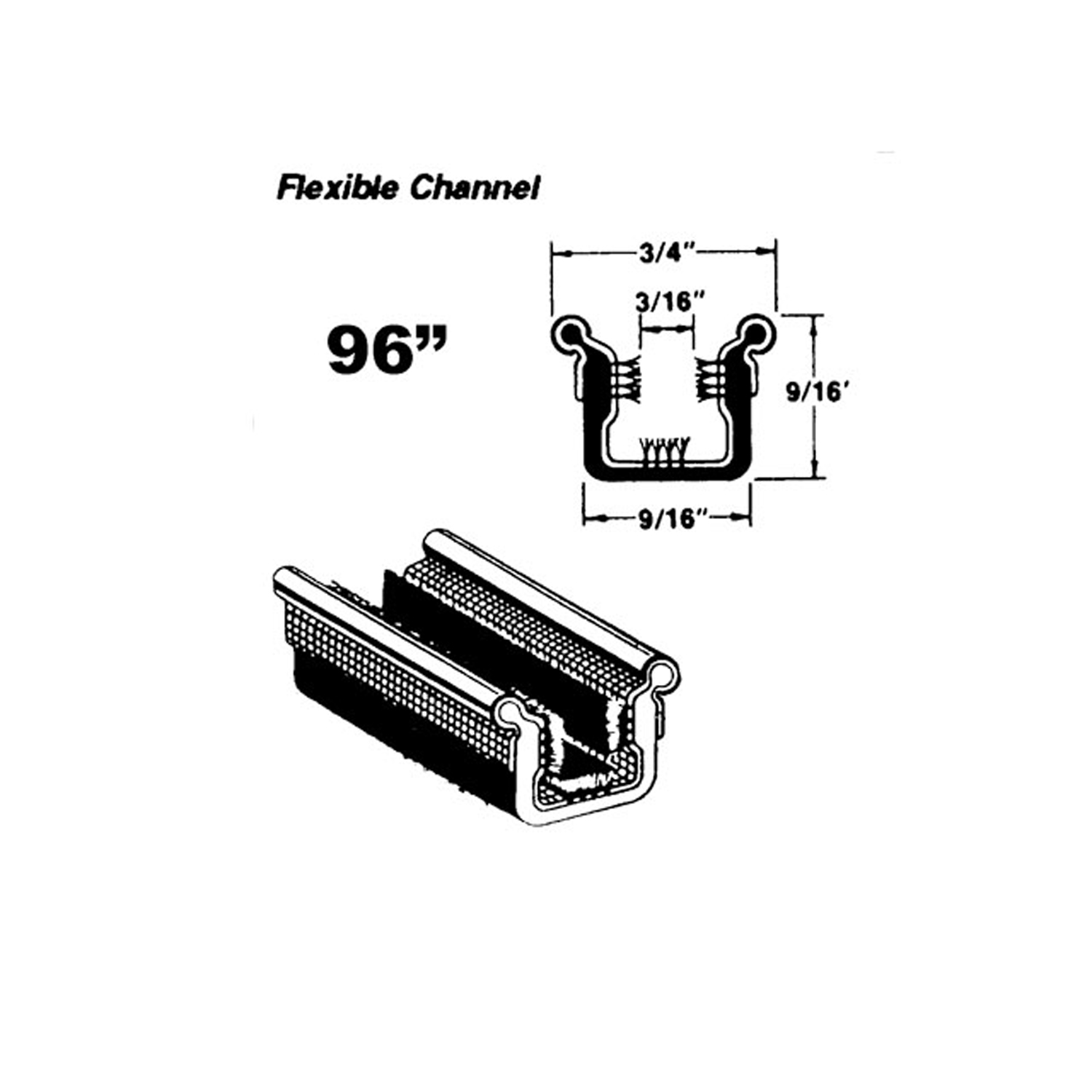 1954 Packard Packard Flexible window channel-WC 10-96Flexible window channel. Rubber covered with mohair lining and stainless steel bead. 96 in. long. Each. NOTE: $20 special shipping charge applies for domestic orders. Call or email for overseas shipping costs. Part can be sectioned in two or three equal lengths to reduce overseas shipping costs.
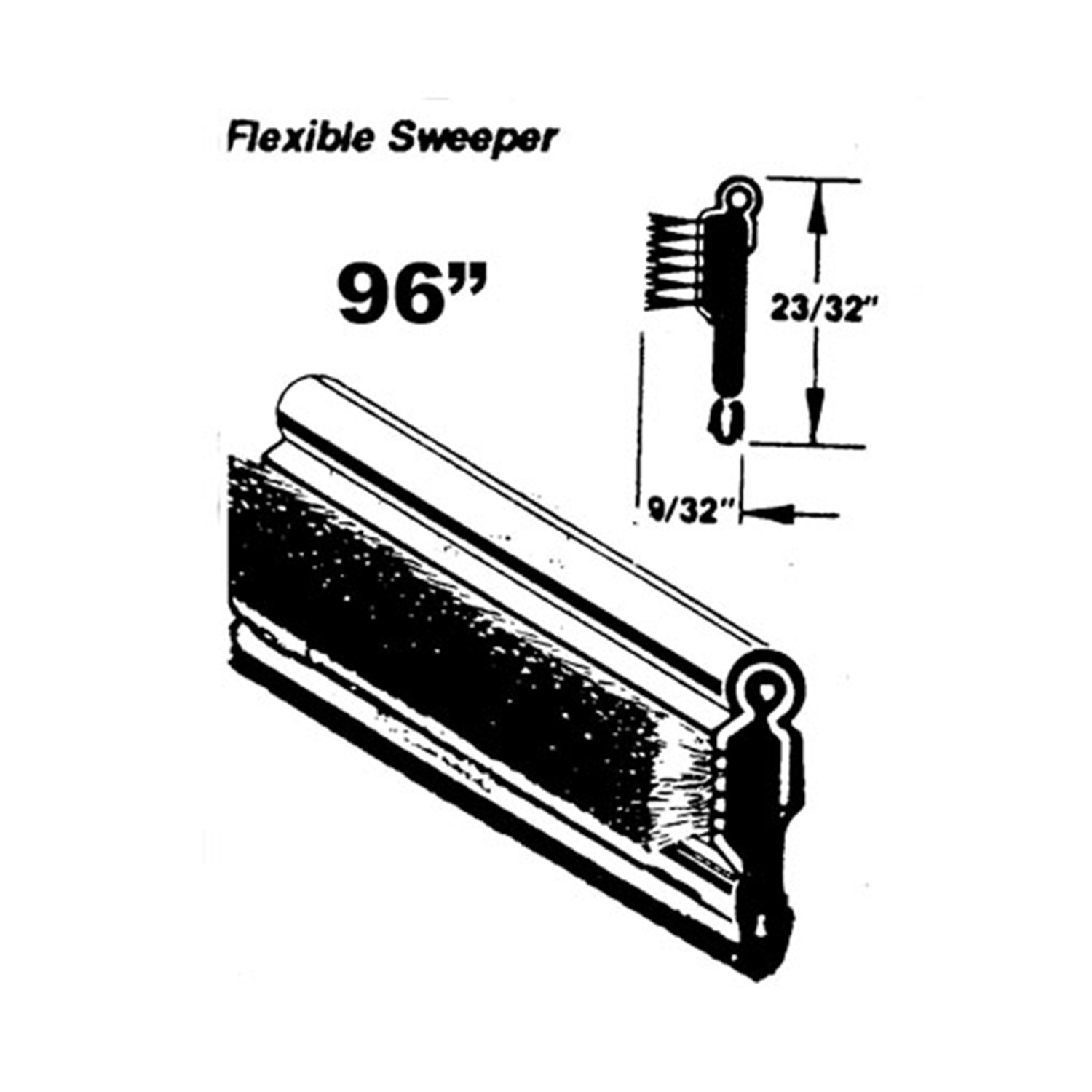 1954 Packard Packard Flexible window sweeper. Made with stainless steel bead-WC 4-96Flexible window sweeper. Made with stainless steel bead. 96 in. long. Each. NOTE: $20 special shipping charge applies for domestic orders. Call or email for overseas shipping costs. Part can be sectioned in two or three equal lengths to reduce overseas shipping costs.
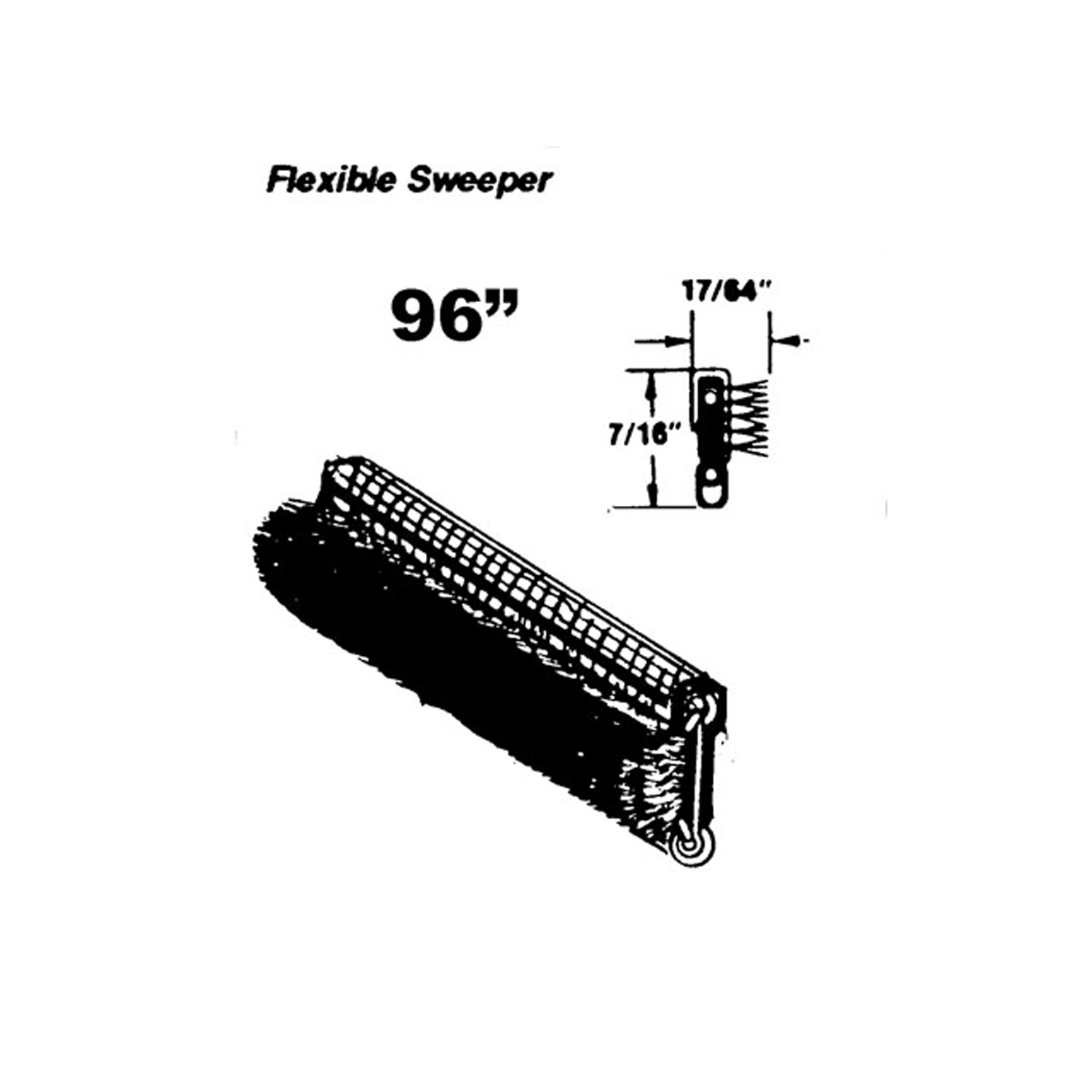 1954 Packard Packard Flexible window sweeper-WC 5-96Flexible window sweeper. Made with black electro-plated steel. 96 in. long. Each. NOTE: $20 special shipping charge applies for domestic orders. Call or email for overseas shipping costs. Part can be sectioned in two or three equal lengths to reduce overseas shipping costs.
 1954 Packard Packard Vent Window Seal. Pair-WR 2300Vent Window Seal. Pair
Why Choose Metro?
For over 100 years, Metro Moulded Parts has been the pinnacle of quality in classic car restoration parts. Our commitment to precision and authenticity in every component ensures a perfect fit and an OEM-level appearance.
- Expert Craftsmanship & Quality: Each part is a testament to our dedication to reliability and perfection, crafted from original designs and thoroughly tested.
- Advanced Technology: We use cutting-edge techniques to create flawless, long-lasting parts that surpass others in performance.
- SuperSoft Sponge – The Ultimate Door Seal: Not only are our door seals 30% softer than competitors', but they're also guaranteed to never leak. They effectively reduce wind and road noise, enhancing your classic car's comfort and driving experience.
- Proudly American: Our parts are a product of American craftsmanship, made in the USA with a spirit of excellence and heritage.
- Unrivaled Warranty: We back our products with a 30-year industry-leading warranty, a testament to our confidence in their quality.
Join us in preserving the legacy of classic cars with parts that are crafted for perfection, not just made.