

Image of 1954 Packard Patrician, Note: These illustrations use artistic license and may differ from actual historical models.
Performance Metrics
Fundamental Metrics
Emotional Appeal
MMP Rating
| Engine Specifications | |
|---|---|
| Engine Options: | Straight 8 |
| Displacement Range: | 359 cu in, 5.9 L |
| Horsepower Range: | 212 HP |
| Torque: | 330 lb-ft |
| Compression Ratio: | 7.8:1 |
| Ignition System: | Battery Ignition |
| Cooling System: | Water-cooled |
| Performance Specifications | |
| 0-60 Time: | Estimated 12 seconds |
| 1/4 Mile Time: | Not available |
| Top Speed: | 100 mph |
| Transmission and Drive | |
| Drive Type: | Rear-wheel drive |
| Transmission Type: | Ultramatic automatic |
| Fuel and Efficiency | |
| Fuel System Type: | Carburetor |
| MPG: | 10-12 mpg |
| Dimensions and Brakes | |
| Brakes: | Drum brakes |
| Wheelbase: | 127 in |
| Weight: | 4,310 lbs |
Note: Specifications for classic cars are given to the best of our ability, considering the limited and variant data available.
1954 Packard Patrician: A Lasting American Luxury Sedan
The 1954 Packard Patrician brought big-car comfort, painstaking craftsmanship, and a powerful straight-eight engine together in one of the final luxury sedans built by Packard as an independent American automaker. It was a quiet, dignified flagship rather than a flashy status symbol, and its confident road manners reflected decades of Packard engineering.
Packard began in Detroit in the late 19th century and became one of America’s best-known luxury-car manufacturers. By 1954, however, the company was under severe financial pressure as larger rivals expanded and the market shifted. That year’s Patrician was part of the last generation of traditional Packards before the company’s 1954 merger with Studebaker. One notable detail: unlike Packard’s glamorous Caribbean convertible, the Patrician was offered as a four-door sedan only, putting its emphasis squarely on formal comfort and passenger space.
Formal Styling and Patrician Comfort
The Patrician wore a long, substantial body with the upright proportions expected of a premium postwar sedan. Its broad hood, high beltline, distinctive Packard grille, and carefully applied chrome gave it a strong presence without relying on exaggerated fins or excessive ornament. The formal roofline and generous rear doors made the car look composed and substantial from every angle.
Inside, the Patrician was designed to feel like a proper luxury car. Buyers could expect quality upholstery, polished trim, plush carpeting, and a broad dashboard with clear, easy-to-read instruments. Depending on the car’s equipment and trim, materials included rich fabrics and leather. Power accessories such as windows and seat adjustment were available, while the roomy back seat made the Patrician especially well suited to chauffeur-driven use.
Packard offered the Patrician in a selection of solid colors and two-tone combinations. Dark blue, black, maroon, and other deep shades suited its formal character, while lighter colors and contrasting roofs gave the big sedan a more contemporary look. Exact colors and combinations varied by market and production period, so original paint codes are important to check on a restoration.
The 1954 Patrician’s defining body style was its four-door sedan. It sat near the top of Packard’s passenger-car range, above the more affordable Clipper models. Buyers could add comfort and convenience equipment, including power steering, power brakes, power windows, power seats, and air conditioning. Availability and installation varied, and many surviving cars have been modified or fitted with equipment during later restorations.
Packard Engineering at a Turning Point
What distinguished the Patrician was the way it combined traditional luxury with thoughtful mechanical engineering. Its long-wheelbase platform delivered the room and ride expected of a senior Packard, while the company’s straight-eight engine had a reputation for smooth, quiet operation. Packard had spent decades refining this engine layout, and by 1954 it remained a signature feature of the marque.
The Patrician also represented the end of an important chapter. Packard’s merger with Studebaker was announced in 1954, and the company’s future became increasingly uncertain. The Patrician was not a radical design breakthrough, but it was a polished expression of Packard’s established strengths: a substantial chassis, careful finish, and an emphasis on comfortable, effortless travel. Its style and engineering make it a useful snapshot of American luxury just before the industry moved toward newer V8-powered designs and more dramatic styling.
359-Cubic-Inch Straight-Eight Performance
The Patrician’s 359-cubic-inch inline-eight produced approximately 212 horsepower in its 1954 specification. The engine featured an aluminum cylinder head and was paired with Packard’s Ultramatic automatic transmission on many cars. A three-speed manual transmission was also available. Exact equipment can differ, so a buyer should verify the transmission and engine details on the individual car.
Period performance figures vary with equipment, condition, and test method. A sound Patrician typically takes roughly 14 to 16 seconds to reach 60 mph, with a top speed around 100 mph. Those are estimates, not guarantees for every surviving example. The car’s mission was relaxed, high-speed touring rather than quick acceleration. Its straight-eight delivered steady pulling power, while the automatic transmission helped keep the drive smooth and unhurried.
On broken pavement, the Patrician’s long wheelbase and substantial weight help it settle into a soft, composed ride. It feels most at home on open roads, where the suspension can absorb bumps and the engine can run quietly at a steady pace. On winding roads, the car’s size and weight are more apparent. Steering is generally relaxed rather than sporty, and drivers should allow extra room for braking and maneuvering compared with a modern car.
From behind the wheel, the Patrician feels broad and deliberate. The straight-eight produces a subdued mechanical hum rather than a sharp, aggressive exhaust note. The Ultramatic shifts gently when properly adjusted, and the cabin’s quiet, cushioned character encourages a measured driving style. A well-maintained example can feel remarkably composed, although it will not match a modern vehicle’s acceleration, braking, or cornering grip.
Living With a 1954 Patrician
Today, most Patricians are used as show cars, weekend cruisers, and participants in classic-car tours. They can be driven regularly, but a dependable daily-driver setup takes careful attention to the cooling system, brakes, electrical components, fuel system, and transmission. Age and previous repairs matter more than mileage alone.
The straight-eight is durable when maintained, but it is not a modern, maintenance-free engine. Regular oil changes, ignition service, cooling-system care, and correct carburetor adjustment are important. The Ultramatic deserves particular scrutiny: a transmission that shifts poorly or has been incorrectly serviced can become an expensive project. Parts support is available through Packard clubs and specialist suppliers, though some trim, body, and interior pieces can be difficult or costly to source.
For a mechanically inclined owner, many routine jobs are straightforward by classic-car standards. Still, the Patrician is a large, complex luxury car with power accessories and specialized components. A pre-purchase inspection by a mechanic familiar with Packards is a smart investment, especially when evaluating the transmission, rust-prone body areas, and the availability of model-specific trim.
Patrician Facts and Common Criticisms
The Patrician name identified Packard’s senior four-door sedan in this period. The 1954 model belonged to the final year of the company’s traditional pre-merger design generation, making it especially interesting to collectors who value the end of Packard’s independent era. It was not a limited-edition performance model, and there is no widely recognized speed or endurance record associated with it.
A reasonable production estimate for 1954 Patricians is about 6,880 cars, though published figures can vary slightly by source. That makes the model uncommon today, but not as scarce or sought-after as the Caribbean. Surviving examples are spread among private collections, Packard clubs, and classic-car dealers.
Common criticisms are largely practical. The Patrician is heavy, its acceleration is leisurely by modern standards, and fuel economy is poor compared with contemporary cars. Some owners also find that restoration costs can exceed the value of the finished car, particularly when bodywork, chrome, interior trim, or Ultramatic repairs are needed. Its size can make parking and tight streets challenging, and original power accessories may require specialist attention.
Collector Values and Market Outlook
Collector prices depend heavily on condition, originality, equipment, and the quality of any restoration. As a broad current-market estimate, a project car may sell for roughly $8,000 to $18,000. A usable driver often falls around $15,000 to $30,000, while a well-preserved or properly restored example may bring approximately $30,000 to $60,000. Exceptional cars with strong provenance, rare equipment, or concours-quality restoration can exceed that range, but such sales are less common.
These figures are estimates rather than guaranteed appraisals. Patricians generally cost less than Packard’s more celebrated Caribbean models, and the market rewards condition more than rarity alone. Values have tended to be steady to modestly stronger for excellent examples, while ordinary cars have not always kept pace with inflation. Restoration expenses can also outstrip resale value, so careful buying is usually wiser than planning to rebuild a rough car from the ground up.
With production estimated at around 6,880, the 1954 Patrician is scarce enough to feel special but available often enough that patient buyers can find one. Original documentation, correct trim, and a healthy drivetrain can make a meaningful difference to both desirability and value.
Why the 1954 Packard Patrician Still Matters
The 1954 Packard Patrician is a roomy, finely finished American luxury sedan powered by one of Packard’s final straight-eight engines. Its formal styling, smooth road manners, and period power accessories reflect a time when comfort and craftsmanship were central measures of prestige. As one of the last traditional Packards built around the company’s own identity, it also carries the significance of a marque standing at a turning point.
It may not be the quickest or rarest Packard, but the Patrician offers something more quietly compelling: an authentic experience of American luxury just before the industry changed. For collectors and enthusiasts who appreciate the final chapter of independent Packard, this dignified sedan remains a memorable piece of automotive history.
1954 Packard Patrician Catalog of Parts
 1954 Packard Patrician Accessory Floor Mat - 12"X17"-AC 32Accessory Floor Mat - made of high quality black rubber with molded original emblem. Also designed to be sewn into new carpets. 12"X17", Each
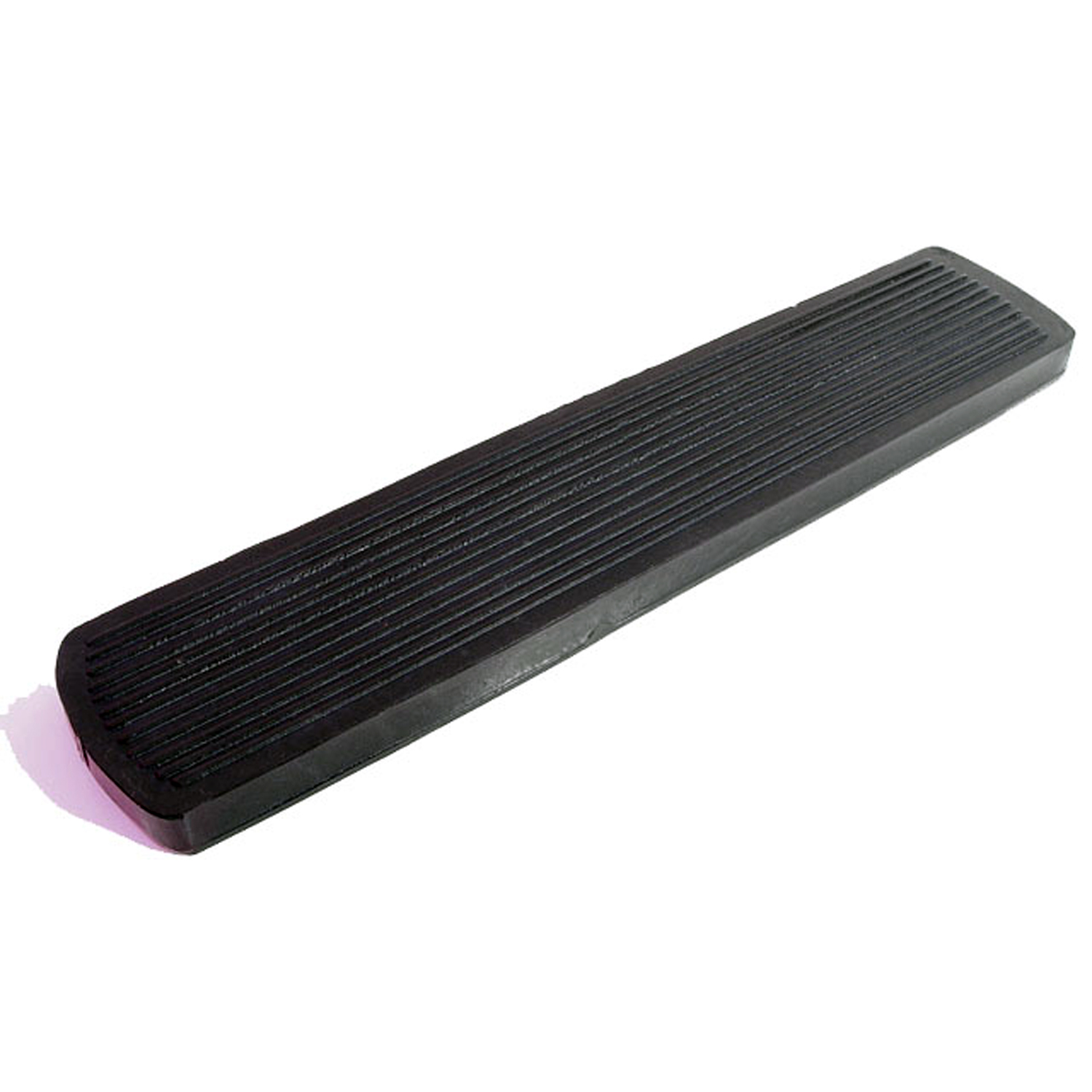 1954 Packard Patrician Accelerator Pedal Pad. 1-7/8" X 9-3/8", Each-AP 16Accelerator Pedal Pad. 1-7/8" X 9-3/8", Each
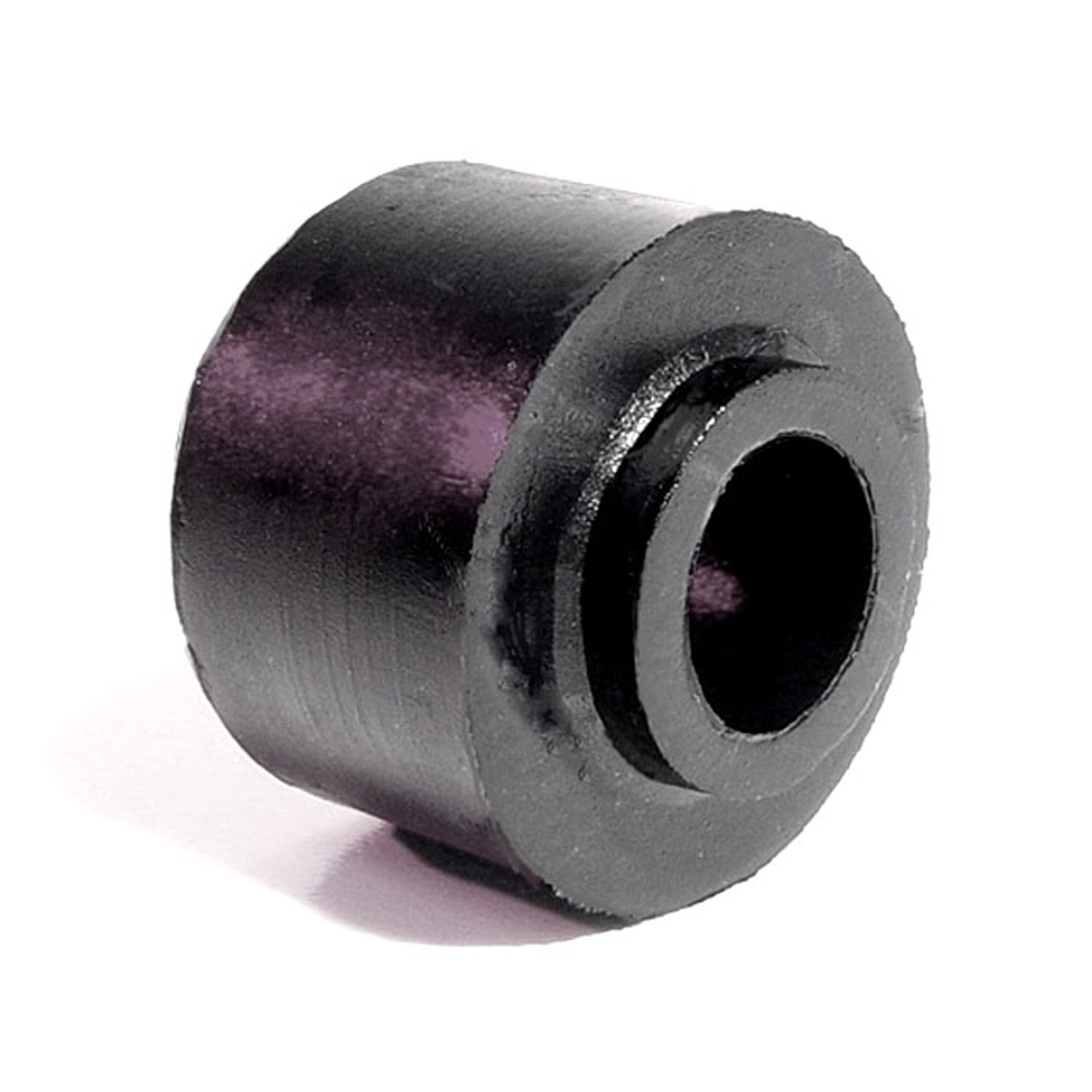 1954 Packard Patrician Shock Absorber Grommet. 1" bottom O.D., 3/4" high-BN 1Shock Absorber Grommet. 1" bottom O.D., 3/4" high., with 7/16" I.D. Each
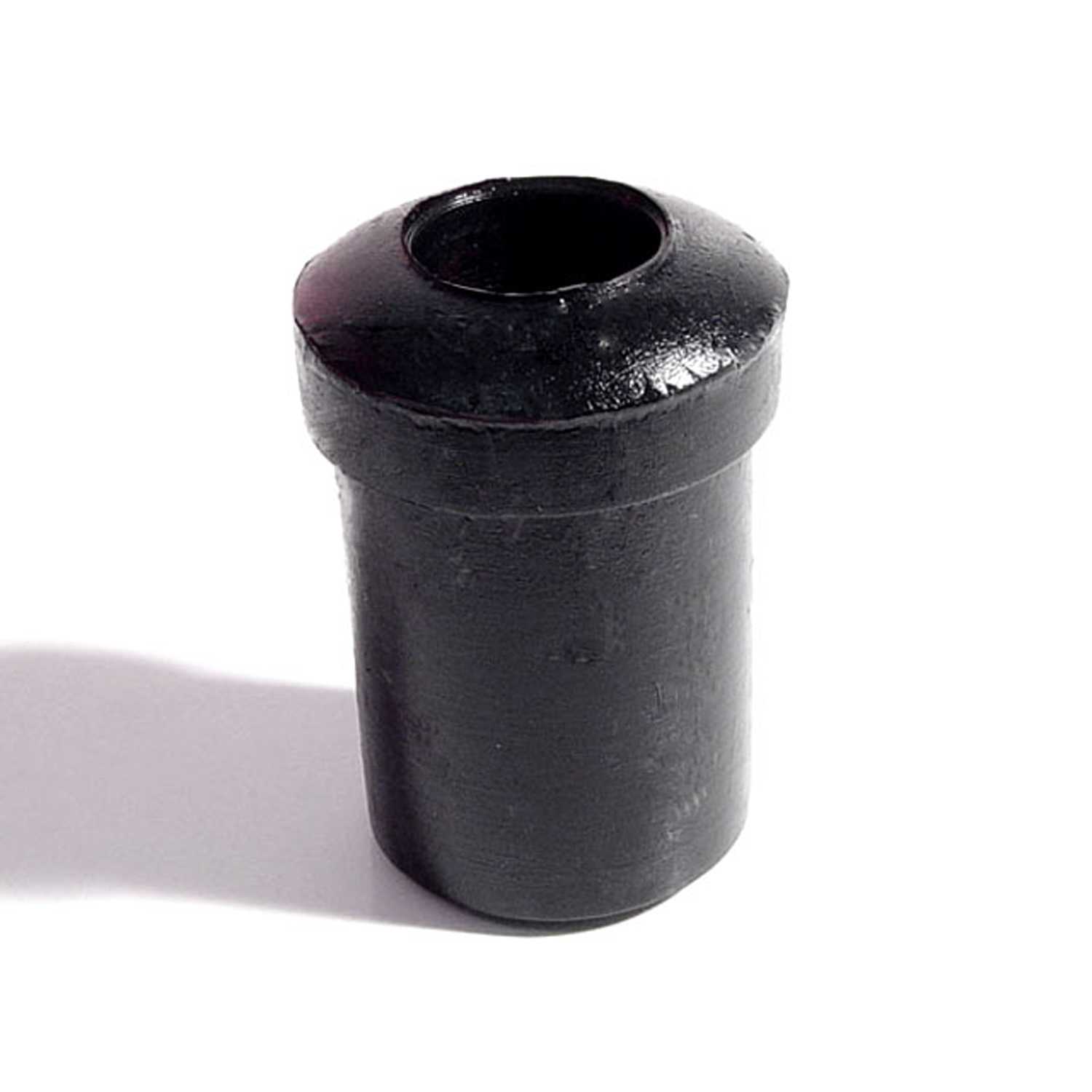 1954 Packard Patrician Spring and Shackle Bushing. 1" bottom O.D-BN 20Spring and Shackle Bushing. 1" bottom O.D. X 1-5/8" high, with 9/16" I.D. Each
 1954 Packard Patrician Cowl and Hood Seal. 43-5/8" long. Each-CS 1Cowl and Hood Seal. 43-5/8" long. Each
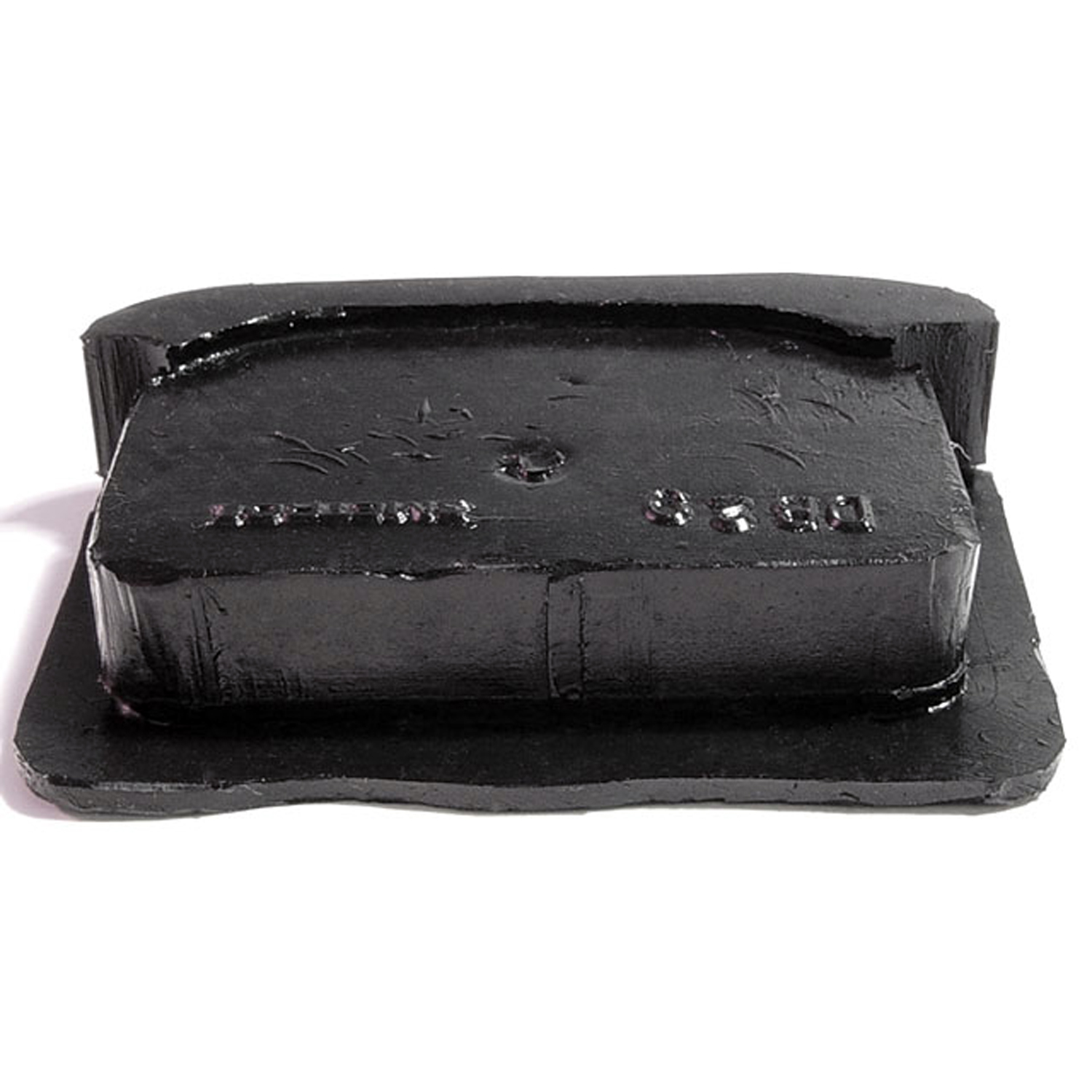 1954 Packard Patrician Door Bumper. 1-3/8" high X 2" wide X 1/2" thick. Each-DB 29Door Bumper. 1-3/8" high X 2" wide X 1/2" thick. Each
 1954 Packard Patrician Gas Filler Grommet. 2-1/2" I.D., 4-1/8" O.D. Each-GF 12Gas Filler Grommet. 2-1/2" I.D., 4-1/8" O.D. Each
 1954 Packard Patrician Hood Corners. 1-3/4" to 2" corner radius-HC 14Hood Corners. 1-3/4" to 2" corner radius. Pad is 3-3/8" long. Pair
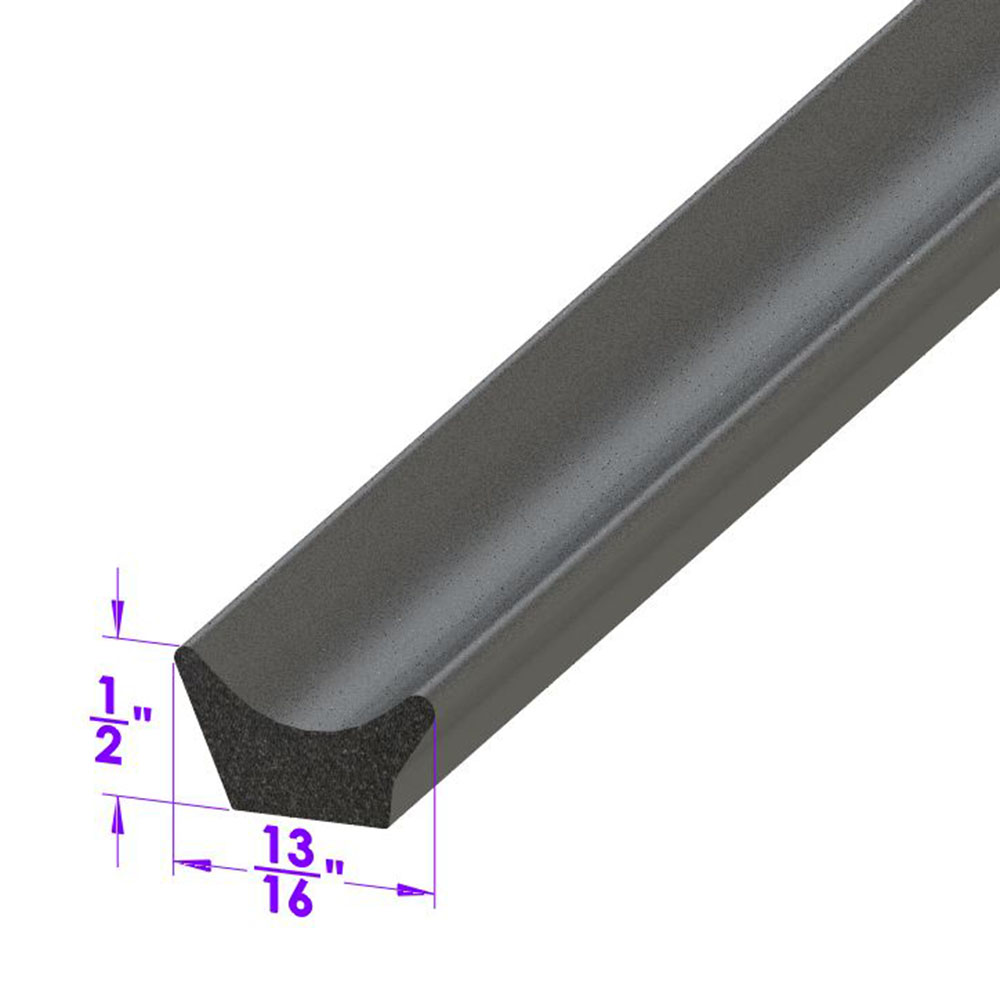 1954 Packard Patrician Door side seal. Same as LP 40, but for a lighter seal-LP 40-ADoor side seal. Same as LP 40, but for a lighter seal. Fits many domestic passenger cars and trucks. Universal seal for street rods and customs. Used in Cobra kit cars as door weatherstrip. Per foot.
 1954 Packard Patrician Antenna Pad. 1-7/8" O.D. Each-MP 854-AAntenna Pad. 1-7/8" O.D. Each
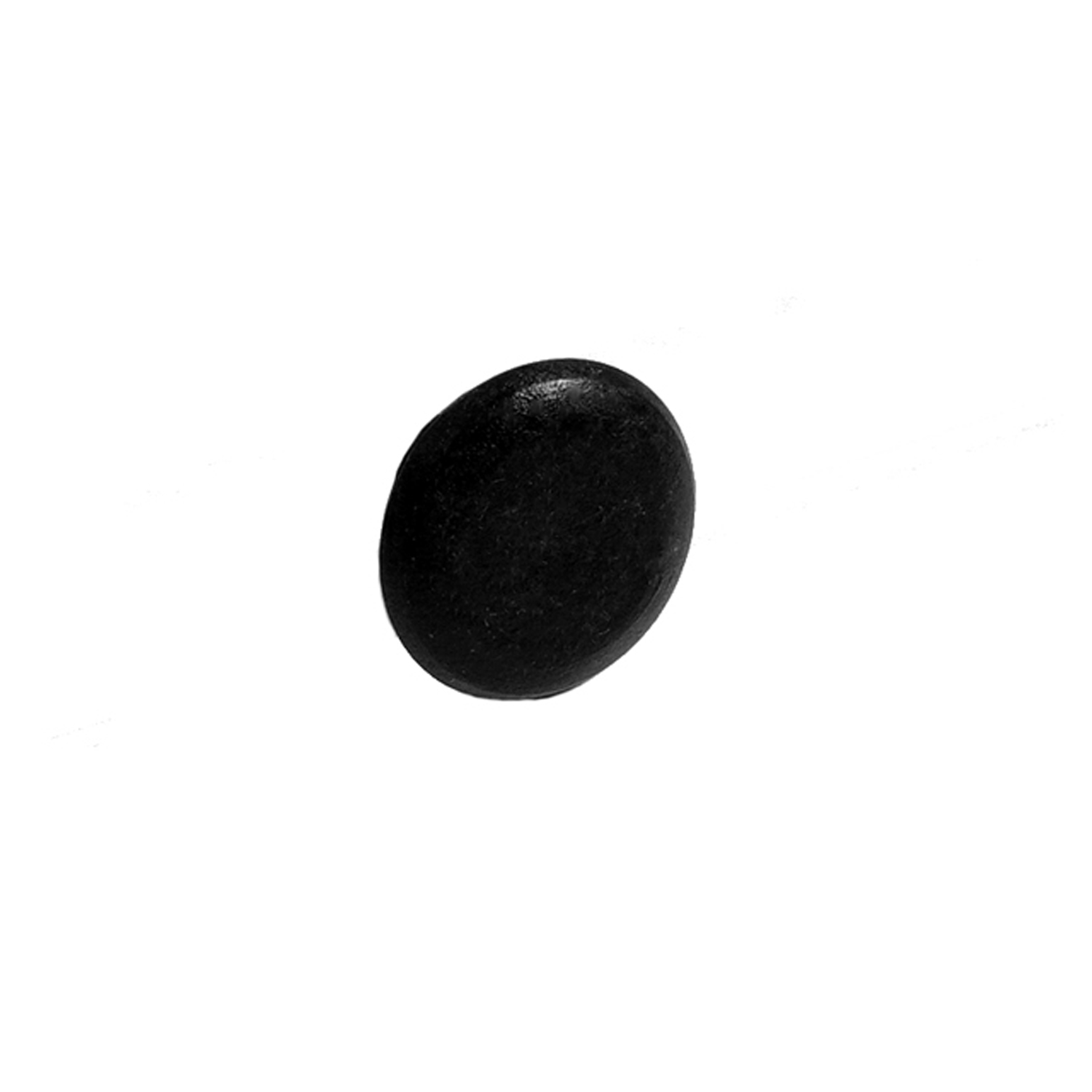 1954 Packard Patrician Trunk Bumper. 3/4" O.D., 5/8" I.D. Each-SB 74Trunk Bumper. 3/4" O.D., 5/8" I.D. Each
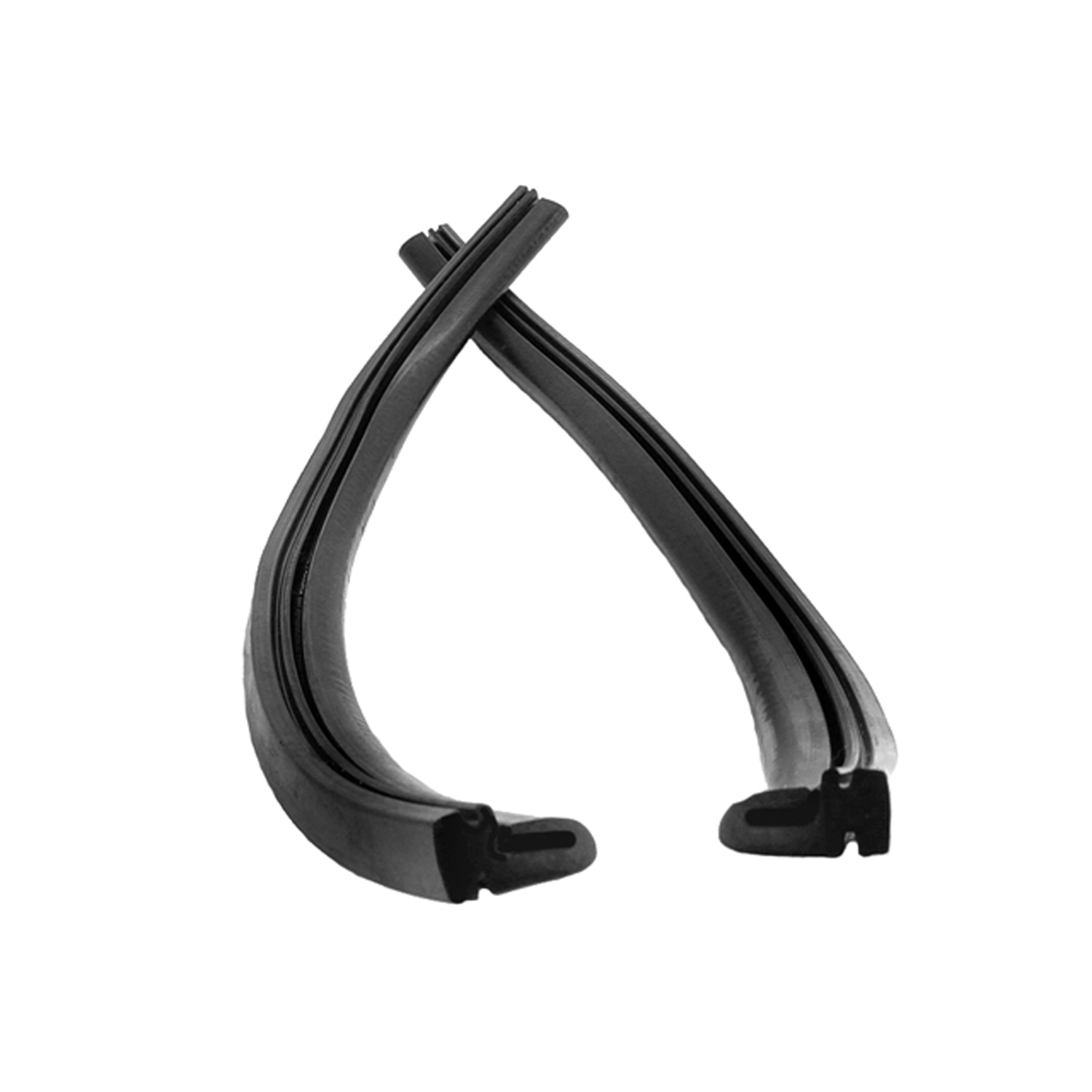 1954 Packard Patrician Rear Roll-up Window Seals, for Hardtops and Convertibles-VS 7Rear Roll-up Window Seals, for Hardtops and Convertibles. For leading edge of rear quarter windows. Two pieces, 17-3/4" long. Pair
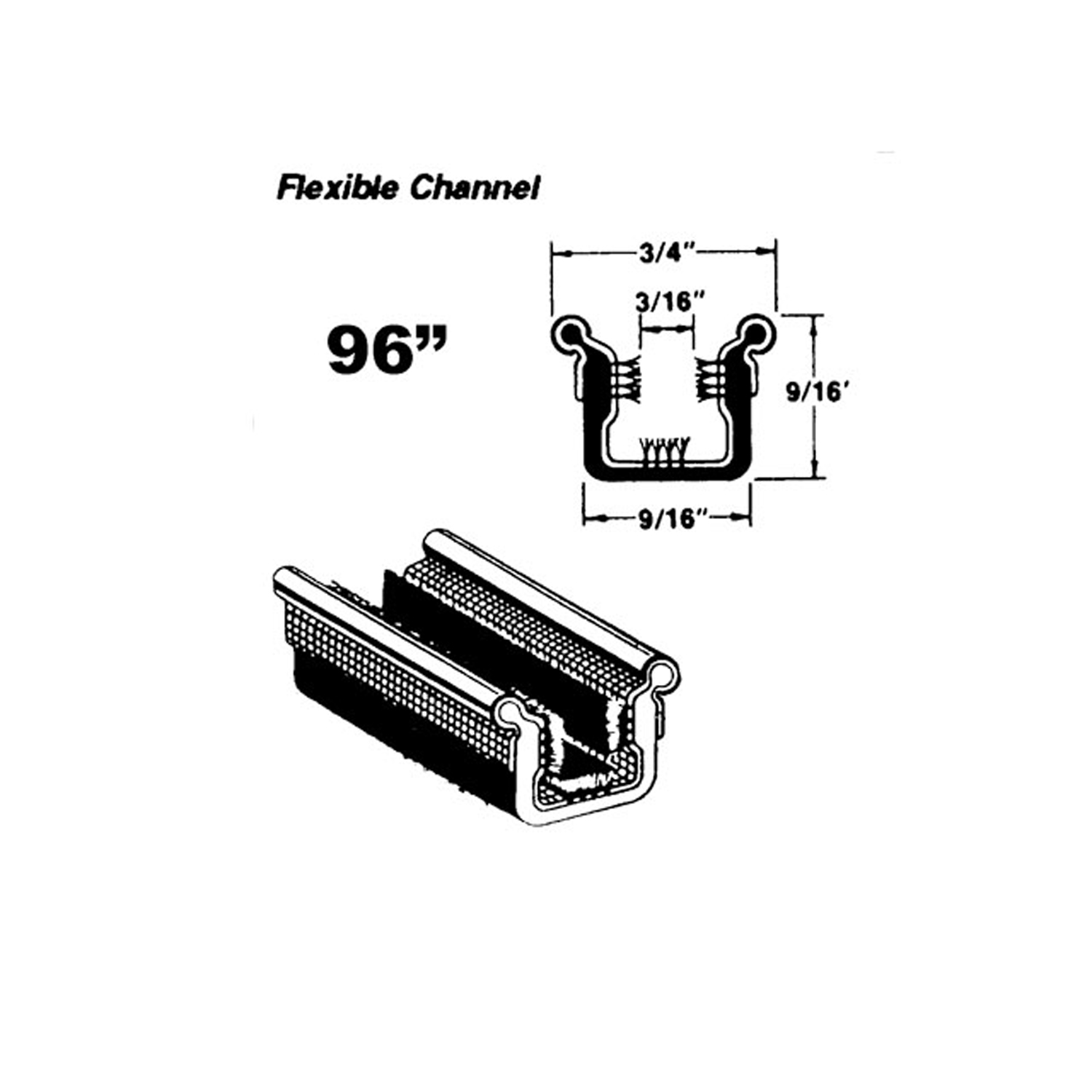 1954 Packard Patrician Flexible window channel-WC 10-96Flexible window channel. Rubber covered with mohair lining and stainless steel bead. 96 in. long. Each. NOTE: $20 special shipping charge applies for domestic orders. Call or email for overseas shipping costs. Part can be sectioned in two or three equal lengths to reduce overseas shipping costs.
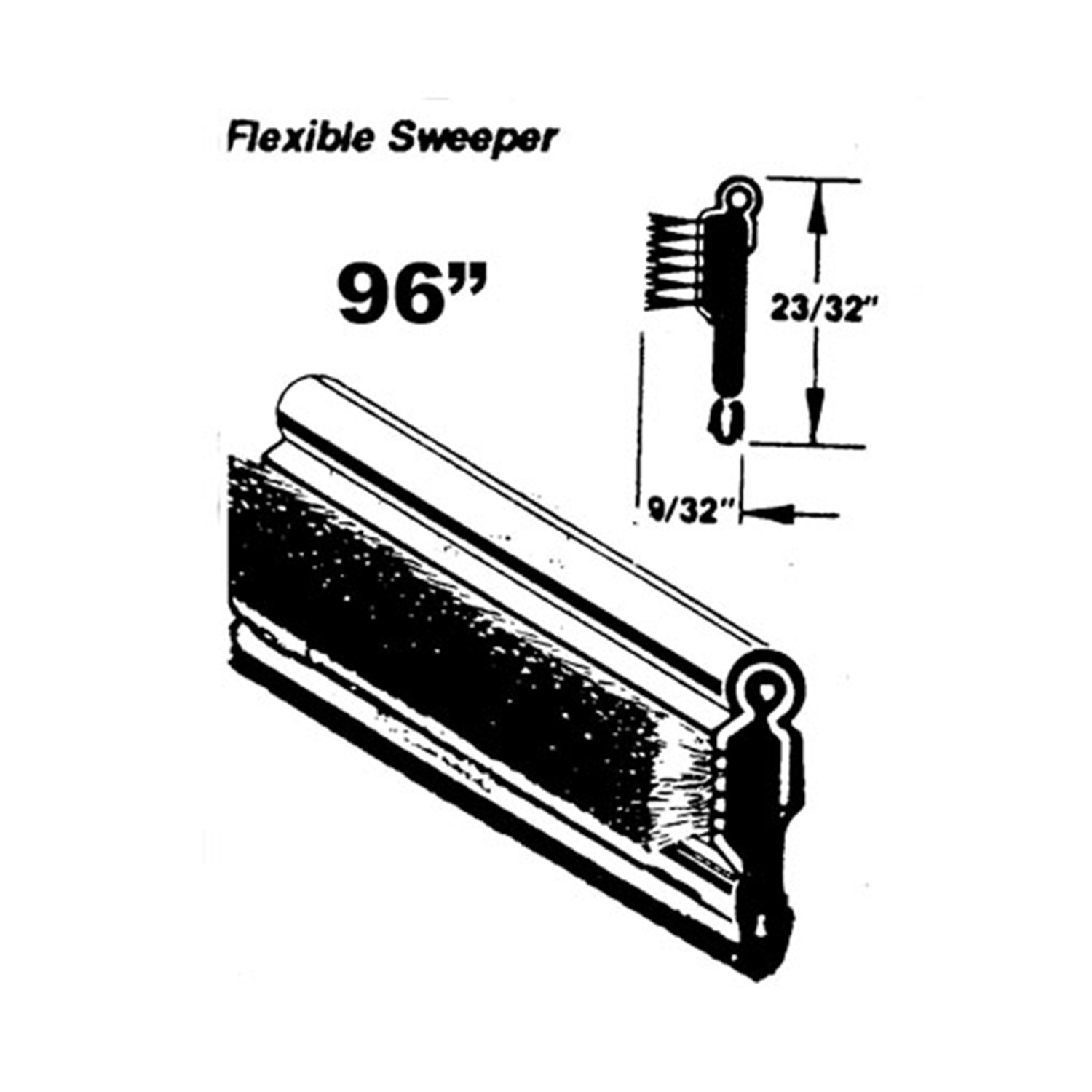 1954 Packard Patrician Flexible window sweeper. Made with stainless steel bead-WC 4-96Flexible window sweeper. Made with stainless steel bead. 96 in. long. Each. NOTE: $20 special shipping charge applies for domestic orders. Call or email for overseas shipping costs. Part can be sectioned in two or three equal lengths to reduce overseas shipping costs.
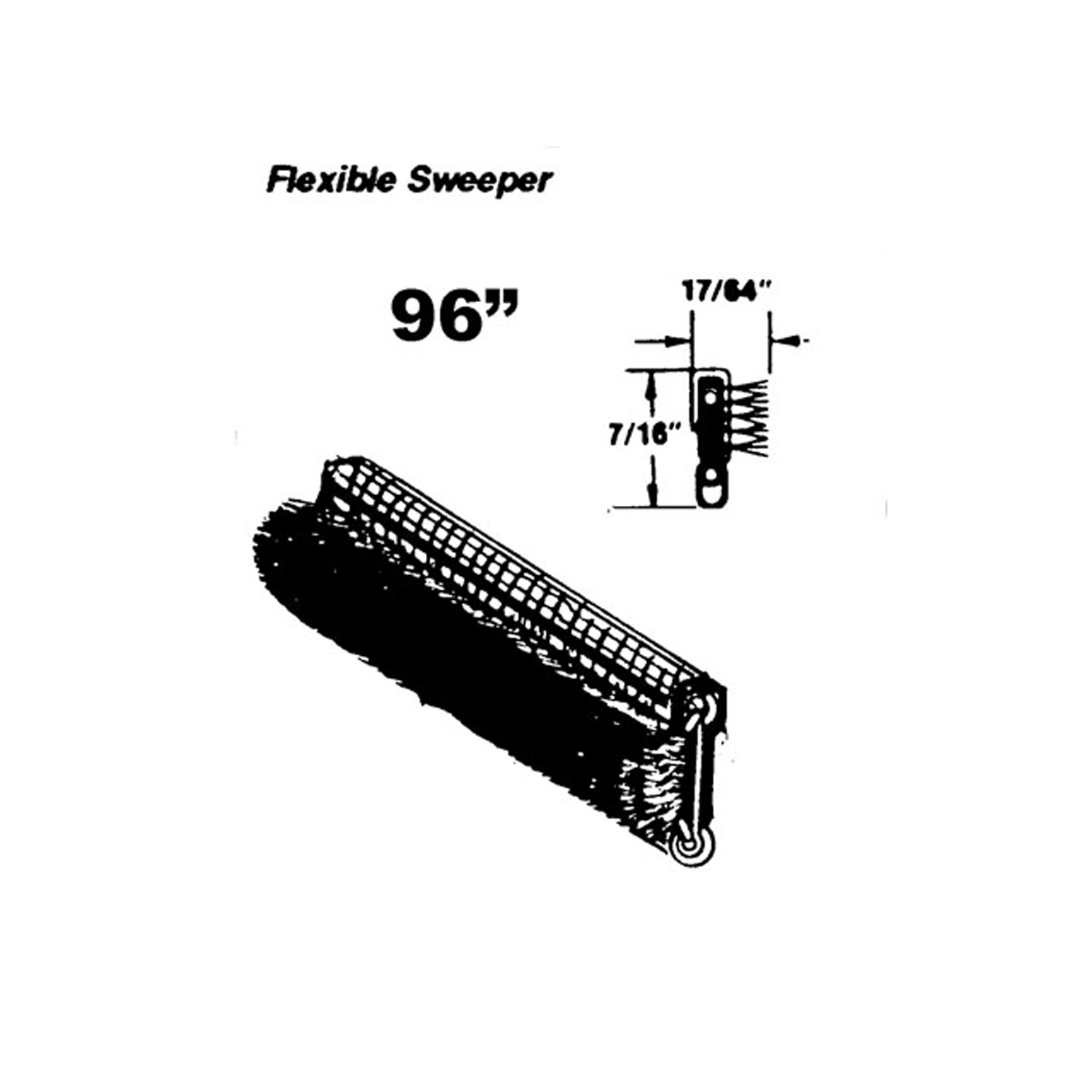 1954 Packard Patrician Flexible window sweeper-WC 5-96Flexible window sweeper. Made with black electro-plated steel. 96 in. long. Each. NOTE: $20 special shipping charge applies for domestic orders. Call or email for overseas shipping costs. Part can be sectioned in two or three equal lengths to reduce overseas shipping costs.
 1954 Packard Patrician Vent Window Seal. Pair-WR 2300Vent Window Seal. Pair
Why Choose Metro?
For over 100 years, Metro Moulded Parts has been the pinnacle of quality in classic car restoration parts. Our commitment to precision and authenticity in every component ensures a perfect fit and an OEM-level appearance.
- Expert Craftsmanship & Quality: Each part is a testament to our dedication to reliability and perfection, crafted from original designs and thoroughly tested.
- Advanced Technology: We use cutting-edge techniques to create flawless, long-lasting parts that surpass others in performance.
- SuperSoft Sponge – The Ultimate Door Seal: Not only are our door seals 30% softer than competitors', but they're also guaranteed to never leak. They effectively reduce wind and road noise, enhancing your classic car's comfort and driving experience.
- Proudly American: Our parts are a product of American craftsmanship, made in the USA with a spirit of excellence and heritage.
- Unrivaled Warranty: We back our products with a 30-year industry-leading warranty, a testament to our confidence in their quality.
Join us in preserving the legacy of classic cars with parts that are crafted for perfection, not just made.