

Image of 1956 Packard Clipper, Note: These illustrations use artistic license and may differ from actual historical models.
Performance Metrics
Fundamental Metrics
Emotional Appeal
MMP Rating
| Engine Specifications | |
|---|---|
| Engine: | 352 cu in (5.8 L) V8 |
| Displacement: | 352 cu in (5.8 L) |
| Horsepower: | 240-275 hp |
| Torque: | 355 lb-ft |
| Compression Ratio: | 10.0:1 |
| Ignition System: | Distributor and coil |
| Cooling System: | Liquid-cooled |
| Performance Specifications | |
| 0-60 Time: | 10-12 seconds |
| 1/4 Mile Time: | 17-19 seconds |
| Top Speed: | 110-120 mph |
| Transmission and Drive | |
| Drive Type: | Rear-wheel drive |
| Transmission Type: | 2-speed automatic or 3-speed manual |
| Fuel and Efficiency | |
| Fuel System Type: | Carburetor |
| MPG: | 10-12 mpg |
| Dimensions and Brakes | |
| Brakes: | Drum brakes |
| Wheelbase: | 127 in (3226 mm) |
| Weight: | 4300-4500 lbs |
Note: Specifications for classic cars are given to the best of our ability, considering the limited and variant data available.
1956 Packard Clipper: The Last Detroit-Built Chapter
The 1956 Packard Clipper blends big-V8 power, polished mid-century styling, and the bittersweet significance of being among the final Packards built in Detroit. Produced by the Packard Motor Car Company, the Clipper was the marque’s more accessible line, positioned below luxury models such as the Patrician and Caribbean while retaining Packard’s distinctive look and engineering character.
The Clipper name had first appeared on Packards in 1941, then returned as a clearly defined model line for the 1950s. The 1956 edition was part of the company’s final Detroit model year. Packard had merged with Studebaker in 1954, and the business was under growing financial pressure. Production of traditional Packards at the Conner Avenue plant ended in June 1956. A notable twist: the Packards that followed for 1957 and 1958 were based on Studebaker bodies, making the 1956 Clipper part of the last generation with Packard’s own Detroit-built body and chassis identity.
Distinctive Clipper Styling
The Clipper has the confident proportions of a classic American full-size car: a long hood, broad fenders, generous glass, and a substantial chrome grille. For 1956, Packard refined the previous year’s design with updated trim and details. The result is less flamboyant than some of its rivals, but unmistakably of its era. Brightwork frames the windows and body lines, while sculpted rear quarters and modest tailfins give the car a purposeful finish.
Inside, the Clipper offered a spacious cabin with broad bench seats and a dashboard laid out for easy reach. Depending on series and equipment, buyers could find cloth or vinyl upholstery, patterned seat fabrics, color-coordinated trim, and plenty of polished metal accents. Packard’s materials and finishing gave the car a more upscale feel than a basic family sedan, even though the Clipper sat below the marque’s most expensive models.
Factory paint choices included a range of solid colors and two-tone combinations, with contrasting roof and body colors especially popular on hardtops. Exact shades and trim combinations varied by series and body style. Period buyers often chose two-tone schemes to make the Clipper’s long profile and chrome detailing stand out.
Body Styles and Equipment
The 1956 Clipper range included sedan and hardtop choices, with station-wagon versions also offered in the broader Clipper lineup. The four-door sedan was a practical, relatively straightforward choice, while the two-door hardtop delivered the era’s sought-after pillarless look. The Clipper Super Panama hardtop is among the most recognizable versions, thanks to its clean roofline and sporty profile. Availability and equipment differed by series, so buyers looking at a specific car should verify its model and factory configuration.
Under the hood, Clippers used Packard V8 engines. The Deluxe was associated with a 320-cubic-inch V8 rated at about 240 horsepower, while higher-series models used a 352-cubic-inch V8 rated at roughly 275 horsepower. A push-button-controlled Twin Ultramatic automatic transmission was a notable period feature. Packard also offered its Torsion-Level suspension on Clippers, an advanced system that used torsion bars and an electric leveling mechanism to help keep the car’s ride height even as passengers or luggage were added.
Why the 1956 Clipper Matters
The Clipper helped Packard compete in the crowded medium-to-upper-price market without abandoning the engineering and styling cues that made the marque distinctive. Its V8 power, automatic transmission, and available self-leveling suspension show how quickly Packard was adopting features that buyers increasingly expected in a modern American car.
The Torsion-Level system is especially noteworthy. Rather than relying on conventional coil or leaf springs at all four corners, it used torsion bars, with an electric control system that adjusted the car’s attitude when its load changed. It was sophisticated for the period, though more complex than a basic suspension and therefore important to inspect carefully today.
What sets the 1956 Clipper apart from many contemporaries is its place at a turning point. It was not simply a stylish postwar sedan; it represented Packard’s effort to remain competitive as the independent luxury-car business became increasingly difficult. Its lasting appeal comes from that combination of substantial engineering, restrained elegance, and end-of-an-era history.
V8 Performance and Road Manners
Performance figures vary with engine, transmission, body style, condition, and testing method. As a useful period-car estimate, a healthy 320-powered Clipper may reach 0 to 60 mph in roughly 12 to 14 seconds, while a 352-powered example may manage the run in about 10 to 12 seconds. Top speed is generally estimated in the neighborhood of 105 to 115 mph, though these figures should not be treated as guaranteed specifications for every car.
On the road, the Clipper feels substantial and relaxed rather than nimble. Its V8 delivers a deep, smooth note, and the automatic transmission suits easy cruising. The suspension is tuned for comfort, soaking up ordinary pavement seams and bumps well. On a winding road, the car’s size and soft ride are apparent: it prefers a measured pace to quick direction changes. Crosswinds can also remind the driver that this is a large, upright 1950s automobile.
The driving experience is hands-on by modern standards. Steering and braking require more effort than in a contemporary car, and the driver needs to plan ahead, particularly in traffic. A well-maintained Torsion-Level system can make the ride feel impressively composed, but worn suspension parts or a faulty leveling circuit can undermine that advantage.
Living With a Packard Clipper
Most Clippers today are used as weekend cruisers, show cars, or occasional touring cars rather than daily transportation. A sound example can handle local drives and relaxed highway trips, but its age calls for realistic expectations around fuel economy, braking distances, and parts availability.
Routine work such as servicing the ignition, cooling system, brakes, and basic engine components is familiar to an experienced classic-car owner. The bigger challenge is locating correct trim and body parts, and finding specialists for the Twin Ultramatic transmission or Torsion-Level suspension. These systems are repairable, but they reward careful diagnosis and knowledgeable service. Before buying, check for rust, cooling problems, transmission behavior, and evidence that the suspension’s electrical controls work correctly.
Packard-specific parts suppliers and owner clubs remain valuable resources. A complete, running car is often a wiser starting point than a cheap project with missing trim or major drivetrain trouble, since restoring unique components can become expensive.
Packard Clipper Facts and Criticisms
The 1956 Clipper is frequently remembered as a final-year Detroit Packard, but it was not the last car to wear Packard badges. Packard-badged cars continued for two more model years using Studebaker-based bodies. The distinction matters: the Clipper belongs to the last chapter of Packard’s traditional Detroit-built production, not the final chapter of the name itself.
There is no single universally recognized speed or endurance record associated with the Clipper. Its more compelling claim to distinction is its advanced-for-the-time optional suspension and its connection to Packard’s final Detroit production. Production figures are commonly estimated at around 18,000 Clippers for 1956, though totals can vary depending on how sources group series and body styles.
Common criticisms include the car’s size, modest fuel economy, and the complexity of certain Packard-specific systems. The Twin Ultramatic can be costly if neglected, and the Torsion-Level system’s electrical components need to be in good order. Some enthusiasts also note that the Clipper’s more accessible positioning meant it did not have the same level of prestige or lavish trim as Packard’s top models.
Collector Values and Availability
Values depend heavily on body style, originality, condition, and the quality of any restoration. As a broad U.S. market estimate, a project car may sell for about $5,000 to $12,000, while a usable driver often falls around $12,000 to $25,000. A well-restored or especially attractive hardtop may bring approximately $25,000 to $45,000, with exceptional examples sometimes exceeding that range. These are general estimates, not appraisals, and local markets can differ significantly.
With roughly 18,000 produced by common estimates, the 1956 Clipper is uncommon but not impossibly rare. Sedans are generally easier to find than desirable hardtops or station wagons. Cars with complete trim, documented history, and working original equipment attract more interest than incomplete projects, though condition usually matters more than a particular badge.
Prices have been selective rather than uniformly rising. High-quality, well-presented cars remain appealing to Packard collectors, while ordinary drivers and projects may be more sensitive to restoration costs and broader classic-car market shifts. Buyers should budget for mechanical sorting and preservation, not just the purchase price.
A Worthy Final-Year Classic
The 1956 Packard Clipper combines substantial V8 performance, comfortable road manners, distinctive styling, and genuinely ambitious engineering. It was the practical side of Packard, but never an ordinary car: its optional Torsion-Level suspension and Twin Ultramatic transmission gave it a technical personality all its own.
For collectors, the Clipper offers a compelling way to experience Packard’s final Detroit-built generation without stepping straight into the cost of a top-tier luxury model. It is a graceful reminder of a proud American manufacturer at a crossroads, and every well-preserved example carries a little of that closing chapter with it.
1956 Packard Clipper Catalog of Parts
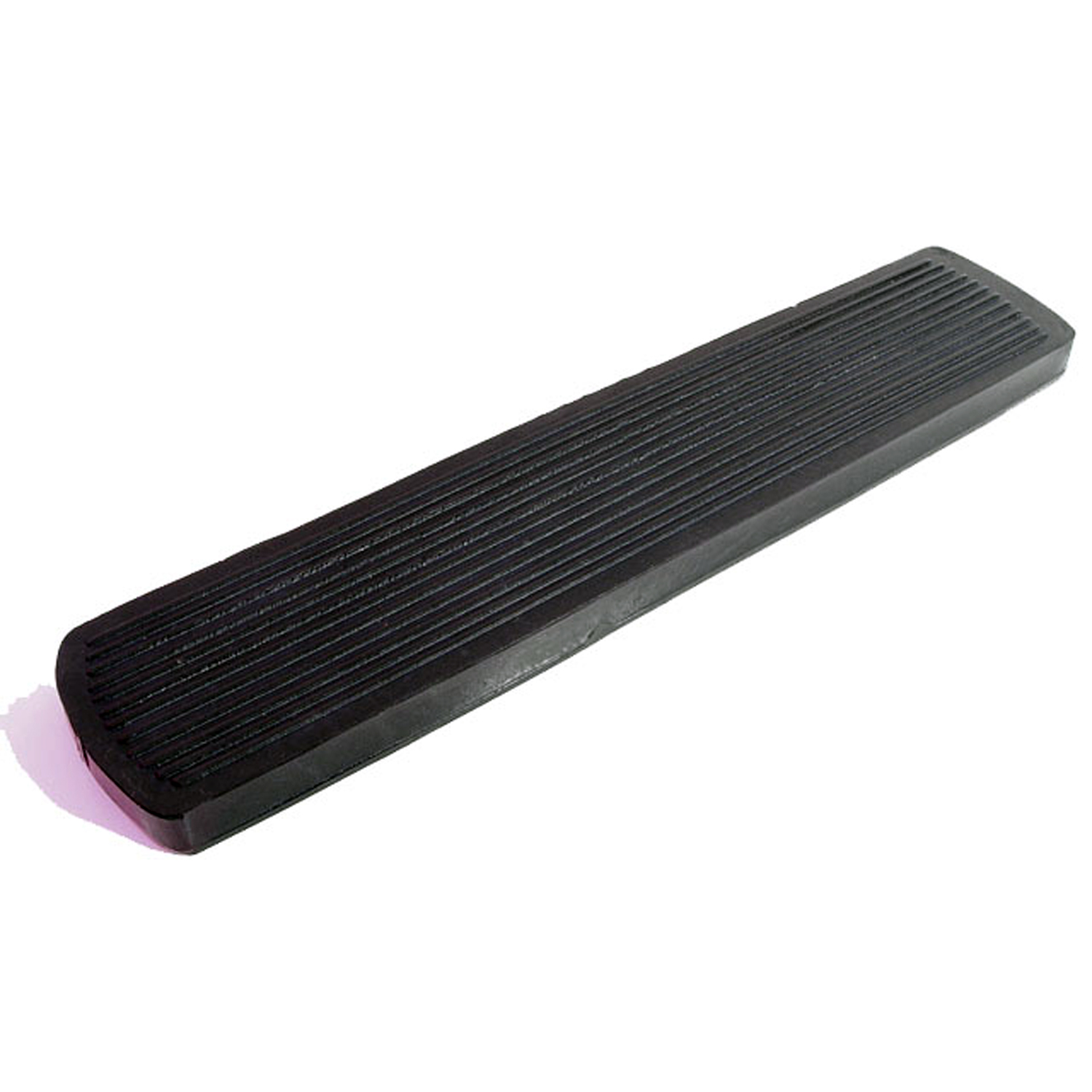 1956 Packard Clipper Accelerator Pedal Pad. 1-7/8" X 9-3/8", Each-AP 16Accelerator Pedal Pad. 1-7/8" X 9-3/8", Each
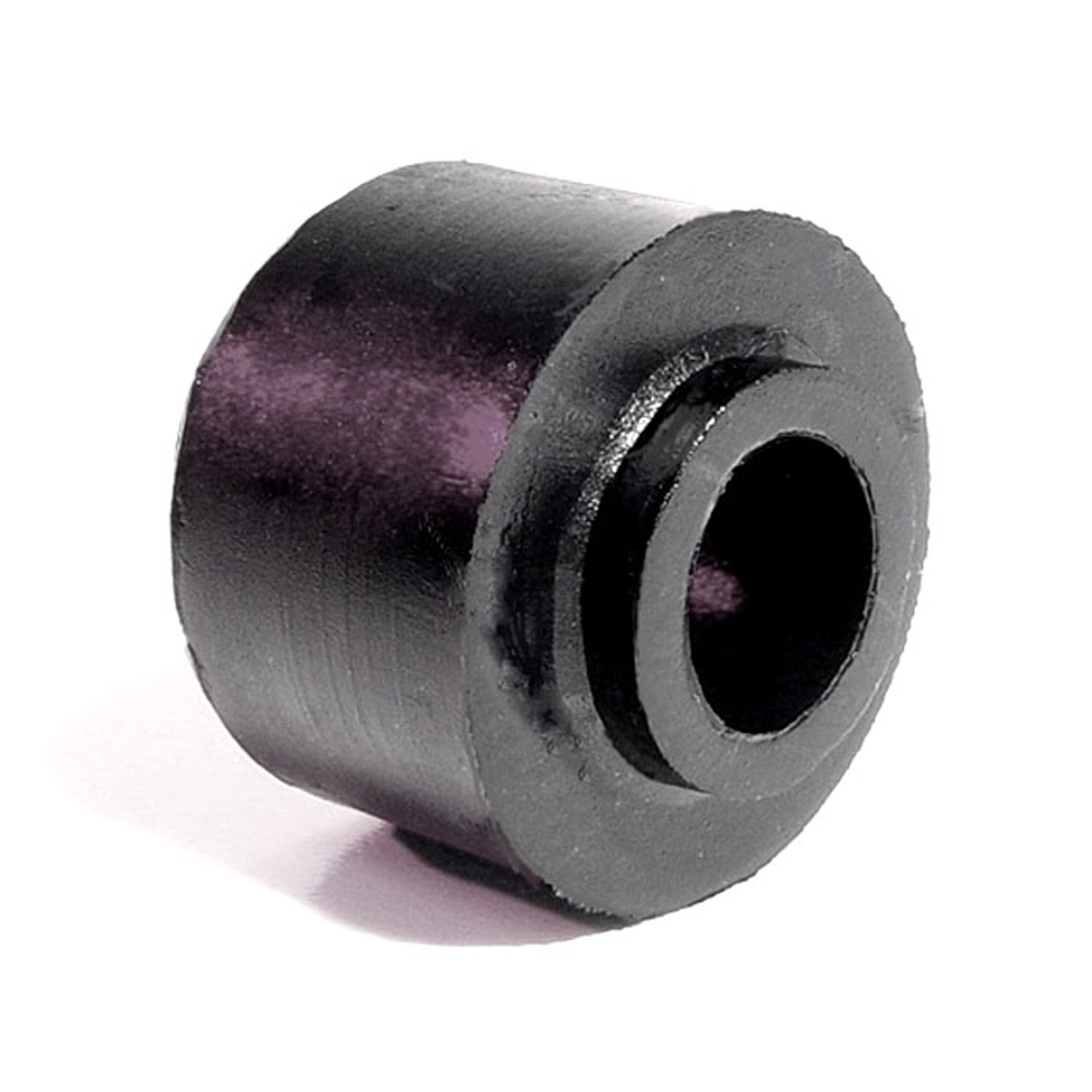 1956 Packard Clipper Shock Absorber Grommet. 1" bottom O.D., 3/4" high-BN 1Shock Absorber Grommet. 1" bottom O.D., 3/4" high., with 7/16" I.D. Each
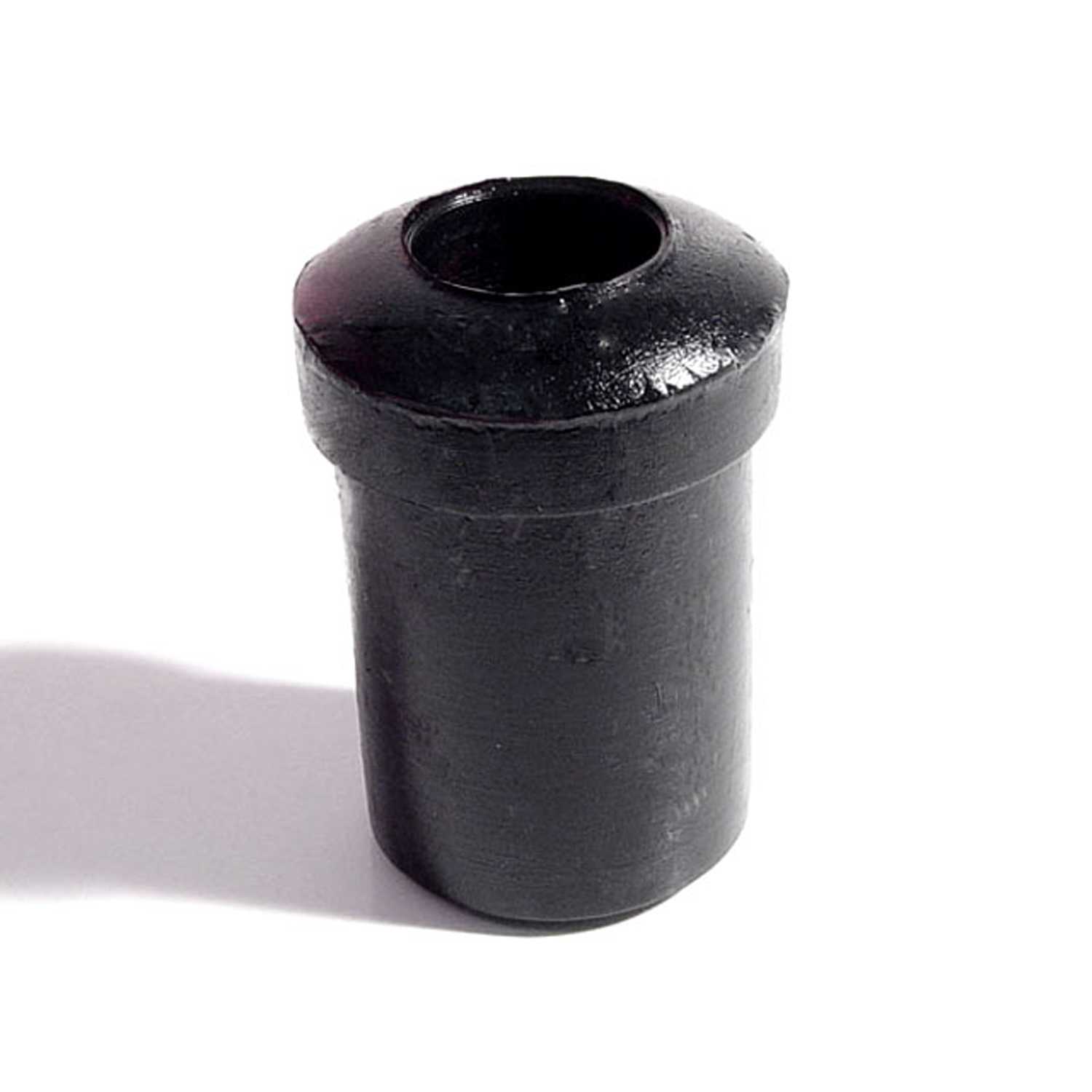 1956 Packard Clipper Spring and Shackle Bushing. 1" bottom O.D-BN 20Spring and Shackle Bushing. 1" bottom O.D. X 1-5/8" high, with 9/16" I.D. Each
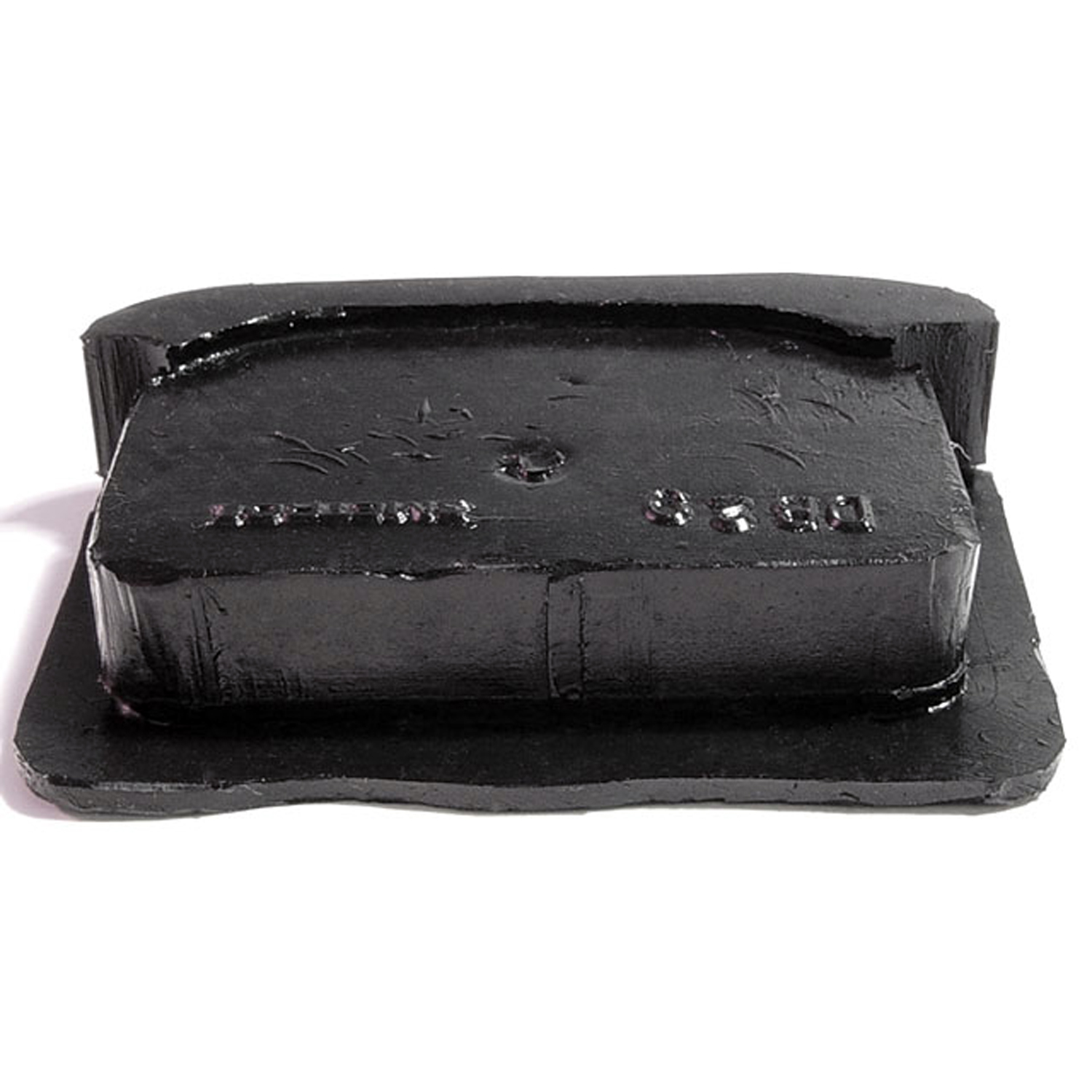 1956 Packard Clipper Door Bumper. 1-3/8" high X 2" wide X 1/2" thick. Each-DB 29Door Bumper. 1-3/8" high X 2" wide X 1/2" thick. Each
 1956 Packard Clipper Antenna Pad. 1-7/8" O.D. Each-MP 854-AAntenna Pad. 1-7/8" O.D. Each
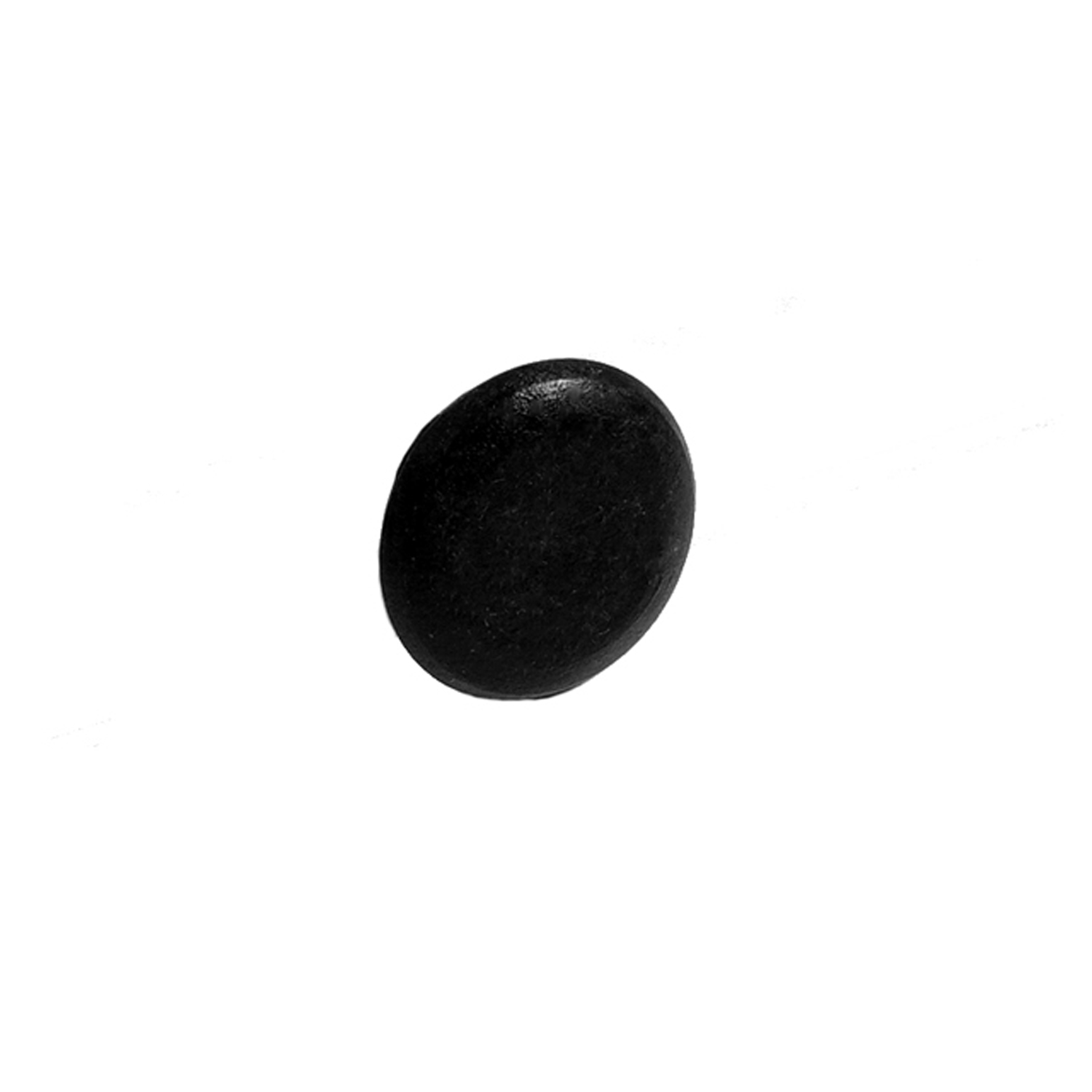 1956 Packard Clipper Trunk Bumper. 3/4" O.D., 5/8" I.D. Each-SB 74Trunk Bumper. 3/4" O.D., 5/8" I.D. Each
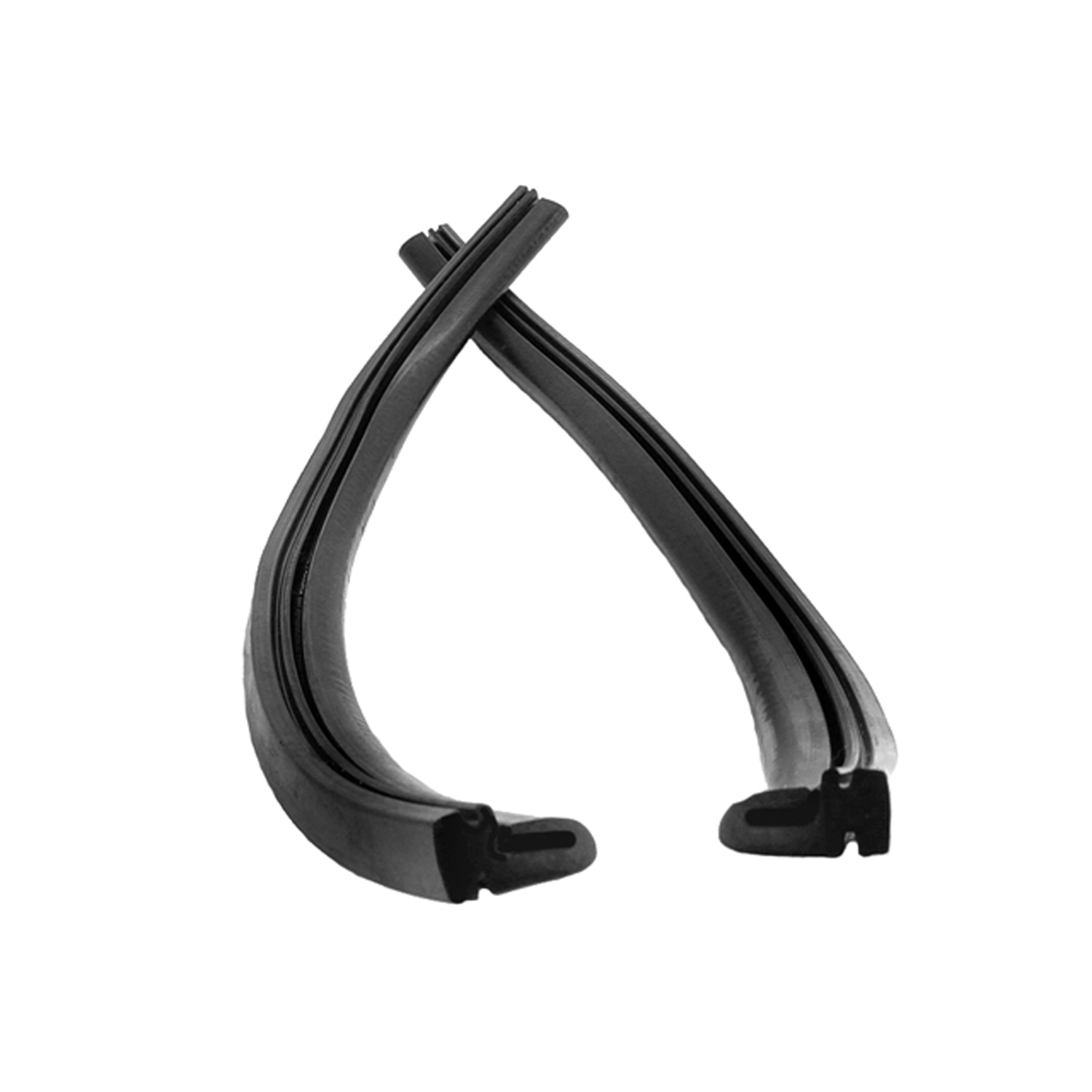 1956 Packard Clipper Rear Roll-up Window Seals, for Hardtops and Convertibles-VS 7Rear Roll-up Window Seals, for Hardtops and Convertibles. For leading edge of rear quarter windows. Two pieces, 17-3/4" long. Pair
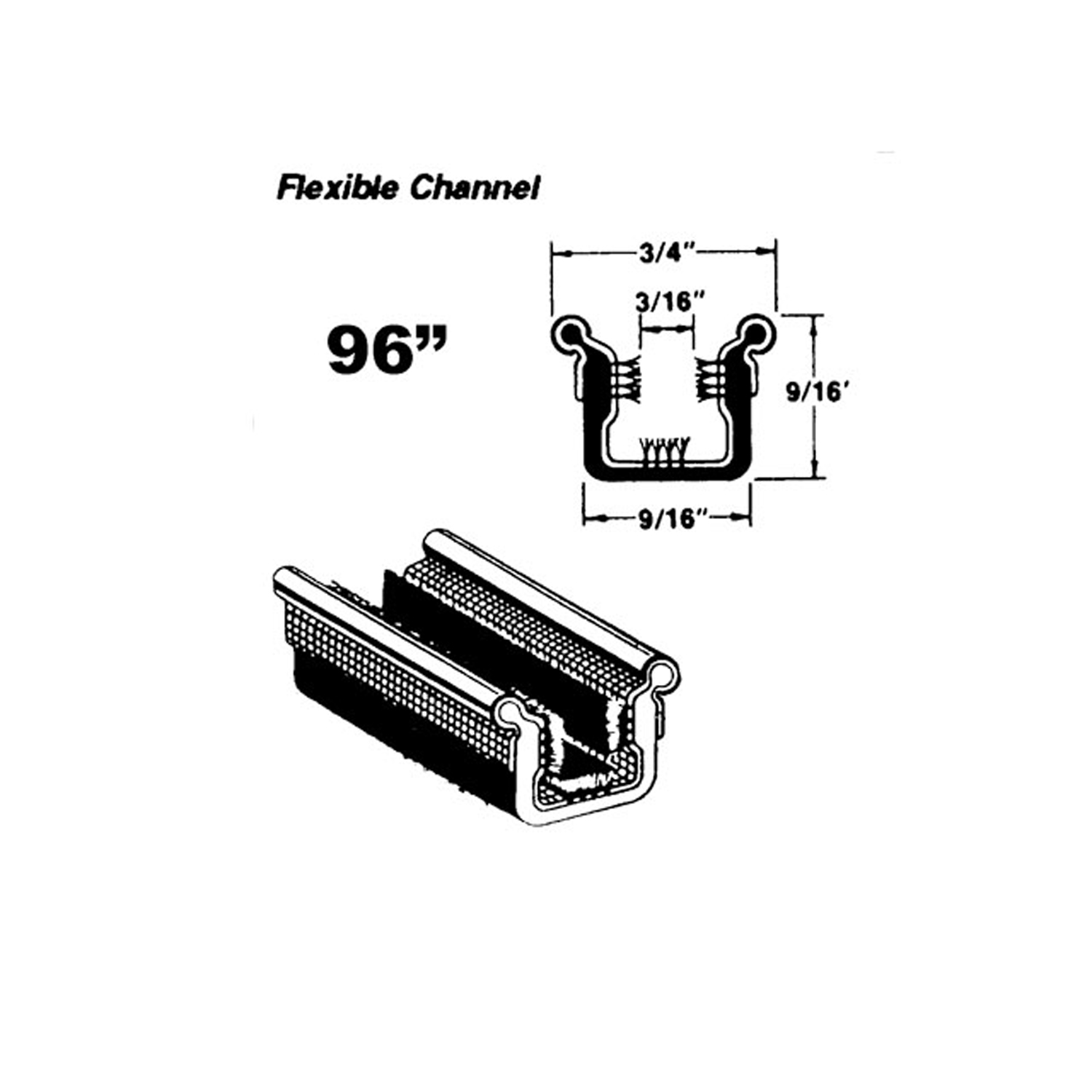 1956 Packard Clipper Flexible window channel-WC 10-96Flexible window channel. Rubber covered with mohair lining and stainless steel bead. 96 in. long. Each. NOTE: $20 special shipping charge applies for domestic orders. Call or email for overseas shipping costs. Part can be sectioned in two or three equal lengths to reduce overseas shipping costs.
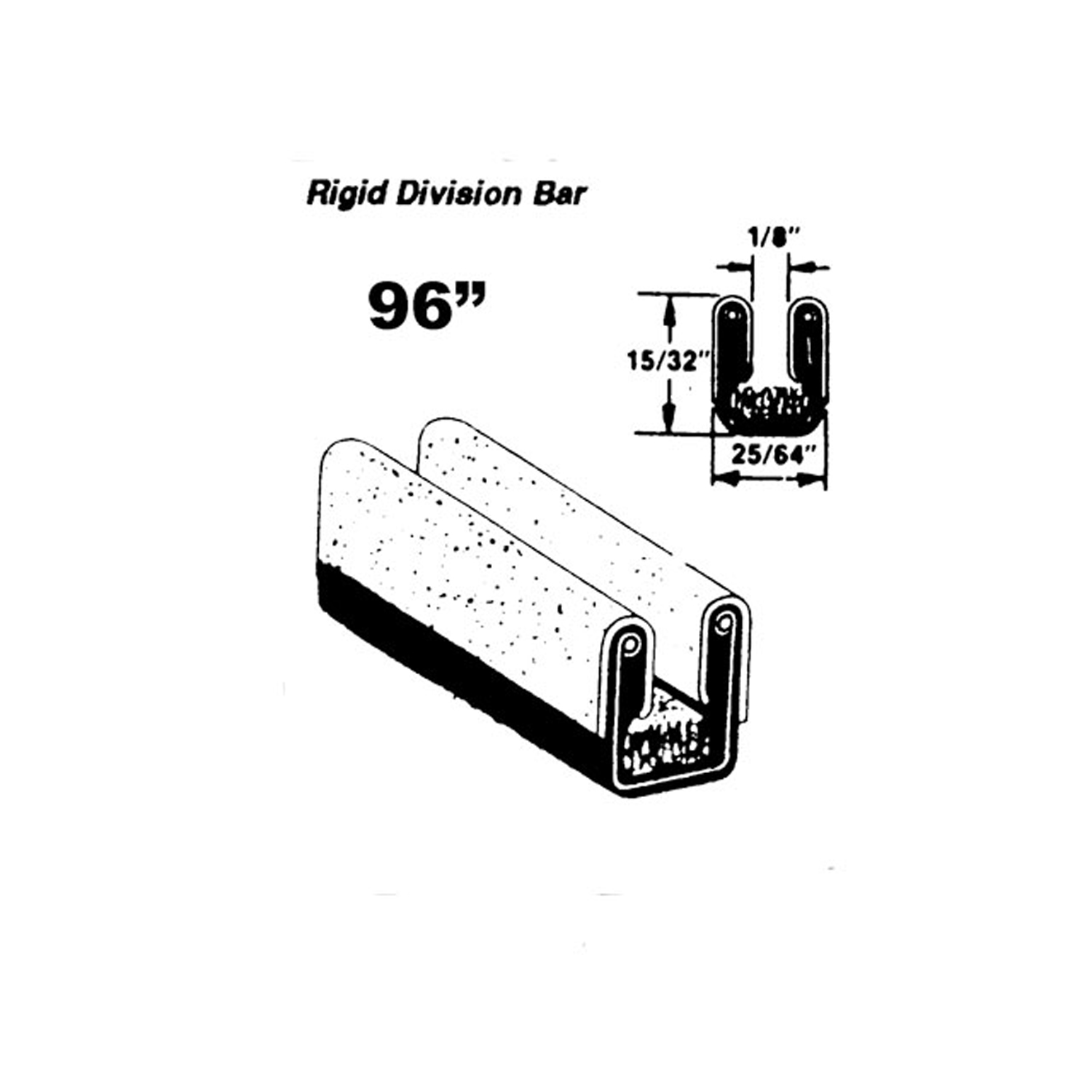 1956 Packard Clipper Rigid division-bar run channel-WC 31-96Rigid division-bar run channel. Made with very soft felt lining. Used on front and rear door side windows. 96 in. long. Each. NOTE: $20 special shipping charge applies for domestic orders. Call or email for overseas shipping costs. Part can be sectioned in two or three equal lengths to reduce overseas shipping costs.
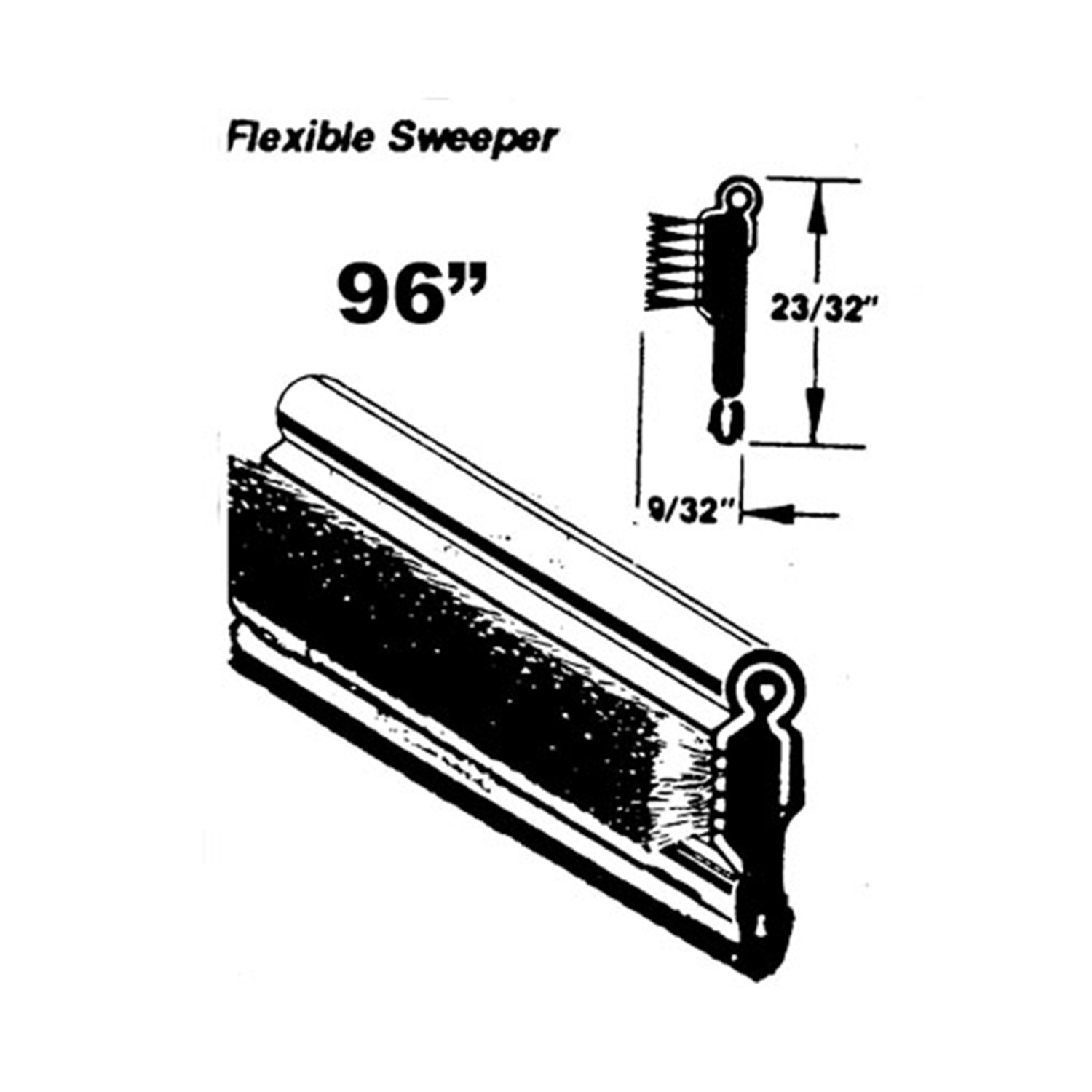 1956 Packard Clipper Flexible window sweeper. Made with stainless steel bead-WC 4-96Flexible window sweeper. Made with stainless steel bead. 96 in. long. Each. NOTE: $20 special shipping charge applies for domestic orders. Call or email for overseas shipping costs. Part can be sectioned in two or three equal lengths to reduce overseas shipping costs.
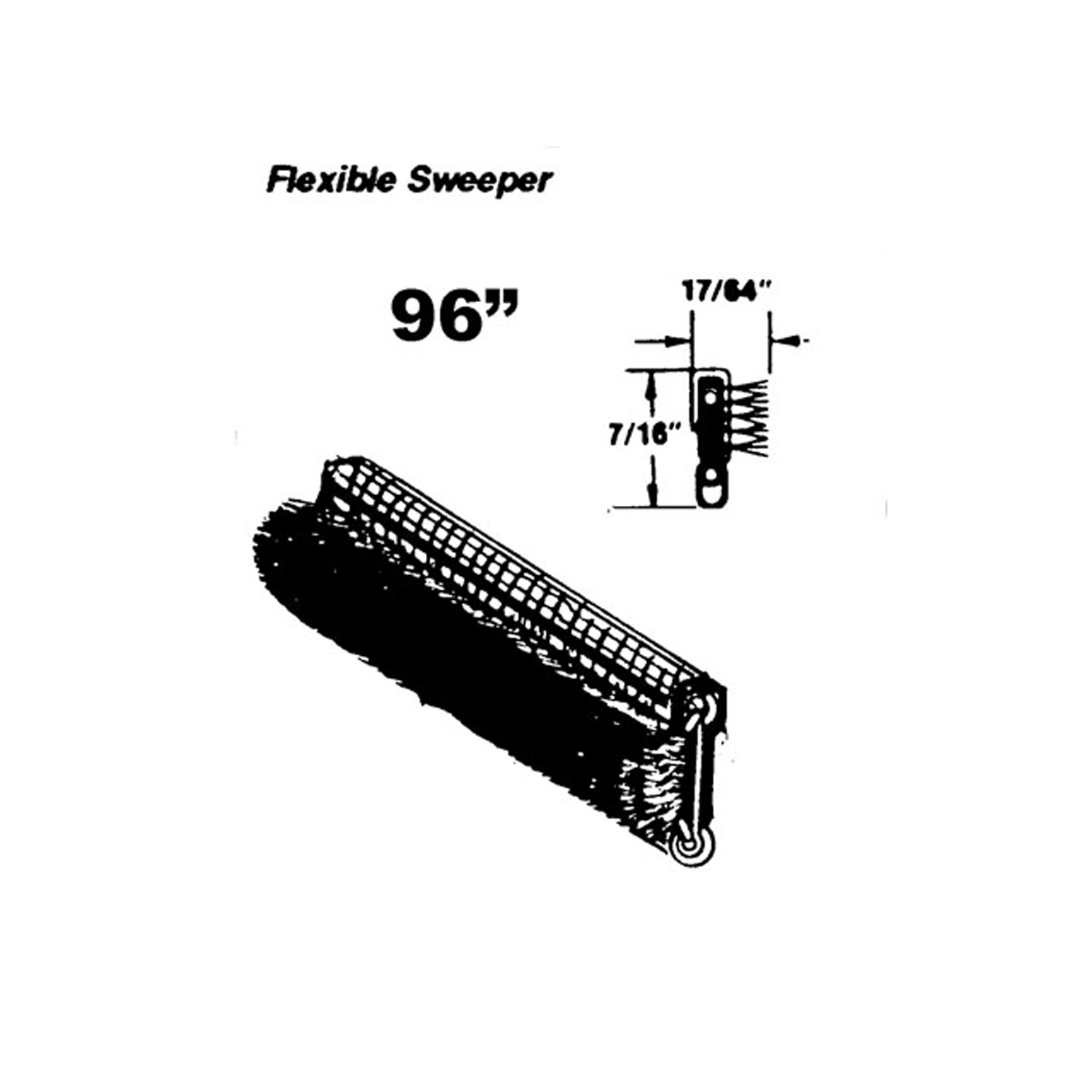 1956 Packard Clipper Flexible window sweeper-WC 5-96Flexible window sweeper. Made with black electro-plated steel. 96 in. long. Each. NOTE: $20 special shipping charge applies for domestic orders. Call or email for overseas shipping costs. Part can be sectioned in two or three equal lengths to reduce overseas shipping costs.
Why Choose Metro?
For over 100 years, Metro Moulded Parts has been the pinnacle of quality in classic car restoration parts. Our commitment to precision and authenticity in every component ensures a perfect fit and an OEM-level appearance.
- Expert Craftsmanship & Quality: Each part is a testament to our dedication to reliability and perfection, crafted from original designs and thoroughly tested.
- Advanced Technology: We use cutting-edge techniques to create flawless, long-lasting parts that surpass others in performance.
- SuperSoft Sponge – The Ultimate Door Seal: Not only are our door seals 30% softer than competitors', but they're also guaranteed to never leak. They effectively reduce wind and road noise, enhancing your classic car's comfort and driving experience.
- Proudly American: Our parts are a product of American craftsmanship, made in the USA with a spirit of excellence and heritage.
- Unrivaled Warranty: We back our products with a 30-year industry-leading warranty, a testament to our confidence in their quality.
Join us in preserving the legacy of classic cars with parts that are crafted for perfection, not just made.