
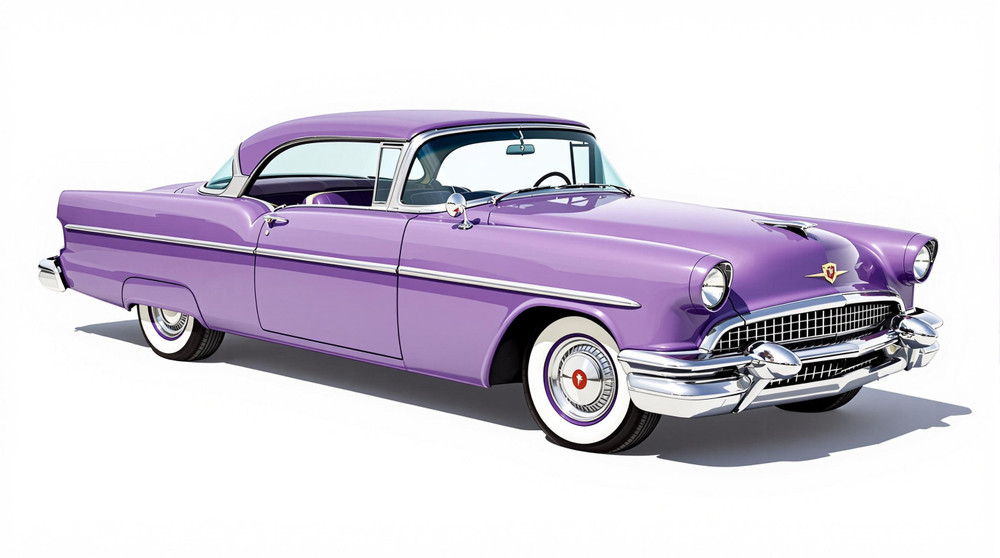
Image of 1956 Packard Patrician, Note: These illustrations use artistic license and may differ from actual historical models.
Performance Metrics
Fundamental Metrics
Emotional Appeal
MMP Rating
| Engine Specifications | |
|---|---|
| Engine: | 374 cu in (6.1 L) V8 |
| Displacement: | 374 cu in (6.1 L) |
| Horsepower: | 290 hp |
| Torque: | 405 lb-ft |
| Compression Ratio: | 10.0:1 |
| Ignition System: | Battery Ignition |
| Cooling System: | Liquid Cooled |
| Performance Specifications | |
| 0-60 Time: | 12 seconds |
| 1/4 Mile Time: | Estimated 18 seconds |
| Top Speed: | 110 mph |
| Transmission and Drive | |
| Drive Type: | Rear Wheel Drive |
| Transmission Type: | 2-speed automatic |
| Fuel and Efficiency | |
| Fuel System Type: | Carburetor |
| MPG: | Estimated 10-12 mpg |
| Dimensions and Brakes | |
| Brakes: | Drum Brakes |
| Wheelbase: | 127 in (3226 mm) |
| Weight: | 4,700 lbs |
Note: Specifications for classic cars are given to the best of our ability, considering the limited and variant data available.
1956 Packard Patrician: The Last Great Detroit Packard
The 1956 Packard Patrician combines imposing American luxury with a touch of farewell: it was one of the final full-size Packards engineered and built in Detroit. Long, richly trimmed, and packed with ambitious technology, the Patrician was designed to compete with the finest domestic cars of its era. It also arrived at a difficult moment for its maker, giving this stately sedan a place in automotive history beyond its polished chrome and powerful V8.
Packard began as the Ohio Automobile Company in 1899 and adopted the Packard name in 1902. By the 1950s, it had a reputation for carefully engineered luxury cars, but financial pressure and the changing economics of the industry were taking their toll. Packard merged with Studebaker in 1954. The 1956 Patrician was part of the company’s final effort to keep its traditional luxury-car identity alive before Packard production shifted to Studebaker’s South Bend facilities. A particularly intriguing detail: the 1956 model year was the last time buyers could order a full-size Packard with the company’s own V8 and chassis engineering.
Patrician Styling and Cabin Craft
The Patrician’s proportions make an immediate impression. It rides on a 127-inch wheelbase and stretches to roughly 219 inches overall, giving the four-door sedan a long, formal profile. Packard’s 1956 styling update refined the previous year’s shape rather than replacing it. A broad chrome grille with vertical detailing anchors the front end, while generous bumpers, sculpted side trim, and pronounced rear fenders give the car a confident, unmistakably mid-century presence.
At the back, the tall rear fenders and distinctive taillamps create a dramatic finish without turning the Patrician into a caricature of the era’s tailfin styling. Chrome is used lavishly, but the overall effect is more stately than flashy. The sedan’s substantial doors and upright roofline also make it feel like a proper luxury car, not simply a family car dressed up with brightwork.
Inside, the Patrician offered the space and finish expected of Packard’s senior series. Upholstery could combine broadcloth with leather, complemented by patterned trim, carpeting, and a large, polished dashboard. Buyers could choose from a range of paint and interior combinations, including single-tone and two-tone schemes. Dark, restrained colors suited the Patrician’s formal character, while combinations involving white, red, or turquoise brought out its 1950s flair. Exact combinations depended on the order and market.
The Patrician was offered as a four-door sedan only. Packard’s broader 1956 line included other body styles, such as the two-door hardtop Four Hundred and the sporty Caribbean convertible, but those were separate models rather than Patrician variants. The Patrician sedan was the choice for buyers who wanted maximum cabin access and a traditional luxury-car silhouette.
Technology Ahead of Its Time
One of the Patrician’s standout features was Packard’s Torsion-Level suspension. Instead of relying on conventional coil springs at each corner, the system used torsion bars, with an electric leveling mechanism that helped keep the car level as passengers or luggage changed the load. It was an advanced solution for its day and a key part of the Patrician’s famously composed ride. It should not be confused with modern air suspension: the Packard system used mechanical torsion bars and an electric control setup.
The 1956 Patrician also offered Packard’s push-button control for the Twin Ultramatic automatic transmission. Rather than moving a conventional shift lever, the driver selected a range using buttons on the dashboard. Power steering and power brakes helped make the large sedan easier to manage, while available equipment could include power windows, a power seat, air conditioning, and radio. These features made the Patrician feel technically ambitious, though its sophisticated systems can require careful attention on a surviving car today.
Why the Patrician Matters
The Patrician represents Packard’s attempt to remain a genuine high-end manufacturer during a period when its resources were shrinking. While many competitors had the scale to update their cars regularly, Packard was working with tighter budgets and a smaller production base. The 1956 car therefore carried forward much of the previous year’s body while emphasizing engineering, equipment, and traditional luxury.
That focus helps explain the Patrician’s lasting appeal. Its Torsion-Level suspension demonstrated that Packard was still willing to pursue unusual engineering solutions, while its push-button transmission showed how quickly manufacturers were experimenting with new controls. The car’s final Detroit-built-era character also gives it historical weight: it captures Packard at the end of its independent, full-size luxury-car tradition.
It did not create a mass-market design trend on the scale of a major industry first, and Packard’s later production history was brief. Its influence is better understood as part of the company’s engineering legacy. The Patrician showed how a smaller automaker could still offer distinctive technology and a carefully finished alternative to the industry’s largest luxury brands.
V8 Performance and Road Manners
Power comes from Packard’s 352-cubic-inch V8, rated at approximately 275 horsepower in the Patrician. The engine is paired with the Twin Ultramatic automatic transmission. These figures made the big sedan capable rather than sporting. Depending on its condition, gearing, and test method, a healthy car is generally estimated to reach 60 mph in about 12 to 13 seconds, with a top speed in the neighborhood of 105 mph. Those are period-style performance estimates, not guarantees for a nearly 70-year-old car.
The Patrician’s natural habitat is the open road. Its long wheelbase and Torsion-Level suspension help it absorb broad pavement changes and road undulations with a smooth, settled feel. On rough surfaces, it is more composed than its size might suggest, though worn suspension components or a malfunctioning leveling system can quickly spoil the ride. On a winding road, the car feels substantial and deliberate rather than nimble. Its size, soft luxury-car character, and period steering ask the driver to plan ahead.
Behind the wheel, the V8 delivers a deep, subdued burble rather than a sharp performance-car roar. Acceleration is strongest when the engine is working smoothly through its power range, and the automatic transmission suits relaxed cruising. The driver sits in a broad, comfortable cabin, operating large controls and looking out over a long hood. In good condition, a Patrician feels less like a machine to hurry and more like a quiet, powerful place to travel.
Living With a 1956 Patrician
Today, most Patricians are used as show cars, weekend cruisers, and entries in Packard club events. A well-sorted example can handle occasional longer drives, but its age and specialized equipment make it a less predictable daily driver than a modern car. Before buying, check the engine, transmission, brakes, electrical system, and especially the Torsion-Level suspension. The push-button transmission controls and leveling components can be repaired, but diagnosis may take a mechanic familiar with Packards and their period systems.
Routine mechanical work is not necessarily beyond an experienced home mechanic. The V8 is a conventional overhead-valve design, and many service tasks are straightforward with the correct manual and parts. However, specific trim, interior pieces, transmission components, and suspension parts can take longer to source than common parts for a mass-produced Chevrolet or Ford. Specialist knowledge is valuable, particularly when troubleshooting the electrical and control systems.
Packard Patrician Facts and Myths
The 1956 Patrician’s biggest claim to fame is its place near the end of Packard’s original luxury-car era. It is often described as one of the last “real” Packards, a phrase that reflects its Detroit engineering and full-size platform. Packard-badged cars continued after 1956, but the later models were based on Studebaker platforms and were very different in character.
The Patrician was not a racing model, and no widely recognized speed or endurance record defines it. Nor is there a famous, universally documented celebrity-owned Patrician that overshadows the model itself. Its appeal is rooted instead in its engineering, its substantial presence, and the story of a respected automaker fighting to survive.
Common criticisms are practical ones: the car is large, thirsty by modern standards, and complex in places for its age. The push-button transmission and Torsion-Level system are impressive when working properly, but they can be costly or time-consuming to put right. The Patrician also lacks the open-air glamour of the Caribbean convertible and the sporting profile of a two-door hardtop, which can make it less immediately recognizable to casual collectors.
Collector Value and Rarity
Packard production figures list approximately 3,055 Patricians for 1956, making the model uncommon compared with mainstream American sedans of the same year. Survivors do appear on the market, but condition, originality, documentation, and the state of the suspension and transmission matter greatly.
As a broad 2026 estimate, a project car may bring roughly $5,000 to $12,000, while a usable driver could fall around $15,000 to $30,000. A well-restored or exceptionally preserved example might sell for about $35,000 to $60,000 or more, depending on quality and buyer interest. These are guide ranges, not appraisals; regional demand and restoration standards can move the price considerably.
Values have generally been steadier than those of headline-grabbing muscle cars. The Patrician’s rarity and historical importance support collector interest, but restoration costs can exceed the value of an average example. The strongest cars are most likely to hold or gain value over time, while tired cars often remain affordable because a full restoration is a major commitment.
A Fitting Farewell to Packard Luxury
The 1956 Packard Patrician brought together a powerful 352 V8, a remarkably sophisticated suspension, unusual push-button transmission controls, and the generous proportions of a classic American luxury sedan. Its engineering made it distinctive in its own time, and its timing made it historically significant.
For collectors, the Patrician is more than a handsome old sedan. It is a substantial, wonderfully individual piece of Packard’s final Detroit chapter, built when the company was still determined to do things its own way.
1956 Packard Patrician Catalog of Parts
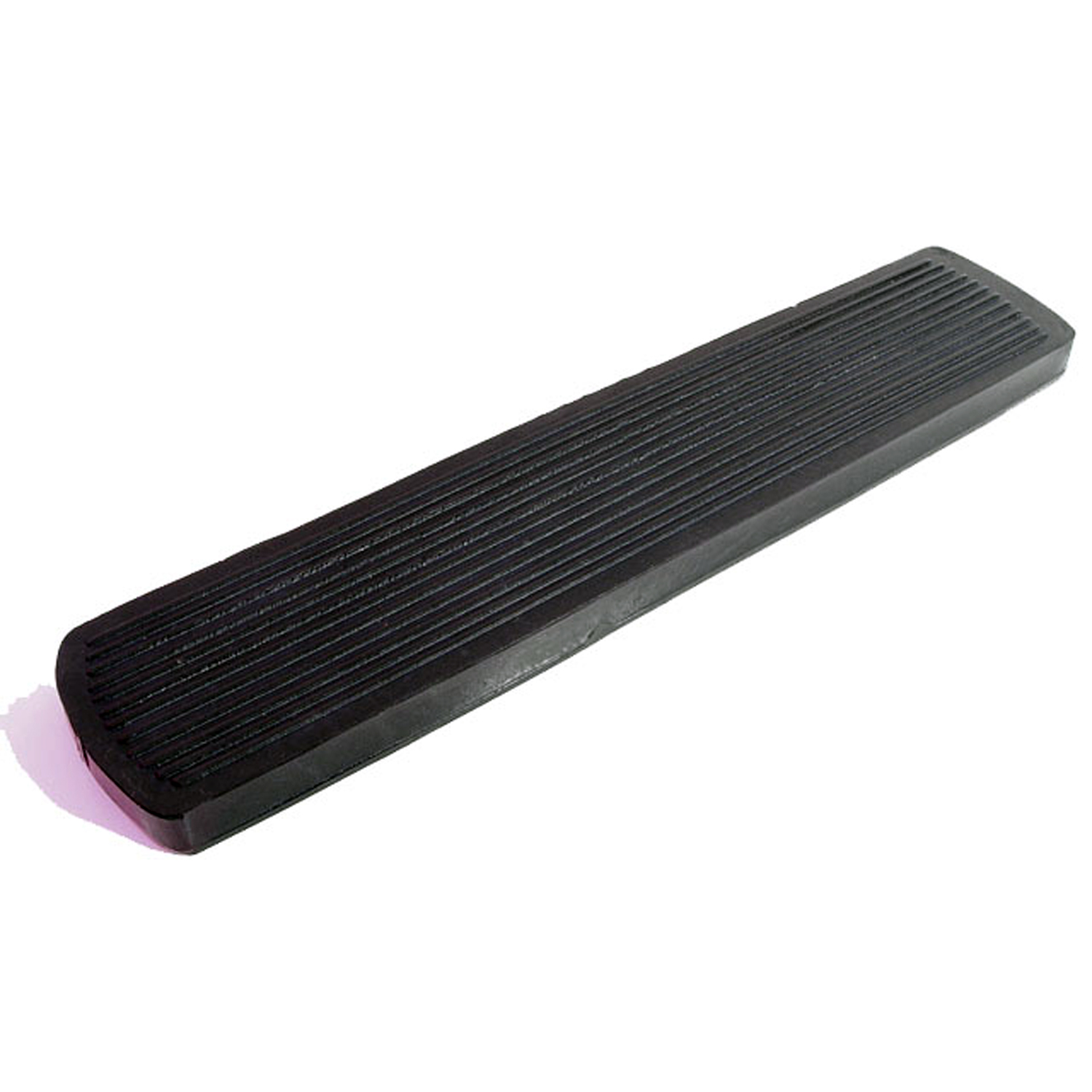 1956 Packard Patrician Accelerator Pedal Pad. 1-7/8" X 9-3/8", Each-AP 16Accelerator Pedal Pad. 1-7/8" X 9-3/8", Each
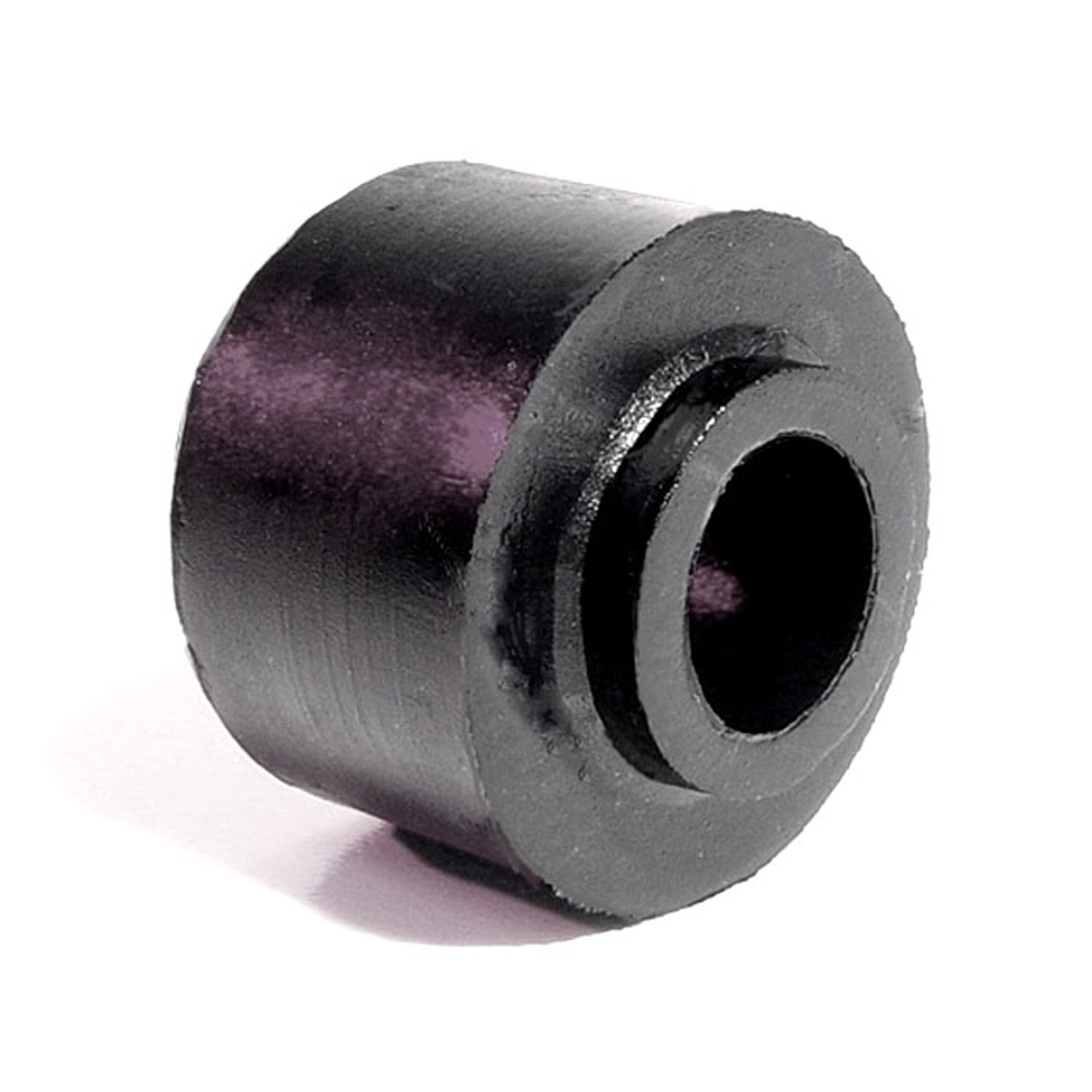 1956 Packard Patrician Shock Absorber Grommet. 1" bottom O.D., 3/4" high-BN 1Shock Absorber Grommet. 1" bottom O.D., 3/4" high., with 7/16" I.D. Each
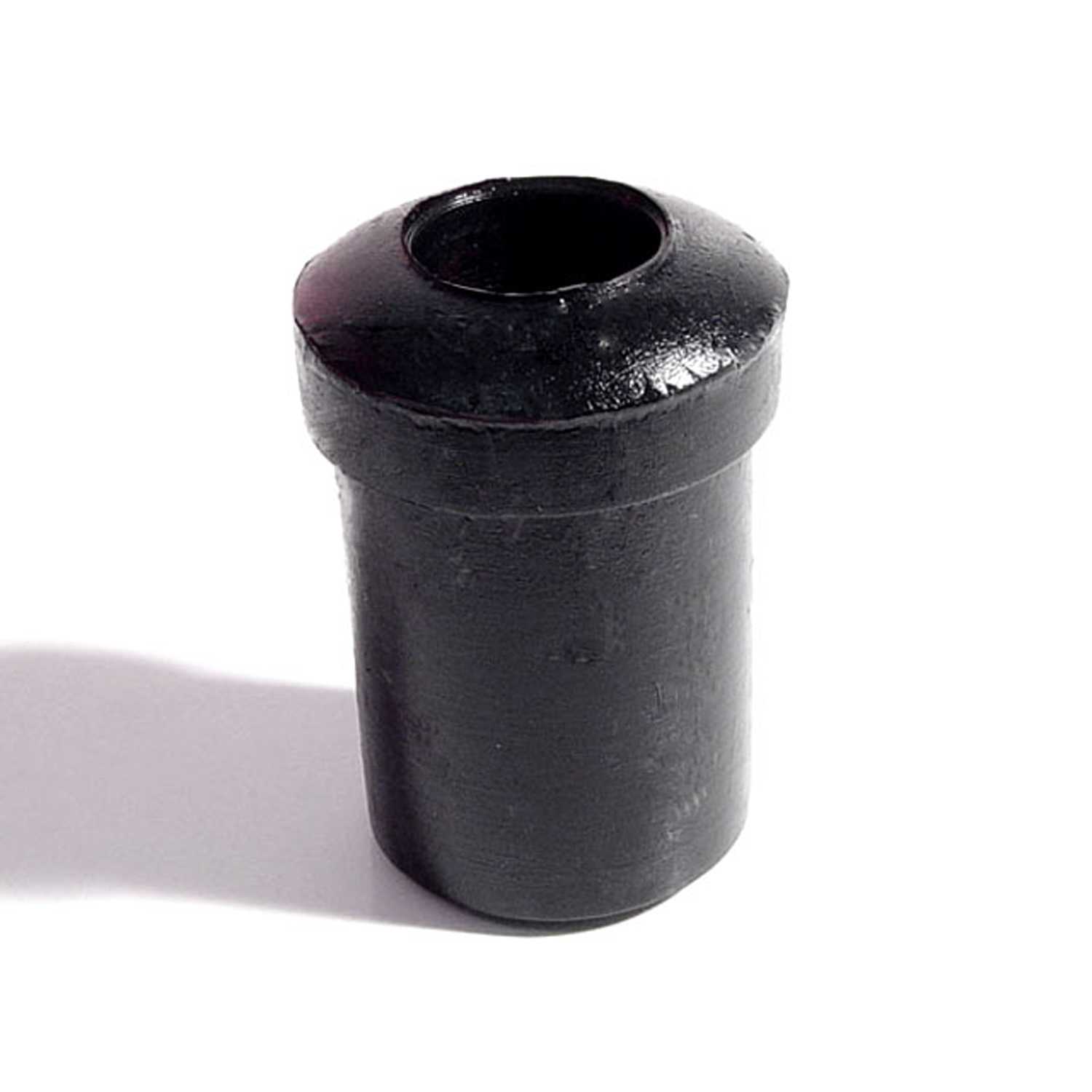 1956 Packard Patrician Spring and Shackle Bushing. 1" bottom O.D-BN 20Spring and Shackle Bushing. 1" bottom O.D. X 1-5/8" high, with 9/16" I.D. Each
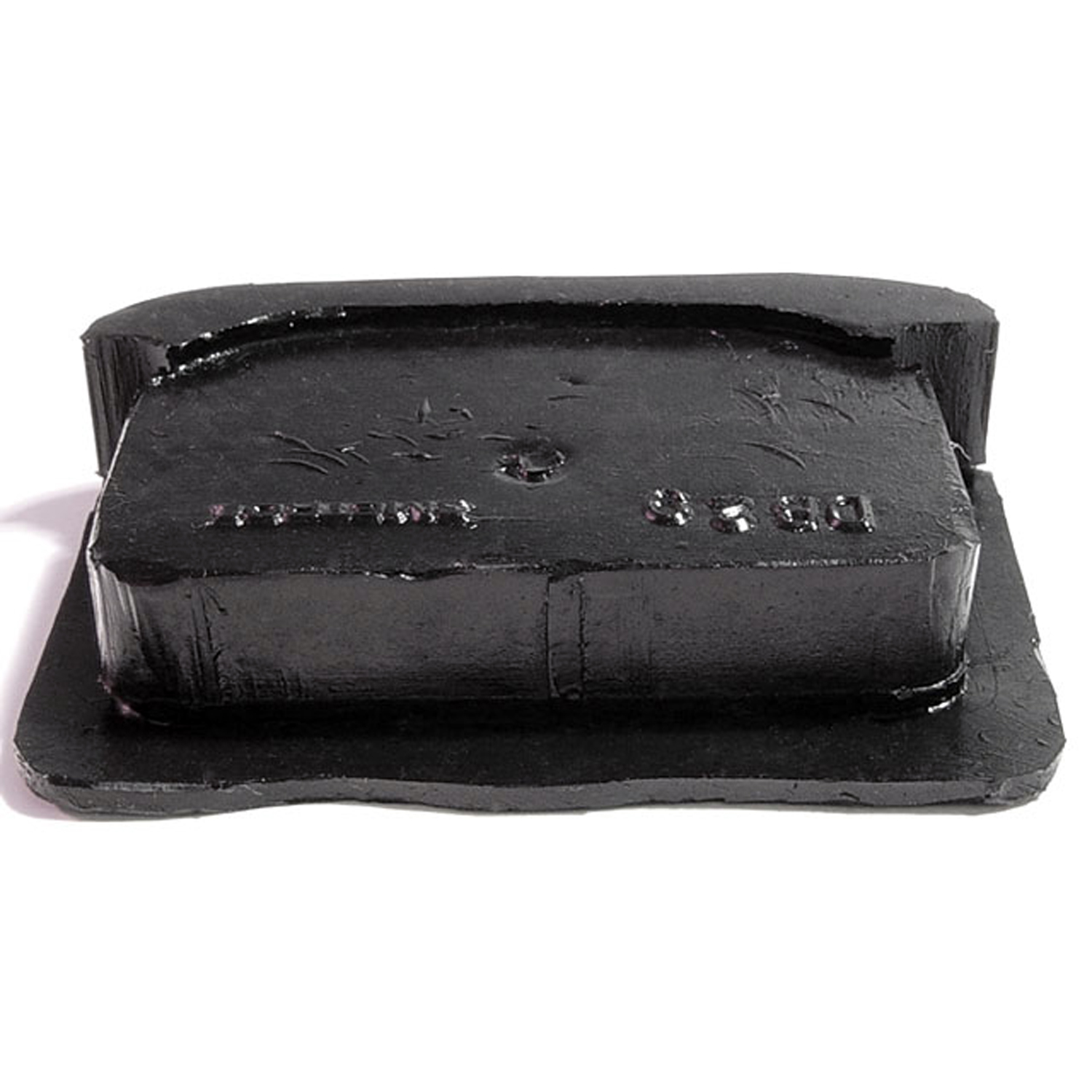 1956 Packard Patrician Door Bumper. 1-3/8" high X 2" wide X 1/2" thick. Each-DB 29Door Bumper. 1-3/8" high X 2" wide X 1/2" thick. Each
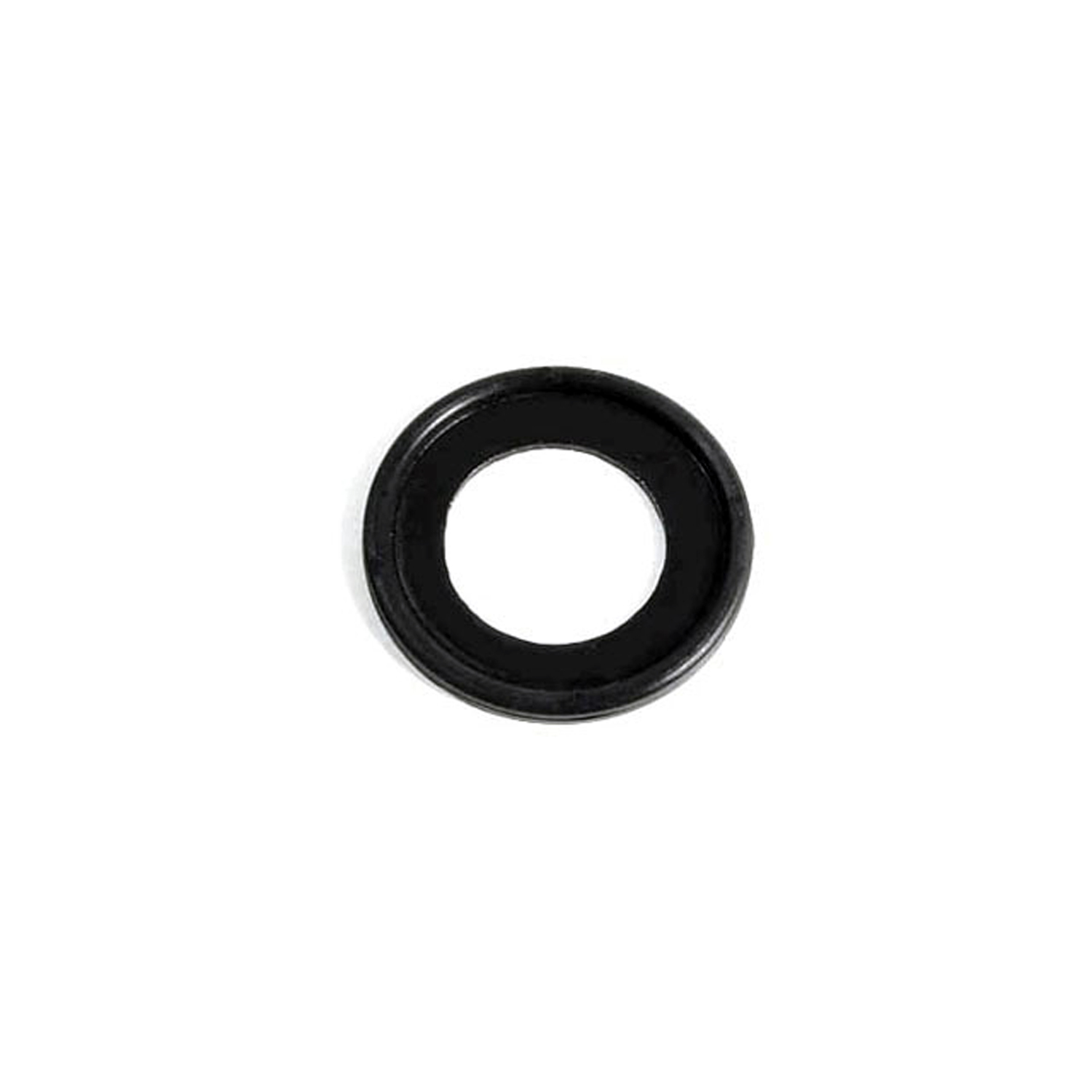 1956 Packard Patrician Antenna Pad. 1-7/8" O.D. Each-MP 854-AAntenna Pad. 1-7/8" O.D. Each
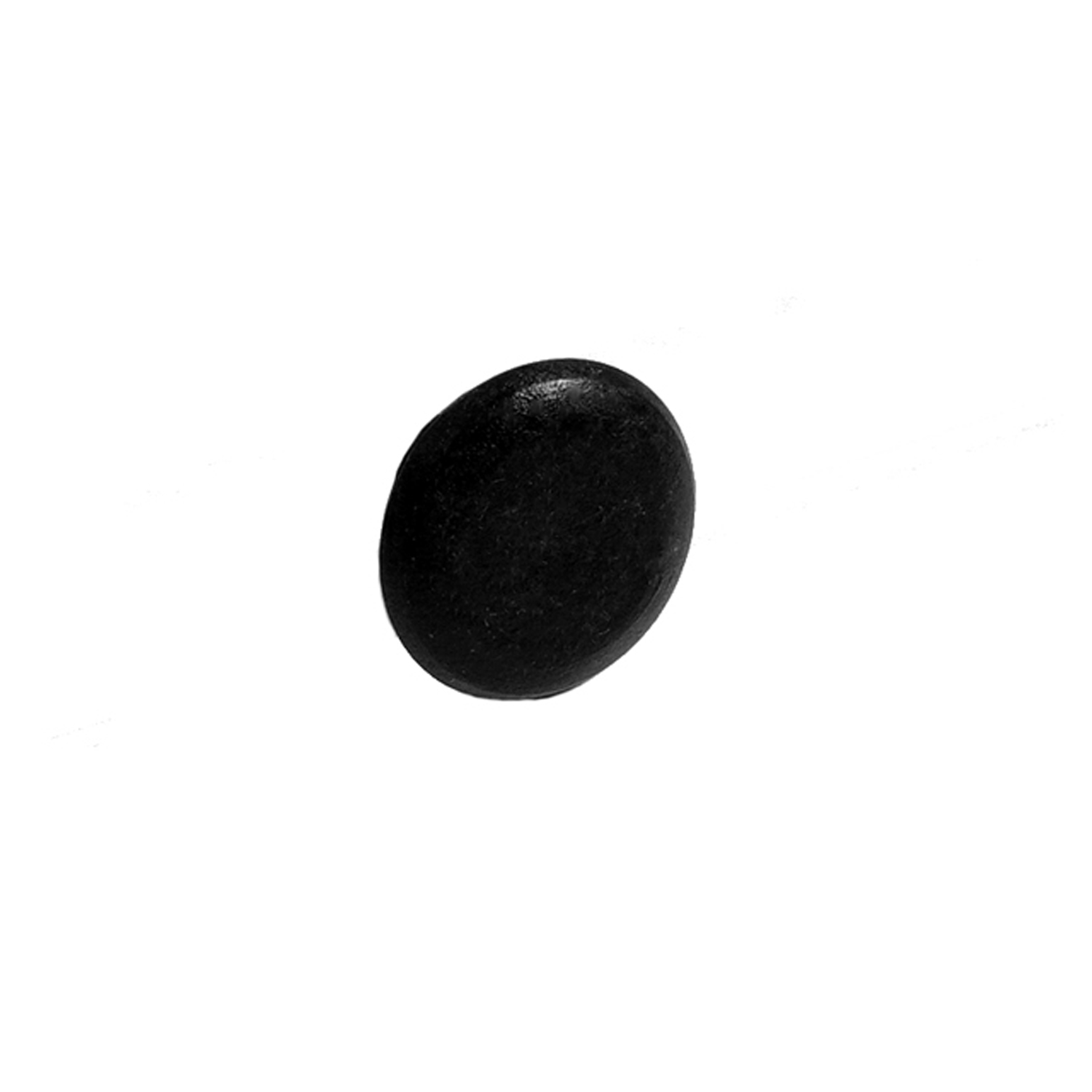 1956 Packard Patrician Trunk Bumper. 3/4" O.D., 5/8" I.D. Each-SB 74Trunk Bumper. 3/4" O.D., 5/8" I.D. Each
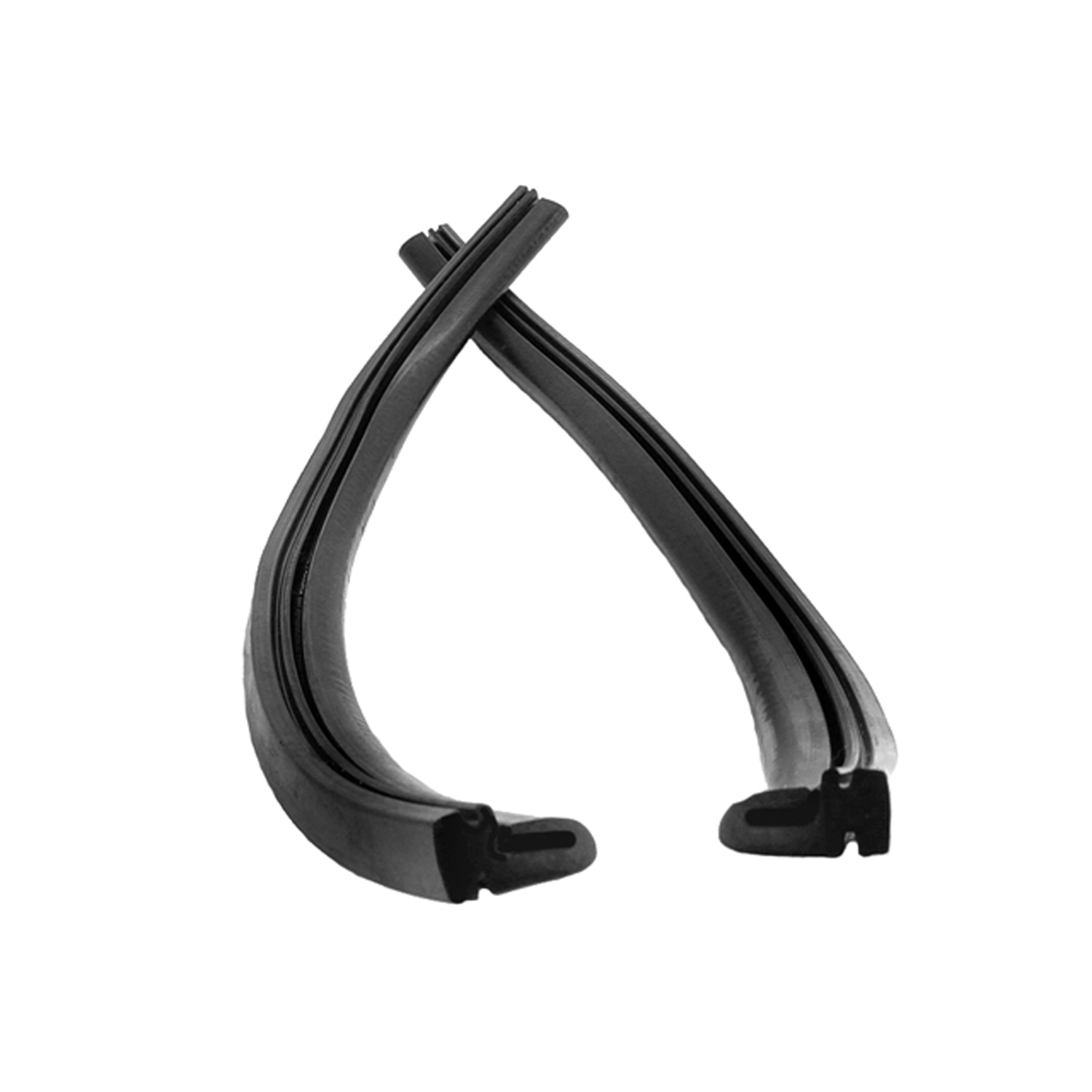 1956 Packard Patrician Rear Roll-up Window Seals, for Hardtops and Convertibles-VS 7Rear Roll-up Window Seals, for Hardtops and Convertibles. For leading edge of rear quarter windows. Two pieces, 17-3/4" long. Pair
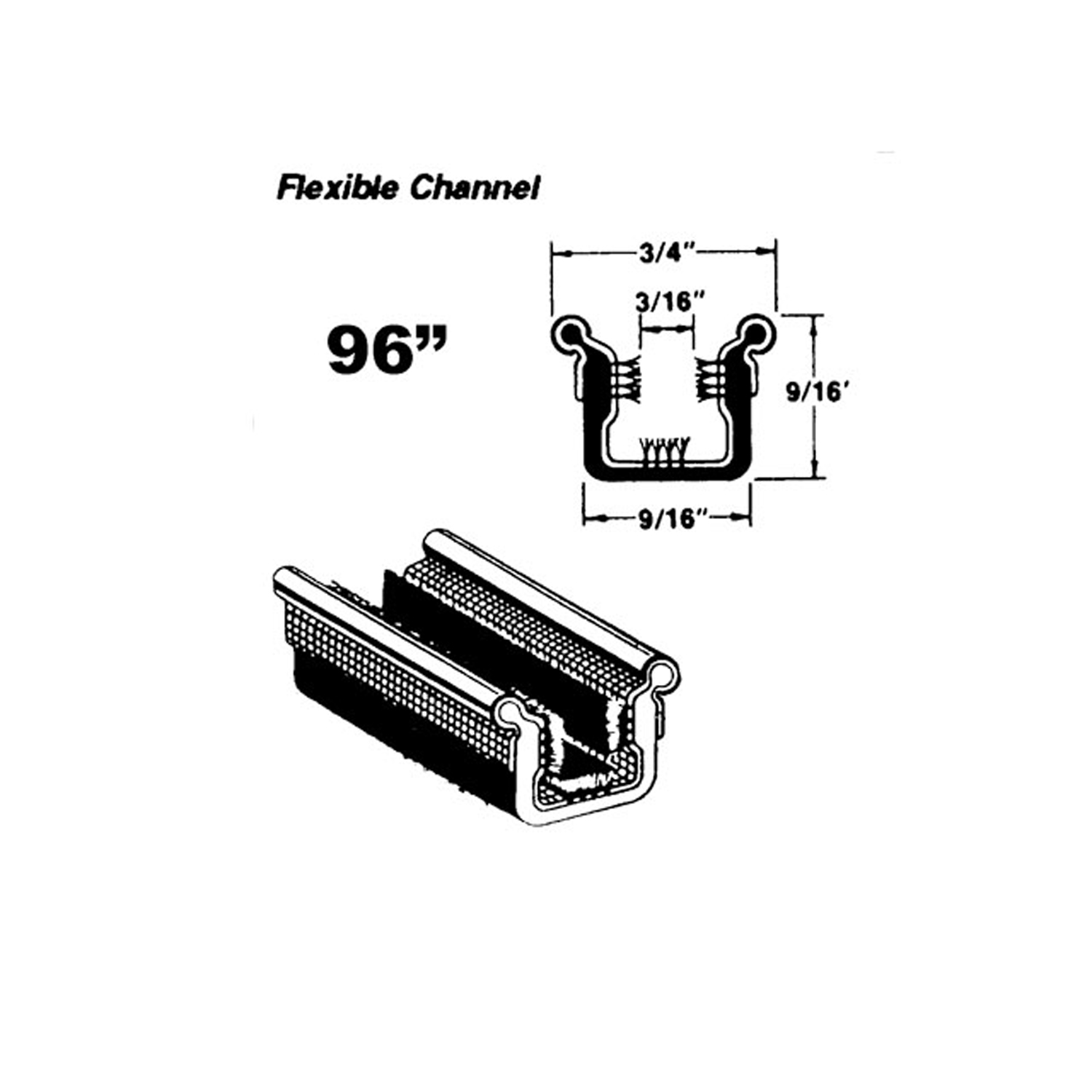 1956 Packard Patrician Flexible window channel-WC 10-96Flexible window channel. Rubber covered with mohair lining and stainless steel bead. 96 in. long. Each. NOTE: $20 special shipping charge applies for domestic orders. Call or email for overseas shipping costs. Part can be sectioned in two or three equal lengths to reduce overseas shipping costs.
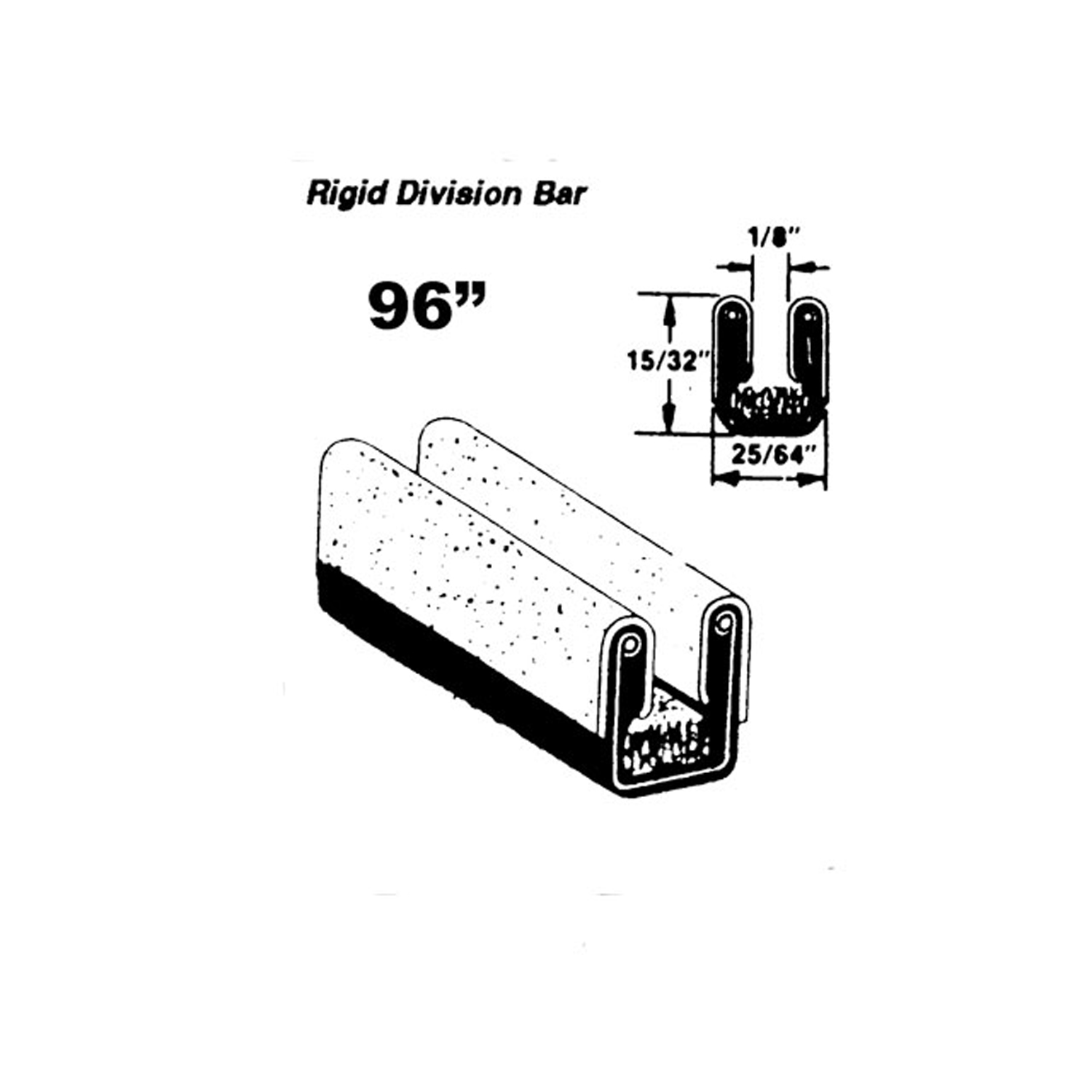 1956 Packard Patrician Rigid division-bar run channel-WC 31-96Rigid division-bar run channel. Made with very soft felt lining. Used on front and rear door side windows. 96 in. long. Each. NOTE: $20 special shipping charge applies for domestic orders. Call or email for overseas shipping costs. Part can be sectioned in two or three equal lengths to reduce overseas shipping costs.
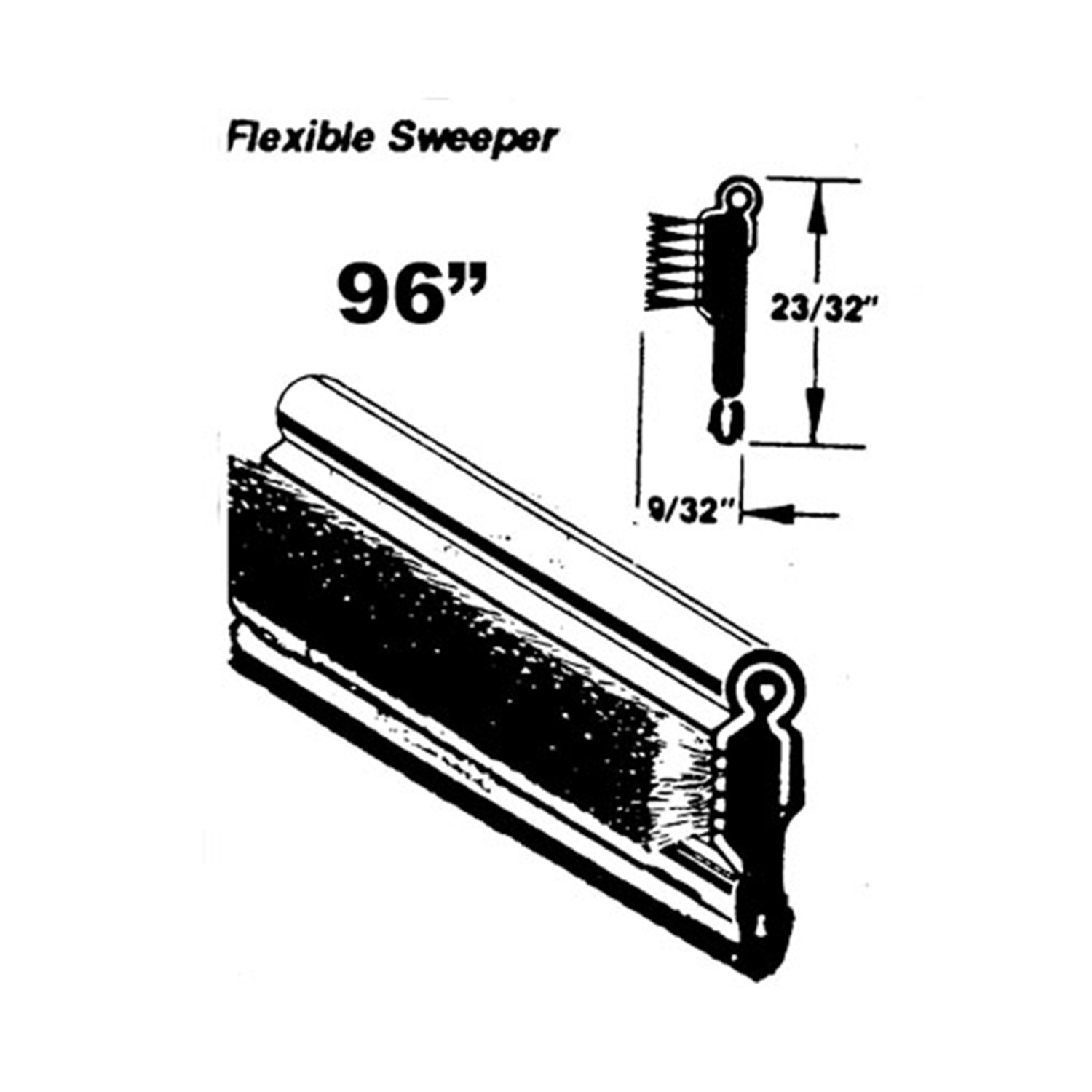 1956 Packard Patrician Flexible window sweeper. Made with stainless steel bead-WC 4-96Flexible window sweeper. Made with stainless steel bead. 96 in. long. Each. NOTE: $20 special shipping charge applies for domestic orders. Call or email for overseas shipping costs. Part can be sectioned in two or three equal lengths to reduce overseas shipping costs.
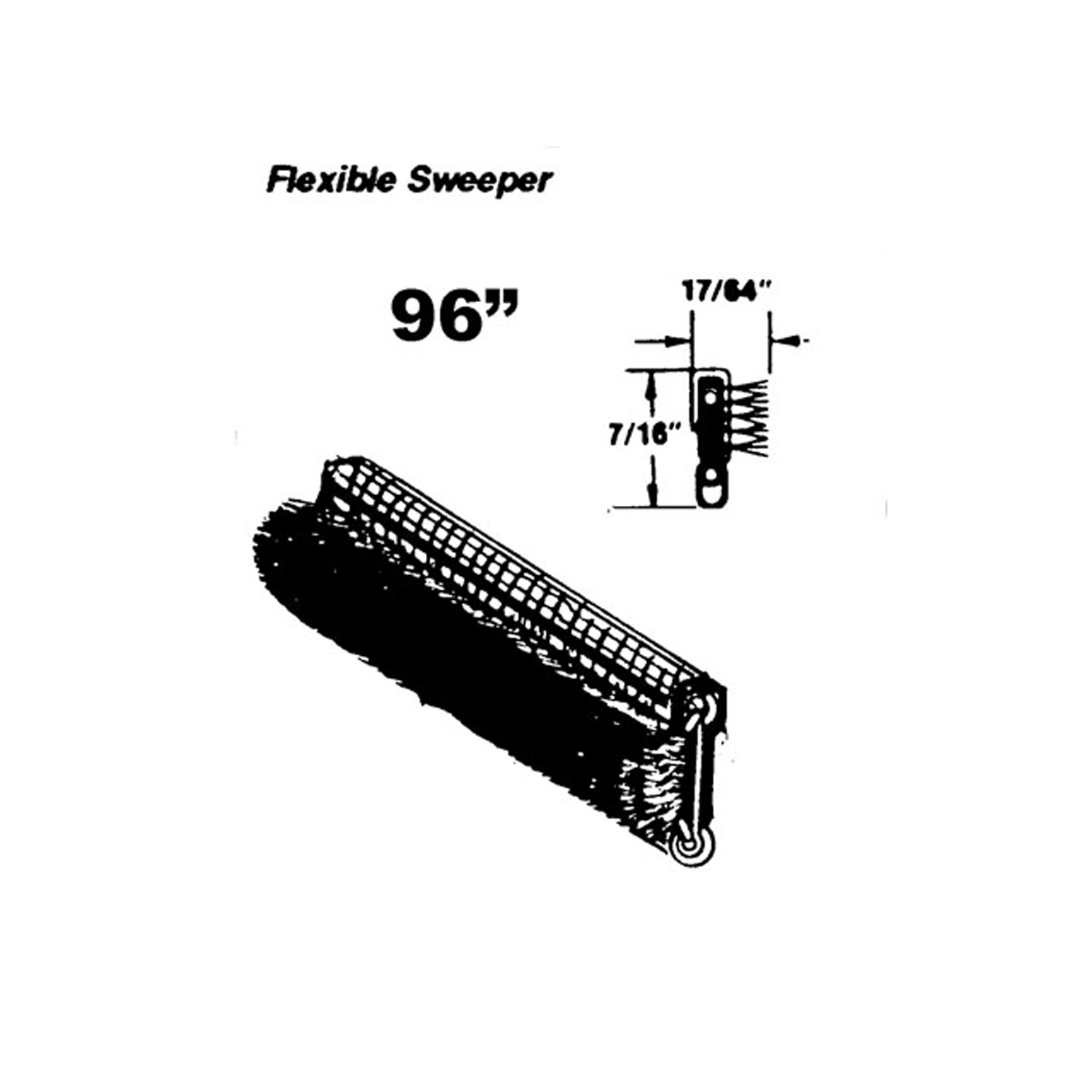 1956 Packard Patrician Flexible window sweeper-WC 5-96Flexible window sweeper. Made with black electro-plated steel. 96 in. long. Each. NOTE: $20 special shipping charge applies for domestic orders. Call or email for overseas shipping costs. Part can be sectioned in two or three equal lengths to reduce overseas shipping costs.
Why Choose Metro?
For over 100 years, Metro Moulded Parts has been the pinnacle of quality in classic car restoration parts. Our commitment to precision and authenticity in every component ensures a perfect fit and an OEM-level appearance.
- Expert Craftsmanship & Quality: Each part is a testament to our dedication to reliability and perfection, crafted from original designs and thoroughly tested.
- Advanced Technology: We use cutting-edge techniques to create flawless, long-lasting parts that surpass others in performance.
- SuperSoft Sponge – The Ultimate Door Seal: Not only are our door seals 30% softer than competitors', but they're also guaranteed to never leak. They effectively reduce wind and road noise, enhancing your classic car's comfort and driving experience.
- Proudly American: Our parts are a product of American craftsmanship, made in the USA with a spirit of excellence and heritage.
- Unrivaled Warranty: We back our products with a 30-year industry-leading warranty, a testament to our confidence in their quality.
Join us in preserving the legacy of classic cars with parts that are crafted for perfection, not just made.