
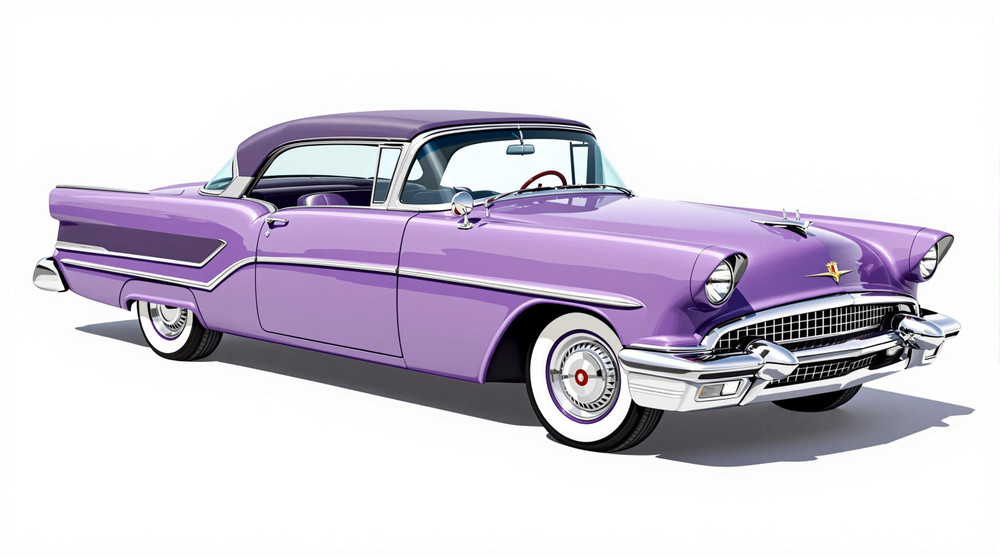
Image of 1957 Packard Clipper, Note: These illustrations use artistic license and may differ from actual historical models.
Performance Metrics
Fundamental Metrics
Emotional Appeal
MMP Rating
| Engine Specifications | |
|---|---|
| Engine: | 289 cu in (4.7 L) V8 |
| Displacement: | 289 cu in (4.7 L) |
| Horsepower: | 275 hp |
| Torque: | 333 lb-ft |
| Compression Ratio: | 8.5:1 |
| Ignition System: | Distributor and coil |
| Cooling System: | Liquid-cooled |
| Performance Specifications | |
| 0-60 Time: | Estimated 10 seconds |
| 1/4 Mile Time: | Estimated 16 seconds |
| Top Speed: | 120 mph |
| Transmission and Drive | |
| Drive Type: | Rear-wheel drive |
| Transmission Type: | 3-speed automatic |
| Fuel and Efficiency | |
| Fuel System Type: | Carburetor |
| MPG: | Estimated 10-12 mpg |
| Dimensions and Brakes | |
| Brakes: | Drum brakes |
| Wheelbase: | 120.5 inches |
| Weight: | 3,800 lbs |
Note: Specifications for classic cars are given to the best of our ability, considering the limited and variant data available.
1957 Packard Clipper: A Packard at a Crossroads
The 1957 Packard Clipper wore a famous luxury-car name on a very different kind of car. It was the product of a company fighting to keep Packard alive after its merger with Studebaker, and its story captures one of the most dramatic turning points in American automotive history.
Packard began building cars in 1899 and earned a reputation for engineering, craftsmanship, and prestige. The Clipper name first appeared in 1941, eventually becoming the marque’s mid-priced line. By 1957, however, Packard’s Detroit manufacturing operation had closed. The new Clipper was assembled in South Bend, Indiana, using a Studebaker platform and many Studebaker components, then distinguished with Packard-specific styling and trim.
That makes the 1957 Clipper both a genuine Packard and a departure from the large, Detroit-built Packards of earlier years. A striking fact for collectors: only about 4,800 Packards were built for 1957, making the Clipper a scarce sight today, even if it does not command the prices of the marque’s most celebrated prewar and postwar models.
Packard Styling on a Studebaker Foundation
The Clipper’s design team gave the Studebaker-based car a more formal, imposing face. A bold, upright grille, quad headlamps, substantial chrome trim, and Packard badging helped it stand apart from its South Bend relatives. At the rear, pronounced fins and revised trim gave the car the confident, late-1950s profile buyers expected from an American luxury automobile.
The proportions were necessarily more compact than those of a traditional full-size Packard. That difference is part of the car’s visual character: it has a long, ornamented front end and showy rear styling, but its underlying body is closer in scale to a Studebaker sedan than to Packard’s earlier senior models. The result can look striking from some angles and slightly unusual from others.
Inside, the Clipper offered a broad bench seat, a substantial dashboard, and brightwork intended to suggest a more expensive car. Upholstery and trim varied with model and equipment, with cloth, vinyl, and other period materials used in different combinations. Buyers could add comfort and convenience options such as power steering, power brakes, air conditioning, power windows, and a power seat, depending on the car’s specification.
Factory paint choices followed the colorful fashion of the period. Solid colors were available, while two-tone combinations, often pairing a contrasting roof or body section with the main color, were especially eye-catching. Exact color availability depended on model and production timing, so original paint codes are useful when authentic restoration matters.
The 1957 range was limited compared with Packard’s former broad lineup. It centered on a four-door sedan and a four-door station wagon, commonly identified as the Clipper Town Sedan and Clipper Country Sedan. There was no familiar two-door hardtop or convertible to carry on the glamorous image of earlier Packards. The sedan is the most recognizable version, while the wagon is a particularly distinctive and less frequently encountered choice.
Engineering and Historical Importance
The most important story behind the 1957 Clipper is not a breakthrough new chassis or engine. It is the way Studebaker-Packard tried to preserve the Packard name with limited resources. The company adapted an existing Studebaker platform rather than developing a costly, all-new Packard. That decision kept the marque in showrooms, but it also made the car’s origins obvious to buyers familiar with Studebaker.
Power came from Studebaker’s 289-cubic-inch V8. In standard form, it produced about 210 horsepower. A supercharged version was also available, rated at roughly 275 horsepower. Depending on the car, transmission choices included a manual gearbox or an automatic. This combination gave the Clipper respectable performance for its size, while sharing mechanical parts with Studebaker models helped control manufacturing and service costs.
In the wider history of American cars, the Clipper is a telling example of badge engineering: an existing car adapted with distinctive styling, trim, and a prestigious name. It did not set a new standard for automotive design, but it illustrates the difficult choices independent manufacturers faced as the Big Three grew more powerful. Its Studebaker-derived engineering also makes it a useful bridge between the two brands’ histories.
V8 Performance and Road Manners
There is no single universally quoted factory acceleration figure for every 1957 Clipper configuration, and performance varies with transmission, equipment, condition, and engine. As a practical estimate, a standard V8 car can reach 60 mph in roughly 10 to 12 seconds, with top speed around 105 to 110 mph. A supercharged example can be quicker, though the condition of its blower and engine is crucial to real-world results.
On the road, the Clipper feels like a 1950s American sedan: a wide bench seat, a relaxed driving position, and a soft suspension that takes the edge off ordinary bumps. It is more comfortable cruising on open roads than darting through tight corners. On a winding route, expect noticeable body lean and slower, less precise steering than in a modern car. Power steering, if fitted, makes low-speed maneuvering easier but does not turn the Clipper into a sports sedan.
The V8 delivers a low, familiar American rumble, and the supercharged version adds a more urgent response when the accelerator is pressed. The automatic is best enjoyed with an easy, steady driving style. Give the car room to stop, allow for its period braking and handling, and it rewards you with the unhurried, substantial feel of a late-1950s cruiser.
Living With a 1957 Clipper
Today, most Clippers are used as weekend drivers, show cars, or additions to Studebaker and Packard collections. A well-sorted example can handle local trips and relaxed touring, but it is not an ideal modern daily driver unless it has been carefully maintained and updated where appropriate.
Routine mechanical work is reasonably approachable for an experienced hobbyist. The Studebaker-derived V8 and many chassis components have a parts and knowledge network through the Studebaker community. The harder items are often Packard-specific: exterior trim, grille pieces, emblems, glass, interior details, and body panels. These can take patience to locate, and correct restoration may require specialist suppliers or donor parts.
Before buying, inspect the frame and body for corrosion, check the engine’s oil pressure and cooling system, and test the transmission carefully. On a supercharged car, verify that the blower is present, correctly installed, and functioning as it should. Documentation and clear identification of original components matter because many surviving cars have accumulated decades of repairs and substitutions.
Rare Details and Common Criticisms
The Clipper’s rarity is the headline statistic. Commonly cited production totals put all 1957 Packards at approximately 4,800 cars, though totals and model-by-model breakdowns can vary among references. The low number reflects the marque’s difficult position, not a limited-edition strategy.
The supercharged 289 is a notable specification, especially for enthusiasts interested in Studebaker performance engineering. It gives the Clipper a more unusual mechanical story than its conservative four-door appearance might suggest. The 1957 car also marks Packard’s transition from its own Detroit-built platform to a Studebaker-based product, a change that would shape the final years of the brand.
The most common criticism is that the car was not a traditional Packard in the way many buyers understood the name. Its smaller Studebaker foundation, limited body-style range, and conspicuous styling additions left some people seeing it as a Studebaker wearing Packard clothes. That criticism is part of its history, but it also explains why the car is fascinating to collectors now.
1957 Packard Clipper Values and Availability
Values depend heavily on condition, originality, body style, and equipment. As a broad current-market estimate, a project car may sell for about $5,000 to $12,000. A usable driver in presentable condition might fall in the $15,000 to $30,000 range, while a well-restored example can reach roughly $30,000 to $50,000. An exceptional, highly original, or rare supercharged car could sell for more, especially when supported by strong documentation.
These are guide ranges rather than guaranteed sale prices. The Clipper is uncommon, but rarity alone does not ensure a high value. Demand is narrower than for iconic Packard models such as the Caribbean, and buyers may factor in the expense of finding correct trim and body parts. Prices have generally been steady to gradually firmer for sound, well-presented cars, with the best examples most likely to appreciate. Rough projects remain difficult to justify unless the buyer values the restoration itself.
A Small Car With a Big Packard Story
The 1957 Packard Clipper combines a Studebaker V8 and platform with distinctive Packard styling, period comfort, and a place in the final chapter of Packard’s independent identity. It may not be the grandest Packard ever built, but it is one of the clearest reminders of how hard the company fought to survive.
For collectors, the Clipper’s appeal lies in that contrast: a scarce, unmistakably late-1950s car with a complicated heritage and a character all its own. It is not simply the Packard that came after the classics. It is the Packard that tells the story of what happened when an American legend reached a crossroads.
1957 Packard Clipper Catalog of Parts
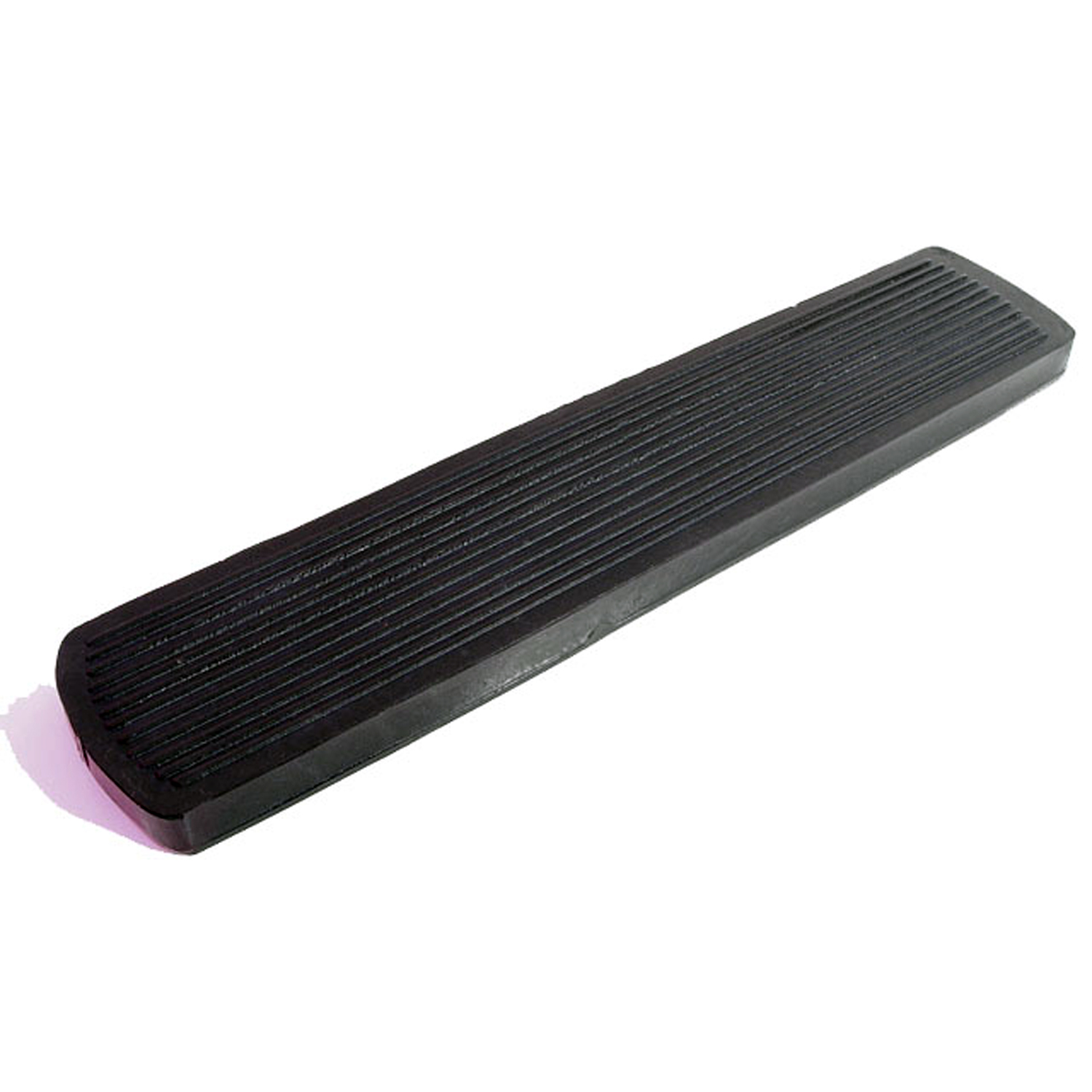 1957 Packard Clipper Accelerator Pedal Pad. 1-7/8" X 9-3/8", Each-AP 16Accelerator Pedal Pad. 1-7/8" X 9-3/8", Each
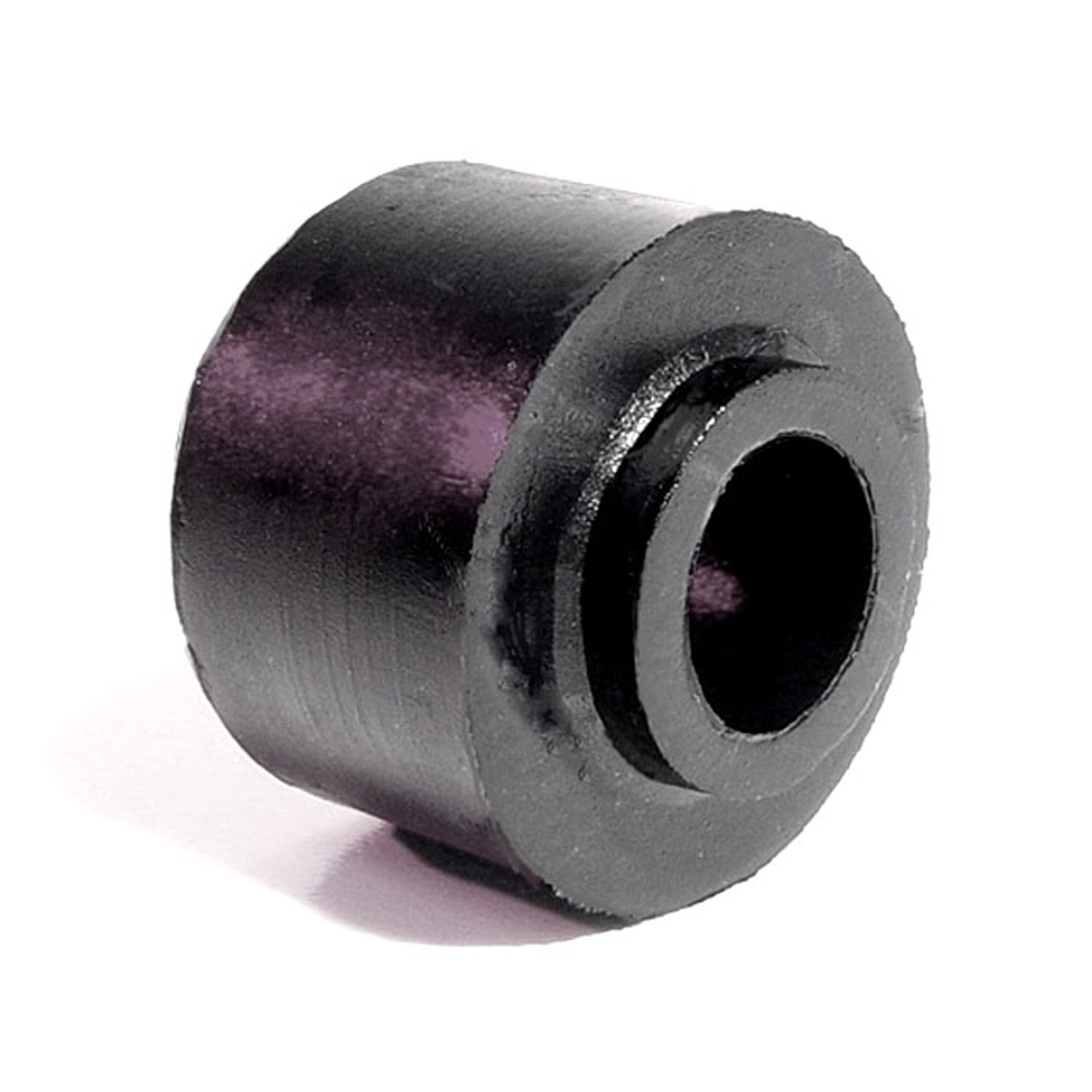 1957 Packard Clipper Shock Absorber Grommet. 1" bottom O.D., 3/4" high-BN 1Shock Absorber Grommet. 1" bottom O.D., 3/4" high., with 7/16" I.D. Each
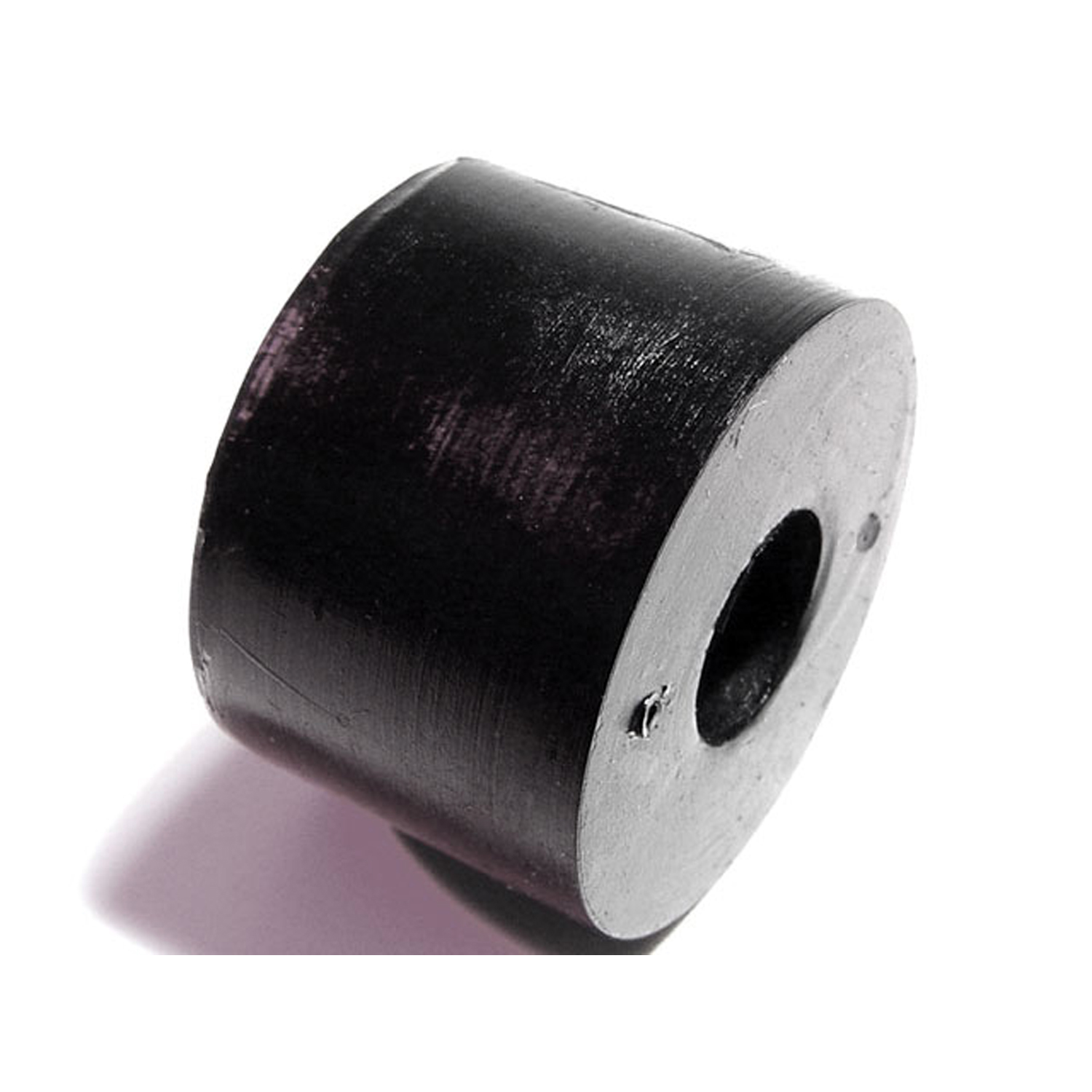 1957 Packard Clipper Shock Absorber Grommet. 1" bottom O.D., 5/8" high-BN 13Shock Absorber Grommet. 1" bottom O.D., 5/8" high., with 3/8" I.D. Each
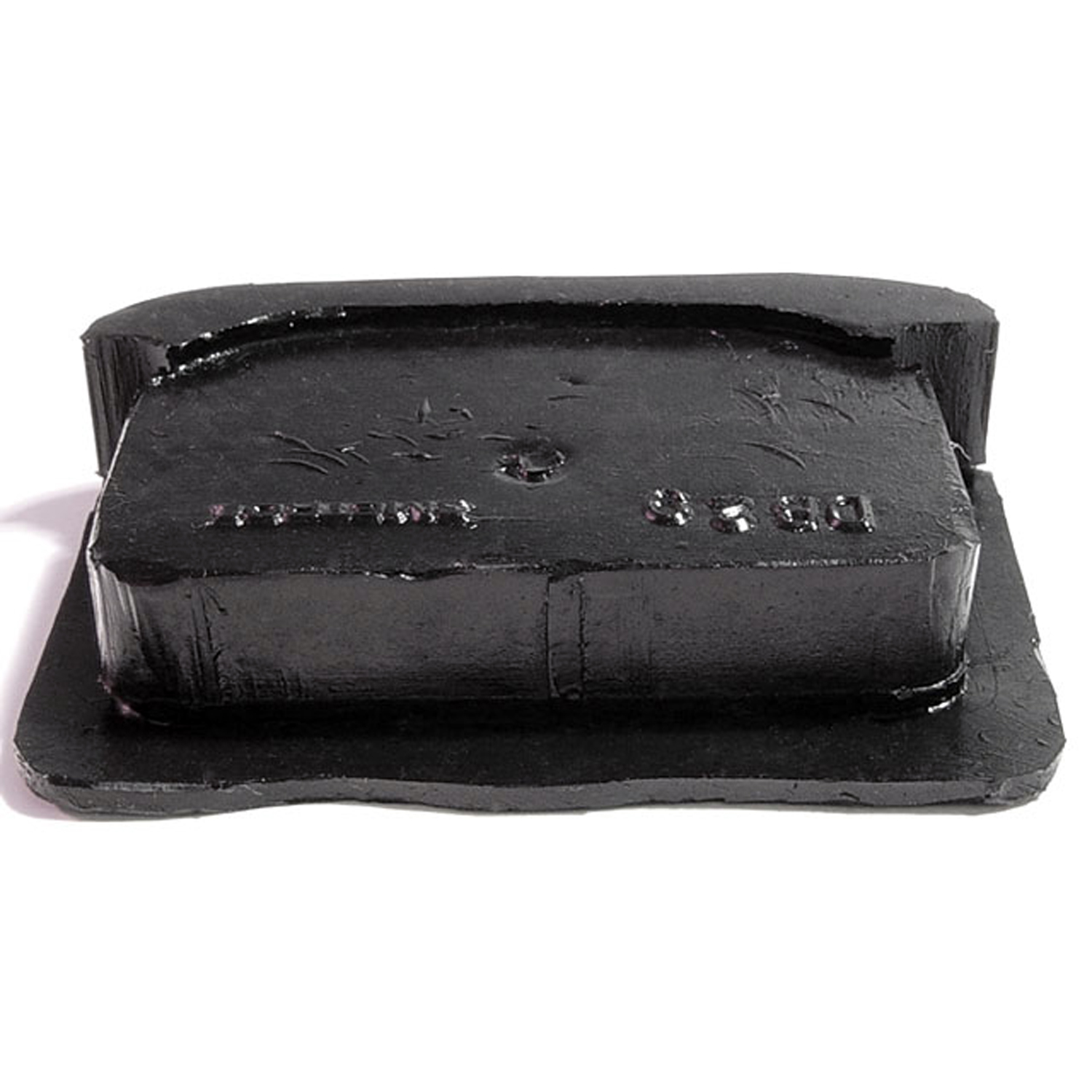 1957 Packard Clipper Door Bumper. 1-3/8" high X 2" wide X 1/2" thick. Each-DB 29Door Bumper. 1-3/8" high X 2" wide X 1/2" thick. Each
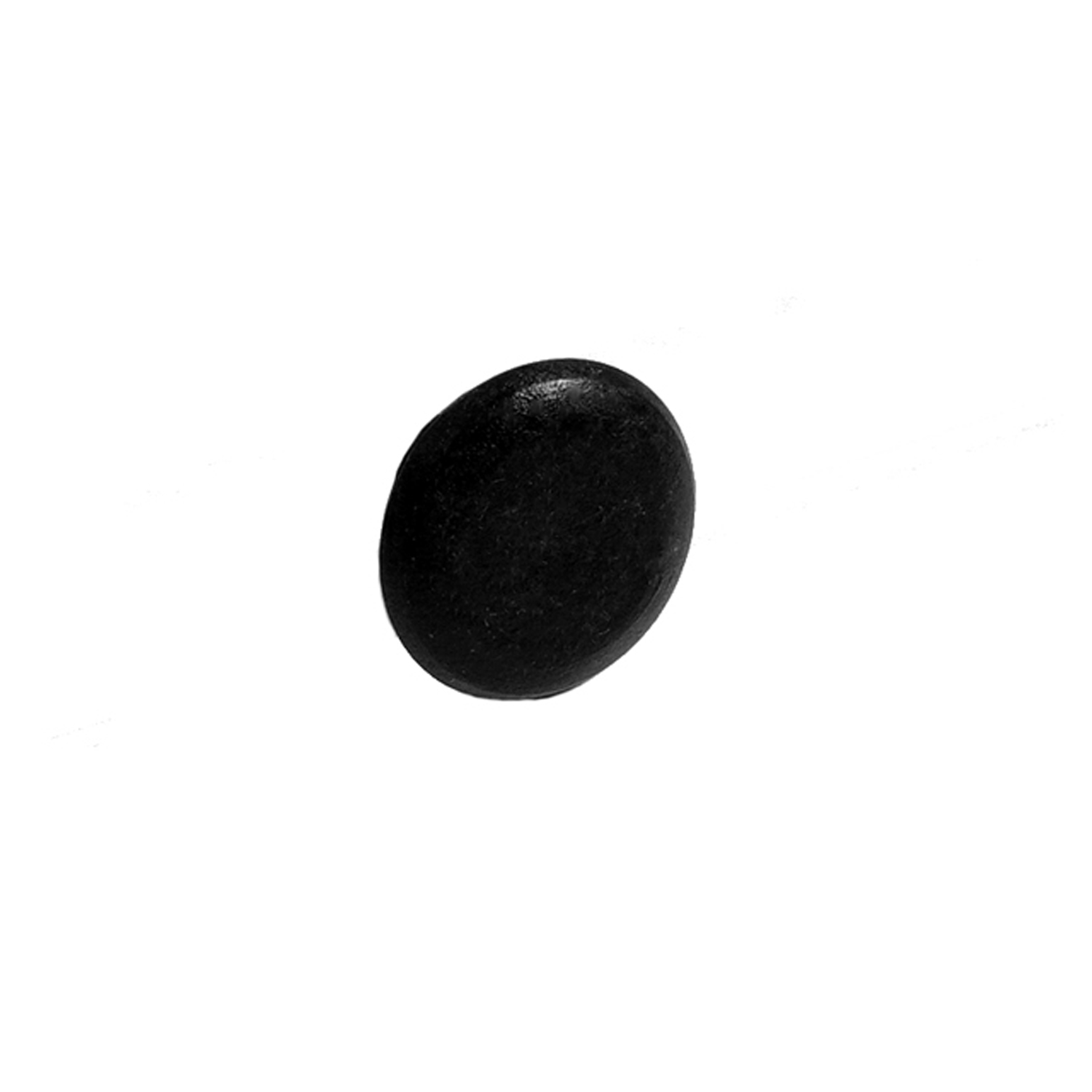 1957 Packard Clipper Trunk Bumper. 3/4" O.D., 5/8" I.D. Each-SB 74Trunk Bumper. 3/4" O.D., 5/8" I.D. Each
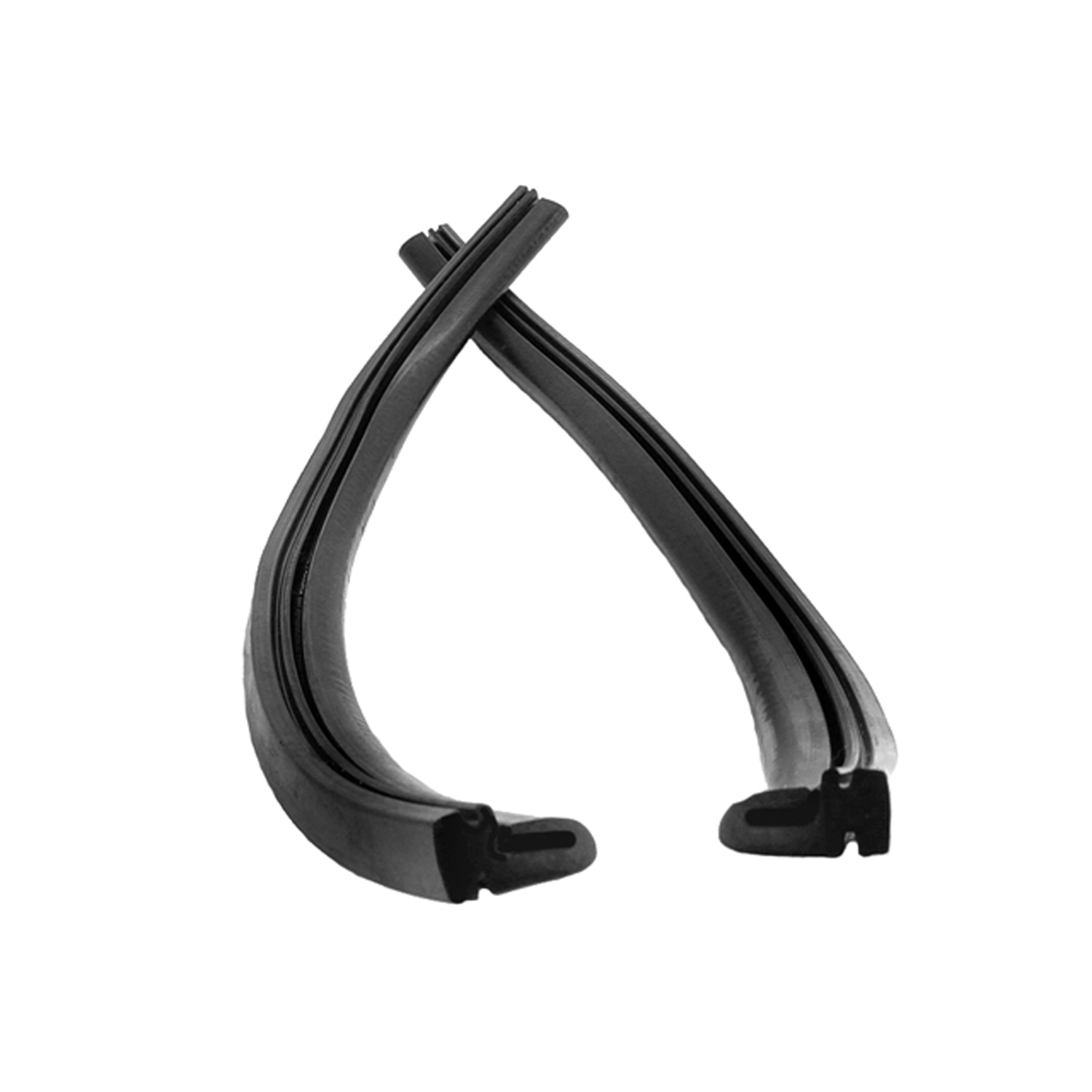 1957 Packard Clipper Rear Roll-up Window Seals, for Hardtops and Convertibles-VS 7Rear Roll-up Window Seals, for Hardtops and Convertibles. For leading edge of rear quarter windows. Two pieces, 17-3/4" long. Pair
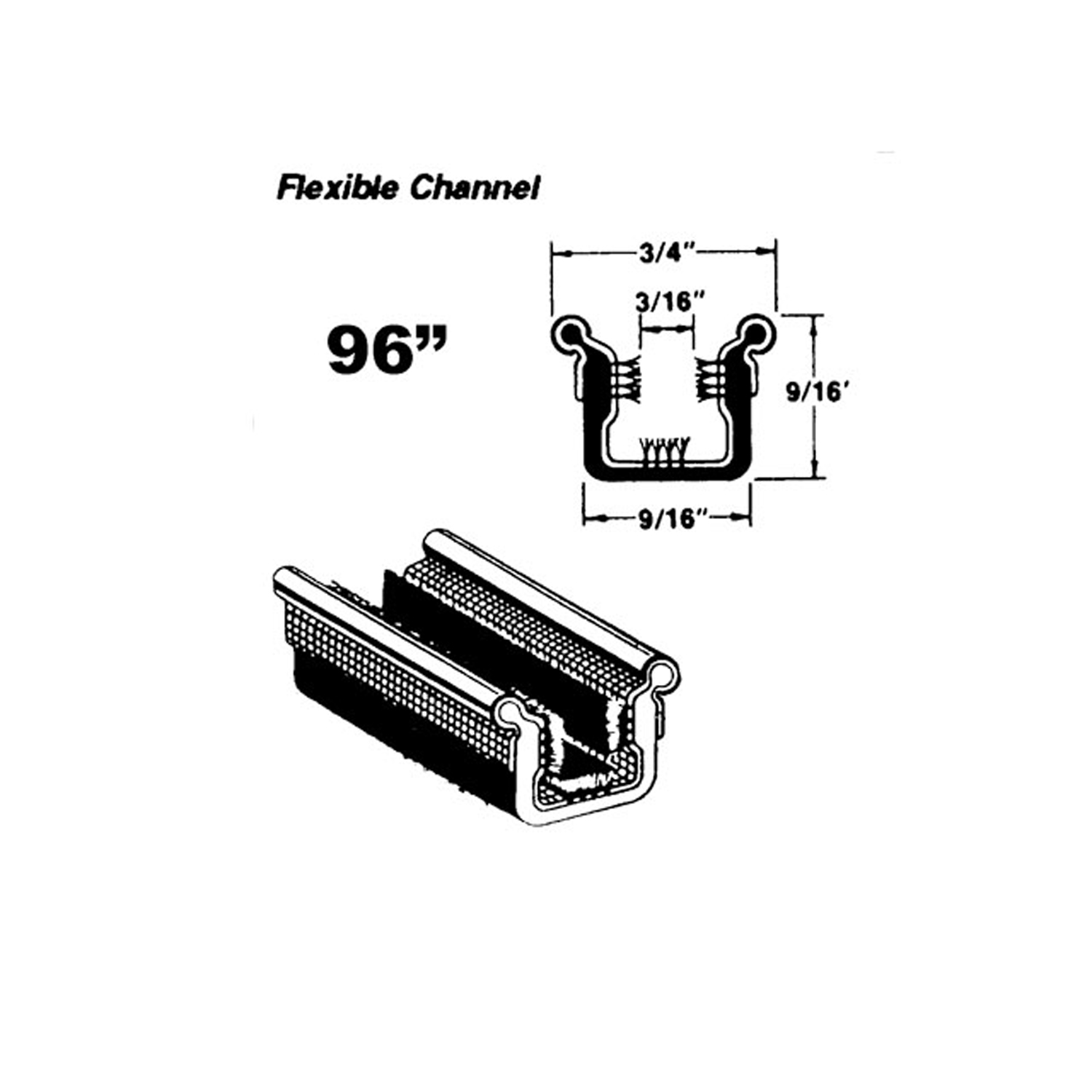 1957 Packard Clipper Flexible window channel-WC 10-96Flexible window channel. Rubber covered with mohair lining and stainless steel bead. 96 in. long. Each. NOTE: $20 special shipping charge applies for domestic orders. Call or email for overseas shipping costs. Part can be sectioned in two or three equal lengths to reduce overseas shipping costs.
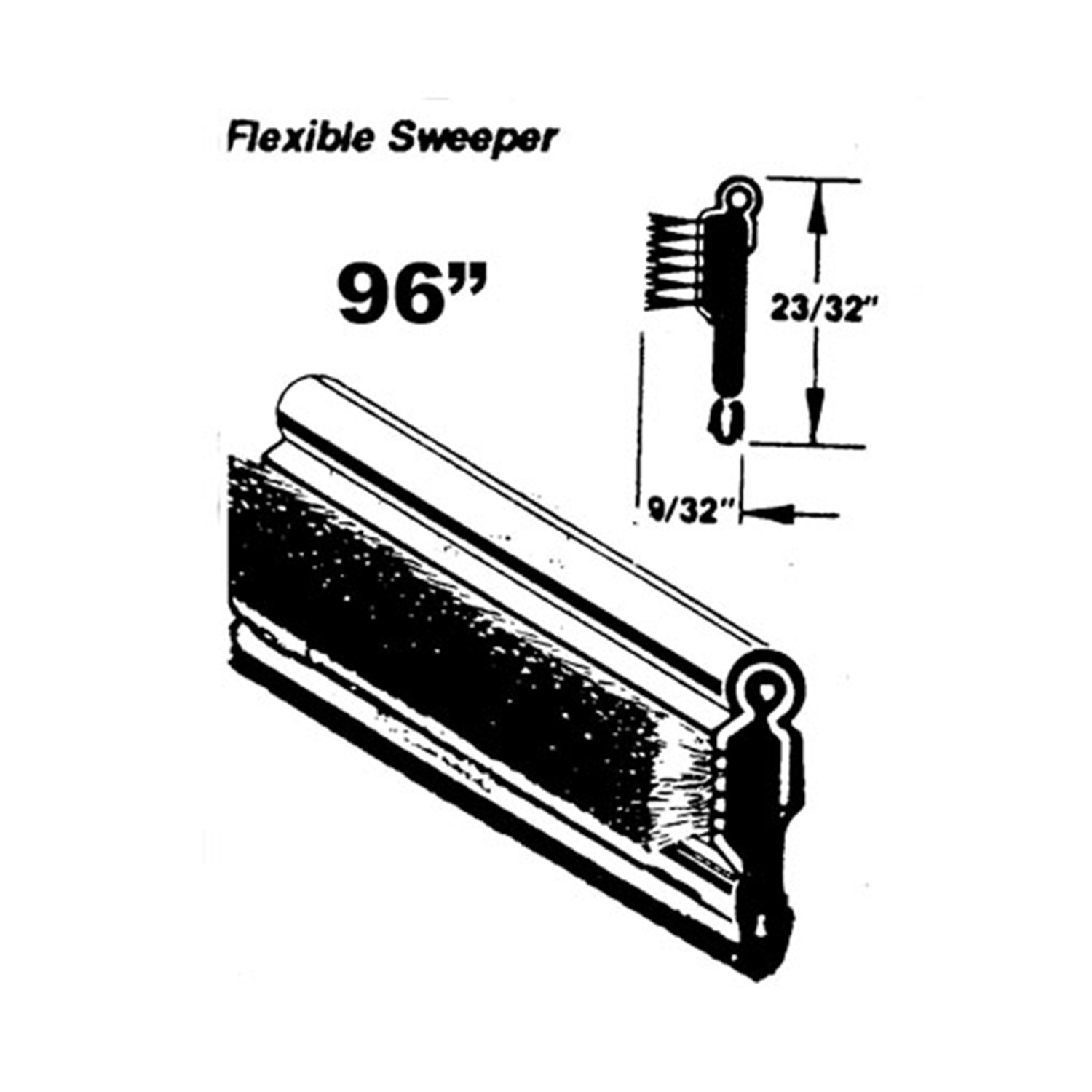 1957 Packard Clipper Flexible window sweeper. Made with stainless steel bead-WC 4-96Flexible window sweeper. Made with stainless steel bead. 96 in. long. Each. NOTE: $20 special shipping charge applies for domestic orders. Call or email for overseas shipping costs. Part can be sectioned in two or three equal lengths to reduce overseas shipping costs.
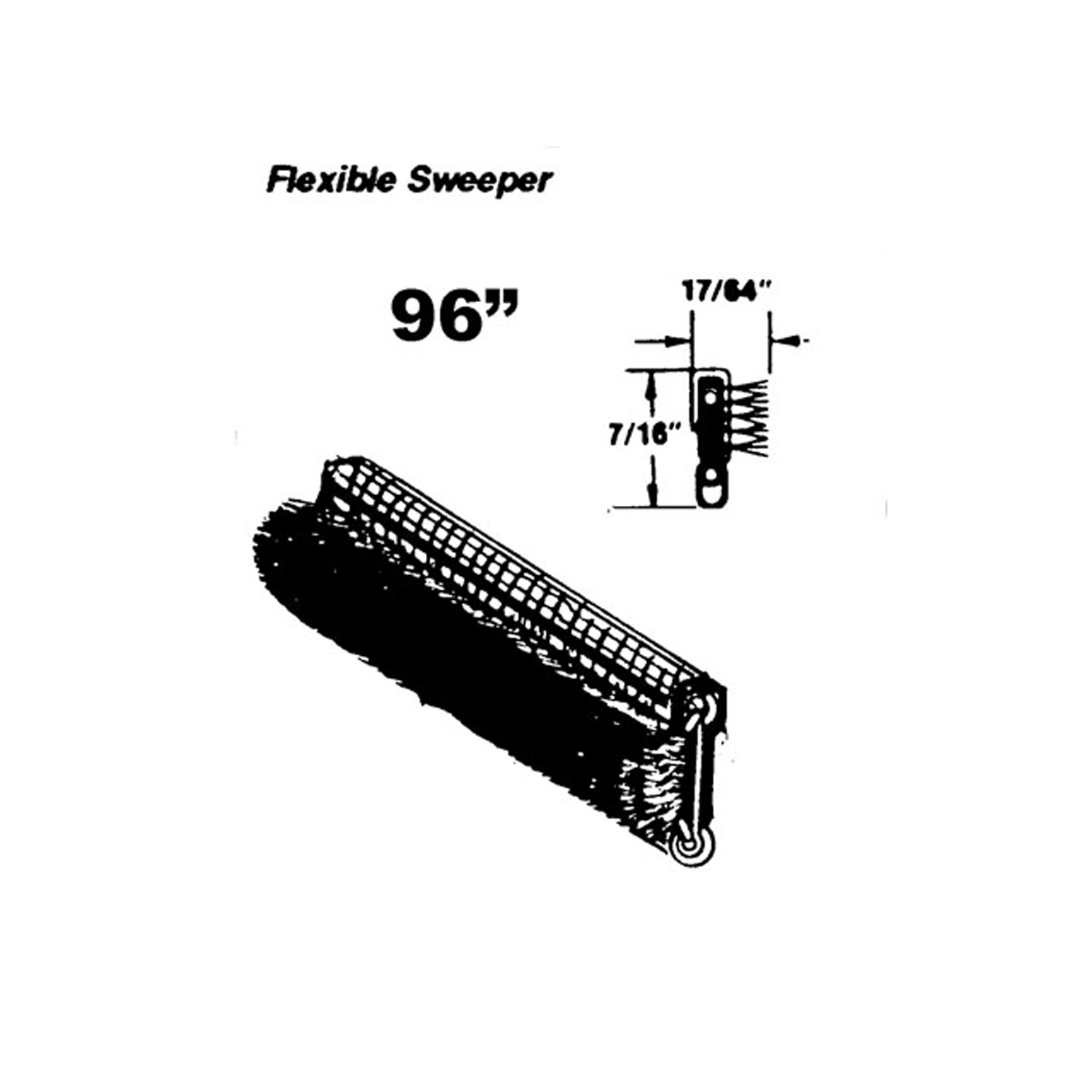 1957 Packard Clipper Flexible window sweeper-WC 5-96Flexible window sweeper. Made with black electro-plated steel. 96 in. long. Each. NOTE: $20 special shipping charge applies for domestic orders. Call or email for overseas shipping costs. Part can be sectioned in two or three equal lengths to reduce overseas shipping costs.
Why Choose Metro?
For over 100 years, Metro Moulded Parts has been the pinnacle of quality in classic car restoration parts. Our commitment to precision and authenticity in every component ensures a perfect fit and an OEM-level appearance.
- Expert Craftsmanship & Quality: Each part is a testament to our dedication to reliability and perfection, crafted from original designs and thoroughly tested.
- Advanced Technology: We use cutting-edge techniques to create flawless, long-lasting parts that surpass others in performance.
- SuperSoft Sponge – The Ultimate Door Seal: Not only are our door seals 30% softer than competitors', but they're also guaranteed to never leak. They effectively reduce wind and road noise, enhancing your classic car's comfort and driving experience.
- Proudly American: Our parts are a product of American craftsmanship, made in the USA with a spirit of excellence and heritage.
- Unrivaled Warranty: We back our products with a 30-year industry-leading warranty, a testament to our confidence in their quality.
Join us in preserving the legacy of classic cars with parts that are crafted for perfection, not just made.