

Image of 1958 Packard Hawk, Note: These illustrations use artistic license and may differ from actual historical models.
Performance Metrics
Fundamental Metrics
Emotional Appeal
MMP Rating
| Engine Specifications | |
|---|---|
| Engine: | Supercharged 289 CID V8 |
| Displacement: | 289 Cubic Inches (4.7 Liters) |
| Horsepower: | 275 HP |
| Torque: | 333 lb-ft |
| Compression Ratio: | 8.5:1 |
| Ignition System: | Distributor and coil |
| Cooling System: | Water-cooled |
| Performance Specifications | |
| 0-60 Time: | 12 seconds |
| 1/4 Mile Time: | 18 seconds |
| Top Speed: | 125 mph |
| Transmission and Drive | |
| Drive Type: | Rear-wheel drive |
| Transmission Type: | 3-speed automatic |
| Fuel and Efficiency | |
| Fuel System Type: | Carburetor |
| MPG: | 14-16 MPG |
| Dimensions and Brakes | |
| Brakes: | Drum brakes |
| Wheelbase: | 120.5 inches |
| Weight: | 3,440 lbs |
Note: Specifications for classic cars are given to the best of our ability, considering the limited and variant data available.
1958 Packard Hawk: The Last Great Packard Statement
The 1958 Packard Hawk arrived with a supercharged V8, a dramatic fiberglass nose and a name carrying more than half a century of prestige. It was built by Studebaker-Packard Corporation in South Bend, Indiana, at a moment when the Packard brand was fighting for survival. Just 588 were produced, making this bold luxury-performance coupe both a memorable farewell and one of the rarest Packard-badged cars of the postwar era.
By 1958, Packard was no longer building cars on its own dedicated platform. After the 1954 merger with Studebaker and the closure of Packard’s Detroit production facilities, the company’s final Packard-branded models were based on Studebaker engineering. The Hawk was the most flamboyant of the 1958 Packard lineup, and it became the last production automobile to wear the Packard name.
Its unusual mix of heritage and borrowed bones is part of its appeal. Under the Packard-specific styling was a Studebaker Hawk, but the bold front treatment and powerful engine gave the car a character all its own. The Packard Hawk was not a new platform so much as a striking final interpretation of what the brand could still be.
Distinctive Hawk Styling and Cabin
The Packard Hawk is hard to mistake for its Studebaker relatives. Its long hood leads to a broad, upright grille framed by a sculpted fiberglass nose section. A hood scoop adds a purposeful touch, while the front end’s heavy chrome and squared-off shapes give the car a formal, almost imposing expression. Along the sides, gold-toned panels and Packard Hawk emblems provide a dramatic contrast with the body color. At the rear, a raised trunk-lid treatment evokes the continental spare-tire styling popular in the period.
Inside, the Hawk aimed for a more luxurious atmosphere than an ordinary sport coupe. The cabin featured leather upholstery, a full-width dashboard, deep carpeting and polished trim. The seating position is low and relaxed, with a broad view over the long hood. The dashboard design is distinctly late-1950s: decorative, substantial and more focused on style than on the minimalist layouts that would become fashionable later.
Power equipment and convenience features could include items such as power steering, power brakes, power windows and air conditioning, depending on the car’s original specification. Automatic transmission was available, while a three-speed manual and overdrive gave buyers a more involved alternative. Equipment varies from car to car today, so a collector should verify the factory build information and inspect what remains with the vehicle.
Black, white and turquoise or blue-toned finishes are among the colors associated with the Hawk. The gold side panels are the visual signature, making a contrasting body color especially effective. The Packard Hawk came in one body style only: a two-door hardtop coupe. There was no convertible or sedan version, and that single, dramatic configuration is the one collectors seek.
Packard’s Final Performance Car
The Hawk’s significance goes beyond its rarity. It represents the final effort to preserve Packard’s identity through a combination of Studebaker engineering and Packard-specific design. That approach was a practical response to financial and manufacturing pressures, but it also left the car with an unusual place in American automotive history: a premium model carrying a historic marque’s name on a platform shared with another manufacturer.
Its supercharged V8 made the car stand apart from many luxury coupes of the period. Rather than relying on size and ornament alone, Packard gave the Hawk genuine performance credentials. The supercharger, hood scoop and assertive styling suggested a high-speed grand touring car, even as the model’s low production numbers reflected the difficult market facing Studebaker-Packard.
The Packard Hawk did not establish a long-running design lineage, and it was not a mass-market success. Its lasting influence is instead tied to its role as a final chapter in the Packard story. Today, it captures the tension between brand prestige and industrial reality that shaped American carmaking in the late 1950s.
Supercharged V8 Performance and Road Manners
Power came from a Studebaker-built 289-cubic-inch V8 fitted with a McCulloch centrifugal supercharger. Factory ratings were about 275 horsepower, with torque commonly quoted at approximately 333 lb-ft. That is a substantial figure for a late-1950s personal luxury coupe, and it gave the Hawk strong acceleration for its day. Period performance figures vary, but a 0-to-60-mph time in the neighborhood of eight seconds and a top speed around 120 to 125 mph are reasonable estimates for a properly tuned car.
The supercharger adds a distinctive character to the engine’s delivery. There is a deep V8 rumble at idle, followed by a rising mechanical whine as the blower comes on boost. Acceleration feels more forceful as engine speed builds, rather than arriving as one sharp burst. The car is at its best cruising quickly on open roads, where its long hood, comfortable cabin and strong passing power suit the grand touring role.
Underneath, the Hawk uses conventional period hardware: a body-on-frame construction, independent front suspension, a live rear axle and drum brakes. The ride is composed on smooth highways, but rough pavement can reveal the limits of its older suspension design. On winding roads, it feels substantial rather than nimble, with body roll and less precise steering than a modern sports coupe. Optional power steering helps at low speeds, while careful braking and extra stopping distance are sensible on any vintage drum-brake car.
Driving one is a hands-on experience. The steering, throttle and brakes communicate through older, less assisted controls, and the driver has to plan ahead more than in a contemporary car. A well-maintained example can be enjoyable and surprisingly brisk, but it is not a modern performance machine. Its charm lies in the soundtrack, the supercharger’s boost and the sense of piloting a rare piece of American motoring history.
Living With a 1958 Packard Hawk
Most Packard Hawks today are collector cars, show vehicles or occasional weekend drivers rather than everyday transportation. Their rarity, age and specialized trim make regular commuting a risky proposition, especially if the car is highly original or freshly restored. A carefully sorted example can certainly be driven, but it deserves sympathetic use and a maintenance routine suited to a 1950s performance car.
Many mechanical parts are related to Studebaker components, which can make routine service less daunting than the Packard name might suggest. Engine, chassis and drivetrain work is manageable for a capable classic-car mechanic, and owners’ clubs and marque specialists can be valuable sources of advice. The more challenging items are often Packard Hawk-specific parts: fiberglass nose pieces, trim, emblems, interior details and correct exterior panels. Those pieces may take patience and specialist knowledge to locate or restore.
Before buying, pay particular attention to rust in the frame and body, the condition of the fiberglass front section, the supercharger and its drive system, and the completeness of the gold side trim. Check that the engine and transmission match the car’s documented specification where possible. A bargain purchase can quickly become expensive if major trim or restoration work is needed.
Rare Facts and Common Criticisms
Only 588 Packard Hawks were built for the 1958 model year, a production figure that makes the car substantially rarer than familiar American coupes of the same era. It was a single-year model and the final Packard-badged production car, giving it an automatic place in the closing chapter of the marque’s history.
The Hawk was not known for a major speed record, racing victory or endurance achievement. Its notable distinction is its combination of rarity, supercharged performance and historical timing. It was launched as the Packard name was nearing the end of its production life, so its story is more closely connected to the company’s last stand than to competition success.
Common criticisms include the car’s heavy, highly ornamented styling, its relationship to the Studebaker Hawk platform and the difficulty of finding model-specific parts. Some observers see the fiberglass nose and gold side panels as over the top. Others consider those very details the reason the car remains unforgettable. Neither view changes the Hawk’s unusual position as a Packard with genuine performance hardware and a short, dramatic production run.
Collector Value and Market Outlook
As a broad current-market estimate, a Packard Hawk needing substantial work might sell for roughly $20,000 to $35,000. A sound, usable driver could fall around $35,000 to $60,000, while a well-restored or exceptionally original example may bring approximately $60,000 to $90,000 or more. These are guide ranges rather than fixed prices: condition, originality, restoration quality, documentation and the availability of rare trim can make a significant difference.
With only 588 built, the Packard Hawk is rare, but it is not impossible to find through marque clubs, specialist dealers and classic-car auctions. Buyers should expect fewer examples to appear than they would for more common Studebaker Hawks, and the best cars can attract strong interest from Packard and Studebaker collectors alike.
Values have generally benefited from the car’s rarity and its status as the final Packard, although the market is relatively specialized and prices can vary widely. Well-documented, correctly restored cars are the strongest candidates for long-term appreciation. Cars needing complicated restoration may be less attractive because scarce Hawk-specific parts can make repair costs climb quickly. In short, its value is supported by history and scarcity, but condition remains crucial.
Why the Packard Hawk Still Matters
The 1958 Packard Hawk combined a supercharged 289 V8, bold one-off styling and a luxury-minded cabin in a rare two-door hardtop. It was built on Studebaker foundations, yet its distinctive nose, gold side panels and Packard identity made it something more than a badge-engineered footnote. With just 588 produced, it stands as both a collectible performance coupe and the final production car to carry one of America’s most storied automotive names.
The Packard Hawk could not rescue the marque, but it gave Packard a memorable sendoff: loud, lavish and unapologetically different. More than six decades later, that final burst of ambition is exactly what makes it worth remembering.
1958 Packard Hawk Catalog of Parts
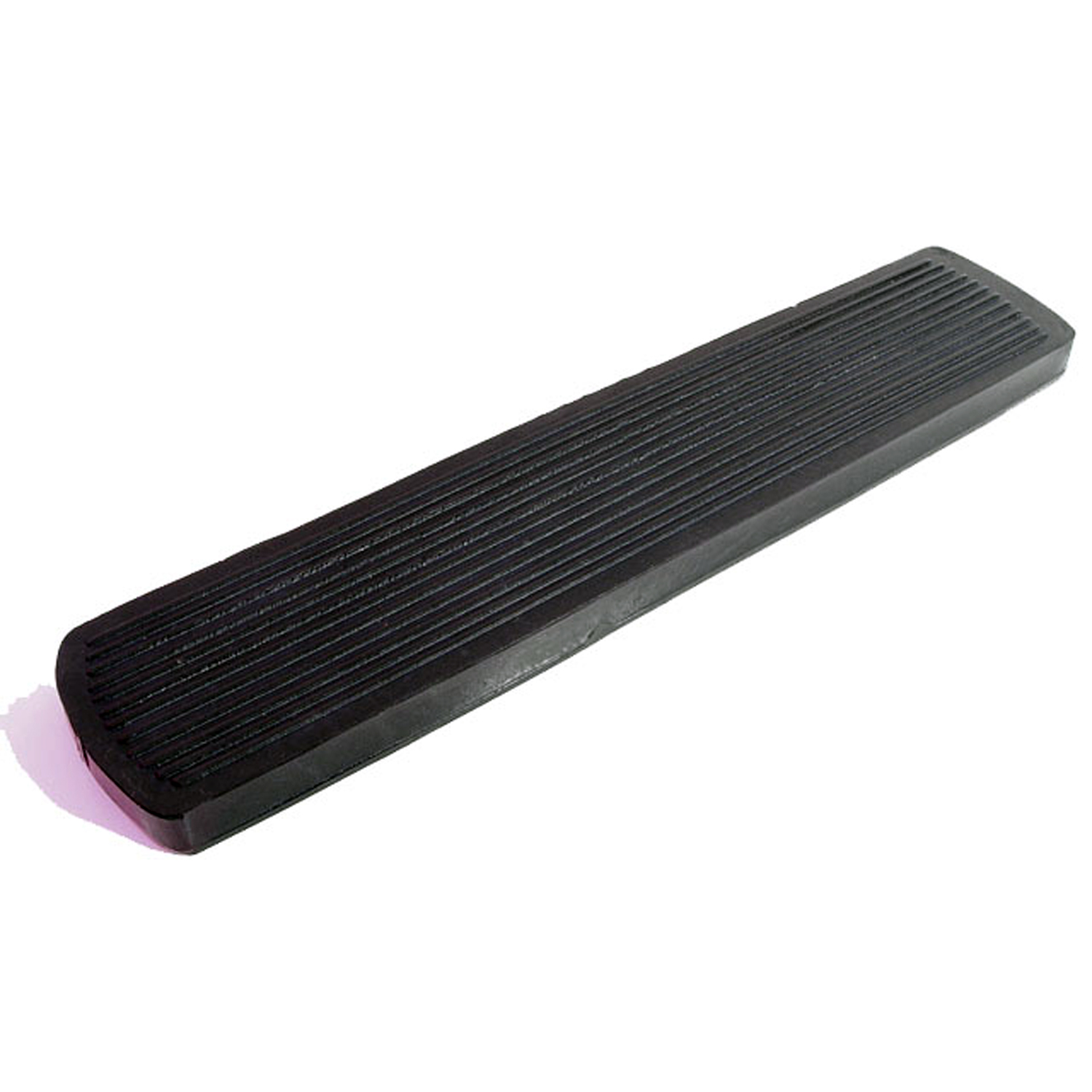 1958 Packard Hawk Accelerator Pedal Pad. 1-7/8" X 9-3/8", Each-AP 16Accelerator Pedal Pad. 1-7/8" X 9-3/8", Each
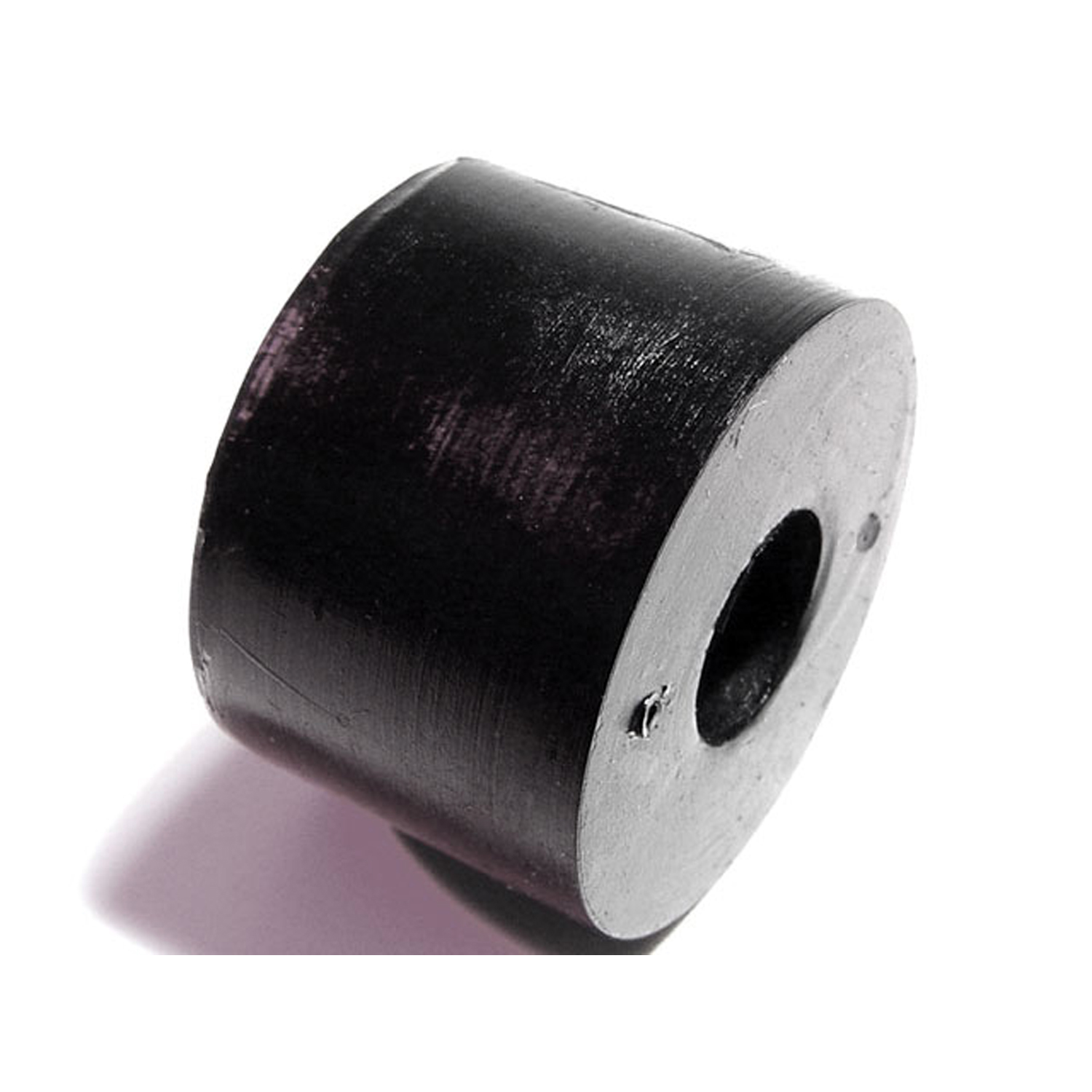 1958 Packard Hawk Shock Absorber Grommet. 1" bottom O.D., 5/8" high-BN 13Shock Absorber Grommet. 1" bottom O.D., 5/8" high., with 3/8" I.D. Each
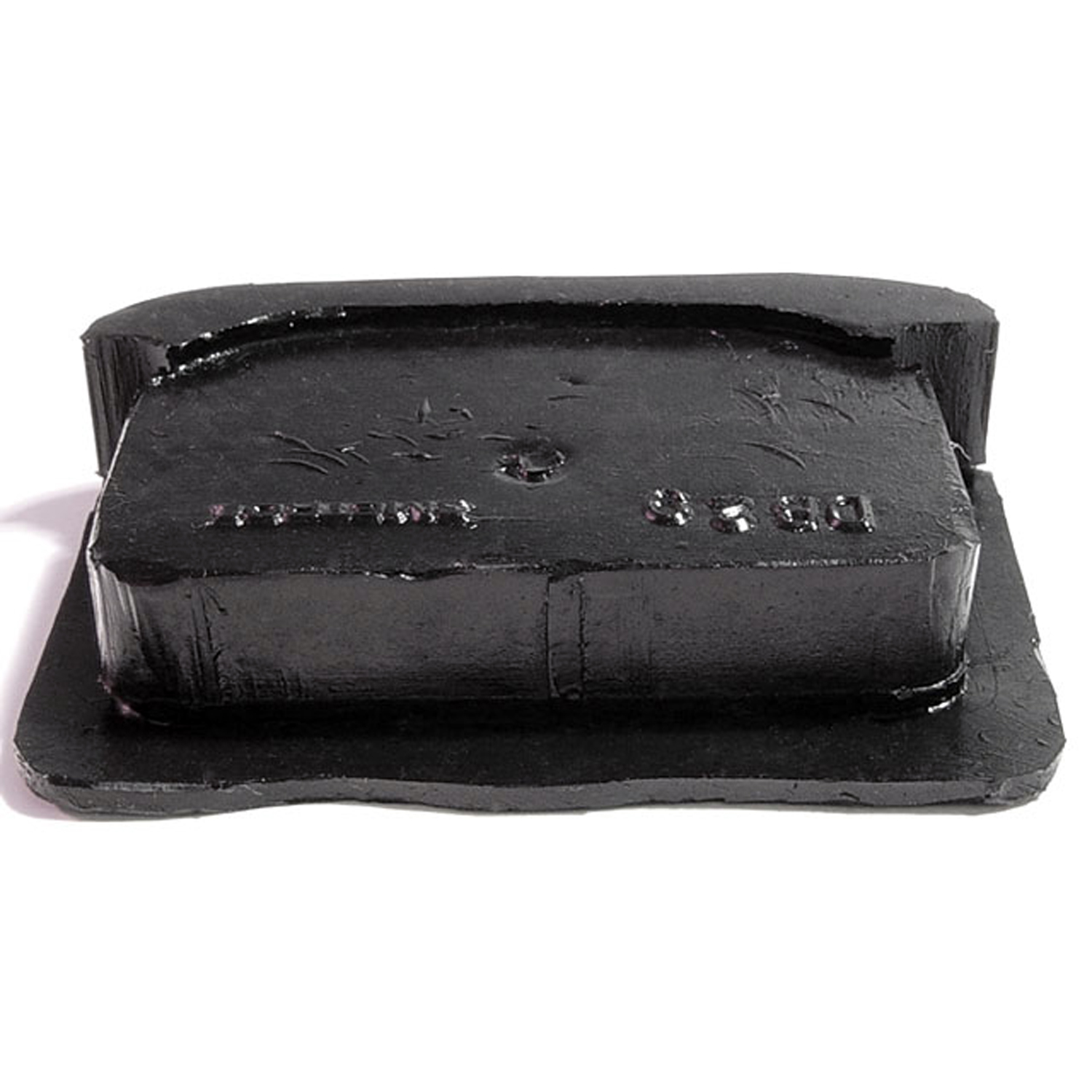 1958 Packard Hawk Door Bumper. 1-3/8" high X 2" wide X 1/2" thick. Each-DB 29Door Bumper. 1-3/8" high X 2" wide X 1/2" thick. Each
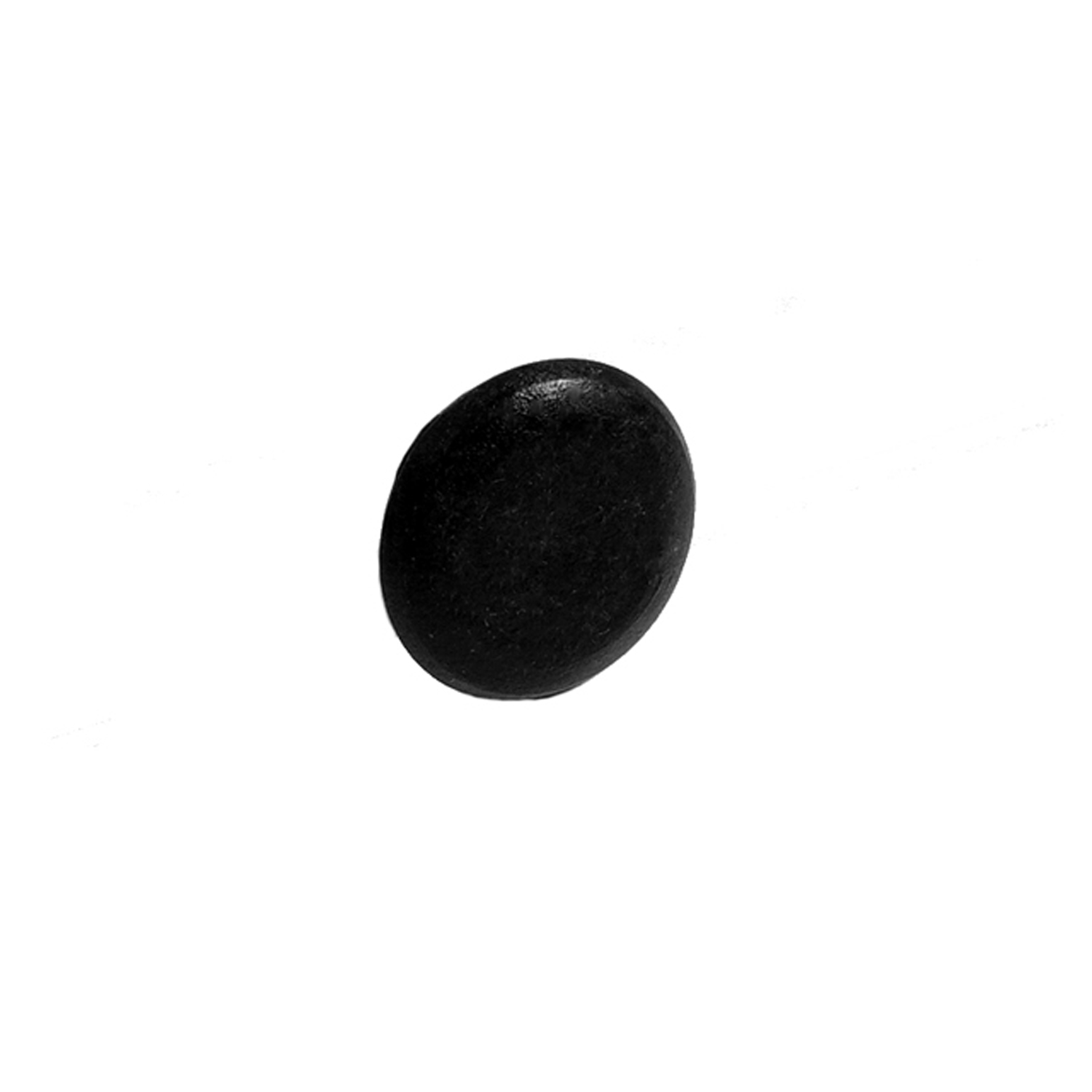 1958 Packard Hawk Trunk Bumper. 3/4" O.D., 5/8" I.D. Each-SB 74Trunk Bumper. 3/4" O.D., 5/8" I.D. Each
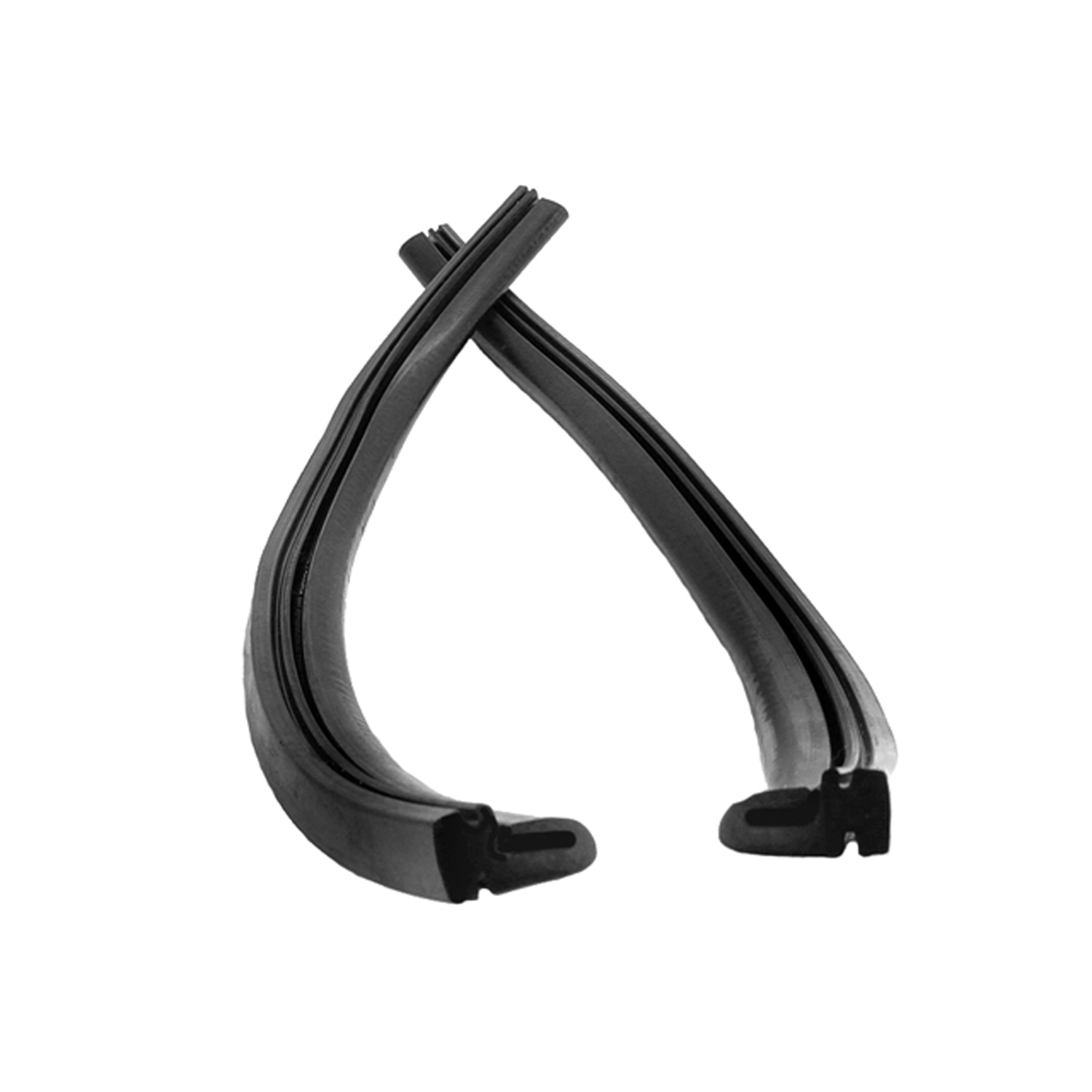 1958 Packard Hawk Rear Roll-up Window Seals, for Hardtops and Convertibles-VS 7Rear Roll-up Window Seals, for Hardtops and Convertibles. For leading edge of rear quarter windows. Two pieces, 17-3/4" long. Pair
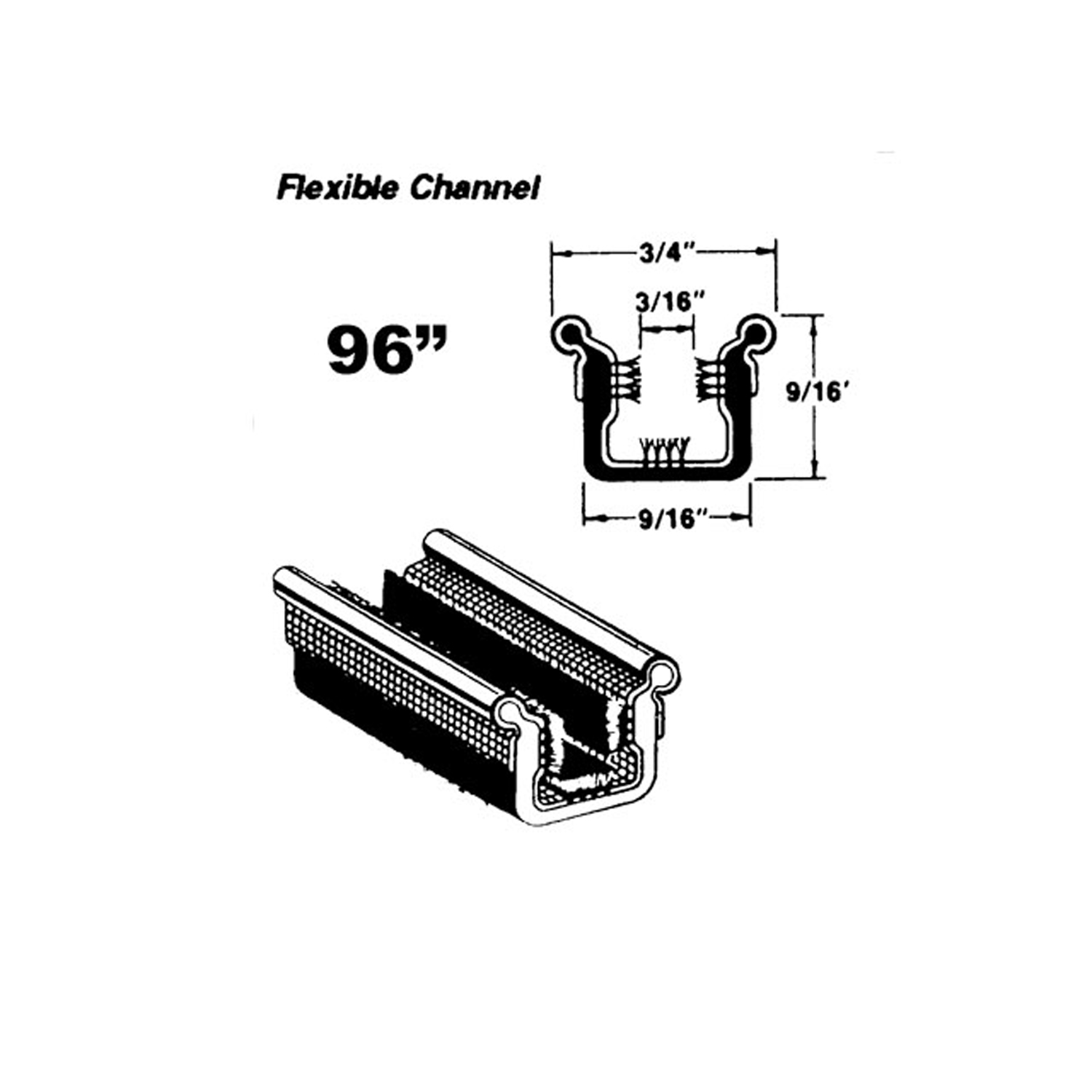 1958 Packard Hawk Flexible window channel-WC 10-96Flexible window channel. Rubber covered with mohair lining and stainless steel bead. 96 in. long. Each. NOTE: $20 special shipping charge applies for domestic orders. Call or email for overseas shipping costs. Part can be sectioned in two or three equal lengths to reduce overseas shipping costs.
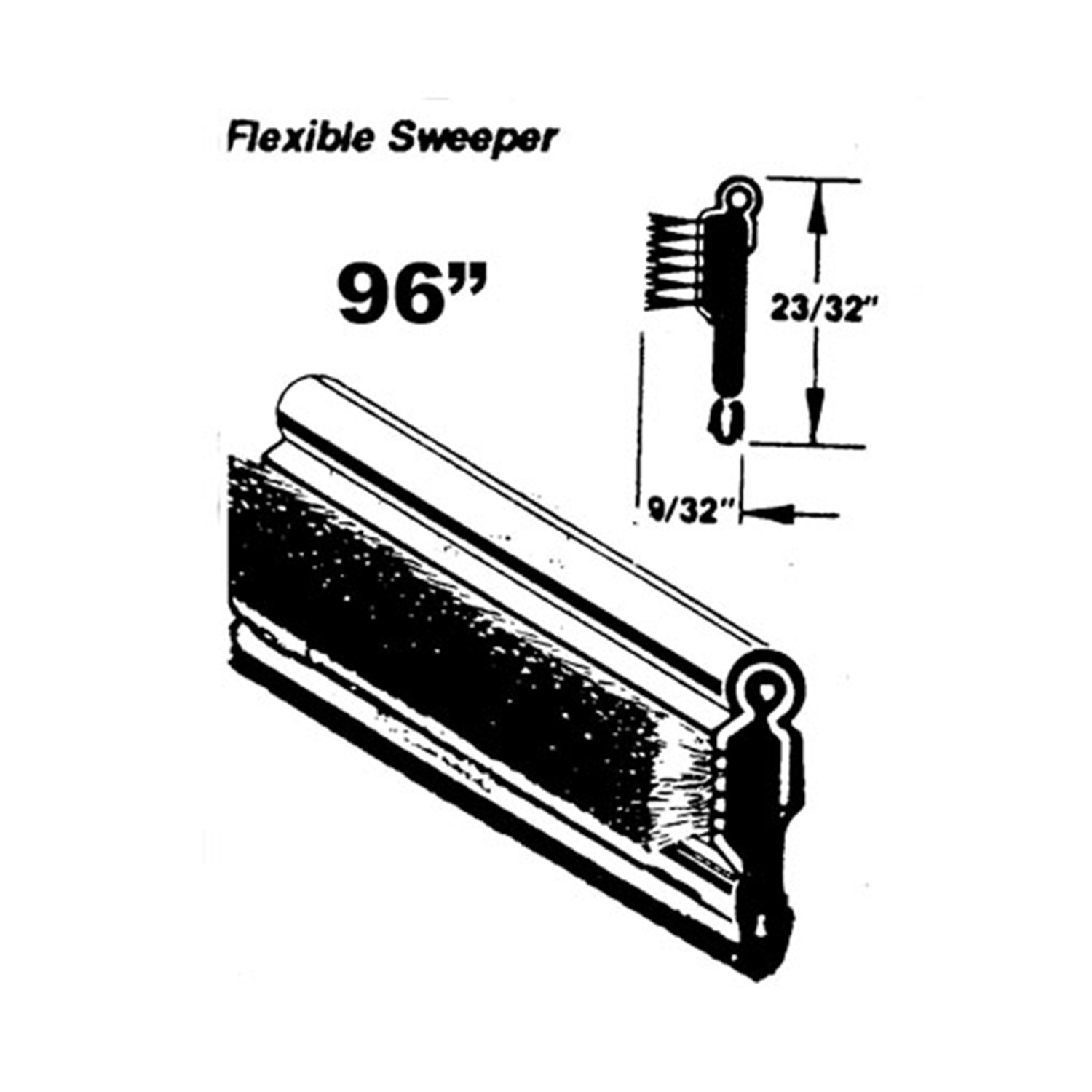 1958 Packard Hawk Flexible window sweeper. Made with stainless steel bead-WC 4-96Flexible window sweeper. Made with stainless steel bead. 96 in. long. Each. NOTE: $20 special shipping charge applies for domestic orders. Call or email for overseas shipping costs. Part can be sectioned in two or three equal lengths to reduce overseas shipping costs.
Why Choose Metro?
For over 100 years, Metro Moulded Parts has been the pinnacle of quality in classic car restoration parts. Our commitment to precision and authenticity in every component ensures a perfect fit and an OEM-level appearance.
- Expert Craftsmanship & Quality: Each part is a testament to our dedication to reliability and perfection, crafted from original designs and thoroughly tested.
- Advanced Technology: We use cutting-edge techniques to create flawless, long-lasting parts that surpass others in performance.
- SuperSoft Sponge – The Ultimate Door Seal: Not only are our door seals 30% softer than competitors', but they're also guaranteed to never leak. They effectively reduce wind and road noise, enhancing your classic car's comfort and driving experience.
- Proudly American: Our parts are a product of American craftsmanship, made in the USA with a spirit of excellence and heritage.
- Unrivaled Warranty: We back our products with a 30-year industry-leading warranty, a testament to our confidence in their quality.
Join us in preserving the legacy of classic cars with parts that are crafted for perfection, not just made.