

Image of 1958 Packard Series 58l, Note: These illustrations use artistic license and may differ from actual historical models.
Performance Metrics
Fundamental Metrics
Emotional Appeal
MMP Rating
| Engine Specifications | |
|---|---|
| Engine: | 289 cu in (4.7 L) V8 |
| Displacement: | 289 cu in (4.7 L) |
| Horsepower: | 225 hp |
| Torque: | 305 lb-ft |
| Compression Ratio: | 8.25:1 |
| Ignition System: | Distributor and coil |
| Cooling System: | Liquid-cooled |
| Performance Specifications | |
| 0-60 Time: | Estimated 10-12 seconds |
| 1/4 Mile Time: | Estimated 17-19 seconds |
| Top Speed: | 115 mph |
| Transmission and Drive | |
| Drive Type: | Rear-wheel drive |
| Transmission Type: | 3-speed automatic |
| Fuel and Efficiency | |
| Fuel System Type: | Carburetor |
| MPG: | Estimated 10-12 mpg |
| Dimensions and Brakes | |
| Brakes: | Drum brakes |
| Wheelbase: | 122.5 in |
| Weight: | 3,800 lbs |
Note: Specifications for classic cars are given to the best of our ability, considering the limited and variant data available.
1958 Packard Series 58L: The Last Sedan from Packard
The 1958 Packard Series 58L arrived at the end of one of America’s grandest automotive stories. It was a full-size, four-door sedan carrying a famous name, but beneath its Packard badges it was closely related to a Studebaker President. That combination makes the 58L both a practical late-1950s family car and a fascinating symbol of Packard’s struggle to survive.
Packard Motor Car Company began in Detroit in 1899 and built its reputation on engineering, refinement, and luxury. By the late 1950s, however, the independent automaker was under intense financial pressure. After its 1954 merger with Studebaker, the company had limited resources for developing a completely new Packard. The 1958 cars were therefore adapted from Studebaker models and assembled in South Bend, Indiana.
The Series 58L was the sedan in Packard’s final model-year lineup. The range also included the distinctive Packard Hawk, a sporty two-door derived from the Studebaker Golden Hawk. The sedan is less theatrical than the Hawk, but it tells the story of Packard’s final chapter particularly well: familiar luxury cues placed on a platform the company could afford to build.
Packard Style on a Studebaker Foundation
The 58L’s design tried to give a Studebaker-based body a more formal Packard presence. Up front, a prominent grille and Packard emblems announced the marque, while bright trim, sculpted body lines, and carefully placed chrome added visual polish. Its proportions were substantial without being as flamboyant as some of the largest Detroit cars of the period. The overall effect is handsome and unmistakably late 1950s, though knowledgeable observers can see the Studebaker ancestry in the body and basic shape.
Inside, the sedan offered room for six, with a broad bench seat front and rear and a conventional, easy-to-read instrument panel. Upholstery and trim varied with equipment and order, with cloth and vinyl combinations used to create a suitably upscale cabin. Chrome accents, padded surfaces, and coordinated door panels gave the interior a more luxurious feel than a basic family sedan, even if it did not match the bespoke richness of Packards from the marque’s earlier postwar years.
For 1958, the 58L’s notable features were less about futuristic gadgets than comfort and familiar convenience. Buyers could specify an automatic transmission, power steering, power brakes, and other comfort or appearance options, depending on the car’s original equipment. These features made a large sedan easier to manage in traffic and parking lots, while the V8 provided effortless power for highway cruising.
Paint and trim combinations varied by factory offering and individual order. Period-appropriate choices included solid dark shades, light colors, and two-tone combinations. White, black, red, and turquoise are among the colors that suit the car’s period character particularly well, though a car’s factory color should be confirmed from its identification and paint records rather than guessed from appearance alone.
The Series 58L itself was a four-door sedan, not a family of several body styles. For shoppers seeking a different character, the 1958 Packard Hawk offered a dramatic two-door alternative, with a lowered-looking profile, distinctive grille treatment, and supercharged V8. It is often the model people picture when they hear “1958 Packard,” but the 58L was the straightforward sedan of the final lineup.
Why the 58L Matters in Packard History
The Series 58L did not introduce a new platform or major engineering breakthrough. Its historical significance comes from what it represented: Packard’s attempt to preserve its identity while operating with sharply reduced development resources. Instead of designing a new luxury car from the ground up, the company adapted Studebaker hardware and added Packard-specific styling and trim.
That compromise set the 58L apart from earlier Packards. Prewar and postwar Packards had built their reputation on distinctive engineering and a clear visual identity. By contrast, the 1958 sedan shared much of its structure and basic design with a Studebaker. Some buyers appreciated its V8 power and familiar comfort; critics saw the shared underpinnings as evidence that the Packard name had lost the independence that once made it special.
The car’s lasting influence is mainly historical rather than technical. It illustrates the challenges faced by independent American automakers as the Big Three dominated the market with frequent redesigns, extensive dealer networks, and large advertising budgets. The 58L is a reminder that a prestigious name alone could not overcome the cost of developing and marketing a competitive car.
V8 Performance and Road Manners
The Series 58L used Studebaker’s 289-cubic-inch V8, a relatively compact engine by late-1950s American standards. Output depended on the specific engine and equipment, but a figure around 225 horsepower is commonly associated with the Packard sedan. The supercharged Packard Hawk used a more powerful version of the V8, so its performance figures should not be applied to the 58L.
Period performance estimates for a sound, properly tuned 58L put 0-to-60 mph acceleration in roughly the 10-to-12-second range, with a top speed around 105 to 110 mph. Actual results depend on transmission, rear-axle ratio, condition, tires, and test method. These are best treated as approximate figures, not guaranteed numbers for every surviving car.
On the road, the sedan is better understood as a relaxed cruiser than a sports car. Its V8 delivers useful low- and mid-range pull, and an automatic-equipped example can move through traffic without demanding much from the driver. The suspension is designed for comfort, so it takes ordinary pavement imperfections in a settled, old-fashioned manner. On winding roads, the car’s size and soft ride favor smooth, measured driving over quick direction changes.
From behind the wheel, expect a broad bench seat, a large steering wheel, and a view over a long hood. The engine’s low V8 rumble and the car’s cushioned ride are central to the experience. Power steering, when fitted and in good condition, makes low-speed maneuvering easier. The 58L feels most at home on an open road, where its comfortable cabin and steady pace matter more than sharp cornering.
Living with a 1958 Packard
Today, most 58Ls are used as collector cars, weekend cruisers, or displays at marque and classic-car events. A dependable example can make enjoyable local trips, but it is rarely a sensible modern daily driver. Its age, fuel consumption, braking performance, and limited access to some Packard-specific trim parts all call for a realistic ownership plan.
Mechanical maintenance is manageable for an experienced owner or a competent classic-car shop. The Studebaker-based V8 and much of the running gear benefit from parts and knowledge shared with contemporary Studebaker models. Routine work such as ignition service, carburetor tuning, cooling-system maintenance, and brake repairs is familiar territory for a mechanic who knows 1950s American cars.
Body, trim, and interior restoration can be more challenging. Packard-specific emblems, brightwork, upholstery details, and correct exterior pieces may require patient searching through marque clubs, specialist vendors, and swap meets. As with any car of this age, inspect the frame and body for rust, check for evidence of poor collision repairs, and verify that the engine and transmission are in sound condition before purchase.
Final-Year Facts and Common Criticisms
The most compelling fact about the 58L is that it belongs to Packard’s last model year. The company did not continue producing Packard-branded cars after 1958, making every Series 58L part of the marque’s final chapter. The 1958 Packard Hawk is often quoted at 588 examples, while the sedan accounted for the larger share of Packard production. A reasonable estimate for Series 58L sedan production is about 2,034 cars, within an overall 1958 Packard total commonly given as approximately 2,622.
Those small numbers make the 58L uncommon, but not every example is equally rare or valuable. Survivors vary widely in condition, originality, and completeness. The car is also sometimes confused with the Packard Hawk, whose supercharger, styling, and lower production figure give it a different collector profile.
The most frequent criticism is that the 1958 Packards looked too much like dressed-up Studebakers. That reaction is understandable, especially from fans of Packard’s independent engineering tradition. Yet the sedan’s shared components also have a practical upside: many mechanical parts and service procedures are less obscure than they would be on a wholly unique, low-volume car.
1958 Packard 58L Values and Availability
Values depend heavily on condition, originality, and the quality of any restoration. As a broad current-market estimate, a project or rough driver might sell for roughly $5,000 to $12,000. A sound, presentable driver may fall around $12,000 to $25,000, while a high-quality restored or exceptionally original car could reach approximately $25,000 to $40,000 or more. These are general estimates, not a formal appraisal, and regional demand can make a noticeable difference.
Series 58Ls appear occasionally in online listings, classic-car auctions, and marque-club networks, but buyers should not expect a wide selection. Since around 2,034 sedans are estimated to have been built, the model is scarce compared with mass-produced contemporaries, though the number surviving in roadworthy condition is lower and not precisely known.
Like many niche American classics, the 58L’s value has not followed a simple upward path. Condition and provenance matter more than broad market trends, and the model generally remains more affordable than celebrated Packards from the marque’s earlier peak. Exceptional examples may attract stronger interest, but buyers should focus first on sound structure, completeness, and mechanical health rather than expecting quick appreciation.
A Packard Worth Remembering
The 1958 Packard Series 58L is a comfortable V8 sedan, a rare late-1950s survivor, and a rolling record of Packard’s final attempt to remain in the luxury-car business. Its Studebaker roots are central to both its criticism and its appeal: they reveal the compromises of the period while making the car more understandable to maintain than a wholly bespoke machine.
It may not be the grandest Packard ever built, but the 58L carries a distinction few cars can claim. It was one of the last sedans to wear a name once synonymous with American luxury, and every surviving example keeps that remarkable story on the road.
1958 Packard Series 58l Catalog of Parts
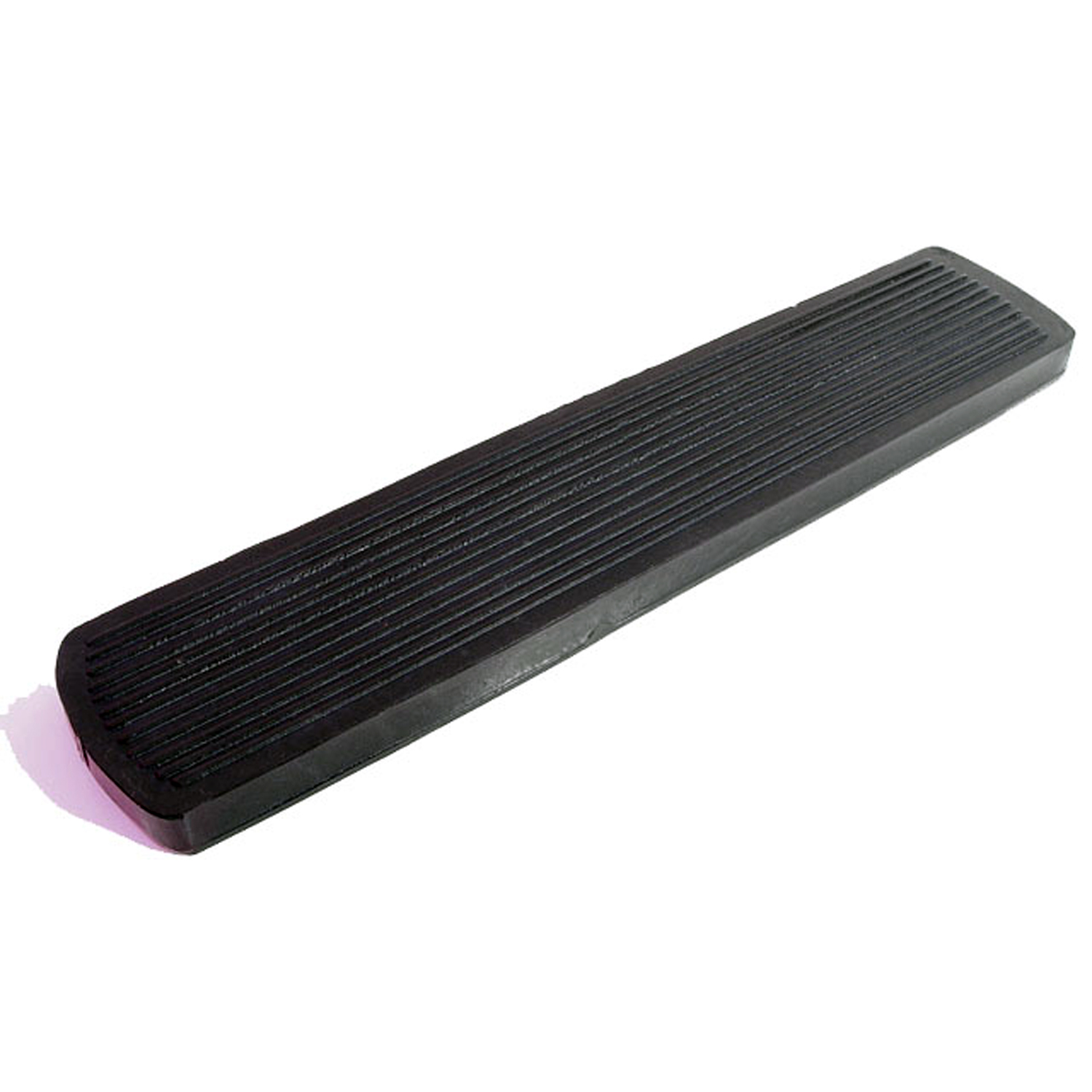 1958 Packard SERIES 58L Accelerator Pedal Pad. 1-7/8" X 9-3/8", Each-AP 16Accelerator Pedal Pad. 1-7/8" X 9-3/8", Each
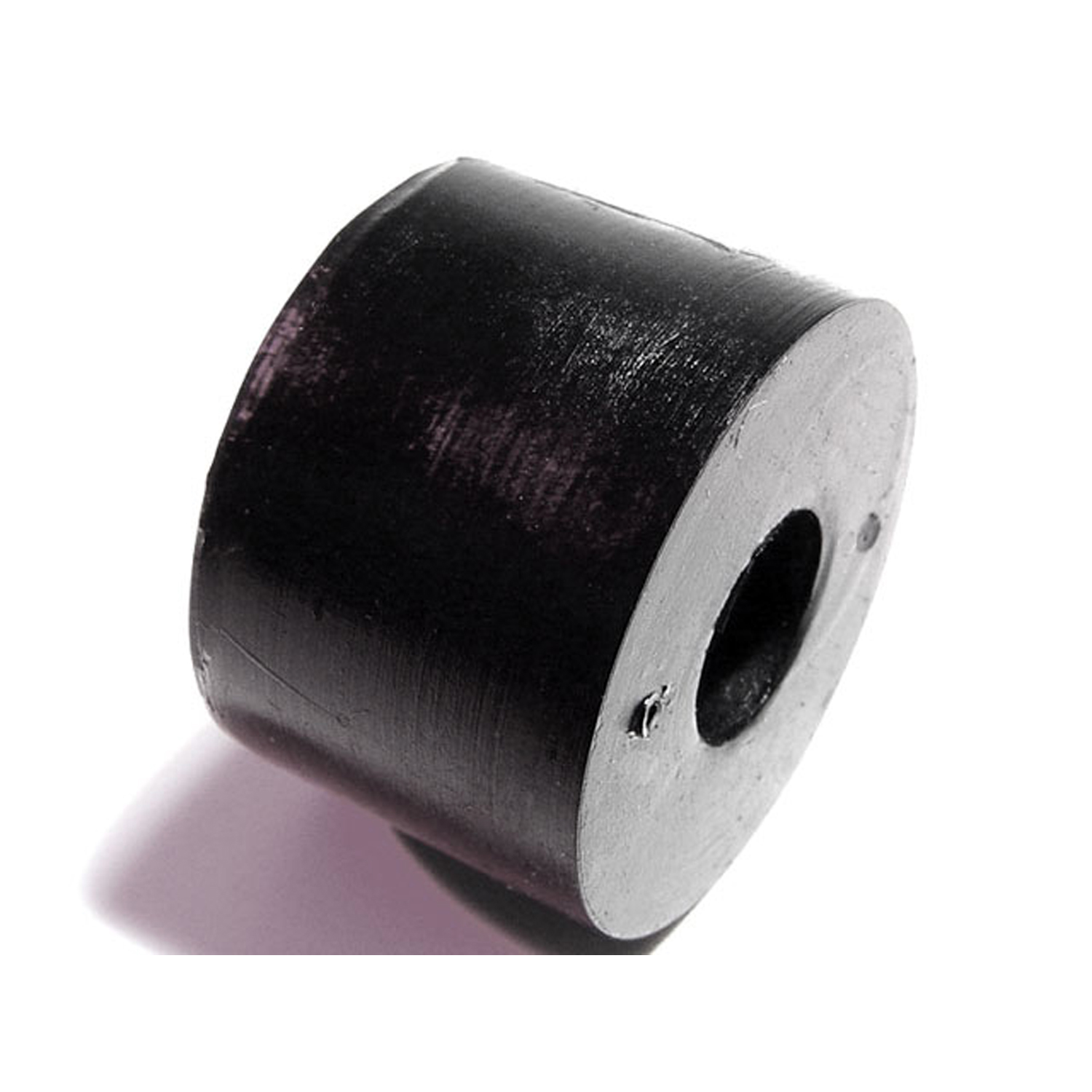 1958 Packard SERIES 58L Shock Absorber Grommet. 1" bottom O.D., 5/8" high-BN 13Shock Absorber Grommet. 1" bottom O.D., 5/8" high., with 3/8" I.D. Each
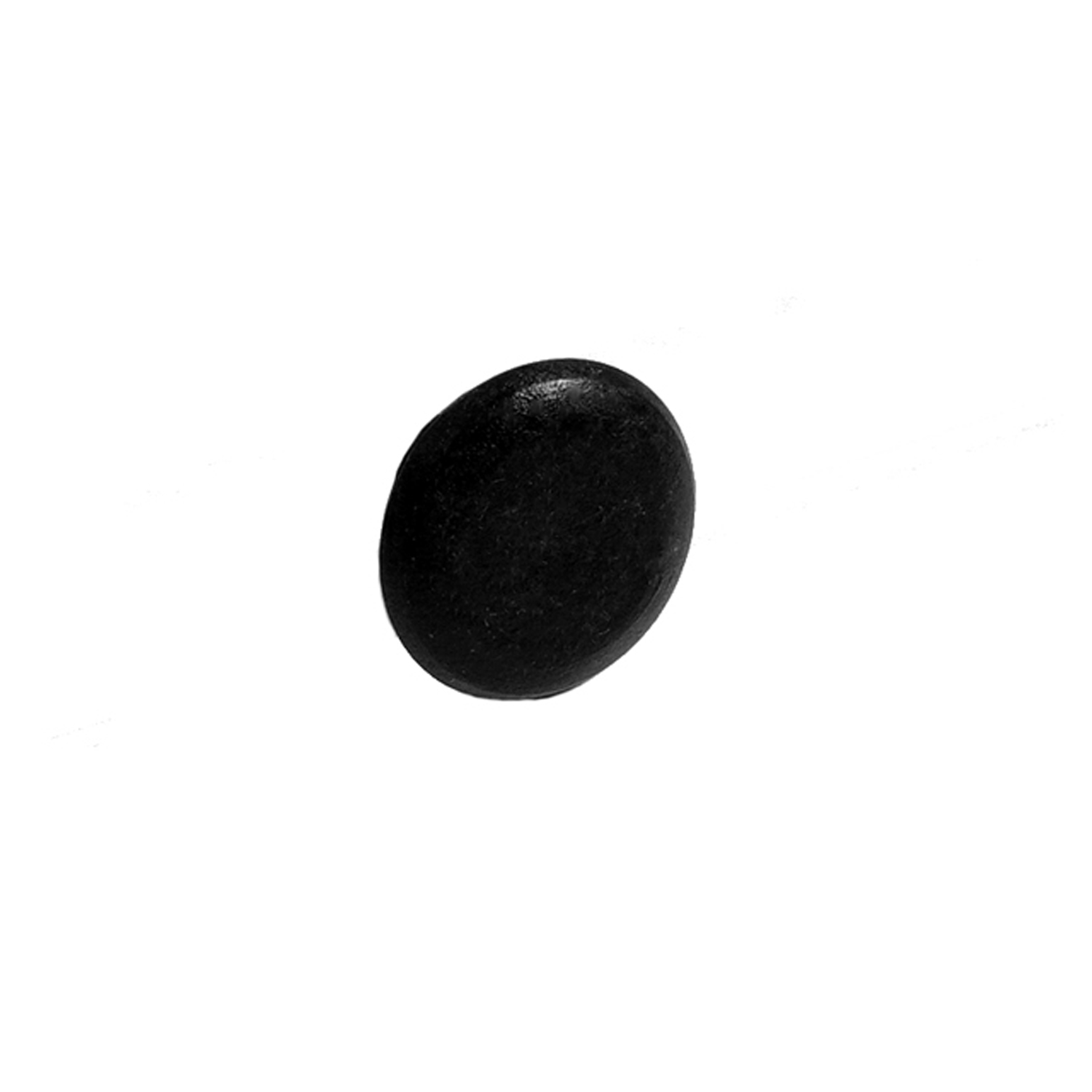 1958 Packard SERIES 58L Trunk Bumper. 3/4" O.D., 5/8" I.D. Each-SB 74Trunk Bumper. 3/4" O.D., 5/8" I.D. Each
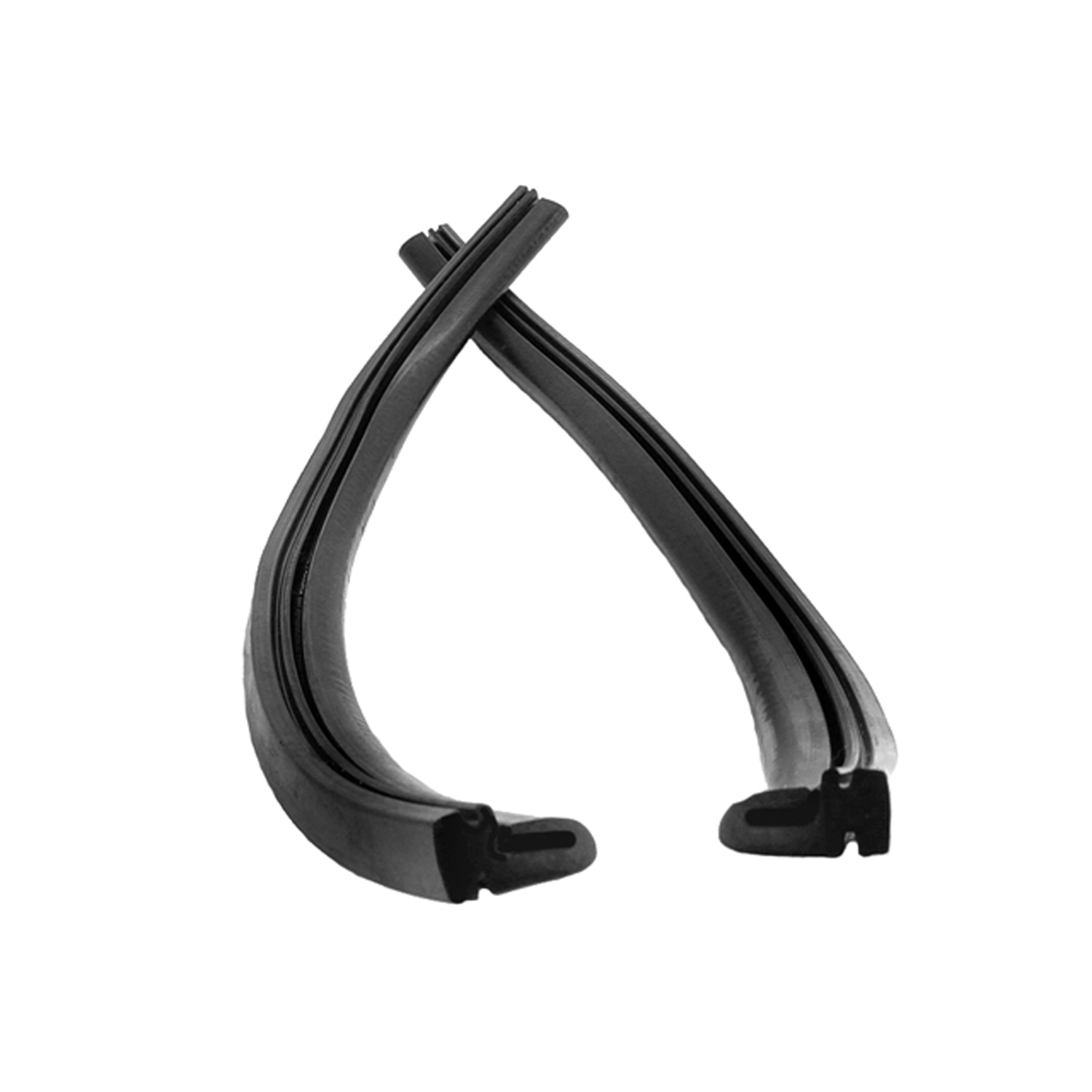 1958 Packard SERIES 58L Rear Roll-up Window Seals, for Hardtops and Convertibles-VS 7Rear Roll-up Window Seals, for Hardtops and Convertibles. For leading edge of rear quarter windows. Two pieces, 17-3/4" long. Pair
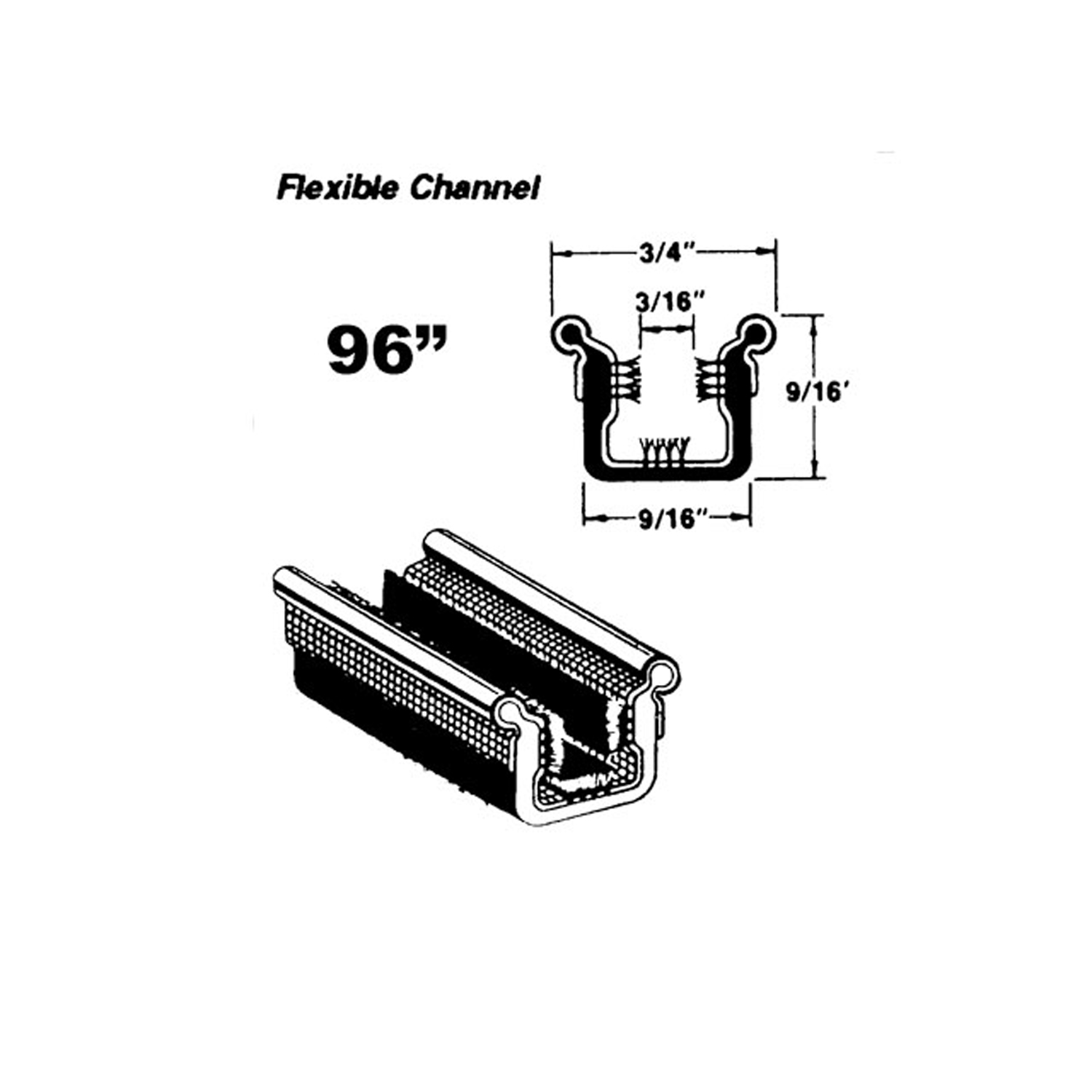 1958 Packard SERIES 58L Flexible window channel-WC 10-96Flexible window channel. Rubber covered with mohair lining and stainless steel bead. 96 in. long. Each. NOTE: $20 special shipping charge applies for domestic orders. Call or email for overseas shipping costs. Part can be sectioned in two or three equal lengths to reduce overseas shipping costs.
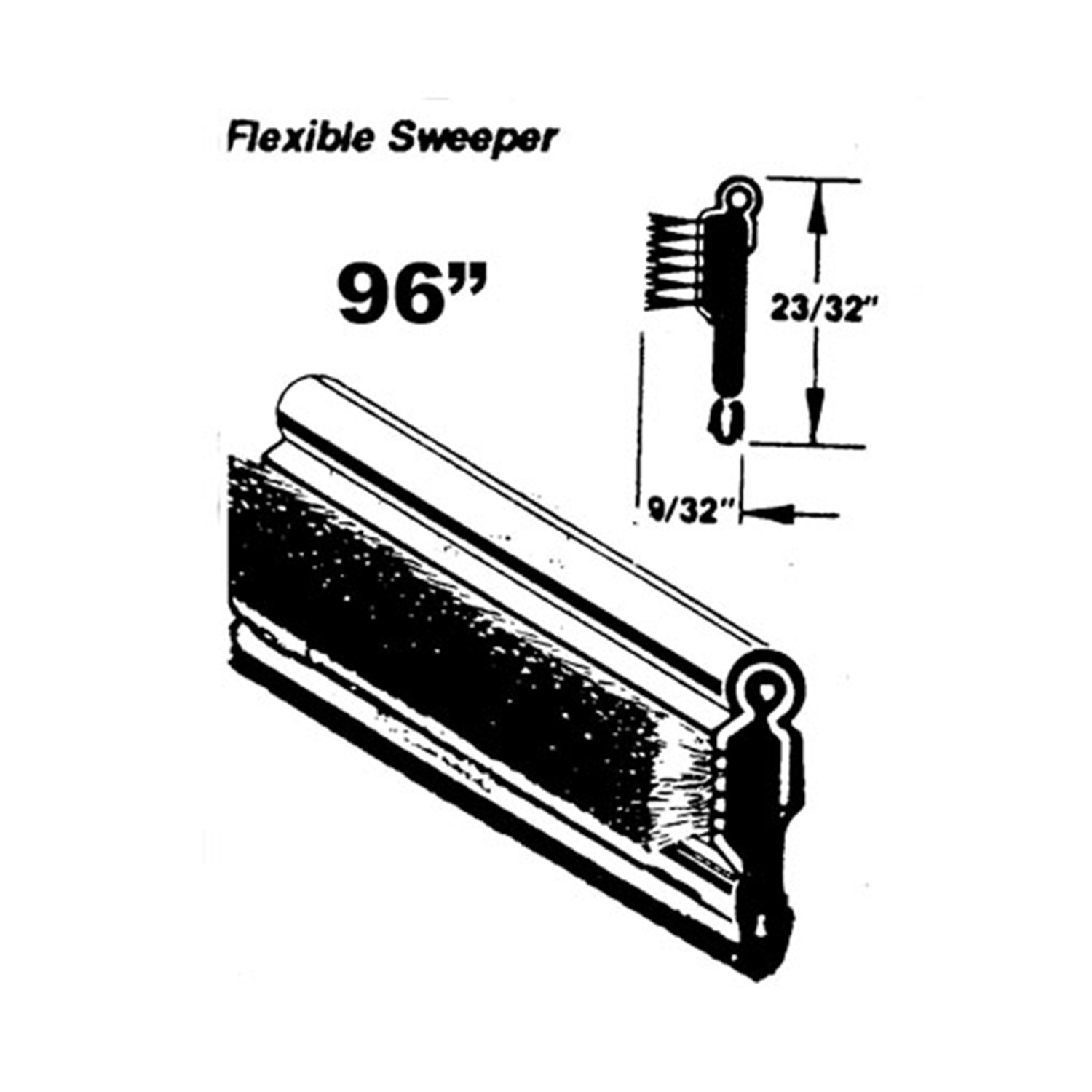 1958 Packard SERIES 58L Flexible window sweeper. Made with stainless steel bead-WC 4-96Flexible window sweeper. Made with stainless steel bead. 96 in. long. Each. NOTE: $20 special shipping charge applies for domestic orders. Call or email for overseas shipping costs. Part can be sectioned in two or three equal lengths to reduce overseas shipping costs.
Why Choose Metro?
For over 100 years, Metro Moulded Parts has been the pinnacle of quality in classic car restoration parts. Our commitment to precision and authenticity in every component ensures a perfect fit and an OEM-level appearance.
- Expert Craftsmanship & Quality: Each part is a testament to our dedication to reliability and perfection, crafted from original designs and thoroughly tested.
- Advanced Technology: We use cutting-edge techniques to create flawless, long-lasting parts that surpass others in performance.
- SuperSoft Sponge – The Ultimate Door Seal: Not only are our door seals 30% softer than competitors', but they're also guaranteed to never leak. They effectively reduce wind and road noise, enhancing your classic car's comfort and driving experience.
- Proudly American: Our parts are a product of American craftsmanship, made in the USA with a spirit of excellence and heritage.
- Unrivaled Warranty: We back our products with a 30-year industry-leading warranty, a testament to our confidence in their quality.
Join us in preserving the legacy of classic cars with parts that are crafted for perfection, not just made.