
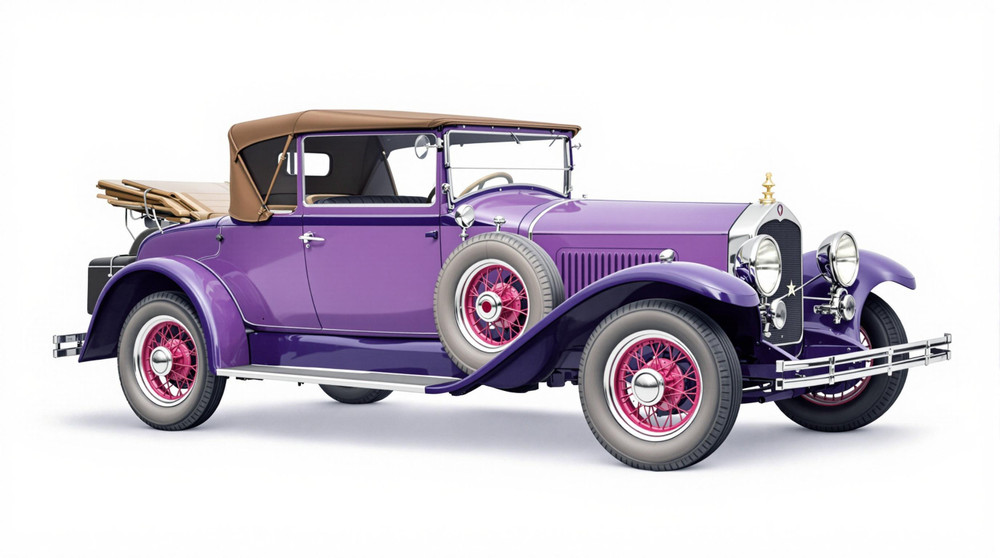
Image of 1922 Pierce-Arrow Model 33, Note: These illustrations use artistic license and may differ from actual historical models.
Performance Metrics
Fundamental Metrics
Emotional Appeal
MMP Rating
| Engine Specifications | |
|---|---|
| Engine: | 6-cylinder |
| Displacement: | 414 cubic inches |
| Horsepower: | Estimated 38-48 HP |
| Torque: | Not available |
| Compression Ratio: | Not available |
| Ignition System: | Battery and coil |
| Cooling System: | Water-cooled |
| Performance Specifications | |
| 0-60 Time: | Not available |
| 1/4 Mile Time: | Not available |
| Top Speed: | 50-60 mph |
| Transmission and Drive | |
| Drive Type: | Rear-wheel drive |
| Transmission Type: | 3-speed manual |
| Fuel and Efficiency | |
| Fuel System Type: | Carburetor |
| MPG: | Not available |
| Dimensions and Brakes | |
| Brakes: | Mechanical drum brakes |
| Wheelbase: | 130-138 inches |
| Weight: | Estimated 3500-4000 lbs |
Note: Specifications for classic cars are given to the best of our ability, considering the limited and variant data available.
1922 Pierce-Arrow Model 33: A Buffalo-Built Luxury Car
The 1922 Pierce-Arrow Model 33 made its statement before the engine even turned over: its headlamps flowed from the front fenders, giving the car a distinctive, almost sculptural face. Built in Buffalo, New York, by the Pierce-Arrow Motor Car Company, the Model 33 was a large, meticulously finished luxury car from an era when prestige was measured in craftsmanship, engineering, and sheer presence.
Pierce-Arrow had grown from a Buffalo manufacturer of household goods and bicycles into one of America’s best-known makers of expensive automobiles. By 1922, its cars competed in the upper tier of the market, alongside other luxury marques whose customers expected substantial engines, carefully finished bodies, and individual attention to detail. The Model 33 was a six-cylinder offering in that lineup, combining traditional construction with the conveniences of increasingly modern motoring.
One detail still makes the Model 33 instantly recognizable: Pierce-Arrow’s fender-mounted headlamps. Rather than standing apart from the body on brackets, the lights were integrated into the front fenders. The treatment was a signature Pierce-Arrow design and a striking example of how the company turned a practical component into a brand identity.
Fender-Mounted Style and Coachbuilt Choices
The Model 33 was long, upright, and formal, with a tall radiator, sweeping front fenders, and a generous hood that advertised the size of the engine beneath it. Its proportions favored dignity over speedster-style drama. On open cars, the windshield and folding top gave the body a flexible touring character; closed bodies emphasized privacy and comfort. Fine trim, carefully shaped body panels, and the famous headlamps made the car recognizable even from a distance.
Body styles varied by year, chassis, and coachwork. Buyers could find open touring and roadster forms as well as more enclosed choices such as sedans, coupes, and limousine-style bodies. Exact offerings were not identical across every catalog or production run, and some cars received specialized coachwork. Open touring bodies are among the most visually evocative today, while a formal sedan or limousine best captures the Model 33’s original role as a high-status transportation car.
Inside, the emphasis was on space and workmanship rather than modern convenience. Depending on body style and specification, upholstery could be leather or high-quality cloth, with polished wood trim and carefully finished metal fittings. Closed cars offered a quieter, more protected cabin; open models brought passengers closer to the sights, smells, and weather of the road. Pierce-Arrow buyers could select finishes and equipment, so surviving cars do not all share one standard interior.
Period paint choices were broad by the standards of the day. Dark blue, maroon, green, and black were among the sober, formal colors associated with luxury automobiles, often paired with contrasting trim or pinstriping. The exact palette depended on the body and the buyer’s order. A dark finish suited the Model 33’s imposing lines, while brighter colors could make an open touring car feel more recreational.
Big-Six Engineering for the Open Road
At the heart of the Model 33 was a large six-cylinder engine of about 414 cubic inches. Published specifications commonly give an output of roughly 48 horsepower, though period horsepower ratings and modern measurements are not always directly comparable. The engine’s main advantage was its size and low-speed pulling power, not high-revving performance. A manual transmission and conventional rear-wheel-drive layout completed a mechanical package familiar to experienced motorists of the period.
Electric starting and lighting were important conveniences in a car of this era, and the Model 33 belonged to a generation of luxury automobiles that had moved beyond the hand-crank-only experience of earlier motoring. Its large engine, substantial chassis, and carefully assembled components reflected Pierce-Arrow’s focus on dependable, comfortable travel. It did not have modern conveniences such as power steering, synchronized shifting, or contemporary braking systems, so driving it still required attention and physical effort.
Factory body colors and equipment could be tailored to the customer, which is one reason it is difficult to name a single universally “correct” Model 33 specification. Buyers selected a body style and finish suited to their needs, from open-air touring to chauffeur-driven enclosed travel. For many enthusiasts, the touring car is the most iconic expression of the model: it shows off the long hood, upright radiator, and fender-mounted lamps while retaining the practical character of a grand touring automobile.
Why the Model 33 Mattered
The Model 33 represents a particularly interesting point in American automotive history. Cars were becoming more accessible and standardized, but the luxury market still prized hand-finished details, large-displacement engines, and bodies tailored to specific uses. Pierce-Arrow served customers who wanted a car that was both transportation and a visible mark of achievement.
The fender-mounted headlamps are the Model 33’s most lasting design contribution. Their integration made the front end look cleaner and more cohesive than cars with separately mounted lamps, and it gave Pierce-Arrow a distinctive visual signature. The idea also illustrates a broader shift in automotive design: features once treated as separate hardware were increasingly being incorporated into the body’s overall form.
What set the Model 33 apart from many contemporaries was the combination of scale, finish, and brand identity. It was not a mass-market car, nor was it designed around a single headline-grabbing performance figure. Instead, it delivered the sense of solidity and refinement expected from a premium American automobile. That approach helped establish Pierce-Arrow as a name associated with quality, even as the market and the company’s fortunes changed in later decades.
Road Manners, Speed, and the Driving Feel
Reliable factory acceleration figures are not readily available for the 1922 Model 33, and surviving cars differ in body weight, gearing, condition, and tire choice. As a practical estimate rather than a verified period test result, a healthy example might reach roughly 55 to 65 mph at maximum speed. Acceleration from 0 to 60 mph would be leisurely by modern standards, plausibly taking well over 30 seconds and potentially longer in a heavy closed body. These figures should be treated as estimates, not guaranteed specifications.
The big six is best understood as a torque-rich engine intended to move a substantial car smoothly, rather than to deliver sharp acceleration. From the driver’s seat, the experience would be defined by measured gear changes, steady engine noise, and the sense of momentum building gradually. On an open touring car, passengers would hear more mechanical sound and feel more of the road than they would in a modern vehicle.
The long chassis helped the Model 33 settle over rolling roads, but it did not erase the limitations of early suspension design. Large bumps could make themselves felt, and rough surfaces demanded reduced speed. On winding roads, the car’s weight, narrow period tires, and comparatively direct mechanical steering called for a deliberate hand. It was built to cover distance in comfort, not to attack corners. Braking also requires a period mindset: stopping distances and pedal effort are not comparable to those of a modern car, so owners should leave generous room and drive defensively.
Living with a Model 33 Today
In its own time, a Model 33 might serve as personal transportation, a touring car, or formal family transport. Today, most examples are used for club events, historic tours, exhibitions, and concours displays rather than everyday commuting. An open car can make a memorable touring companion on suitable roads, while a closed sedan is a rolling display of early luxury-car craftsmanship.
Maintenance is specialized but not mysterious. The engine and chassis use mechanical systems that a capable vintage-car mechanic can understand, yet parts availability, wear, and the condition of previous repairs matter greatly. Fuel, ignition, cooling, lubrication, brakes, and steering all need regular attention. The average modern owner should not assume that an old car is easy to repair simply because it predates electronics; many jobs require period knowledge, careful adjustment, and access to specialist suppliers or machine shops.
Reliability depends heavily on restoration quality and ongoing care. A well-sorted Model 33 can take part in planned touring, but it is still a century-old machine. A pre-purchase inspection by a mechanic familiar with brass- and nickel-era cars is essential, especially for the engine, transmission, frame, brakes, and body structure. A shiny restoration is no substitute for sound mechanical work.
Notable Details and Common Criticisms
The headlamps are the Model 33’s most famous talking point, but the car’s size is part of its appeal too. Its long hood and substantial body make it feel like a formal conveyance even when configured as an open tourer. Pierce-Arrow’s identity became so closely linked to its distinctive front-end treatment that the lamps remain a useful visual clue when identifying the marque in period photographs.
There is no widely recognized Model 33 production record for top speed, endurance, or sales that defines the model. Nor is there a single celebrity-owner story that eclipses its broader history. Its significance lies more in what it represents: a premium American car built for customers who valued engineering, finish, and presence.
Common criticisms are familiar to owners of large prewar cars. The Model 33 is heavy, thirsty by modern standards, and slow to accelerate. Its controls require practice, its brakes demand anticipation, and its size can make storage and maneuvering inconvenient. Those drawbacks are part of the period experience, but they also explain why the car is better suited to deliberate touring than to modern traffic.
Collector Value and Availability
There is no definitive, universally accepted production total for the Model 33 in readily available reference material. As a cautious estimate, its production over the model’s early-1920s run was likely in the low thousands rather than the tens of thousands. Surviving examples are scarce, and the number that appear on the open market in any given year is small. The exact survivor count is difficult to establish because records and registries are incomplete.
Values vary widely according to body style, originality, restoration quality, mechanical condition, and provenance. As a broad current-market estimate, a project or incomplete car might fall around $20,000 to $45,000. A usable, presentable example could be roughly $45,000 to $90,000, while a high-quality restoration or especially desirable body may bring approximately $90,000 to $160,000 or more. These are approximate ranges, not appraisals; rare coachwork and exceptional history can shift a result substantially.
Like many prewar luxury cars, the Model 33 has a specialized collector market. Values can be steady for well-documented, properly restored examples, but they are not guaranteed to rise quickly. Exceptional cars may appreciate over time, while ordinary examples can be harder to sell than more familiar postwar classics. Restoration costs can also exceed the increase in market value, so buyers should choose the car for its history and driving experience as much as for investment potential.
A Distinctive Pierce-Arrow Legacy
The 1922 Pierce-Arrow Model 33 brought together a large six-cylinder engine, coachbuilt luxury, and one of the most recognizable front-end designs in American motoring. It was made for a time when a car could be both a practical means of travel and a carefully considered expression of status.
Its size and old-fashioned controls ask for patience, but the reward is a close encounter with a different kind of motoring: measured, mechanical, and full of character. More than a century later, those unmistakable fender-mounted lamps still announce exactly what the Model 33 was built to be: a Pierce-Arrow with presence to spare.
1922 Pierce-Arrow Model 33 Catalog of Parts
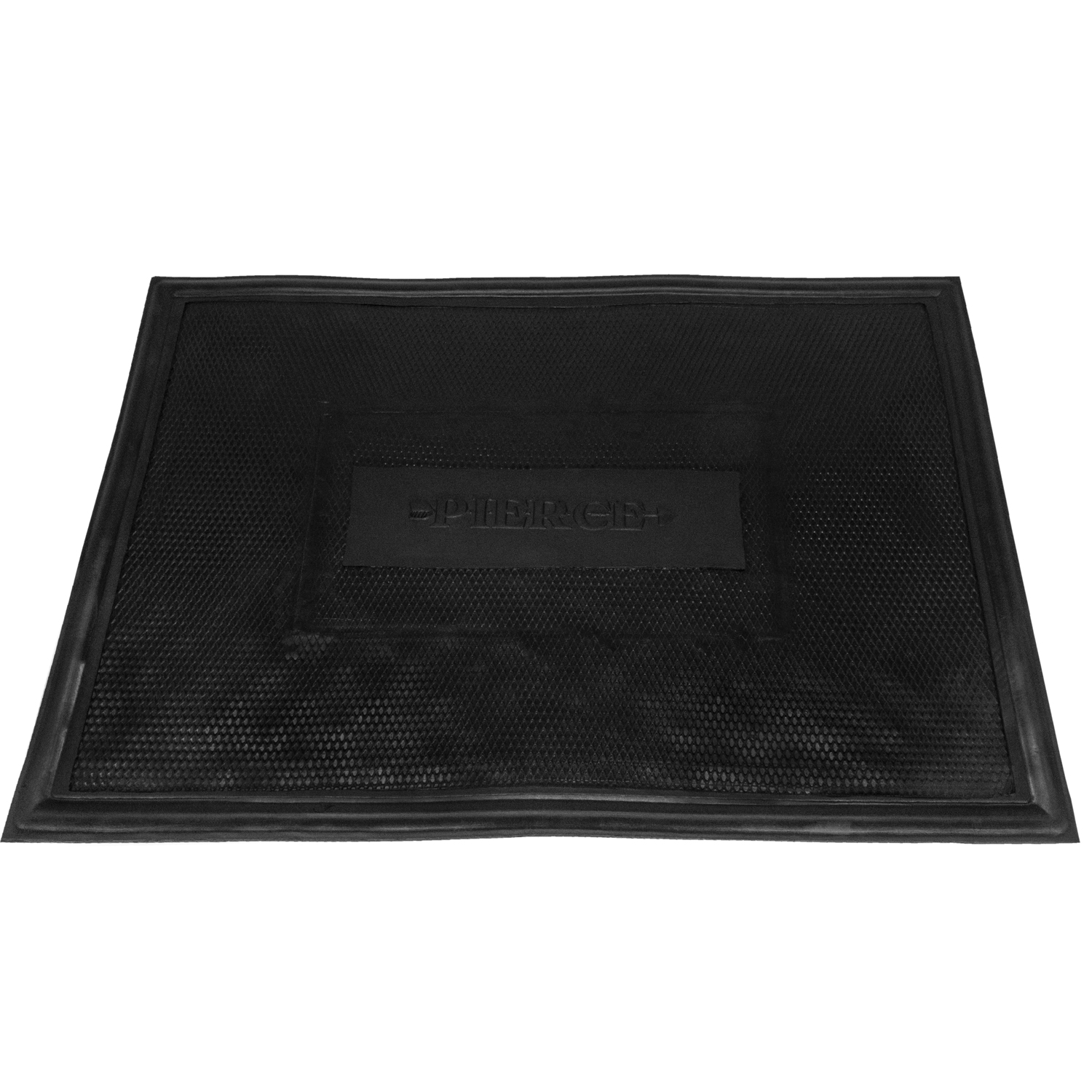 1922 Pierce-Arrow Model 33 Accessory Floor Mat - 12"X17"-AC 16Accessory Floor Mat - made of high quality black rubber with molded original emblem. Also designed to be sewn into new carpets. 12"X17", Each
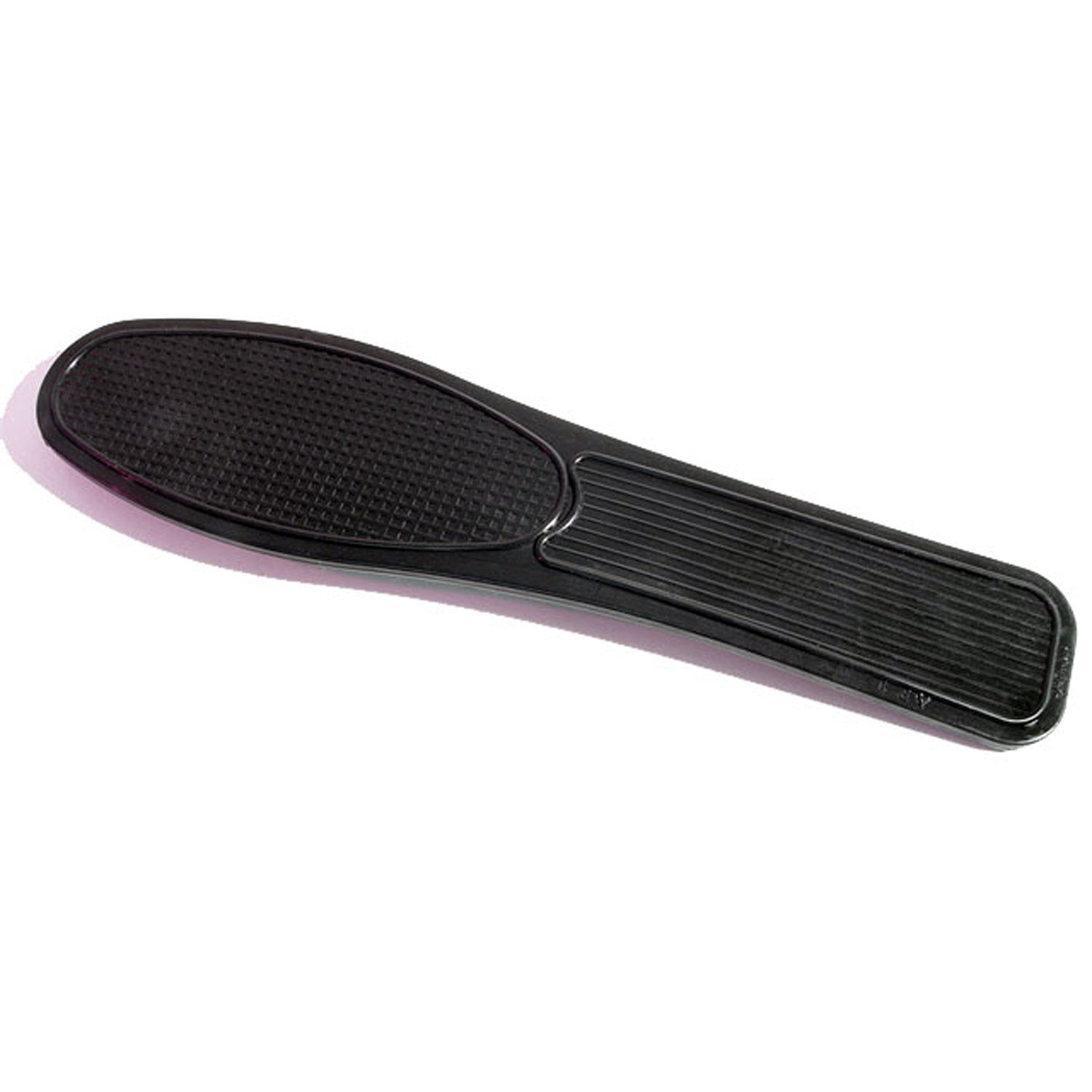 1922 Pierce-Arrow Model 33 Accelerator Pedal Pad. Cement on type. No emblem-AP 121Accelerator Pedal Pad. Cement on type. No emblem. 2-1/2" X 10-1/8", Each
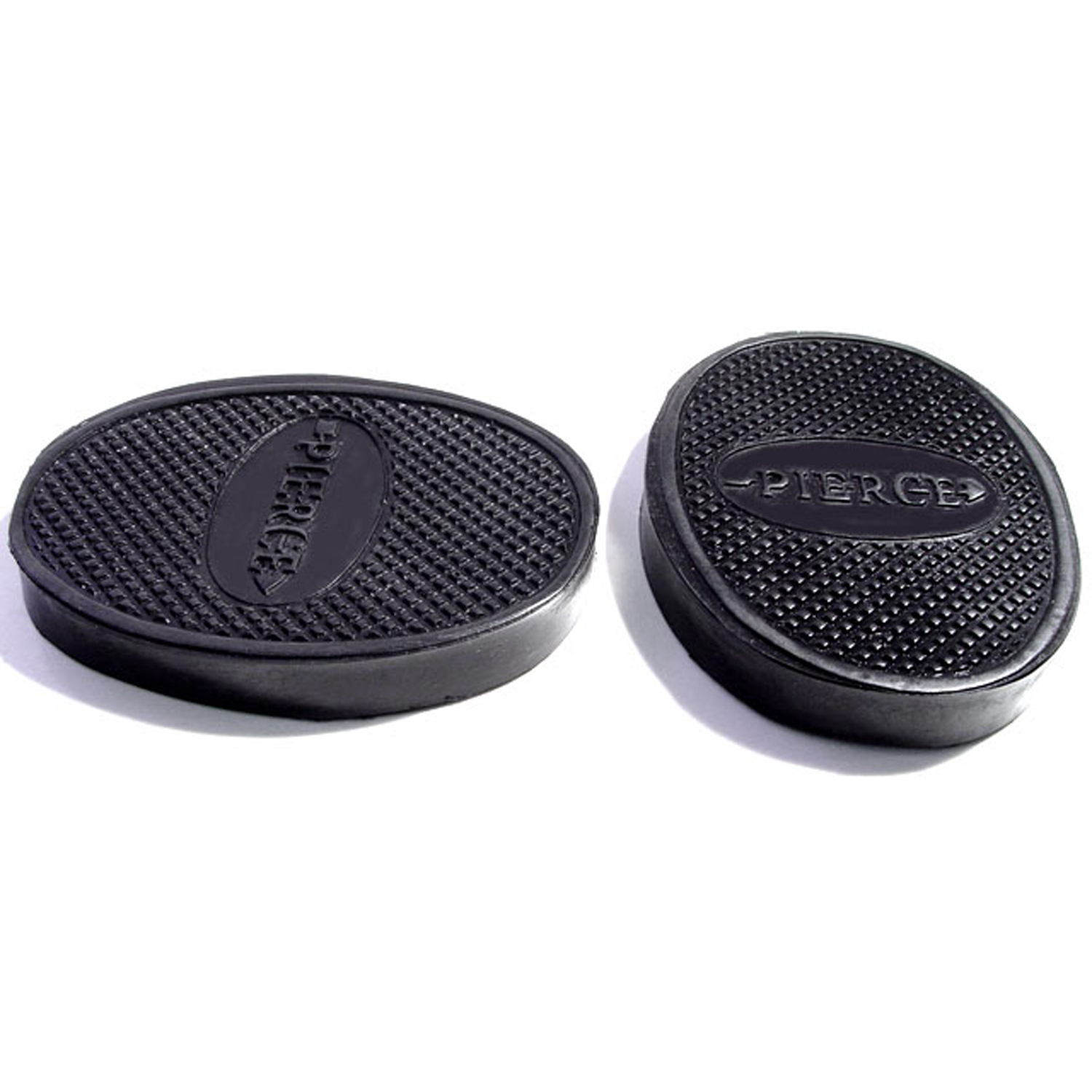 1922 Pierce-Arrow Model 33 Clutch and Brake Pedal Pads. Sharp Emblem-CB 33Clutch and Brake Pedal Pads. Sharp Emblem. 3" wide X 4-1/8" long. Pair
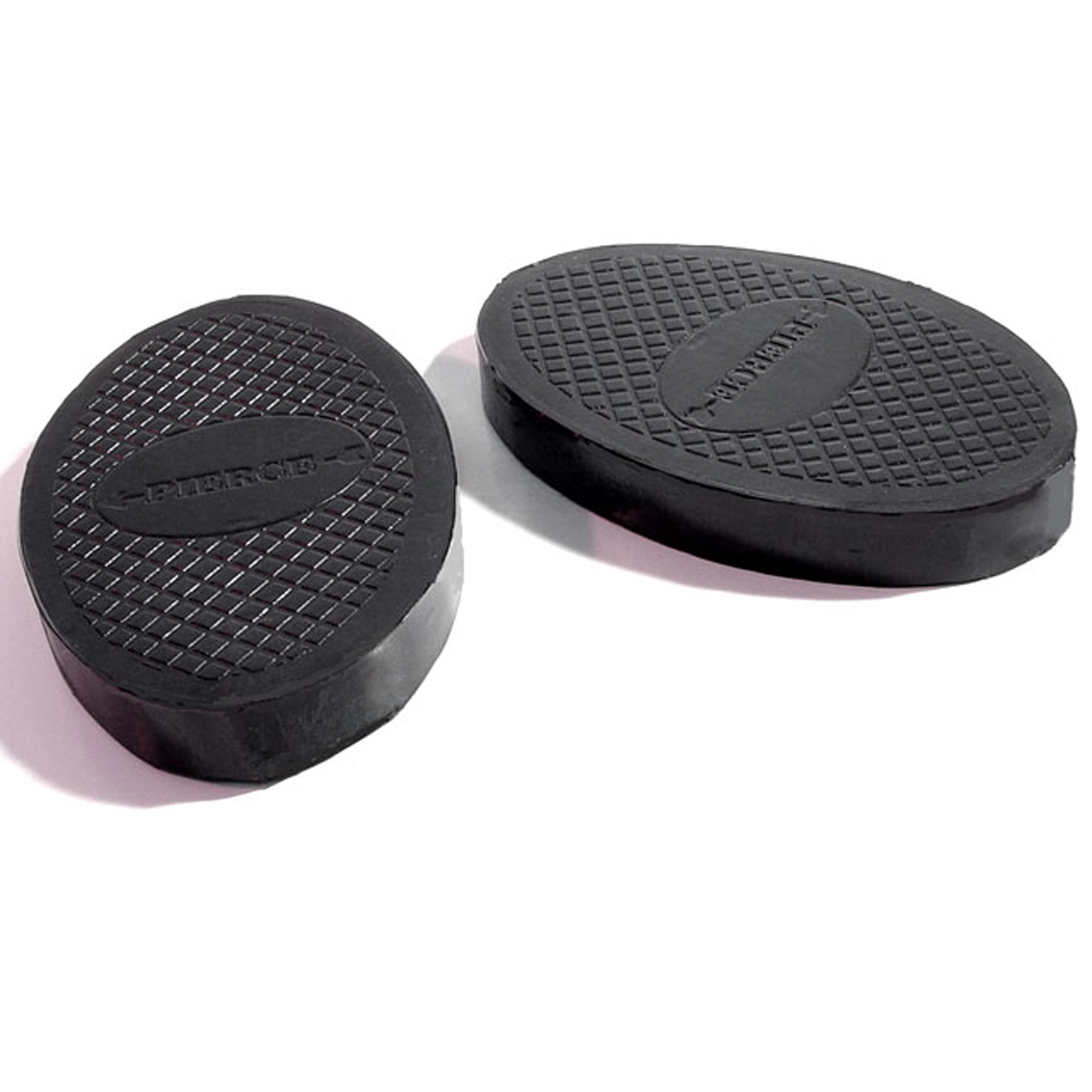 1922 Pierce-Arrow Model 33 Clutch and Brake Pedal Pads. Sharp-looking Emblem-CB 34Clutch and Brake Pedal Pads. Sharp-looking Emblem. 2-7/8" wide X 4-3/4" long. Pair
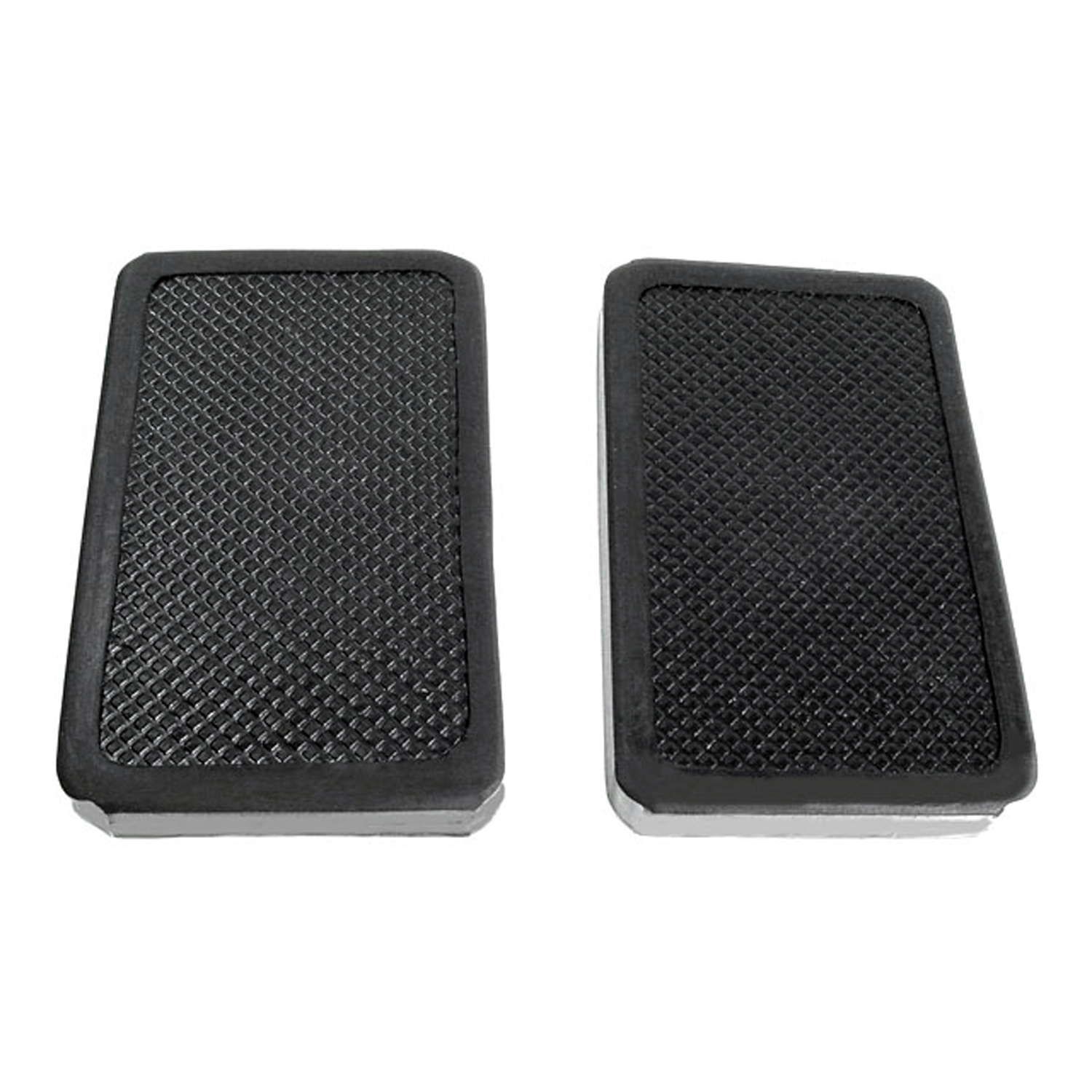 1922 Pierce-Arrow Model 33 Clutch and Brake Pedal Pads. 3" wide X 5" long. Pair-CB 35Clutch and Brake Pedal Pads. 3" wide X 5" long. Pair
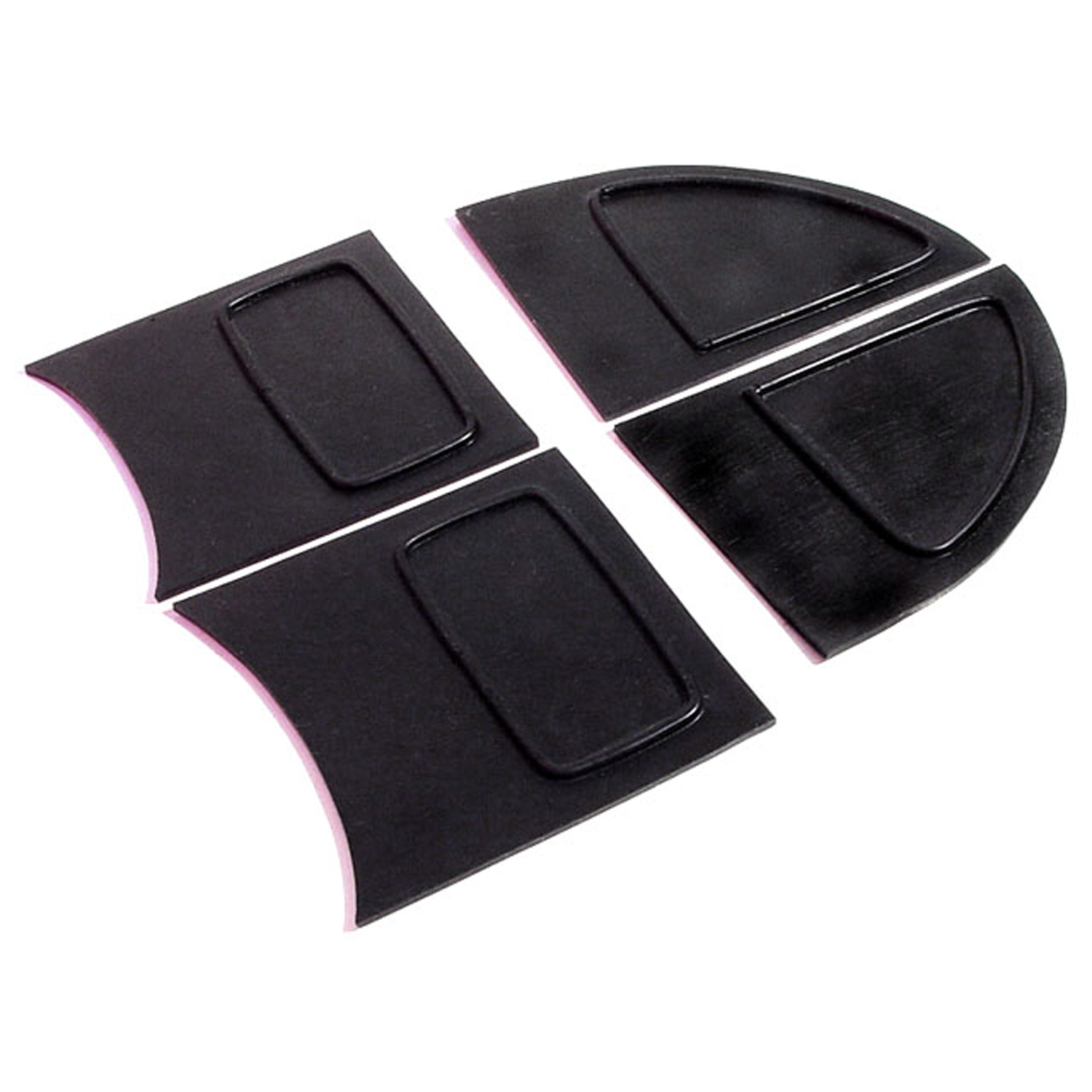 1922 Pierce-Arrow Model 33 Hood Corner Covers. Flat rubber with original design-HC 20Hood Corner Covers. Flat rubber with original design. Used to recover old metal. Tall pad is 3-1/4" long X 2-1/4" wide. Other is 2-1/2" wide. Set
Why Choose Metro?
For over 100 years, Metro Moulded Parts has been the pinnacle of quality in classic car restoration parts. Our commitment to precision and authenticity in every component ensures a perfect fit and an OEM-level appearance.
- Expert Craftsmanship & Quality: Each part is a testament to our dedication to reliability and perfection, crafted from original designs and thoroughly tested.
- Advanced Technology: We use cutting-edge techniques to create flawless, long-lasting parts that surpass others in performance.
- SuperSoft Sponge – The Ultimate Door Seal: Not only are our door seals 30% softer than competitors', but they're also guaranteed to never leak. They effectively reduce wind and road noise, enhancing your classic car's comfort and driving experience.
- Proudly American: Our parts are a product of American craftsmanship, made in the USA with a spirit of excellence and heritage.
- Unrivaled Warranty: We back our products with a 30-year industry-leading warranty, a testament to our confidence in their quality.
Join us in preserving the legacy of classic cars with parts that are crafted for perfection, not just made.