
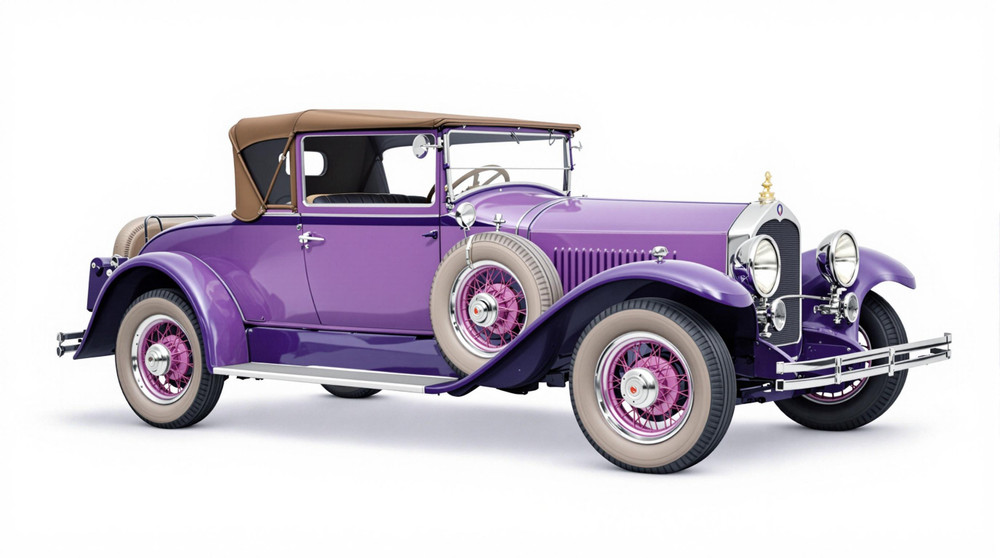
Image of 1923 Pierce-Arrow Model 33, Note: These illustrations use artistic license and may differ from actual historical models.
Performance Metrics
Fundamental Metrics
Emotional Appeal
MMP Rating
| Engine Specifications | |
|---|---|
| Engine: | 6-cylinder |
| Displacement: | 414 cubic inches |
| Horsepower: | Estimated 38-48 HP |
| Torque: | Not available |
| Compression Ratio: | Not available |
| Ignition System: | Magneto |
| Cooling System: | Water-cooled |
| Performance Specifications | |
| 0-60 Time: | Not available |
| 1/4 Mile Time: | Not available |
| Top Speed: | 50-60 mph |
| Transmission and Drive | |
| Drive Type: | Rear-wheel drive |
| Transmission Type: | 3-speed manual |
| Fuel and Efficiency | |
| Fuel System Type: | Carburetor |
| MPG: | Not available |
| Dimensions and Brakes | |
| Brakes: | Mechanical drum brakes |
| Wheelbase: | 130 inches |
| Weight: | Estimated 3500-4000 lbs |
Note: Specifications for classic cars are given to the best of our ability, considering the limited and variant data available.
1923 Pierce-Arrow Model 33: A Buffalo-Built Luxury Car
The 1923 Pierce-Arrow Model 33 did not need a flashy name to announce its status: its long hood, polished radiator shell, and unmistakable headlamps built into the front fenders did the talking. Made by the Pierce-Arrow Motor Car Company in Buffalo, New York, it was a substantial luxury automobile from an American manufacturer already known for precision engineering and expensive, carefully finished cars.
Pierce’s roots went back to George N. Pierce’s Buffalo manufacturing business, which made household goods and bicycles before entering the automobile trade. By the early 1920s, Pierce-Arrow had earned a reputation as one of the country’s prestigious marques, competing with other high-end American makers for buyers who wanted comfort, craftsmanship, and a powerful engine. The Model 33 was a six-cylinder offering in a market where Pierce-Arrow also sold larger, more costly cars.
One of the company’s most enduring innovations was already on display on the Model 33: headlamps integrated into the front fenders. The design gave the car a cleaner, more unified profile than the separate lamps mounted on many contemporaries. It also became one of the most recognizable visual signatures in American motoring.
Long Hood, Fine Finish, and Signature Headlamps
The Model 33 had the poised proportions expected of a 1920s luxury car. Its tall radiator, expansive hood, sweeping fenders, and generous running boards made it look imposing without relying on unnecessary ornament. The fender-mounted lamps flowed into the bodywork, while the broad wheels and substantial tires emphasized that this was a large touring machine rather than a light, economical runabout.
Inside, the experience depended on the body style and the buyer’s specification, but quality was central to the Pierce-Arrow appeal. Owners could expect well-finished wood trim, carefully upholstered seating, substantial door hardware, and a broad, upright driving position. Upholstery could be ordered in materials such as leather or cloth, with choices varying by body and order. The passenger compartment was designed for long-distance comfort, with more room and a greater sense of occasion than an ordinary family car of the period.
Paint and trim combinations also varied. Dark, formal colors such as black, deep blue, maroon, and green suited the car’s stately character, while individual orders could bring different combinations. There was no single color that defines every Model 33; surviving cars may reflect factory choices, later restorations, or period repainting.
Model 33 body styles included open touring forms and enclosed options, with availability depending on the model year and factory offering. Touring bodies were especially suited to the car’s long-distance image and remain among the most visually recognizable configurations. Enclosed sedans, coupes, and formal passenger bodies gave buyers more weather protection and privacy. Custom coachwork could further distinguish a car, so two Model 33s may look quite different despite sharing the same basic chassis.
Six-Cylinder Engineering for the Open Road
At the heart of the Model 33 was a large-displacement, six-cylinder engine of roughly 414 cubic inches. Its period rating was about 33.8 horsepower, a figure that should not be read as a modern measurement of the engine’s full output. The rating system of the time emphasized a standardized tax or classification figure, not the sort of advertised horsepower rating familiar to today’s drivers. The engine’s considerable displacement helped it deliver the steady low-speed pull needed to move a heavy car.
The Model 33 combined that engine with a manual transmission and the driver-controlled mechanical systems typical of its era. Electric starting and lighting made routine use more convenient than on earlier automobiles, but there was no power steering, automatic transmission, or modern braking assistance. The driver had to plan ahead, work the controls deliberately, and allow plenty of room to slow a large car.
Period equipment and specifications could vary, so details should be checked against the individual car’s build and surviving documentation. For a present-day buyer, that means inspecting the engine, transmission, brakes, electrical system, and chassis rather than assuming every Model 33 left the factory in exactly the same configuration.
Road Speed and Driving Character
A sound, properly tuned Model 33 is generally associated with a top speed in the neighborhood of 60 to 65 mph, though condition, gearing, bodywork, tires, and road conditions all affect what a particular car can manage. A reliable factory 0-to-60-mph figure is not commonly available. Given the car’s mass and period gearing, a modern estimate would put acceleration to 60 mph at several dozen seconds, rather than the quick sprint expected of a contemporary sedan. The Model 33 was built to cover distance with composure, not to win stoplight contests.
On a smooth road, the car’s long wheelbase and substantial chassis give it a measured, settled feel. Rough surfaces bring the limits of 1920s suspension design into focus: bumps are more noticeable than in a modern car, and the body can move and pitch over uneven pavement. On winding roads, its size and weight call for smooth steering inputs and early braking. It rewards a calm driver who looks well ahead.
Behind the wheel, the six-cylinder engine should feel deliberate and unhurried, with a deep mechanical note rather than a high-revving modern soundtrack. Gear changes require attention, the steering is a physical task at low speeds, and braking demands anticipation. That direct interaction is part of the appeal for vintage-car enthusiasts: the driver is not isolated from the machinery but actively manages it.
Why the Model 33 Matters
The Model 33 represents a period when American luxury cars were becoming more usable while retaining a strong sense of hand-finished craftsmanship. Electric starting and lighting were increasingly expected on quality cars, and buyers wanted automobiles capable of covering long distances in greater comfort. Pierce-Arrow met those expectations with a large six-cylinder engine, substantial construction, and carefully considered bodywork.
Its most visible contribution to automotive design was the integrated headlamp treatment. The lamps made the front fenders part of the car’s visual identity instead of leaving the lighting as separate accessories. That approach gave Pierce-Arrow models a distinctive, coherent appearance and helped establish a design detail associated with the marque for years.
The Model 33 also stood apart through its combination of scale and restraint. It was imposing, but its prestige came from proportions, finish, and engineering rather than a need for dramatic styling. Pierce-Arrow’s broader reputation was reinforced by high-profile customers and public use. For example, President William Howard Taft’s White House automobile fleet in 1909 included Pierce-Arrow cars, although those were not Model 33s. The episode illustrates the maker’s status, not a specific Model 33 connection.
Owning and Maintaining a Model 33
Today, a Model 33 is best suited to touring, club events, historic motoring, and concours or preservation shows. It can be driven on appropriate roads, but it is not a sensible daily driver for modern traffic. Its size, slower acceleration, mechanical controls, and limited safety equipment make it better enjoyed at a measured pace.
Maintenance is manageable for an experienced vintage-car owner, but the Model 33 is not a simple project for someone expecting modern parts-store support. Routine service includes attention to lubrication, cooling, ignition, fuel delivery, tires, and mechanical brakes. Correct parts can be difficult to locate, and restoration often calls for marque specialists, machine shops, or skilled traditional tradespeople. The car’s durability depends heavily on maintenance history and the quality of any previous repairs.
Reliability is therefore individual rather than guaranteed by the badge. A well-restored example with sound mechanicals can be a rewarding touring car. A neglected one may require extensive work, particularly if it has worn engine components, deteriorated wiring, poor-quality restoration repairs, or missing trim. A thorough inspection by someone familiar with prewar Pierce-Arrows is money well spent.
Rare Survivors, Interesting Details, and Common Criticisms
There is no dependable, widely accepted production tally for every 1923 Model 33 body style. As a practical estimate, perhaps around 1,000 to 2,000 Model 33s were built for the 1923 model year, but that figure should be treated as an informed approximation rather than a confirmed factory total. Surviving cars are far less common than mass-produced automobiles of the period, and original, complete examples are especially desirable.
A notable Pierce-Arrow fact is that the marque’s signature fender-mounted headlamps were more than a styling flourish. They helped make the company’s cars instantly identifiable from a distance. The brand was also associated with prominent owners and official use, but specific celebrity or presidential ownership claims should be checked against the provenance of an individual car. There is no widely recognized Model 33 speed or endurance record that defines the model.
Common criticisms are familiar to anyone considering a large prewar automobile: slow acceleration by modern standards, heavy steering at parking speeds, limited braking performance compared with contemporary cars, and the cost of sourcing correct parts. Its size can also make narrow roads and modern city traffic tiring. Those drawbacks are real, but they are part of the period experience rather than flaws that can be judged fairly by modern-car expectations.
Collector Value and Market Outlook
Values vary sharply with body style, originality, restoration quality, mechanical condition, and documentation. As a broad present-day estimate, a Model 33 needing substantial work might sell for roughly $30,000 to $60,000. A sound driver or older restoration could fall around $60,000 to $120,000, while an exceptional, correctly restored example with desirable coachwork may bring $150,000 to $250,000 or more. These are guide ranges, not appraisals; unusual body styles and standout provenance can move a car beyond them.
Model 33s are not commonly encountered on the open market, and a buyer may need patience to find the right combination of condition, originality, and price. Like many prewar classics, the market tends to reward quality and documented authenticity, while cars requiring major restoration can be difficult to sell at a price that reflects the work invested. In the long term, the Model 33’s rarity and strong marque identity support collector interest, though values can fluctuate with broader classic-car demand and the cost of restoration.
A Pierce-Arrow Built to Be Remembered
The 1923 Pierce-Arrow Model 33 brought together a muscular six-cylinder engine, substantial construction, refined coachwork, and one of the most distinctive front-end designs of its era. It was not built for quick acceleration or effortless modern driving. It was built to carry its occupants in comfort and style, with the engineering and presence expected of a top-tier American automobile.
More than a century later, the Model 33 still makes its case the moment those unmistakable fender-mounted lamps come into view. It is a reminder that great automotive design can be both practical and instantly recognizable, and that some cars earn their prestige not by chasing the future, but by mastering their own time.
1923 Pierce-Arrow Model 33 Catalog of Parts
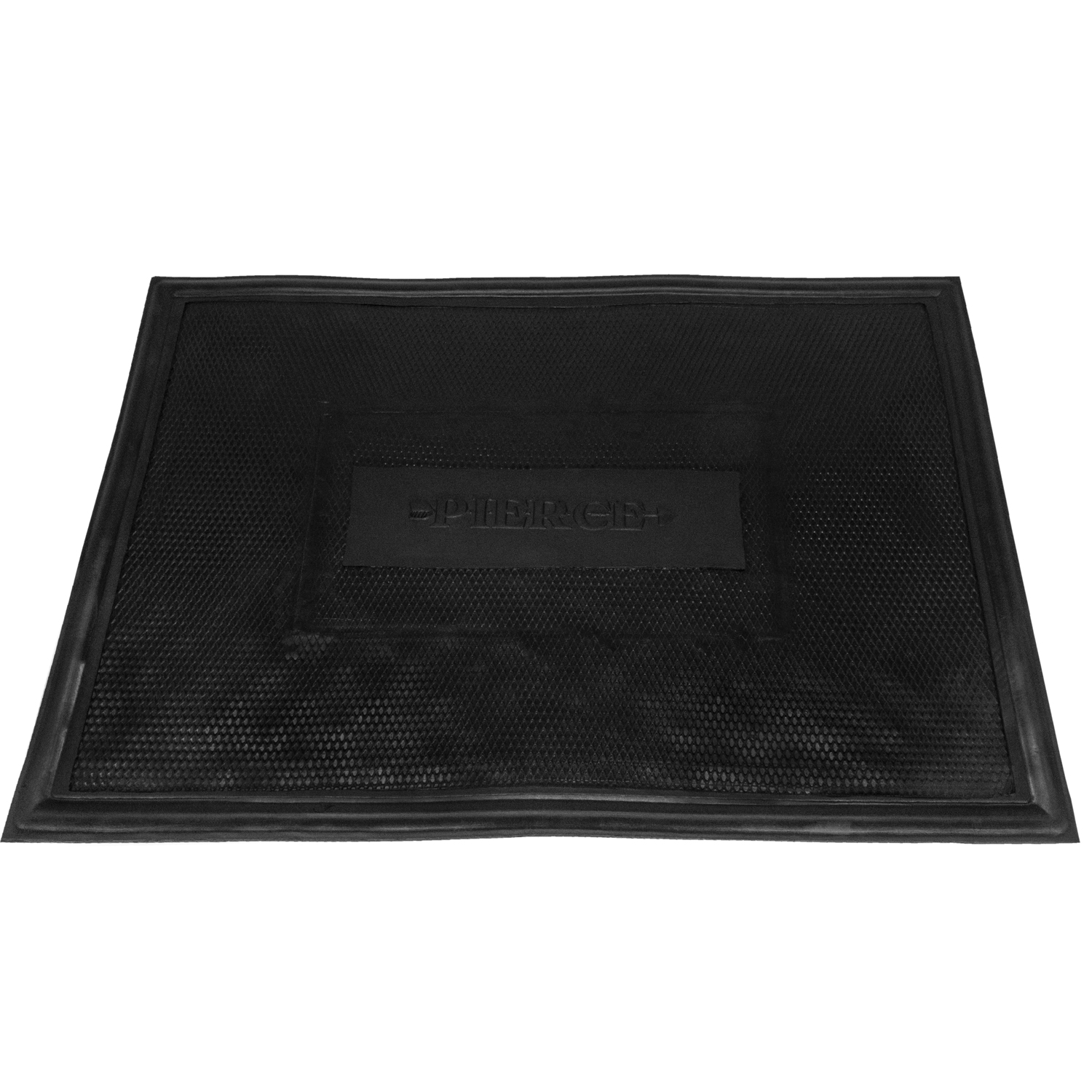 1923 Pierce-Arrow Model 33 Accessory Floor Mat - 12"X17"-AC 16Accessory Floor Mat - made of high quality black rubber with molded original emblem. Also designed to be sewn into new carpets. 12"X17", Each
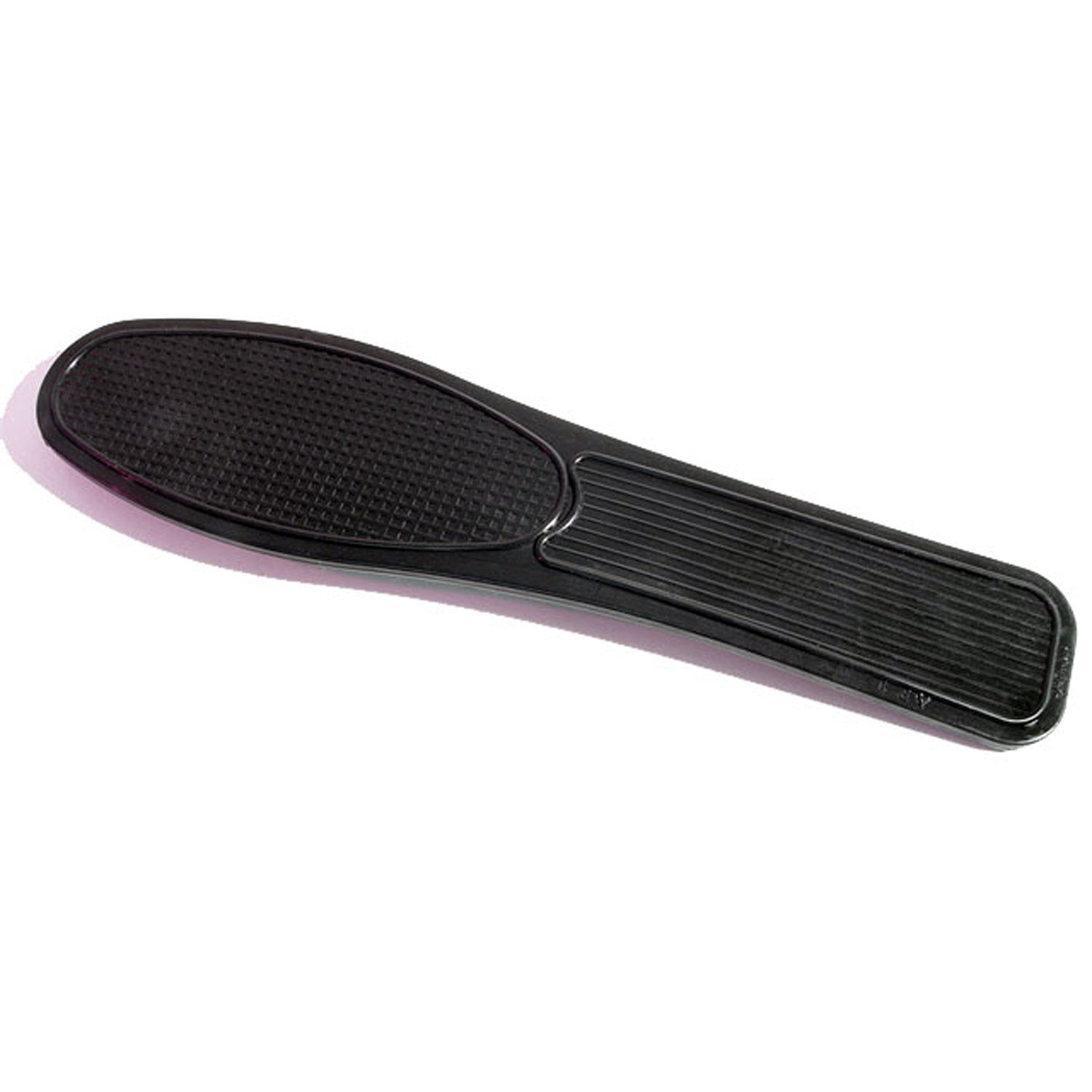 1923 Pierce-Arrow Model 33 Accelerator Pedal Pad. Cement on type. No emblem-AP 121Accelerator Pedal Pad. Cement on type. No emblem. 2-1/2" X 10-1/8", Each
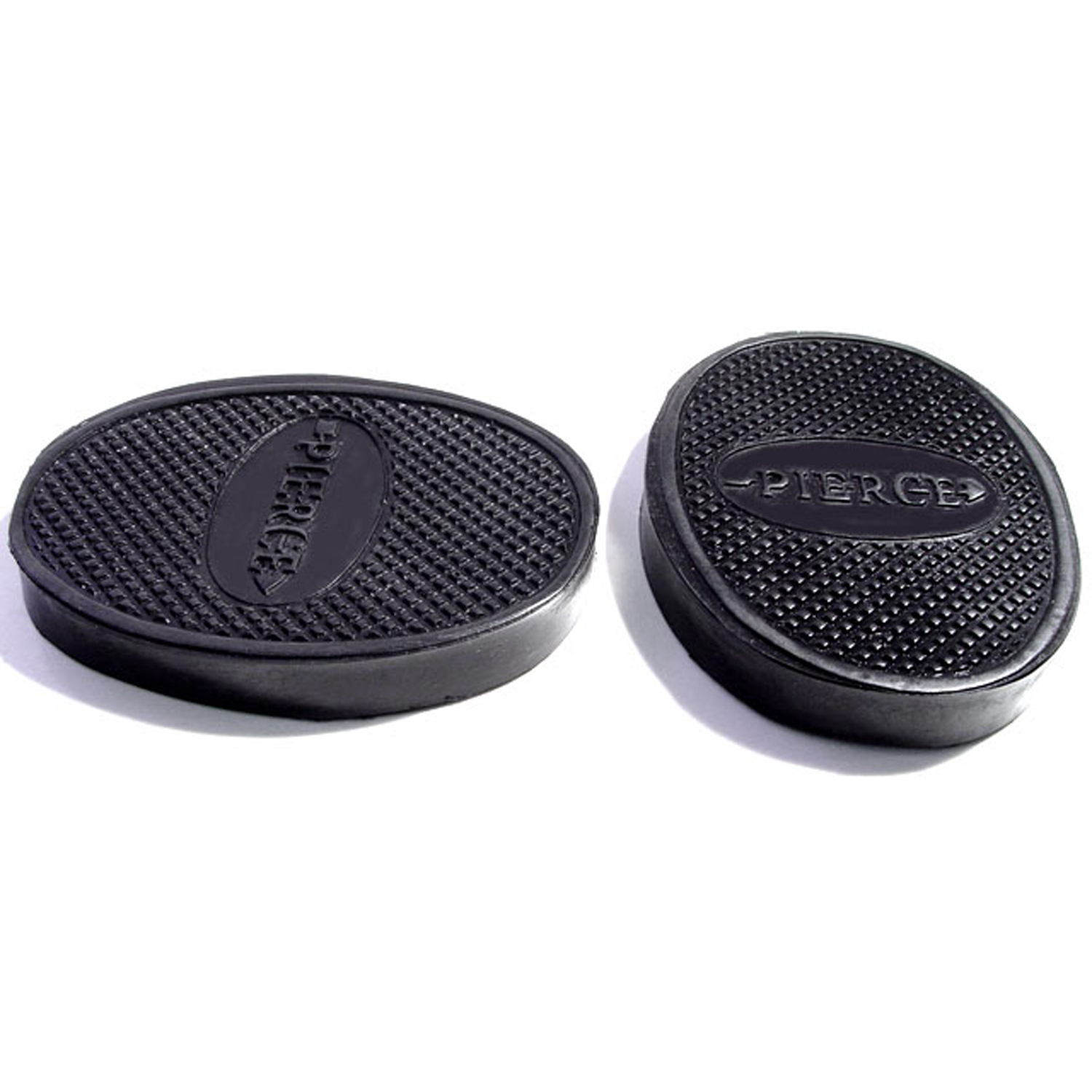 1923 Pierce-Arrow Model 33 Clutch and Brake Pedal Pads. Sharp Emblem-CB 33Clutch and Brake Pedal Pads. Sharp Emblem. 3" wide X 4-1/8" long. Pair
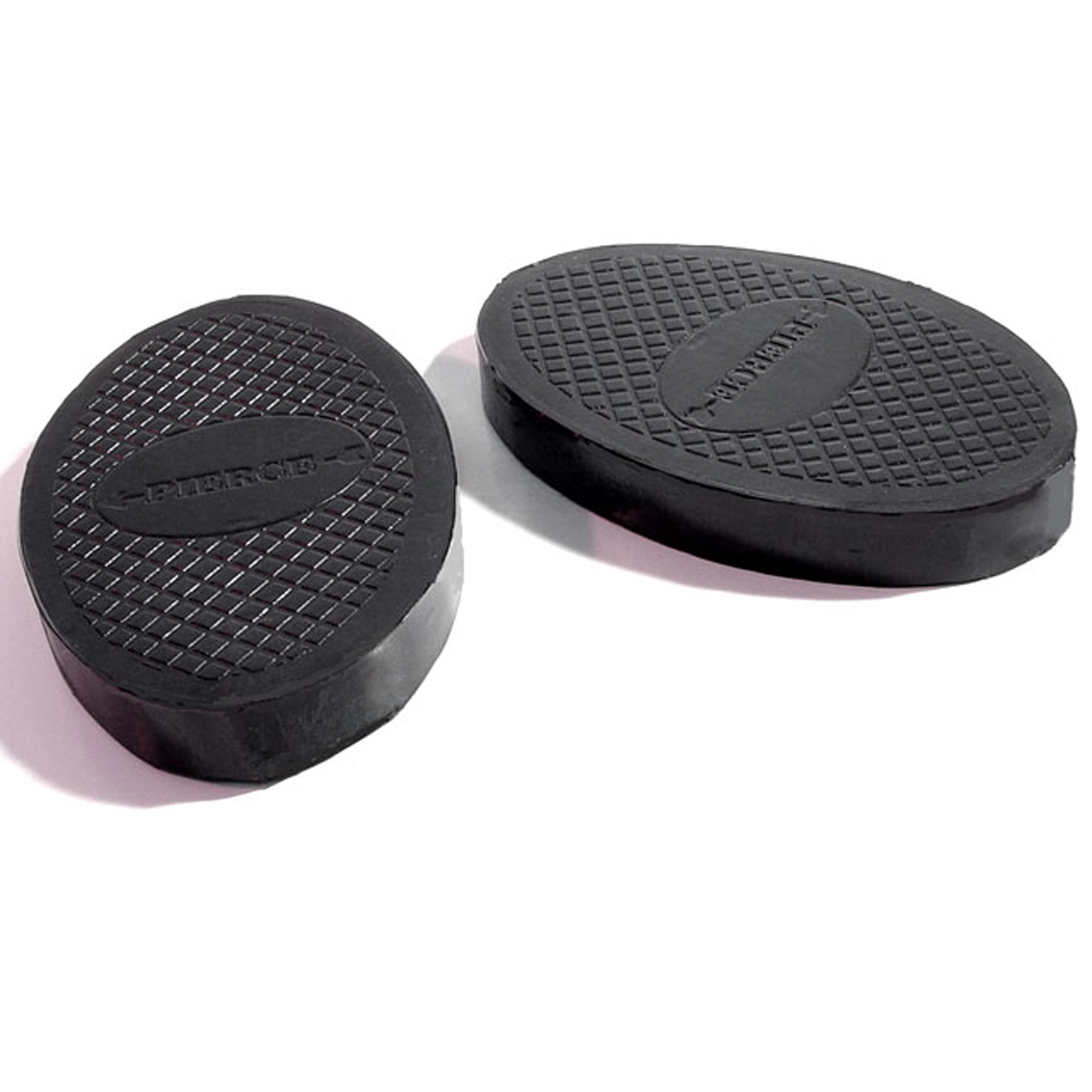 1923 Pierce-Arrow Model 33 Clutch and Brake Pedal Pads. Sharp-looking Emblem-CB 34Clutch and Brake Pedal Pads. Sharp-looking Emblem. 2-7/8" wide X 4-3/4" long. Pair
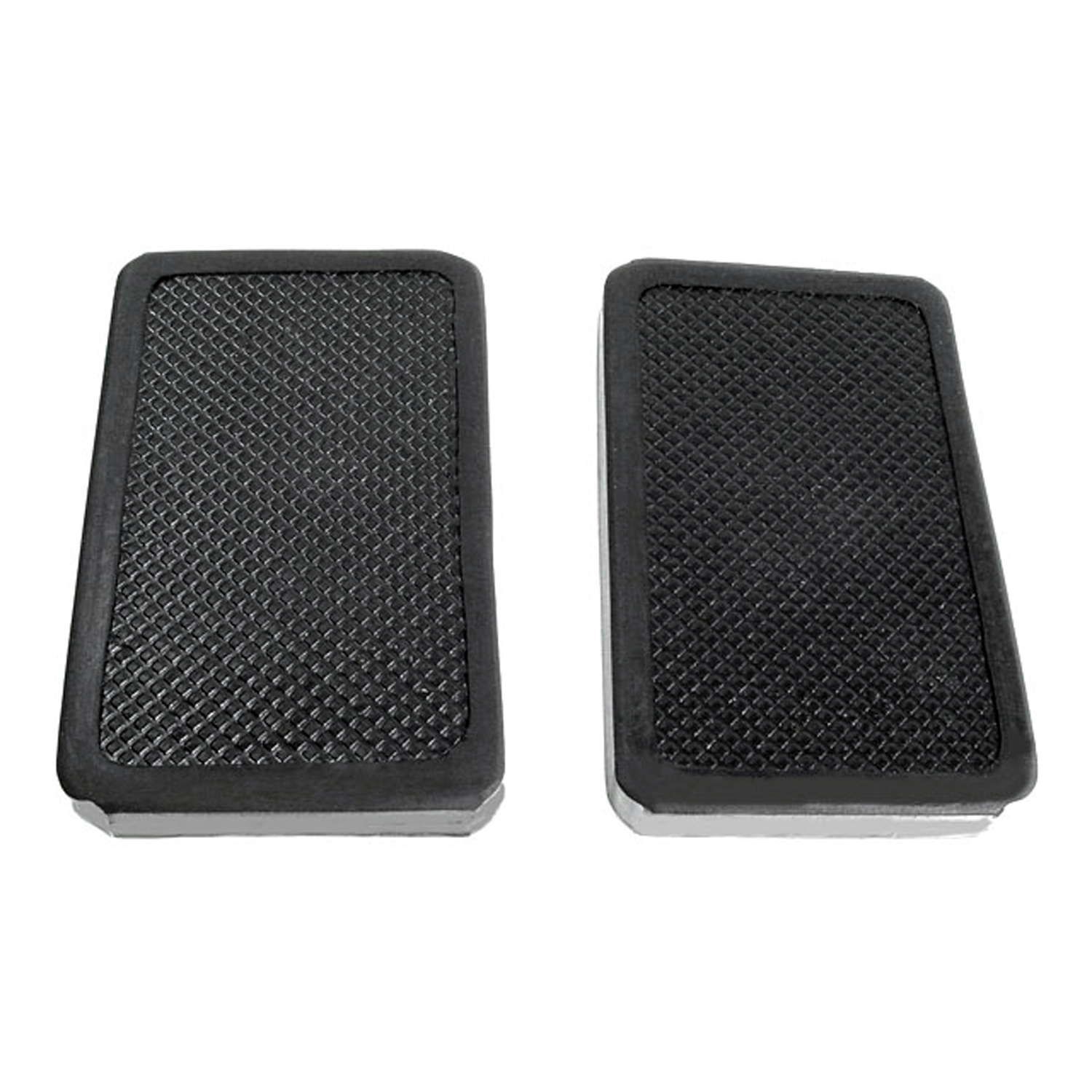 1923 Pierce-Arrow Model 33 Clutch and Brake Pedal Pads. 3" wide X 5" long. Pair-CB 35Clutch and Brake Pedal Pads. 3" wide X 5" long. Pair
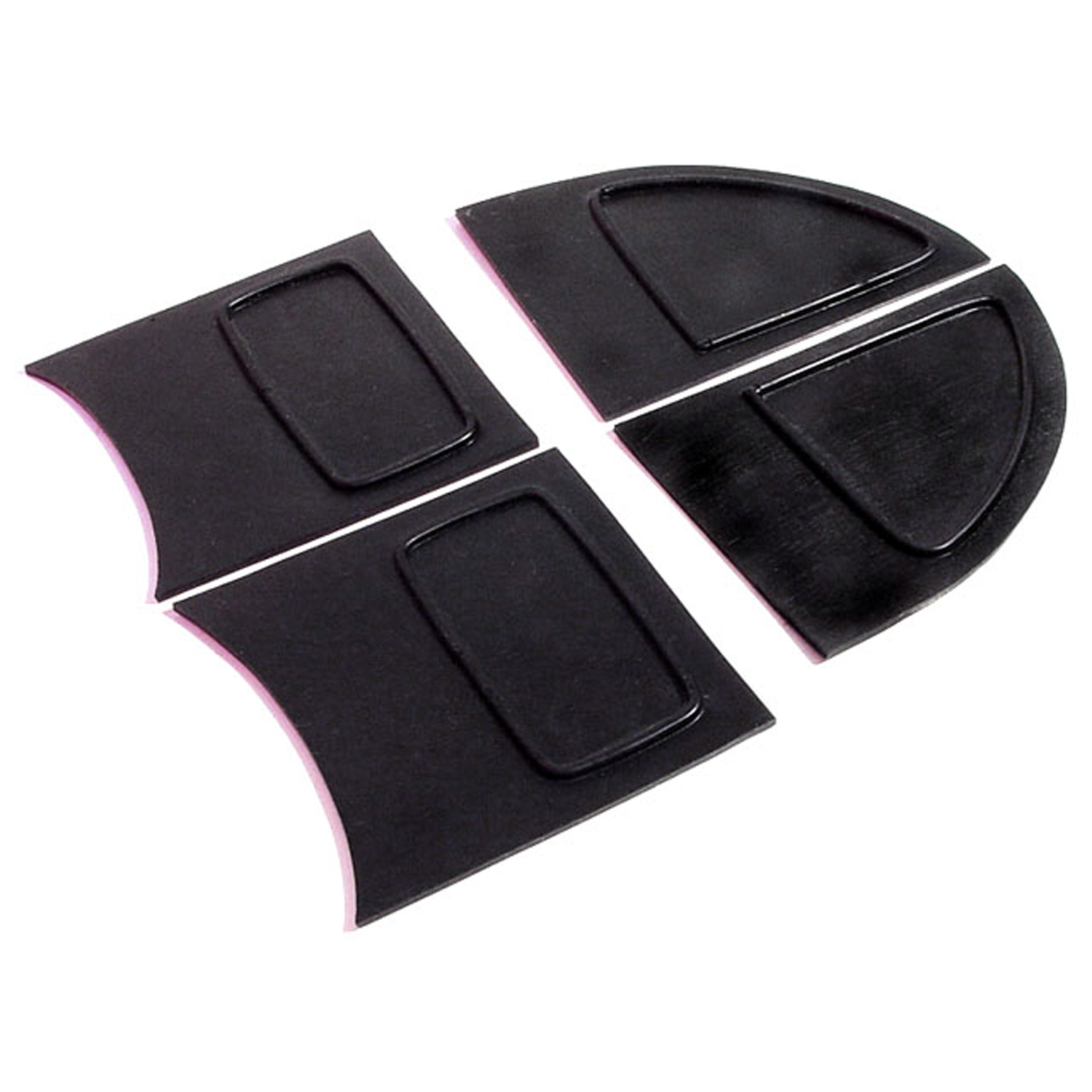 1923 Pierce-Arrow Model 33 Hood Corner Covers. Flat rubber with original design-HC 20Hood Corner Covers. Flat rubber with original design. Used to recover old metal. Tall pad is 3-1/4" long X 2-1/4" wide. Other is 2-1/2" wide. Set
Why Choose Metro?
For over 100 years, Metro Moulded Parts has been the pinnacle of quality in classic car restoration parts. Our commitment to precision and authenticity in every component ensures a perfect fit and an OEM-level appearance.
- Expert Craftsmanship & Quality: Each part is a testament to our dedication to reliability and perfection, crafted from original designs and thoroughly tested.
- Advanced Technology: We use cutting-edge techniques to create flawless, long-lasting parts that surpass others in performance.
- SuperSoft Sponge – The Ultimate Door Seal: Not only are our door seals 30% softer than competitors', but they're also guaranteed to never leak. They effectively reduce wind and road noise, enhancing your classic car's comfort and driving experience.
- Proudly American: Our parts are a product of American craftsmanship, made in the USA with a spirit of excellence and heritage.
- Unrivaled Warranty: We back our products with a 30-year industry-leading warranty, a testament to our confidence in their quality.
Join us in preserving the legacy of classic cars with parts that are crafted for perfection, not just made.