
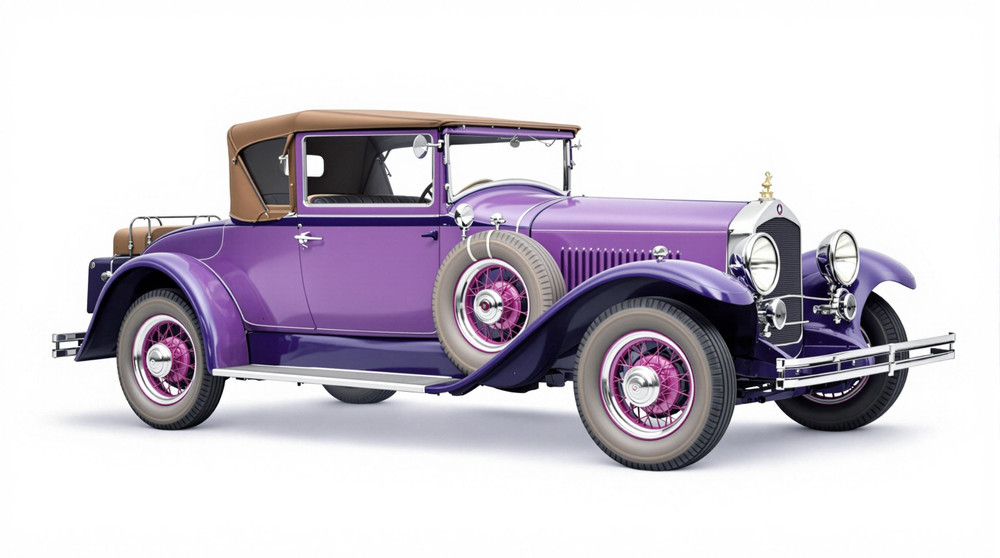
Image of 1924 Pierce-Arrow Model 33, Note: These illustrations use artistic license and may differ from actual historical models.
Performance Metrics
Fundamental Metrics
Emotional Appeal
MMP Rating
| Engine Specifications | |
|---|---|
| Engine: | 6-cylinder |
| Displacement: | 5251 cc |
| Horsepower: | Estimated 38-48 HP |
| Torque: | Not available |
| Compression Ratio: | Not available |
| Ignition System: | Magneto |
| Cooling System: | Water-cooled |
| Performance Specifications | |
| 0-60 Time: | Not available |
| 1/4 Mile Time: | Not available |
| Top Speed: | 50-60 mph |
| Transmission and Drive | |
| Drive Type: | Rear-wheel drive |
| Transmission Type: | 3-speed manual |
| Fuel and Efficiency | |
| Fuel System Type: | Carburetor |
| MPG: | Not available |
| Dimensions and Brakes | |
| Brakes: | Mechanical drum brakes |
| Wheelbase: | 130 inches |
| Weight: | Estimated 3500-4000 lbs |
Note: Specifications for classic cars are given to the best of our ability, considering the limited and variant data available.
1924 Pierce-Arrow Model 33: A Six-Cylinder Built for the Best
The 1924 Pierce-Arrow Model 33 brought the polish of a top-tier American luxury car to a six-cylinder package, combining imposing proportions with the careful engineering and craftsmanship that made Pierce-Arrow famous. Built by the Pierce-Arrow Motor Car Company in Buffalo, New York, it was designed for buyers who wanted serious road-going comfort and prestige, not merely transportation.
The “33” referred to the car’s approximate NACC taxable-horsepower rating, not its cylinder count. Under the long hood sat a substantial six-cylinder engine, and the Model 33 offered a less costly alternative to Pierce-Arrow’s prestigious twelve-cylinder cars. A notable point in its story is that it belonged to a period when Pierce-Arrow was competing at the summit of American motoring, alongside names such as Packard and Peerless. Even its six-cylinder models carried the finish and presence expected of a marque known for exclusivity.
Long Hood, Fine Finish and Custom Bodies
The Model 33 has the classic profile of a luxury car from the mid-1920s: a tall, upright radiator, a broad hood, separate headlamps, sweeping fenders and running boards that visually connect the front and rear of the car. Its proportions are stately rather than sporty. Depending on the body, a long beltline and rear-mounted spare tires add to its formal, road-ready appearance. The famous Pierce-Arrow headlamps integrated into the front fenders belong to a later design era, so they are not a feature of this 1924 model.
Inside, the emphasis was on space, comfort and quality. Owners could expect substantial seating, carefully finished wood trim and durable upholstery, with materials and detailing varying by body style and buyer’s specification. Open cars exposed occupants to the weather but gave passengers an expansive view; enclosed sedans and limousines offered a more private, insulated setting. These were coachbuilt-era automobiles, so the exact interior finish could differ from one example to another.
There was no single universal color scheme. Buyers could choose from period-appropriate paints and combinations, often pairing a dark body with contrasting trim or fenders. Deep blues, greens, maroons and black were all natural choices for a formal luxury car of the period, though colors depended on the order and bodywork. Original paint records are uncommon, so a surviving car’s current color should not automatically be assumed to be factory-correct.
Model 33 body offerings included open touring and roadster-style forms as well as enclosed sedan and limousine-type bodies. Exact availability depended on the model year and coachwork configuration. The open touring body is especially evocative today, with its folding top, generous seating and side-mounted spares, while a closed sedan better conveys the Model 33’s role as a comfortable prestige car. Pierce-Arrow’s appeal lay partly in this ability to offer different interpretations of the same substantial chassis.
Engineering in the 1920s
The Model 33 used a large-displacement, L-head six-cylinder engine of approximately 366 cubic inches. Its “33” rating was a taxation-era figure, not a direct statement of the engine’s real output. The engine’s size and low-speed pulling power suited a heavy automobile intended to carry passengers smoothly over long distances. A conventional three-speed manual transmission and rear-wheel drive gave the car a familiar mechanical layout for its time.
Luxury also meant investing in practical equipment. Electric starting and lighting were established features in this class by the mid-1920s, replacing much of the labor associated with hand-starting and oil lamps. Four-wheel braking was an important safety advance in the era and was available on high-end cars such as Pierce-Arrow models. Compared with a modern vehicle, the controls and braking system still demand anticipation and regular adjustment, but the Model 33 represented a sophisticated touring car by contemporary standards.
Why the Model 33 Mattered
The Model 33 illustrates how American luxury manufacturers were broadening their offerings without abandoning their reputation for quality. Its six-cylinder engine made it a more accessible route into Pierce-Arrow ownership than the marque’s most expensive models, yet it remained a large, carefully finished automobile. That balance helped define the premium six-cylinder car: substantial enough for touring, but less extravagant than a flagship twelve.
It also reflects a turning point in motoring. Cars were becoming more dependable and more usable for long-distance travel, while enclosed bodies were increasingly attractive to buyers who once accepted open cars as the norm. Pierce-Arrow did not invent the luxury car or a single feature that transformed the industry with this model. Its influence was instead part of a broader standard of American craftsmanship, engineering and personalized coachwork that shaped expectations for premium automobiles.
Road Manners and Performance
Period performance figures are not as consistent as modern instrumented tests, and surviving cars vary in condition, gearing, body weight and mechanical setup. A sound Model 33 may reach roughly 65 to 70 mph under favorable conditions. A 0-to-60 mph time in the neighborhood of 25 to 35 seconds is a reasonable estimate, not a verified factory test figure. The car’s strength is relaxed torque and steady touring rather than rapid acceleration.
On a well-maintained road, the Model 33 feels composed and substantial. Its mass helps it settle over ordinary bumps, although its period suspension and tall tires cannot isolate passengers like a modern luxury car. On winding roads, the driver must account for the car’s length, weight and slower steering response. It rewards smooth inputs and measured cornering rather than quick changes of direction.
Behind the wheel, the engine’s note is a deep, steady mechanical hum, accompanied by the sounds of the transmission, tires and chassis that are part of a prewar driving experience. Steering and braking require more effort and planning than in a contemporary car. The pleasure comes from the car’s unhurried pace, the view over the long hood and the sense that every control has a direct mechanical connection to the road.
Living With a Pierce-Arrow
Today, a Model 33 is most often used for touring events, historic motoring gatherings, concours displays and occasional fair-weather drives. It is not a sensible daily driver for most owners. Modern traffic moves quickly, replacement parts can take time to source, and the car’s brakes, lighting and crash protection are far behind current standards.
Maintenance is manageable for an experienced vintage-car mechanic, but it is not always easy for the average owner. The straightforward mechanical layout is a benefit, yet age, specialized components and coachwork-specific parts complicate repairs. Regular attention to ignition, fuel delivery, lubrication, cooling, tires and brakes is essential. Before buying, a prospective owner should arrange a thorough inspection by someone familiar with brass-era and prewar American cars, paying particular attention to the engine, transmission, frame, wood structure and the quality of any restoration.
Model 33 Facts and Common Misconceptions
The Model 33 name is sometimes mistaken for a 33-horsepower engine specification or a 33-cylinder design. It is neither: the car has six cylinders, and the number refers to an era-specific taxable-horsepower rating. Its actual performance depended on the engine and vehicle configuration.
Pierce-Arrow as a company was associated with wealth, official and ceremonial use, and high-end American motoring. That broader reputation should not be confused with a claim that every famous Pierce-Arrow appearance involved a Model 33. The model is better understood as part of the marque’s ambitious 1920s lineup than as a record-setting race car. Its strengths were refinement, presence and touring ability, not speed records or mass-market sales.
A common criticism today is that the Model 33 can be expensive to restore relative to its performance. Its large size, specialist parts and labor-intensive coachwork can make even a sound example costly to maintain. It also lacks the effortless speed, safety equipment and convenience that some collectors expect from a classic car. For enthusiasts who value craftsmanship and period character, however, those compromises are part of the appeal.
Collector Values and Rarity
Exact production totals for the 1924 Model 33 are not consistently reported in commonly available model references. A cautious estimate is several hundred to around 1,500 cars for the model year, with the true figure depending on how body and series variations are counted. That is an informed estimate, not a confirmed factory total. Surviving examples are scarce, and the market may go years without offering a particular body style.
In today’s collector market, a project or car needing substantial mechanical and cosmetic work might sell for roughly $25,000 to $50,000. A presentable, usable example could fall around $50,000 to $110,000, while a high-quality restoration or especially desirable open body could reach approximately $110,000 to $200,000 or more. These are broad U.S. dollar estimates, not appraisals; provenance, originality, restoration quality and body style can move the price considerably.
Values for major prewar automobiles tend to be selective rather than uniformly rising. Well-documented, correctly restored examples can remain desirable, but restoration costs and changing collector tastes place a ceiling on what many buyers will pay. The Model 33 is best viewed as a rare, quality-focused classic whose strongest value is its character and marque heritage, rather than as a guaranteed short-term investment.
A Lasting American Luxury Car
The 1924 Pierce-Arrow Model 33 combines a large six-cylinder engine, dignified styling and coachbuilt-era craftsmanship in a car made for comfortable travel. It was not the fastest or most technologically radical automobile of its day, but it brought Pierce-Arrow’s high standards to a broader model in the company’s prestigious range. More than a century later, its long hood and measured road manners still tell the story of an era when luxury meant engineering, materials and the confidence to travel at your own pace.
1924 Pierce-Arrow Model 33 Catalog of Parts
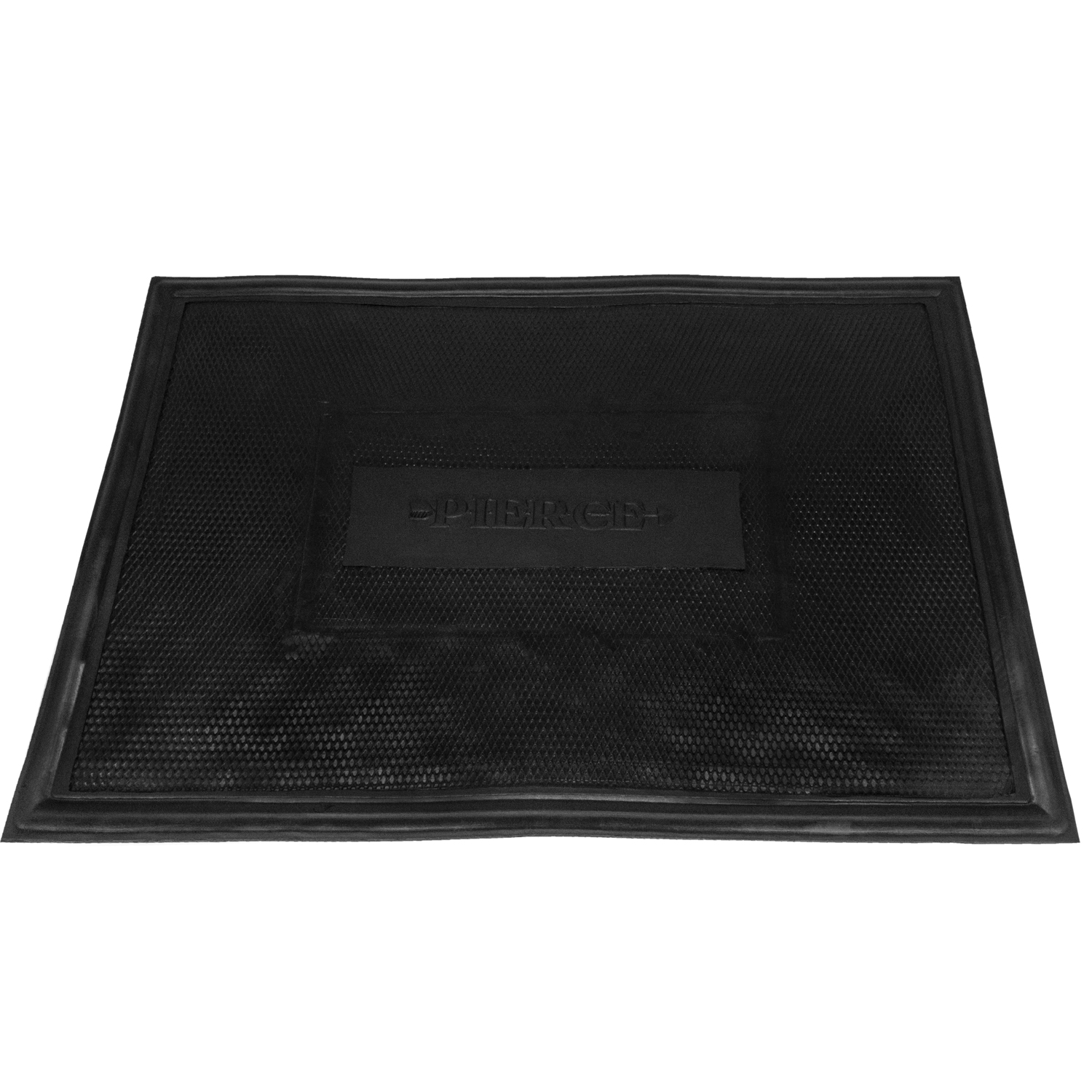 1924 Pierce-Arrow Model 33 Accessory Floor Mat - 12"X17"-AC 16Accessory Floor Mat - made of high quality black rubber with molded original emblem. Also designed to be sewn into new carpets. 12"X17", Each
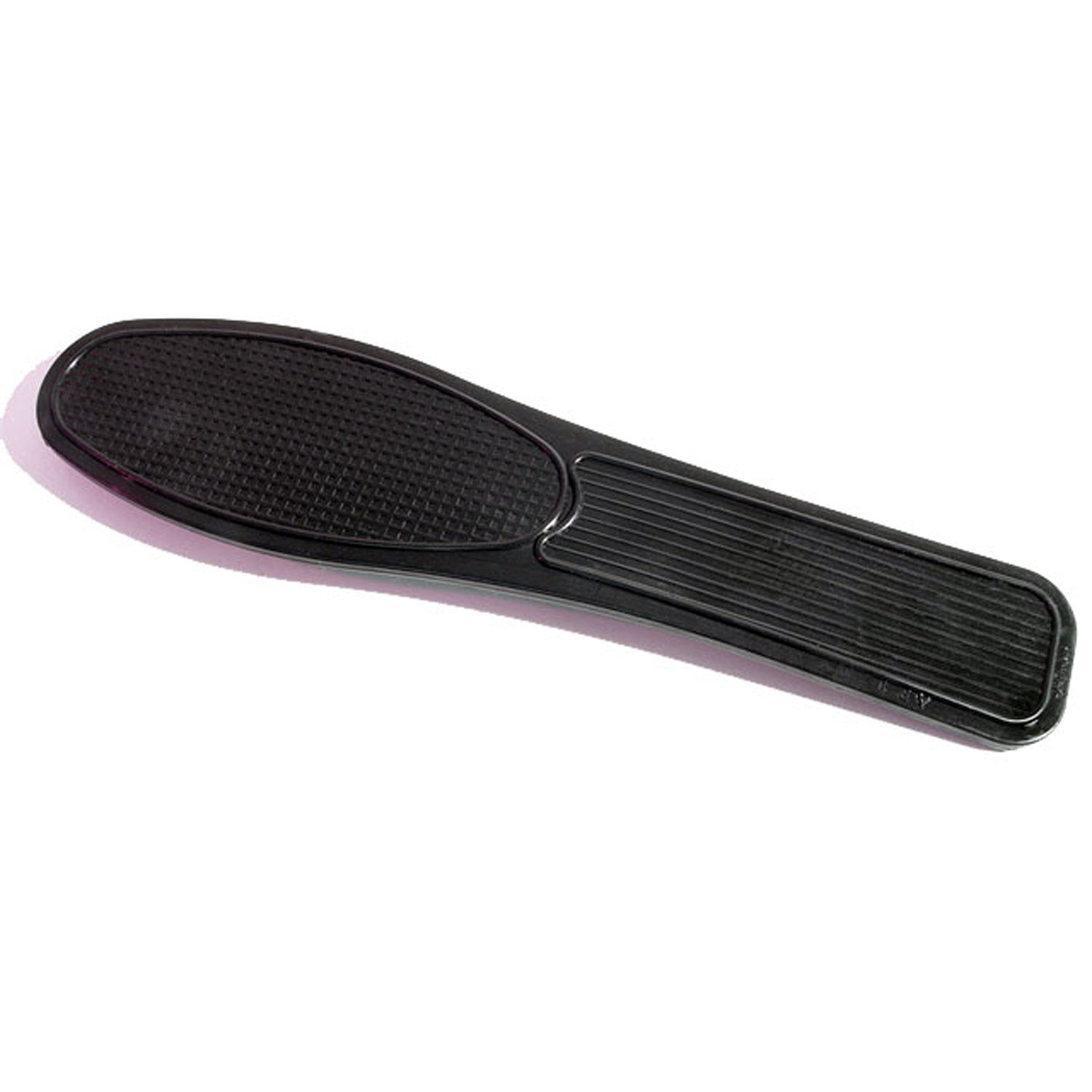 1924 Pierce-Arrow Model 33 Accelerator Pedal Pad. Cement on type. No emblem-AP 121Accelerator Pedal Pad. Cement on type. No emblem. 2-1/2" X 10-1/8", Each
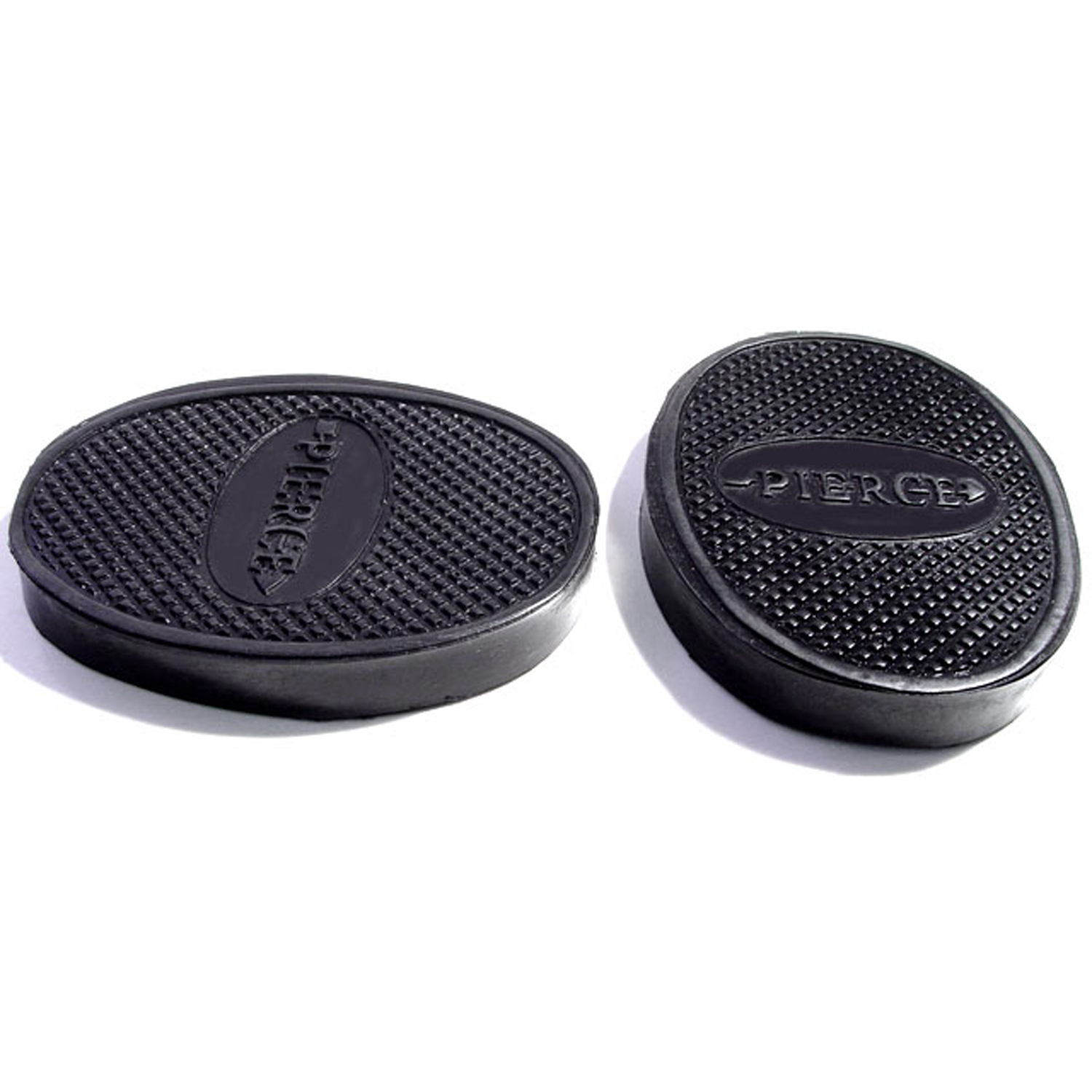 1924 Pierce-Arrow Model 33 Clutch and Brake Pedal Pads. Sharp Emblem-CB 33Clutch and Brake Pedal Pads. Sharp Emblem. 3" wide X 4-1/8" long. Pair
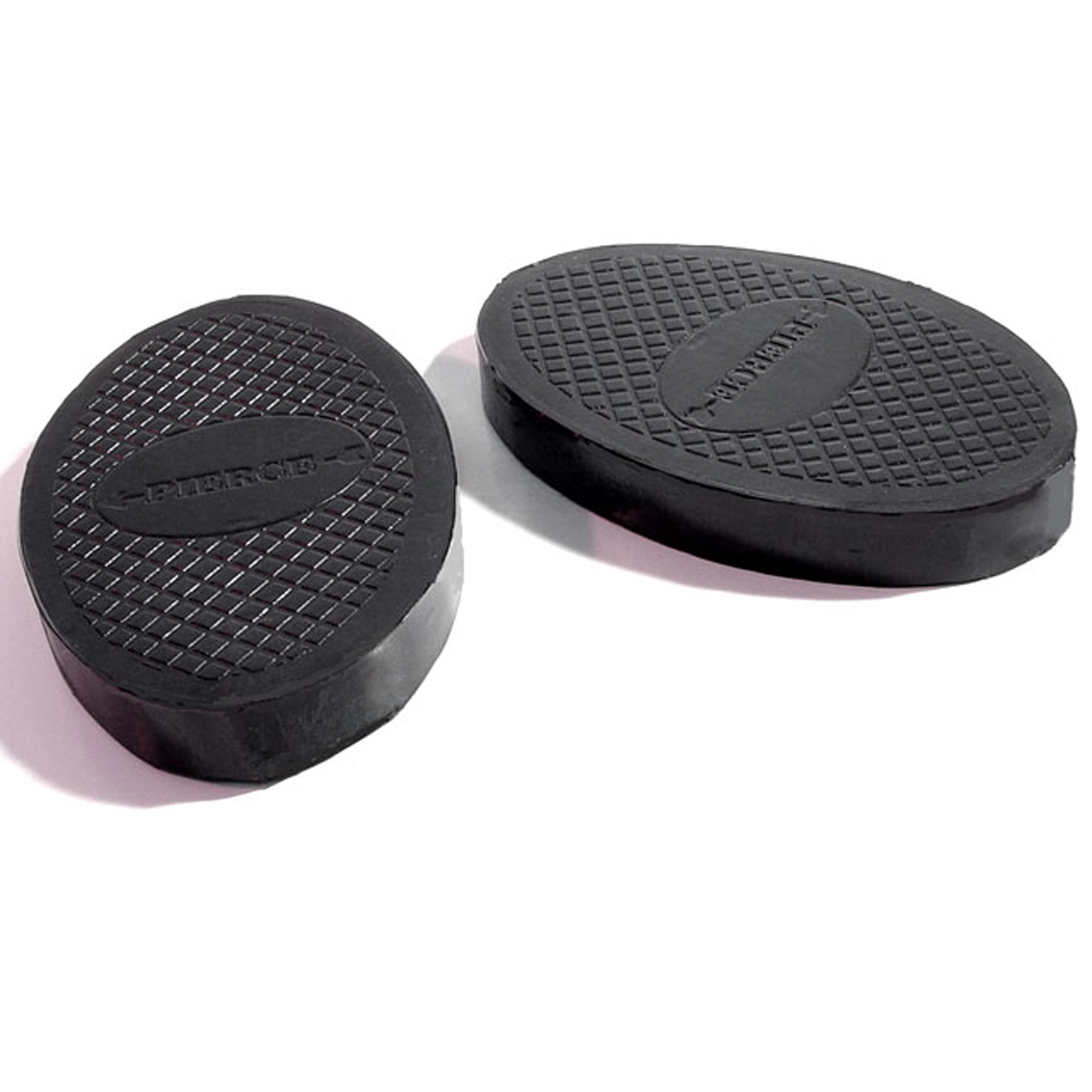 1924 Pierce-Arrow Model 33 Clutch and Brake Pedal Pads. Sharp-looking Emblem-CB 34Clutch and Brake Pedal Pads. Sharp-looking Emblem. 2-7/8" wide X 4-3/4" long. Pair
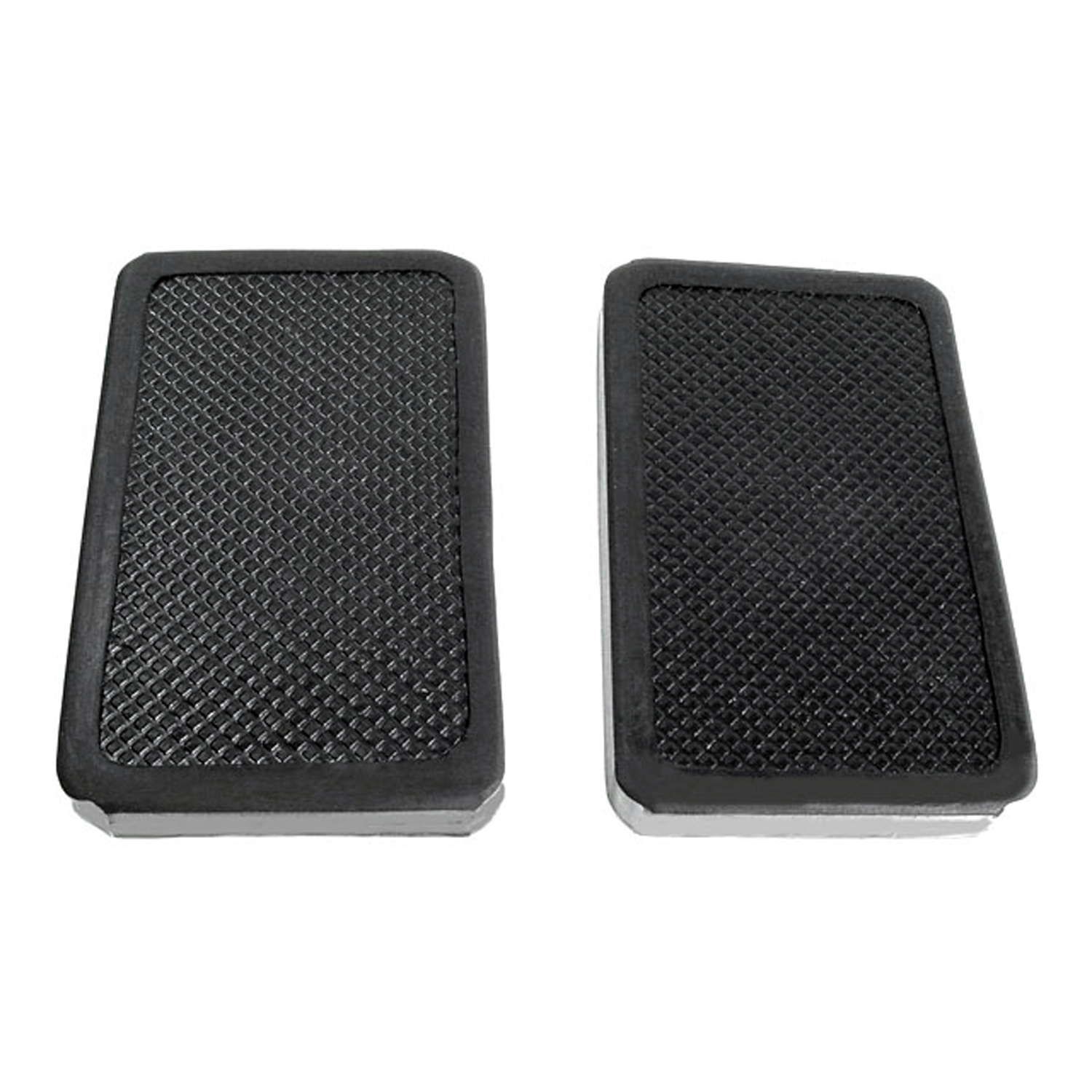 1924 Pierce-Arrow Model 33 Clutch and Brake Pedal Pads. 3" wide X 5" long. Pair-CB 35Clutch and Brake Pedal Pads. 3" wide X 5" long. Pair
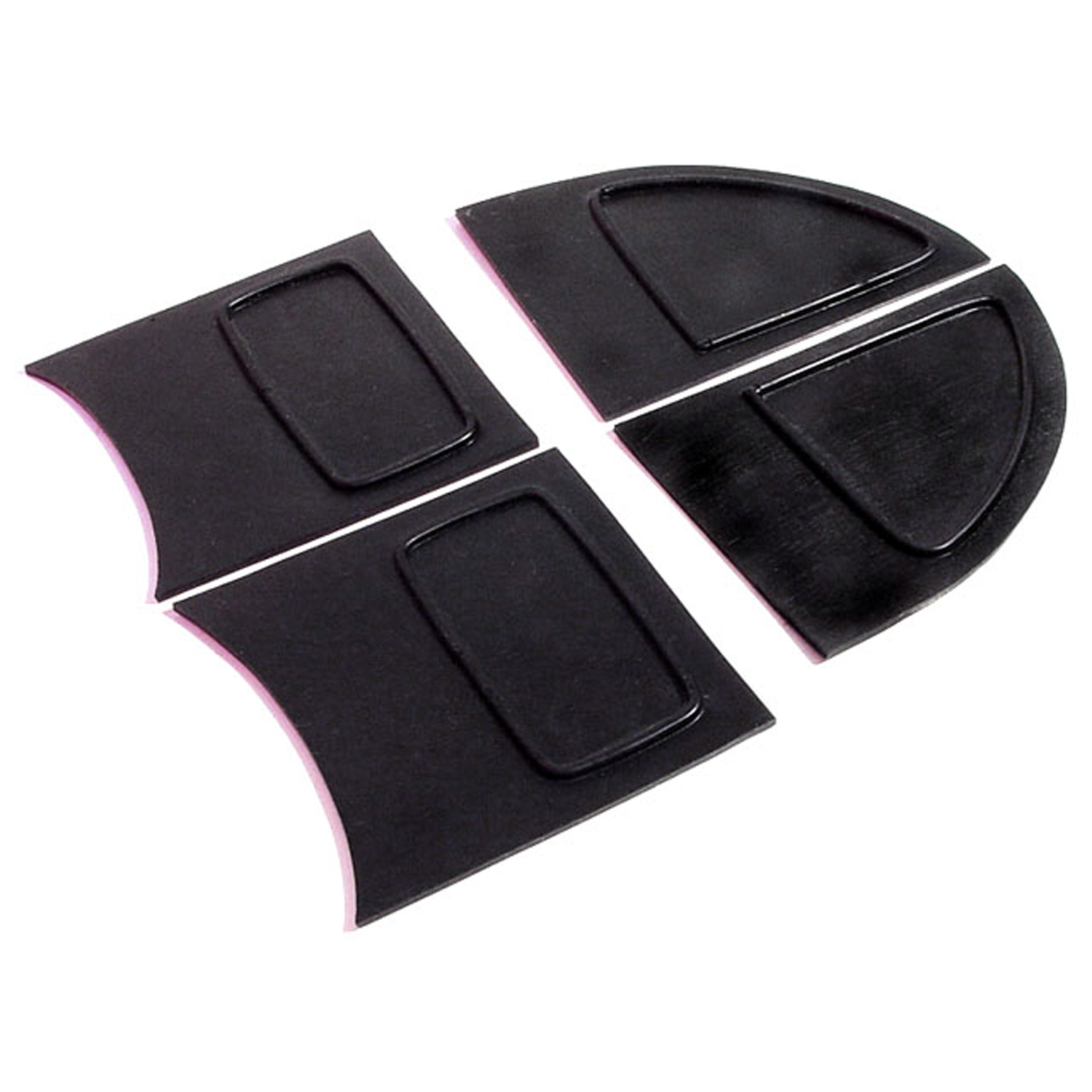 1924 Pierce-Arrow Model 33 Hood Corner Covers. Flat rubber with original design-HC 20Hood Corner Covers. Flat rubber with original design. Used to recover old metal. Tall pad is 3-1/4" long X 2-1/4" wide. Other is 2-1/2" wide. Set
Why Choose Metro?
For over 100 years, Metro Moulded Parts has been the pinnacle of quality in classic car restoration parts. Our commitment to precision and authenticity in every component ensures a perfect fit and an OEM-level appearance.
- Expert Craftsmanship & Quality: Each part is a testament to our dedication to reliability and perfection, crafted from original designs and thoroughly tested.
- Advanced Technology: We use cutting-edge techniques to create flawless, long-lasting parts that surpass others in performance.
- SuperSoft Sponge – The Ultimate Door Seal: Not only are our door seals 30% softer than competitors', but they're also guaranteed to never leak. They effectively reduce wind and road noise, enhancing your classic car's comfort and driving experience.
- Proudly American: Our parts are a product of American craftsmanship, made in the USA with a spirit of excellence and heritage.
- Unrivaled Warranty: We back our products with a 30-year industry-leading warranty, a testament to our confidence in their quality.
Join us in preserving the legacy of classic cars with parts that are crafted for perfection, not just made.