
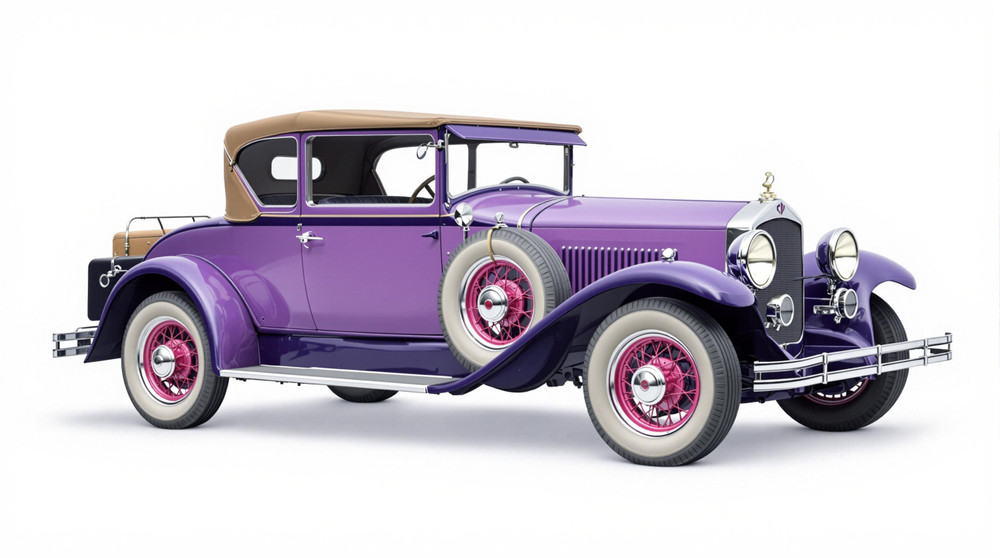
Image of 1926 Pierce-Arrow Model 33, Note: These illustrations use artistic license and may differ from actual historical models.
Performance Metrics
Fundamental Metrics
Emotional Appeal
MMP Rating
| Engine Specifications | |
|---|---|
| Engine: | 6-cylinder |
| Displacement: | 366 cubic inches |
| Horsepower: | Estimated 70-80 HP |
| Torque: | Not available |
| Compression Ratio: | Not available |
| Ignition System: | Battery and coil |
| Cooling System: | Water-cooled |
| Performance Specifications | |
| 0-60 Time: | Not available |
| 1/4 Mile Time: | Not available |
| Top Speed: | 70 mph |
| Transmission and Drive | |
| Drive Type: | Rear-wheel drive |
| Transmission Type: | 3-speed manual |
| Fuel and Efficiency | |
| Fuel System Type: | Carburetor |
| MPG: | Not available |
| Dimensions and Brakes | |
| Brakes: | Mechanical drum brakes |
| Wheelbase: | 130 inches |
| Weight: | Estimated 3500-4000 lbs |
Note: Specifications for classic cars are given to the best of our ability, considering the limited and variant data available.
1926 Pierce-Arrow Model 33: A Six-Cylinder Classic With Serious Presence
The 1926 Pierce-Arrow Model 33 brought the stature of a great American luxury car to a slightly more accessible price point, without giving up the commanding proportions and meticulous finish that made the Buffalo-built marque famous. Its long hood, upright radiator, and distinctive headlamps mounted above the front fenders made it instantly recognizable, while its large six-cylinder engine gave it the power for confident touring.
Pierce-Arrow began in Buffalo, New York, as the George N. Pierce Company, a maker of household goods and bicycles before it entered the automobile business around the turn of the 20th century. The company built a reputation for quality, durability, and prestige, and adopted the Pierce-Arrow name in 1909. By 1926, it was competing in the upper tier of the American market against makes such as Packard, Cadillac, and Lincoln.
The Model 33 was the more attainable six-cylinder choice in a lineup that also included larger and more expensive cars. Its appeal was not simply its size or power. It offered the polish of a luxury automobile at a time when cars were becoming increasingly important symbols of prosperity, mobility, and modern American life. A memorable Pierce-Arrow detail was already part of its visual identity: the headlights perched on the front fenders, a styling signature the marque had introduced years earlier.
Distinctive Pierce-Arrow Styling
The Model 33 has the imposing, upright look associated with 1920s luxury cars. A tall radiator shell leads the eye down the long hood, while sweeping front fenders carry the headlamps high on either side. The fender-mounted lights were more than decoration. They gave the car a distinctive face and helped make Pierce-Arrow recognizable even from a distance.
Depending on body style, the car could look formal and chauffeur-driven or open and ready for a long country tour. Closed sedans and limousines emphasized a strong roofline, substantial doors, and a sheltered passenger compartment. Touring cars and phaetons displayed more of the chassis and offered an open-air experience, often with a folding top and removable side curtains. Roadsters and coupes gave the Model 33 a sportier character, while town-car-style bodies leaned toward formal city use.
Paint and trim varied with the body and the buyer’s order. Dark blue, maroon, green, gray, and black were natural choices for the period, with restrained combinations common on formal sedans. Open cars could be ordered in more noticeable colors, often complemented by contrasting upholstery or top material. Pierce-Arrow buyers could specify a high degree of finish, so there was no single color combination that defined every Model 33.
Cabin Craft and Period Technology
Inside, the Model 33 was built to feel substantial rather than flashy. Depending on the body, occupants might find finely finished wood trim, quality cloth upholstery, leather on more upscale or open models, and carefully fitted door panels. A limousine or sedan could provide a quieter, more protected environment, while an open touring body put passengers in close contact with the weather and road.
The driving position was conventional for the era, with a large steering wheel, prominent instruments, and a manual gearshift. The controls were mechanical and direct, with none of the electronic assistance or convenience features expected today. A driver had to manage the clutch, throttle, gear changes, and braking with more attention than a modern motorist would need.
For its time, the Model 33 combined a large, refined engine with four-wheel mechanical brakes and a robust chassis suited to a heavy luxury body. Electrical equipment and lighting were also part of the car’s modern specification, although exact equipment could vary by body and individual order. It was an advanced automobile by 1920s standards, but it remained a machine that rewarded skilled, attentive driving.
Model 33 Specifications and Road Performance
The Model 33 is generally associated with a side-valve, or L-head, inline six displacing about 366 cubic inches. Published specifications can vary by year and reference, but period figures commonly place output in the neighborhood of 90 to 100 horsepower. The engine’s appeal was its steady pulling power and smooth delivery, not high-revving performance.
Period cars were not routinely tested from 0 to 60 mph using today’s standardized methods, so acceleration figures should be treated as estimates. A sound Model 33 might take roughly 25 to 35 seconds to reach 60 mph, depending on its body, gearing, condition, and load. A plausible top speed is around 70 to 75 mph, though sustained high-speed running would depend heavily on mechanical health, tires, road surface, and cooling.
On a broad, well-maintained road, the Model 33 would feel composed and substantial. Its long wheelbase and weight helped it settle over gentle undulations, but the tall tires and leaf-spring suspension could not isolate occupants from sharp bumps as effectively as a modern car. On winding roads, the driver had to plan ahead. The steering was likely heavy at low speeds, body roll was noticeable by modern standards, and mechanical brakes required more anticipation than modern hydraulic systems.
The engine would make a low, deliberate six-cylinder sound rather than the sharp bark of a sports car. The ride would feel expansive and mechanical, with the steering wheel, clutch, and gear lever keeping the driver closely involved. For a period owner, that was part of the pleasure: a Model 33 was a powerful touring car, but it still asked its driver to participate.
How the Model 33 Fit Its Era
In the mid-1920s, the American luxury market was crowded with ambitious manufacturers. Pierce-Arrow’s answer was craftsmanship, engineering, and a recognizable design language. The Model 33 gave buyers a six-cylinder alternative to the company’s larger, costlier offerings, extending the marque’s reach without turning it into a mass-market car.
The car’s fender-mounted headlights remain its most influential visual feature. They became a lasting Pierce-Arrow trademark and gave the brand a distinctive identity at a time when many automobiles shared similar upright radiators and long hoods. The Model 33 also reflected a broader shift in the luxury market: buyers increasingly expected a prestigious automobile to be capable of regular road use, not merely ceremonial transportation.
It was not a mass-production pioneer in the way the Ford Model T had been, nor was the Model 33 known primarily as a racing car. Its importance lies in how it represented American luxury engineering: substantial power, custom body choices, strong road presence, and a high level of finish. That combination helped define what affluent buyers expected from a premium American automobile.
Ownership, Maintenance, and Reliability
A Model 33 could serve as personal transportation, a family touring car, or a chauffeur-driven sedan. Today, surviving examples are most often used for classic-car touring, concours events, museum displays, and carefully planned local drives. Their size and age make them less practical as everyday transportation, especially in modern traffic.
Maintenance is manageable for an experienced vintage-car owner, but it is not casual. The engine, ignition, carburetion, cooling system, clutch, transmission, and mechanical brakes all require regular inspection and adjustment. Parts availability is more limited than for a mass-produced Ford or Chevrolet of the same period, and some components may need specialist repair or careful reproduction. A knowledgeable pre-purchase inspection is especially important for the chassis, engine, brakes, and any coachwork that has been restored.
Reliability depends far more on restoration quality and ongoing care than on the badge alone. A properly rebuilt Model 33 can tour reliably at sensible speeds, but an unrestored or poorly maintained car may demand frequent attention. Owners should also remember that early mechanical brakes, vintage tires, and limited lighting make modern highway use a poor match for the car.
Model 33 Trivia and Common Criticisms
Pierce-Arrow’s fender-mounted headlights are among the marque’s most recognizable features, and they were a genuine design statement rather than an incidental ornament. The company had built a reputation for durability even before the Model 33 arrived, including success in early reliability contests such as the Glidden Tours. That heritage helped give its later luxury cars a reputation for serious engineering.
There is no widely cited, definitive production total for the 1926 Model 33 alone. Pierce-Arrow built cars in comparatively modest numbers, and surviving production records are not always presented in a model-by-model format. A reasonable working estimate is roughly 800 to 1,500 Model 33s for the 1926 model year, but that should be treated as an estimate, not a factory-confirmed figure. The precise number of survivors is smaller and depends on body style and condition.
Common criticisms are familiar to anyone who drives a prewar luxury car: the Model 33 is large, thirsty by modern standards, slow to accelerate, and demanding to stop quickly. Its mechanical systems require regular care, and some body styles are difficult to maneuver or park in modern spaces. Those limitations are part of the period experience, but they also explain why today’s owners tend to use these cars selectively rather than as routine transportation.
Collector Values and Availability
Values vary sharply according to body style, originality, restoration quality, and provenance. As a broad current-market estimate, a usable but imperfect example might fall around $35,000 to $60,000. A well-restored sedan or touring car could bring roughly $60,000 to $120,000, while an especially rare, beautifully restored, or coachbuilt example could exceed that range. These are guide figures, not an appraisal, and individual sales can differ considerably.
The Model 33 is uncommon but not necessarily impossible to find. Closed sedans and more standard bodies are generally easier to encounter than unusual open or custom-built examples. Buyers may wait a long time for the right car, particularly if they want a specific body style, original features, or a documented restoration.
Like many significant prewar cars, the Model 33 has benefited from long-term collector interest, but its market is selective. Exceptional examples remain desirable, while cars needing major mechanical or coachwork restoration can be costly projects. In broad terms, top-quality cars are likely to hold their appeal better than average examples, though prices are not guaranteed to rise every year. Restoration costs can also exceed the value gained, so condition and documentation matter more than optimism.
Why the 1926 Pierce-Arrow Model 33 Still Matters
The 1926 Pierce-Arrow Model 33 combined a powerful six-cylinder engine, formal luxury, a wide range of body styles, and one of the most recognizable front-end designs in classic motoring. It offered an alternative to the company’s larger models while preserving the craftsmanship and road presence expected of a Pierce-Arrow.
Today, it is best understood as both a fine touring car and a piece of American industrial design. Its long hood and fender-mounted headlamps make it unmistakable, while its mechanical character offers a vivid reminder of how demanding and rewarding driving could be a century ago. The Model 33 does more than recall the prestige of the 1920s: it carries that era’s confidence, craftsmanship, and unmistakable style onto the road.
1926 Pierce-Arrow Model 33 Catalog of Parts
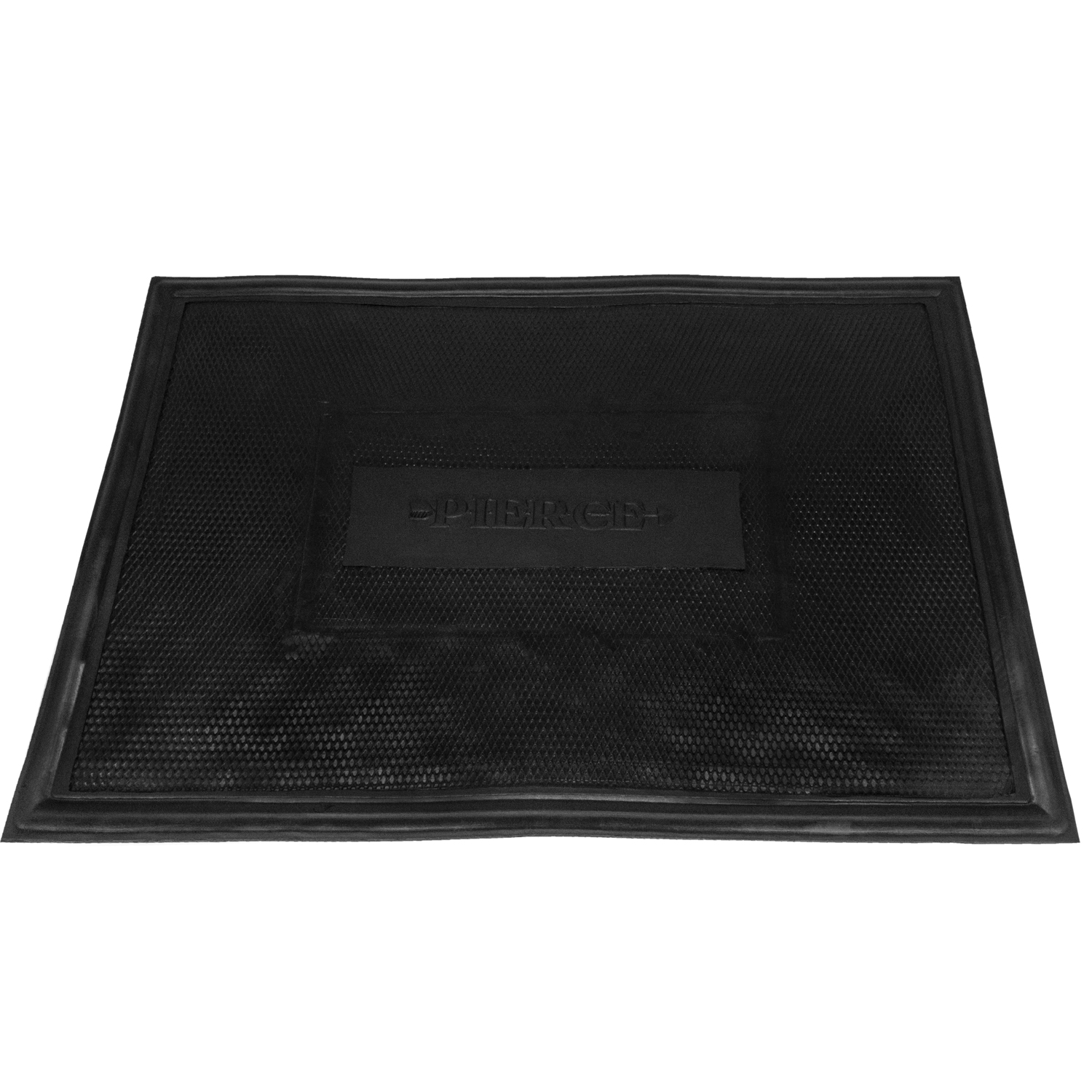 1926 Pierce-Arrow Model 33 Accessory Floor Mat - 12"X17"-AC 16Accessory Floor Mat - made of high quality black rubber with molded original emblem. Also designed to be sewn into new carpets. 12"X17", Each
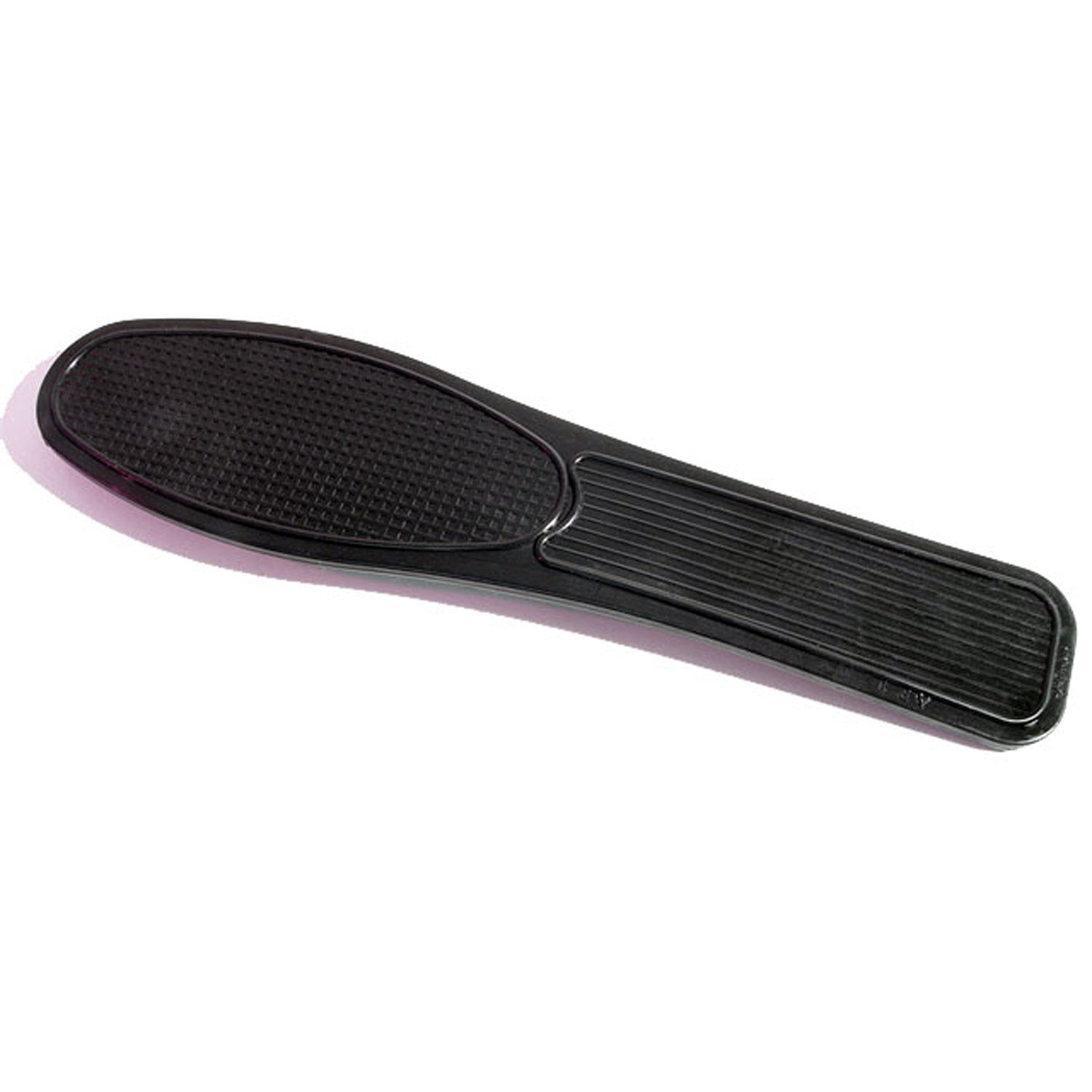 1926 Pierce-Arrow Model 33 Accelerator Pedal Pad. Cement on type. No emblem-AP 121Accelerator Pedal Pad. Cement on type. No emblem. 2-1/2" X 10-1/8", Each
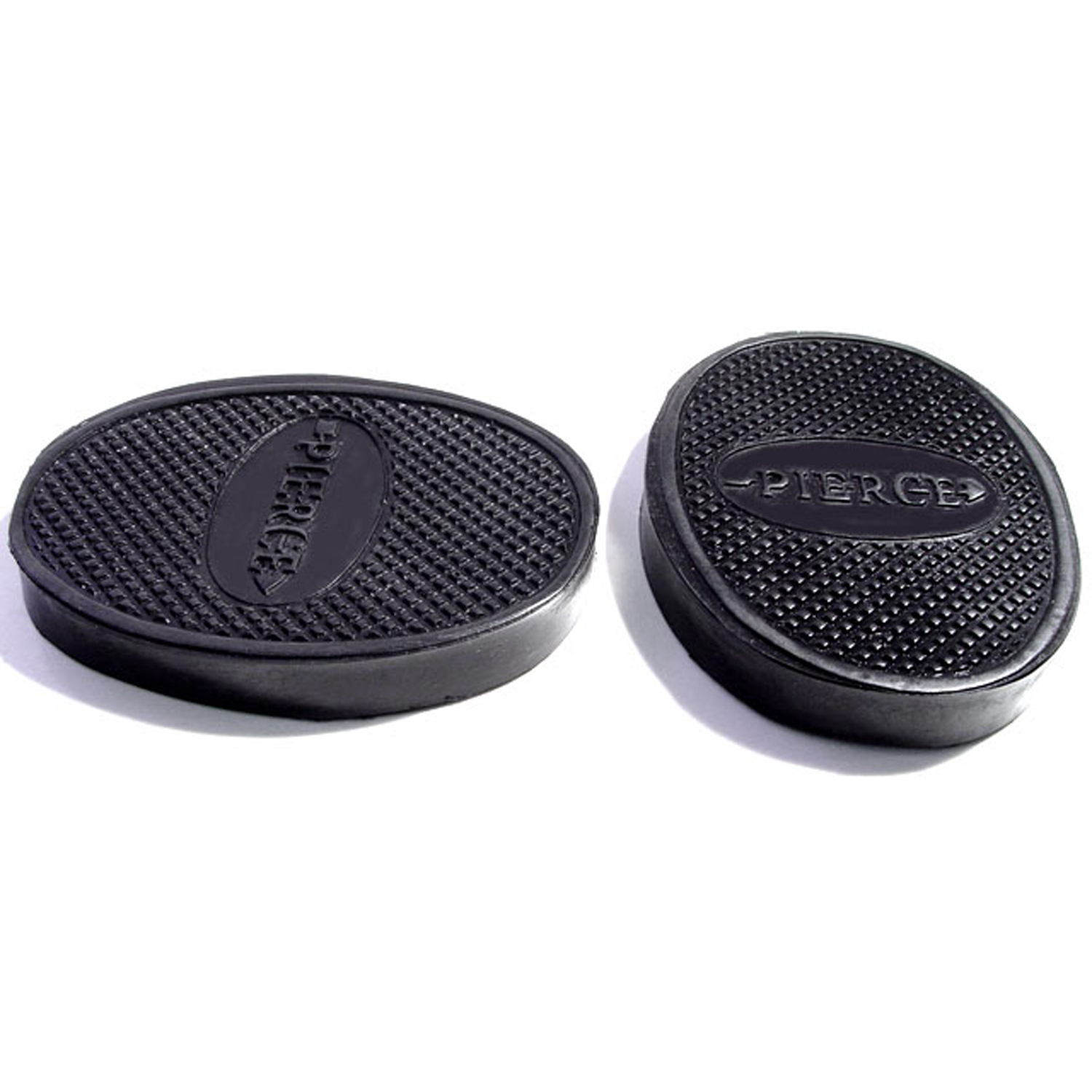 1926 Pierce-Arrow Model 33 Clutch and Brake Pedal Pads. Sharp Emblem-CB 33Clutch and Brake Pedal Pads. Sharp Emblem. 3" wide X 4-1/8" long. Pair
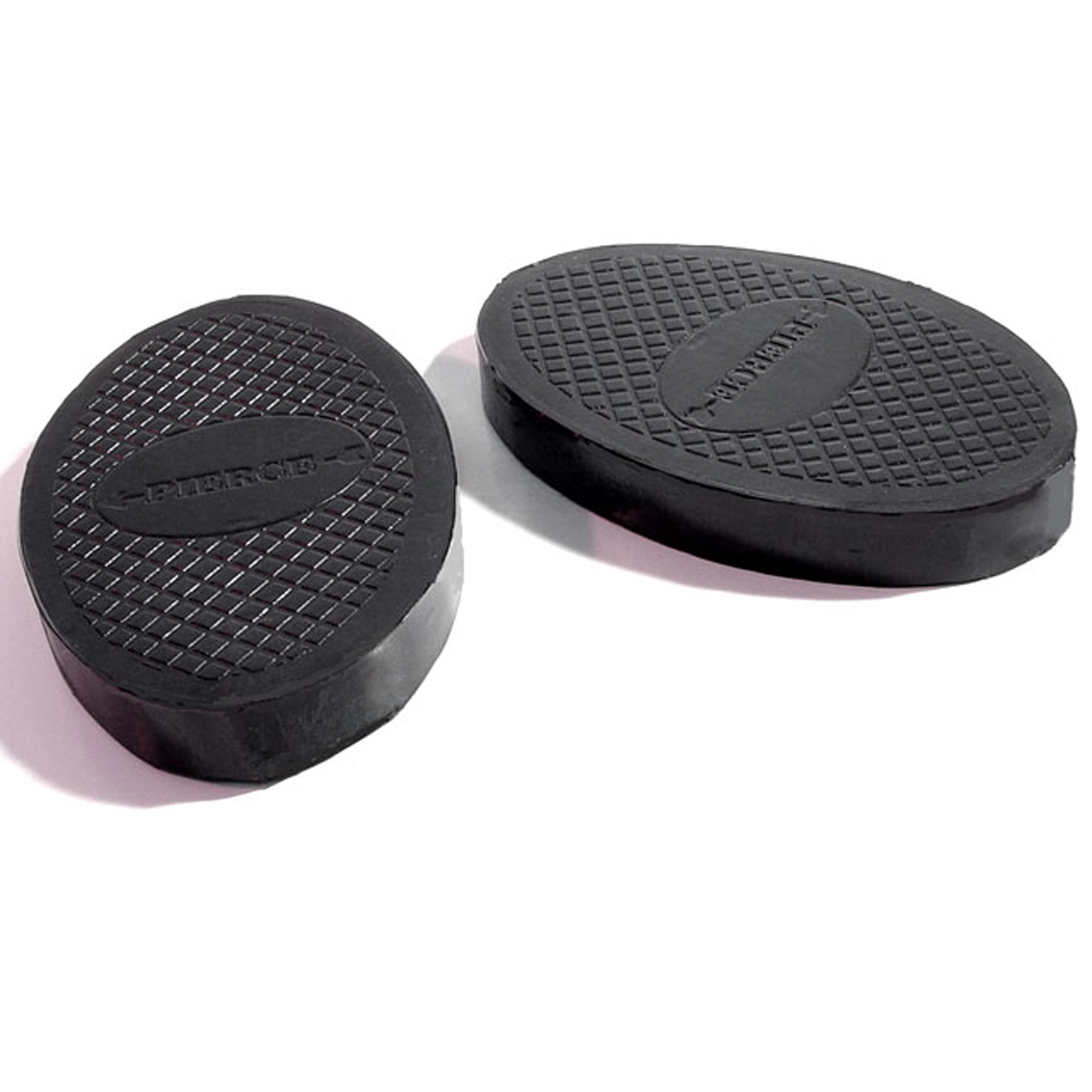 1926 Pierce-Arrow Model 33 Clutch and Brake Pedal Pads. Sharp-looking Emblem-CB 34Clutch and Brake Pedal Pads. Sharp-looking Emblem. 2-7/8" wide X 4-3/4" long. Pair
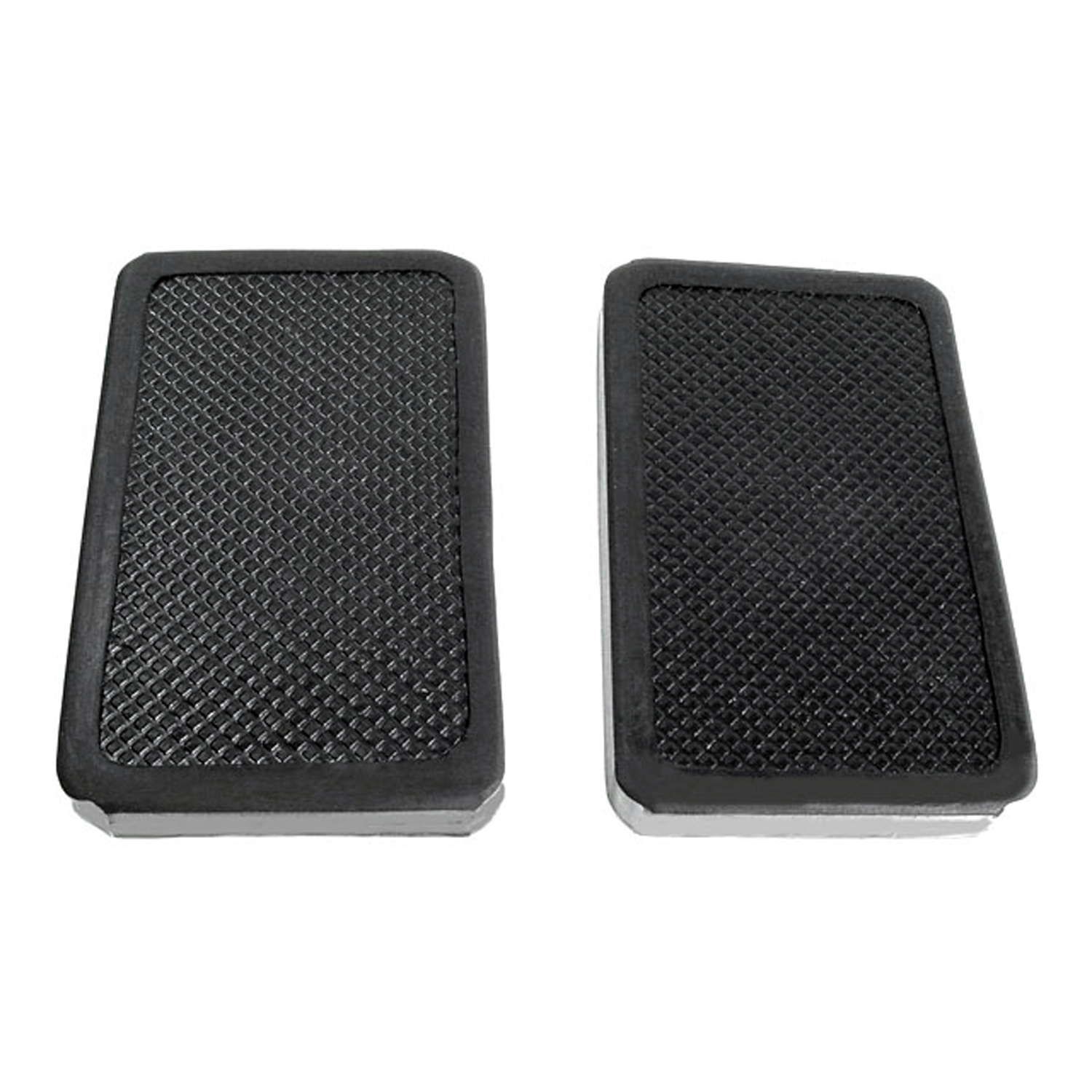 1926 Pierce-Arrow Model 33 Clutch and Brake Pedal Pads. 3" wide X 5" long. Pair-CB 35Clutch and Brake Pedal Pads. 3" wide X 5" long. Pair
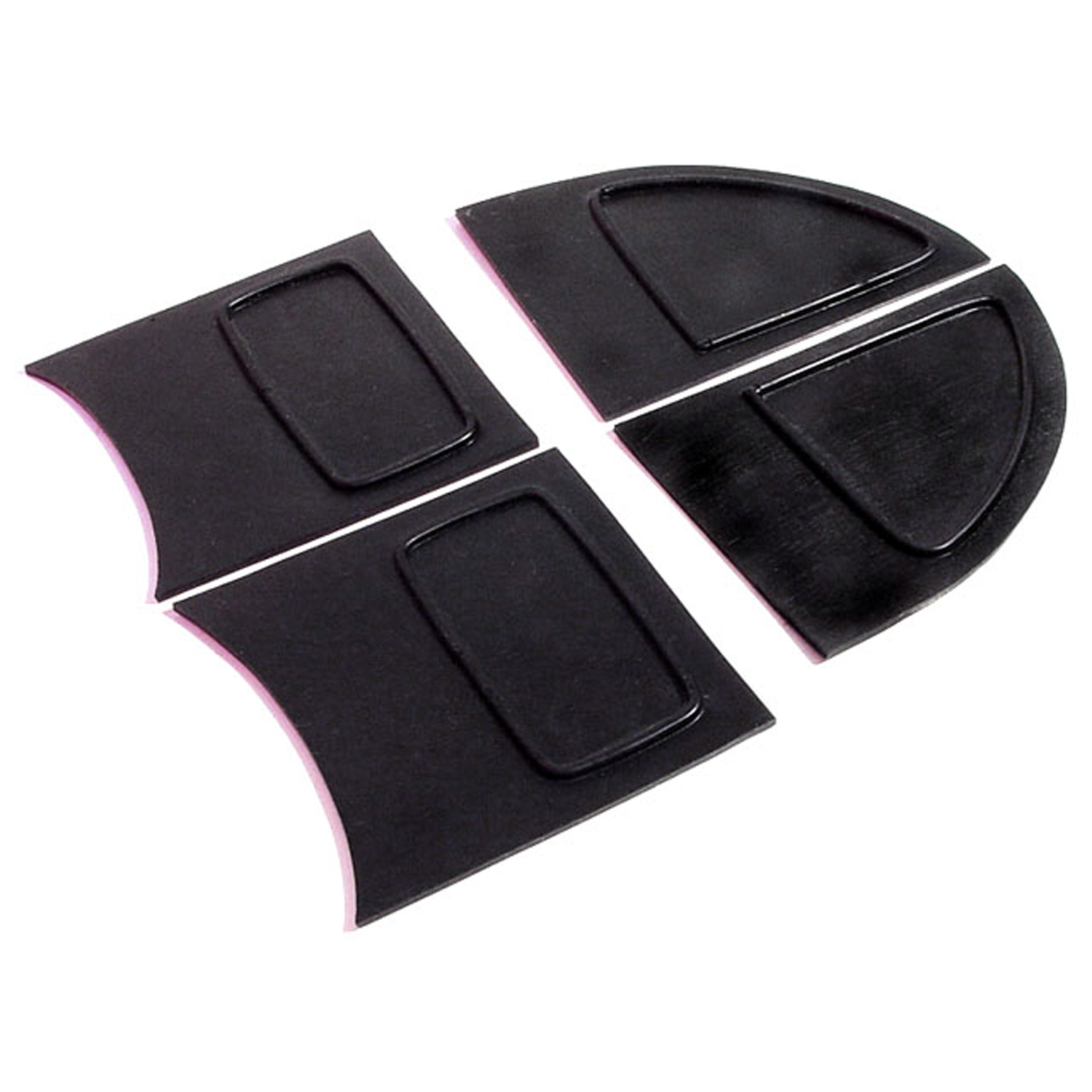 1926 Pierce-Arrow Model 33 Hood Corner Covers. Flat rubber with original design-HC 20Hood Corner Covers. Flat rubber with original design. Used to recover old metal. Tall pad is 3-1/4" long X 2-1/4" wide. Other is 2-1/2" wide. Set
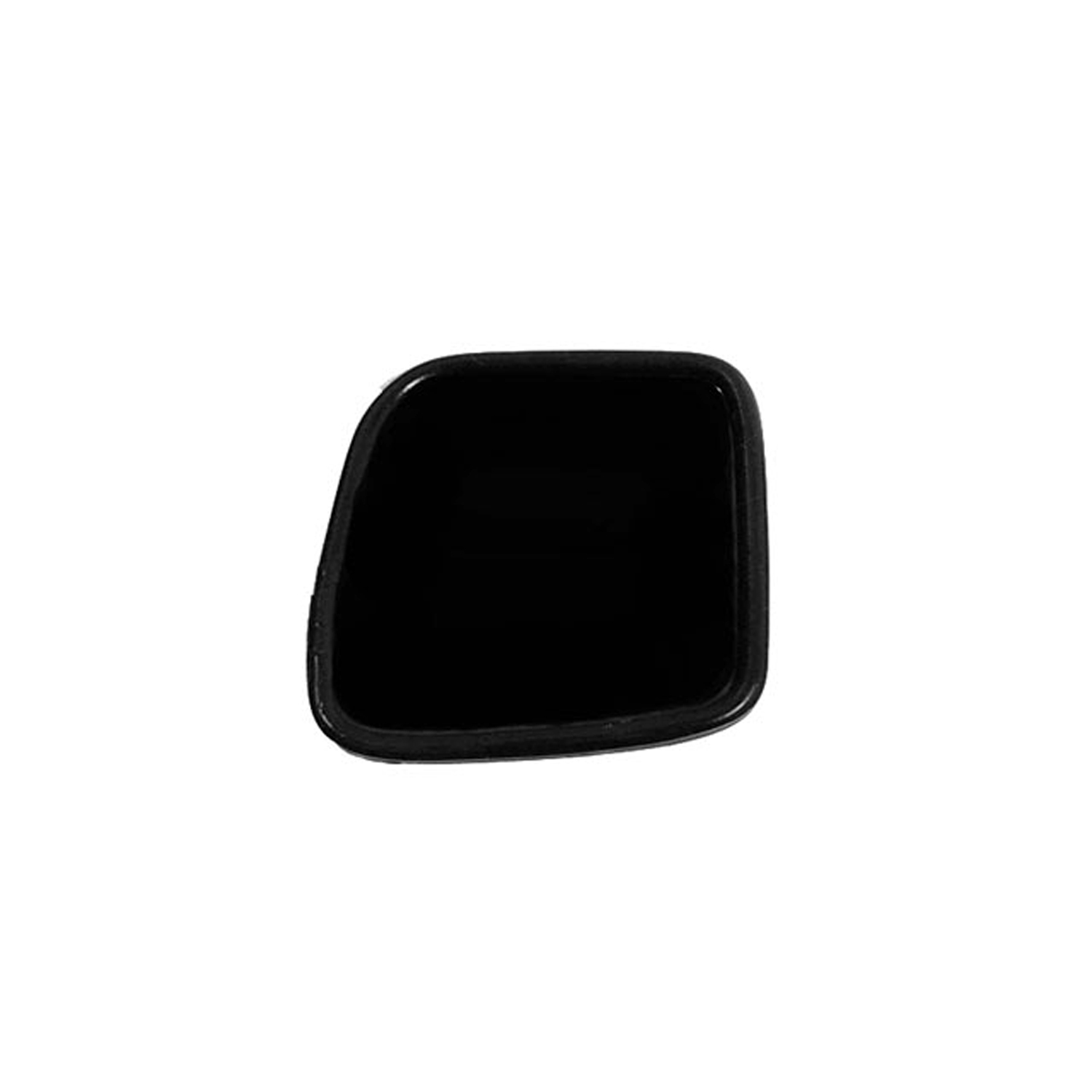 1926 Pierce-Arrow Model 33 Windshield Post Pad. 2-3/8" wide X 2-1/2" long. Each-MP 1200-AWindshield Post Pad. 2-3/8" wide X 2-1/2" long. Each
Why Choose Metro?
For over 100 years, Metro Moulded Parts has been the pinnacle of quality in classic car restoration parts. Our commitment to precision and authenticity in every component ensures a perfect fit and an OEM-level appearance.
- Expert Craftsmanship & Quality: Each part is a testament to our dedication to reliability and perfection, crafted from original designs and thoroughly tested.
- Advanced Technology: We use cutting-edge techniques to create flawless, long-lasting parts that surpass others in performance.
- SuperSoft Sponge – The Ultimate Door Seal: Not only are our door seals 30% softer than competitors', but they're also guaranteed to never leak. They effectively reduce wind and road noise, enhancing your classic car's comfort and driving experience.
- Proudly American: Our parts are a product of American craftsmanship, made in the USA with a spirit of excellence and heritage.
- Unrivaled Warranty: We back our products with a 30-year industry-leading warranty, a testament to our confidence in their quality.
Join us in preserving the legacy of classic cars with parts that are crafted for perfection, not just made.