
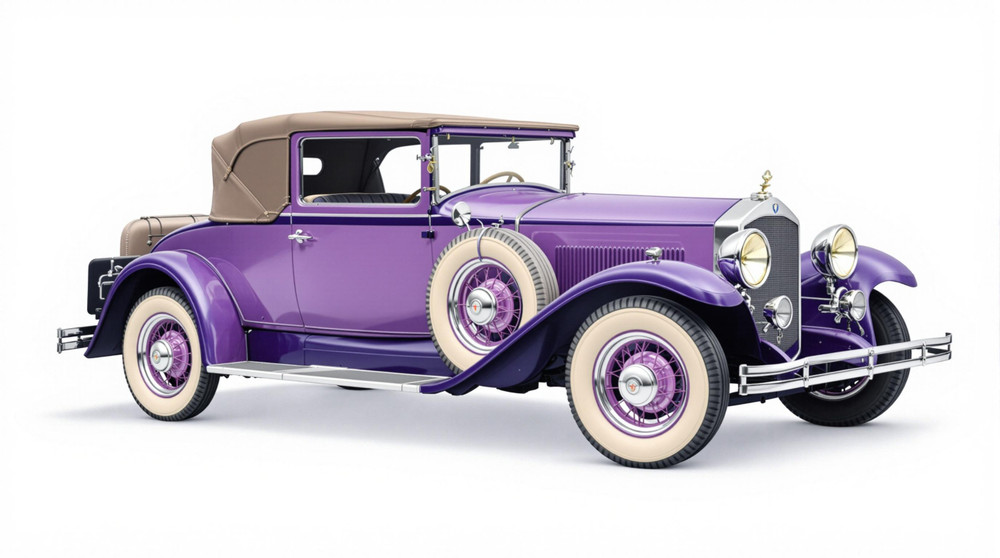
Image of 1927 Pierce-Arrow Model 36, Note: These illustrations use artistic license and may differ from actual historical models.
Performance Metrics
Fundamental Metrics
Emotional Appeal
MMP Rating
| Engine Specifications | |
|---|---|
| Engine: | 6-cylinder |
| Displacement: | 6.8L |
| Horsepower: | Estimated 100-125 HP |
| Torque: | Not available |
| Compression Ratio: | Not available |
| Ignition System: | Battery and coil |
| Cooling System: | Water-cooled |
| Performance Specifications | |
| 0-60 Time: | Not available |
| 1/4 Mile Time: | Not available |
| Top Speed: | 70 mph |
| Transmission and Drive | |
| Drive Type: | Rear-wheel drive |
| Transmission Type: | 3-speed manual |
| Fuel and Efficiency | |
| Fuel System Type: | Carburetor |
| MPG: | Not available |
| Dimensions and Brakes | |
| Brakes: | Mechanical drum brakes |
| Wheelbase: | 142 inches |
| Weight: | 4,500 lbs |
Note: Specifications for classic cars are given to the best of our ability, considering the limited and variant data available.
1927 Pierce-Arrow Model 36: A Great American Luxury Car
The 1927 Pierce-Arrow Model 36 brought the presence of a grand American motorcar to the road with a six-cylinder engine beneath its long hood. Built in Buffalo, New York, by the Pierce-Arrow Motor Car Company, it combined imposing proportions, careful coachwork and the kind of mechanical refinement expected of a prestigious marque. Its distinctive headlamps, set into the front fenders, made it recognizable even among other expensive cars of the period.
Pierce-Arrow’s roots went back to George N. Pierce’s Buffalo manufacturing business, which began with bicycles and household goods before turning to automobiles. The company adopted the Pierce-Arrow name in 1908 and became one of America’s best-known luxury-car makers. The Model 36 is notable as a six-cylinder offering from a marque closely associated with large, high-end cars. It gave buyers a more straightforward route into Pierce-Arrow ownership without sacrificing the company’s emphasis on quality.
One detail that helps explain the Model 36’s appeal is that its famous fender-mounted headlamps were more than decoration. They were a recognizable Pierce-Arrow design signature, developed years before this model and used to distinguish the company’s cars from rivals. In 1928, just after the Model 36’s time, Studebaker acquired a controlling interest in Pierce-Arrow, placing the car near the end of an important chapter in the marque’s independent history.
Fender-Mounted Style and Coachbuilt Comfort
The Model 36 has the formal, upright look associated with 1920s luxury cars. Its tall radiator, long bonnet, sweeping front fenders and large wheels give it a substantial stance. The headlamps appear to grow directly out of the fenders, while running boards and separate rear fenders emphasize the car’s length. Depending on body style, the roofline could look crisp and enclosed or open and sporting. The overall impression is dignified rather than flashy, with proportions that announce the car’s status before it has even started.
Inside, the experience depended on the body and trim ordered, but Pierce-Arrow buyers could expect carefully finished upholstery and substantial fittings. Leather was common in open or sporting bodies, while enclosed sedans could be trimmed in leather, cloth or broadcloth. Polished wood and neatly finished metal hardware added warmth to the cabin. The seating was generous by the standards of the day, especially in chauffeur-oriented bodies, though even a spacious 1927 interior lacks the insulation, climate control and ergonomic conveniences of a modern car.
Equipment was advanced for its time, but the Model 36 remained a driver-operated automobile. Its manually shifted transmission, clutch, steering and braking required active effort. Four-wheel mechanical brakes offered a significant safety advantage over older cars with brakes acting only on the rear wheels, but they still demanded more planning and pressure than modern power-assisted systems. The Model 36’s most striking technology was often the engineering as a whole: a refined six-cylinder powertrain, sturdy chassis and carefully integrated lighting and bodywork.
Buyers could choose from a range of factory finishes, with special colors and combinations depending on the body and order. Dark blues, greens, maroons and black suited the car’s formal character, while two-tone schemes could make open or sporting bodies look livelier. Exact paint choices varied, so it is safer to think of the Model 36 as a car offered in a broad palette rather than one tied to a single signature color.
Body styles included enclosed sedans and limousine-type cars, as well as open touring and phaeton forms and more compact coupe or roadster-style bodies. Availability could vary by catalog year and coachwork. The enclosed five-passenger sedan is among the most representative choices for the Model 36’s luxury role, while an open touring body makes the car’s long hood and sweeping fenders especially easy to appreciate.
What Made the Model 36 Significant
Pierce-Arrow competed in the rarefied company of Cadillac, Packard and Peerless. Its reputation rested on precise construction, durable engineering and a level of finish that separated it from mass-market cars. The Model 36 mattered because it extended that reputation to a six-cylinder model, giving buyers another way to choose a Pierce-Arrow while retaining the marque’s familiar styling and craftsmanship.
The car did not introduce a single technology that transformed the entire industry. Its significance lies instead in how it brought established luxury-car ideas together: a carefully engineered chassis, a substantial engine, four-wheel braking and bodywork designed to project authority. The fender-mounted headlamps became one of Pierce-Arrow’s most lasting visual signatures. The company’s influence is therefore especially visible in the history of American luxury styling, where identity and craftsmanship mattered as much as raw speed.
Compared with a typical family car of the late 1920s, the Model 36 was larger, more expensive and more carefully finished. Compared with the most powerful luxury cars, its six-cylinder engine made it a less extravagant choice. That balance is part of its character: a Pierce-Arrow with the marque’s presence, but not necessarily the biggest engine in the company’s range.
Six-Cylinder Performance and Road Manners
The 1927 Model 36 is generally associated with a 356-cubic-inch (about 5.8-liter) inline-six producing roughly 75 horsepower. Specifications can vary by source and configuration, so those figures are best treated as representative rather than a promise for every surviving car. Power went through a manual transmission, and the car’s considerable weight meant the engine delivered measured, steady performance rather than modern-style acceleration.
A sound period estimate puts top speed in the neighborhood of 70 to 80 mph, depending on body, gearing, condition and road surface. A 0-to-60-mph time was not a standard factory measure for cars of this era. Based on the engine output and the Model 36’s size, roughly 25 to 35 seconds is a reasonable estimate for a healthy example, with heavier enclosed bodies likely toward the slower end. These are historical-performance estimates, not guaranteed test figures.
On a smooth road, the Model 36’s long wheelbase and substantial chassis should make it feel composed and stately. Its leaf-spring suspension and tall tires provide some give over uneven surfaces, but sharp bumps can still travel through the frame and body. On winding roads, the high seating position, narrow tires and heavy steering call for deliberate inputs. It is not a sports car in the modern sense; it rewards smooth driving and anticipation rather than quick direction changes.
Behind the wheel, the six-cylinder engine would have a deep, steady mechanical note rather than a high-revving bark. The driver works the clutch and gear lever, listens to the engine and plans braking early. Steering can feel heavy at low speeds, and braking requires more leg effort than a modern car. At a relaxed touring pace, however, the Model 36 offers the appealing sensation of a large, carefully made machine settling into a rhythm.
Living With a 1927 Pierce-Arrow
Today, a Model 36 is best suited to touring, club events, concours displays and occasional pleasure drives. Its size and historic value make it impractical as a daily driver for most owners. It is also not a sensible choice for racing: the car is heavy, its brakes and tires are period equipment, and replacement parts may require specialist knowledge or custom fabrication.
Maintenance is manageable for an owner with mechanical experience, but it is not as simple as servicing a common postwar classic. The car’s ignition, fuel, cooling, lubrication and mechanical brake systems need regular attention, and parts can be difficult to source. A specialist familiar with prewar American cars is a valuable resource. Reliability depends heavily on restoration quality, correct setup and frequent use; a car that sits for years may develop fuel-system, battery, tire and lubrication problems even if it looks immaculate.
Before buying, inspect the chassis and body for corrosion or old repairs, check the engine’s oil pressure and cooling behavior, and test the transmission and brakes carefully. Documentation, restoration records and evidence that the car runs and stops properly can be more valuable than a fresh coat of paint. A pre-purchase inspection by a Pierce-Arrow or prewar-car specialist is money well spent.
History, Trivia and Common Criticisms
The Model 36 belongs to the final years before Studebaker took control of Pierce-Arrow in 1928. The broader Pierce-Arrow name also became famous for its distinctive fender-mounted headlights, a feature that made the cars easy to identify and remains a favorite detail among enthusiasts. The company later produced the dramatic Silver Arrow show car, but that 1930s design was a separate later chapter, not a Model 36 variant.
There is no widely recognized speed or endurance record specifically associated with the 1927 Model 36. Nor is it generally known for a single defining celebrity owner or historical event. That does not diminish its appeal: its story is the story of a respected American luxury manufacturer building sophisticated cars before the industry shifted toward larger production volumes and more standardized design.
Common criticisms are practical ones. The Model 36 is large, thirsty by modern standards and slower to accelerate than a contemporary car. Its brakes, steering and controls require more effort, and finding knowledgeable service can be a challenge. Some enthusiasts may also see the six-cylinder engine as less prestigious than Pierce-Arrow’s larger models. For others, that is precisely the attraction: it is a substantial Pierce-Arrow with a more restrained mechanical character.
Collector Values and Rarity
Exact production totals for the 1927 Model 36 are not consistently reported in commonly available references. A reasonable working estimate is roughly 1,500 to 2,500 Model 36 cars built for the model year, within an overall Pierce-Arrow production total often estimated at several thousand cars. That estimate should be treated as a best guess, not a verified factory figure. Surviving examples are much rarer than the original production suggests, especially in complete, correctly restored condition.
As a broad current-market guide, a project car may fall around $20,000 to $45,000, while a usable but imperfect example might bring approximately $45,000 to $90,000. A strong restoration can reach roughly $90,000 to $175,000, with exceptional examples or especially desirable body styles potentially selling for more. Actual results depend on condition, provenance, originality, coachwork and the quality of the restoration. These ranges are estimates, not appraisals, and auction prices can vary substantially.
Values for prewar classics tend to be selective rather than uniformly rising. The best documented and most attractive Pierce-Arrows remain desirable, but restoration costs, limited buyer pools and changing collector tastes can hold back ordinary examples. In nominal dollars, top cars may appreciate over time; after accounting for inflation and restoration expense, ownership is better understood as a passion than a guaranteed investment.
A Lasting American Luxury Classic
The 1927 Pierce-Arrow Model 36 blends recognizable American luxury styling with a capable six-cylinder engine and meticulous period craftsmanship. Its fender-mounted headlamps, formal proportions and varied body styles make it a memorable example of a marque that prized identity as much as engineering. It asks more of its driver than a modern car, but that effort is part of the appeal.
For collectors, the Model 36 is not just a handsome antique. It is a snapshot of Pierce-Arrow near the end of its independent era, when American luxury cars were built to make every journey feel important. Its presence on the road still speaks clearly: this was a car designed not simply to get there, but to arrive.
1927 Pierce-Arrow Model 36 Catalog of Parts
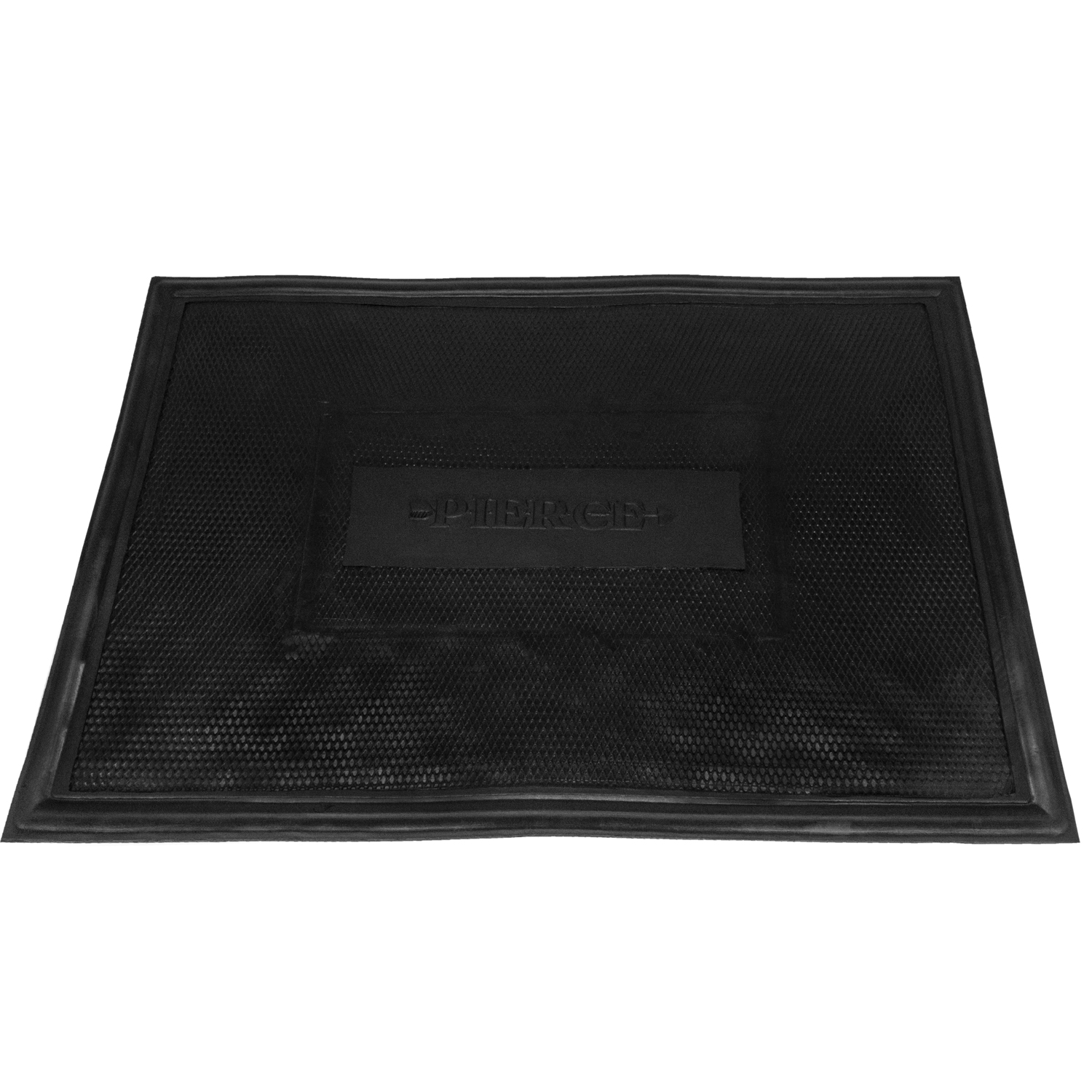 1927 Pierce-Arrow Model 36 Accessory Floor Mat - 12"X17"-AC 16Accessory Floor Mat - made of high quality black rubber with molded original emblem. Also designed to be sewn into new carpets. 12"X17", Each
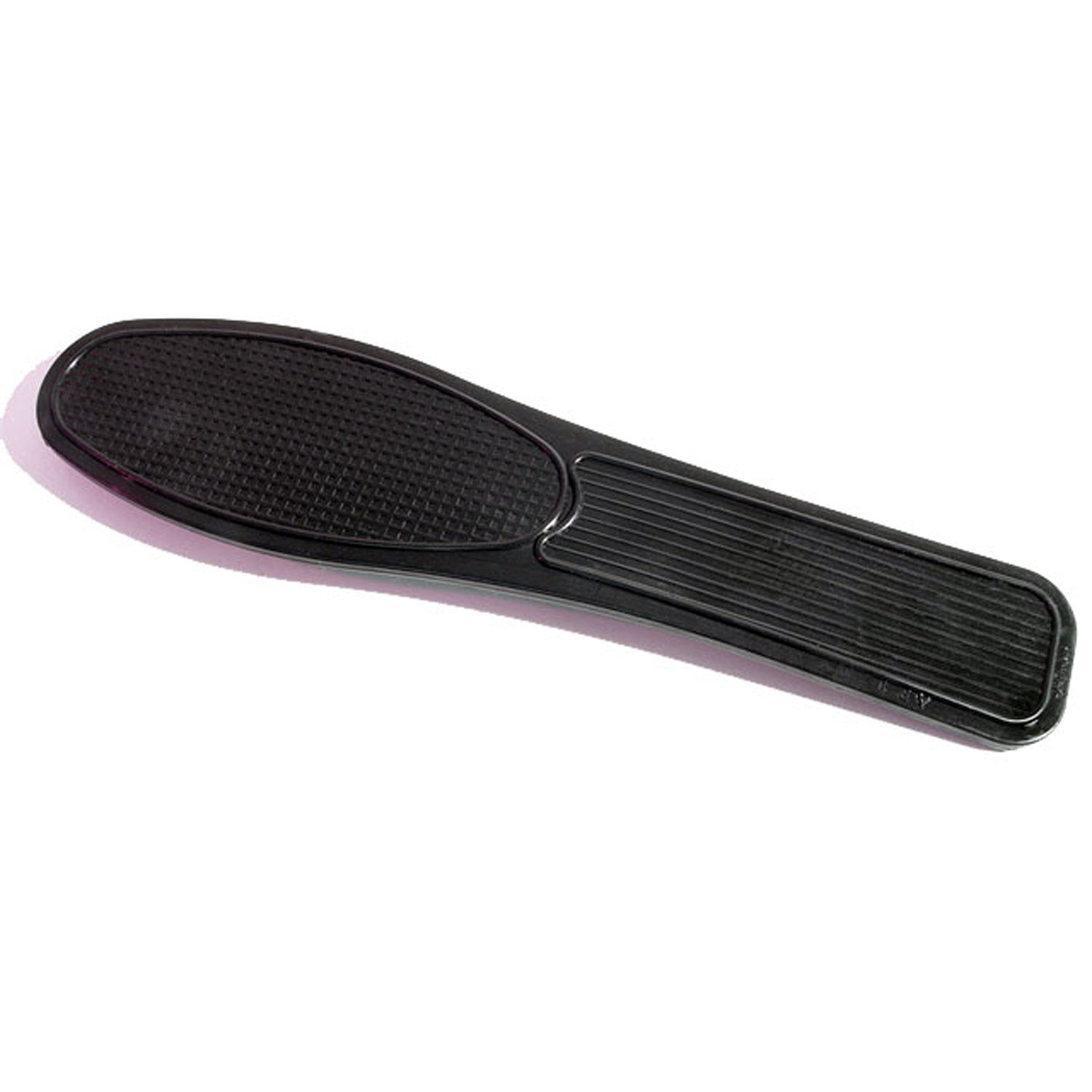 1927 Pierce-Arrow Model 36 Accelerator Pedal Pad. Cement on type. No emblem-AP 121Accelerator Pedal Pad. Cement on type. No emblem. 2-1/2" X 10-1/8", Each
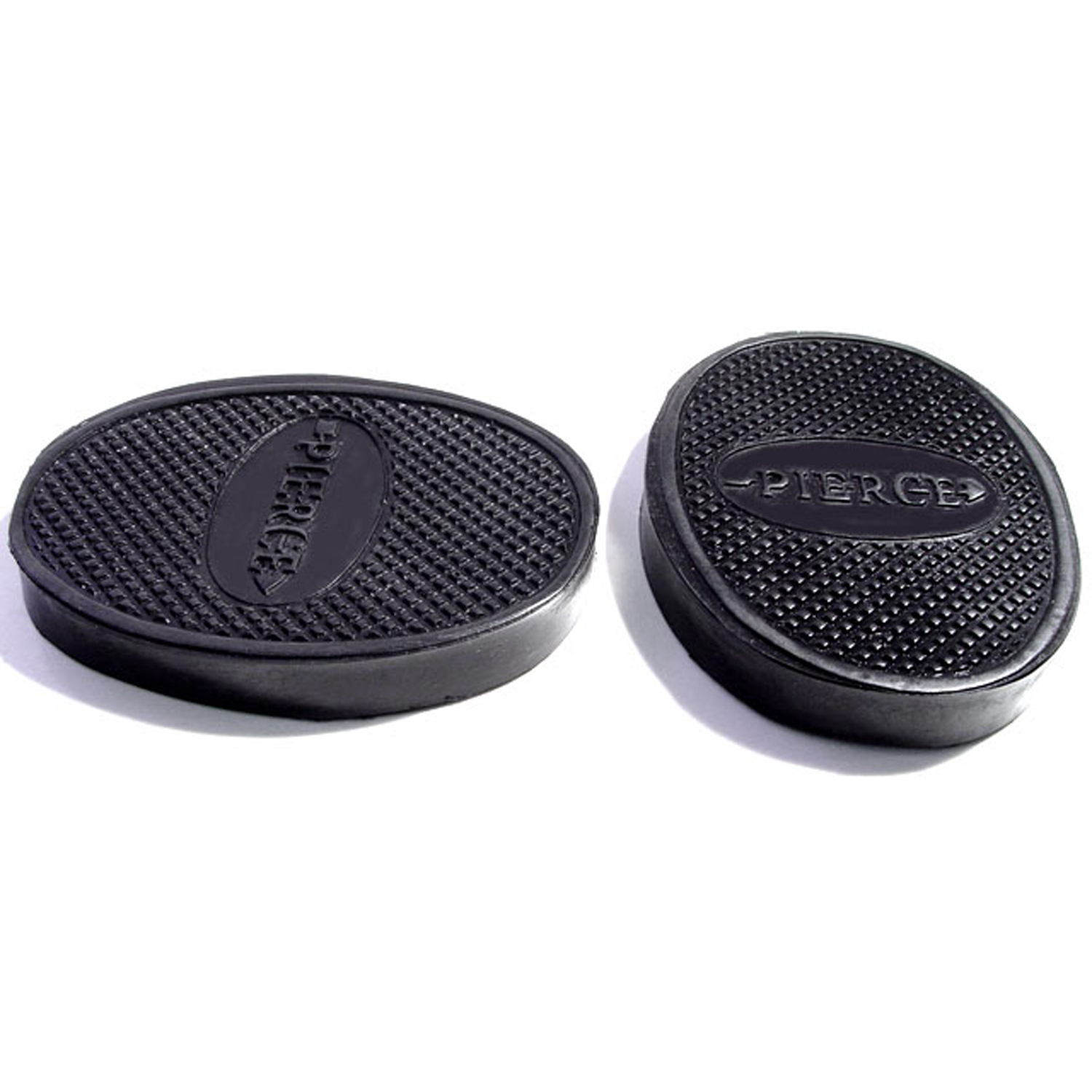 1927 Pierce-Arrow Model 36 Clutch and Brake Pedal Pads. Sharp Emblem-CB 33Clutch and Brake Pedal Pads. Sharp Emblem. 3" wide X 4-1/8" long. Pair
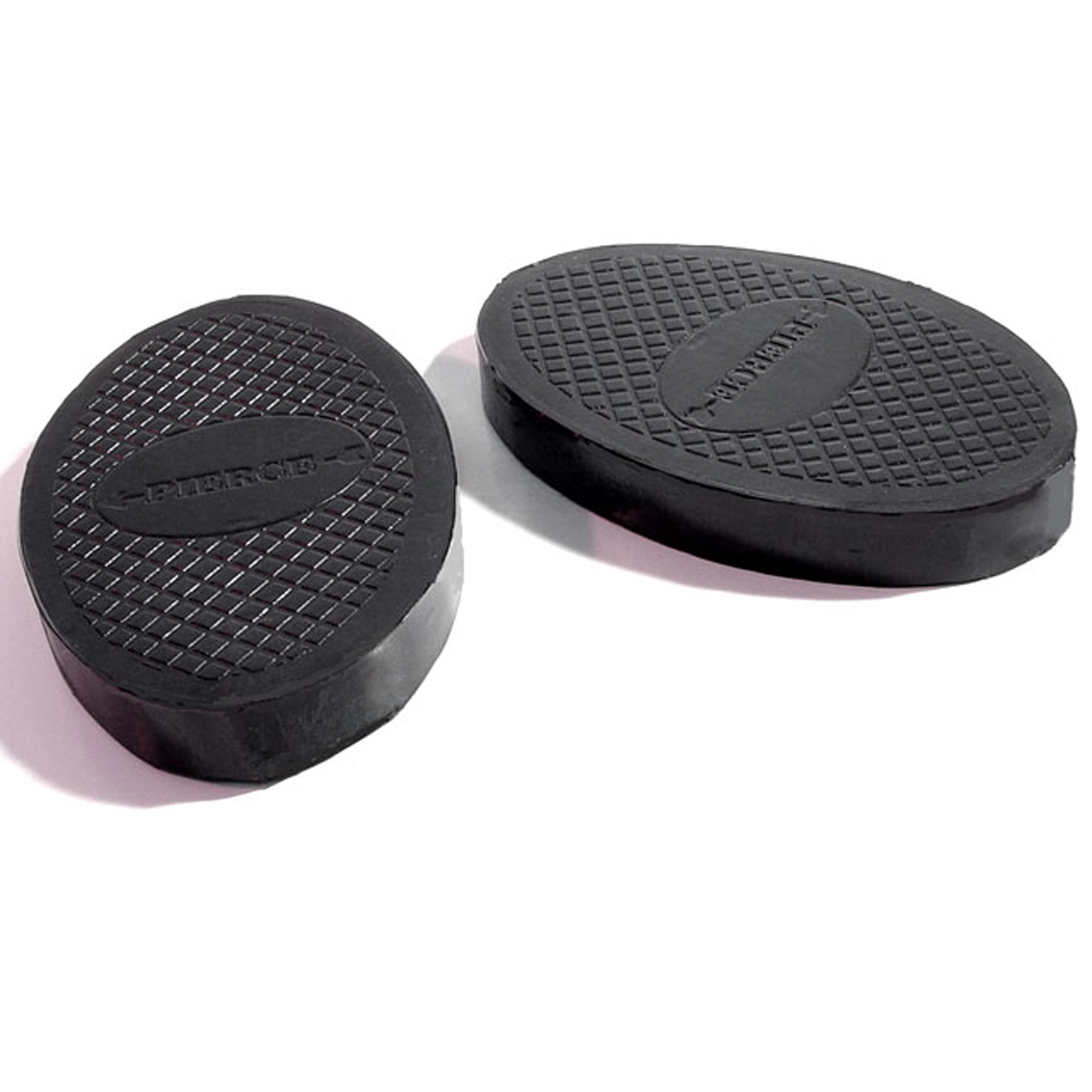 1927 Pierce-Arrow Model 36 Clutch and Brake Pedal Pads. Sharp-looking Emblem-CB 34Clutch and Brake Pedal Pads. Sharp-looking Emblem. 2-7/8" wide X 4-3/4" long. Pair
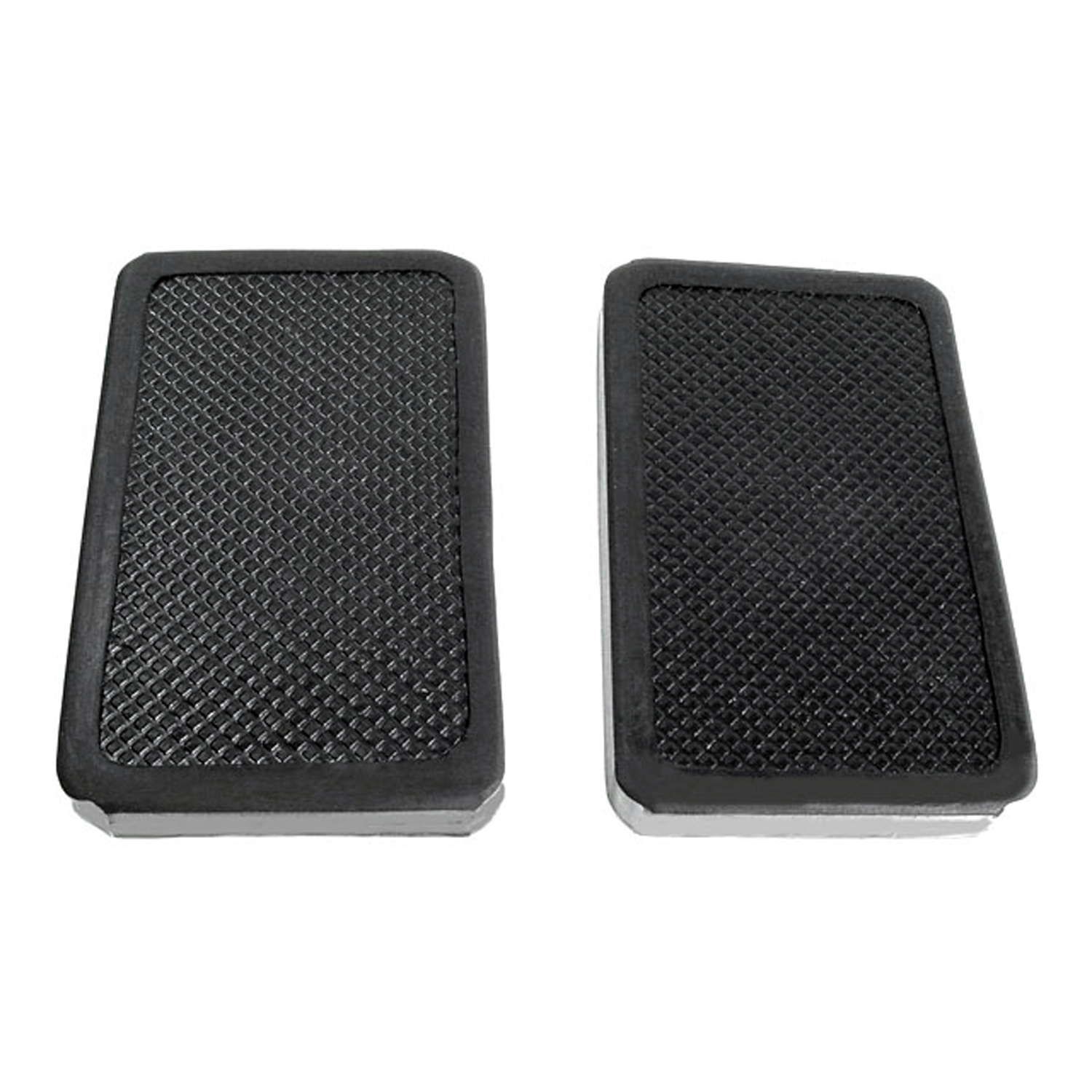 1927 Pierce-Arrow Model 36 Clutch and Brake Pedal Pads. 3" wide X 5" long. Pair-CB 35Clutch and Brake Pedal Pads. 3" wide X 5" long. Pair
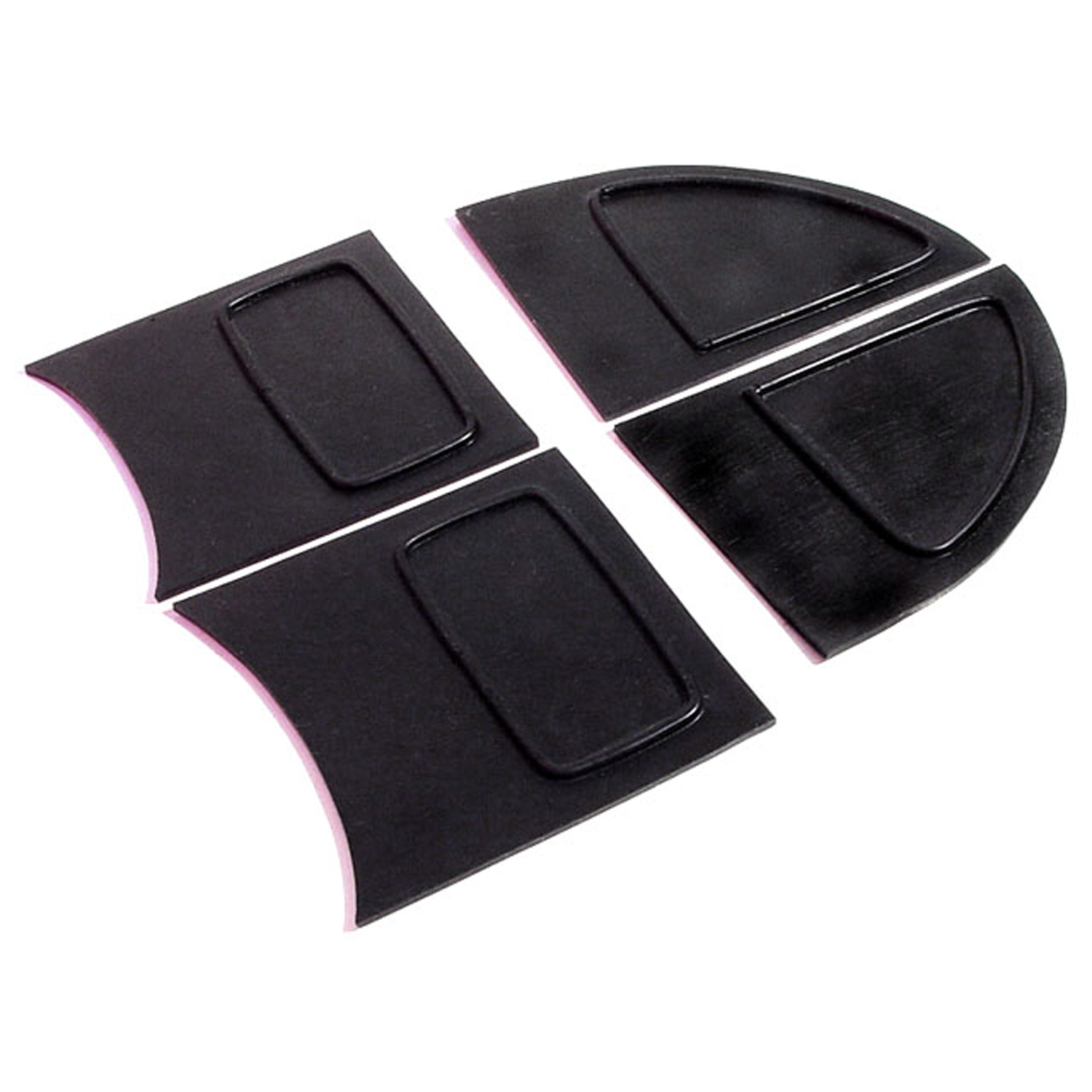 1927 Pierce-Arrow Model 36 Hood Corner Covers. Flat rubber with original design-HC 20Hood Corner Covers. Flat rubber with original design. Used to recover old metal. Tall pad is 3-1/4" long X 2-1/4" wide. Other is 2-1/2" wide. Set
Why Choose Metro?
For over 100 years, Metro Moulded Parts has been the pinnacle of quality in classic car restoration parts. Our commitment to precision and authenticity in every component ensures a perfect fit and an OEM-level appearance.
- Expert Craftsmanship & Quality: Each part is a testament to our dedication to reliability and perfection, crafted from original designs and thoroughly tested.
- Advanced Technology: We use cutting-edge techniques to create flawless, long-lasting parts that surpass others in performance.
- SuperSoft Sponge – The Ultimate Door Seal: Not only are our door seals 30% softer than competitors', but they're also guaranteed to never leak. They effectively reduce wind and road noise, enhancing your classic car's comfort and driving experience.
- Proudly American: Our parts are a product of American craftsmanship, made in the USA with a spirit of excellence and heritage.
- Unrivaled Warranty: We back our products with a 30-year industry-leading warranty, a testament to our confidence in their quality.
Join us in preserving the legacy of classic cars with parts that are crafted for perfection, not just made.