
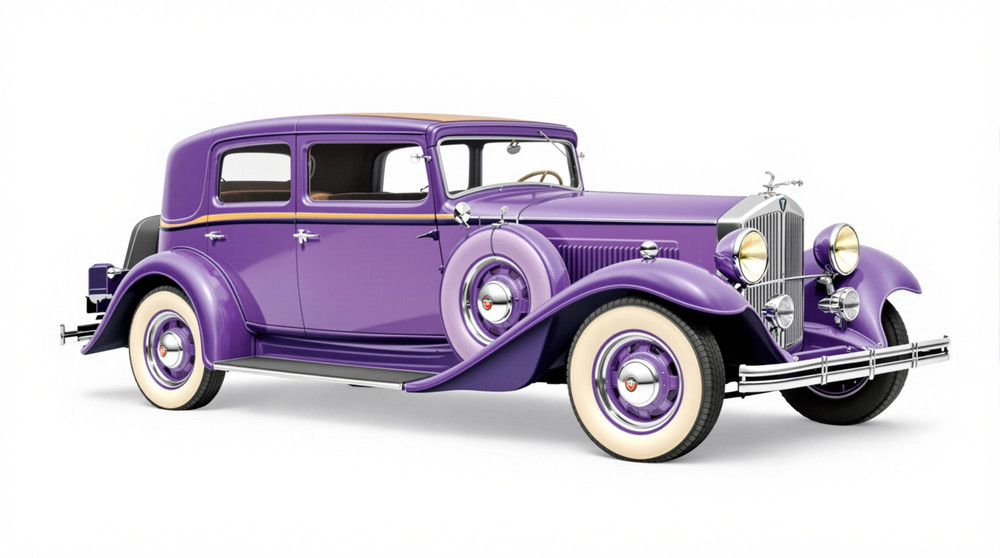
Image of 1930 Pierce-Arrow Model A, Note: These illustrations use artistic license and may differ from actual historical models.
Performance Metrics
Fundamental Metrics
Emotional Appeal
MMP Rating
| Engine Specifications | |
|---|---|
| Engine Options: | Straight 8 |
| Displacement Range: | 366 cu in (6.0 L) |
| Horsepower Range: | Estimated 125-130 HP |
| Torque: | Not available |
| Compression Ratio: | Not available |
| Ignition System: | Battery and coil |
| Cooling System: | Water-cooled |
| Performance Specifications | |
| 0-60 Time: | Not available |
| 1/4 Mile Time: | Not available |
| Top Speed: | 85-90 mph |
| Transmission and Drive | |
| Drive Type: | Rear-wheel drive |
| Transmission Type: | 3-speed manual |
| Fuel and Efficiency | |
| Fuel System Type: | Carburetor |
| MPG: | Not available |
| Dimensions and Brakes | |
| Brakes: | 4-wheel drum brakes |
| Wheelbase: | 139 in (353 cm) |
| Weight: | Estimated 4,500 lbs |
Note: Specifications for classic cars are given to the best of our ability, considering the limited and variant data available.
A 1930 Pierce-Arrow announces itself before the engine is even heard: a long, upright hood, sweeping fenders, and headlamps mounted proudly out on the front wings. It was built for buyers who wanted more than transport. A Pierce-Arrow was a statement of American luxury, craftsmanship, and engineering ambition.
First, a Model Name Note
There is an important wrinkle in the name. Pierce-Arrow’s 1930 cars were identified by numbered series and specifications, not by a factory model called “Model A.” The Model A name belongs to the company’s much earlier automobile history. This guide covers the 1930 Pierce-Arrow passenger cars, whose exact engine, dimensions, bodywork, and performance varied by series. If a car is advertised as a “1930 Model A,” check its serial number and original paperwork before relying on that description.
Buffalo-Built Luxury
Pierce-Arrow grew out of the George N. Pierce Company of Buffalo, New York, a manufacturer known first for bicycles and household products. It entered the automobile business at the start of the twentieth century, and the Pierce-Arrow name became synonymous with high-end American motoring. By 1930, the company was building substantial luxury cars for customers who might also consider Packard or Cadillac.
The timing was challenging. The Great Depression was squeezing the market for expensive automobiles, even as Pierce-Arrow continued to build cars with costly materials and careful workmanship. Studebaker had acquired a controlling interest in the company in 1928, but Pierce-Arrow retained its own identity and Buffalo factory. Its 1930 cars represent the marque near the end of its most prestigious era.
One lasting Pierce-Arrow trademark was its fender-mounted headlamps. The lamps were a distinctive styling signature, making the cars easy to recognize from a distance and giving the front end a broader, more dramatic look than the conventional lamps mounted beside the radiator.
Long Lines and Fine Materials
The 1930 design is all presence. A tall, polished radiator shell anchors the front, while a long hood leads back to a passenger cabin set well behind the front axle. Large, flowing fenders frame the wheels, and running boards bridge the gap between them. Depending on the body, a sweeping beltline, rear-mounted spare, and luggage rack added to the car’s formal, carefully composed profile.
Inside, the atmosphere was quiet and richly finished rather than flashy. Buyers could expect quality upholstery in materials such as leather, broadcloth, or mohair, along with polished wood trim and substantial fittings. Exact details depended on the body style and the original order. As in other top-tier cars of the period, custom coachwork could make one Pierce-Arrow’s cabin noticeably different from another’s.
Paint choices varied by year, body, and order. Black and deep, formal colors suited the car’s imposing character, while dark blue, green, maroon, and two-tone combinations could provide more distinction. A specific surviving car’s original colors are best confirmed through factory records or a specialist inspection, since restorations and repainting can obscure its history.
Body Styles and Options
Pierce-Arrow offered its 1930 chassis with a range of closed and open bodies. Depending on the series, buyers could find sedans, limousines, coupes, phaetons, and other formal or sporting configurations. Some bodies were produced by outside coachbuilders, so the same basic chassis could wear quite different lines and interior arrangements.
The sedan was a natural choice for owners seeking comfort and year-round practicality. Limousines emphasized chauffeured travel, while open phaetons and roadsters displayed the car’s long proportions to full effect. Among collectors today, an especially handsome open body or rare custom coachwork often attracts more attention than a standard closed sedan, though condition and provenance matter just as much.
Engineering for the Open Road
Rather than chasing compactness or low cost, Pierce-Arrow built its cars around a large, smooth-running straight-eight engine. The company’s 1930 range included different series and power levels, so there is no single engine specification that fits every car from that model year. A commonly cited lower-series configuration used an engine of roughly 366 cubic inches and produced about 125 horsepower; larger or higher-output cars could differ substantially.
Four-wheel brakes and a substantial chassis helped make these heavy automobiles manageable for their time. The engineering priority was smooth, composed travel at speed, with a powerful engine delivering steady rather than frantic acceleration. Specification details should always be matched to the individual chassis, since an advertised year or series alone may not tell the whole story.
Performance and Driving Feel
Period sources do not provide one dependable 0-to-60-mph figure for every 1930 Pierce-Arrow body and series. As a broad modern estimate, a representative car might take roughly 25 to 35 seconds to reach 60 mph, with lighter bodies and stronger engines potentially doing better. A well-maintained example could plausibly reach around 75 to 85 mph, but gearing, engine condition, tires, and body weight all affect the result. These are estimates, not guaranteed factory figures, and a century-old car should not be pushed to its theoretical limit.
On a smooth road, the long wheelbase and heavy chassis give the car a settled, stately ride. Broken pavement is softened by its substantial suspension, though sharp impacts still make themselves felt through the frame and body. On winding roads, the Pierce-Arrow is best driven with anticipation: its size, weight, and period steering reward a measured pace rather than quick inputs. Strong crosswinds can also be more noticeable in tall-bodied versions.
From behind the wheel, the experience is physical and deliberate. The steering takes more effort than a modern car’s, the controls have a mechanical feel, and the driver sits high above the road. The straight-eight’s sound is typically a smooth, deep mechanical hum rather than a sharp sporting bark. It is a car for covering miles in comfort and style, not for darting through traffic.
Historical Importance
The 1930 Pierce-Arrow was not a mass-market car, and its importance lies partly in how confidently it occupied the luxury end of American motoring. Its distinctive lamps, formal proportions, carefully finished bodies, and large-engine character helped establish a visual language for prestige cars. It also showed how American manufacturers could combine scale and power with coachbuilt detail.
Pierce-Arrow stood apart through its combination of engineering, visual identity, and high-grade finish. Its fender-mounted lamps became one of the most recognizable features in classic-car design, while its Buffalo-built cars earned a reputation for solidity and refinement. The company’s production ended in 1938, but the marque’s distinctive styling and craftsmanship continue to make its cars easy to identify among prewar luxury automobiles.
Ownership and Upkeep
Today, a 1930 Pierce-Arrow is generally a show car, touring car, or carefully preserved collection piece rather than a daily driver. Some owners take their cars to vintage rallies and long-distance tours, where a properly sorted example can be enjoyed at a relaxed pace. Regular use is possible, but it calls for mechanical sympathy and access to people familiar with prewar machinery.
Maintenance is not especially convenient for an average modern-car owner. Parts may need to come from marque specialists, swap meets, or custom fabrication, and repairs can require knowledge of period ignition, carburetion, brakes, and driveline components. The car’s size also means that ordinary service can take more space and effort than it would on a smaller antique. Good lubrication, careful cooling-system attention, correct tires, and frequent brake inspections are essential.
Reliability depends heavily on restoration quality and ongoing care. A sound, well-maintained Pierce-Arrow can tour reliably, but age-related problems such as dried seals, old wiring, fuel-system issues, and worn suspension components should be expected. A pre-purchase inspection by a Pierce-Arrow specialist is money well spent.
Facts, Myths, and Common Criticisms
Pierce-Arrow built cars in Buffalo, and its fender-mounted headlamps remain among the marque’s most recognizable features. The company also had a connection to presidential transportation: Pierce-Arrows were included among the automobiles acquired for the White House fleet in the early automobile era. That history belongs to the marque, however, and should not be confused with a claim that a particular 1930 car served a president.
A common criticism is that these cars are imposing, expensive to maintain, and less nimble than smaller contemporaries. That is fair if judged by modern traffic or sports-car standards. They were designed for comfort, presence, and sustained road travel, not easy parking or quick cornering. Buyers should also be cautious of vague “Model A” listings, since that is not the standard factory designation for a 1930 Pierce-Arrow.
Collector Values and Rarity
There is no meaningful production total for a “1930 Model A,” because the factory did not use that name for its 1930 line. As a broad working estimate, total Pierce-Arrow production for 1930 was likely in the low thousands, with individual series and body styles representing much smaller numbers. Surviving cars are rarer still, particularly unusual open bodies and coachbuilt examples. Exact production figures can be difficult to pin down, so chassis records and marque-club research are the best route for a specific car.
Values depend strongly on body style, originality, restoration quality, mechanical condition, and documentation. As a rough current-market guide, a project or incomplete car might fall around $15,000 to $40,000. A sound, usable example could bring roughly $40,000 to $100,000, while a high-quality restoration or rare, desirable body could reach $100,000 to $250,000 or more. These are broad estimates, not an appraisal, and auction results can vary significantly.
Like much of the prewar collector market, Pierce-Arrow values are not on a simple upward path. Exceptional, well-documented cars tend to retain the strongest interest, while ordinary examples may sell slowly and require substantial spending to maintain. The market rewards quality and provenance more than the name alone.
A Lasting American Classic
The 1930 Pierce-Arrow combines bold styling, straight-eight power, fine materials, and the commanding presence of a true prewar luxury car. Its exact specification depends on the series and body, and “Model A” is not the correct factory name for a 1930 example. But the essential appeal is unmistakable: a beautifully proportioned Buffalo-built automobile that carried the Pierce-Arrow identity into a difficult new decade. Its long hood and unmistakable lamps still make a powerful case for American craftsmanship at full scale.
1930 Pierce-Arrow Model A Catalog of Parts
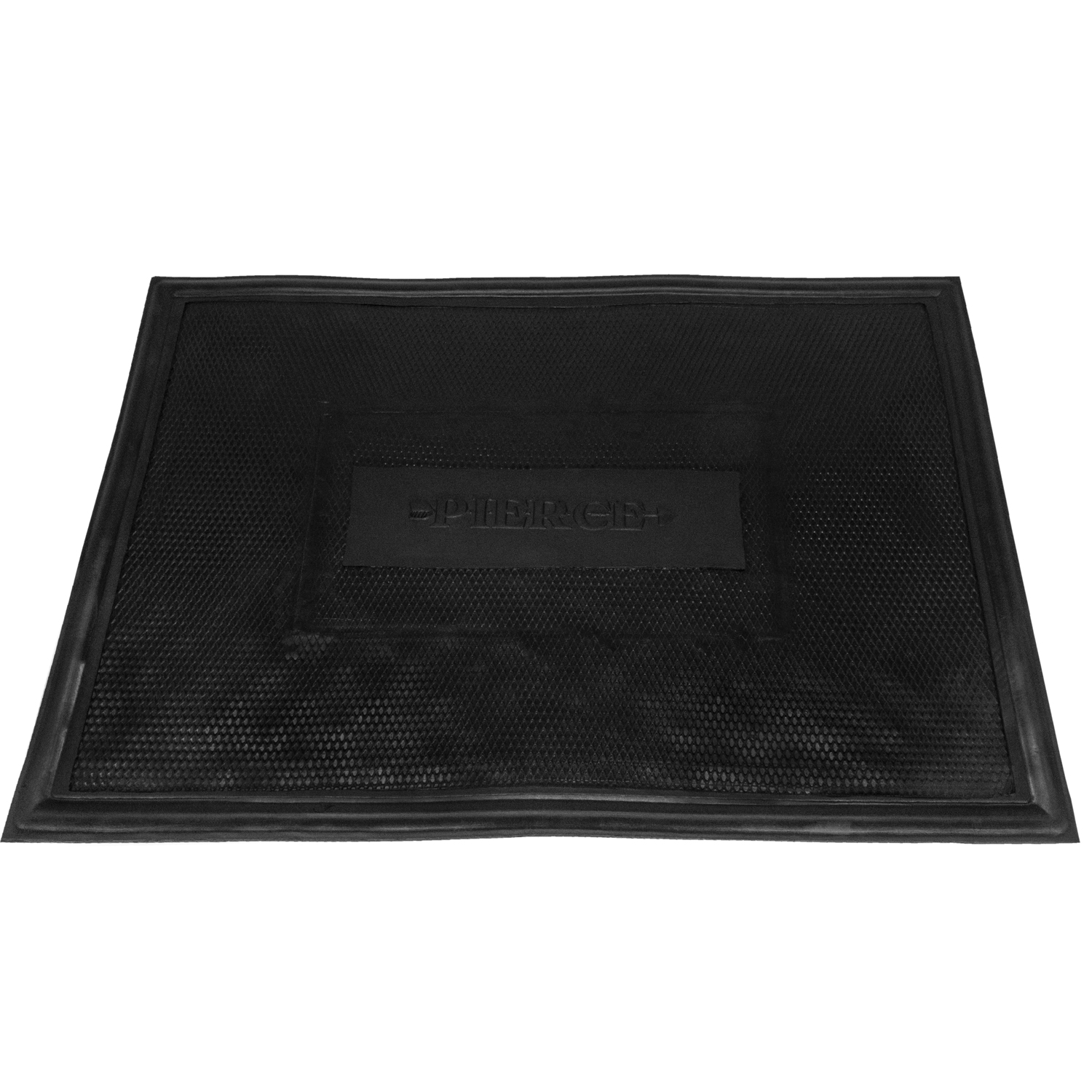 1930 Pierce-Arrow Model A Accessory Floor Mat - 12"X17"-AC 16Accessory Floor Mat - made of high quality black rubber with molded original emblem. Also designed to be sewn into new carpets. 12"X17", Each
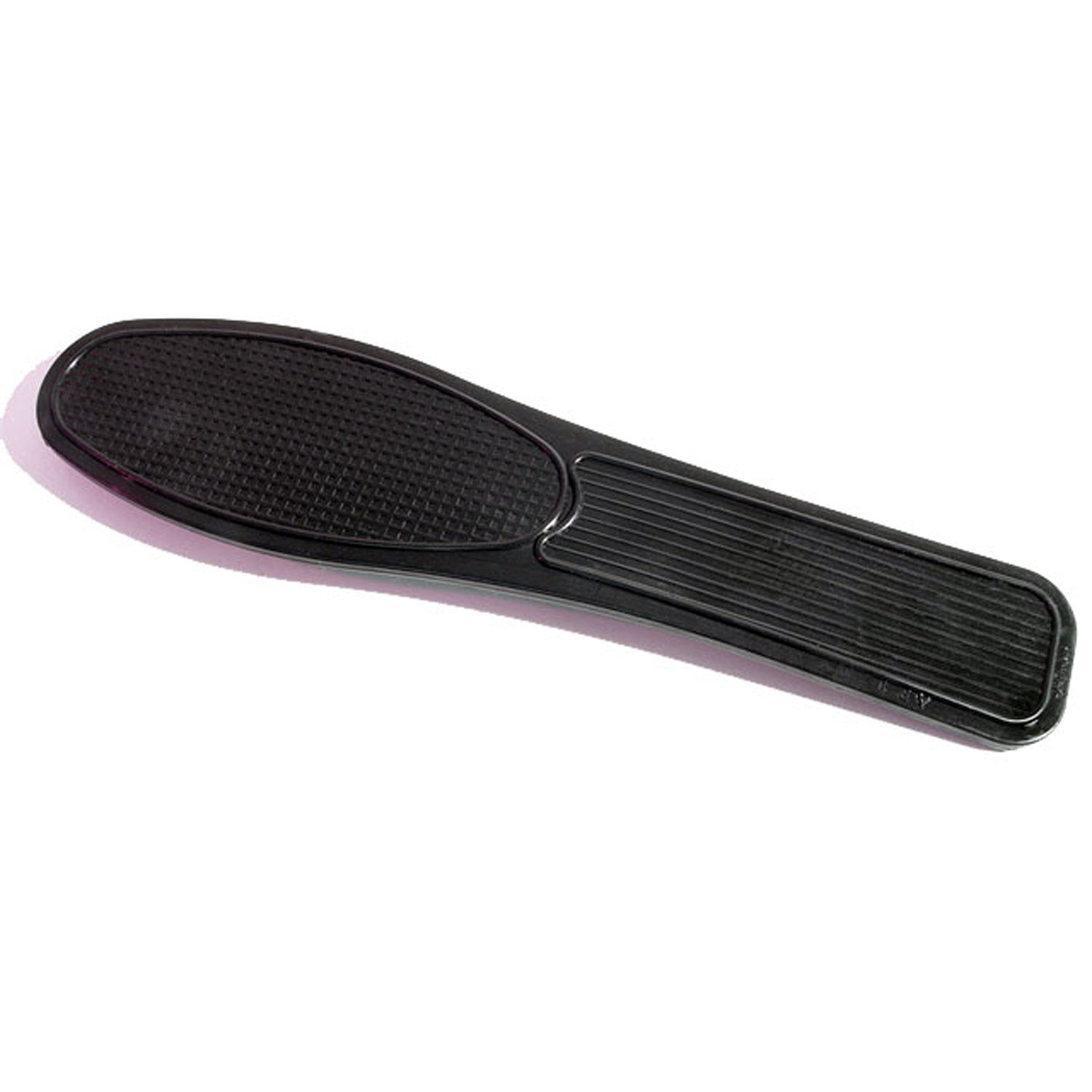 1930 Pierce-Arrow Model A Accelerator Pedal Pad. Cement on type. No emblem-AP 121Accelerator Pedal Pad. Cement on type. No emblem. 2-1/2" X 10-1/8", Each
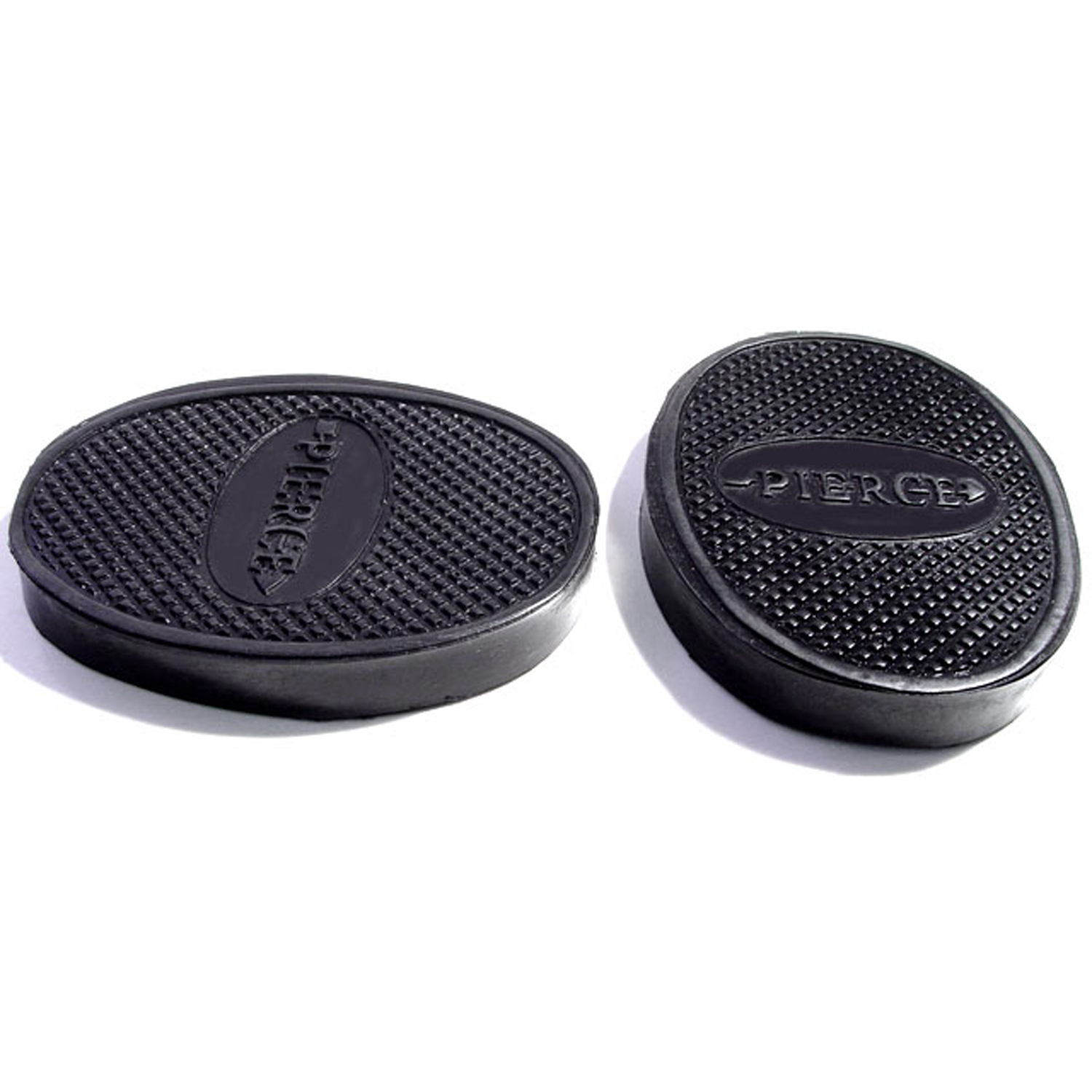 1930 Pierce-Arrow Model A Clutch and Brake Pedal Pads. Sharp Emblem-CB 33Clutch and Brake Pedal Pads. Sharp Emblem. 3" wide X 4-1/8" long. Pair
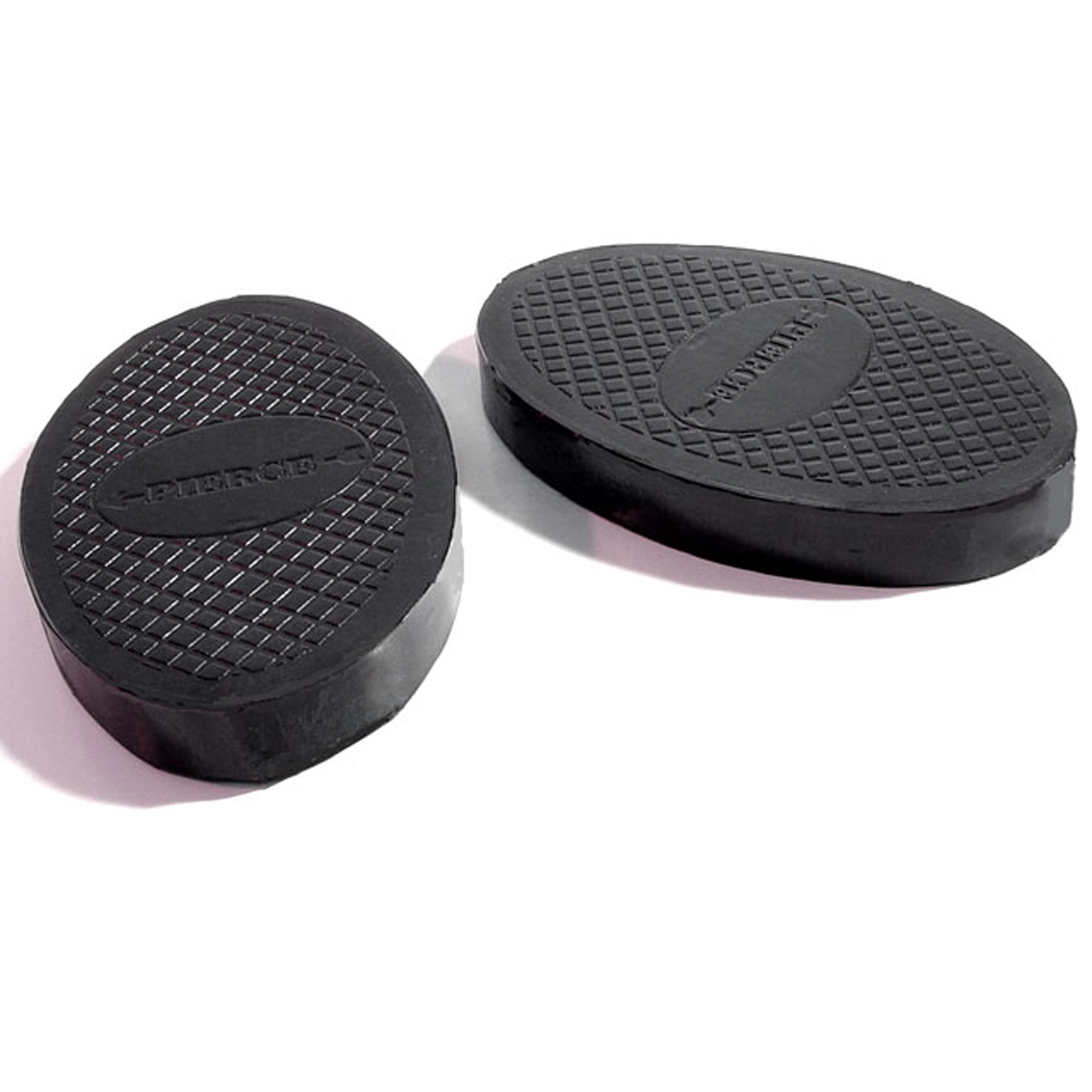 1930 Pierce-Arrow Model A Clutch and Brake Pedal Pads. Sharp-looking Emblem-CB 34Clutch and Brake Pedal Pads. Sharp-looking Emblem. 2-7/8" wide X 4-3/4" long. Pair
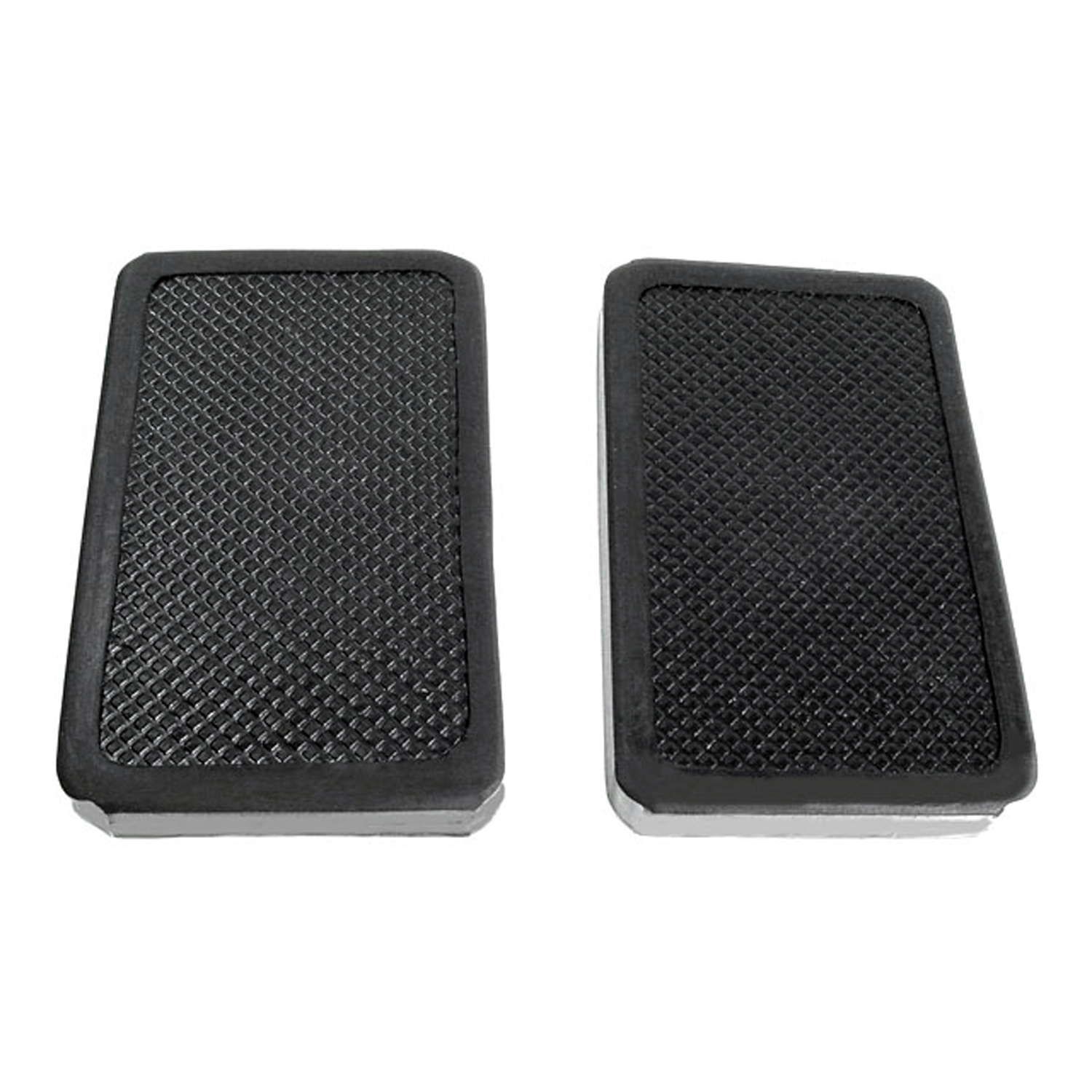 1930 Pierce-Arrow Model A Clutch and Brake Pedal Pads. 3" wide X 5" long. Pair-CB 35Clutch and Brake Pedal Pads. 3" wide X 5" long. Pair
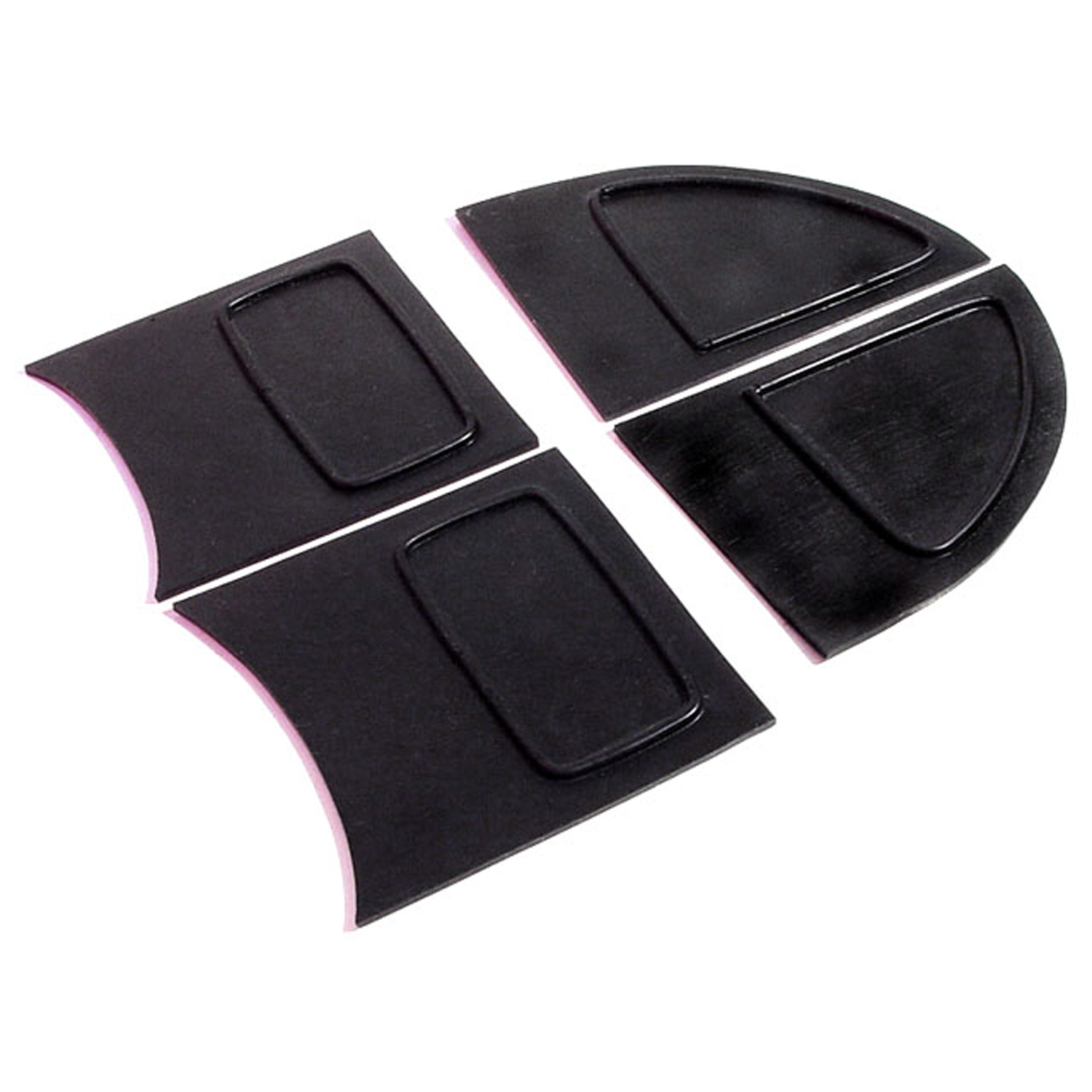 1930 Pierce-Arrow Model A Hood Corner Covers. Flat rubber with original design-HC 20Hood Corner Covers. Flat rubber with original design. Used to recover old metal. Tall pad is 3-1/4" long X 2-1/4" wide. Other is 2-1/2" wide. Set
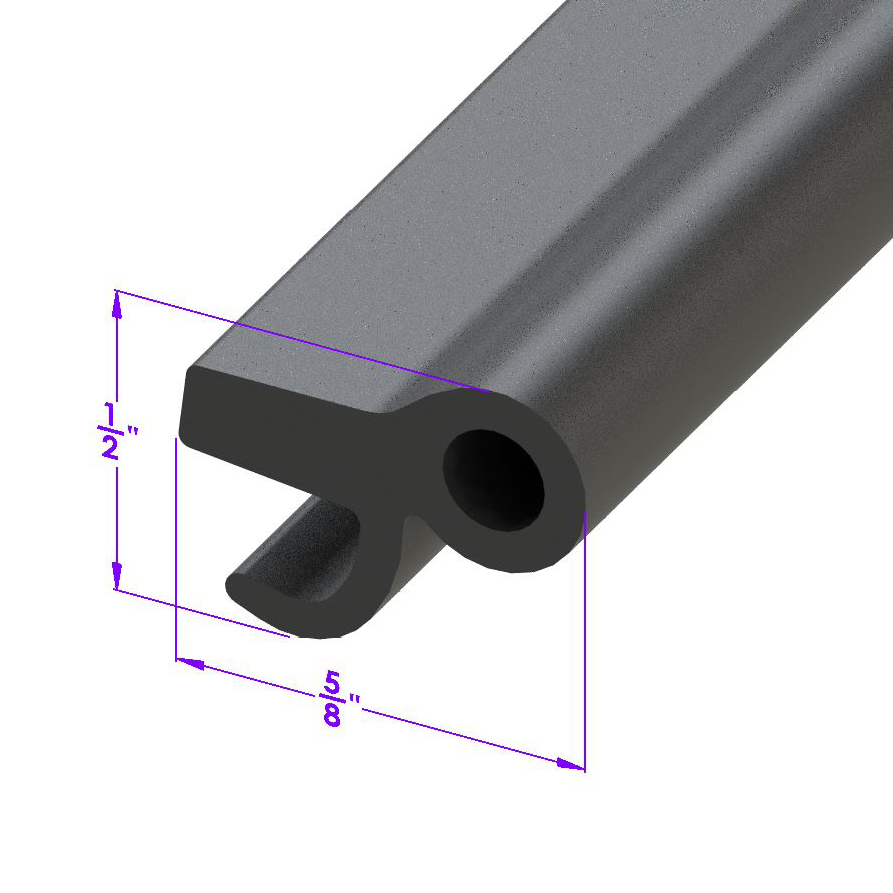 1930 Pierce-Arrow Model A Swing-Out Windshield Seal-LP 97-CSwing-Out Windshield Seal. For both one- and two-piece windshields. Sold by the foot
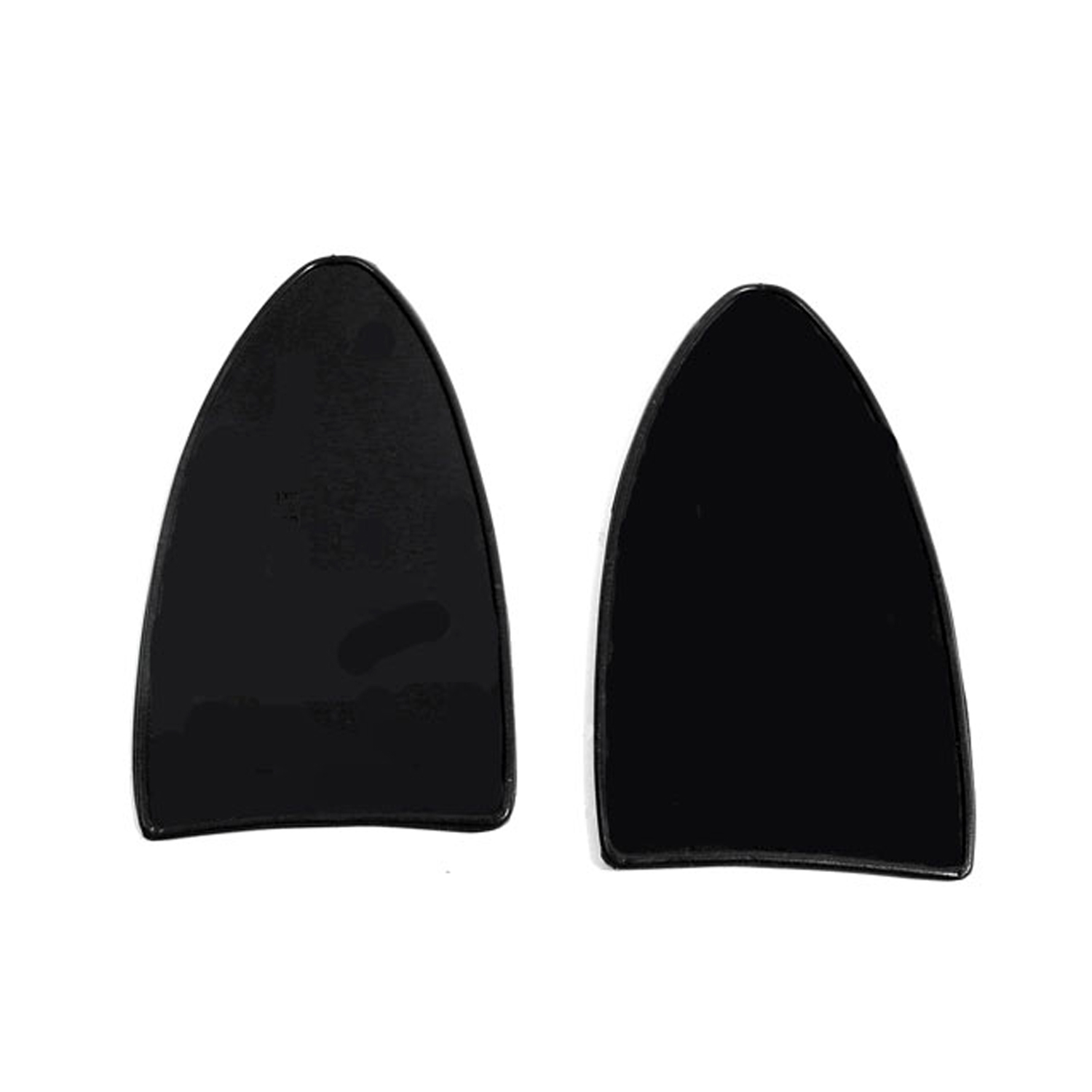 1930 Pierce-Arrow Model A Fender Light Pads. 3-1/2" wide X 6-1/2" long. Pair-MP 1200-CFender Light Pads. 3-1/2" wide X 6-1/2" long. Pair
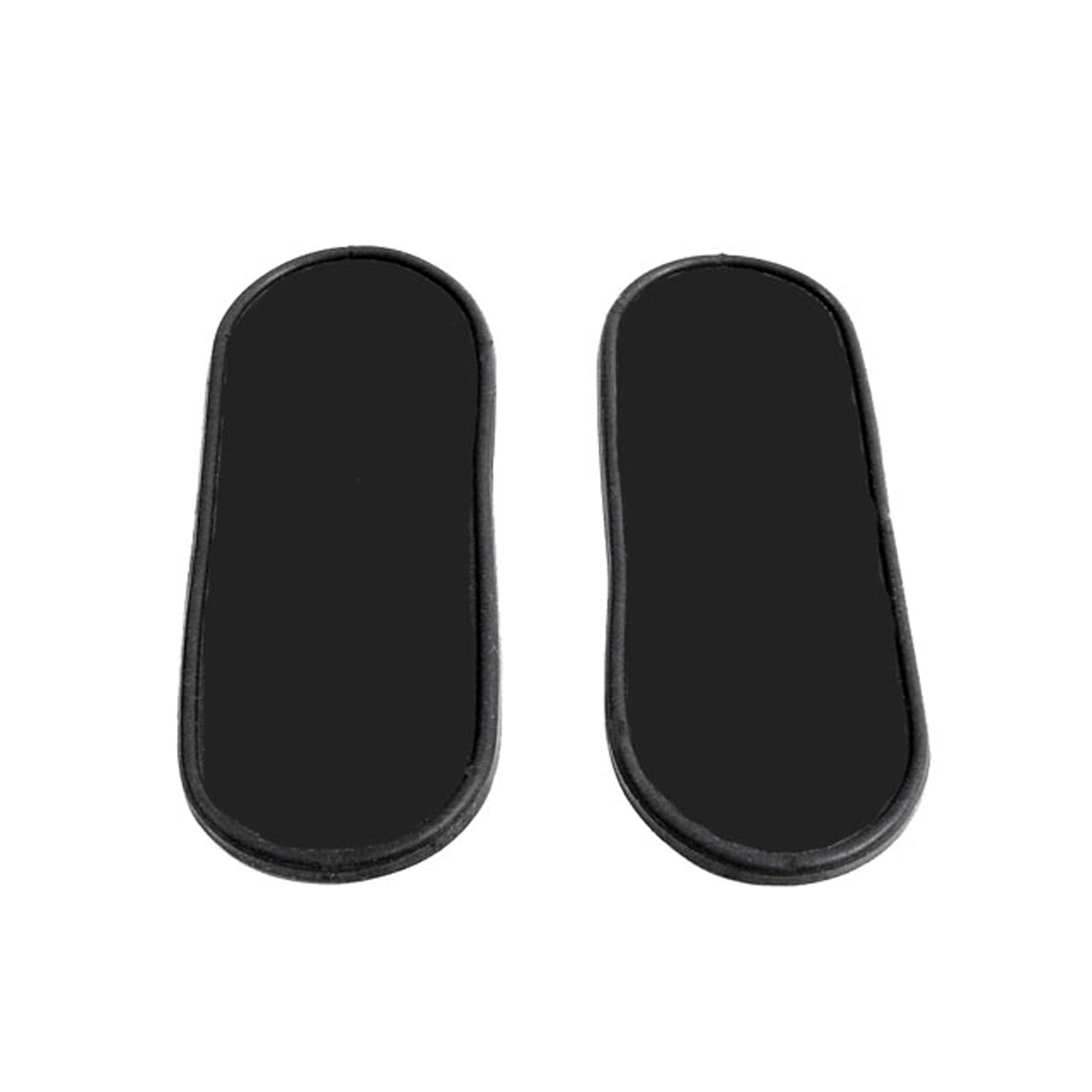 1930 Pierce-Arrow Model A Headlight Bar Pads. 1-3/4" wide X 4-1/4" long. Pair-MP 1200-DHeadlight Bar Pads. 1-3/4" wide X 4-1/4" long. Pair
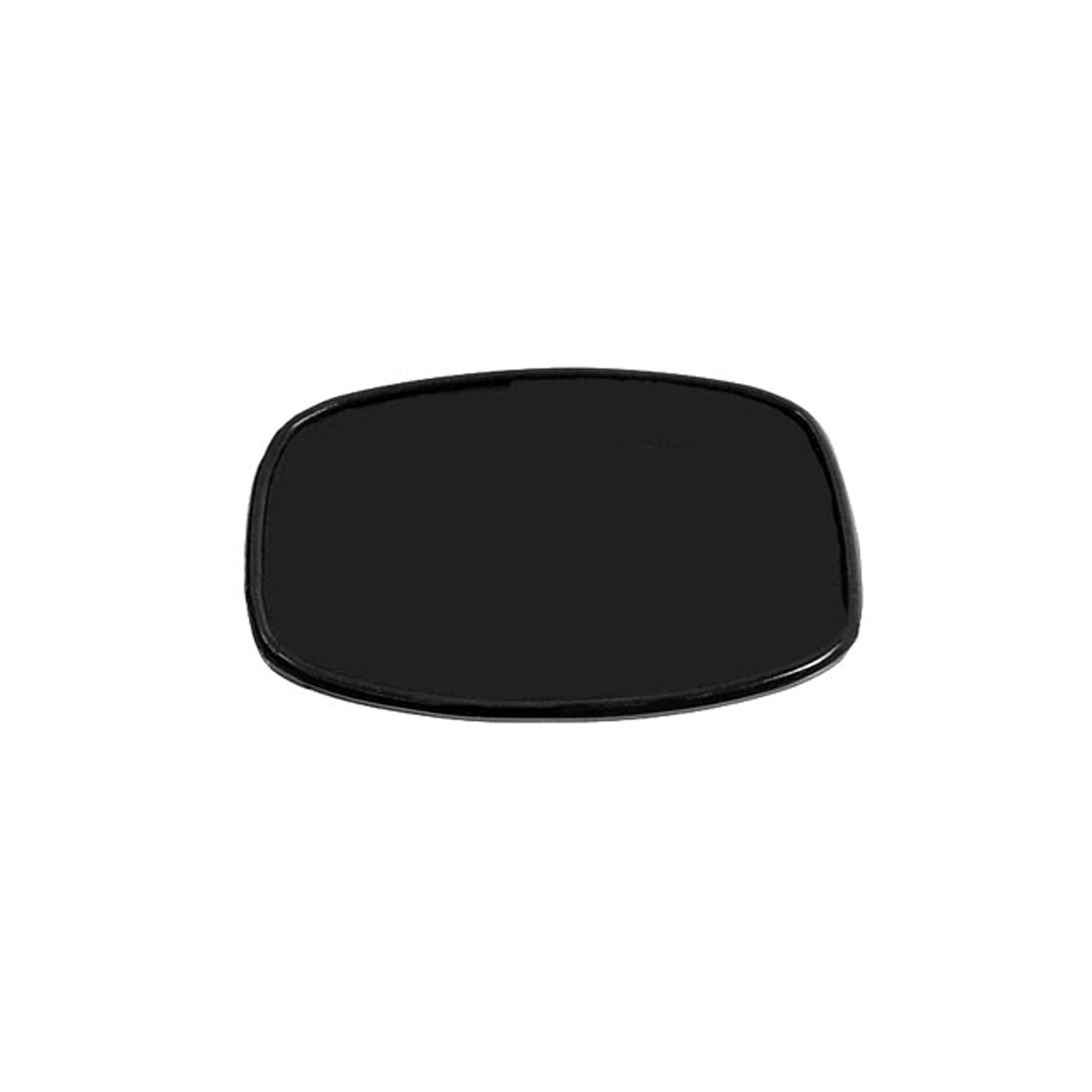 1930 Pierce-Arrow Model A Step-light Pad. 2-7/8" wide X 4-1/4" long. Each-MP 1200-EStep-light Pad. 2-7/8" wide X 4-1/4" long. Each
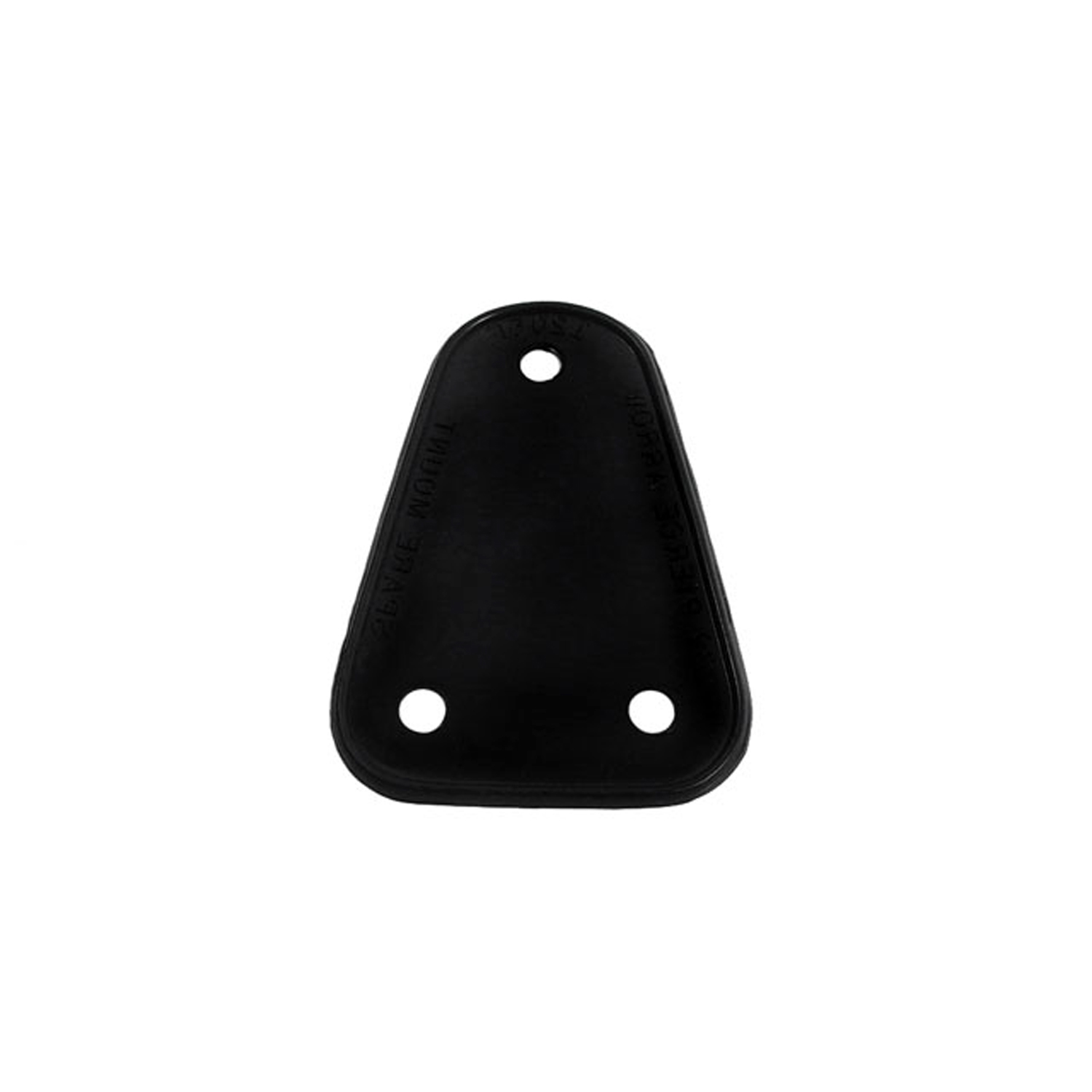 1930 Pierce-Arrow Model A Spare Mount Pad. 3-3/4" wide X 5-1/8" long. Each-MP 1205-ESpare Mount Pad. 3-3/4" wide X 5-1/8" long. Each
Why Choose Metro?
For over 100 years, Metro Moulded Parts has been the pinnacle of quality in classic car restoration parts. Our commitment to precision and authenticity in every component ensures a perfect fit and an OEM-level appearance.
- Expert Craftsmanship & Quality: Each part is a testament to our dedication to reliability and perfection, crafted from original designs and thoroughly tested.
- Advanced Technology: We use cutting-edge techniques to create flawless, long-lasting parts that surpass others in performance.
- SuperSoft Sponge – The Ultimate Door Seal: Not only are our door seals 30% softer than competitors', but they're also guaranteed to never leak. They effectively reduce wind and road noise, enhancing your classic car's comfort and driving experience.
- Proudly American: Our parts are a product of American craftsmanship, made in the USA with a spirit of excellence and heritage.
- Unrivaled Warranty: We back our products with a 30-year industry-leading warranty, a testament to our confidence in their quality.
Join us in preserving the legacy of classic cars with parts that are crafted for perfection, not just made.